
Reviewed · RED LIGHT DISTRICT TOURS
Amsterdam: Red Light District Walking Tour
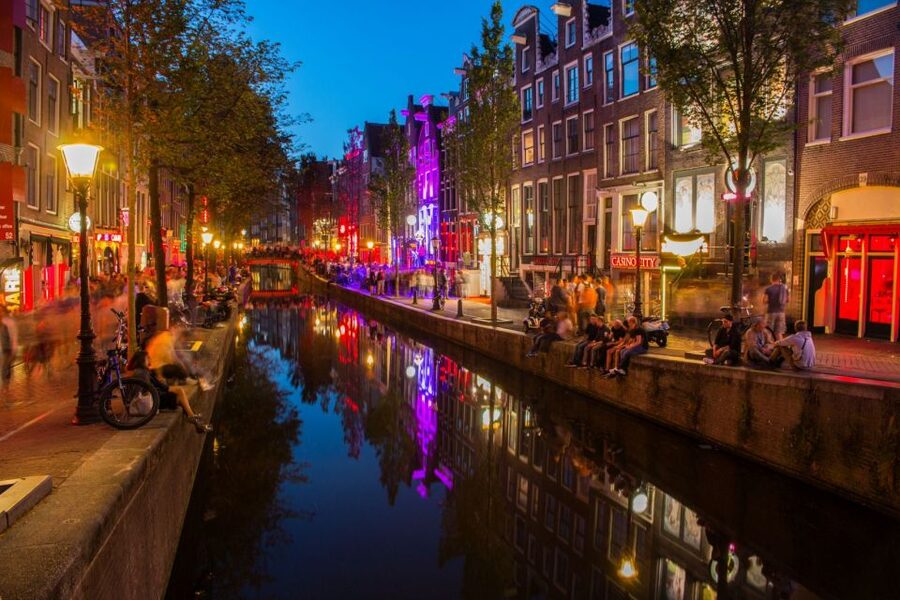
Red lights, old streets, and real stories. This Amsterdam Red Light District walking tour threads together narrow canalside alleys and the policy choices that shaped what you see today. You’ll also move beyond the obvious storefronts and learn how areas like Zeedijk and Chinatown changed over time.
Two things I like a lot: the tour takes you through important sights with a local guide, and it connects those sights to real-world context, including why sex work is legal in the Netherlands. One thing to consider: it’s a walk through a sensitive, adult neighborhood, so if you feel easily uncomfortable, this may not be your best match.
In This Review
- Key highlights you’ll remember
- Why This 2-Hour Walk Works Better Than a Wandering Loop
- Zeedijk Street: Old Sailor Lanes and a Quick Shift in Atmosphere
- Chinatown in Amsterdam: Markets, Shops, and a Friendlier Feel
- Nieuwmarkt Square and the Waag: A City Gate Turned Restaurant
- Entering the Red Light District Center: Windows, Cassa Rosso, and Peep Shows
- Why Legalization and the Coffeehouse Name Matter Here
- Price and Value: Is $33 for 2 Hours Fair?
- Meeting Points, Timing, and What to Bring
- Who This Tour Fits Best (and Who Might Skip It)
- Should You Book This Amsterdam Red Light District Walking Tour?
- FAQ
- How long is the Amsterdam Red Light District walking tour?
- How much does the tour cost?
- What does the tour include?
- Is transportation included?
- Where is the meeting point?
- What languages are offered?
- Is there a private group option?
- Is it possible to cancel for a refund?
- Do I have to pay right away?
- What areas and sights are covered?
Key highlights you’ll remember
- Local storytelling in plain English from guides like Ari, Aaron, Robin Van Gemer, and Sander
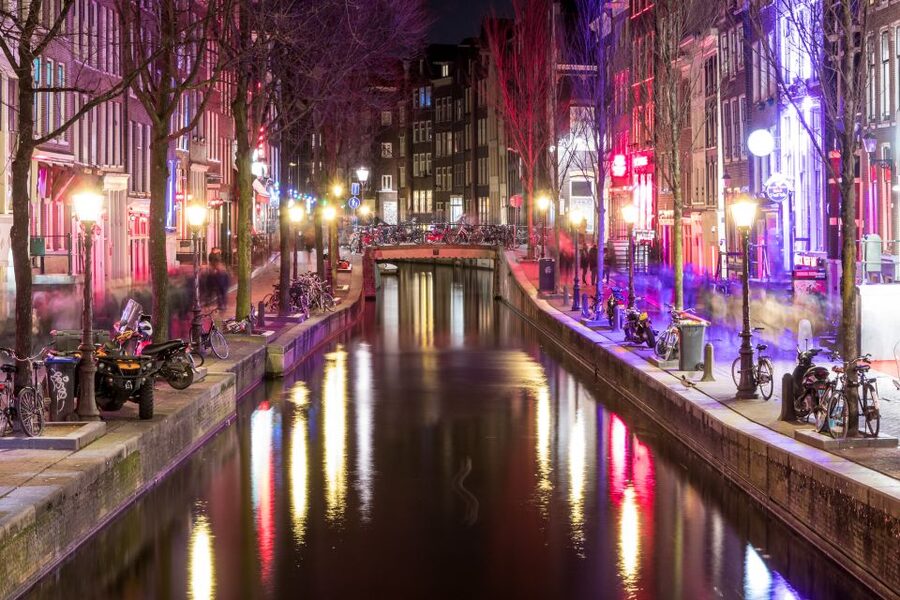
- Zeedijk Street to Chinatown: old sailor lanes and then the lively market-and-shop feel of Chinatown
- Nieuwmarkt Square and the Waag: a city gate now used as a restaurant
- Central Red Light District stops including Cassa Rosso, peep shows, and Bananenbar
- Culture and language clues, including why the word coffeeshop became common
The old town after dark: more Red Light District walks
- Amsterdam: Red Light District Tour in DE/EN/IT/ES/FR
★ 4.9 · 7,136 reviews - Amsterdam: Red Light Secrets Museum Entry Ticket
★ 4.2 · 5,722 reviews - Amsterdam Red Light District & Coffee Shop Tour
★ 4.6 · 4,134 reviews - Amsterdam: Red Light District Pub Crawl with Unlimited Shots
★ 4.1 · 2,130 reviews
Why This 2-Hour Walk Works Better Than a Wandering Loop
Amsterdam’s center can feel like one long blur of canals and crowds. This tour gives you a structure you can actually use. In 2 hours, you cover several compact areas that visitors often see only in passing: Zeedijk Street, Chinatown, Nieuwmarkt Square, and then the heart of the Red Light District.
What makes it work is the guide-led approach. A good guide doesn’t just point at sights. They explain the why behind them—how the neighborhood developed, what changed, and what’s still debated. I like that the experience focuses on stories and anecdotes from the district’s past and present, including the more recent controversies. That context helps you look at what’s in front of you without reducing it to shock value.
You’ll also get a steady mix of sights: historic architecture, everyday street life, and the adult-oriented venues that the district is known for. Even if you’re visiting for culture or history, not nightlife, you’ll walk away with a clearer sense of how Amsterdam balances reputation, regulation, and tourism.
The timing also matters. A 2-hour walk is long enough to connect the dots, but short enough that you can still enjoy the rest of your day in Amsterdam afterward. If you’re tight on time, this is a practical way to see a complicated place without turning your evening into an exhausting slog.
Zeedijk Street: Old Sailor Lanes and a Quick Shift in Atmosphere
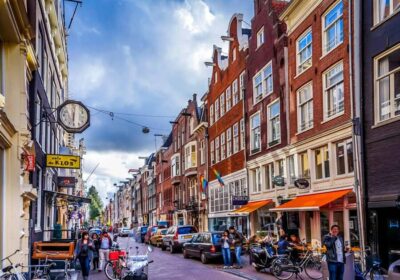
The tour starts by setting you up for what you’re about to see. First up is Zeedijk Street, a street known for its historic role as an old sailor neighborhood. Even without lingering at every corner, the vibe tells a story: trade routes brought people through, and over time the area kept absorbing new layers of culture.
From the start, you’re not just looking at buildings. You’re learning how the neighborhood’s reputation formed—and why it’s different now than it used to be. That matters because the Red Light District isn’t just one fixed scene. It’s a network of streets and blocks, each with its own character.
This is where a local guide earns their fee. The guide’s job is to help you read the street like a map. You’ll be guided to important points and then given the “why” behind the streetscape: how these alleys and canals fit into Old Town, and how the area’s identity has shifted.
Tip for you: wear comfortable shoes and expect tight corners. The route is built around walking narrow streets and alleys, so take it slow at intersections. You’ll want both eyes on the street and one hand ready on your phone map, just in case your view gets pulled toward the next stop.
Chinatown in Amsterdam: Markets, Shops, and a Friendlier Feel
After Zeedijk, the tour continues into Amsterdam’s Chinatown. This part of the route is especially useful if you’ve only heard one-story versions of the city. The guide frames Chinatown as a place that once carried a different reputation but became a friendlier environment.
You’ll pass along lively streets with Chinese stores and get a sense of how the neighborhood operates day-to-day. Even if you’re not stopping for food, seeing the shop fronts and market-stall energy gives you a fuller picture of Amsterdam as a real city, not just a postcard.
One detail I appreciate here: the tour doesn’t treat Chinatown as a separate planet. It treats it as part of the same walking circuit through Old Town. That means you’re not hopping across town. You’re watching how the city changes block by block.
The guide also points out places you might miss on your own. There’s mention of an actual pub stop called In’t Aepjen, and you’ll also see the kind of crooked homes that are common in Amsterdam’s older streets. Those wonky silhouettes look charming in photos, but in person they help you understand how buildings settled and adapted over time.
If you want a quick snack, the tour route includes time where you can stop at market stalls around Nieuwmarkt Square later. In other words, this isn’t only about adult-focused sights. It’s also a street-food-city moment, depending on your appetite.
More of Amsterdam street by street, on foot





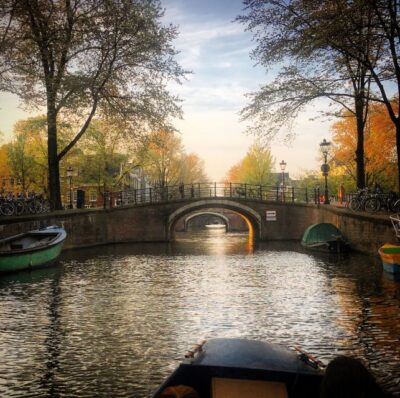
Nieuwmarkt Square and the Waag: A City Gate Turned Restaurant
Next comes Nieuwmarkt Square, one of those places that instantly feels historic because the structures have survived. The tour highlights the Waag, a building that originally functioned as a city gate and part of Amsterdam’s walls. Today, it’s a restaurant, which is a clever reminder that old infrastructure often finds new uses.
Why I think this stop is smart: it gives you a contrast to what comes later. You shift from adult-centered streets to a more civic, public-facing monument. Then, when you head back toward the Red Light District, you’ll be able to compare how the city’s architecture and functions have evolved.
Even if you’re not big on museums, the Waag stop is useful because it anchors the walk in Old Town’s physical geography. You’re not only learning social history. You’re learning how the city’s layout guided movement, trade, and settlement.
The tour also includes a chance to pause at market stalls for a quick snack. That small break helps a lot because once you get into the central Red Light District, the sights can feel intense. Food and a short breather keep the experience from turning into a one-note sprint.
Entering the Red Light District Center: Windows, Cassa Rosso, and Peep Shows
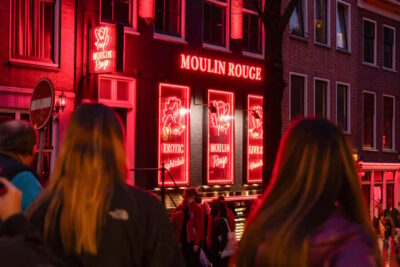
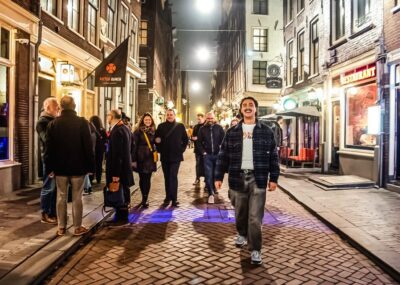
When you reach the center of the Red Light District, the tour becomes unmistakably what you booked. This is where you’ll see prostitution windows lined with red drapes, plus places tied to peep shows and other adult venues.
The tour also calls out specific names, which I find helpful because it stops you from treating the district like one large blur. You’ll hear about Cassa Rosso, Bananenbar, and the idea of peep shows as part of the area’s entertainment history. You’ll also get guidance on what each place represents and why it matters in the district’s story.
Here’s the key: the guide doesn’t just point and move on. They talk about significance and history, and they address the current situation of the Red Light District. That’s important because Amsterdam doesn’t handle sex work like most countries do. The rules, the debate, and the public stance are part of the scene, whether you agree or not.
A practical point for you: keep your pace respectful and your photos to a minimum. You’re in a lived-in neighborhood where people work and live. The walking route is designed so you can view from public streets and understand what you’re seeing without lingering in ways that feel intrusive.
And yes, you’ll probably feel a little shift in mood as you cross into the densest area. That’s normal. A good guide helps you interpret what you’re seeing so it doesn’t become awkward guessing.
Why Legalization and the Coffeehouse Name Matter Here
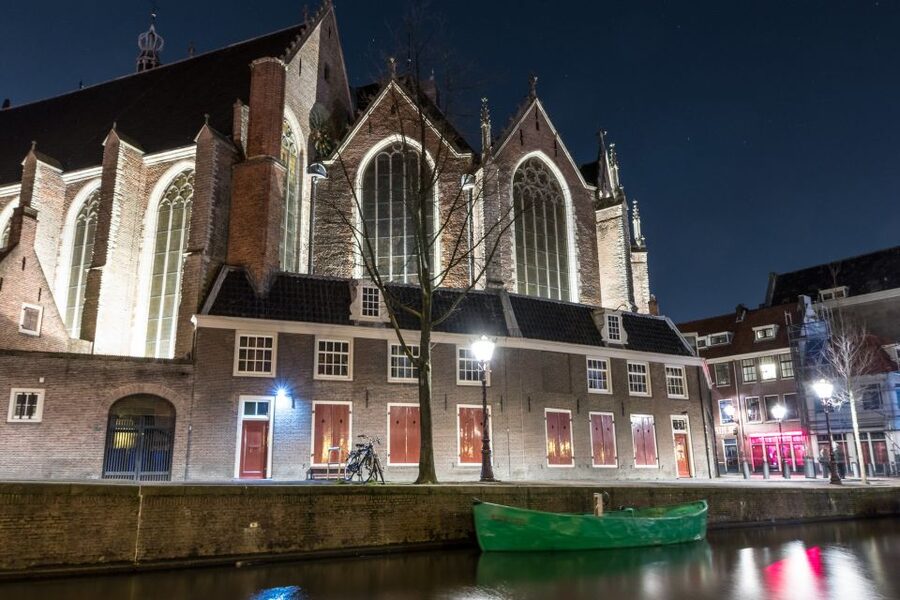
This tour’s real value is the way it connects sights to policy. You’ll learn why prostitution was legalized in the Netherlands, and you’ll also hear how the name coffeeshop was coined.
Those two topics might sound unrelated, but they fit together in a city where regulation and language have shaped how Amsterdam presents itself to the world. When you know the policy context, the Red Light District becomes less of a mystery and more of a system: laws, enforcement, public debate, and tourism all interacting.
The guide’s explanations help you avoid the two extremes that visitors often fall into:
- treating everything as either purely scandalous or purely celebratory
- assuming the neighborhood’s existence is only about sex, ignoring the broader civic and cultural debate
Instead, you get the middle view—Amsterdam trying to handle a complex social reality with rules and compromise, while still dealing with controversies as the years move on.
For your trip planning, this matters because it changes how you respond. You’re not only looking for adult windows. You’re learning how the Netherlands talks about sex work, harm reduction, and public order. That turns a quick sightseeing walk into an actual culture lesson.
Price and Value: Is $33 for 2 Hours Fair?
At $33 per person for a 2-hour walking tour with a live local guide, the value is fairly strong—especially if you care about interpretation. You’re not paying for transportation, and the tour is built for walking, which is efficient in a compact city center.
The biggest value factor is the guide. Clear, upbeat storytelling from guides like Ari and Aaron is the difference between seeing sights and understanding them. The reviews also highlight an upbeat style from guides like Sander and Robin Van Gemer, which is helpful because the subject matter can feel heavy for some people. A guide who keeps the energy friendly makes it easier to stay engaged without feeling preached at.
One more value angle: you get multiple zones in a single loop. You’re covering Zeedijk Street, Chinatown, Nieuwmarkt Square, and central Red Light District sights. For a first visit, that’s a lot of coverage without needing to plan separate stops.
What you should weigh: if you only want photos of one specific area, you might feel the tour is more than you need. But if you want context—especially the legal and cultural angle—this price is a reasonable trade.
Meeting Points, Timing, and What to Bring
The meeting point can vary depending on the option booked, so plan to arrive a few minutes early so you’re not rushing in tight streets. The tour language is English and German, which is handy if you’re traveling with a language preference or mixed group.
Check starting times for availability since the duration stays at 2 hours. Since this is a walking tour, it helps to think about basic comfort:
- Comfortable shoes for narrow sidewalks and corners
- A light layer, since weather in Amsterdam can change fast
- Basic phone power for photos and navigation, but keep your focus on the streets and the guide’s explanations
Group size isn’t specified, but there is a private group option available. If you want a calmer pace or more tailored explanations, the private option is often a better fit—especially for sensitive topics where you may want more control over how you engage.
Who This Tour Fits Best (and Who Might Skip It)
This experience fits best if you want to see Amsterdam as a real city with real rules and real debates. It’s ideal for first-timers who want a guided introduction to the Red Light District without turning it into an awkward self-guided scavenger hunt.
It also suits visitors who like historical context tied to specific street locations—Zeedijk, Chinatown, Nieuwmarkt Square, and the Waag—then want that context to connect to modern controversies.
I’d be more cautious if you:
- dislike adult-themed neighborhoods
- get uncomfortable with frank discussions about sex work and legalization
- prefer only scenic, family-friendly sightseeing
If you’re in the middle—curious but respectful—this guide-led approach is a solid way to experience the district with your questions answered.
Should You Book This Amsterdam Red Light District Walking Tour?
Yes, book it if you want a structured, guided walk through key streets—Zeedijk, Chinatown, Nieuwmarkt Square, and central Red Light District—and you care about why things are the way they are. The local guide storytelling is the backbone here, and the tour is designed to connect architecture, culture, and policy rather than just showing storefronts.
Skip it if you only want entertainment-style nightlife or if adult neighborhoods genuinely make you tense. Also consider booking at a time when you still have energy for the rest of your day, because a 2-hour walk through tight streets adds up.
If your goal is understanding, not shock, this tour is good value for the time you spend.
FAQ
How long is the Amsterdam Red Light District walking tour?
The tour lasts 2 hours.
How much does the tour cost?
It costs $33 per person.
What does the tour include?
It includes a local guide and the walking tour itself.
Is transportation included?
No. Transportation is not included.
Where is the meeting point?
The meeting point may vary depending on the option booked.
What languages are offered?
The live tour guide is available in English and German.
Is there a private group option?
Yes, a private group is available.
Is it possible to cancel for a refund?
Yes. Free cancellation is available up to 24 hours in advance for a full refund.
Do I have to pay right away?
You can reserve now and pay later.
What areas and sights are covered?
You’ll walk through Zeedijk Street, Amsterdam’s Chinatown, and Nieuwmarkt Square, and you’ll see key Red Light District landmarks such as Cassa Rosso and windows in the district, plus other notable nearby spots mentioned on the route.
More Tours in Amsterdam






More Tour Reviews in Amsterdam






The Red Light District After Dark




Just added: fresh Amsterdam tour reviews





Red Light District Tours, compared.
 ★ 4.9Red Light District Tour in DE/EN/IT/ES/FRFrom $287,136 reviews
 ★ 4.2Red Light Secrets Museum Entry TicketFrom $175,722 reviews
 ★ 4.6Amsterdam Red Light District & Coffee Shop TourFrom $294,134 reviews
 ★ 4.1Red Light District Pub Crawl with Unlimited ShotsFrom $242,130 reviews
 ★ 4.5Amsterdam Red Light District Pub CrawlFrom $241,497 reviews
 ★ 4.6Red Light District Tour in English or GermanFrom $341,228 reviews
 ★ 4.1After Dark Red Light District TourFrom $571,030 reviews
 ★ 5.0Private Amsterdam Red Light District and Coffee Shop TourFrom $41763 reviews
Browse the lists this tour appears in