
Reviewed · WALKING TOURS
Absolutely Amsterdam – the Essential Introductory Walking Tour
Amsterdam is easy to admire, and harder to understand fast. This intro walk turns the city’s most famous landmarks into a simple story about water, trade, faith, and daily life. It’s the kind of tour that helps you connect places you’ve seen on postcards to the real reasons they ended up there.
I really like two things right away: first, how the route stays walkable while still hitting major landmarks like Damrak, the Waag area, and the Royal Palace zone. Second, the guides often bring strong structure and visual support, with many groups highlighting guides such as Gianni and Raymond for clear explanations and humor. One thing to consider: several stops are best enjoyed from the outside, so if you want lots of inside museum time, this won’t feel like that.
In This Review
- Key Points at a Glance
- Why This Walk Works for First-Time Amsterdam Planning
- Price and Value: Paying Little, Using Tips to Your Advantage
- Time on Foot: 2.5 Hours That Still Feels Manageable
- The Meeting Point: Start Near Beursplein and End Back Again
- Stop-by-Stop: What You Learn and What You’ll See
- Beurs van Berlage: Water, Trade, and the City’s Power Source
- Damrak: Origins of the Red Light District and Amsterdam’s Rules
- Our Lord in the Attic Museum (Ons’ Lieve Heer op Solder): Tolerance with Conditions
- Chinatown: Dutch Drug Policy and the Birth of Coffeeshops
- The Waag: Rembrandt’s Start and the Art of Portraits
- Oostindisch Huis: The Golden Age, Global Trade, and the Dark Side
- Waterlooplein Market: Survival in the Former Jewish Quarter
- The Amstel / Canal Views: Why Amsterdam Houses Lean and Curtains Stay Open
- Oudemanhuispoort: A Monastery-Hospital and Bike Culture Without the Hype
- Royal Palace Amsterdam Zone: Republic to Monarchy and a Quick Royal Update
- Guides Matter: Why This Tour Feels Fun Instead of Dry
- Practical Tips So You Get More From Every Stop
- Who Should Book This Walking Tour (and Who Might Want Something Else)
- Should You Book Absolutely Amsterdam – the Essential Introductory Walking Tour?
- FAQ
- How long is the Absolutely Amsterdam – the Essential Introductory Walking Tour?
- What is the price per person?
- Where does the tour start?
- Where does the tour end?
- Is the tour in English?
- Is admission included for all stops?
- What sights do you see on the route?
- How large is the group?
- Is cancellation free?
- Are service animals allowed?
- Is this tour suitable for most people?
Key Points at a Glance

Small group size keeps it easier to ask questions and hear details (max 15).
A fast orientation route covers multiple UNESCO-centered neighborhoods in about 2.5 hours.
Outside views and stories mean you learn without paying for every stop.
Golden Age and its consequences come up in a grounded way, not just as a feel-good tale.
Canal-house and bike culture lessons give you practical context for what you’ll notice on your own afterward.
Tip-friendly price makes it a strong budget option if you’re happy to reward your guide.
More of Amsterdam street by street, on foot
- Amsterdam Anne Frank: Small-Group Walking Tour & Local Guide
★ 4.8 · 12,789 reviews - Anne Frank’s Story – Guided Walking Tour through Amsterdam
★ 5.0 · 11,619 reviews - Absolutely Amsterdam – the Essential Introductory Walking Tour
★ 5.0 · 3,629 reviews - Amsterdam: Anne Frank Guided Walking Tour in DE/EN/IT/ES
★ 4.9 · 3,107 reviews
Why This Walk Works for First-Time Amsterdam Planning
Amsterdam can feel like a maze of canals, boats, bikes, and narrow streets. This tour helps you build a mental map quickly, using a guided path through the historic core. Afterward, you’ll likely see the city differently: not just pretty views, but systems—how money, water, religion, and rules shaped everyday life.
The route also makes smart use of time. You move on foot, so you’re not stuck in transit while the city is still right in front of you. And the stop timing is designed for an intro pace: brief enough to keep energy up, long enough to point out what to look for again later.
Price and Value: Paying Little, Using Tips to Your Advantage
The price here is $5.93 per person, which is unusually low for a guided walking tour. What makes that work for your money is the format: a guide leads you through a chain of high-interest sights, with many parts free to view from the street. Several stops explicitly have free access, and the tour’s structure focuses on interpretation rather than paid admissions.
That also means the tour’s “value” is mostly in the explanation. You’re paying for someone to connect the dots—why the canal houses look the way they do, why certain streets and neighborhoods evolved, and what Amsterdam’s Golden Age really means.
Just note one practical angle: not every highlighted place is entered. Two stops mention that tickets are not included, and at least one religious site is viewed without entering. If you prefer ticketed museum time, you may want to add extra activities on separate days.
Time on Foot: 2.5 Hours That Still Feels Manageable
This tour runs about 2 hours 30 minutes. The walking time matters because Amsterdam rewards slow wandering, but it also drains you fast if you’re not paced well. The good news is that the route is built for an intro: short stops, frequent story beats, and a pace that’s meant to be workable for most people.
One real-world consideration: Amsterdam is bicycle-heavy. If you’ve ever tried to cross a street while bikes stream past, you’ll know the challenge. Guides can’t control traffic, but they can help you anticipate it—so wear shoes you can walk in for multiple hours.
And if you hate crowds, pick your timing carefully. Some people suggest avoiding the busiest moments because narrow streets fill quickly. That’s especially relevant near Damrak and popular shopping-and-tour zones.



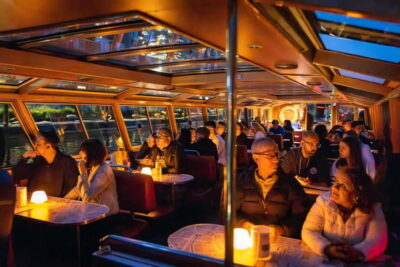
The Meeting Point: Start Near Beursplein and End Back Again
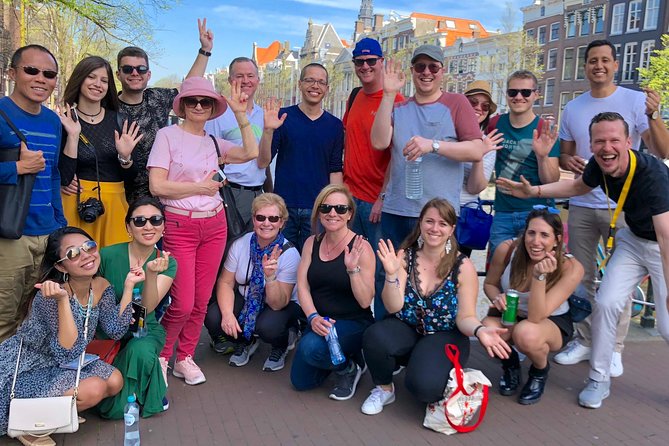
You’ll start at Freedam Tours, Beursplein 5 (1012 GZ). The tour also returns you back to the meeting point. That matters more than it sounds, especially after a short trip: you don’t need a complicated plan for how to get home or move to your next activity.
Being near public transportation also helps. If you’re coming in from another part of town—say, the museum areas—you can get to the start point without extra fuss.
Stop-by-Stop: What You Learn and What You’ll See
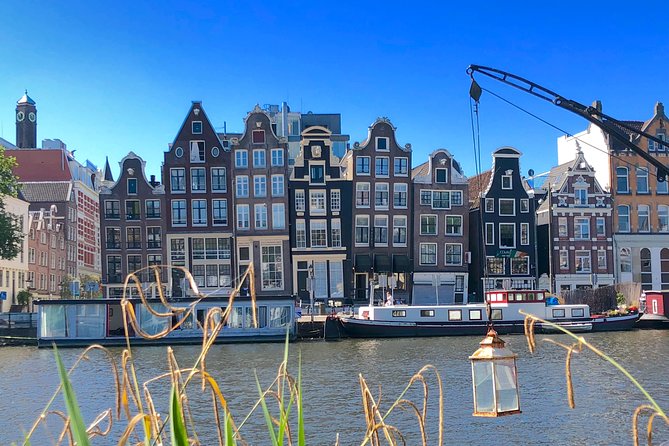
Below is the tour’s core flow, with what each stop adds to your Amsterdam understanding. Think of it as a story in nine chapters plus a bonus stop.
Beurs van Berlage: Water, Trade, and the City’s Power Source
Your first stop is at Beurs van Berlage, in front of the former stock- and commodities exchange buildings. The guide explains that the site connects to Amsterdam’s relationship with water—built where the Amtel river used to run. That one idea helps you understand why so much of the city’s layout and wealth grew along waterways.
This is a strong opening because it sets a theme: Amsterdam didn’t just happen. It was engineered—financially and physically—around water access.
Damrak: Origins of the Red Light District and Amsterdam’s Rules
Next comes Damrak, near the old harbor. Here the tour turns to the origins of the Red Light District and how religious influence and commerce eventually mixed. You’ll hear the bigger story behind prostitution becoming a legal profession and how the neighborhood changed across the 20th and 21st centuries.
The tone here is practical and historical rather than sensational. It also helps you understand why Amsterdam’s approach to issues often involves regulation and social compromise—something you’ll see echoed in other parts of the city.
Our Lord in the Attic Museum (Ons’ Lieve Heer op Solder): Tolerance with Conditions
At Our Lord in the Attic Museum, you get a special lesson on tolerance. The key point: after Catholicism became illegal in the 17th century, religion still didn’t disappear. Instead, it continued under peculiar conditions.
Important detail: you don’t enter the hidden church during the tour. You view it from the outside, and the guide shares pictures of the interior. So you get the concept and atmosphere without waiting for museum access mid-walk.
Chinatown: Dutch Drug Policy and the Birth of Coffeeshops
Then the tour shifts to Chinatown and the link between Dutch drug policies and the rise of coffeeshops. You’ll learn how this area gained a reputation and how it became a no-go zone in the 1970s—then how that pressure helped shape the later system.
This stop is valuable because it explains Amsterdam beyond vibes. It gives you a political and social timeline you can carry with you when you see policy in action around the city.
The Waag: Rembrandt’s Start and the Art of Portraits
At The Waag, the emphasis is on art and craft. You’ll hear where Rembrandt painted his first major work and how that changed portrait making. The guide also uses a copy of the painting to show details.
Even if you don’t know Dutch art history, this works. A short visual walkthrough helps you understand what you’re looking at later, and why it mattered.
Oostindisch Huis: The Golden Age, Global Trade, and the Dark Side
One of the most memorable stops is Oostindisch Huis, centered on a 17th-century courtyard inside the building. The tour explains how Amsterdam became the hub of a global trading empire during the Golden Age—making the city extremely wealthy. This stop also introduces the darker legacy of that era, so you don’t leave with a one-note success story.
A practical detail: the courtyard is described as accessible only on weekdays. That means your experience may depend on the day your tour runs. Still, the guide’s main value is the way it frames trade: power, profit, networks, and consequences all in one story.
Waterlooplein Market: Survival in the Former Jewish Quarter
Next is Waterlooplein Market, tied to the former Jewish Quarter. The tour explains that the area was nearly destroyed by the end of World War II—and challenges the simplistic versions of the story. You’ll hear about the disastrous consequences of Nazi occupation, how Jewish communities were decimated, and what life demanded during the last hunger winter.
This stop adds emotional weight to the tour. It’s not just architecture and gossip; it’s how a city survived and what survived with it.
The Amstel / Canal Views: Why Amsterdam Houses Lean and Curtains Stay Open
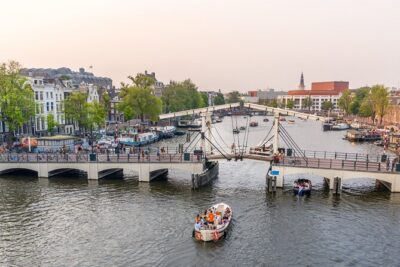
Now you move into the “look closer” section. Near the Amstel (or sometimes at another canal, depending on weather and guide), you’ll connect canal existence to how Amsterdam functions. Then comes the fun part: why canal houses are skinny, why some buildings lean in different directions, and why there’s often a hook on the front.
The guide also points out Dutch curtain habits—specifically that curtains are often kept open. Whether you love that detail or find it surprising, it’s the kind of observation that changes what you notice on your own.
Oudemanhuispoort: A Monastery-Hospital and Bike Culture Without the Hype
At Oudemanhuispoort, you’ll be in a former monastery turned hospital and now part of the University of Amsterdam. The tour uses the setting to explain Dutch bike culture—why there are more bikes than people and why bikes often look rather… functional.
This stop is great if you plan to spend time riding (or walking near) bike traffic. You’ll start to understand how bicycle infrastructure becomes part of city identity, not just a commuting choice.
Royal Palace Amsterdam Zone: Republic to Monarchy and a Quick Royal Update
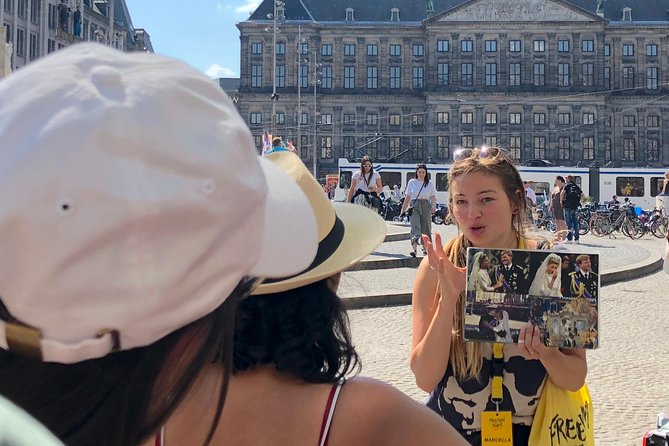
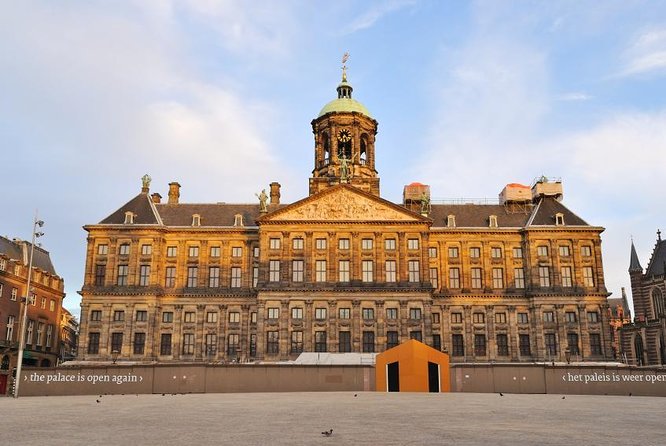
The final stop is the Royal Palace Amsterdam area, ending back near Dam square. You’ll learn about the peculiar history of the palace and the transition from a republic to a monarchy. The guide also shares images of the current royal family and gives a light, timely update on royal gossip.
Admission here is not included, so it’s more of an orientation and context stop than a full palace visit. If you want to go inside later, you’ll know what to look for and why it matters.
Guides Matter: Why This Tour Feels Fun Instead of Dry
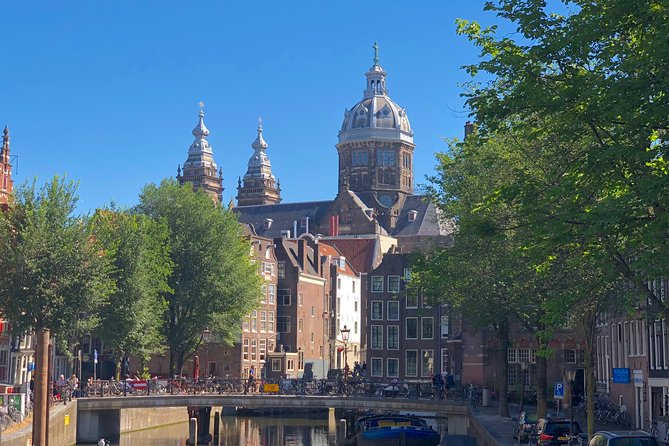
What really elevates this tour is the guide energy. Many people highlight humor and engaging storytelling, with names like Jaap, Esi, Carl, Sergio, and David appearing often for their style. Some guides use maps and visual aids to make concepts stick, and that can be a big help when you’re walking through places you can’t fully picture in your head.
There’s also a recurring theme: the pacing feels right. People often say it’s easy-paced and manageable. That matters because Amsterdam walking can wear you down fast if you’re doing too much on your first day.
One more practical point: a few guides add small local touches. One review mentioned a waffle, and another praised a drink. I wouldn’t assume a guaranteed food stop, but it’s a reminder that some guides bring a personal, friendly vibe beyond just facts.
Practical Tips So You Get More From Every Stop
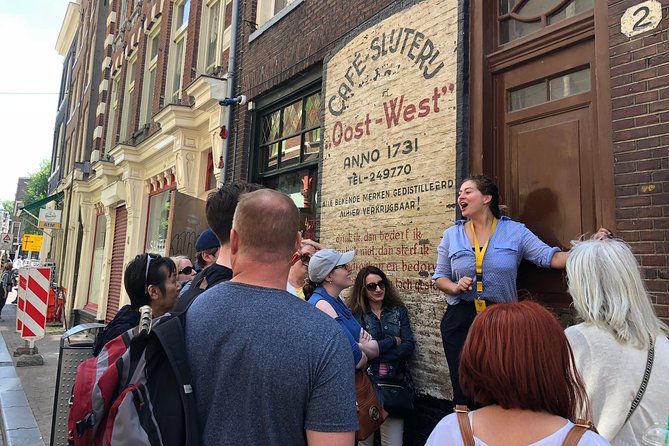
If you want the most out of this intro, think like a guide would.
Wear comfortable shoes. You’re covering multiple neighborhoods and narrow streets, and you’ll spend time standing still while photos get taken and bicycles pass.
Keep an eye on timing and crowd levels. Streets can get packed. If your schedule allows, choose a day and time that feels calmer so you can actually hear the stories.
Bring a curious mindset for the policy and tolerance parts. Damrak, Chinatown, and the Ons’ Lieve Heer op Solder topic aren’t just trivia. They explain how Amsterdam handles difficult issues in ways that still echo today.
When you see a canal house, take one extra second to look for the hooks and the unusual angles. The tour primes you to notice those details, and it’s satisfying when the city clicks into focus.
Who Should Book This Walking Tour (and Who Might Want Something Else)
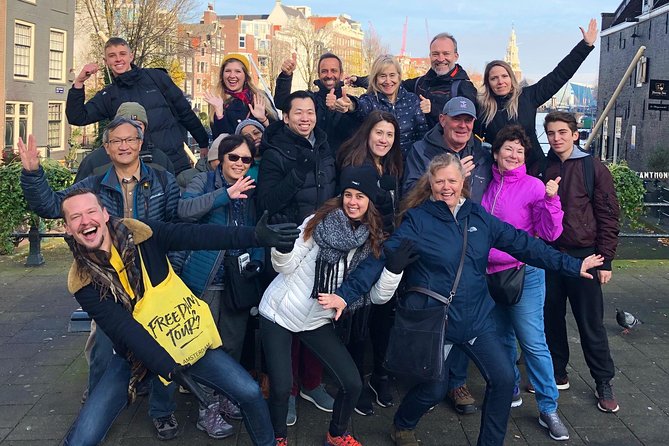
This tour is ideal for:
- First-time visitors who want a clear orientation fast
- People who like history that connects to today (tolerance, policy, trade, and social change)
- Anyone who prefers walking and street-level viewing over long museum sessions
- Budget-minded travelers who want a low-cost intro and can tip generously if they like the guide
You might want a different option if:
- You strongly prefer inside museum time at each stop (a few highlights are outside-only or admission isn’t included)
- You want a deep academic seminar rather than an approachable guided overview
- Your schedule is super tight and you can only do a very short walk
Should You Book Absolutely Amsterdam – the Essential Introductory Walking Tour?
Yes, if your goal is to understand Amsterdam quickly and see the main landmarks in one coherent walk. The price is a big reason—$5.93 is hard to beat for a guided route that covers major zones and gives you real context. The small group size also makes it easier to hear your guide and follow the story.
Book it especially if you’re arriving for the first time and you don’t yet know where to spend more time later. The tour acts like a set of arrows pointing you back to spots you’ll want to explore on your own—canal houses, older quarters, and the royal and market areas.
If you’re the type who hates outdoor standing around, or you want lots of ticketed interiors, you may feel slightly frustrated. But for most people, this is exactly the smart starter move.
FAQ
How long is the Absolutely Amsterdam – the Essential Introductory Walking Tour?
It runs for about 2 hours 30 minutes (approx.).
What is the price per person?
The price is listed as $5.93 per person.
Where does the tour start?
The tour starts at Freedam Tours, Beursplein 5, 1012 GZ Amsterdam, Netherlands.
Where does the tour end?
The tour ends back at the meeting point.
Is the tour in English?
Yes, it is offered in English.
Is admission included for all stops?
No. Some stops specify admission is free, while others note admission tickets are not included. The Our Lord in the Attic Museum stop is viewed from outside (with pictures), and the Royal Palace and The Waag stops also note tickets not included.
What sights do you see on the route?
You pass key areas such as Beurs van Berlage, Damrak, Chinatown, The Waag area, Oostindisch Huis courtyard, Waterlooplein Market, canal/Amstel views, Oudemanhuispoort, and the Royal Palace Amsterdam zone.
How large is the group?
There is a maximum of 15 travelers.
Is cancellation free?
Yes, free cancellation is available up to 24 hours in advance for a full refund.
Are service animals allowed?
Yes, service animals are allowed.
Is this tour suitable for most people?
Most travelers can participate.
More Amsterdam Walking Routes




More Tours in Amsterdam



More Tour Reviews in Amsterdam






Just added: fresh Amsterdam tour reviews





Walking Tours, compared.
 ★ 4.8Amsterdam Anne Frank: Small-Group Walking Tour & Local GuideFrom $2912,789 reviews
 ★ 5.0Anne Frank’s Story – Guided Walking Tour through AmsterdamFrom $3911,619 reviews
 ★ 4.9Anne Frank Guided Walking Tour in DE/EN/IT/ESFrom $283,107 reviews
 ★ 4.8Anne Frank Guided Small Group Walking TourFrom $282,722 reviews
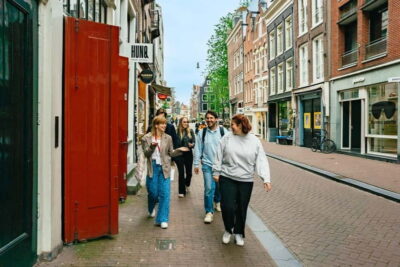 ★ 4.9Cultural Highlights Walking TourFrom $302,629 reviews
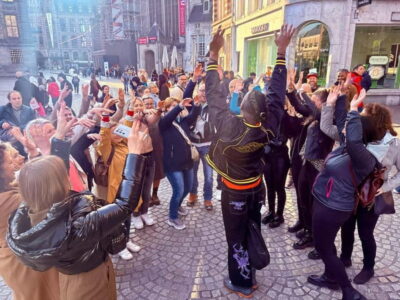 ★ 4.2Ganja Walking TourFrom $402,127 reviews
 ★ 5.0Anne Frank Walking Tour Amsterdam Including Jewish Cultural QuarterFrom $751,879 reviews
 ★ 5.0Amsterdam Highlights Walking Tour: Small Group ExperienceFrom $361,132 reviews
Browse the lists this tour appears in