
Reviewed · WALKING TOURS
Amsterdam History Walking Tour
Amsterdam tells stories fast. This 2-hour walking tour gives you a tight route through the city’s landmarks, canals, and odd corners—without feeling like a museum sprint. It runs in English with a small group (max 10), and you get a mobile ticket for an easy start.
What I like most is how it stacks famous sights with lesser-known streets. You’ll move from the area’s early roots into the Dutch Golden Age era and then toward the city’s central power points, all while the guide turns stone-and-brick facts into street-level meaning.
One thing to consider: Anne Frank House and Amsterdam Gallery admissions are not included, so you’ll want to plan for any extra tickets or time there.
In This Review
- Key Highlights I’d Prioritize
- Entering Amsterdam’s Story on Two Wheels of Time
- From Kattengat to the City’s First Chapter
- Oude Nieuwstraat: Beauty, Secrets, and a Different View of the Red Light District
- Leliegracht and the Dutch Golden Age Moment
- Anne Frank House: Iconic, Important, and Ticketed Separately
- Dam Square: The City’s Central Heart and Power Stage
- Amsterdam Gallery and Facade Details You’ll Start Spotting
- Spui: Where Freedoms Take Shape in the Story
- Kalverpassage: An Old Prison and the Weight of Systems
- Bloemenmarkt: Tulip Fever and the Surprisingly Strange Connections
- The Dancing Houses Finale: Sloping Views and Why They Exist
- Price and Value: What $6.05 Buys You (and What It Doesn’t)
- Guide Style and Group Dynamics That Make It Work
- Who Should Book This Walk
- Should You Book This Amsterdam History Walk?
- FAQ
- How long is the Amsterdam History Walking Tour?
- What language is the tour offered in?
- Are tickets for Anne Frank House included?
- Is admission for Amsterdam Gallery included?
- Where do I meet and where does the tour end?
- What if the weather is poor?
Key Highlights I’d Prioritize

- Small group size (max 10) keeps questions easy and the pace human
- Short stop format (around 10 minutes per stop) helps you cover lots fast
- Mix of iconic + overlooked places, from Dam Square to Oude Nieuwstraat
- Prison history stop at Kalverpassage connects architecture with dark logistics
- Photo payoff at the Dancing Houses closes the walk with a classic view
- Very strong value at about $6.05 with all fees and taxes included
More of Amsterdam street by street, on foot
- Amsterdam Anne Frank: Small-Group Walking Tour & Local Guide
★ 4.8 · 12,789 reviews - Anne Frank’s Story – Guided Walking Tour through Amsterdam
★ 5.0 · 11,619 reviews - Absolutely Amsterdam – the Essential Introductory Walking Tour
★ 5.0 · 3,629 reviews - Amsterdam: Anne Frank Guided Walking Tour in DE/EN/IT/ES
★ 4.9 · 3,107 reviews
Entering Amsterdam’s Story on Two Wheels of Time
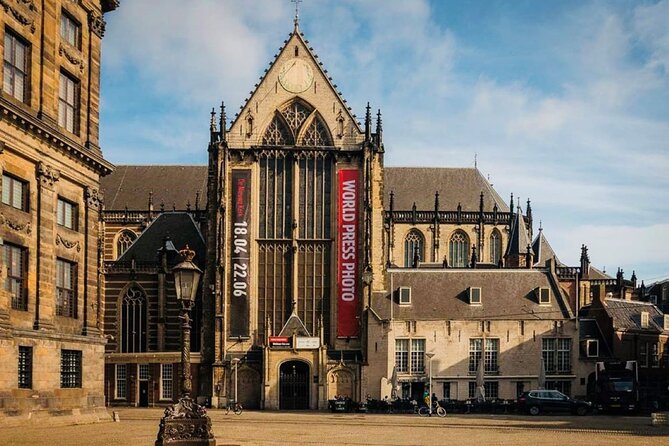
You meet at the New Church (De Dam), right in the heart of the city, which is a smart choice. You get bearings immediately, and the tour quickly moves from “where am I?” to “how did this place become this place?” That matters in Amsterdam, where the best history often hides a few steps off the main avenues.
The whole experience runs about 2 hours, and the route is structured as a sequence of quick, focused segments—each one roughly 10 minutes. That’s ideal if you’re visiting for a short time or you want a first-day orientation that doesn’t drag. It’s also a good match if you like asking questions while walking, because you won’t be stuck in one long viewing moment.
The tour operates in English, and it’s designed so most travelers can participate. Service animals are allowed, and it’s near public transportation—handy if you’re hopping between areas.
From Kattengat to the City’s First Chapter
The walk begins at Kattengat, and the focus is the founding of the city and its earliest years. This is the kind of opener that helps everything else click. Instead of treating Amsterdam like a postcard, you start with why the settlement formed where it did and how early decisions shaped later neighborhoods.
Even if you’ve heard generic canal-city stories before, this starting point tends to reframe them. When you later see the more famous waterways and historic street patterns, you’ll have a clearer sense of what grew organically versus what was built later for power and commerce.
The best part here is that you don’t just get dates. You get a framework that turns later stops—Golden Age sites, political squares, even prison architecture—into parts of the same big puzzle.
Oude Nieuwstraat: Beauty, Secrets, and a Different View of the Red Light District

Next comes Oude Nieuwstraat, described as one of the most beautiful and lesser-known streets, and explicitly tied to the Red Light District area. This stop is short, but it’s a great reminder that Amsterdam’s most famous districts have layered edges. If you only stick to the headline version of the city at night, you miss the quieter geometry and street character that people actually experience during the day.
You should expect a mix of street history and context—why this area developed the way it did, and how it fits into the wider urban fabric. It’s also a useful mental reset: the city can be serious, playful, grim, and practical all within a block.
Practical tip: because this is still an active part of the city, you’ll want to stay close to your group and listen while walking. The point is context, not lingering in one spot.
Still deciding? A few more Amsterdam tours worth a look



Leliegracht and the Dutch Golden Age Moment

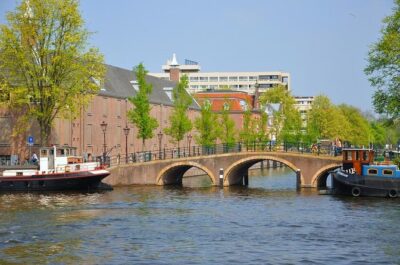
Then you reach Leliegracht, where the guide sets up the Dutch Golden Age—the period when Amsterdam dominated trade and influence. This stop matters because it’s where the tour shifts from early formation to big power.
Canal cities are easy to romanticize, but this portion helps you see the logic behind the grandeur: who became wealthy, what commerce enabled, and why architecture and city planning reflect that momentum. When the Golden Age gets explained in human terms, the canals stop feeling like scenery and start feeling like infrastructure.
It’s also a nice contrast with the previous street stop. Together, Kattengat → Oude Nieuwstraat → Leliegracht gives you a sweep of Amsterdam that feels more “lived in” than a list of attractions.
Anne Frank House: Iconic, Important, and Ticketed Separately
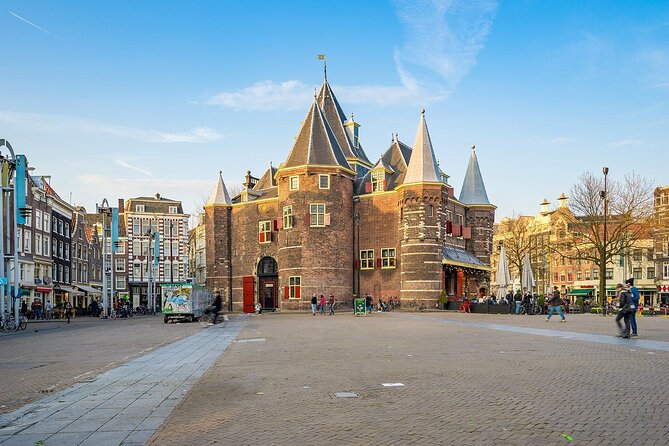
The tour continues to Anne Frank House, one of Amsterdam’s capital icons. Here’s the key detail: the Anne Frank House admission is not included. That means you should treat this stop as a guided approach and explanation, not a guaranteed entry.
In practical terms, this is the one moment where planning can matter. If you want to go inside, budget extra cost and check timing—especially if you’re doing other sights later the same day. If you’re mainly there for context, you can still get a lot from the stop because the guide will give you framing for what you’ll see (or what you should focus on).
The benefit of including this stop without bundling the ticket is flexibility. You can choose how deep to go at your pace. The drawback is simply extra logistics if you were hoping everything would be covered.
Dam Square: The City’s Central Heart and Power Stage
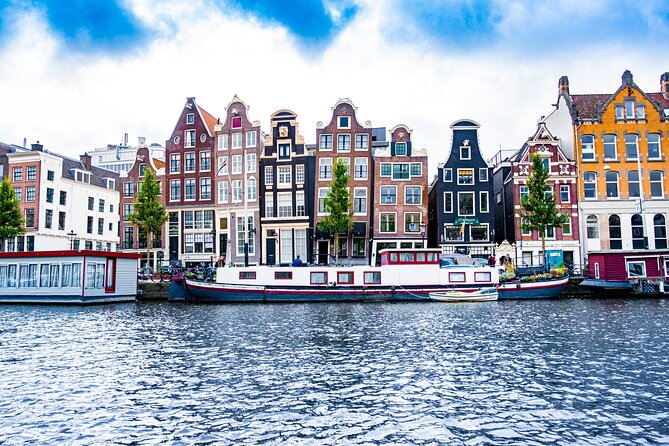
Next up is Dam Square, described as the central square and the city’s heart. This stop is where Amsterdam’s civic and historical gravity shows. Squares are where the city performs its identity, and Dam Square has a long track record of being that stage.
You’ll likely get the kind of explanation that ties together government, major movements, and how public space shapes everyday life. It’s a good break too, because Dam Square is visually dense. After canal and neighborhood segments, it helps to see the city’s “big room.”
If you’re planning photos later, this is a useful moment to understand sightlines. You’ll start noticing how streets feed into the square and how the city’s layout directs crowds.
Amsterdam Gallery and Facade Details You’ll Start Spotting
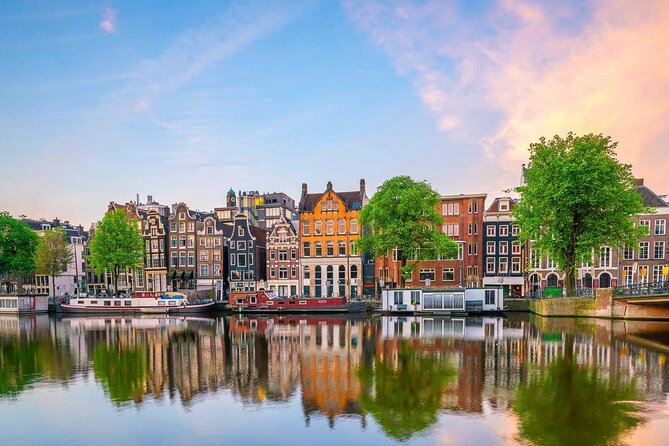
At Amsterdam Gallery, the tour focuses on where the “plates” come from—so illustrative you see them on many facades. The clue here is the word plates. Think decorative house markings and facade elements that quietly carry identity across old streets.
This stop is valuable because it changes your walking attention. You’ll start looking higher—at building fronts, signage-style details, and historical markers on structures. Amsterdam can feel like a sea of windows unless you know what to notice. A stop like this gives you an eye for the city’s small visual vocabulary.
One more practical note: admission isn’t included for this part. If you want to go into any associated spaces, plan for extra tickets and check what fits your schedule.
Spui: Where Freedoms Take Shape in the Story

Then you move to Spui, described as a square where current freedoms—what made Amsterdam famous around the world—were forged. This is one of those stops that leans on social history. It’s not only about buildings; it’s about ideas and the city’s reputation.
When explained well, this kind of segment makes Amsterdam feel less like a set of attractions and more like a place with civic habits. You’ll likely connect modern freedoms to earlier political and religious struggles, plus the ways public discussion and law shaped daily life.
Spui also gives a change in energy and space—another open moment in the route before returning to more unusual stops.
Kalverpassage: An Old Prison and the Weight of Systems
At Kalverpassage, you step into an old prison and hear about the light-dark of the Dutch prison system and organized crime. This is the tour’s darker turn, and it’s one reason the itinerary feels more human than purely scenic.
Even though the stop is short, the impact is big: prison corridors and historic institutional spaces force you to picture how systems worked, not just who ruled. If you care about how societies handle crime and control, this is one of the most memorable segments.
Practical takeaway: wear comfortable shoes. This part of the walk includes moving through indoor or semi-covered historic areas, so don’t count on everything being purely outdoors.
Bloemenmarkt: Tulip Fever and the Surprisingly Strange Connections
Next is Bloemenmarkt, one of Amsterdam’s most famous spots, where the tour talks about tulip fever and also another famous flower connected in the story to marijuana. This is a “history through what people chased” stop.
Tulip fever is familiar to many visitors, but the way it’s placed here—next to a market setting—keeps it grounded. It’s not just speculation and art history. It’s about economic hype, desire, and rumor-driven value.
The marijuana connection is a reminder that the city’s flower-market culture isn’t limited to tulips alone. It adds a modern twist to a centuries-old pattern: Amsterdam has long been a place where trade, plants, and public fascination overlap.
The Dancing Houses Finale: Sloping Views and Why They Exist
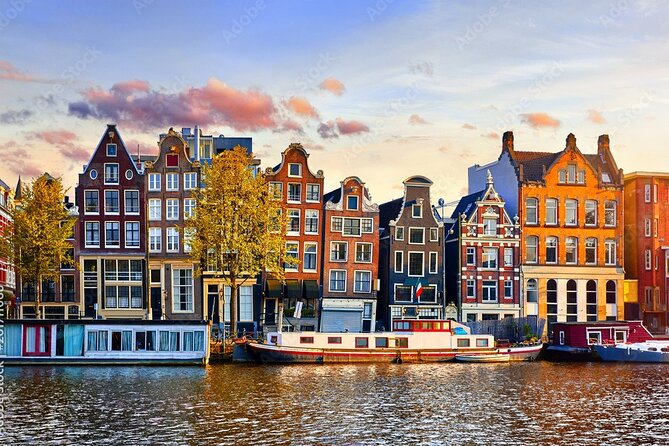
The tour finishes at the Dancing Houses (Amstel 102II). This is the payoff stop—the most photographed view of sloping houses—and the guide explains why they tilt the way they do.
It’s a perfect ending because it turns a known photo into a story with cause and effect. Instead of treating the houses as a quirky oddity, you get the explanation that makes the architecture feel intentional rather than random.
If you’re planning to keep exploring afterward, this finish is also convenient. You’re ending near a central photogenic landmark, so it’s easy to continue wandering without feeling like you’re walking back to nowhere.
Price and Value: What $6.05 Buys You (and What It Doesn’t)
At about $6.05 per person, this is one of the more budget-friendly ways to get a structured overview of Amsterdam. The big reason it feels like good value is that all fees and taxes are included, and the route is packed with major areas and thematic stops.
Still, don’t miss the two “not included” items:
- Anne Frank House admission not included
- Amsterdam Gallery admission not included
- Tip not included
So if you’re the type who wants every stop to include entry, you’ll need extra spending for those. If you’re happy with guided explanation at those points (and you’ll buy tickets only if you want deeper access), the overall cost stays low.
Also, the tour is usually booked about 32 days in advance on average. That’s a sign it’s popular for people who want a first-day history hit. If you’re traveling in peak season or on specific dates, booking early helps you lock in a slot.
Guide Style and Group Dynamics That Make It Work
This walking tour works because it’s designed around conversation. The group size—up to 10 people—keeps the guide responsive. In the case of one guide named Samuel, the praise is consistent: quick answers, strong storytelling, and enthusiasm that keeps the route from turning into a lecture.
That kind of guide matters on a history walk. Amsterdam is full of small details, and a good storyteller helps you connect them without turning it into a textbook. You get chances to ask questions while you’re actually seeing the place, not after you’ve returned to your hotel.
The route is also paced so you don’t get “stop fatigue.” About 10 minutes per stop is short enough that you can stay attentive, but long enough to leave each segment with something to remember.
Who Should Book This Walk
You’ll probably love this tour if you:
- want a first-time Amsterdam orientation that goes beyond the usual highlights
- like history told through streets, buildings, and institutions
- enjoy a route with both famous landmarks and lesser-known context
- prefer a guided walk over sorting everything out alone
You might skip it (or choose a different format) if you:
- want a tour where every major stop includes admission
- hate indoor or darker history elements like the prison segment
- need a slower pace for heavy reading or extended museum time
Should You Book This Amsterdam History Walk?
If you’re aiming for value, context, and a sensible route in about two hours, I’d say yes. The low price, the small group size, and the mix of early city origins, Golden Age context, civic landmarks, and even prison history make it more than a typical sightseeing loop.
The only real reason to hesitate is ticket planning. Since Anne Frank House and Amsterdam Gallery admissions aren’t included, you should decide ahead of time whether you want to go in. If you do, budget time and money. If you don’t, you can still get a clear, useful map of Amsterdam’s story by the time you reach the Dancing Houses.
FAQ
How long is the Amsterdam History Walking Tour?
It runs for about 2 hours (approx.), with the route designed as a sequence of shorter stops.
What language is the tour offered in?
The tour is offered in English.
Are tickets for Anne Frank House included?
No. Anne Frank House admission is not included, so you’ll need to plan for any entry ticket if you want to go inside.
Is admission for Amsterdam Gallery included?
No. Admission for Amsterdam Gallery is not included.
Where do I meet and where does the tour end?
You start at the New Church, De Dam, 1012 NP Amsterdam, and the tour ends in front of the Dancing Houses at Amstel 102II, 1017 AD Amsterdam.
What if the weather is poor?
This experience requires good weather. If it’s canceled due to poor weather, you’ll be offered a different date or a full refund.
More Amsterdam Walking Routes






More Tours in Amsterdam




More Tour Reviews in Amsterdam






Just added: fresh Amsterdam tour reviews





Walking Tours, compared.
 ★ 4.8Amsterdam Anne Frank: Small-Group Walking Tour & Local GuideFrom $2912,789 reviews
 ★ 5.0Anne Frank’s Story – Guided Walking Tour through AmsterdamFrom $3911,619 reviews
 ★ 5.0Absolutely Amsterdam – the Essential Introductory Walking TourFrom $53,629 reviews
 ★ 4.9Anne Frank Guided Walking Tour in DE/EN/IT/ESFrom $283,107 reviews
 ★ 4.8Anne Frank Guided Small Group Walking TourFrom $282,722 reviews
 ★ 4.9Cultural Highlights Walking TourFrom $302,629 reviews
 ★ 4.2Ganja Walking TourFrom $402,127 reviews
 ★ 5.0Anne Frank Walking Tour Amsterdam Including Jewish Cultural QuarterFrom $751,879 reviews
Browse the lists this tour appears in