

Reviewed · ANNE FRANK & JEWISH QUARTER
Amsterdam: Anne Frank Guided Walking Tour in DE/EN/IT/ES
Anne Frank stories belong to real streets. This 2-hour walking tour connects Amsterdam’s Jewish Quarter with WWII history, guided in EN/DE/IT/ES and carried by passages from her diary. I especially like how the guide ties big events to specific corners of the Jodenbuurt, and I like the emotional care in how Anne Frank’s words are used along the route. One thing to plan for: you won’t visit the Anne Frank House, so this is about the neighborhood and memorials, not the museum stop.
What also works well is the pace and structure: you move through key spots around Nieuwmarkt and the Jewish sites, with short guided explanations at each location. The route is only about 2–3 kilometers, but it’s still a true walking experience, so comfortable shoes and weather gear matter. If you’re choosing your language option, pick carefully too, because the tour is in one language only (not bilingual).
In This Review
- Key highlights to look for
- Finding De Waag: start where Nieuwmarkt feels historic
- The Jewish Quarter route: from wealth, to persecution, to memory
- Zuiderkerk and the surrounding streets: why this area mattered
- Huis de Pinto and Rembrandt House: architecture used as a story tool
- Sint Antoniesluis to the memorial mindset: the walk shifts gears
- Portuguese Synagogue photo stop: seeing a landmark without rushing it
- Jewish Historical Museum area: what you learn without paying a fee
- Auschwitz Monument and The Dokwerker: when remembrance becomes specific
- National Holocaust Names Monument: finishing where the story lands
- Anne Frank’s diary excerpts: why they’re used on the move
- Resistance stories and current-day context: the tour doesn’t only mourn
- Guide style: what consistently makes this tour work
- Price and value: about $28 for a 2-hour story-walk
- Who should book this tour, and who should skip it
- FAQ
- How long is the Amsterdam Anne Frank guided walking tour?
- Where do I meet the guide?
- Which languages are available?
- Do we visit the Anne Frank House?
- How much walking is involved?
- Are there admission fees during the tour?
- What should I bring?
- Is the tour wheelchair accessible?
- Should you book it
Key highlights to look for
- Anne Frank diary excerpts woven into the walk, not saved for one single stop
- Jewish Quarter focus on the Jodenbuurt, plus the wider WWII and resistance context
- Memorial stops including major Holocaust remembrance sites in Amsterdam
- Portuguese Synagogue and Jewish sites passed by with photo stops and clear context
- En/De/It/Es guides who are praised for being engaging, sensitive, and structured
- About 2–3 km on foot over roughly 2 hours, with multiple short stops
Deeper into the Jewish Quarter and the war years
- Amsterdam Anne Frank: Small-Group Walking Tour & Local Guide
★ 4.8 · 12,789 reviews - Anne Frank’s Story – Guided Walking Tour through Amsterdam
★ 5.0 · 11,619 reviews - Amsterdam: Anne Frank Guided Walking Tour in DE/EN/IT/ES
★ 4.9 · 3,107 reviews - Amsterdam: Anne Frank Guided Small Group Walking Tour
★ 4.8 · 2,722 reviews
Finding De Waag: start where Nieuwmarkt feels historic
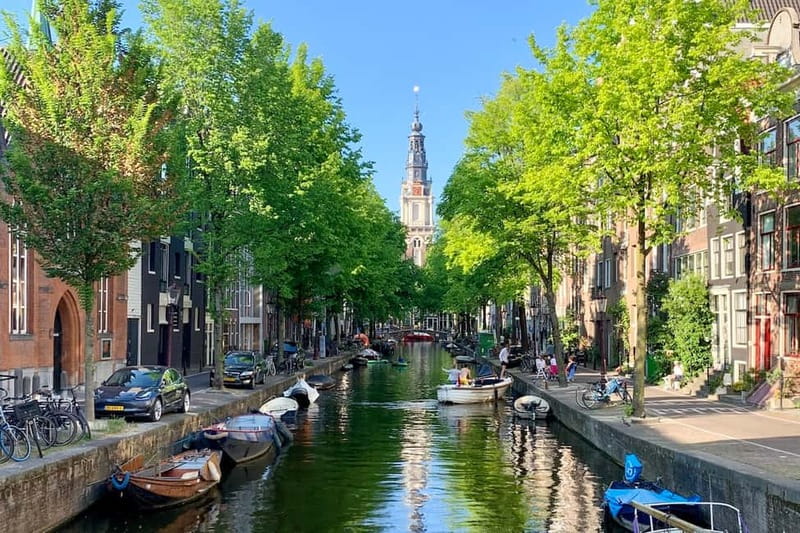
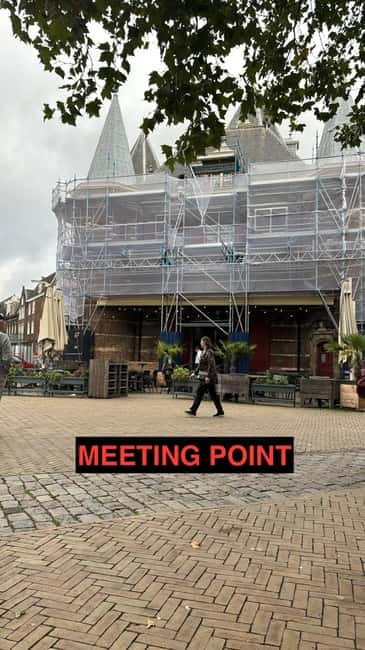
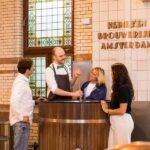
The tour begins at the entrance to the restaurant De Waag, a historic building that looks a bit like a small castle in the middle of Nieuwmarkt. Your guide will be easy to spot with a red name tag. This matters because you’re starting in a real, active square, not a distant bus area. You get your bearings fast, and the tour gets going without dragging.
Once you’re gathered, you head straight into the heart of the Jewish Quarter. Nieuwmarkt Square is the first quick orientation point, which helps if it’s your first day in Amsterdam or if the streets around the area already feel like one long maze.
If you’re sensitive to heavy subject matter, note this: the tour is designed to explain discrimination, occupation, deportations, and resistance in a respectful way, not as a quick “facts-only” history lesson.
The Jewish Quarter route: from wealth, to persecution, to memory

You’ll learn how Amsterdam’s Jewish community shaped the city. One key story is how Jews expelled by the Spanish Inquisition helped transform Amsterdam into a wealthy commercial center. That influence shows up in the area’s development, including the founding of the Jodenbuurt and the well-known Jewish Triangle.
But this tour doesn’t treat Jewish history as only success. It also shows how Nazi discrimination reached Amsterdam and how the Holocaust unfolded there. That contrast is the backbone of the walk, and it’s why the itinerary feels more like a timeline you can walk through than a list of monuments.
You’ll also hear that Jewish life in Amsterdam continues today in a multicultural city. The guide keeps the story from ending in 1945 by pointing to how the community lives on.
Zuiderkerk and the surrounding streets: why this area mattered
After Nieuwmarkt, you’ll pass through key landmarks near Zuiderkerk, with a short guided stop. This is one of those moments where the guide’s explanations help you see the neighborhood as more than photo-worthy streets.
The value here is context. The tour emphasizes why this land was especially important to Jews who wanted to live there. It also includes the nuance that not only Jews lived in the quarter. One example you’ll hear is that Rembrandt van Rijn had a home here too. That detail helps you understand the Jewish Quarter as part of Amsterdam’s broader urban story, not as a closed-off “museum district.”
More of Amsterdam street by street, on foot

Huis de Pinto and Rembrandt House: architecture used as a story tool

Next comes Huis de Pinto, followed by a longer stop near Rembrandt House. Even if you’re not going inside, the guide uses the buildings around you to help you picture how different lives overlapped in the area.
Rembrandt House gets a longer guided moment (about 15 minutes), which signals how much the tour values place-based explanation. You’re not just hearing names and dates. You’re connecting the physical neighborhood to the people who lived there, worked there, and built the city’s identity.
A practical consideration: if you’re expecting interior access (like going into museums or houses), this isn’t that kind of tour. The sights are described and viewed from outside or at the stop points.
Sint Antoniesluis to the memorial mindset: the walk shifts gears
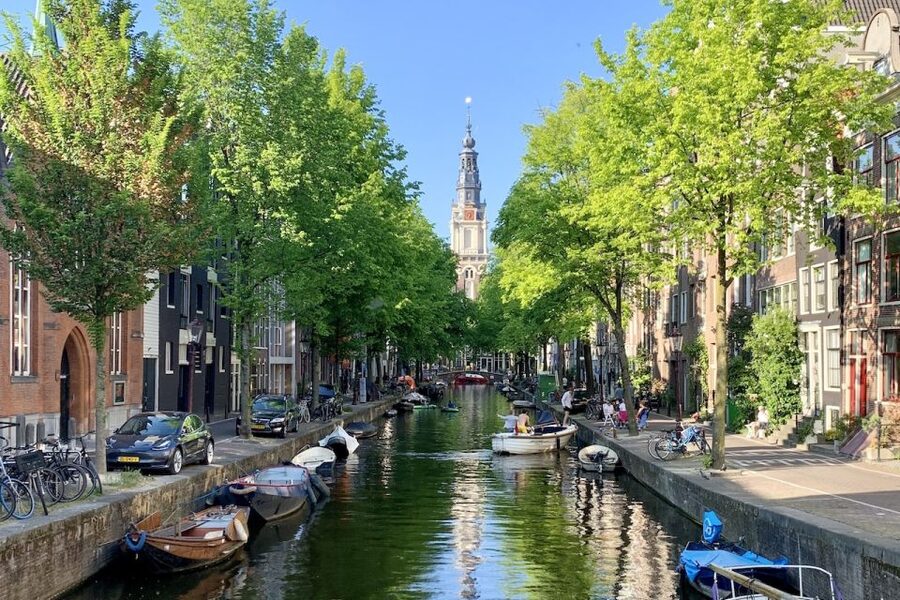
Sint Antoniesluis is another key stop with guided context. By this stage, the tour starts to feel heavier, because the story moves toward Nazi occupation and the reality of deportations.
This “shift” is part of what many people praise: the guide keeps the story structured, and the walk doesn’t feel chaotic. You’re moving between locations that anchor the history, including testimonies and remembrance markers.
It’s also where you should slow down mentally. The tour is short, but the subject is large. If you feel yourself rushing, just pause for a moment, let the guide finish one thought, then move on.
Portuguese Synagogue photo stop: seeing a landmark without rushing it
You’ll reach the Portuguese Synagogue, where there’s a photo stop and a guided explanation. The synagogue matters in the story because it represents Jewish presence and heritage in Amsterdam. The guide also connects it to the broader history you’ve been building so far.
One thing to keep expectations realistic: you’ll see it as part of the walk, but you don’t get a ticketed interior experience. If you specifically want synagogue interior time or deeper museum time, you might add those separately. Here, the goal is understanding and remembrance, not collecting entry stamps.
If you want a quick tip for photos: stand where the guide suggests, listen through the explanation first, then snap your pictures. Otherwise it’s easy to take photos without really absorbing what you’re looking at.
Jewish Historical Museum area: what you learn without paying a fee
Near the Jewish Historical Museum, the tour includes a short guided moment (around 5 minutes). This is another stop designed for orientation. The guide helps you link what you see outside with what that museum represents in the broader story.
What’s nice for value: the tour is arranged so you don’t have to pay admission fees during the walk, because all sights can be visited for free. That keeps your total trip cost more predictable.
Still, don’t confuse free viewing with shallow content. The guide uses the limited time well, and you’ll leave knowing what you should care about if you return later for more.
Auschwitz Monument and The Dokwerker: when remembrance becomes specific

The Auschwitz Monument, Amsterdam gets a guided stop (about 10 minutes). This isn’t background noise. It’s a central reminder of the Holocaust’s scale and the fate of Amsterdam’s Jews.
Then you’ll also pass or stop near The Dokwerker (guided for about 5 minutes). This is the kind of memorial stop that makes history feel less abstract, because it’s tied to a place where deportations and forced transport realities were part of Amsterdam’s wartime system.
You can expect the guide to connect these locations to the story’s emotional core, including the deportations that removed thousands of people and left very few survivors to return.
National Holocaust Names Monument: finishing where the story lands
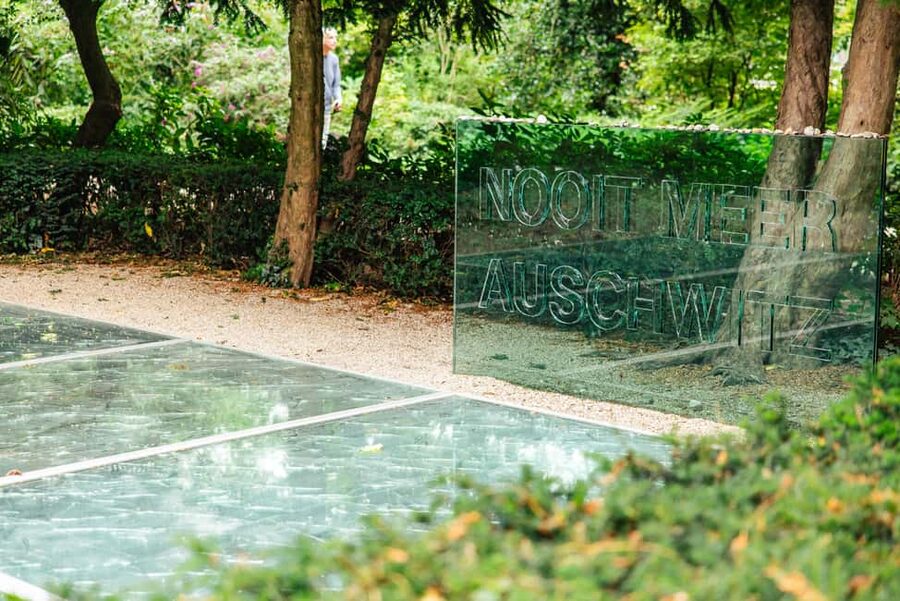
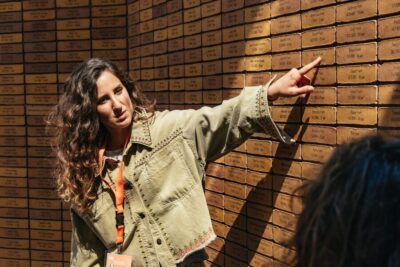
The tour finishes at the National Holocaust Names Monument. There’s a photo stop and guided time there (about 15 minutes). This ending is meaningful because it shifts from “what happened” to “who was taken,” through the idea of remembering individuals, not only events.
If you’re the type of traveler who needs a clean ending point, this works well. You don’t end in the middle of nowhere or at a random café. You end at a place that signals closure—without pretending the story is over.
Anne Frank’s diary excerpts: why they’re used on the move
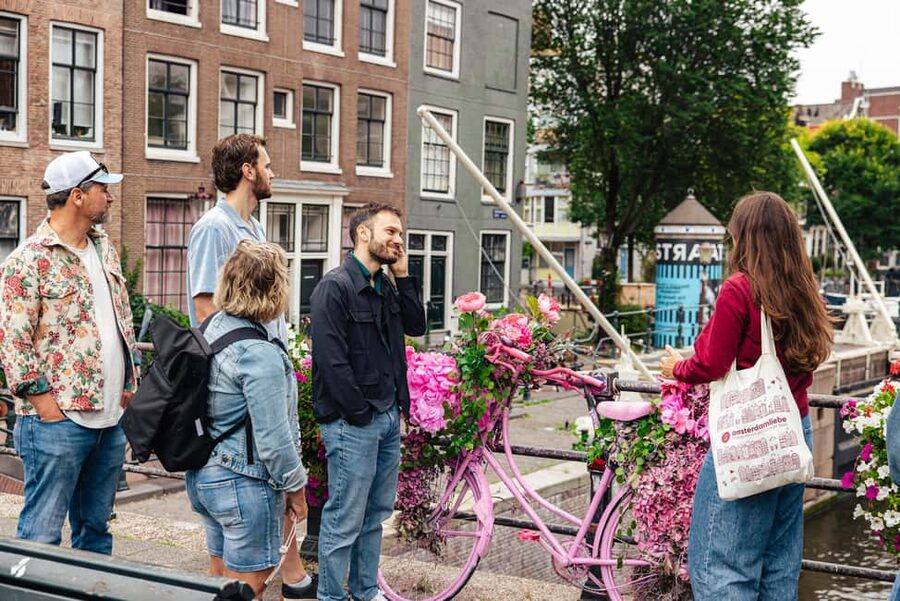
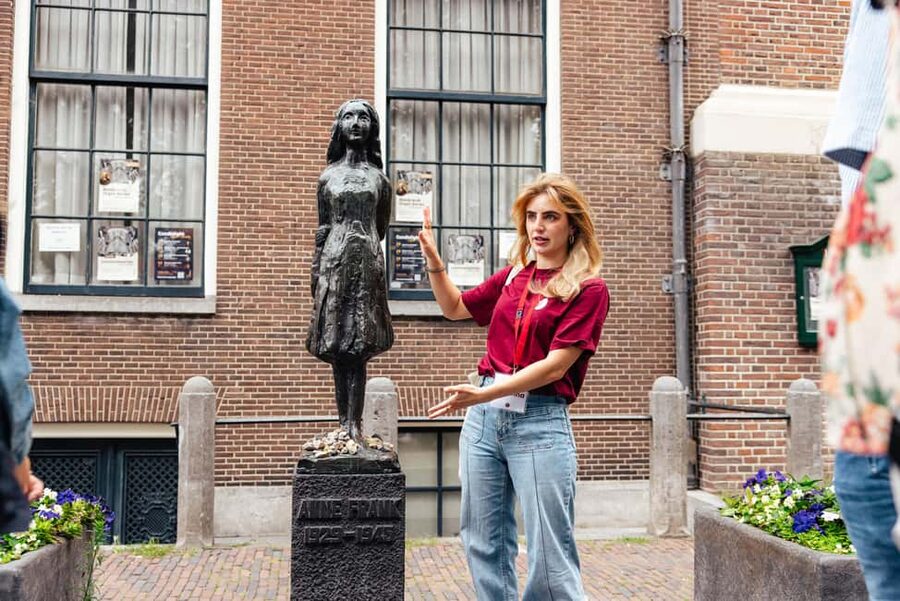
This tour brings Anne Frank into the walk through excerpts from her diary, read along the route. That’s one of the most highly praised parts in the guides’ style.
You’ll hear about young Anne Frank and what it meant to hide to avoid deportation. As the guide reads excerpts, the diary functions like a flashlight: it gives the history a human voice at the moments where the walk is talking about hiding, fear, and loss.
A big clarification: the Anne Frank House is not visited or even seen on this tour. People sometimes book this expecting to get that specific destination. If that’s your top priority, you’ll need a different ticket. Think of this tour as the “neighborhood story” that sets the emotional and historical stage for the Anne Frank theme—without the museum stop.
Resistance stories and current-day context: the tour doesn’t only mourn
One of the tour’s standout themes is resistance. You’ll hear about the resistance against Nazi Germans made by Jews and non-Jews, including efforts that saved lives while putting people’s own lives at risk.
You’ll also learn about the February Strike in 1941, a key moment that shows resistance wasn’t only underground. It happened in public life too, even under brutal pressure.
And by the end, you’ll get a sense of Jewish life in multicultural Amsterdam today. That part matters because the story is not just a closed chapter in the past. Amsterdam’s Jewish Quarter still carries memory, but it also carries community.
Guide style: what consistently makes this tour work
A huge part of why this walk earns such strong ratings is how guides teach it. People praise guides for being sensitive, engaging, and structured—especially when handling hard topics.
From recent guide names you might encounter on different days, the walk is often led by people like Lilly, Zoe, Francesco, Simone, Alex, Noemi, Rafael, Linn, Josh, Valentina, Bianca, Deborah, Emilia, Charlotte, and Julie. Different names, same pattern: clear explanations, respectful delivery, and often diary excerpts read during the walk.
One practical tip: if you’re worried about the subject feeling too intense, look for a day in your language option and show up ready. The guide will set the tone, but your own comfort matters too.
Price and value: about $28 for a 2-hour story-walk
At about $28 per person for roughly 2 hours, this tour is strong value if you want guided context without extra tickets. Here’s why:
- You get a professionally guided route through many significant sites in a short time
- You learn why the Jodenbuurt formed and how it changed under persecution
- You hear diary excerpts that give a personal lens to the history
- You visit multiple memorial and testimony locations without paying admission along the way
The main “cost” isn’t money—it’s emotional energy. This is not a casual stroll. It’s built to help you understand grief and resistance with care.
If you’re traveling with limited time in Amsterdam, this is a smart way to cover a lot of what matters in the Jewish Quarter, especially if you’re also planning to visit other museums or memorials separately.
Who should book this tour, and who should skip it
This tour is a great fit if you want:
- A guided explanation of the Jewish Quarter tied directly to WWII history
- A respectful way to hear Anne Frank’s diary passages without entering the Anne Frank House
- A short walk (about 2–3 km) that still covers many key stops
- A guide-led experience in EN/DE/IT/ES, with diary excerpts read along the route
You might want to skip it if:
- Your top goal is Anne Frank House entry or you specifically want to see that site on the same tour
- You’re not up for a serious, memorial-heavy walking experience
- You’re choosing between languages and might struggle to follow a single-language tour (the option you select is not bilingual)
FAQ
How long is the Amsterdam Anne Frank guided walking tour?
It lasts about 2 hours.
Where do I meet the guide?
Meet at the entrance of the restaurant De Waag in the middle of Nieuwmarkt square. The guide wears a red name tag.
Which languages are available?
The tour is offered in German, English, Italian, or Spanish, but it is not bilingual. You should choose the language you want.
Do we visit the Anne Frank House?
No. The Anne Frank House is not visited or seen on this tour.
How much walking is involved?
It’s a walking tour of about 2–3 kilometers total.
Are there admission fees during the tour?
No admission fees are required during the tour, since the sights can be visited for free.
What should I bring?
Wear comfortable shoes, bring water, and dress for the weather. An umbrella helps if rain comes.
Is the tour wheelchair accessible?
Yes, the tour is listed as wheelchair accessible.
Should you book it
Yes, if you want a tight, guided walk through the Jewish Quarter that connects city streets to WWII events and remembrance. The best reason to book is the structure: multiple meaningful stops, diary excerpts read along the way, and a guide style that stays thoughtful and clear while covering a difficult topic.
I’d book it especially if you’re short on time and want to understand the neighborhood’s role before you move on to other Amsterdam sites. Just go in knowing you won’t enter the Anne Frank House, and wear shoes that can handle 2–3 kilometers of steady walking.
More Tours in Amsterdam




More Tour Reviews in Amsterdam




The Jewish Quarter, Explored Further



Just added: fresh Amsterdam tour reviews





Anne Frank & Jewish Quarter, compared.
 ★ 4.8Amsterdam Anne Frank: Small-Group Walking Tour & Local GuideFrom $2912,789 reviews
 ★ 5.0Anne Frank’s Story – Guided Walking Tour through AmsterdamFrom $3911,619 reviews
 ★ 4.8Anne Frank Guided Small Group Walking TourFrom $282,722 reviews
 ★ 5.0Anne Frank Walking Tour Amsterdam Including Jewish Cultural QuarterFrom $751,879 reviews
 ★ 5.0Anne Frank’s Last Walk & See Anne Frank House in Virtual RealityFrom $42957 reviews
 ★ 4.7Dutch WWII Resistance Museum Entry TicketFrom $21951 reviews
 ★ 5.0Anne Frank and Jewish Quarter Amsterdam Private Walking TourFrom $157684 reviews
 ★ 4.9Anne Frank’s Last Walk & Visit Anne’s House in VRFrom $41614 reviews
Browse the lists this tour appears in