
Reviewed · RED LIGHT DISTRICT TOURS
Amsterdam: Guided Red Light District and City Walking Tour
A street corner can teach you more than a museum. This 2-hour Amsterdam walk pairs Red Light District context with real stops that explain how the city was built and how it changed. It’s built for people who want the story behind what they’re seeing, not just photos.
I really like two things here. First, the mix of topic and place: you start at the area and then connect it to older Amsterdam landmarks like the Dam and the wooden heritage of Pub The Ape. Second, the guide factor: the tour is led by a licensed guide and you’re not stuck with random group chatting—names like Ben, Max, Pedro, Aaron, Angel, and Capt Dan show up again and again in the strong feedback.
One possible drawback: it’s not recommended for limited mobility, so if walking pace and stairs/crowds are an issue for you, this may not feel comfortable.
In This Review
- Key highlights worth planning for
- A 2-hour Red Light District walk that stays practical
- Starting at Geldersekade 2: how to find the group fast
- Dam and Amsterdam’s wooden-pole foundations: the science behind the city
- Old Town and the Red Light District connection you’ll actually feel
- Pub The Ape (’t Aepjen): wood, fire, and survival
- The Waag: a gate turned guild hub
- The smallest house and the VOC angle
- Condomerie: modern street culture with a factual twist
- The guide experience: where the tour really lives or dies
- Price and value: is $35.44 worth it?
- Timing tip: what later start times can add
- Who this tour is best for
- Should you book this Amsterdam Red Light District tour?
- FAQ
- How long is the Amsterdam Red Light District walking tour?
- How much does it cost per person?
- Where is the meeting point?
- Is food and drink included?
- What language is the tour offered in?
- Is admission included for stops?
- What’s the group size limit?
Key highlights worth planning for
- Licensed guide + local guide for a smoother, story-first walk through the area
- A maximum of 15 travelers, which helps keep the group manageable in tight streets
- Historic stop sequence: Dam foundations, Pub The Ape (wooden building), Waag (1400s gate), smallest VOC-related house
- A modern counterpoint stop at the Condomerie, in place since 1987
- Multiple start times (including later evenings) if you want that after-dark Amsterdam mood
The old town after dark: more Red Light District walks
- Amsterdam: Red Light District Tour in DE/EN/IT/ES/FR
★ 4.9 · 7,136 reviews - Amsterdam: Red Light Secrets Museum Entry Ticket
★ 4.2 · 5,722 reviews - Amsterdam Red Light District & Coffee Shop Tour
★ 4.6 · 4,134 reviews - Amsterdam: Red Light District Pub Crawl with Unlimited Shots
★ 4.1 · 2,130 reviews
A 2-hour Red Light District walk that stays practical
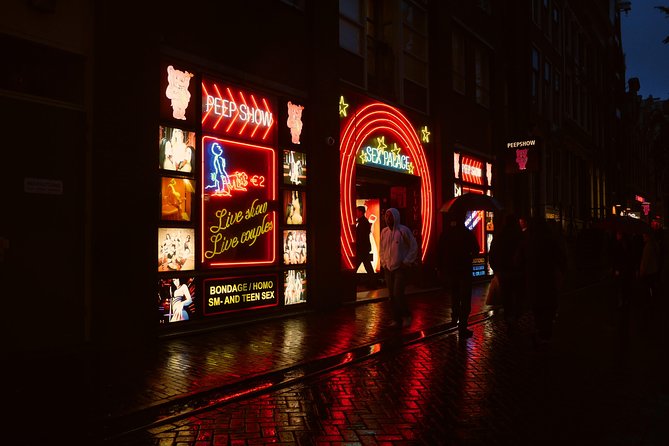
Amsterdam’s Red Light District is one of those places people approach with a mix of curiosity and caution. What makes this tour work is that it doesn’t treat it like a theme park. You get the history and the current situation, while also learning how the surrounding city layers connect.
At about 2 hours, it’s long enough to get context, but not so long you feel trapped in one narrow area. And with a group cap of 15 travelers, you’re less likely to spend the whole time squeezed behind other people.
Starting at Geldersekade 2: how to find the group fast
The meeting point is Geldersekade 2, 1012 BH Amsterdam. It’s also listed as near public transportation, which matters because Amsterdam walking tours can mean you arrive right as your feet start disagreeing with you.
Because the tour ends back at the meeting point, you don’t have to worry about re-navigation afterward. That’s a real value in a city where trams, boats, and short detours can make you lose time.
Dam and Amsterdam’s wooden-pole foundations: the science behind the city
One of the tour’s smartest moves is starting the context of the city itself—before you hit the more famous streets. You’ll learn why Amsterdam is famously built on wooden poles, driven down through layers of fen and clay into sand.
The figures here are specific: the “solid sand” layer is about 11 meters down, and older houses relied on wooden foundation piles pushed deep until they reached that sturdier ground. Even if you think you know Amsterdam already, this kind of explanation changes how you picture the city.
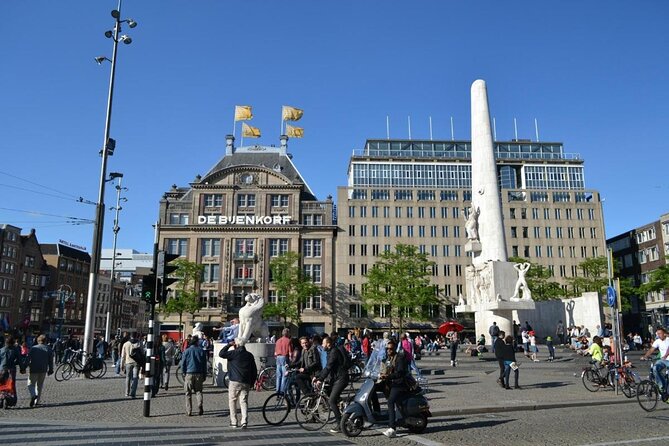
You’ll also hear how the Dam fits into Amsterdam’s structure and why that location is tied to the city’s long timeline. It’s a good primer for understanding why older buildings and streets can feel so packed with meaning.
More of Amsterdam street by street, on foot





Old Town and the Red Light District connection you’ll actually feel
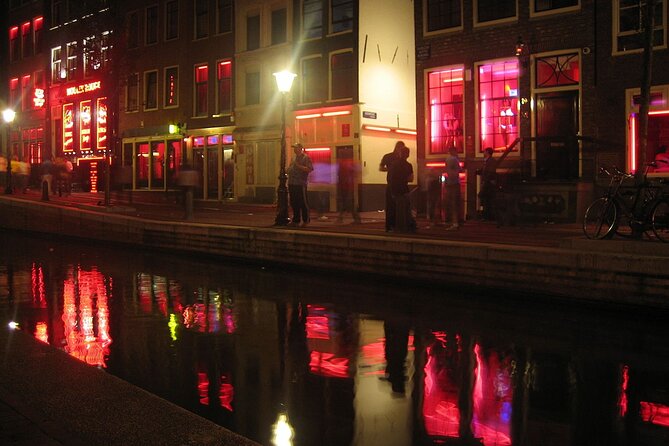
The tour then places the Red Light District in the context of Amsterdam’s oldest areas. You’re told that the district area ties into the Old Town part of the city, which is one reason you’ll sense more historical depth than you expected.
This is useful because it helps you avoid seeing the area as only modern nightlife. Instead, it becomes a window into how the city developed, where trade and commerce lived, and how laws and government choices shaped streets over time.
Pub The Ape (’t Aepjen): wood, fire, and survival
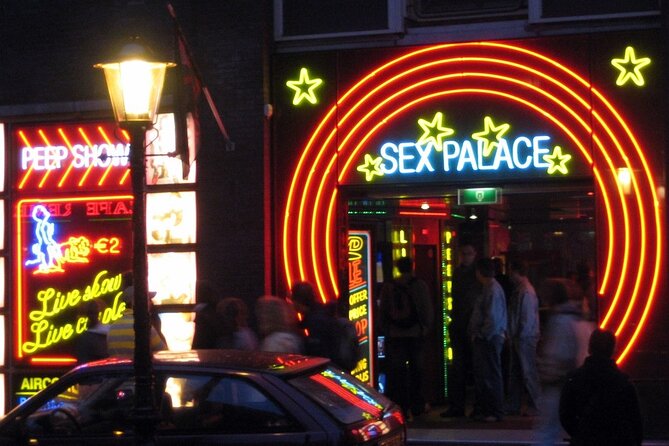
A standout stop is Pub The Ape, also called ’t Aepjen in Dutch. This one gives you something concrete to look at: it’s built around 1540, and it’s described as one of two remaining wooden buildings in Amsterdam.
You’ll also learn why it’s so rare. After a major fire in 1452, the government decided buildings should have brick facades. That detail matters because it explains why the city’s architecture isn’t random. It’s a set of responses to disasters and rules.
If you like seeing proof of history in your walking route, this stop is worth the time. Even if you’re not drinking, the building itself is a story you can point to.
The Waag: a gate turned guild hub
Next you’ll get Waag, historically one of the city gates and part of the defensive wall. It was built around the 1400s, and it’s described as the second oldest building of Amsterdam.
What I like about this stop is the “after the gate” story. Waag later became a place where guilds—craftsmen’s organizations—set up within the building and around the square. So you’re not just seeing a structure; you’re learning how Amsterdam shifted from defending the city to regulating work and commerce.
For me, that’s the key value of the walk: you’re constantly connecting what you see on the street to how Amsterdam functioned at different points in time.
The smallest house and the VOC angle
The tour includes the smallest house of Amsterdam, built around the 1700s. The story here is that it started as storage for the VOC trading company and later became a place people lived for a long time.
This is an easy stop to miss if you’re sightseeing on your own, because the title sounds like a novelty. But the VOC connection gives it weight: trading wealth, ships, and the flow of goods all tie into how cities like Amsterdam grew.
If you enjoy small details that reveal big systems—trade routes, government power, economic life—this stop delivers.
Condomerie: modern street culture with a factual twist
Then you hit a very different tone at the Condomerie, described as the world’s first condom shop special for condoms, operating since 1987. The tour doesn’t treat it as shock value; it’s presented as a cultural point with specific details.
You’ll learn that the shop offers customized sizing and different kinds of special condoms. Even if you feel awkward thinking about it, the point is clear: this is modern Amsterdam doing its thing, right inside a neighborhood with old foundations and layered history.
I find it helps to have a tour guide here, because without context you might read the stop as only odd or only funny. With the framing, it becomes one more example of how the city keeps reinventing itself.
The guide experience: where the tour really lives or dies
The quality of this tour is closely tied to the guide. The strongest praise keeps coming back to guides who combine history with a friendly style and good answers for questions.
You’ll see names like Ben, Max, Pedro, Angel, Aaron, and David in the positive feedback, and the comments consistently point to humor, respect, and strong storytelling. One guide, Capt Dan, gets called out for doing a great job with an evening start—especially helpful if you’re going when the city shifts into that later-light mood.
Now, a careful note: there is at least one negative report of a guide being rude and making inappropriate comments, with no response mentioned after reporting. That’s not the majority, but it’s enough for you to take seriously. If something feels off during the walk, don’t just power through—flag it right away with the provider so it can be handled while you’re still there.
Price and value: is $35.44 worth it?
At $35.44 per person for about 2 hours, you’re paying mostly for access to a licensed guide and a structured route that connects architecture, trade, and the Red Light District story. It’s not priced like a museum day, and you’re not told to plan for food, since food and drinks are not included.
The value angle is simple: the city’s history is everywhere, but the connections aren’t. With this tour, you get the “why” behind the poles, the fire-and-brick rules, and the shift from defensive gates to guild spaces.
Also, there’s a listed maximum of 15 travelers, so you’re not paying for a cattle-line experience. If you’re only going to do one guided walk for this area, this seems like a solid pick.
Timing tip: what later start times can add
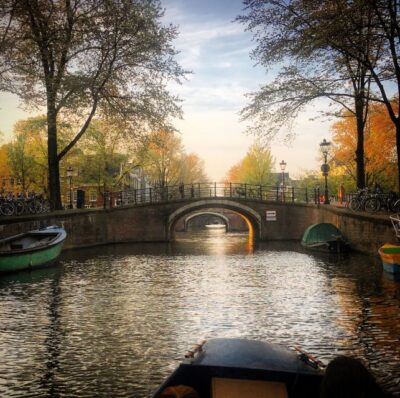
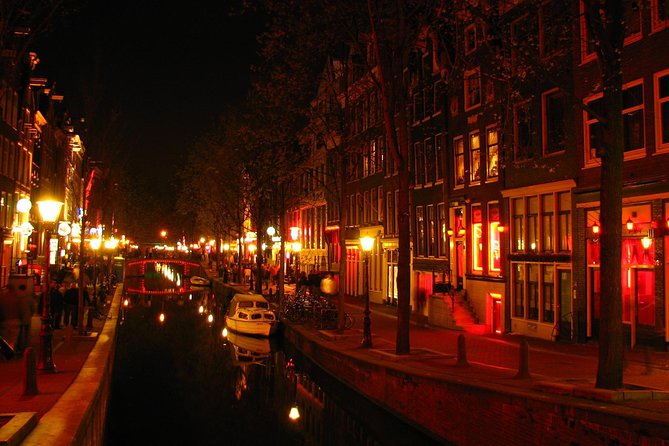
This tour offers multiple start times, and one piece of feedback mentions an 8 pm late-summer experience with great bridge lighting later on. That doesn’t mean every time will be identical, but it does suggest a smart strategy: if you can choose, consider a later start for the lighting and mood shift.
Even without chasing “perfect photos,” a later walk can make the streets feel less like a daytime checklist and more like a lived-in Amsterdam evening.
Who this tour is best for
I think this is a good fit if you:
- Want the Red Light District explained in a history + present way
- Prefer walking routes that point out specific buildings instead of only talking at you
- Like architecture and urban trivia, like wooden-pole foundations and old gate reuse
- Travel in a small group setting (because 15 max keeps things more personal)
If you’re looking for a laid-back stroll with no structure, you might feel you could do some of it on your own. The tour is still described as helpful for getting context fast, and having a guide usually saves time compared with piecing it together later.
If you have limited mobility, the tour isn’t recommended, so look for another format.
Should you book this Amsterdam Red Light District tour?
Yes—if your goal is context and you’re comfortable with a guided walk through a sensitive, talked-about area. The strongest signs are the consistently high rating, the emphasis on strong guide delivery, and the stop choices that connect the Red Light District to older Amsterdam landmarks and surprising places like Condomerie.
I’d book with extra care if you’re worried about comfort levels or have mobility constraints, since it’s not recommended for limited mobility and there is at least one complaint about inappropriate behavior. If you go in with questions ready and a clear expectation of respect, you’ll likely get a lot out of the route in just two hours.
FAQ
How long is the Amsterdam Red Light District walking tour?
The tour is listed at about 2 hours.
How much does it cost per person?
The price is $35.44 per person.
Where is the meeting point?
The meeting point is Geldersekade 2, 1012 BH Amsterdam, Netherlands.
Is food and drink included?
No. Food and drinks are not included.
What language is the tour offered in?
The tour is offered in English.
Is admission included for stops?
The tour listing shows admission ticket free for the first stop.
What’s the group size limit?
The tour has a maximum of 15 travelers.
More Tours in Amsterdam






More Tour Reviews in Amsterdam






The Red Light District After Dark



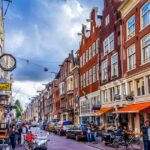
Just added: fresh Amsterdam tour reviews





Red Light District Tours, compared.
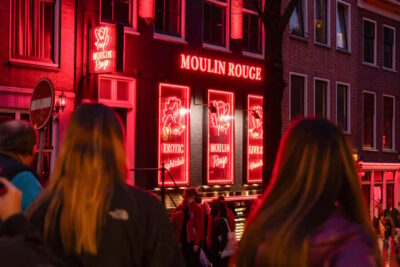 ★ 4.9Red Light District Tour in DE/EN/IT/ES/FRFrom $287,136 reviews
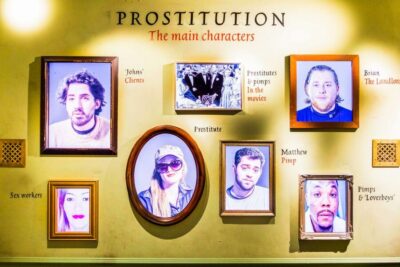 ★ 4.2Red Light Secrets Museum Entry TicketFrom $175,722 reviews
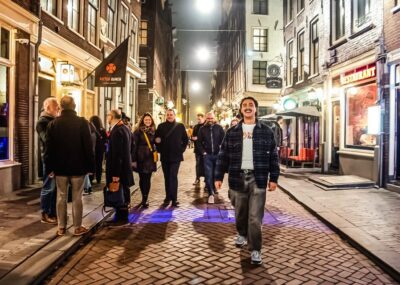 ★ 4.6Amsterdam Red Light District & Coffee Shop TourFrom $294,134 reviews
 ★ 4.1Red Light District Pub Crawl with Unlimited ShotsFrom $242,130 reviews
 ★ 4.5Amsterdam Red Light District Pub CrawlFrom $241,497 reviews
 ★ 4.6Red Light District Tour in English or GermanFrom $341,228 reviews
 ★ 4.1After Dark Red Light District TourFrom $571,030 reviews
 ★ 5.0Private Amsterdam Red Light District and Coffee Shop TourFrom $41763 reviews
Browse the lists this tour appears in