
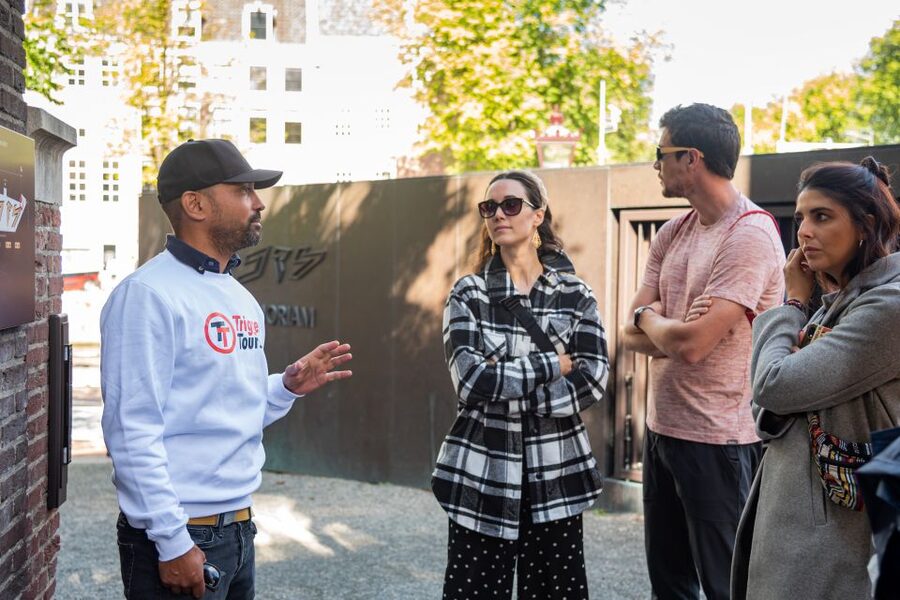
Reviewed · ANNE FRANK & JEWISH QUARTER
Amsterdam: Anne Frank Walking Tour
Amsterdam’s streets carry Anne Frank’s story. In a fast, focused walk, you get the WWII context that helps Anne Frank’s diary make real sense, not just a school assignment. I like the way the route centers on the Jewish Quarter and the people who shaped the city, not only one famous name. I also like the storytelling style many guides use, with moments that balance seriousness and clarity—so the history lands without feeling like a lecture.
One catch: this tour does not include Anne Frank House tickets, so you’ll need to plan your visit separately if you want to go inside.
In This Review
- Key Highlights You’ll Actually Feel on This Walk
- Starting at Waterlooplein: The Neighborhood Sets the Tone
- Portuguese Synagogue Stop: A Quick Visit That Adds Centuries, Not Just 1940s
- Jewish Quarter Walking Segment: Narrow Streets, WWII Clues, and Real Questions
- Jewish Historic Museum Area: A Short Stop That Helps You Make Sense of What’s Next
- Nieuwmarkt and Lastage: WWII Life Beyond the Headline Names
- Auschwitz Monument in Amsterdam: Where the Story Hits the Present
- Anne Frank House Stop: The Diary Thread, and What Comes After the War
- Plantage District Finish: Ending With Amsterdam Still in Motion
- How the Price Makes Sense for a Two-Hour Story Walk at $21
- Pacing, Groups, and the Guide Factor
- Who This Works Best For
- Should You Book This Anne Frank Walking Tour?
- FAQ
- How long is the Amsterdam: Anne Frank Walking Tour?
- Where does the tour start?
- Is the Anne Frank House ticket included?
- What sights are included on the route?
- What languages are the guides available in?
- Is the tour wheelchair accessible?
Key Highlights You’ll Actually Feel on This Walk
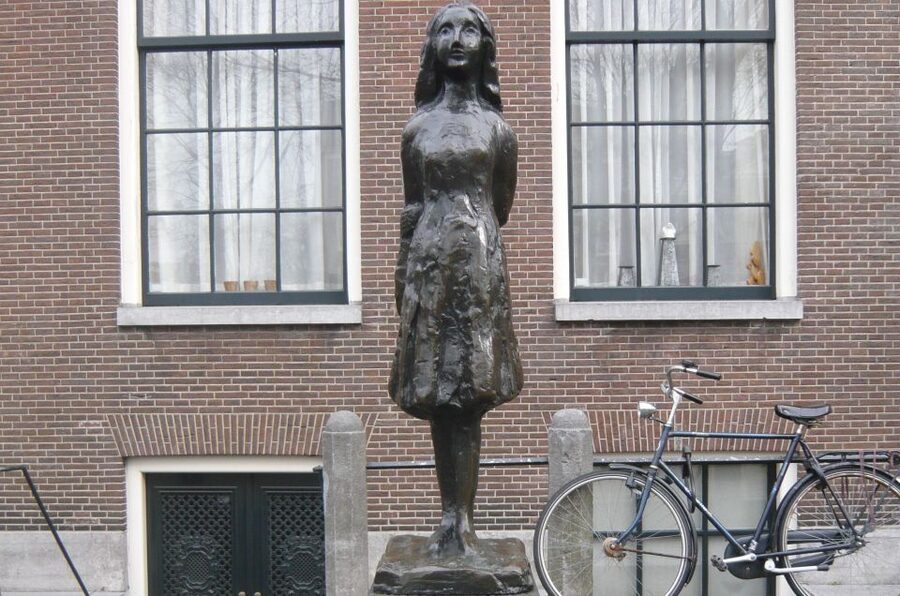
- Waterlooplein as your starting point, placing you right in the neighborhood story
- Portuguese Synagogue area stop that sets the stage for centuries of Jewish life in Amsterdam
- A solid 40-minute focus in the Jewish Quarter, when the narrative has the space to breathe
- Brief but meaningful stops tied to WWII events, including hunger winter and the February strike
- The Auschwitz Monument stop adds an emotionally direct endpoint to the tour’s memory thread
- The diary story connects to what happened after the war, including how it was published by her father
Deeper into the Jewish Quarter and the war years
- Amsterdam Anne Frank: Small-Group Walking Tour & Local Guide
★ 4.8 · 12,789 reviews - Anne Frank’s Story – Guided Walking Tour through Amsterdam
★ 5.0 · 11,619 reviews - Amsterdam: Anne Frank Guided Walking Tour in DE/EN/IT/ES
★ 4.9 · 3,107 reviews - Amsterdam: Anne Frank Guided Small Group Walking Tour
★ 4.8 · 2,722 reviews
Starting at Waterlooplein: The Neighborhood Sets the Tone

The tour begins around Waterlooplein, a practical choice because it gets you moving from central Amsterdam into the Jewish neighborhoods quickly. Waterlooplein also works as a “reset” point: you’re not just wandering for landmarks—you’re walking with a time period in mind.
I like that the walk’s first minutes are about context. Before you start hitting the big name sites, you get guided framing on how Amsterdam functioned during WWII and what Jewish community life looked like day to day. That framing matters, because it changes how you read the streets: you start seeing the city as something people lived inside, not a postcard background.
Portuguese Synagogue Stop: A Quick Visit That Adds Centuries, Not Just 1940s
One of your early stops is the Portuguese Synagogue area. It’s not a long stop, but it’s purposeful. Your guide uses it to connect the WWII narrative to a much longer thread: the Jewish community’s presence and influence in Amsterdam over generations.
Expect the guide to point out the kinds of details you’d likely miss on your own—how this area fits into the story of community life, and how places of worship and community institutions connect to what was later targeted. Even if you know almost nothing going in, this is where the tour starts to feel grounded.
Jewish Quarter Walking Segment: Narrow Streets, WWII Clues, and Real Questions

The heart of the walk is the Jewish Quarter segment, with about 40 minutes devoted to this area. This is where you’ll be grateful for comfortable shoes, because the streets can feel tight and the pacing is designed for listening, not sightseeing clicks.
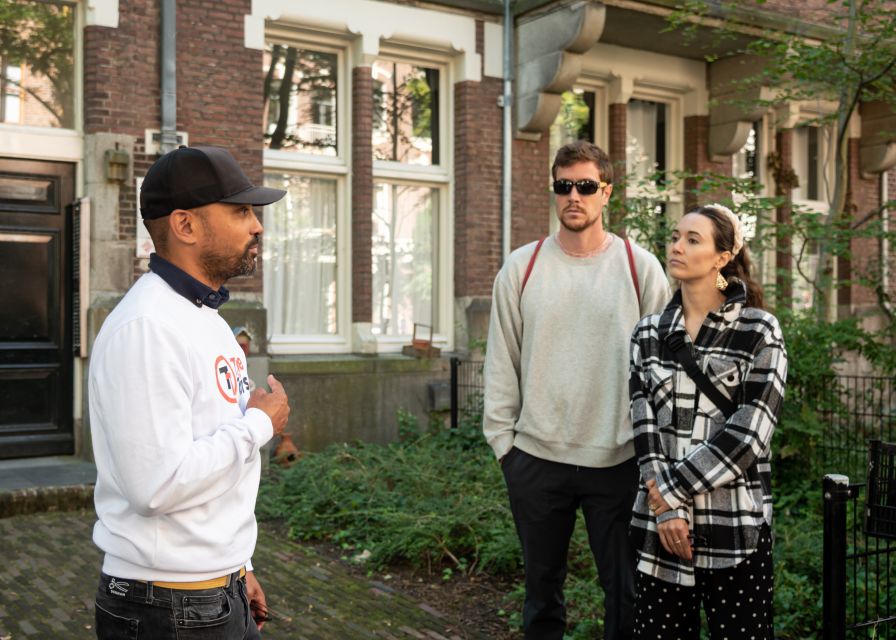
Here’s what makes this portion worthwhile: you’re not only learning about Anne Frank. You’re walking through a neighborhood shaped by Jewish history, and you’re seeing how war left traces in built space. There’s also room for questions, and the guides are often praised for answering clearly and staying sensitive to the topic.
A standout detail from guidance on this route is attention to small marks in the area. One example you might hear about is the significance of metal squares in the pavement—small reminders that carry a heavy meaning once you know what to look for. That kind of “slow looking” is one of the best uses of a walking tour: it turns the city into a readable document.
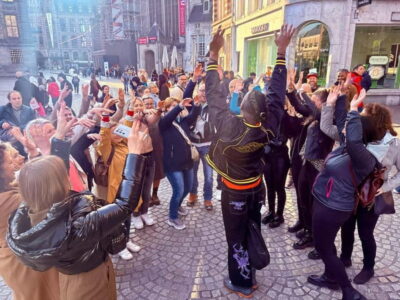
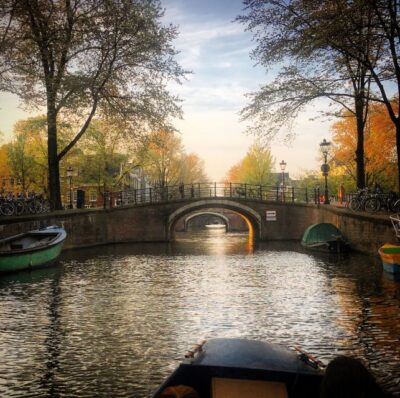
More of Amsterdam street by street, on foot

Jewish Historic Museum Area: A Short Stop That Helps You Make Sense of What’s Next
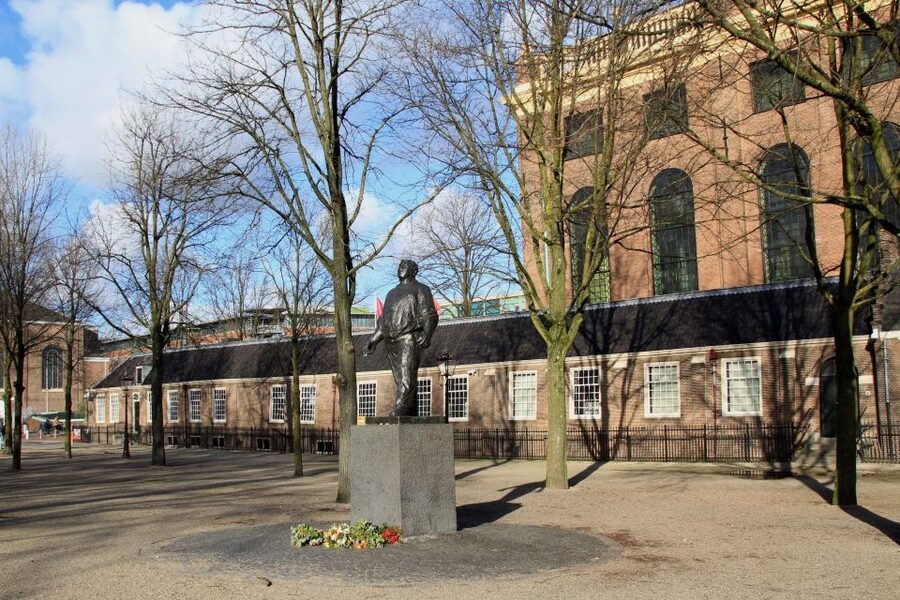
You’ll also pause near the Jewish Historical Museum area. Even though your stop here is brief, the value comes from what the guide does with it. The tour uses this location to bridge between community life and the brutal reality that followed.
If you’re thinking about the bigger museum picture later, this is a smart warm-up. The guide’s story helps you understand what you’ll want to pay attention to if you choose to add museum time on your own. And because this tour is only two hours long, those short stops are designed to keep momentum while still giving you enough background to connect the dots.
Nieuwmarkt and Lastage: WWII Life Beyond the Headline Names
Next comes a stop around Nieuwmarkt and Lastage, again kept intentionally short. This is the part of the walk where you’ll hear about WWII experiences that don’t fit neatly into a single dramatic scene.
Expect discussion of hardships like the hunger winter and events such as the February strike. The guide’s job here is to translate what those phrases mean in real human terms—what scarcity, fear, and disruption did to daily routines. This matters if you’re going into the Anne Frank story expecting only the famous hiding narrative. The tour builds a broader picture first, so the diary context lands with more weight.
Auschwitz Monument in Amsterdam: Where the Story Hits the Present

A stop at the Auschwitz Monument is one of the most emotionally direct moments on the route. Even if you’ve seen photos of Holocaust memorials before, walking up to a monument in the city you’re visiting changes the feel fast. It stops being history on a timeline and becomes a local memory you can’t dodge.
Your guide typically handles the moment with care, and this is where the tour’s pacing often feels most important. You’ll get time to absorb the meaning before continuing to the Anne Frank-related sites. It’s a fitting point in the walk because it ties personal stories to the larger tragedy—without losing sight of the scale.
Anne Frank House Stop: The Diary Thread, and What Comes After the War
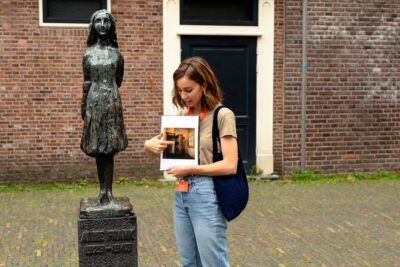
You’ll also reach the area of the Anne Frank House. This tour does not include entrance tickets, so think of this as a guided stop for story context and location connection, not a full house visit. If you want to go inside, you’ll need to arrange tickets separately.
Still, this is a crucial part of the experience. Your guide explains Anne’s story and her family’s experiences during the war period, then brings in how the diary was handled after the war. One highlight you can expect to hear is the role of her father in the diary’s publication. That publishing history is a major reason the diary became one of the most widely known books of all time—your guide helps link that postwar reality back to what Anne wrote.
Plantage District Finish: Ending With Amsterdam Still in Motion
After the Anne Frank stop, the route continues toward Plantage. This ending segment is useful because it helps you leave the WWII focus without feeling like you’re walking in circles. Plantage is a good “walk-off” zone: you get a sense of how Amsterdam looks and feels once the tour’s emotional storyline begins to loosen its grip.
The practical side is that you finish with an area that’s easy to keep exploring on your own. The story stays with you, but the city doesn’t freeze around it. That’s a nice balance—especially if you planned the house visit for another time.
How the Price Makes Sense for a Two-Hour Story Walk at $21
At about $21 per person for a 2-hour guided walk, this is priced like a history-focused city tour rather than a museum ticket. That’s a good value model when you consider what you get: a guide who links locations, explains WWII events in plain language, and helps you notice details you’d likely miss by walking independently.
The main value trade-off is also clear: you’re paying for the guided narrative and neighborhood context, not for any museum admissions (including the Anne Frank House). If you compare this to buying entrance tickets only, this tour wins on context. You’ll understand what you’re looking at more than you would if you arrived cold at each site.
And because the tour is short, you’re not committing a half-day. That’s a real advantage in Amsterdam, where you can easily pack museums, canals, and neighborhoods into a tight schedule.
Pacing, Groups, and the Guide Factor
This tour typically works with private or small-group options, and a live guide leads the walk in English or Spanish. That matters because this isn’t a “stand there and read facts” kind of experience. The best moments come when the guide can answer questions and connect events without turning the whole thing into a slideshow.
The guides on this route are frequently praised for storytelling that’s both empathetic and organized. Names that come up in guide feedback include James and Aaron, along with other guide names like Andrea and Josha. The common thread in the feedback is consistent: clear explanations, a good pace for two hours, and the ability to keep people engaged even when the subject matter is heavy.
Who This Works Best For
This tour is a strong fit if you want WWII history in a human-scale way—through streets, community sites, and connected stories. It’s also a good choice if you’re the kind of person who likes to understand the setting before you go inside a major site later.
It may be less ideal if you want only the Anne Frank House itself, because the ticket isn’t included. It can also be tough if you have mobility limits, since the activity is marked as not suitable for wheelchair users. And no matter what, this is emotionally serious material, so bring your questions and your stamina for listening.
Should You Book This Anne Frank Walking Tour?
Yes, you should book it if you want the Anne Frank story placed inside the broader reality of Jewish Amsterdam during WWII. This walk helps you connect the diary to the world around it: community life, wartime events, and the memorial places that keep the memory visible today.
Book it especially if you plan to visit other sites afterward. The guided framing gives you better questions to ask and better things to notice. Just be sure to plan the Anne Frank House visit separately if going inside is part of your must-do list.
FAQ
How long is the Amsterdam: Anne Frank Walking Tour?
The tour lasts about 2 hours.
Where does the tour start?
The meeting point may vary depending on the option booked, but it’s described as meeting around Waterlooplein.
Is the Anne Frank House ticket included?
No. The tour does not include entrance to the Anne Frank house.
What sights are included on the route?
The tour covers stops such as the Portuguese Synagogue area, the Jewish Quarter, the Jewish Historical Museum area, Nieuwmarkt en Lastage, the Auschwitz Monument, the Anne Frank House area, and Plantage.
What languages are the guides available in?
The live tour guide is available in English and Spanish.
Is the tour wheelchair accessible?
The information includes wheelchair accessibility, but it also states it is not suitable for wheelchair users. If you need wheelchair access, double-check fit with the provider before booking.
More Tours in Amsterdam




More Tour Reviews in Amsterdam





The Jewish Quarter, Explored Further




Just added: fresh Amsterdam tour reviews





Anne Frank & Jewish Quarter, compared.
 ★ 4.8Amsterdam Anne Frank: Small-Group Walking Tour & Local GuideFrom $2912,789 reviews
 ★ 5.0Anne Frank’s Story – Guided Walking Tour through AmsterdamFrom $3911,619 reviews
 ★ 4.9Anne Frank Guided Walking Tour in DE/EN/IT/ESFrom $283,107 reviews
 ★ 4.8Anne Frank Guided Small Group Walking TourFrom $282,722 reviews
 ★ 5.0Anne Frank Walking Tour Amsterdam Including Jewish Cultural QuarterFrom $751,879 reviews
 ★ 5.0Anne Frank’s Last Walk & See Anne Frank House in Virtual RealityFrom $42957 reviews
 ★ 4.7Dutch WWII Resistance Museum Entry TicketFrom $21951 reviews
 ★ 5.0Anne Frank and Jewish Quarter Amsterdam Private Walking TourFrom $157684 reviews
Browse the lists this tour appears in