
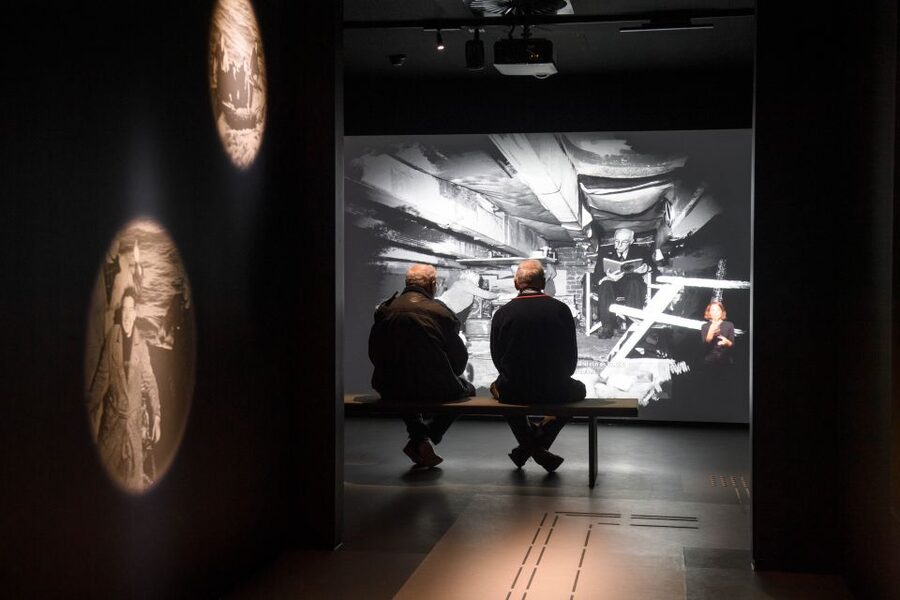
Reviewed · ANNE FRANK & JEWISH QUARTER
Amsterdam: Dutch WWII Resistance Museum Entry Ticket
A walk through WWII can feel far away. At the Dutch Resistance Museum (Verzetsmuseum Amsterdam), the Nazi occupation comes close through real objects, photo-filled rooms, and stories that explain how people coped, resisted, and made hard choices. It covers more than the “big names” you already know, and you get a clear view of how ordinary Dutch life was shaped during those years.
I especially love the way it shows resistance in many forms, from strikes and underground newspapers to helping people go into hiding. I also love that the audio guide makes the experience easy to follow in your language, so you can slow down when a story hits you. The one drawback: the content is heavy, so if you want light-and-funny history, this is not the place.
In This Review
- Key highlights at a glance
- Why this WWII museum ticket is a smart use of time in Amsterdam
- What you’ll see: the real-world resistance story (not just headlines)
- The audio guide: a big part of the experience (and the value)
- Everyday heroes, and the uncomfortable middle: resistance vs. collaboration
- The Dutch East Indies section: WWII isn’t only Europe
- “Forties Netherlands” details: how the museum transports you
- Where the stories land hardest: dilemmas, families, and personal aftermath
- How to plan your visit inside the Verzetsmuseum
- Price and value: what $21 buys you here
- Pair it with another WWII stop if you have extra time
- Who should book this museum entry ticket?
- Should you book the Amsterdam WWII Resistance Museum ticket?
- FAQ
- What’s included with the Amsterdam WWII Resistance Museum entry ticket?
- How long should I plan to spend in the museum?
- What languages are available for the audio guide?
- Where do I pick up or check in my ticket?
- Do I need a tour guide to enjoy the visit?
- Is the museum wheelchair accessible?
- What can I expect the museum to cover?
- Can I cancel if my plans change?
Key highlights at a glance
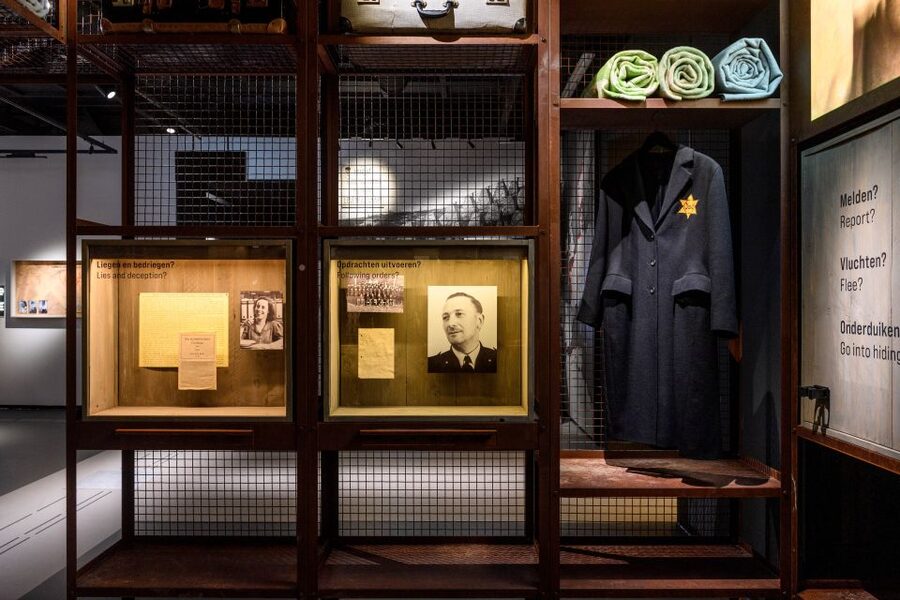
- Hands-on learning with stories built around objects, photos, and personal documents
- A resistance map of tactics: strikes, forged papers, hiding people, escape routes, espionage
- Audio guide built for control so you can choose what you listen to and how long you stay
- A dedicated Dutch East Indies section that covers experiences under Japanese terror
- A visit that fits your pace—about 2–3 hours is a common sweet spot, with more time possible
Deeper into the Jewish Quarter and the war years
- Amsterdam Anne Frank: Small-Group Walking Tour & Local Guide
★ 4.8 · 12,789 reviews - Anne Frank’s Story – Guided Walking Tour through Amsterdam
★ 5.0 · 11,619 reviews - Amsterdam: Anne Frank Guided Walking Tour in DE/EN/IT/ES
★ 4.9 · 3,107 reviews - Amsterdam: Anne Frank Guided Small Group Walking Tour
★ 4.8 · 2,722 reviews
Why this WWII museum ticket is a smart use of time in Amsterdam
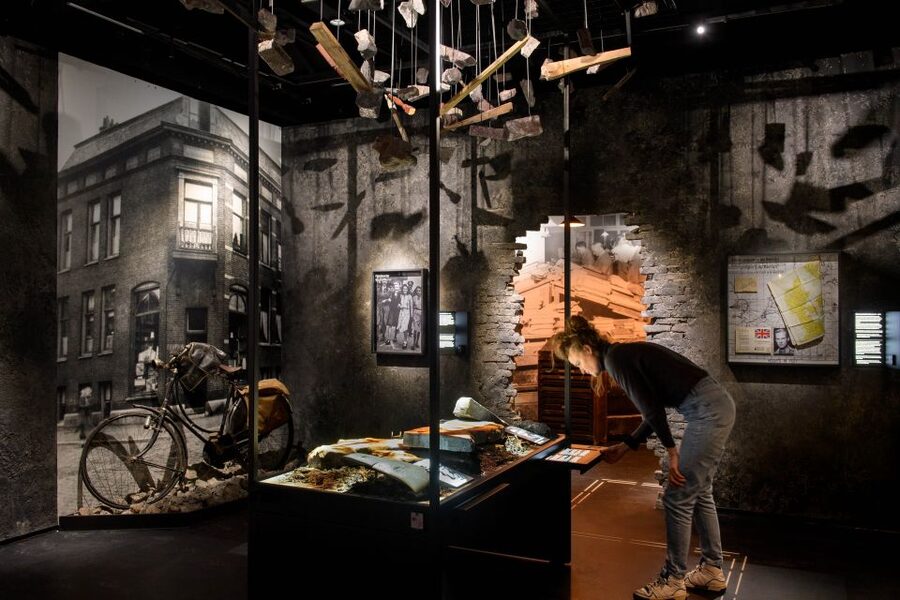
If you’re in Amsterdam for canals and museums, this one adds weight in the best way. The Amsterdam WWII Resistance Museum doesn’t treat history like a list of dates. It treats it like decisions—small ones and terrifying ones—that people had to make while the Nazi regime tightened control.
The value is in the structure. You move from the occupation’s pressure to the response of Dutch civilians, and you see resistance as a spectrum. Some actions were risky but nonviolent. Some were overtly dangerous. Either way, the museum makes it clear that “resistance” wasn’t one neat thing.
Also, the layout is designed for self-guided wandering. That matters because you don’t have to match a group pace. You can take 10 minutes on one exhibit that genuinely grabs you and then keep going without feeling lost.
What you’ll see: the real-world resistance story (not just headlines)
The core exhibition focuses on how Dutch civilians responded to the occupation. You’ll encounter sections that cover multiple types of resistance, including:
- strikes
- forging of documents
- helping people go into hiding
- underground newspapers
- escape routes
- armed resistance
- espionage
That list might sound like a classroom outline, but what makes it work is how the museum connects tactics to daily life. You’re not just learning what happened. You’re seeing why certain choices were possible, what risk looked like, and how occupation changed normal routines.
One recurring “feel” of the museum comes from the walls full of photos. They’re not random decoration. They help recreate the look and atmosphere of wartime Netherlands, which keeps the story from drifting into abstract theory.
The audio guide: a big part of the experience (and the value)
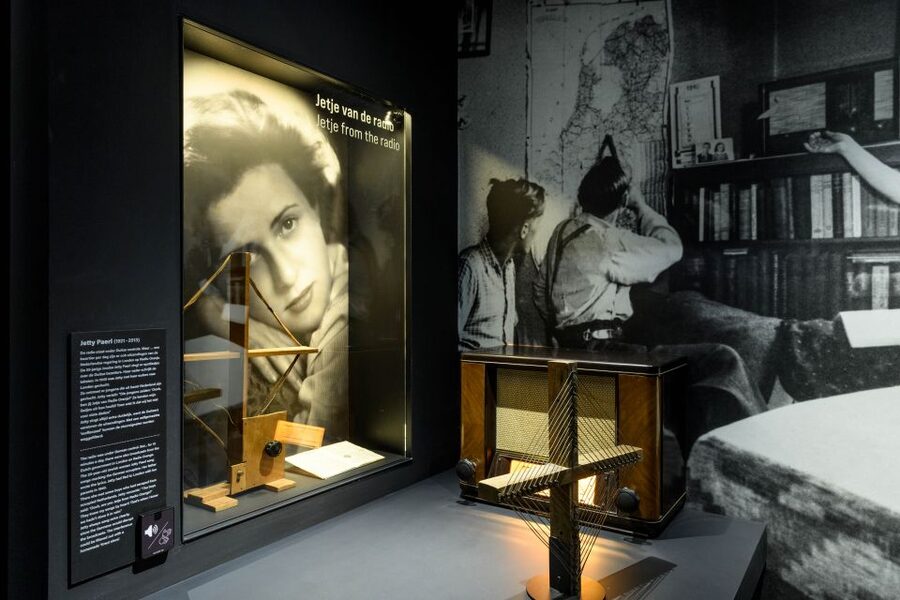
Your ticket includes an audio guide. That’s not a small perk—it changes how the museum lands. The story is packed, and an audio track helps you keep your footing room to room, especially if your WWII background is partial.
The audio guide is available in Dutch, English, French, German, Italian, Spanish, and Portuguese, so you won’t feel stuck with a language barrier. Reviews also point out that the system can be interactive at exhibit level—people talk about scanning QR codes or using handheld units, plus audio that activates based on what you’re viewing.
Here’s the practical takeaway: plan to listen selectively. If you try to take in everything at once, you’ll rush and you’ll miss nuance. Instead, listen when a story contains details you want to remember—like names, dilemmas, or the reasoning behind a choice.
Still deciding? A few more Amsterdam tours worth a look






Everyday heroes, and the uncomfortable middle: resistance vs. collaboration
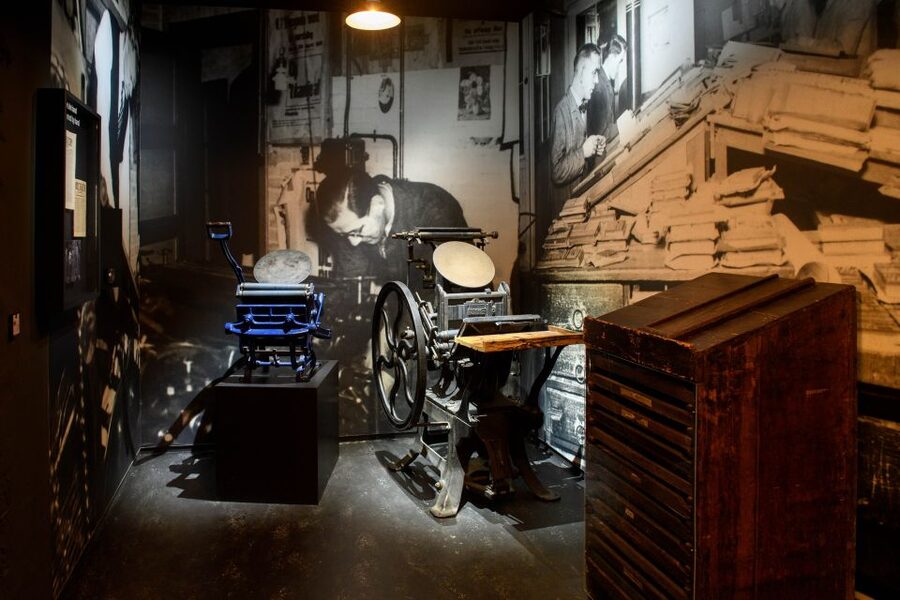
One thing this museum does well is refusing to flatten people into heroes only. You get stories of people who resisted, yes—but you also get insights into day-to-day worries, resistance groups, and collaborators. That balance makes the history more believable.
You’ll see moving personal documents that show people confronted with dilemmas. Sometimes the museum emphasizes the emotional weight: the fear, pressure, and moral uncertainty of living under a regime that demanded obedience. Other times it focuses on the practical pressure: how quickly circumstances could narrow.
This is a good museum for understanding why resistance happened. It wasn’t only ideology. It was also compassion, survival instinct, and the refusal to accept a new normal when normal stopped existing.
The Dutch East Indies section: WWII isn’t only Europe
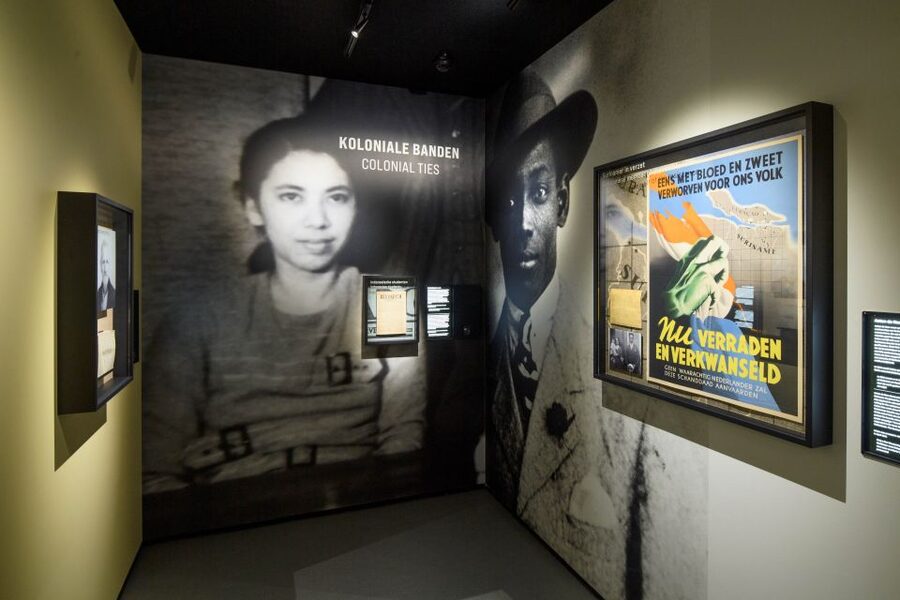
A standout part is the dedicated section on the former Dutch colonies in the Dutch East Indies. This takes you beyond the European storyline and into experiences under Japanese terror.
That matters because many WWII museum visits feel like they stop at the map’s edge—Germany, France, the Netherlands. Here, the museum widens the lens. You’ll come away with a more complete sense of how occupation and violence touched Dutch history across regions.
If your family or group includes people who only know WWII through the usual European focus, this section is a strong way to add context without turning the visit into a lecture.
“Forties Netherlands” details: how the museum transports you
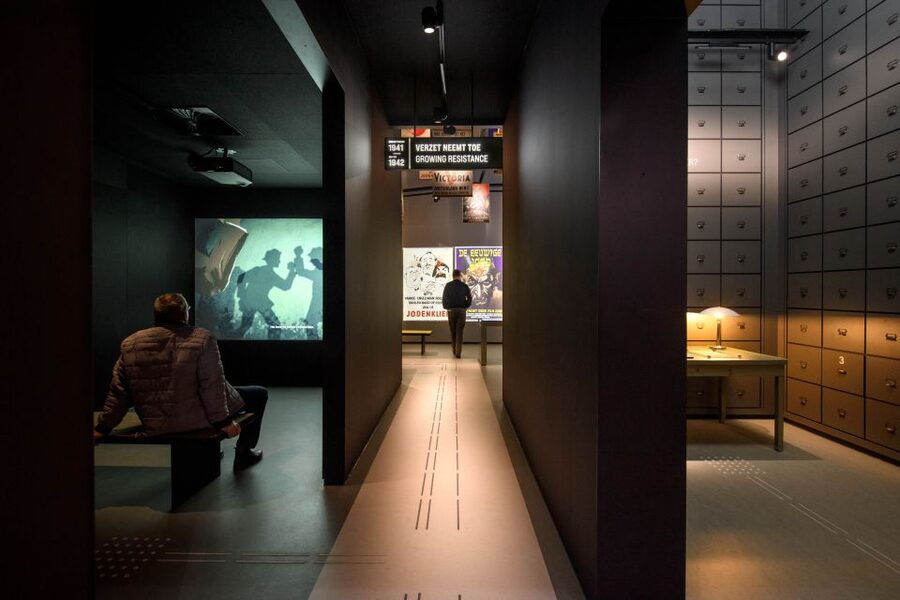
The museum tries to recreate the time through objects, film clips, and the look of the rooms. The effect isn’t about theatrics. It’s about making the setting legible: you can picture what it looked like to live in those conditions.
Reviews mention how it flows smoothly through the story and that the museum feels like a series of interconnected moments rather than one long hallway. That matters if you’re sensitive to attention fatigue. The museum gives you enough variety—photos, documents, audiovisual material—that you don’t feel stuck staring at a single kind of display.
One more practical detail: the pacing is on you. People often spend around 2 to 3 hours, and some do a bit longer if they listen to many exhibit points. If you only have an hour, you’ll still learn a lot—but you’ll likely skim.
Where the stories land hardest: dilemmas, families, and personal aftermath
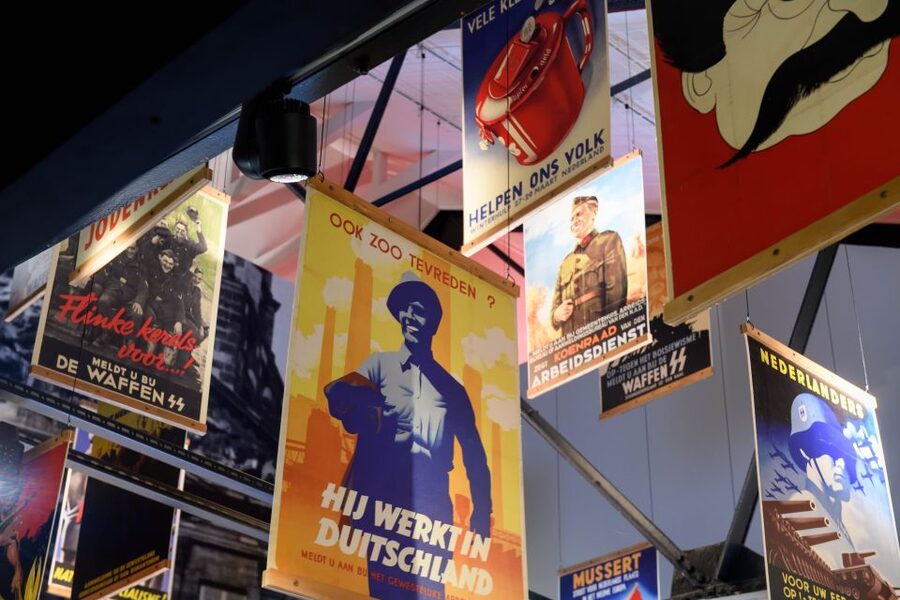
A museum like this can be emotionally draining, but it can also be clarifying. The strongest exhibits tend to focus on people and their choices under pressure—who helped, who hid others, who risked themselves with documents and messages, and who chose differently.
Some of the narratives include what happened after the war, which adds a key human layer. It turns WWII from a “during” story into an “after” story too—where survival, loss, and rebuilding continue to matter.
If you like history that connects cause and effect, you’ll appreciate that the museum doesn’t just stop when occupation ends. It keeps the consequences in view.
How to plan your visit inside the Verzetsmuseum
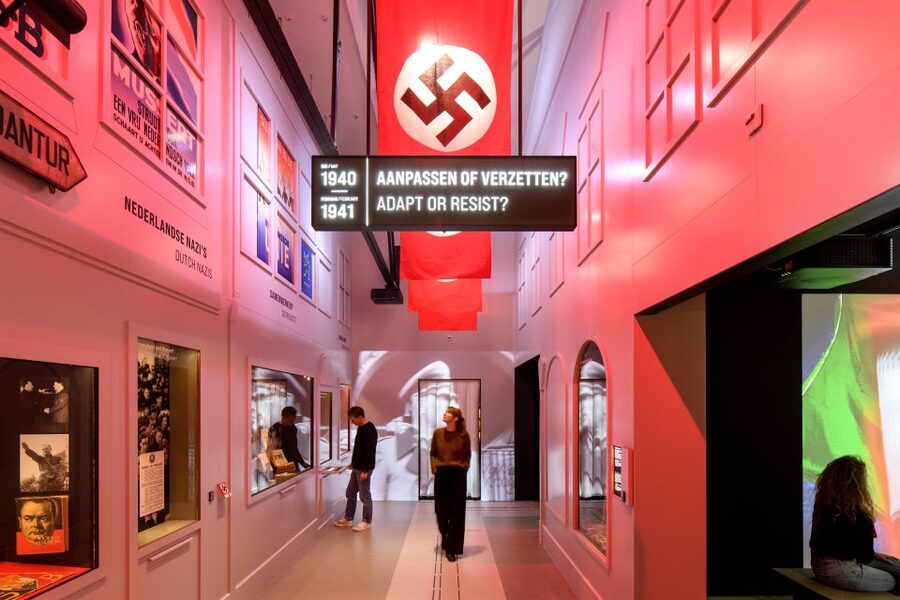
This ticket is valid for 1 day, and you’ll need to show it at the museum counter to enter. You can also think of your “day visit” as a time window—choose a start time that fits your energy level.
For most people, 2–3 hours is the sweet spot. You’ll have time to move room to room, listen at a steady pace, and pause when something feels too heavy to race through. If you’re the type who reads every label, give yourself more time.
A quick on-the-ground suggestion: start with a lighter listening mode. Pick a few early sections to set context, then switch to longer listens once you feel oriented. The museum’s layout rewards that. You’ll understand the story architecture before you commit to slower reading.
Also, this is a good museum for accessibility needs. It’s wheelchair accessible, and reviews mention that the audio setup can work well if you need to sit occasionally. If you’re traveling with mobility needs, you can plan without guessing whether the museum will be navigable.
Price and value: what $21 buys you here
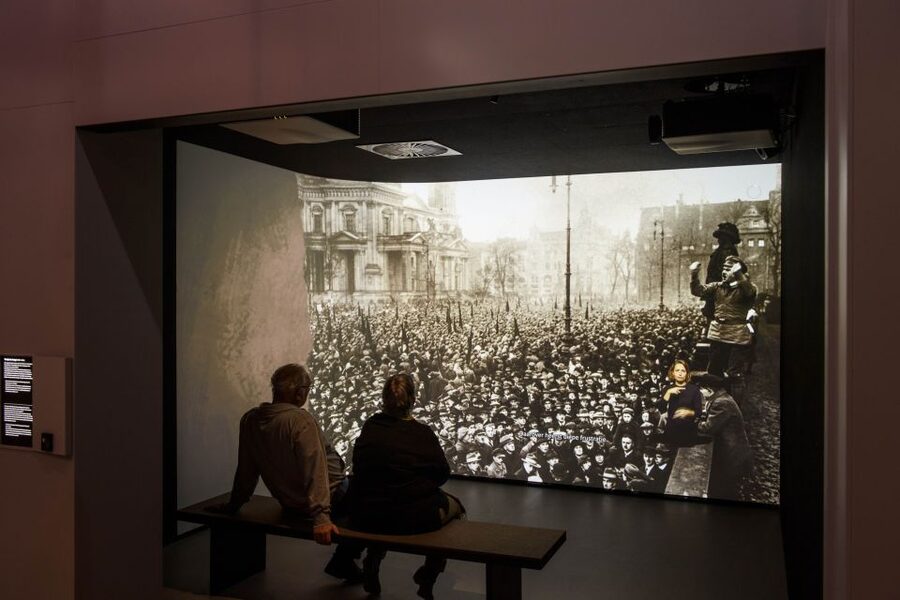
At about $21 per person, this ticket is usually a strong value for a WWII museum experience in Amsterdam—mainly because the audio guide is included. That means you’re not paying extra for interpretation once you arrive.
You’re also getting a visit that covers multiple storylines:
- resistance in occupied Netherlands
- everyday pressure and moral dilemmas
- and a separate section on the Dutch East Indies under Japanese occupation
If you compare to museums that require separate guided services, the bundled audio support makes this easier to budget. The museum’s content is dense, so a self-guided setup with interpretation saves you from bouncing between exhibits with no direction.
Pair it with another WWII stop if you have extra time
If your Amsterdam walking route includes other WWII memorials, you can connect this visit with nearby sites. One reviewer noted passing the Hollandische Schouwburg, now a memorial, and suggested it’s worth seeing too.
You don’t need to force a tight itinerary. But if you’re the type who likes themes across stops—history in one direction, geography in another—pairing makes your day feel more complete.
Who should book this museum entry ticket?
This is a great fit if you:
- want WWII history grounded in real choices, not only battles
- like personal stories, objects, and clear explanations
- prefer self-guided visiting with an audio guide you control
- want Dutch WWII plus a section that expands into the Dutch East Indies
It’s also ideal for people who learn best through listening and visual material. The museum uses a mix of photos, documents, and audiovisual components, plus the audio guide system helps keep the experience understandable.
One caution: the themes can be emotionally tough. If your group has someone who struggles with war stories, you may want to set expectations and let them choose how long to stay in the heavier rooms.
Should you book the Amsterdam WWII Resistance Museum ticket?
Yes, if you want a meaningful, well-structured WWII museum that explains resistance in human terms. The included audio guide in many languages and the museum’s focus on everyday decisions make the ticket feel worth it, even for people who think they only know the basics.
Book it if you can spare 2–3 hours and you’re ready for a sobering walk through history. If you’re searching for light sightseeing only, you’ll probably want to save this for another trip.
FAQ
What’s included with the Amsterdam WWII Resistance Museum entry ticket?
Your ticket includes entry to the museum and an audio guide. A separate guided tour is not included.
How long should I plan to spend in the museum?
The ticket is valid for 1 day. For a full experience at a comfortable pace, plan around 2–3 hours, depending on how many exhibits you listen to and read.
What languages are available for the audio guide?
The audio guide is available in Dutch, English, French, German, Italian, Spanish, and Portuguese.
Where do I pick up or check in my ticket?
Show your ticket(s) at the museum counter when you arrive.
Do I need a tour guide to enjoy the visit?
No. This is set up for self-guided viewing with an included audio guide rather than a live guide.
Is the museum wheelchair accessible?
Yes, the experience is wheelchair accessible.
What can I expect the museum to cover?
The museum focuses on Dutch civil response to Nazi occupation, including resistance methods such as strikes, forged documents, helping people hide, underground newspapers, escape routes, armed resistance, and espionage. It also has a dedicated section about the Dutch East Indies under Japanese rule.
Can I cancel if my plans change?
Yes. The offer includes free cancellation up to 24 hours in advance for a full refund.
More Tickets in Amsterdam






More Tour Reviews in Amsterdam




The Jewish Quarter, Explored Further





Just added: fresh Amsterdam tour reviews





Anne Frank & Jewish Quarter, compared.
 ★ 4.8Amsterdam Anne Frank: Small-Group Walking Tour & Local GuideFrom $2912,789 reviews
 ★ 5.0Anne Frank’s Story – Guided Walking Tour through AmsterdamFrom $3911,619 reviews
 ★ 4.9Anne Frank Guided Walking Tour in DE/EN/IT/ESFrom $283,107 reviews
 ★ 4.8Anne Frank Guided Small Group Walking TourFrom $282,722 reviews
 ★ 5.0Anne Frank Walking Tour Amsterdam Including Jewish Cultural QuarterFrom $751,879 reviews
 ★ 5.0Anne Frank’s Last Walk & See Anne Frank House in Virtual RealityFrom $42957 reviews
 ★ 5.0Anne Frank and Jewish Quarter Amsterdam Private Walking TourFrom $157684 reviews
 ★ 4.9Anne Frank’s Last Walk & Visit Anne’s House in VRFrom $41614 reviews
Browse the lists this tour appears in