

Reviewed · ANNE FRANK & JEWISH QUARTER
Amsterdam: Anne Frank Walking Tour (French)
A walk about Anne Frank hits different when you’re standing in the streets where history played out. This one is tightly focused on Amsterdam’s Nazi occupation and the Jewish community’s story, with a clear path from the city center to the Anne Frank area.
What I like most is the strong emphasis on how daily life and survival changed under occupation, not just dates and names. I also really appreciate that the tour is built around the Frank family’s route in Amsterdam, so the story has a human through-line from arrival to tragedy.
One thing to consider: the tour ends at the Anne Frank House Museum area but doesn’t include museum entry, so plan tickets separately if you want to go inside.
In This Review
- Key highlights worth knowing
- Why this Anne Frank walk works in just two hours
- Meeting at Rokin 17: find the guide fast and avoid cold-street stress
- Dam Square: where the guide sets the stakes for the occupation
- Royal Palace area and Nieuwe Zijde: power and daily life under pressure
- Grachtengordel-West: canals as a map of survival
- Homomonument pause: a moment for reflection in the middle of history
- Anne Frank House area: learning the Frank family timeline without the museum ticket
- Casa di Anna Frank: ending at the right place for your next step
- Price and value: is $28 fair for a 2-hour French tour?
- Who this tour suits best (and who might want something else)
- About the guide experience: clear explanations and attentive pacing
- Practical tips so you enjoy the walk (not just endure it)
- Should you book this Anne Frank walking tour?
- FAQ
- FAQ
- How long is the Amsterdam Anne Frank Walking Tour (French)?
- Where do I meet the guide?
- What language is the tour in?
- Does the tour include entry to the Anne Frank House Museum?
- Where does the tour end?
- What should I bring for the walk?
- Is the tour wheelchair accessible?
- Can I cancel for a refund?
- Can I reserve without paying right away?
Key highlights worth knowing
- Two-hour focus that keeps the story moving without feeling rushed
- Anne Frank, specifically, woven into broader Jewish history in Amsterdam
- Real streets, real context: Dam Square and the canal-area landmarks matter to the narrative
- French live guide who explains clearly and stays attentive (Alessio is named often in guides’ feedback)
- Ends at the Anne Frank House Museum area, with no entry included
Deeper into the Jewish Quarter and the war years
- Amsterdam Anne Frank: Small-Group Walking Tour & Local Guide
★ 4.8 · 12,789 reviews - Anne Frank’s Story – Guided Walking Tour through Amsterdam
★ 5.0 · 11,619 reviews - Amsterdam: Anne Frank Guided Walking Tour in DE/EN/IT/ES
★ 4.9 · 3,107 reviews - Amsterdam: Anne Frank Guided Small Group Walking Tour
★ 4.8 · 2,722 reviews
Why this Anne Frank walk works in just two hours
This is the kind of tour that helps you understand the big picture quickly, then anchors it in people. You start in the heart of Amsterdam and end right at the Anne Frank House area. That simple route matters, because the story isn’t floating in space—it’s tied to the city’s geography.
You’ll also get context that makes the Anne Frank story feel less isolated and more part of a wider Jewish history in Amsterdam. Before the war, the city held about 80,000 Jewish residents. After the war, only about 12,000 remained alive. The Netherlands also had the highest percentage loss of Jewish lives in Western Europe. That contrast is heavy, but having it explained on the street helps you grasp the scale.
A good tour is one you can leave with clear mental images. Here, the guide’s job is to connect the Nazi occupation’s impact on Amsterdam with the hidden life of Jews and the role of Amsterdam citizens who resisted. In other words: it’s not only about what happened. It’s also about how people tried to survive.
Meeting at Rokin 17: find the guide fast and avoid cold-street stress
The meeting point is Rokin 17, with the guide waiting in front of the cookie shop Van Stapele. Look for a Manders Rokin Fountain Statue nearby, and a guide holding a black umbrella with the company logo printed on it.
Arrive 15 minutes early. That’s not overkill in Amsterdam, especially in wind or rain. These tours rely on starting on time, and you’ll want a couple of minutes to get your bearings and maybe grab water before the walking ramps up.
If you’re planning around a tight schedule, aim to do bathroom and water first. The tour is 2 hours, and once you’re moving, you don’t want the whole group pausing every few minutes.
Dam Square: where the guide sets the stakes for the occupation
You begin at Dam Square, one of the most central places in Amsterdam. The tour uses this setting to frame what the Nazi German occupation meant for the city—politically, socially, and practically.
This stop is valuable because it’s where your guide can explain the shift from ordinary city life to enforced control. Even before you hit the Anne Frank-related landmarks, you’re building the background you’ll need to understand the hidden-Jews portion of the story. You’re also getting a sense of how occupation changes a city’s rhythm—who controls movement, what becomes dangerous, and why hiding wasn’t just a choice but often a necessity.
A quick practical note: Dam Square can feel busy, even outside peak season. If you’re sensitive to crowds, keep your pace steady and follow the guide’s lead closely so you don’t lose the group.
More of Amsterdam street by street, on foot




Royal Palace area and Nieuwe Zijde: power and daily life under pressure
Next, you move past the Royal Palace, Amsterdam area and into Nieuwe Zijde. These stops help the story feel grounded. You’re looking at prominent streets and civic spaces while the guide explains the occupation’s impact on the city.
This is where I like the tour’s balance. It doesn’t stay in emotional territory only. It also talks about what occupation did to Amsterdam’s Jewish community—how the environment became more restrictive and why the days leading up to hiding became more dangerous.
Nieuwe Zijde is also a good example of how Amsterdam’s street layout works for storytelling. The guide can reference what people saw and did at street level—because when history is this personal, street-by-street context helps your brain organize the narrative.
Grachtengordel-West: canals as a map of survival
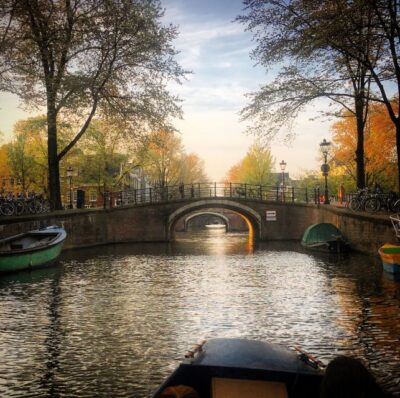
Then comes Grachtengordel-West, part of Amsterdam’s famous canal belt. Even if you’ve seen photos of the canals before, this stop turns them into something else: a reminder that the city isn’t just pretty scenery. It’s a web of routes, neighborhoods, and distances people had to manage while hiding, moving, or staying cautious.
This section matters for your understanding of the hidden Jews story. The guide’s job here is to connect places and events to real-life constraints. When you hear about the hidden life of Jews and the Resistance of Amsterdam citizens, the canal-area geography helps you picture how people might rely on neighborhoods, timing, and local knowledge.
I’d call this the part of the tour where the walking feels especially rewarding. You get historic context plus real Amsterdam atmosphere—water nearby, narrow streets, and those long canal views that make it easy to orient yourself afterward.
Homomonument pause: a moment for reflection in the middle of history
You’ll also pass the Homomonument. The tour list includes it as a guided stop connected to the overall narrative of WWII and Amsterdam’s Jewish history, and the guide uses the moment to keep attention on what matters most: people, identity, and human consequences.
This is often where the tour shifts tone from pure background toward the moral weight of what happened. Even if you don’t know the monument’s story from before, having it inserted into a WWII-focused walk can make the message land more strongly: history isn’t only about one group, one event, or one year. It’s about how societies treat their most vulnerable members—and what courage can look like.
If you’re the type who prefers straight facts only, this stop may feel slightly more reflective than you expect. But it’s still guided through the lens of the tour’s WWII story.
Anne Frank House area: learning the Frank family timeline without the museum ticket
The tour includes a guided visit around the Anne Frank House area—described as a stop where you’ll learn more about the Frank family’s story, from their move to Amsterdam through the tragic outcome.
Two numbers in your mind help here: the enormous pre-war Jewish population in Amsterdam, and the devastating drop after the war. That’s what makes the Frank family’s personal story feel less like a standalone biography and more like an example of a wider catastrophe.
Important: the tour does not provide entry to the house. So you’re getting the outdoor/area interpretation and guide-led context, not the museum visit itself. If you want to see the museum exhibits, you’ll need to buy tickets separately for the time you want.
This is a key value point. You’re paying for expert storytelling on the streets, not for museum admission included in the price. For many people, that’s the better deal because you can still choose your museum visit time and experience at your own pace afterward.
Casa di Anna Frank: ending at the right place for your next step
The tour finishes at Casa di Anna Frank. Ending here is useful because it puts you right in the neighborhood where you can decide what to do next: grab a bite, walk off the cold, or step into the museum ticket line later if you want to.
Even if you don’t go inside the Anne Frank House on the same day, finishing at this address gives you closure. The story’s final beats are concentrated in one area instead of dispersing across the city.
Price and value: is $28 fair for a 2-hour French tour?
At $28 per person for a 2-hour guided walking tour in French, the value depends on what you want.
If you want: clear, guided context about Nazi occupation, the Jewish history of Amsterdam, and the Frank family story—then the price feels reasonable. You’re paying for a live guide who explains the “why” behind the places, and you’re covering multiple key city areas on foot.
If you want: guaranteed access to the Anne Frank House exhibits without extra ticketing—then you’ll need to budget separately, because entry isn’t included. The tour ends at the museum area, but it doesn’t take you inside.
In practical terms, I like this setup when you’re planning the rest of your day in Amsterdam. You get the guided interpretation, then you choose whether to do the museum based on time and your interests.
Who this tour suits best (and who might want something else)
This tour is a strong fit if you:
- want a structured introduction to Anne Frank and Jewish life in Amsterdam during WWII
- prefer a walking format that connects story and street-level context
- speak or prefer French and want a live guide (rather than a self-guided audio tour)
It’s also a good choice for winter or short-stay visitors because 2 hours is manageable. Reviews hint that even in cold weather, people found it an excellent experience, with the guide described as attentive and easy to listen to.
You might consider a different option if you:
- mainly want museum time inside the Anne Frank House and don’t care as much about street context
- need a fully self-paced experience (this tour is guided and designed to move between specific stops)
About the guide experience: clear explanations and attentive pacing
The most consistently praised element is how good the guide is at explaining at the right level and keeping things easy to follow. Alessio is specifically mentioned as top-notch: comfortable with the information, attentive, and very listenable.
That matters more than you’d think. The subject is intense and the city history is complex. A guide who can keep the story understandable without flattening it helps you walk away with real comprehension instead of just emotional overwhelm.
If you care about language quality, you’ll be glad this is a live French tour guide. And the fact that it’s described as accessible suggests the guide likely adjusts explanations to the group’s pace rather than lecturing through the streets.
Practical tips so you enjoy the walk (not just endure it)
You’re outside for a walking tour, so plan like a local:
- Comfortable shoes are non-negotiable
- Water helps, especially if you’re walking and talking for two hours
- Bring a camera if you like to capture street scenes and canal views
- Wear weather-appropriate clothing. Amsterdam weather can change fast, and cold makes everything feel longer
If you’re trying to manage comfort, do a quick water and bathroom stop before you reach the meeting point area. After that, the route is about staying focused.
Also: because the tour is wheelchair accessible, it’s built with movement in mind. Still, sidewalks and street surfaces can vary, so go with sensible footwear and a steady pace.
Should you book this Anne Frank walking tour?
Book it if you want a guided, French-language story that connects Amsterdam’s WWII occupation, the Jewish community’s history, and the Frank family narrative to real streets. It’s time-efficient at 2 hours, and the strong guide feedback (with Alessio singled out) suggests you’ll leave with clarity, not confusion.
Skip it or pair it differently if you primarily want museum exhibits. This tour ends right at the Anne Frank House area, but it doesn’t include entry. In that case, you’ll want to plan museum time separately.
FAQ
FAQ
How long is the Amsterdam Anne Frank Walking Tour (French)?
The tour lasts 2 hours.
Where do I meet the guide?
Meet at Rokin 17, in front of the cookie shop Van Stapele, next to the Manders Rokin Fountain Statue. The guide waits with a black umbrella with the company logo.
What language is the tour in?
The tour is guided in French by a live guide.
Does the tour include entry to the Anne Frank House Museum?
No. The tour includes a guided stop near the Anne Frank House, but it does not provide entry to the museum.
Where does the tour end?
The tour ends at Casa di Anna Frank, at the Anne Frank House museum area.
What should I bring for the walk?
Bring comfortable shoes, water, a camera if you want photos, and weather-appropriate clothing.
Is the tour wheelchair accessible?
Yes, it’s described as wheelchair accessible.
Can I cancel for a refund?
Yes. You can cancel up to 24 hours in advance for a full refund.
Can I reserve without paying right away?
Yes. It offers reserve now & pay later, so you can book and pay nothing today.
More Tours in Amsterdam






More Tour Reviews in Amsterdam






The Jewish Quarter, Explored Further




Just added: fresh Amsterdam tour reviews





Anne Frank & Jewish Quarter, compared.
 ★ 4.8Amsterdam Anne Frank: Small-Group Walking Tour & Local GuideFrom $2912,789 reviews
 ★ 5.0Anne Frank’s Story – Guided Walking Tour through AmsterdamFrom $3911,619 reviews
 ★ 4.9Anne Frank Guided Walking Tour in DE/EN/IT/ESFrom $283,107 reviews
 ★ 4.8Anne Frank Guided Small Group Walking TourFrom $282,722 reviews
 ★ 5.0Anne Frank Walking Tour Amsterdam Including Jewish Cultural QuarterFrom $751,879 reviews
 ★ 5.0Anne Frank’s Last Walk & See Anne Frank House in Virtual RealityFrom $42957 reviews
 ★ 4.7Dutch WWII Resistance Museum Entry TicketFrom $21951 reviews
 ★ 5.0Anne Frank and Jewish Quarter Amsterdam Private Walking TourFrom $157684 reviews
Browse the lists this tour appears in