
Reviewed · WALKING TOURS
Amsterdam: Anna Frank and World War II History Walking Tour
A story you can walk, not just read. This Anne Frank and WWII history tour turns key Amsterdam locations into a clear, street-level way to understand the Jewish community during Nazi occupation. You’ll see the outside of the Anne Frank House and connect it to what happened in the city before and during the Holocaust.
Two things I especially like: the tour’s focus on the Jewish district and how it fit into Amsterdam’s wider story, including early roots around 1600. I also like that it doesn’t treat Anne Frank as an isolated figure, but places her family inside the larger reality of deportation and tragedy. One possible drawback to know up front: the Anne Frank House visit itself is not included, so you’ll want to plan a separate ticket if you want to go inside.
Key points to know before you go
- Meet at H’ART Museum (ex-Hermitage) on the Amstel side, near the entrance statue area
- 120,000-name memorial focus, including Jewish, Sinti, and Roma victims in WWII
- Jewish community origins around 1600 and how Amsterdam changed under occupation
- Nazi occupation and Holocaust lessons delivered on the streets you’ll actually walk
- Anne Frank House on the outside, then optional interior visit with an audio guide (ticket not included)
In This Review
- Walking From the Amstel to Anne Frank House: The Big Idea
- Starting at H’ART Museum (Ex-Hermitage): Easy to Find, Right to the Point
- The Name Memorial Monument: Where the Scale Hits You
- How Amsterdam’s Jewish Community Grew From Around 1600
- Nazi Occupation in the City: Learning the Timeline on Street Corners
- Reaching the Hiding-Years Area: Anne Frank’s Story Becomes Location-Based
- Visiting Inside the Anne Frank House: What’s Included and What You Still Need
- Price and Value for a 2-Hour Italian Walking Tour
- Guide Quality Matters: Italian-Language Storytelling and a Named Example
- Who Should Book This Tour (And Who Might Prefer Something Else)
- Should You Book the Amsterdam Anne Frank and WWII History Walking Tour?
Walking From the Amstel to Anne Frank House: The Big Idea
This is a 2-hour walking tour built for people who want context. You don’t just get dates. You get the geography: where Amsterdam’s Jewish community lived, how the Nazi occupation reshaped city life, and how the hiding story fits into the wider catastrophe.
Even if you’ve read about Anne Frank before, this approach helps you connect the dots. You’ll move across parts of the city that shaped Jewish life, then end at the Anne Frank House entrance so the story lands where it belongs. For many visitors, it feels more real than museum-only history.
The writing of Anne Frank is also central to the experience. The tour aims to let those words take on weight, not just as literature, but as personal testimony tied to the specific streets around you. That matters when the subject is hard. You’re not trying to “feel something” blindly. You’re being shown where the story happened.
More of Amsterdam street by street, on foot
- Amsterdam Anne Frank: Small-Group Walking Tour & Local Guide
★ 4.8 · 12,789 reviews - Anne Frank’s Story – Guided Walking Tour through Amsterdam
★ 5.0 · 11,619 reviews - Absolutely Amsterdam – the Essential Introductory Walking Tour
★ 5.0 · 3,629 reviews - Amsterdam: Anne Frank Guided Walking Tour in DE/EN/IT/ES
★ 4.9 · 3,107 reviews
Starting at H’ART Museum (Ex-Hermitage): Easy to Find, Right to the Point
The tour starts at the entrance of the H’ART Museum, which is the former Hermitage site, on the Amstel part of Amsterdam. The meeting detail you’ll want to watch for is that the guide meets you near the entrance statue area.
This is a good starting spot because it’s central and straightforward. You’re not hunting across canals for your guide. And you’re beginning the day in an area that naturally leads into the rest of the route, moving from memorial context toward the neighborhood tied to the hiding years.
One small practical note: since this is a walking tour, you’ll want comfortable shoes. Amsterdam streets can be cobbled, and a two-hour walk adds up.
The Name Memorial Monument: Where the Scale Hits You
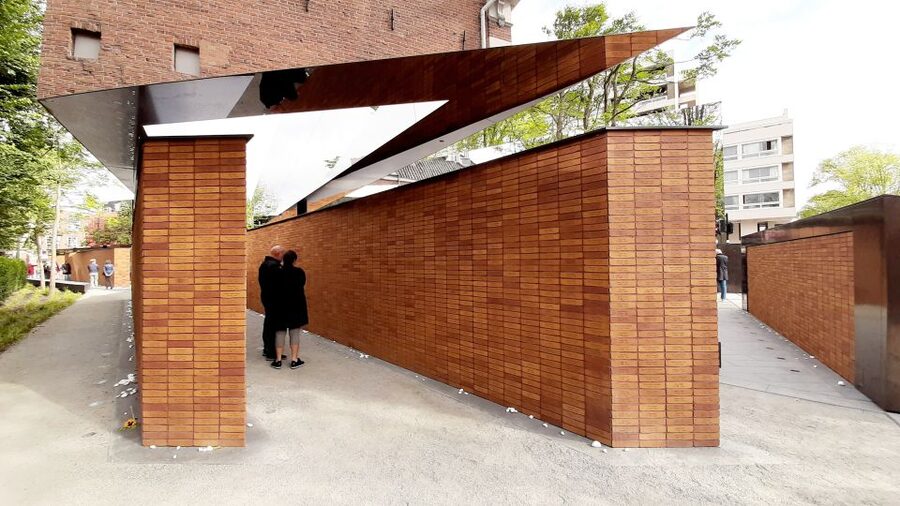
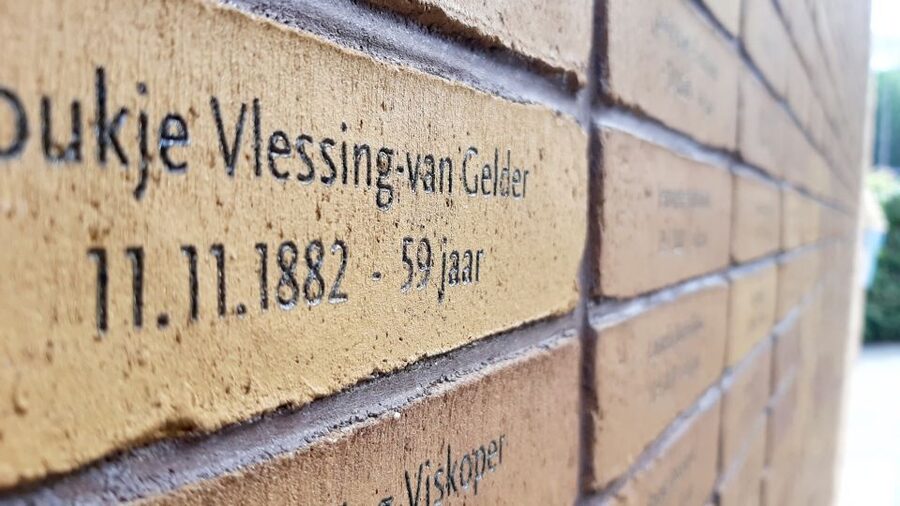
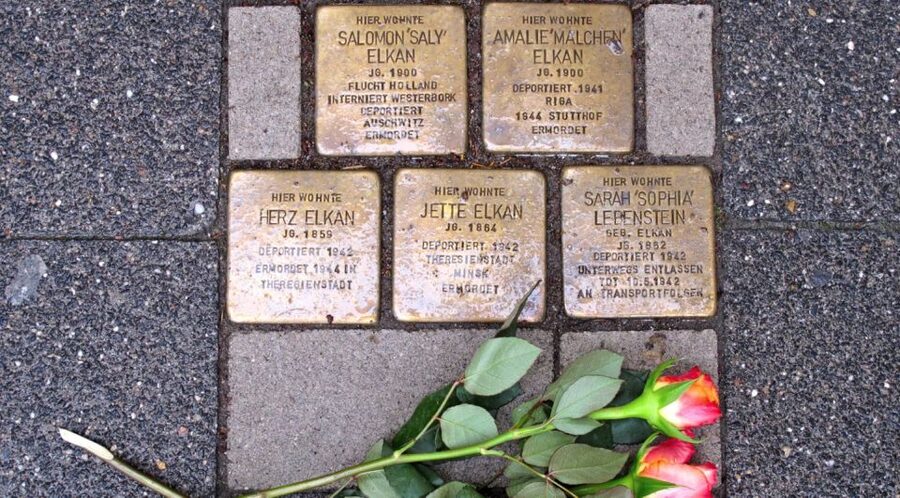
One of the tour’s clearest “anchor moments” is the stop at Amsterdam’s name memorial monument. Here, the tour highlights the loss of 120,000 Jewish, Sinti, and Roma people during the Second World War.
This kind of memorial is powerful because it’s specific. It doesn’t stay abstract. It forces scale into a human-shaped form, and it sets the tone for what comes next. You’ll learn how these deaths connect to the city you’re walking through, not just a far-away event.
It’s also a smart way to begin, psychologically. Before you reach Anne Frank’s hiding-place area, you first understand that this story is part of a much larger network of persecution. The tour keeps that connection front and center.
How Amsterdam’s Jewish Community Grew From Around 1600
The tour doesn’t skip the “before” chapter. You’ll learn about the first origins of the Jewish community in Amsterdam, starting around 1600, and how that community became woven into the city.
This matters because it stops the story from starting only with suffering. Amsterdam wasn’t only a site of deportation. It was also a place where Jewish life had roots, routines, culture, and community structures over time.
As you walk, the goal is to help you understand the city’s layout and relationship to the wider urban world. You’ll see the ex-Jewish district mentioned in the tour highlights, and you’ll connect that geography to the long arc of history that preceded the Nazi occupation.
If you’re the type of traveler who likes to understand the “how did we get here?” part of history, you’ll likely enjoy this section most.
Still deciding? A few more Amsterdam tours worth a look



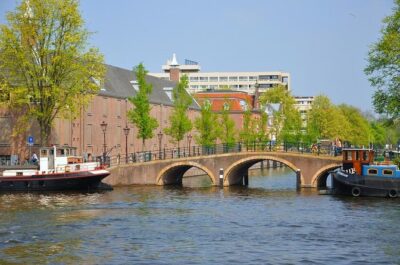

Nazi Occupation in the City: Learning the Timeline on Street Corners
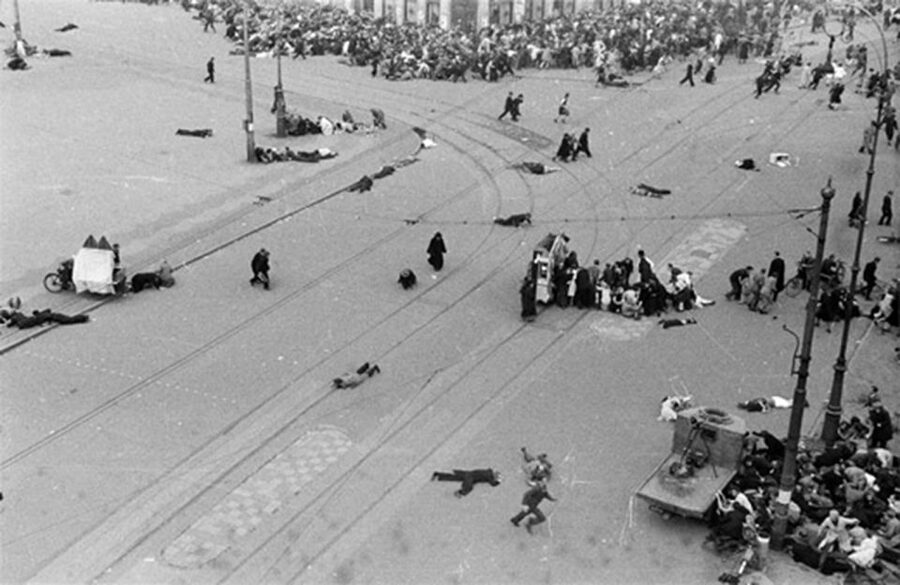
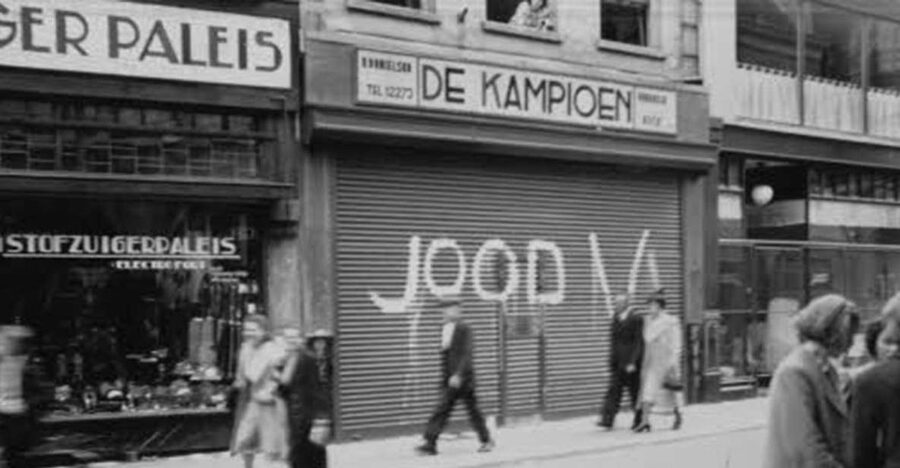
After the background, the tour moves into the era of Nazi occupation of the city and the horrors of the Holocaust.
This is where a good guided walkthrough earns its value. History you’ve read in books can stay smooth and disconnected. On a walking tour, it becomes more tangible: you’re hearing how policies and persecution played out in Amsterdam, while looking at the kind of streets where life moved before it was violently disrupted.
The tour describes crossing the city and reaching the part of Amsterdam linked to Anne Frank and her family’s hiding period. That structure is helpful. It keeps you moving forward in time: from Jewish community origins, to the occupation, to the specific location tied to the hiding story.
And because the tour is in Italian, you’ll want to confirm it’s the language you’re comfortable following. When the topic is heavy, it’s easier to stay fully with the story when the language matches your comfort level.
Reaching the Hiding-Years Area: Anne Frank’s Story Becomes Location-Based
One of the biggest “wow, I get it now” moments in this tour is reaching the area where Anne Frank and her family stood in hiding for two years, before their deportation.
The tour is careful with what it includes: you’ll get the connection to the real setting, but you’re not treated like you’re doing a normal sightseeing stop. The goal is understanding, not speed.
You’ll also see the outside of the Anne Frank House as part of the experience. That outside look may sound limited, but it actually works well in a historical walking context. When you arrive at the house after learning about persecution and the wider Jewish story, the building stops being an attraction and becomes a place tied to a specific timeline.
If you’re curious, pay attention to how the guide uses Anne Frank’s words alongside the setting. That blend is one reason the tour is described as bringing the writing of Anne Frank to life.
Visiting Inside the Anne Frank House: What’s Included and What You Still Need
The Anne Frank House interior visit is not included on this tour. What you can do is visit afterward on your own with an audio guide approach: the description says an audio guide will be supplied if you do the inside visit, but the entrance ticket is not included.
That setup can be a good value if you’re the kind of person who wants to move at your own pace once you’re emotionally and historically prepared by the walk. You’re not rushed. You can also spend less time inside if you’ve already been before.
Just don’t assume your ticket is bundled. If Anne Frank House interior access matters to you, plan for it in your schedule and budget.
Price and Value for a 2-Hour Italian Walking Tour
At $28 per person for a 2-hour guided walk, this sits in a reasonable spot for a focused, history-based Amsterdam experience. You’re paying for a local guide and a route that links multiple high-impact elements:
- a memorial site connected to the scale of WWII persecution (120,000 names, including Jewish, Sinti, and Roma victims)
- a Jewish community overview starting around 1600
- explanation of Nazi occupation and how the story reaches the hiding-years area
- the outside of the Anne Frank House, placed at the end so context clicks
What makes the price feel fair is that you’re not just buying proximity to famous sites. You’re buying interpretation: a guided connection between Amsterdam’s city geography and the tragic events of the Holocaust.
The main value trade-off is the House ticket. If you want the inside visit, your total cost will be higher once you add the Anne Frank House admission separately.
Guide Quality Matters: Italian-Language Storytelling and a Named Example
This tour uses a live tour guide in Italian. Since the content is complex and emotionally serious, the language delivery is part of the quality equation.
There’s also a strong signal in the feedback about how engaging and well-prepared some guides are, including examples where the guide Ginevra is mentioned as having a passionate, organized approach. If you see Ginevra listed for your departure, that’s a good sign for presentation and pacing.
Even if you don’t get that exact guide, the high rating suggests the operator takes the guiding seriously. Still, always check the language requirement before booking so you’re comfortable staying engaged for the full two hours.
Who Should Book This Tour (And Who Might Prefer Something Else)
I think this is a great match for you if:
- you’re a history lover who wants context, not only a list of places
- you want a clearer picture of Jewish Amsterdam and what Nazi occupation did to the city
- you plan to visit the Anne Frank House afterward and want the outside stop to mean something
It might be less ideal if:
- you’re looking for a light, casual walk or a purely scenic route
- you want everything included, especially Anne Frank House admission
- you’re very short on time and can’t add the outside/inside split to your day
Should You Book the Amsterdam Anne Frank and WWII History Walking Tour?
Yes, if you want a structured, street-level way to understand Amsterdam during WWII and you care about how Anne Frank’s story fits into the wider Jewish community history. The memorial stop with 120,000 names plus the route through the ex-Jewish district and ending at the Anne Frank House entrance is a smart build-up. It helps you arrive with context and leave with a clearer sense of what happened and where.
I’d book it when you can also add the Anne Frank House interior visit after the walk. Even though the ticket isn’t included, the “outside first, inside next” rhythm is exactly the kind of pacing that usually makes the experience stick.
Just confirm the final meeting/ending details in your confirmation message, since the description includes both the meeting point and the Anne Frank House entrance as endpoints. Then show up with comfortable shoes and a plan for the House ticket if you want the full experience.
More Amsterdam Walking Routes






More Tours in Amsterdam




More Tour Reviews in Amsterdam






Just added: fresh Amsterdam tour reviews





Walking Tours, compared.
 ★ 4.8Amsterdam Anne Frank: Small-Group Walking Tour & Local GuideFrom $2912,789 reviews
 ★ 5.0Anne Frank’s Story – Guided Walking Tour through AmsterdamFrom $3911,619 reviews
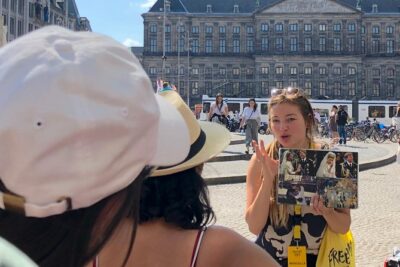 ★ 5.0Absolutely Amsterdam – the Essential Introductory Walking TourFrom $53,629 reviews
 ★ 4.9Anne Frank Guided Walking Tour in DE/EN/IT/ESFrom $283,107 reviews
 ★ 4.8Anne Frank Guided Small Group Walking TourFrom $282,722 reviews
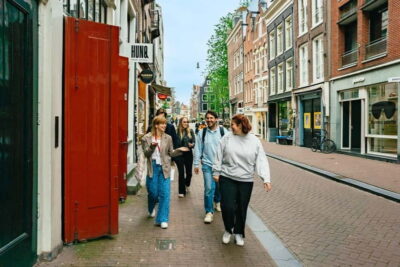 ★ 4.9Cultural Highlights Walking TourFrom $302,629 reviews
 ★ 4.2Ganja Walking TourFrom $402,127 reviews
 ★ 5.0Anne Frank Walking Tour Amsterdam Including Jewish Cultural QuarterFrom $751,879 reviews
Browse the lists this tour appears in