
Reviewed · WALKING TOURS
Guided Walking Tour Amsterdam – Dark History & Ghost Stories
Amsterdam has secrets in every alley. This 1.5-hour dark history and ghost-story walking tour turns famous street names into human stories you can actually follow.
I love the way the guide frames the city through virtues and sins, not jump-scare folklore. I also love the interactive Virtues & Sins Bingo, which keeps you thinking instead of just listening.
The only real drawback to plan for: you’re dealing with macabre themes and moral trouble, and there are several short photo stops, so it’s not a nonstop “see everything fast” walking tour.
In This Review
- Key reasons this tour works
- A dark-walk reset in Old Amsterdam
- Virtues & Sins Bingo keeps you engaged
- Is it a ghost hunt or real history?
- The walking route: what each stop adds (and why the stops matter)
- Starting at Blauwbrug
- Zwanenburgwal and Oudeschans: early clues in plain sight
- Zuiderkerkbuurt and Kloveniersburgwal: where stories get attached to place
- Spinhuis: the turning point stop
- Walloon Church: faith, belonging, and social tension
- Nieuwmarkt Square and Bloedstraat: contrast between daily life and trouble
- Zeedijk Street: more story mileage per step
- Spooksteeg: the lane where the legend lands
- Café the Schreiertower (Tower of Tears): the emotional punch
- Damrak Avenue and the drop-off at Prins Hendrikkade 33A
- Price and value: $19 for 90 minutes that teach you something new
- Who should book this, and who might skip it
- Practical tips so you enjoy every minute
- Should you book this Dark History & Ghost Stories walk?
- FAQ
- Where do I meet for the tour?
- How long is the guided walking tour?
- What languages does the guide speak?
- What does the tour cost?
- Is this tour a ghost hunt?
- What is included in the price?
- What should I bring?
Key reasons this tour works
- Virtues & Sins Bingo makes history feel like a game you control
- Old Amsterdam street-by-street with clear, story-focused pacing
- Stops tied to local legends like Spinhuis, Bloedstraat, Spooksteeg, and the Schreiertower
- A real-history approach rather than a ghost hunt
- A Dutch sweet treat plus a small souvenir at the end
- Luuk/Luke’s storytelling gets repeated praise for being fun and genuinely detailed
More of Amsterdam street by street, on foot
- Amsterdam Anne Frank: Small-Group Walking Tour & Local Guide
★ 4.8 · 12,789 reviews - Anne Frank’s Story – Guided Walking Tour through Amsterdam
★ 5.0 · 11,619 reviews - Absolutely Amsterdam – the Essential Introductory Walking Tour
★ 5.0 · 3,629 reviews - Amsterdam: Anne Frank Guided Walking Tour in DE/EN/IT/ES
★ 4.9 · 3,107 reviews
A dark-walk reset in Old Amsterdam
If your Amsterdam day feels like canals and coffee shops, this tour gives it a sharper edge. You walk through the city’s oldest lanes with a theme that’s simple to remember: people don’t just break rules. They chase wants, make choices, and leave traces behind.
This isn’t pitched as a paranormal hunt. The point is the history and the moral logic behind the strange stories people tell about Amsterdam’s past. The guide uses extensive research and original archives, then turns that material into walking-story format so you keep moving and keep understanding.
I like that the tone stays playful while still serious about what happened. You’re not meant to be scared out of your shoes. You’re meant to notice how “virtue” and “sin” show up in streets, names, and old public tales.
Virtues & Sins Bingo keeps you engaged
Most walking tours have a problem: you listen for 90 minutes, then forget half of it on your tram ride home. Here, you play Virtues & Sins Bingo, so your brain stays busy making guesses at each stop.
At each location, the guide sets up a question like which virtue—or which sin—shaped the story. Then you test your instincts with the bingo card. It’s lighthearted, but it also forces you to connect dots: a place name is one clue, a person’s choices are another, and a society’s reaction is the third.
If you enjoy interactive experiences, you’ll probably feel the difference quickly. The bingo idea is repeatedly called out as a clever innovation, and it’s the kind of activity that works even if you think you already know Amsterdam.
Is it a ghost hunt or real history?
This is a big one. This walk calls the vibe “dark history and ghost stories,” but it’s built around the real events behind those legends. You’ll hear stories connected to places like Spinhuis, Bloodstreet/Bloedstraat, Spooksteeg, and past the Tower of Tears, with explanations that focus on what actually happened and how ordinary people got pulled into chaos, devotion, and temptation.
You also get references to witches, and a group of unruly orphans who shocked the city in 1566. That’s the kind of detail that sounds like folklore until the guide puts it into the broader picture: social pressure, fear, punishment, and the way cities tell stories when facts are complicated.
So if you’re hoping for spooky acting and fake chanting, this may not match that expectation. If you want the real-world reasons legends exist, you’ll get a lot more out of it.
More trips where a local runs the whole day



The walking route: what each stop adds (and why the stops matter)
The tour is about 90 minutes total, and it’s structured with a mix of walking segments and quick photo/sightseeing moments. That matters because you’re not “touring” monuments. You’re building a chain of cause-and-effect stories.
Starting at Blauwbrug
You meet on the corner of the bridge opposite café ’t Hooischip. The guide is easy to spot with a canvas bag or umbrella carrying the Urban Legends City Quest logo. This is a good warm-up point because bridges and canal edges are where Old Amsterdam feels layered: trade, movement, and gossip all at once.
Right away, the theme is set: Old Amsterdam wasn’t governed mainly by rules—it was pulled by temptations and secrets.
Zwanenburgwal and Oudeschans: early clues in plain sight
You spend time in Zwanenburgwal, then stop again at Oudeschans for photos. These segments are short, but they’re useful. The guide uses them to orient you and show you how the city’s older streets and canal-side layouts shaped daily life.
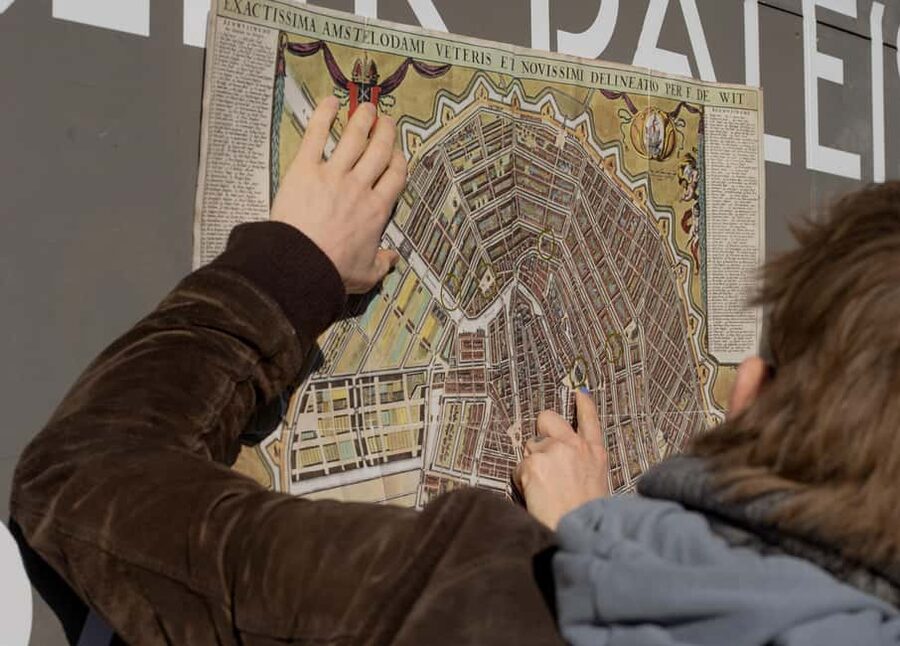
Think of this as your mental map phase. When you later hear the story tied to a specific alley or building, you’ll better understand why that location became part of local myth.
Zuiderkerkbuurt and Kloveniersburgwal: where stories get attached to place
Next you make brief stops in the Zuiderkerkbuurt area and then along Kloveniersburgwal. These are quick look-and-listen moments, but they set up the switch from general “city mood” to specific legend.
This is also where you’ll start recognizing the tour’s method. The guide doesn’t just say what happened. You’re repeatedly asked to think: which virtue or which sin leads the plot?
If you like story structure, this approach feels satisfying.
Spinhuis: the turning point stop
You’ll reach Spinhuis for a photo stop and sightseeing. This is one of the featured names tied to the tour’s dark history theme, and it’s placed where the narrative becomes more focused and less introductory.
Without turning every stop into a textbook lesson, the guide connects the story to why people behaved the way they did and how institutions and public opinion shaped consequences. This is where the tour earns its “dark” label in a grounded way.
Walloon Church: faith, belonging, and social tension
You then stop at the Walloon Church. Even if you’re not a church-history person, this stop matters because it adds a different angle to the same theme: how belief, community identity, and social pressure can fuel conflict and moral judgment.
The tour keeps moving, so you get the key idea without getting stuck. That pacing helps.
Nieuwmarkt Square and Bloedstraat: contrast between daily life and trouble
At Nieuwmarkt Square, you get a longer sightseeing/photo stop. This is useful because it places you in a part of Amsterdam that feels lived-in rather than purely “legend only.” Then the walk turns to Bloedstraat (Bloodstreet).
That name is a hook, but the guide’s job is to show what people connected to the story behind it: the human behavior that created a lasting stain on a street name. You’ll likely find yourself looking at the same kind of contrast in old cities everywhere—public space for normal life, then the shadow stories that cling to it.
Zeedijk Street: more story mileage per step
Along Zeedijk Street, you get another longer sightseeing segment. This stretch gives you time to connect the earlier moral dilemmas to the next set of legends. By now, the bingo game is more than entertainment. You start predicting which category fits a new story based on the clues the guide drops.
Spooksteeg: the lane where the legend lands
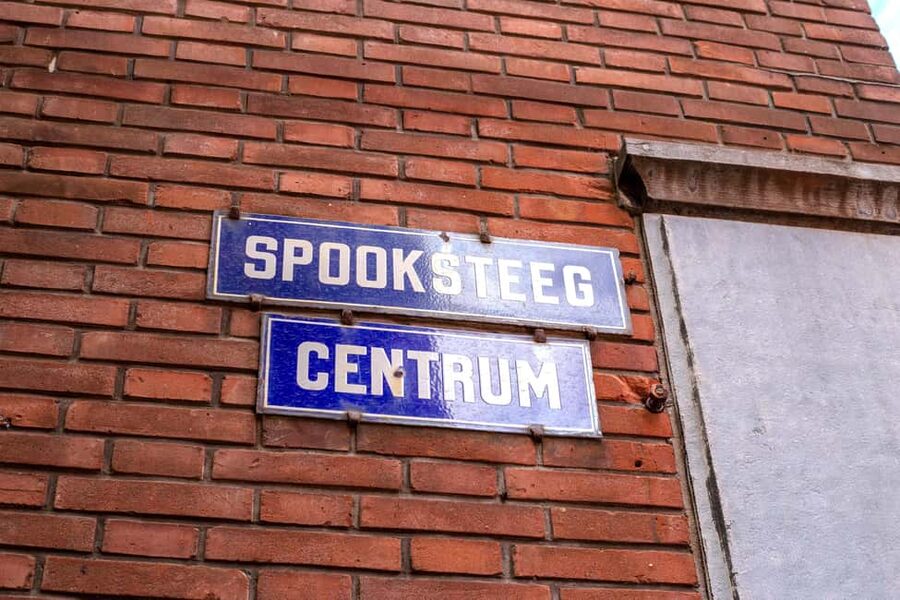
Spooksteeg is one of the stops that feels tailor-made for the theme: an alley that carries its own atmosphere. The tour keeps it grounded by explaining what the stories are pointing to and why they became part of local storytelling.
It still feels eerie in a real-streets kind of way. You’re not being told to fear shadows. You’re noticing how language and memory can turn a place into a symbol.
Café the Schreiertower (Tower of Tears): the emotional punch
You stop at Café the Schreiertower for another photo moment. The Tower of Tears is explicitly part of the tour’s narrative, and this is where the tour’s emotional tone often clicks for people.
This part works especially well if you like stories where the cruelty isn’t random. It’s linked to moral judgment, public spectacle, and what a society decides to punish.
Damrak Avenue and the drop-off at Prins Hendrikkade 33A
Finally you make a photo stop on Damrak Avenue. Then you’re dropped off at Prins Hendrikkade 33A (1012 TL Amsterdam).
This end timing is practical. You get the story payoff and then you can keep your day going without feeling trapped in a long schedule.
Price and value: $19 for 90 minutes that teach you something new
At $19 per person for about 1.5 hours, this sits in the “easy yes” category if you want a different Amsterdam angle. You’re paying for more than walking time. You’re paying for:
- a story-driven guide (with strong praise for fun, polite, engaging delivery)
- research-based explanations instead of pure entertainment
- interactive bingo that helps you remember
- a Dutch sweet treat and a small souvenir
If your goal is quick “must see” sightseeing, there are cheaper and faster options. But if you want a memorable Amsterdam story chain, this pricing feels fair. The “sweet treat + souvenir” also makes it feel like you left with something, not just information you might forget.
Who should book this, and who might skip it
This tour is a good match if you:
- like guided stories that connect place names to events
- enjoy interactive formats like Virtues & Sins Bingo
- want a different take on Amsterdam that still feels credible
It’s not the best match if you want purely bright, light commentary, or if you dislike macabre moral themes. Also, if you hate photo-stop pacing, plan for short pauses and quick visuals rather than long site time.
Language is a plus: the guide runs Dutch and English, and reviews specifically highlight that language barriers weren’t a problem in mixed groups. That’s a comfort factor if your party isn’t all the same language.
Practical tips so you enjoy every minute
Wear comfortable shoes. The total time is short, but the streets are still streets—cobblestones, uneven edges, and lots of turning your head to listen.
Bring weather-appropriate clothing. Amsterdam weather changes fast, and the stops include outdoor moments.
If you want the bingo to be fun instead of stressful, treat it like a prediction game, not a test. The point is to think about the moral choices behind each story, then watch how the guide explains the answer.
And if you spot the guide with the Urban Legends City Quest logo bag or umbrella, you’re in the right place.
Should you book this Dark History & Ghost Stories walk?
Yes, if you want Old Amsterdam to feel like more than scenery. The combination of real-history storytelling, an interactive Virtues & Sins Bingo game, and a guide who turns details into a fun narrative makes this one of the easier “choose this on purpose” activities in the city.
I’d skip it only if you’re sensitive to darker themes or you prefer a strictly mainstream sightseeing route. Otherwise, this is a smart use of 90 minutes, and it can give you a new way to read the city even after the tour ends.
FAQ
Where do I meet for the tour?
You meet on the corner of the bridge opposite café ’t Hooischip. The guide is recognizable by a canvas bag or umbrella with the Urban Legends City Quest logo.
How long is the guided walking tour?
The tour lasts about 1.5 hours.
What languages does the guide speak?
The tour is offered in Dutch and English.
What does the tour cost?
The price is $19 per person.
Is this tour a ghost hunt?
No. It’s framed as dark history and ghost stories, but it focuses on the real history behind the stories rather than a ghost hunt.
What is included in the price?
Included are the thematic city walk, historical insights, the Virtues & Sins Bingo game, a small souvenir, and a tasting of a Dutch sweet treat.
What should I bring?
Bring comfortable shoes and weather-appropriate clothing.
More Amsterdam Walking Routes






More Tours in Amsterdam




More Tour Reviews in Amsterdam






Just added: fresh Amsterdam tour reviews





Walking Tours, compared.
 ★ 4.8Amsterdam Anne Frank: Small-Group Walking Tour & Local GuideFrom $2912,789 reviews
 ★ 5.0Anne Frank’s Story – Guided Walking Tour through AmsterdamFrom $3911,619 reviews
 ★ 5.0Absolutely Amsterdam – the Essential Introductory Walking TourFrom $53,629 reviews
 ★ 4.9Anne Frank Guided Walking Tour in DE/EN/IT/ESFrom $283,107 reviews
 ★ 4.8Anne Frank Guided Small Group Walking TourFrom $282,722 reviews
 ★ 4.9Cultural Highlights Walking TourFrom $302,629 reviews
 ★ 4.2Ganja Walking TourFrom $402,127 reviews
 ★ 5.0Anne Frank Walking Tour Amsterdam Including Jewish Cultural QuarterFrom $751,879 reviews
Browse the lists this tour appears in