
Reviewed · ANNE FRANK & JEWISH QUARTER
Anne Frank’s Amsterdam Jewish History WWII Semi-Private 12ppl Max
Amsterdam history can hit hard. That’s the point. This semi-private WWII-focused walk links together places tied to the Jewish community, Nazi persecution, and resistance across central Amsterdam, with an expert local guide to connect the dots. I especially like the way the route moves beyond famous names into specific memorials you can actually stand with, and I like the small-group feel that makes questions feel normal. The main thing to consider is that Anne Frank House entry isn’t included, so you’ll need to plan for separate tickets if you want to go inside.
You’ll walk through a string of serious sites—some well-known, some quietly devastating—yet the pacing stays humane. If your guide is Anita or Klaus, you’re in good hands for clear explanations and steady attention, even if the weather turns.
One possible drawback: because it’s a walking route with multiple stops, you’ll want moderate fitness and a bit of patience for crowds near major landmarks. If you’re hoping for indoor access at every stop, you’ll also have to adjust expectations.
In This Review
- Key things to know before you go
- A WWII Walk That Stays Practical, Even When It’s Heavy
- The Real Logistics: Start Point, Finish Point, and the Walk Itself
- Exterior-Only Expectations: Anne Frank House and the Portuguese Synagogue
- Stop-by-Stop: From Anne Frank’s Shadow to Amsterdam’s Memorial Trail
- 1) Anne Frank House (Exterior Only)
- 2) Statue of Anne Frank with Westerkerk in view
- 3) Homomonument
- 4) Dam Square and the National Monument
- 5) Spinoza Monument
- 6) Monument vor Joods verzet (Jewish Resistance Monument)
- 7) Monument Megadlé Jethomiem
- 8) Portuguese Synagogue (entry not included)
- 9) The Dokwerker (Memories of the February strike)
- 10) Deaf Memorial (in memory of deaf Jewish victims)
- 11) Auschwitz Monument (shattered mirror memorial)
- 12) National Holocaust Museum: Names Monument and Stumbling Stones
- Why the $62.54 Price Can Be Good Value (If You Plan for Tickets)
- Rain, Questions, and the Human Scale of a Small Group
- Who Should Book This Tour?
- Should You Book?
- FAQ
- Does the tour include admission to Anne Frank House?
- Is admission to the Portuguese Synagogue included?
- How long is the tour?
- What group size is it?
- What language is the tour offered in?
- Where do I meet the guide?
- Where does the tour end?
- Are any stops free to visit during the tour?
- Is the tour good for people who want a mostly indoor experience?
- Is the tour physically demanding?
- Is cancellation allowed?
Key things to know before you go

- Semi-private, max 12: smaller than most group tours, so Q and A is realistic
- Anne Frank House exterior only: tickets are not part of the tour price
- Many memorials are free: you’ll spend less time on paying and more time on seeing
- A route built for context: Jewish life, resistance, persecution, and commemoration in one arc
- Mobile ticket in English: easy to use and straightforward for planning
Deeper into the Jewish Quarter and the war years
- Amsterdam Anne Frank: Small-Group Walking Tour & Local Guide
★ 4.8 · 12,789 reviews - Anne Frank’s Story – Guided Walking Tour through Amsterdam
★ 5.0 · 11,619 reviews - Amsterdam: Anne Frank Guided Walking Tour in DE/EN/IT/ES
★ 4.9 · 3,107 reviews - Amsterdam: Anne Frank Guided Small Group Walking Tour
★ 4.8 · 2,722 reviews
A WWII Walk That Stays Practical, Even When It’s Heavy
This tour is built around a simple idea: don’t just read about WWII—see how Amsterdam remembers it. The route packs a lot into about 2 hours 30 minutes, so it’s not a slow meander. Still, the pacing is meant to help you absorb what you’re looking at, not rush you through it.
The small group size matters more than you might think. With 12 people maximum, you’re less likely to feel like a number in line. You can ask follow-ups, and your guide can adjust when someone wants extra context.
And yes, the topics are grim. What I liked is that the tone stays grounded. You’re not just collecting trivia; you’re learning what happened, who it affected, and how memorials in the city mark those realities.
The Real Logistics: Start Point, Finish Point, and the Walk Itself
You start at Westermarkt 60, 1016 DL Amsterdam and you finish at the National Holocaust Names Monument area (1018 DP Amsterdam). That matters for planning your day—especially if you’re coming from a museum or heading to a late dinner.
The tour is described as English and uses a mobile ticket, which keeps things simple. It’s also near public transportation, so you don’t need a complicated route planning exercise.
Wear shoes you can trust. Even when each stop is brief (many are around 10 minutes), you’ll still be moving across central Amsterdam streets. The tour notes moderate physical fitness. If you know you tire quickly on foot, consider that before booking.
Exterior-Only Expectations: Anne Frank House and the Portuguese Synagogue
This is where you need to read carefully and plan ahead.
- Anne Frank House: you’ll see it for exterior only, and the admission ticket is explicitly not included. You’ll learn about the family hiding for two years, but you’re not going inside on this tour.
- Portuguese Synagogue: you can admire it as part of the route, but entry isn’t included either.
If your dream is indoor viewing, you’ll need to add tickets separately (or adjust your schedule so you’re not scrambling). The upside is that this tour still gives strong context at street level—statues, memorials, and surrounding sites that most people miss when they focus only on ticketed attractions.
More private tours with a guide to yourself



Stop-by-Stop: From Anne Frank’s Shadow to Amsterdam’s Memorial Trail
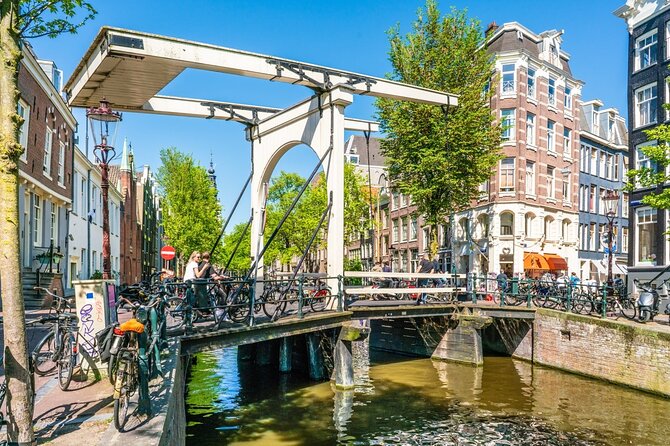
1) Anne Frank House (Exterior Only)
Your first stop sets the emotional tone. You’ll stand outside the Anne Frank House and learn about Anne, her family, and others who hid from the Nazis for two years. Even without entry, this is a powerful starting point because it frames the whole day: the city isn’t just a backdrop; it’s part of the story.
If you’re someone who likes timelines, your guide will likely help you connect the hiding years to what comes next on the walk.
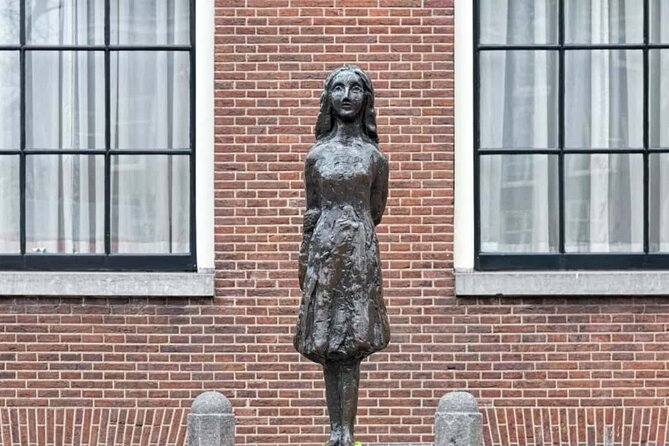
2) Statue of Anne Frank with Westerkerk in view
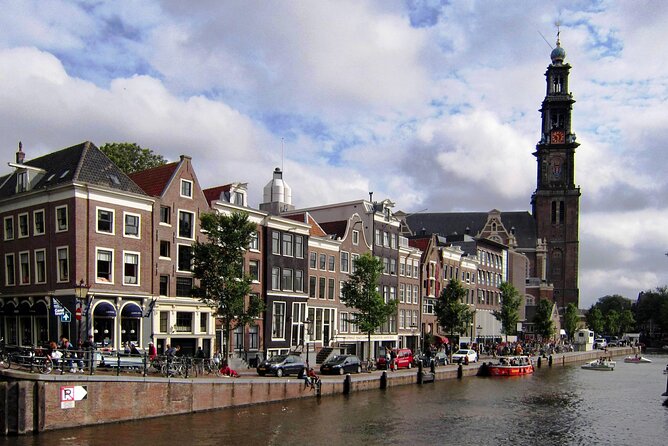
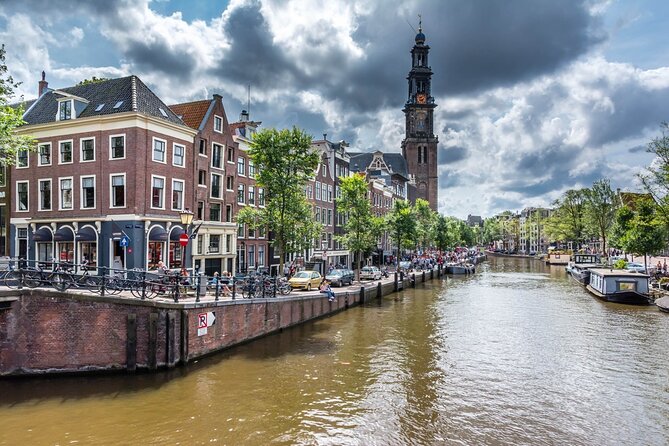
Next is the statue of Anne Frank, with Westerkerk—the 17th-century church—nearby. The detail that matters here is how the church’s bells offered both comfort and reminder of the world beyond the attic. That’s a very human kind of context, not just dates.
It’s also a good breather stop: ten minutes to take in the scene, photos if you want them, and then you keep moving.
3) Homomonument
Then you shift to the broader persecution narrative at the Homomonument. This is the first memorial in the world dedicated to persecuted LGBTQ+ individuals, and it honors people who lost their lives under the Nazi regime.
I like that the tour doesn’t box WWII remembrance into one group. You get a clearer picture of how the regime targeted multiple communities.
4) Dam Square and the National Monument
At Dam Square, you’ll walk through Amsterdam’s main historic square, where the Nazi recruitment office once stood. The stop also includes the National Monument, a cenotaph honoring victims of World War II and later conflicts.
This part helps you see that commemoration isn’t always hidden in small corners. Sometimes it’s right in the center of daily city life.
5) Spinoza Monument
The Spinoza Monument is short—about five minutes—but it gives you a needed intellectual link. You’ll learn about Dutch Jewish philosopher Spinoza, whose rationalist ideas on religion and politics were seen as radical for his era and later influenced the Enlightenment.
It’s a reminder that Jewish life in Amsterdam wasn’t only about survival. There was thought, debate, and contribution long before the occupation.
6) Monument vor Joods verzet (Jewish Resistance Monument)
Next comes the Jewish Resistance Monument (Joods Verzetsmonument). It was erected in 1988, and it commemorates Jewish resistance fighters who lost their lives during WWII. The information you’ll get here includes that the site marks the first mass protest against Nazi occupation.
This stop changes the emotional tone in a good way. You’re not only learning about victims—you’re learning about people who pushed back, even when the cost was enormous.
7) Monument Megadlé Jethomiem
At the Monument Megadlé Jethomiem, you’ll pause at a subtle but moving sidewalk memorial. Stones trace the outline of an orphanage from which Jewish children and their caretakers were deported to Sobibor in 1943.
This is one of those places that hits quietly because it’s not theatrical. It’s specific—an outline, a site, a deportation fact you can picture.
8) Portuguese Synagogue (entry not included)
Back into the area of historic Jewish life, you’ll see the Portuguese Synagogue, once described as the world’s largest synagogue. The tour framing is clear: it’s a symbol of Amsterdam’s once-thriving Jewish community.
Entry isn’t included, but you still get the significance. If you want deeper context, the information points out that the Jewish Museum across the street offers more about Jewish life, history, and culture in the Netherlands.
9) The Dokwerker (Memories of the February strike)
Then you hit The Dokwerker, a statue commemorating the February Strike of 1941. You’ll learn that thousands of workers staged the first public protest in occupied Europe against Nazi persecution.
This is another helpful pivot: resistance wasn’t only armed action. Public refusal mattered, too.
10) Deaf Memorial (in memory of deaf Jewish victims)
At the Deaf Memorial, the focus is the deaf and hard-of-hearing Jewish victims of the Nazi regime from 1940–1945. The labeling “Untermenschen” appears in the tour information, along with the fact of systematic murder.
I found this stop important because it corrects a common blind spot. WWII remembrance often leaves out disability, and here it’s directly addressed.
11) Auschwitz Monument (shattered mirror memorial)
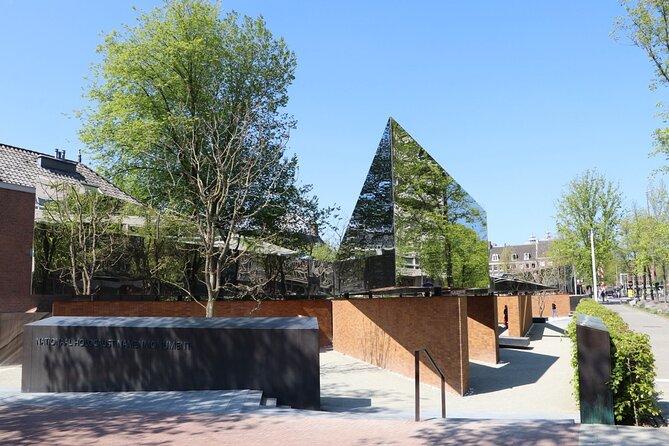
Next is the Auschwitz Monument in Wertheimpark. The memorial uses a shattered mirror effect to reflect the sky, symbolizing how the heavens themselves were broken by the horrors of Auschwitz and other concentration camps.
It’s quiet and visually striking. You don’t need long explanations to understand the intent. Your guide’s job is to connect the symbolism to what you’re remembering.
12) National Holocaust Museum: Names Monument and Stumbling Stones
The finish is one of the most concrete parts of the route. You’ll see the National Holocaust Names Monument, engraved with the names of 102,000 Jewish victims and 220 Roma and Sinti murdered by the Nazis. Then you’ll also see the Stumbling Stones—small brass plaques embedded in the pavement marking the last known residence of a deported Holocaust victim.
This ending sticks to your brain because it’s not abstract. Names and addresses turn history into something painfully specific.
Why the $62.54 Price Can Be Good Value (If You Plan for Tickets)
At $62.54 per person for about 2.5 hours, you’re paying for a semi-private format, an expert local guide, and a walking route that threads together many free memorial stops.
Here’s the balanced part: the price does not include entry to the Anne Frank House or the Portuguese Synagogue. So if you want indoor access at those sites, your total cost will be higher. Think of this tour as the guided map and context layer, not an all-inclusive ticket bundle.
On the plus side, lots of the stops are free (Anne-related statue, Homomonument, Dam Square sites, multiple Jewish memorials, and the Holocaust names and plaques). That keeps spending under control during the walk.
Also, you’re not doing just one museum. You’re doing a coordinated route that covers Jewish life, persecution, resistance, and commemoration across the city. For many people, that’s where the value shows.
Rain, Questions, and the Human Scale of a Small Group
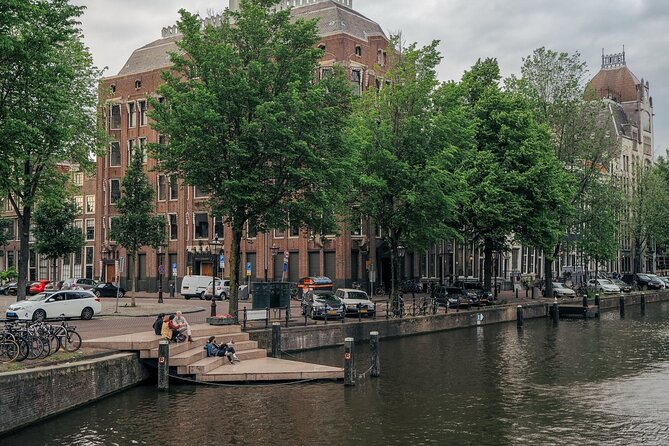
The route can run in bad weather. The good news is that the tour is designed around frequent short stops rather than one long indoor period. In rain, that can actually work in your favor because you still get to see and learn, even when you’re wet.
I also like that the tour format supports questions. With fewer people, you’re more likely to get answers that match what you’re curious about, not generic lecture speed.
Who Should Book This Tour?
I think this is best for you if:
- you want WWII Jewish history in Amsterdam through monuments, streets, and memorials
- you like a guide who explains meaning, not just what to photograph
- you’re comfortable walking for a couple hours with short stop durations
It’s also a strong pick if you already plan to visit major indoor sites separately, because this tour gives you context that makes those tickets feel more purposeful.
If you want a mostly indoor, ticket-heavy day with minimal walking, this may feel a bit too street-based and memorial-focused.
Should You Book?
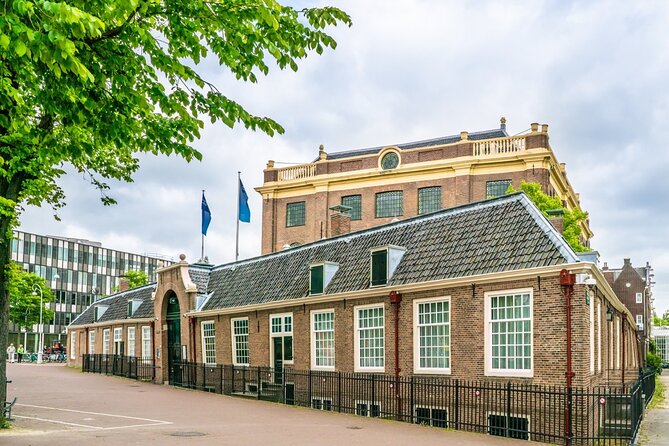
Yes—if you’re looking for a guided, small-group walk that connects Amsterdam’s Jewish WWII story to specific memorials you can see in real life. The max 12 size and expert local guide help you get real understanding, not just a list of places.
Just do one homework step first: decide whether you want Anne Frank House entry and Portuguese Synagogue entry. Since the tour is exterior only for both, you’ll get maximum value by adding those tickets on your own schedule.
FAQ
Does the tour include admission to Anne Frank House?
No. You’ll see the Anne Frank House exterior only, and the admission ticket is not included.
Is admission to the Portuguese Synagogue included?
No. The Portuguese Synagogue admission is not included in the tour price.
How long is the tour?
It’s listed at about 2 hours 30 minutes.
What group size is it?
It’s semi-private with a maximum of 12 travelers.
What language is the tour offered in?
The tour is offered in English.
Where do I meet the guide?
The meeting point is Westermarkt 60, 1016 DL Amsterdam.
Where does the tour end?
The tour ends at the National Holocaust Names Monument area, 1018 DP Amsterdam.
Are any stops free to visit during the tour?
Many stops are listed as free, including the Statue of Anne Frank, Homomonument, Spinoza Monument, multiple memorials, and the National Holocaust Names Monument/Stumbling Stones.
Is the tour good for people who want a mostly indoor experience?
This is a walking route with multiple outdoor memorial stops, and key sites like Anne Frank House and the Portuguese Synagogue do not include entry on the tour.
Is the tour physically demanding?
It notes a need for moderate physical fitness, since you’ll be walking between multiple stops.
Is cancellation allowed?
Yes. You can cancel for a full refund if you cancel at least 24 hours before the experience start time.
Your Own Guide, Your Own Pace




More Tour Reviews in Amsterdam






The Jewish Quarter, Explored Further






Just added: fresh Amsterdam tour reviews





Anne Frank & Jewish Quarter, compared.
 ★ 4.8Amsterdam Anne Frank: Small-Group Walking Tour & Local GuideFrom $2912,789 reviews
 ★ 5.0Anne Frank’s Story – Guided Walking Tour through AmsterdamFrom $3911,619 reviews
 ★ 4.9Anne Frank Guided Walking Tour in DE/EN/IT/ESFrom $283,107 reviews
 ★ 4.8Anne Frank Guided Small Group Walking TourFrom $282,722 reviews
 ★ 5.0Anne Frank Walking Tour Amsterdam Including Jewish Cultural QuarterFrom $751,879 reviews
 ★ 5.0Anne Frank’s Last Walk & See Anne Frank House in Virtual RealityFrom $42957 reviews
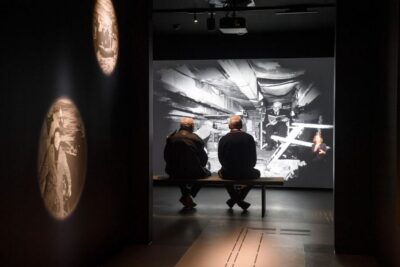 ★ 4.7Dutch WWII Resistance Museum Entry TicketFrom $21951 reviews
 ★ 5.0Anne Frank and Jewish Quarter Amsterdam Private Walking TourFrom $157684 reviews
Browse the lists this tour appears in