
Reviewed · ANNE FRANK & JEWISH QUARTER
Anne Frank Story & Private 2-Hour Neighborhood Tour
Anne Frank’s street life still feels close. This private 2-hour walk focuses on the Amsterdam childhood area she knew, and the diary story that turned a hidden life into a world-famous book. You get expert guidance in a quieter part of the city, not the usual museum-rush route.
I love how the guide connects the real places with the diary timeline, including how the diary was passed by Miep Gies to Otto Frank and why it was published in June 1947. I also like the pacing of a private guide setup, with a coffee included so you can absorb the story without sprinting from one stop to the next.
The main drawback is simple: the neighborhood tour is not near the Anne Frank House museum, with the meeting point about 30 minutes away, so you need to plan transport and timing.
In This Review
- 5 things that make this Anne Frank neighborhood tour worth your time
- Where Anne Frank’s childhood still shows up: Amsterdam South, not the museum strip
- A private 2-hour format that actually fits the story
- The diary timeline you’ll hear: Miep Gies to Otto Frank to June 1947
- What you walk past: a neighborhood tour built around daily life
- How the guide makes the story feel personal (without turning it dramatic)
- Price and value: why $182 can still make sense here
- Logistics that matter most: timing around the Anne Frank House museum
- Who this tour suits best (and who might skip it)
- Should you book the Anne Frank Story & Private 2-Hour Neighborhood Tour?
- FAQ
- Is the Anne Frank House included in this tour?
- How long is the Anne Frank Story & Private 2-Hour Neighborhood Tour?
- Is this a private tour?
- Where do I meet the guide?
- How do I get to the meeting point from the Anne Frank House area?
- What is included in the price?
- What should I bring?
5 things that make this Anne Frank neighborhood tour worth your time
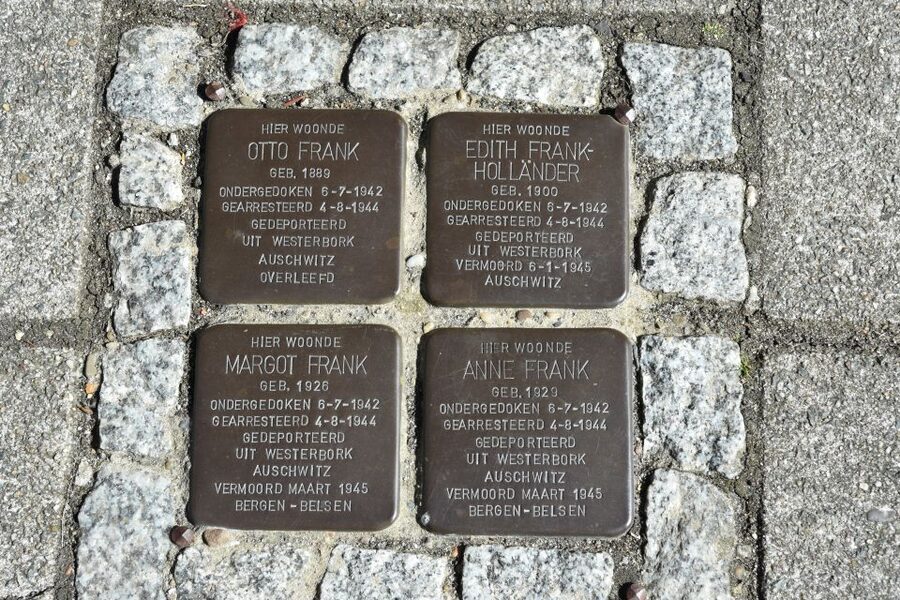
- A childhood-area focus: you spend time in the part of Amsterdam connected to her school and daily life.
- The diary backstory, clearly explained: how it moved from hiding to Otto Frank to public publication in 1947.
- A genuinely local feel: Amsterdam South streets instead of the busiest tourist corridors.
- Private guide Q and A energy: you can ask questions and get context on facts vs fiction.
- Coffee included: a small but nice way to slow down and keep the conversation going.
Deeper into the Jewish Quarter and the war years
- Amsterdam Anne Frank: Small-Group Walking Tour & Local Guide
★ 4.8 · 12,789 reviews - Anne Frank’s Story – Guided Walking Tour through Amsterdam
★ 5.0 · 11,619 reviews - Amsterdam: Anne Frank Guided Walking Tour in DE/EN/IT/ES
★ 4.9 · 3,107 reviews - Amsterdam: Anne Frank Guided Small Group Walking Tour
★ 4.8 · 2,722 reviews
Where Anne Frank’s childhood still shows up: Amsterdam South, not the museum strip
This tour is built for people who want more than a museum visit. Instead of treating Anne Frank as an exhibit, it treats her as a real teenager who lived, walked, and went about ordinary life in Amsterdam—right up until it wasn’t ordinary anymore.
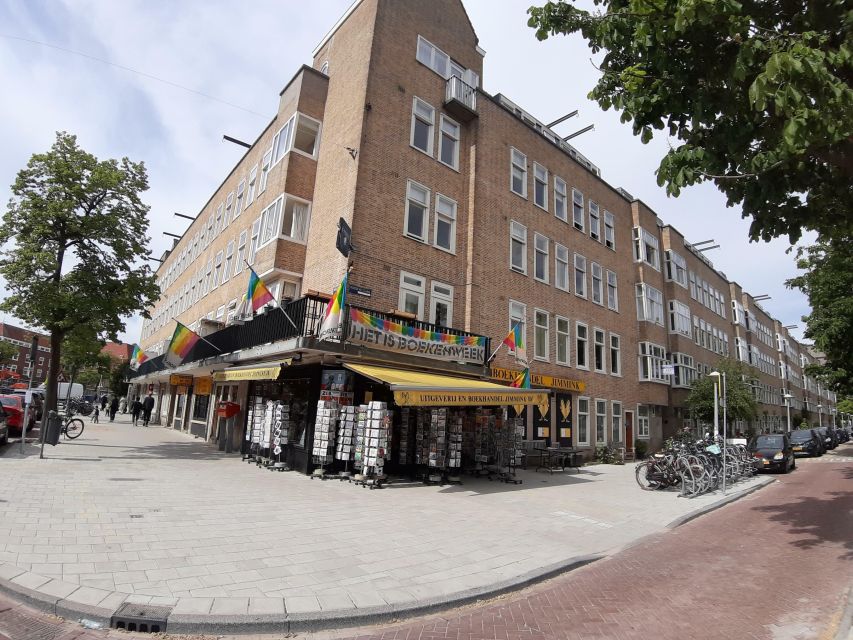
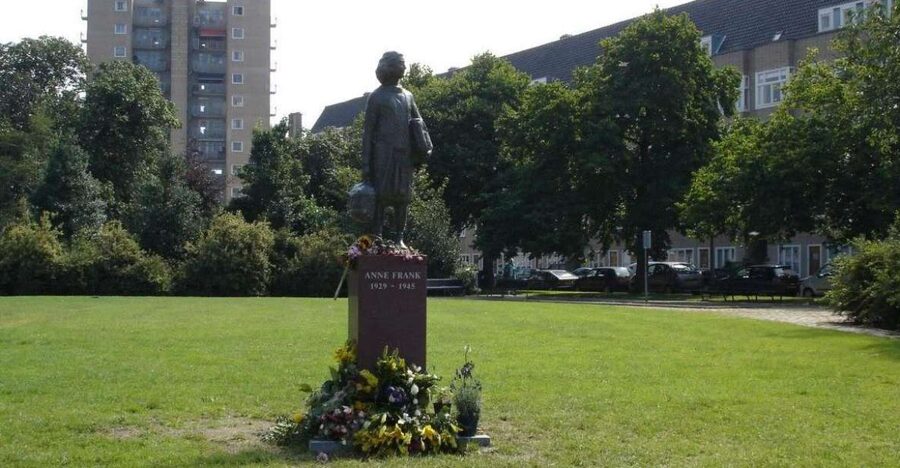
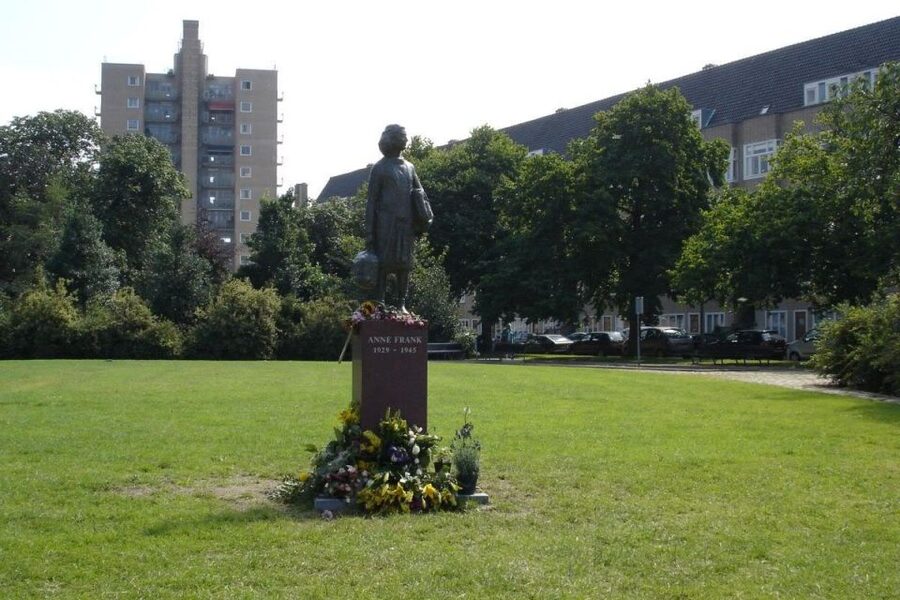
You start at Merwedeplein 61, on the corner of Merwedeplein and Biesboschstraat. Meet on the grass by the statue of Anne Frank holding her bag and schoolbooks. This is in Amsterdam South, about a 30-minute ride from the Anne Frank House museum. You can reach it by taxi or by tram lines 4–12, with stop Waalstraat.
That location choice matters. If your plan is to do Anne Frank House and then hop on a second stop nearby, this one will feel like a different chapter. But if you want to understand her environment—what her neighborhood looked like before it became dangerous—this is exactly the kind of “behind the scenes” outing that pays off.
A private 2-hour format that actually fits the story
Two hours sounds short until you’re walking with a guide who knows how to pace sensitive history. The private format helps because you are not stuck watching a group drift ahead or lag behind. You also get room for questions, which is important when you hear a story that has been translated, summarized, and sometimes simplified over decades.
The tour is also set up for listening. Your guide gives commentary on the facts and the stories around them—how the diary was received and interpreted, and what is known about the timeline. That kind of framing can make your museum visit (if you do it) feel more coherent because you are connecting places and dates instead of collecting disconnected highlights.
English, Spanish, French, German, Italian, and Dutch are available, which means you can match the guide language to your comfort level. That is not a small thing when you want nuance, not just a quick version.
The diary timeline you’ll hear: Miep Gies to Otto Frank to June 1947
The heart of this experience is the diary story. You will learn how Anne Frank’s writing documented life during the period when her family and four others hid in a secret annex from the German occupiers.
A key moment is the postwar chain of custody. After the raid and aftermath, Miep Gies saved personal items from the house. Then, after the war, she handed the diary to Otto Frank. Your guide explains Otto’s initial reluctance to publish, and how Anne’s wish to see her writing published played a role in the decision.
The result is that you end up with a clearer reason for the diary becoming a public document. This matters because it shifts the diary from something you might think of as a symbol into something that had a human journey—saved, handled, read, and finally shared with the world in June 1947.
More private tours with a guide to yourself



What you walk past: a neighborhood tour built around daily life
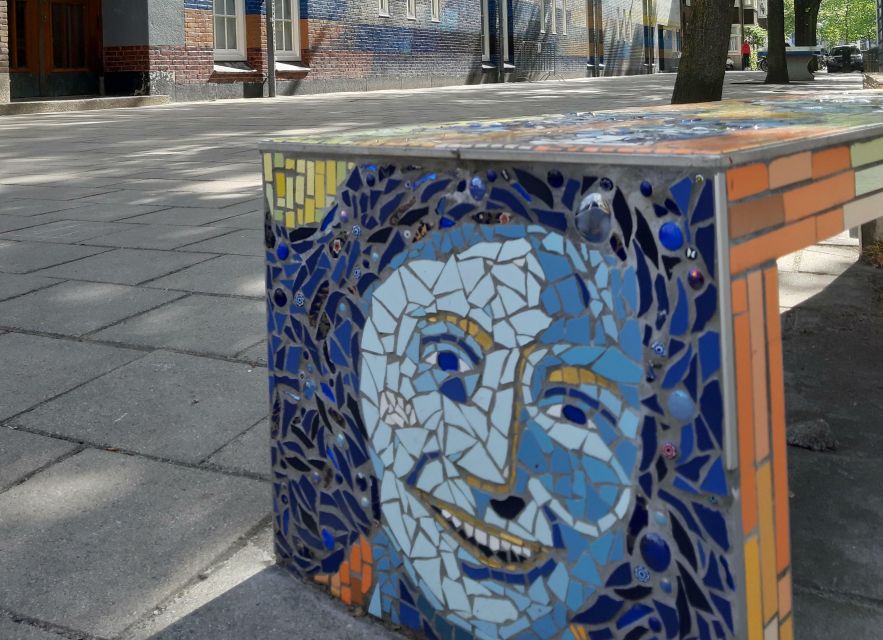
This is not an entrance-ticket tour. You do not go into the Anne Frank House. Instead, you walk through the area where she lived her childhood, and your guide points out what you are seeing in context.
In practical terms, expect a neighborhood walk with stops where the guide ties location to timeline: moving to Amsterdam, growing up there, school life, and the shift from normal routines to hiding. Your guide also helps you understand how a residential area can carry so much weight, especially when you consider what was happening in the background of ordinary streets.
This “place-based” approach is the big value. When you know roughly where someone lived and how the city was laid out, the story feels less like a distant tragedy and more like a lived experience with geography attached.
One heads-up: in a quiet residential area, there are fewer big flashy sights to photograph. That is not a flaw—it is part of the point. But if you want constant landmarks and major monuments every ten minutes, you might find the scenery less dramatic than central Amsterdam.
How the guide makes the story feel personal (without turning it dramatic)
The tour lives or dies by guidance quality, and the signs are strong. Guides named in bookings include Saskia, Willem, Linda Verbeek, Rachel, and Robert. The common thread is clear storytelling plus flexibility when people arrive with expectations they were not fully prepared for.
For example, Saskia is mentioned as adapting when someone thought they were booking a different kind of Anne Frank House–near experience. That tells me something important for your planning: the guides seem willing to adjust to what your group needs, even when the initial mix-up happens.
Linda is another name that comes up for turning the story into vivid, grounded details—Anne’s personality, family life, and what life during the war meant in real human terms. Willem also comes up for connecting wartime Holland with the Dutch background behind the Second World War. Those choices tend to keep the tone respectful and explanatory, which is what you want for this topic.
And yes, there is a coffee stop included. That is a small feature, but it changes the feel. You are not just hearing history while walking; you also get a chance to pause, process, and ask questions at a more human pace.
Price and value: why $182 can still make sense here
At $182 per person for a private 2-hour walking tour, this is not a budget activity. But you are paying for a guide who can connect story, context, and pacing. You are also getting coffee included and a group-specific experience rather than a large join-in tour.
Where the value gets tricky is expectations. If you think you are buying a second museum experience, you may feel shortchanged, because the Anne Frank House ticket is not included and there is no entry. The neighborhood tour works best when you treat it as a companion piece—something that expands the background around the museum visit rather than replacing it.
So I see this as a smart purchase if:
- you want the diary story explained in a clean, chronological way
- you prefer a quieter Amsterdam view instead of trying to stack every major site in one day
- you like the idea of matching history to street-level reality
I see it as a weaker match if:
- you want only the most famous stop-by-stop locations close together
- you cannot manage the extra transport between Anne Frank House and the Amsterdam South meeting point
- you need lots of obvious “things to see” every few minutes
Logistics that matter most: timing around the Anne Frank House museum
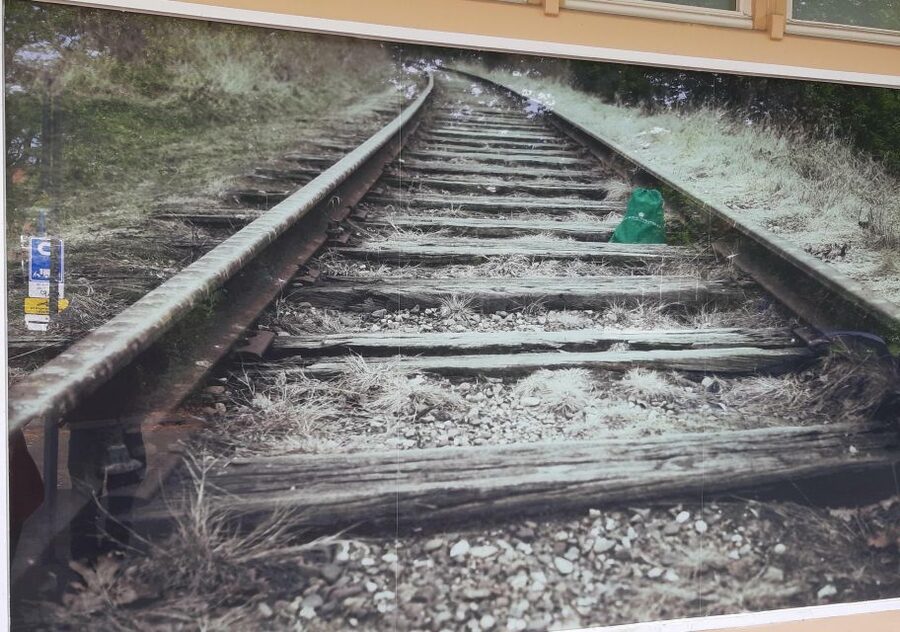
This is the one practical detail you should not gloss over. The tour meeting point is not near the Anne Frank House museum. It is in Amsterdam South, about 30 minutes from the museum, and it is not something you should assume is easily walkable.
So if you are planning both, build your day with transport in mind. One simple strategy: do the neighborhood tour on a day when you are not forced into tight museum time slots. Another: if you do Anne Frank House first, give yourself a little buffer so the neighborhood tour does not turn into a race across town.
Also note: entrance tickets for the Anne Frank House are not included, and those tickets can only be purchased directly from the Anne Frank House website within a timeframe of about 2 months ahead of your visit. If your dates are fixed, handle museum tickets early. This neighborhood tour can be the story-rich add-on you plan around the museum schedule.
Who this tour suits best (and who might skip it)
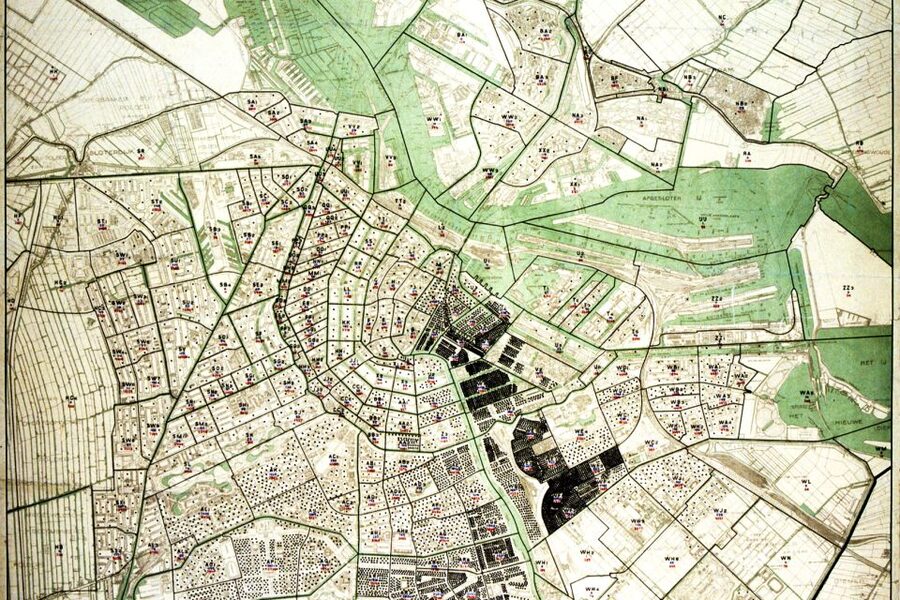
This tour fits best if you are the type of person who likes context. If you want to understand how a famous story connects to real places—where she lived, played, and went to school—this is a strong match.
It also works well for:
- small groups who want private pacing
- people who want the diary publication explained clearly
- anyone who likes quiet Amsterdam streets and would rather see real neighborhoods than only landmark-heavy areas
You might skip it if:
- you are mainly chasing the Anne Frank House experience and want everything in one tight radius
- you dislike walking tours that are more “story plus streets” than “sight after sight”
- you have no flexibility for transport between Amsterdam South and the museum area
Should you book the Anne Frank Story & Private 2-Hour Neighborhood Tour?
I’d book it if your goal is to leave Amsterdam with more than a museum snapshot. This tour gives you the diary timeline—Miep Gies to Otto Frank, and why publication came in June 1947—while showing the neighborhood side of Anne Frank’s life.
I would think twice if you are expecting it to function like an Anne Frank House substitute or if you cannot handle the fact that the meeting point is around 30 minutes away. The story deserves the right setup, and this one rewards planning.
If you want a grounded way to experience Amsterdam’s connection to Anne Frank beyond the museum walls, this private neighborhood walk is a good use of your time.
FAQ
Is the Anne Frank House included in this tour?
No. The tour does not grant access or allow you to enter the Anne Frank House. You will visit the area where Anne Frank lived her childhood and hear the related story, but you need separate Anne Frank House tickets.
How long is the Anne Frank Story & Private 2-Hour Neighborhood Tour?
It lasts 2 hours.
Is this a private tour?
Yes, it is a private group tour with a live English, Spanish, French, German, Italian, or Dutch guide (based on availability).
Where do I meet the guide?
Meet at Merwedeplein 61, Amsterdam, on the corner of Merwedeplein and Biesboschstraat, on the grass by the statue of Anne Frank holding her bag and schoolbooks.
How do I get to the meeting point from the Anne Frank House area?
The meeting point is in Amsterdam South and is about 30 minutes from the Anne Frank House museum. You can use taxi or tramway 4–12 (stop: Waalstraat).
What is included in the price?
A tour with a private guide for your group, plus a cup of coffee.
What should I bring?
Wear comfortable shoes, since it is a walking tour.
If you want, tell me your visit dates and whether you plan to do Anne Frank House the same day. I can help you think through a sensible order so you do not end up crisscrossing Amsterdam at the last minute.
More Tours in Amsterdam






More Tour Reviews in Amsterdam






The Jewish Quarter, Explored Further




Just added: fresh Amsterdam tour reviews





Anne Frank & Jewish Quarter, compared.
 ★ 4.8Amsterdam Anne Frank: Small-Group Walking Tour & Local GuideFrom $2912,789 reviews
 ★ 5.0Anne Frank’s Story – Guided Walking Tour through AmsterdamFrom $3911,619 reviews
 ★ 4.9Anne Frank Guided Walking Tour in DE/EN/IT/ESFrom $283,107 reviews
 ★ 4.8Anne Frank Guided Small Group Walking TourFrom $282,722 reviews
 ★ 5.0Anne Frank Walking Tour Amsterdam Including Jewish Cultural QuarterFrom $751,879 reviews
 ★ 5.0Anne Frank’s Last Walk & See Anne Frank House in Virtual RealityFrom $42957 reviews
 ★ 4.7Dutch WWII Resistance Museum Entry TicketFrom $21951 reviews
 ★ 5.0Anne Frank and Jewish Quarter Amsterdam Private Walking TourFrom $157684 reviews
Browse the lists this tour appears in