
Reviewed · WALKING TOURS
Amsterdam: Small-group Guided Walking Tour (French/English)
Walking Amsterdam with the right guide changes everything. This small-group tour threads together iconic sights and human stories, from the canal belt to the Jordaan, in 2–3 hours. You’ll get quick photo stops plus an informed narration that helps you understand what you’re looking at and why it matters.
I love how efficiently it orients you in central Amsterdam. Two big wins for me are the UNESCO canal belt context and the way Chris answers questions in a real back-and-forth way, not just a lecture.
One possible drawback: you’ll move at a comfortable walking pace with short stops, so it’s not the format for slow, in-depth museum wandering unless you plan to return later.
In This Review
- Key things that make this tour worth your time
- Tour at a Glance: $33, 2–3 hours, and why it feels like good value
- Meeting Point Near Central Station: find Chris fast and start strong
- How the walk “teaches”: what you’ll notice beyond the postcard shots
- Hour One: Centraal to Zeedijk, plus an attic church you’ll never forget
- Old Amsterdam core: Oude Kerk, Chinatown, De Waag, and the trading powerhouse story
- Dam Square and Royal Palace area: power, ceremonies, and photo-ready stops
- Toward the UNESCO canal belt: Torensluis Bridge, Grachtengordel, and Anne Frank House views
- Jordaan at the end: how to keep the vibe going after the walk
- Chris’s guide style: why the reviews are so consistently positive
- What to do after: using the tour as your Amsterdam map
- Should you book this walking tour?
- FAQ
- What’s the duration of the Amsterdam small-group guided walking tour?
- What languages are available for the guide?
- Where do I meet the guide?
- How do I recognize the guide?
- What should I bring for the walking portion?
- Is the tour wheelchair accessible?
- Are food and drinks included?
- Will the route always stay exactly the same?
Key things that make this tour worth your time
- Chris’s storytelling style: friendly, funny, and very interactive, with lots of room for questions
- A tight route that hits the core: Dam Square, the canal area, and the Jordaan without wasting your morning
- Practical after-the-walk help: dining, shopping, food, drinks, boat ideas, and sightseeing links
- “Big + small” moments: major landmarks plus details like the narrowest house angle and attic-church surprises
- Language options: English or French, with a guide you can actually talk to during the walk
- Photo-stop format that still teaches: you see a lot, and you also leave knowing what to look for next
More of Amsterdam street by street, on foot
- Amsterdam Anne Frank: Small-Group Walking Tour & Local Guide
★ 4.8 · 12,789 reviews - Anne Frank’s Story – Guided Walking Tour through Amsterdam
★ 5.0 · 11,619 reviews - Absolutely Amsterdam – the Essential Introductory Walking Tour
★ 5.0 · 3,629 reviews - Amsterdam: Anne Frank Guided Walking Tour in DE/EN/IT/ES
★ 4.9 · 3,107 reviews
Tour at a Glance: $33, 2–3 hours, and why it feels like good value
For about $33 per person, you’re buying two things: time-saving route planning and a local guide who connects what you see to what Amsterdam was (and is). At 2–3 hours, it’s the sweet spot when you want direction on day one, but you don’t want to surrender half your day to a bus or a long tour.
This is a walking tour, not a sit-and-watch production. You’ll do a lot of quick stops for photos and explanations, then get help after the tour so you can choose what deserves your time later. Food and drinks aren’t included, so you’ll want to budget for a snack or a beer on your own.
It’s also adjustable if something changes (construction, route needs, or what you’re most interested in). That flexibility matters in Amsterdam, where streets and sight access can shift seasonally.
Meeting Point Near Central Station: find Chris fast and start strong
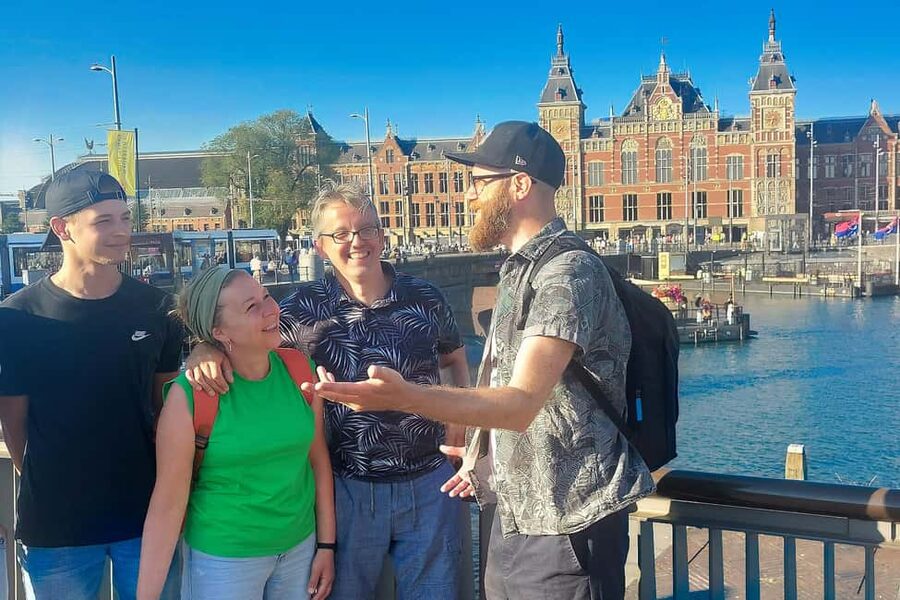
You meet behind Amsterdam Centraal, by the area where the white-and-blue ferries leave for Amsterdam North—next to Pancakes Amsterdam at the IJ. Look for the big letter D ferry sign near the bike lane.
The guide is easy to spot: Chris wears glasses, a beard, and a baseball hat. I like that clarity. In a busy hub like Centraal, knowing exactly what to look for keeps the start from turning into a mini scavenger hunt.
Bring comfortable shoes. This is walking in the center of town on uneven streets. Also pack an umbrella and water, because Amsterdam weather loves surprises.
How the walk “teaches”: what you’ll notice beyond the postcard shots
The tour’s strength is that it doesn’t treat each stop like a standalone photo moment. Instead, it gives you a thread: Amsterdam’s shift from a small riverside village to a major trading hub, then the city’s later layers—religion, commerce, architecture, and daily life.
Chris uses stories and fun facts to keep it moving—everything from tulip-era talk to quieter details like courtyards and secret-garden vibes (the kind you’d miss if you were just speed-walking for photos). From the reviews, one pattern stands out: people feel like they’re walking with a knowledgeable friend, not a performer reading slides.
Another practical plus: Chris shares recommendations and links after the walk, and he’s known for tailoring advice when someone asks follow-up questions in real time.
More trips where a local runs the whole day

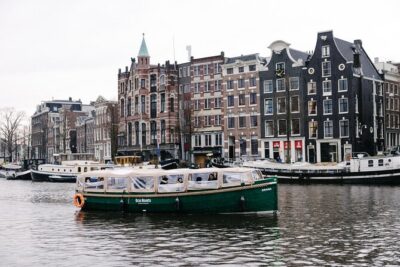
Hour One: Centraal to Zeedijk, plus an attic church you’ll never forget
Stop 1: Pancakes Amsterdam at the IJ
You start by the water at IJ. It’s a good “Amsterdam intro” moment because it reminds you the city’s story is tied to rivers and trade. Plus, this is a simple landmark to find when you’re arriving.
Stop 2: Amsterdam Centraal Station (photo stop)
There’s a short photo moment at Centraal to reset you: this is the center of your walking geography. You’ll get a guided framing so the station isn’t just a big building—it’s part of the city’s movement story.
Stop 3: Dancing Houses, Amsterdam (photo stop)
These tilted facades are one of those “how is this standing up?” sights. In a few minutes, you learn the why behind the architecture, and you’ll start noticing how Dutch engineering and design solve real constraints.
Stop 4: Basilica of Saint Nicholas (photo stop)
Saint Nicholas adds a religious and cultural layer to your first stretch. It’s a quick stop, so you’ll want to focus on what makes it distinct before you walk on—roofline and overall form are your best bets.
Stop 5: Zeedijk Street (photo stop)
Zeedijk helps you shift from monument mode to street-level Amsterdam. This is where daily life becomes part of the tour’s theme—shopping streets, historic commerce, and the kind of lanes you’ll likely walk again later.
Stop 6: Major Alida Bosshardt Statue (photo stop)
This is the kind of detail that makes the walk feel customized. You’re not just ticking boxes—you’re learning about people and local history tied to the city’s evolution.
Stop 7: Ons’ Lieve Heer op Solder, Our Lord in the Attic Museum (photo stop)
This stop is the surprise payoff. An attic church sounds like a gimmick until you learn the context—why people hid and built places of worship in unusual spaces. It’s memorable, and it’s the perfect example of how Amsterdam hides history in plain sight.
Old Amsterdam core: Oude Kerk, Chinatown, De Waag, and the trading powerhouse story
Stop 8: Oude Kerk (photo stop)
Oude Kerk gives you the “older Amsterdam” feeling right away. Even if you don’t go inside, it’s worth soaking in the mass of the building—early urban life tends to show through stone like this.
Stop 9: Burgwallen Oude Zijde (photo stop)
This area helps you understand the city layout—canals, streets, and how neighborhoods grew. It’s also a nice bridge from churches and monuments into the more everyday rhythm of the historic center.
Stop 10: Amsterdam Chinatown (photo stop)
You get a snapshot of Amsterdam’s multicultural present without turning the walk into a food tour. The point here is contrast: Amsterdam’s past as a trading hub connects to how the city attracts communities today.
Stop 11: De Waag Restaurant (photo stop)
De Waag is tied to civic and commercial history. You’ll likely hear how Amsterdam’s economy and trade culture affected city spaces—so when you see a building like this, you start recognizing it as infrastructure, not just an attractive facade.
Stop 12: VOC / Dutch East India Company (photo stop)
This is one of the key “why Amsterdam mattered” stops. The Dutch East India Company story helps explain how wealth, global routes, and ambition shaped the city you’re walking through.
Stop 13: Narrowest House in Europe (photo stop)
You’ll see how land value and practical limits shaped housing. The narrowness isn’t just a funny fact—it’s a clue about taxes, building rules, and how people maximized space in a dense historic city.
Dam Square and Royal Palace area: power, ceremonies, and photo-ready stops
Stop 14: Dam Square (photo stop)
Dam Square is Amsterdam’s “meeting point” moment. Even with a quick stop, you’ll get context about what Dam Square represents over time—because the same public space can hold very different meanings across centuries.
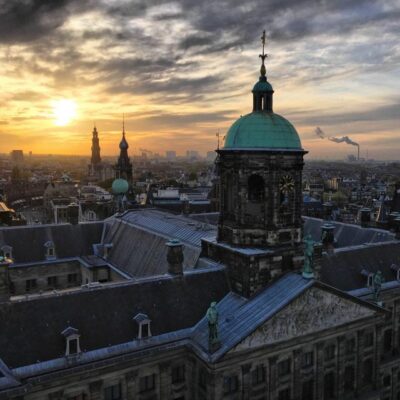
Stop 15: Royal Palace, Amsterdam (photo stop)
The Royal Palace area turns your attention to state power and ceremonial architecture. I like how a guide can explain how these buildings functioned socially, not just aesthetically.
Stop 16: Magna Plaza (photo stop)
This one is a curveball—in a good way. It shows you modern commercial Amsterdam right next to older civic landmarks, so you don’t walk away thinking the city is only museums and canals.
Toward the UNESCO canal belt: Torensluis Bridge, Grachtengordel, and Anne Frank House views
Stop 17: Torensluis Bridge (photo stop)
Bridges are where you start seeing the city’s “system.” A short stop here helps you understand how crossings, canals, and street grids work together in Amsterdam.
Stop 18: Grachtengordel (photo stop)
This is where the UNESCO part becomes real. You’ll get the 400-year-old canal belt context—how the canal layout shaped trade, living space, and the look of the city for centuries.
A quick note for your expectations: because it’s a photo stop, you won’t get time to sit and absorb everything like you could on your own. But you will leave knowing what makes the canal belt special, so your own walking later gets easier.
Stop 19: Anne Frank House (photo stop)
This stop is brief, but it carries weight. Expect a guiding explanation of the story’s connection to Amsterdam’s social history. Since this is a photo stop, don’t assume it’s a full visit—use the walk’s context, then decide if you want to plan separate time for entry.
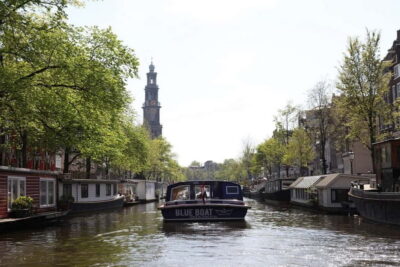
Stop 20: Westerkerk (photo stop)
Westerkerk adds a final “historic center skyline” moment. It’s also a helpful point of orientation—once you’ve seen it from the right angle, you tend to remember where you are when you continue exploring.
Jordaan at the end: how to keep the vibe going after the walk
Stop 21: The Jordaan (photo stop)
Finishing in the Jordaan is smart. It feels like a neighborhood, not a monument zone. You’ll leave with a sense of where to wander next, and—based on what Chris provides—likely a list of what to try nearby.
The Jordaan portion works well because it ties back to the tour’s theme: Amsterdam wasn’t only built by big companies and big rulers. Neighborhood life, streets, courtyards, and small-scale culture matter too.
Chris’s guide style: why the reviews are so consistently positive
Across the feedback, a few things repeat so often they become part of the product you’re actually buying:
- Chris is interactive. You’re not just listening; you’re asking, and he answers.
- He’s friendly and welcoming, and he brings a sense of humor that keeps it from feeling like homework.
- People mention lots of small details, which is where Amsterdam tours usually win or lose. You’ll pick up facts that make buildings and street patterns click.
- He provides useful post-tour links, including dining and sightseeing ideas. One example: people specifically called out recommendations like bitterballen, plus cafes, souvenir shops, and pubs.
- The vibe is no-pressure. If you want to keep exploring on your own, you’ll still feel supported.
Even the practical “how to find things” matters. In one case, when someone hadn’t visited an area, Chris helped with the route and next steps rather than giving generic advice.
What to do after: using the tour as your Amsterdam map
The tour ends with helpful links and guidance—exactly what you need when your brain is full and your feet are tired. Here’s how I’d use that, step by step:
1) Pick one recommendation for food soon after your walk, so you convert knowledge into a good moment.
2) Use the canal belt context to choose which direction you want to walk next—Amsterdam feels less confusing when you know what canal line you’re near.
3) If you’re interested in boats, shopping, or a neighborhood deepening, your guide’s links should help you pick efficiently.
You’ll also know what to prioritize if you want to return to a stop and spend more time on it later. The tour is built to get you started, not to exhaust every site on day one.
Should you book this walking tour?
Yes, if you want an efficient orientation to central Amsterdam plus stories that help you understand what you’re seeing. It’s especially worth booking if this is your first trip and you’re juggling limited time, because the route hits major landmarks and major themes in a tight window.
Skip it only if you hate walking, or if you want long museum time at fewer stops. This is a short-stop format. You’ll get context fast, then you’ll probably want to return to your personal favorites afterward.
If your goal is to leave Amsterdam feeling like you can navigate confidently—and to know where to eat, shop, and explore next—this small-group tour led by Chris is a very solid bet.
FAQ
What’s the duration of the Amsterdam small-group guided walking tour?
The tour lasts about 2 to 3 hours.
What languages are available for the guide?
The guide offers tours in English or French.
Where do I meet the guide?
Meet behind Amsterdam Centraal near the white and blue ferries to Amsterdam North, next to Pancakes Amsterdam at the IJ. Look for the big D ferry sign near the bike lane.
How do I recognize the guide?
The guide wears glasses, has a beard, and a baseball hat.
What should I bring for the walking portion?
Bring comfortable shoes, an umbrella, and water, plus weather-appropriate clothing.
Is the tour wheelchair accessible?
Yes, it’s listed as wheelchair accessible.
Are food and drinks included?
No. Drinks and food are not included.
Will the route always stay exactly the same?
The itinerary might be adjusted to accommodate interests, construction, or other unforeseen circumstances.
More Amsterdam Walking Routes



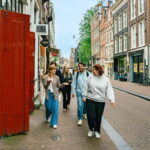
More Tours in Amsterdam


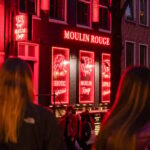
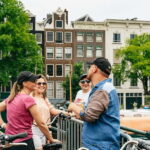
More Tour Reviews in Amsterdam
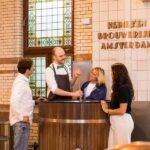

Just added: fresh Amsterdam tour reviews




Walking Tours, compared.
 ★ 4.8Amsterdam Anne Frank: Small-Group Walking Tour & Local GuideFrom $2912,789 reviews
 ★ 5.0Anne Frank’s Story – Guided Walking Tour through AmsterdamFrom $3911,619 reviews
 ★ 5.0Absolutely Amsterdam – the Essential Introductory Walking TourFrom $53,629 reviews
 ★ 4.9Anne Frank Guided Walking Tour in DE/EN/IT/ESFrom $283,107 reviews
 ★ 4.8Anne Frank Guided Small Group Walking TourFrom $282,722 reviews
 ★ 4.9Cultural Highlights Walking TourFrom $302,629 reviews
 ★ 4.2Ganja Walking TourFrom $402,127 reviews
 ★ 5.0Anne Frank Walking Tour Amsterdam Including Jewish Cultural QuarterFrom $751,879 reviews
Browse the lists this tour appears in