
Reviewed · WALKING TOURS
Amsterdam: Queer City Walking Tour With Local Guide
A rainbow walk with real stakes. This 2-hour Amsterdam tour connects queer history to everyday places, with personal LGBTQI+ stories threaded through it all.
It is dense with the kinds of details you miss when you just follow the canals, and the guide Sanne keeps the tone human: love, loneliness, protests, and community.
I particularly like the mix of major monuments and “you’ll-walk-past-it” spots. And you’re invited to connect too, sharing your own experiences with queers and allies from around the world.
One possible drawback: if you prefer a light, purely sightseeing style, the stop themes can get emotionally heavy and the red light district portion will be more direct than you might expect.
In This Review
- Key things to know before you go
- Why Dam Square to Café ’t Mandje feels different
- Starting at the National Monument: controversial stories, not just photos
- Homomonument: how a city speaks in symbols
- Belle and the small clues you might miss
- Condomerie: why AIDS-era necessity changed what the city had to say
- Looking up near the Royal Palace: unicorns with attitude
- A walk through the Red Light District with context
- Zeedijk Street: where the walking rhythm turns into story rhythm
- Passing Eagle Amsterdam: modern cues in an old city
- Kokopelli: a guided stop that adds another layer
- Dancing Houses photo stop: the story ends, but the questions don’t
- Finishing at Café ’t Mandje: where the walk turns into your next plan
- Price and what $59 buys you in real value
- Who this tour suits best
- Practical tips so you enjoy every stop
- Should you book this queer city walking tour?
- FAQ
- How long is the Amsterdam Queer City Walking Tour?
- Where does the tour meet?
- What languages are available?
- Does the tour run in bad weather?
- Is the tour wheelchair accessible?
- What should I bring?
- Is there free cancellation?
Key things to know before you go
- 2 hours, small group, live guide: you’ll have time for questions, not just a headset.
- Personal stories are the point: not facts-only, but how the city shaped people.
- Monuments plus nightlife streets: you’ll link protest history to everyday queer spaces.
- AIDS-era context included: you’ll hear why a condom shop became a turning point.
- Royal Palace unicorn detail: you’ll look up and notice symbols that change the mood.
- Finish at Café ’t Mandje: a recognizable ending point in the queer bar tradition.
More of Amsterdam street by street, on foot
- Amsterdam Anne Frank: Small-Group Walking Tour & Local Guide
★ 4.8 · 12,789 reviews - Anne Frank’s Story – Guided Walking Tour through Amsterdam
★ 5.0 · 11,619 reviews - Absolutely Amsterdam – the Essential Introductory Walking Tour
★ 5.0 · 3,629 reviews - Amsterdam: Anne Frank Guided Walking Tour in DE/EN/IT/ES
★ 4.9 · 3,107 reviews
Why Dam Square to Café ’t Mandje feels different
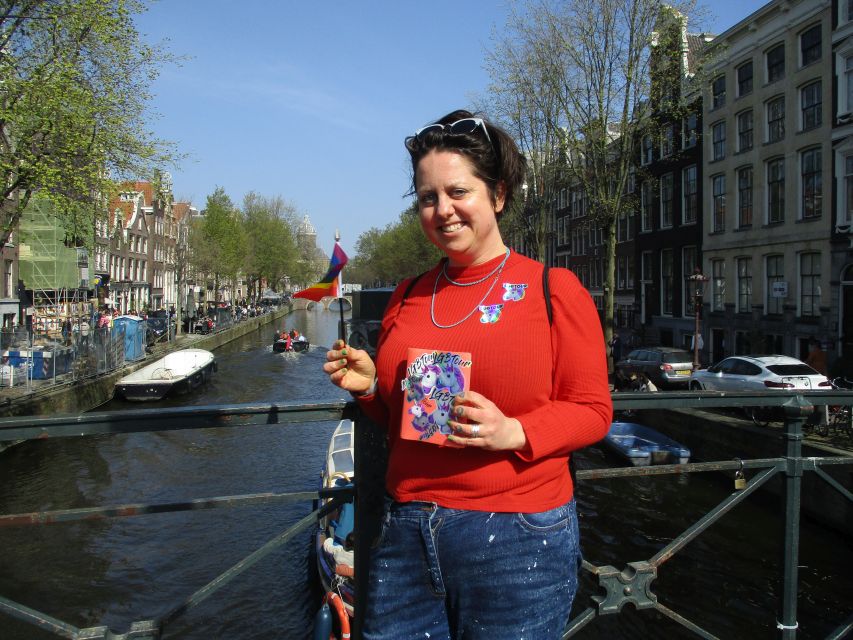
If you only know Amsterdam through postcards, this walk helps you see the city as people have lived it. The tour is built around a queer perspective on the city’s turning points, from pride celebrations on the canals to the protests that made those freedoms possible.
What makes it work is the balance between the public and the private. You get major sites like the Homomonument and the National Monument area, but you also hear intimate life moments like falling in love and the feeling of being gay and single in Amsterdam.
And yes, it’s welcoming. Everyone is invited, because the message is simple: the rainbow is for everyone.
Starting at the National Monument: controversial stories, not just photos
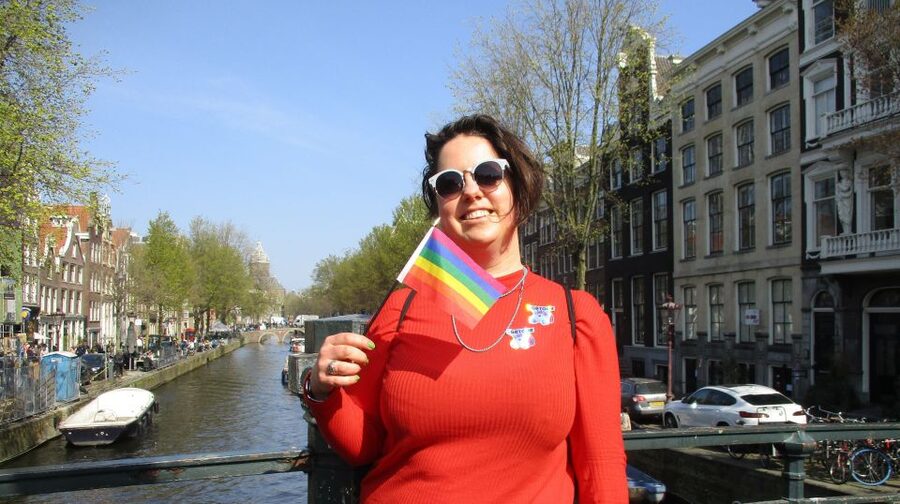
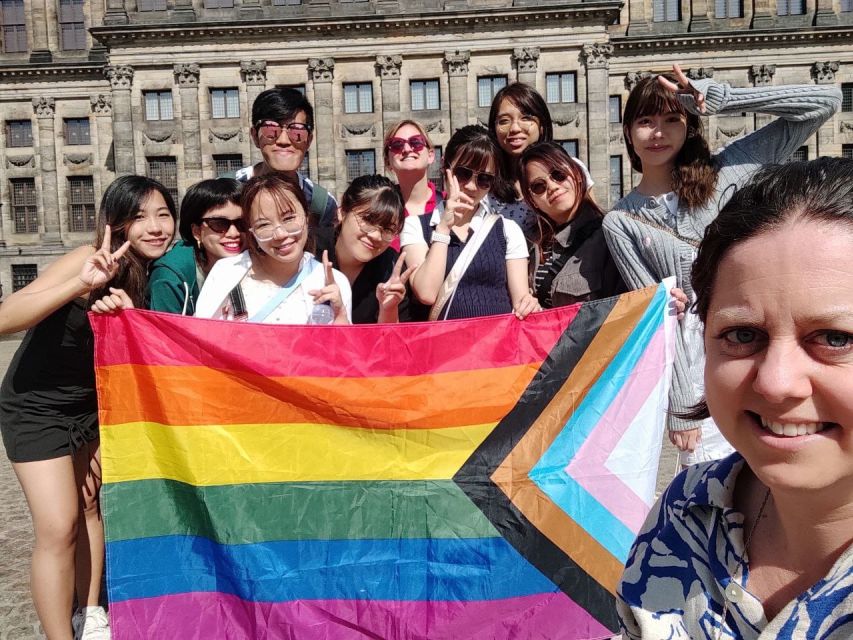
You meet at the National Monument at Dam Square. It is one of the easiest places to find, and the guide Sanne is easy to spot with her tiny rainbow flag, so you can get moving fast.
From the start, you’re set up to look past the obvious. The National Monument stop includes controversial stories about how it came to be, which changes how you read the whole square. Instead of thinking only about what the monument is, you’ll think about why it exists and who it serves.
This matters because the rest of the walk keeps the same mindset: history isn’t neutral. It’s made by real people with real stakes.
Homomonument: how a city speaks in symbols
The Homomonument is next, and you spend about 20 minutes there. This is the kind of place where a quick look becomes too small, because the site is designed to hold meaning and argument at the same time.
I like how the guide uses the monument as a bridge. You start with what you see in front of you, then you get connected stories about the people and events that shaped queer visibility in Amsterdam. It’s not just a memorial moment. It is also a protest lesson in public space.
If you like learning by standing still for a moment, this stop is a good anchor for the entire tour.
More trips where a local runs the whole day



Belle and the small clues you might miss
Belle is one of the guided stops on the route, with about 10 minutes allocated. Even if you don’t know the place name now, you’ll start to understand what you’re looking for as you walk.
The tour approach here is practical: it trains your eyes. You learn to notice signals of queer life in plain sight, not only the big landmarks. This is one of the reasons people love the guide’s style, because it turns normal streets into storyboards.
Condomerie: why AIDS-era necessity changed what the city had to say
Then comes Condomerie, another guided stop at about 10 minutes. This is one of the clearest “why history matters” moments on the walk.
You’ll hear about the first condom shop in the world and how it was born out of necessity during the AIDS crisis. That single detail reframes a whole era. It’s not only about sex or retail. It’s about public health, urgency, stigma, and community action.
In a city full of symbols, this is a reminder that some progress started in practical, sometimes uncomfortable ways. The tour keeps it respectful, but it also doesn’t sanitize the stakes.
Looking up near the Royal Palace: unicorns with attitude
The included tour themes call attention to unicorns you can spot near the Royal Palace. You’ll get a prompt to look up, and suddenly those decorative details aren’t just decoration.
The point of this moment is attitude and interpretation. You’ll learn that queer perspective isn’t only about where people gathered. It’s also about how symbols were used, misunderstood, or re-read over time.
If you enjoy architecture details, this is a quick payoff that makes the walk feel smarter, not just louder.
A walk through the Red Light District with context
You then move into the Amsterdam Red Light District for about 15 minutes. This is a stop that needs the right mindset.
The tour frames it as part of Amsterdam’s historic heart, and it uses that location to connect queer life with broader social realities. You’re not just being asked to look. You’re being asked to think about how different communities navigated visibility, acceptance, and control.
A practical consideration: the atmosphere here is more direct than many visitors expect. If you’re sensitive to that, keep your focus on the guide’s context and move at your own pace.
Zeedijk Street: where the walking rhythm turns into story rhythm
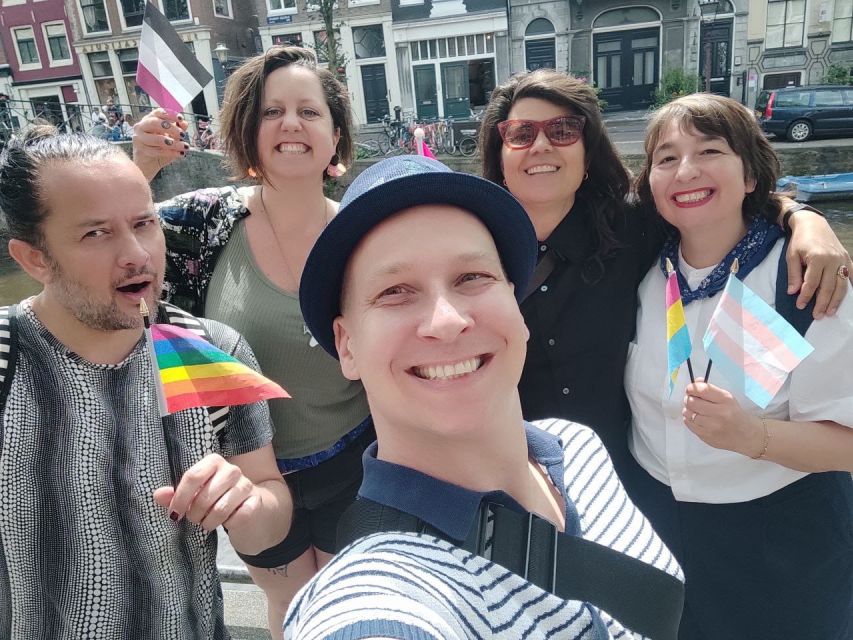
Zeedijk Street is about a 15-minute walk. This is where the tour starts to feel like a real city stroll instead of a list of stops.
The guide uses streets like Zeedijk to stitch together “who was here, what happened, and how it connects.” You’ll also pass by places that carry a queer identity, including Pride Clothing.
The value here is not only the names. It’s the pattern recognition. By the time you reach the next guided stop, you’ll have a clearer sense of how queer life shaped Amsterdam’s streets, businesses, and community visibility over time.
Passing Eagle Amsterdam: modern cues in an old city
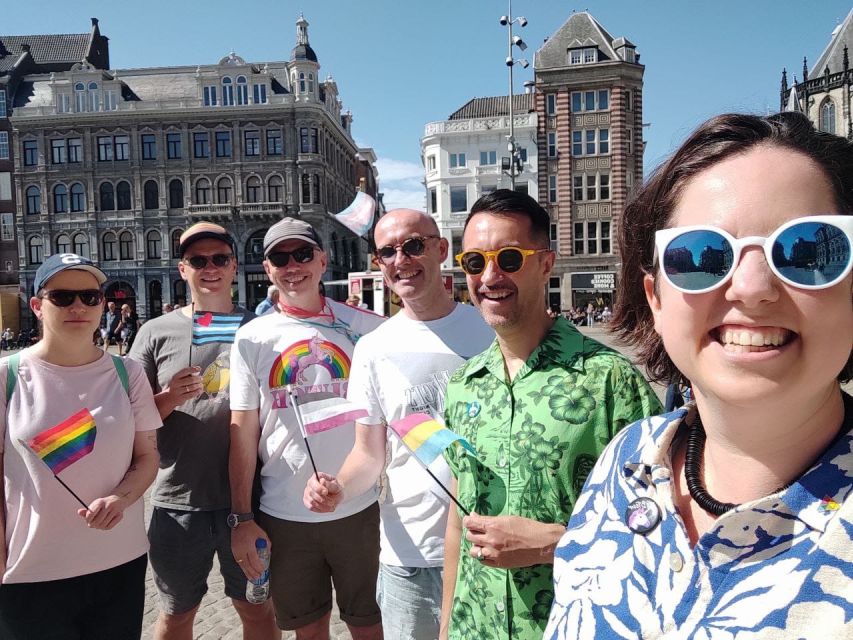
You pass by Eagle Amsterdam for about 5 minutes. Short stop, yes, but these “pass by” moments still matter because they keep the timeline moving.
You’re reminded that queer Amsterdam isn’t only a history lesson behind glass. It continues in present-day spaces, and the walk helps you notice that continuity without pretending everything has always been easy.
If you want to take photos, this is usually a quick window. Just don’t rush the guide’s narration to do it.
Kokopelli: a guided stop that adds another layer
Kokopelli is guided for about 10 minutes. This is the type of stop that works well in a tour because the guide can explain what you’re seeing in a way that an unassisted walk rarely does.
I like that the tour doesn’t only focus on famous sites. By including a stop like this, it gives you a broader “queer city” picture: not only memorials and debates, but also spaces tied to community life and nightlife culture.
If you like tours that balance the emotional and the practical, you’ll probably enjoy this segment.
Dancing Houses photo stop: the story ends, but the questions don’t
There’s a photo stop at Dancing Houses for about 10 minutes. This is a lighter moment, but it’s not pointless.
The guide uses it as a visual punctuation mark. You’re reminded to keep your eyes open even when the walking theme shifts from social change to city design. After the heavier stops, this pause lets you absorb without losing the thread.
Bring your phone, but also look around the area. You’ll get more from a short photo stop if you let it be a real pause, not a sprint.
Finishing at Café ’t Mandje: where the walk turns into your next plan
The tour ends at Café ’t Mandje. The included description frames it as the oldest queer bar, and that makes this finish feel symbolic.
You’re not just done walking. You’ve arrived at a place where queer history and queer community culture are still part of the routine. If you want to keep the evening going, this ending point gives you an easy transition from stories to atmosphere.
Even if you don’t plan to stay, it’s a satisfying way to end because the final stop matches the tour theme: the city’s queer life is not only in the past.
Price and what $59 buys you in real value
At $59 per person for 2 hours, you’re paying for more than direction. This is a guided experience built on storytelling, contextual stops, and time to ask questions.
Two things make the price feel more reasonable than a generic “walk and point” tour:
- The tour covers a tight route with multiple guided segments, not only quick glimpses.
- The guide’s personal connection adds meaning to the city’s landmarks, especially around controversial and emotional topics.
If you’re someone who likes tours that teach you how to look, not just where to stand, this is likely a good fit for your budget.
Who this tour suits best
This walk is best for you if you want:
- queer history that connects monuments, street life, and present-day places
- a guide who shares personal experiences, from love stories to identity and singleness
- an atmosphere where allies are welcome and conversations feel human
It may be less ideal if you want minimal talk, minimal emotion, and a purely scenic route. Also, because the walk includes the Red Light District, you should expect a more direct vibe around that area.
Practical tips so you enjoy every stop
This tour runs rain or shine, so pack for weather. Comfortable shoes matter most, because you’ll be walking between Dam Square and the older parts of town.
I’d also bring what the guide suggests:
- sun hat and sunscreen if the weather is kind
- rain gear if it’s not
- comfortable clothes you can move in
Small detail, big effect: keep some breathing room in your schedule for the rest of your day. You’ll want time to think about what you heard after you leave Café ’t Mandje.
Should you book this queer city walking tour?
I think you should book if you want Amsterdam to feel more human and more complicated, in a good way. The combination of monuments like Homomonument, practical history like the Condomerie AIDS-era story, and real-life queer space endings at Café ’t Mandje gives you a rounded experience in just 2 hours.
If you’re on the fence, here’s the quick decision test: do you want history that includes identity, protest, and the way people actually lived? If yes, this tour is a strong match. If you only want light sightseeing, you might prefer a different kind of walk.
FAQ
How long is the Amsterdam Queer City Walking Tour?
It lasts 2 hours.
Where does the tour meet?
You meet at the National Monument at Dam Square.
What languages are available?
The tour is guided in English and Dutch.
Does the tour run in bad weather?
Yes, it takes place rain or shine.
Is the tour wheelchair accessible?
The tour is listed as wheelchair accessible.
What should I bring?
The guide recommends comfortable shoes, a sun hat, sunscreen, rain gear, and comfortable clothes.
Is there free cancellation?
Yes. You can cancel up to 24 hours in advance for a full refund.
More Amsterdam Walking Routes






More Tours in Amsterdam




More Tour Reviews in Amsterdam






Just added: fresh Amsterdam tour reviews





Walking Tours, compared.
 ★ 4.8Amsterdam Anne Frank: Small-Group Walking Tour & Local GuideFrom $2912,789 reviews
 ★ 5.0Anne Frank’s Story – Guided Walking Tour through AmsterdamFrom $3911,619 reviews
 ★ 5.0Absolutely Amsterdam – the Essential Introductory Walking TourFrom $53,629 reviews
 ★ 4.9Anne Frank Guided Walking Tour in DE/EN/IT/ESFrom $283,107 reviews
 ★ 4.8Anne Frank Guided Small Group Walking TourFrom $282,722 reviews
 ★ 4.9Cultural Highlights Walking TourFrom $302,629 reviews
 ★ 4.2Ganja Walking TourFrom $402,127 reviews
 ★ 5.0Anne Frank Walking Tour Amsterdam Including Jewish Cultural QuarterFrom $751,879 reviews
Browse the lists this tour appears in