
Reviewed · WALKING TOURS
Amsterdam private city walking experience with a local
Amsterdam reads better on foot, and this private walk gives you the map in your head. You cover major squares and quiet courtyards, but the real win is the way a local guide connects each place to what came before and what changed.
I especially like the private-group feel. You get a short, focused route (about 2 to 2.5 hours) with time to ask questions and steer the pace. Second, I like that the walk is built around specific landmarks you can actually see: Dam Square, Begijnhof, the House on the Three Canals, Nieuwmarkt, Zeedijk, and Centraal Station.
One consideration: at this length, it’s not a “slow wandering all day” style tour. If you want lots of museums or long stops inside buildings, you’ll still get the big ideas, but you may wish you had booked extra time.
In This Review
- Key highlights worth planning around
- The basic idea: a private Amsterdam walk that teaches you how to read the city
- How the route keeps your day efficient (Beursplein to Centraal Station)
- Beursplein: where Amsterdam’s trading story starts
- Dam Square: royal power and WWII memory in one tight loop
- Begijnhof: a calm courtyard that reframes what Amsterdam allows
- House on the Three Canals: canal-side quirks you’ll remember
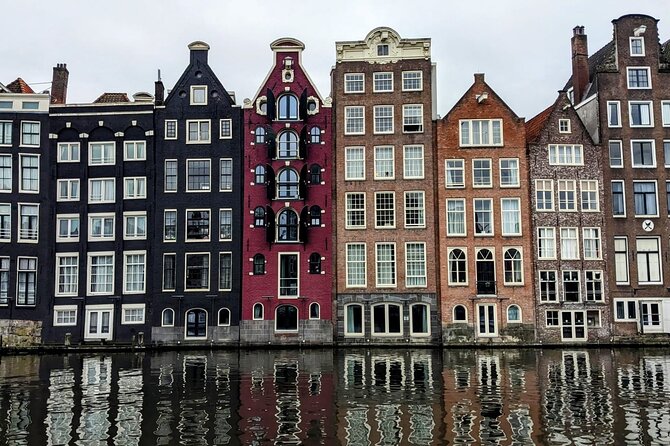
- Nieuwmarkt: the Waag, guild power, and the dancing houses
- Zeedijk: Chinatown’s tough past and a neighborhood’s second chapter
- Centraal Station: architecture and why transport shaped the city
- What makes the guide matter: personalized, friendly, and adaptable
- Price and value: $180.62 per group is about how you split it
- Who should book this private Amsterdam walk
- Should you book this Amsterdam private city walking experience?
- FAQ
- How long is the Amsterdam private walking tour?
- What is the group size for this private tour?
- What does it cost?
- What languages are available?
- Where does the tour start and end?
- Is admission included for the stops?
- What is the cancellation policy?
- FAQ
- Do I need a ticket on my phone?
- Is the tour suitable for most people?
- Are service animals allowed?
Key highlights worth planning around
- Private and small (up to 12), so the guide can adapt the conversation to your interests
- A tight 2-hour route that still covers seven meaningful stops
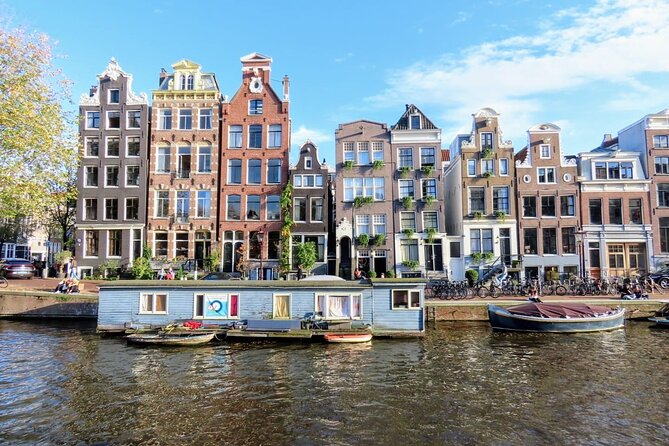
- Canal-area curiosities, including the House on the Three Canals and its bicycle-bridge story
- Begijnhof’s quiet tolerance theme, plus very old-looking residential pockets you can’t spot from the main streets
- Zeedijk’s Chinatown story, including its darker past in the 1970s and its later shift into a local favorite
- Centrally placed ending at Centraal Station, so you can roll into the rest of your day easily
More of Amsterdam street by street, on foot
- Amsterdam Anne Frank: Small-Group Walking Tour & Local Guide
★ 4.8 · 12,789 reviews - Anne Frank’s Story – Guided Walking Tour through Amsterdam
★ 5.0 · 11,619 reviews - Absolutely Amsterdam – the Essential Introductory Walking Tour
★ 5.0 · 3,629 reviews - Amsterdam: Anne Frank Guided Walking Tour in DE/EN/IT/ES
★ 4.9 · 3,107 reviews
The basic idea: a private Amsterdam walk that teaches you how to read the city
This is a private city walking experience in Amsterdam that runs around 2 hours, sometimes stretching to 2.5 depending on questions and the flow of the group. You meet at Beursplein and finish back at the same spot, which makes it simple to plug into your day without a complicated transfer plan.
The tour is offered in English, and it’s designed for “see it, then understand it.” Instead of dumping facts at you from a single viewpoint, the guide talks while you move. That matters in Amsterdam, where the difference between a square, a courtyard, and a canal-side street can change what you think you’re looking at.
Also, the format is intentionally group-friendly. It’s priced per group (up to 12), and it’s mobile-ticket based, so you’re not scrambling on the day. If you’ve ever felt like you’re watching a city through other people’s schedules, this private style is the fix.
How the route keeps your day efficient (Beursplein to Centraal Station)
The route is structured like a quick storyline: start with the city’s origins and name, step into power and war-era memory, move into religious and residential history, then pivot to guild-era commerce and neighborhood identity. By the end, you’re at Centraal Station, where the guide ties together architecture and Amsterdam’s long-running role as a transportation hub and symbol of connection.
Each main stop is brief—about 15 minutes most of the time, with Nieuwmarkt getting about 30 minutes. That pacing is ideal for first-timers who want clarity without committing to a half-day bus tour. You still get time to look around, take photos, and ask questions, but you don’t get stuck waiting for one building to open or for the group to catch up.
If you’re traveling with kids, couples, or friends who can handle a couple of hours walking, this is a good fit. If anyone in your group needs long seated breaks, you’ll want to think ahead, because most time is spent on the move between stops.
Beursplein: where Amsterdam’s trading story starts
Beursplein is your opening scene, and it’s a strong choice for a first stop. The guide explains how the area’s origins connect to the city’s name and how a fishing village grew into the center of the global economy by the 17th century.
Why this stop works: Beursplein isn’t just a pretty square. It helps you read later sights through a single lens—trade, wealth, and power shaping the city you’re walking through now. Even if you’re not a history person, this framing makes the rest of the walk easier to follow.
The practical bit: since you start here, you can get oriented fast. You’ll also be ready to understand why later locations feel “important” in ways that go beyond their appearance.
The bigger picture: more Amsterdam city tours



Dam Square: royal power and WWII memory in one tight loop
Next is Dam Square, one of Amsterdam’s defining public spaces. You’ll hear about the significance of the square in the city’s formation, then move into the role of the Royal Palace on the Dam and what Dam Square meant during the Second World War.
This is a good stop for people who like their sightseeing to have real stakes. The guide doesn’t treat the palace like a postcard object. Instead, you’re encouraged to notice how power is staged in public space—who built it, who used it, and how events left marks you can still sense in the layout.
The main drawback here is also typical of big city squares: expect crowds around the landmarks. The tour timing is short, so you may not get long lingering photos, but the context helps you make each minute count.
Begijnhof: a calm courtyard that reframes what Amsterdam allows
Then the walk slows in a different way at Begijnhof. You’ll learn about its religious history and what the place reveals about Amsterdam’s tolerance. This is also where you can see one of the oldest houses in Amsterdam, including the mention of two wooden cottages.
Why Begijnhof feels special: it’s a reminder that Amsterdam isn’t only canals and grand buildings. It’s also small, protected corners where people lived under rules shaped by religion, community, and time. The guide’s focus on tolerance gives you a theme to carry into what you see—how a city can be outwardly busy yet still hold quiet exceptions.
In a short tour format, Begijnhof is a smart inclusion. You get a mental “reset” from the louder squares, plus you see how history can live in everyday-looking architecture.
House on the Three Canals: canal-side quirks you’ll remember
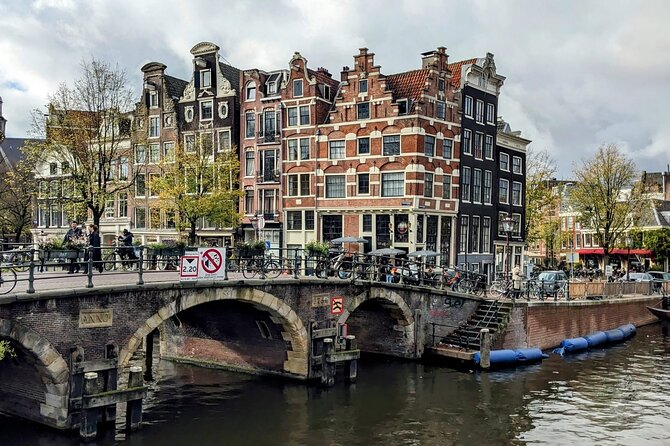
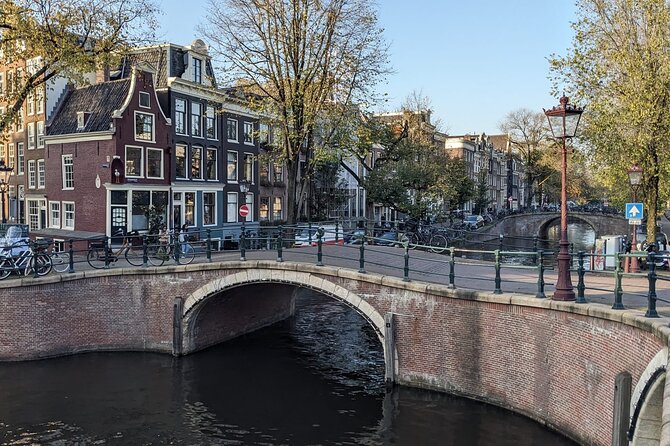
At the House on the Three Canals, you’ll hear about a very specific architectural curiosity: the house is on three canals, and the guide explains the idea of the bicycle bridge.
This kind of stop is why walking tours beat quick photo stops. You don’t just see something old or scenic—you get a functional story. How people moved, how bicycles fit into the canal environment, and how the layout shaped daily life can be surprisingly easier to understand when you’re standing right there.
A tip for you: watch the angles. Even if you can’t fully “map” the canals in your head in one glance, the guide’s explanation helps your eyes catch details you’d miss if you were just passing through at street speed.
Nieuwmarkt: the Waag, guild power, and the dancing houses
Nieuwmarkt is the longest stop at about 30 minutes, and it earns that time. You’ll discover the Waag, described as an old city gate that later became a guild hall. The guide ties this to the importance of guilds in Amsterdam, then points out the so-called dancing houses.
This is the part of the walk that rewards people who like how commerce shaped city fabric. Guilds weren’t just background business—they influenced buildings, status, and who held sway in the neighborhoods. By the time you’re learning about gates turning into guild halls, you start to notice how Amsterdam reuses space instead of throwing it away.
The dancing houses are your “visual payoff.” The guide’s framing makes them more than a quirky photo spot. You’re looking at a result of the city’s layers—old boundaries and later adaptations.
If you’re someone who gets restless in long pauses, this stop is still manageable because it’s focused. The guide keeps the conversation tied to what you can see around you.
Zeedijk: Chinatown’s tough past and a neighborhood’s second chapter
Next comes Zeedijk, where the theme shifts from institutions to neighborhood identity. You’ll discover Chinatown and learn that in the 1970s it became the most dangerous place in Amsterdam. Then you’ll hear how the area declined and how the street transformed into a favorite spot for many locals.
I like this stop because it doesn’t freeze a place in time. It shows a city’s ability to change its reputation—sometimes slowly, sometimes sharply. You get a story that feels real, not sanitized.
Practical thought: this is the kind of street where the atmosphere can vary depending on the time of day. The tour duration is short, so you’ll likely see the bigger picture even if you can’t linger.
Centraal Station: architecture and why transport shaped the city
You finish at Centraal Station, one of Amsterdam’s most stunning buildings. The guide explains why the station’s location mattered for centuries as a transportation hub and why it became a historical symbol of connection and prosperity.
This ending makes sense because you’re leaving the walk with a bridge into the rest of your plans. If you’re heading to a museum, a day trip, or simply exploring more neighborhoods, you’re already at a major decision point of the city.
Also, station architecture can feel intimidating if you don’t know what to look for. With the tour framing, you’re not just admiring a landmark—you’re connecting it to how Amsterdam works.
What makes the guide matter: personalized, friendly, and adaptable
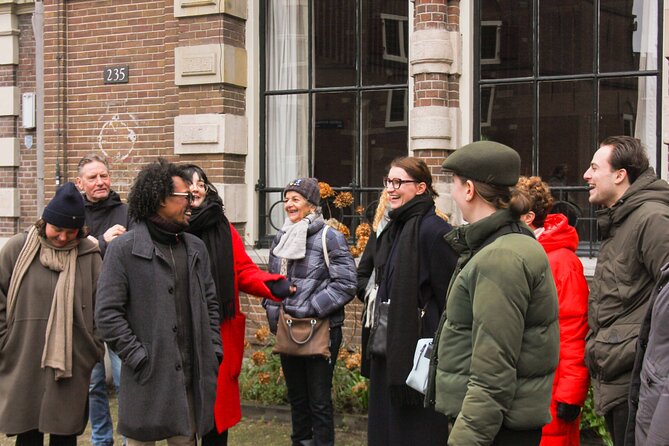
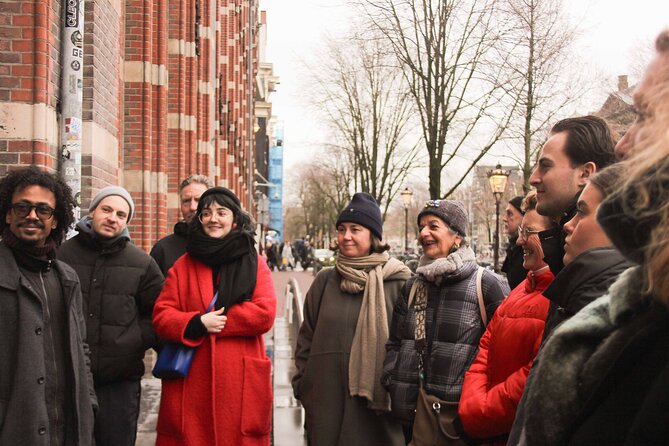
Across the experience, the guide’s style is a huge part of the value. The guide you’ll meet is Manouk, and the consistent theme is that she’s professional but not stiff. You get a warm welcome, a friendly conversation feel, and answers that don’t make you feel rushed.
What I think you’ll appreciate most is the personalization. People describe her as curious about who’s in the group and comfortable talking like you’re friends comparing notes. She also adapts the walk to interests, with a specific mention of adjusting toward history and architecture.
You may also get extra touches that make the walk feel local rather than mechanical, like maps and pictures to support what you’re hearing, and possibly small local edible treats. Those details aren’t the main reason to book, but they do help the story stick.
Price and value: $180.62 per group is about how you split it
This tour costs $180.62 per group, up to 12 people, and runs about 2 hours. That pricing can be a steal or just a fair deal depending on your group size.
Here’s the simple way to think about value:
- If you book as a full group near 12 people, your per-person cost is roughly $15.
- If it’s just two people, your per-person cost jumps to about $90.
- For a typical couple or small family of 3 to 6, it lands in the middle.
The value isn’t only the math. It’s the fact that you’re buying time with a guide who can tailor the route, answer questions, and bring the city’s layers together across multiple neighborhoods in a short span.
Who should book this private Amsterdam walk
Book it if you:
- Want a first or second-day Amsterdam overview without losing time in transport
- Like history and architecture, but also want it explained in plain language
- Prefer a private format where you can ask questions instead of watching a crowd
- Want both big landmarks (Dam Square, Centraal Station) and calmer corners (Begijnhof)
Consider skipping or adding extra time if you:
- Only have one or two short blocks to spare and need a quicker, punchier tour
- Want deep museum-style stops inside buildings for long stretches
- Have mobility limits that make sustained walking tough (the tour is walking-focused, even though most people can participate)
Should you book this Amsterdam private city walking experience?
Yes, if you want a smart way to get grounded fast. This walk hits iconic Amsterdam points, but it’s the linking stories that make it work: trading origins at Beursplein, palace-and-war memory at Dam Square, tolerance and quiet life at Begijnhof, canal quirks at the House on the Three Canals, guild power and dancing houses at Nieuwmarkt, and a real neighborhood identity story at Zeedijk, ending at Centraal Station where the city feels connected and purposeful.
If your group can split the cost, it’s even better value. And if you want a guide who’s friendly and responsive—someone like Manouk—this tour is set up to deliver that kind of experience.
FAQ
How long is the Amsterdam private walking tour?
It runs about 2 hours, and it may take up to 2.5 hours depending on how the walk flows.
What is the group size for this private tour?
It’s a private tour for your group, with a maximum group size of up to 12 people.
What does it cost?
The price is $180.62 per group.
What languages are available?
The tour is offered in English.
Where does the tour start and end?
It starts at Beursplein, 1012 JW Amsterdam, Netherlands and ends back at the meeting point.
Is admission included for the stops?
The listed stops are marked as free admission with admission tickets free.
What is the cancellation policy?
You can cancel for a full refund if you cancel up to 24 hours in advance of the experience start time.
FAQ
Do I need a ticket on my phone?
You’ll receive a mobile ticket.
Is the tour suitable for most people?
Most travelers can participate.
Are service animals allowed?
Yes, service animals are allowed.
Amsterdam Highlights in a Single Day





More Amsterdam Walking Routes






More Tour Reviews in Amsterdam






Just added: fresh Amsterdam tour reviews





Walking Tours, compared.
 ★ 4.8Amsterdam Anne Frank: Small-Group Walking Tour & Local GuideFrom $2912,789 reviews
 ★ 5.0Anne Frank’s Story – Guided Walking Tour through AmsterdamFrom $3911,619 reviews
 ★ 5.0Absolutely Amsterdam – the Essential Introductory Walking TourFrom $53,629 reviews
 ★ 4.9Anne Frank Guided Walking Tour in DE/EN/IT/ESFrom $283,107 reviews
 ★ 4.8Anne Frank Guided Small Group Walking TourFrom $282,722 reviews
 ★ 4.9Cultural Highlights Walking TourFrom $302,629 reviews
 ★ 4.2Ganja Walking TourFrom $402,127 reviews
 ★ 5.0Anne Frank Walking Tour Amsterdam Including Jewish Cultural QuarterFrom $751,879 reviews
Browse the lists this tour appears in