

Reviewed · ANNE FRANK & JEWISH QUARTER
Amsterdam: Private Anne Frank and Jewish Quarter Tour
Streets that tell the truth. This 2-hour Jewish Quarter private walk turns Amsterdam’s memorial spaces and historic synagogues into a clear path through Anne Frank’s story, from her childhood writing to the postwar fame of her diary. I especially liked how the tour pairs practical stop-by-stop sightseeing with a human, story-driven guide narrative, and I liked the way guides (like Aaron and James in recent bookings) kept the tone respectful without making it distant. One thing to plan for: the tour ends at the Anne Frank House, but it does not include Anne Frank House entrance tickets.
You get a local guide in a private or small-group format, and you’ll move at a pace set for questions, pauses, and context rather than speed-walking for photos. Expect a route that hits major Jewish community landmarks and Holocaust remembrance points, with guided stops that typically run about 15 minutes each. If the topic feels heavy, that’s normal—this is built for understanding, not entertainment.
In This Review
- Key takeaways
- Walking the Jewish Quarter from the Hermitage Pier: what “private” feels like
- The stops make Anne Frank’s story make sense (and where it ends)
- Nieuwmarkt en Lastage: the neighborhood backdrop you need first
- Auschwitz Monument: a sober moment where the city forces reflection
- Portuguese Synagogue: architecture tied to community life
- Zuiderkerk and the surrounding streets: reading the city beyond the obvious
- Jewish Historical Museum and the meaning of artifacts and testimony
- The Dokwerker and memorial geography: the city as a memory map
- Arriving at the Anne Frank House: what you’ll do next
- Price and value: why $25 can still feel worth it
- Languages and the practical effect on your experience
- Who should book this tour (and who might skip it)
- Should you book the Anne Frank and Jewish Quarter private tour?
- FAQ
- How long is the Amsterdam Private Anne Frank and Jewish Quarter Tour?
- Where do I meet the guide?
- What does the tour include?
- Are Anne Frank House entrance tickets included?
- What stops are covered during the walking route?
- What languages are available?
- Is there free cancellation?
Key takeaways
- A focused 2-hour route that strings together Anne Frank context with key Jewish Quarter sites
- Strong guide delivery in the reviews, especially Aaron and James, who balance emotion and clarity
- High-impact memorial stops like the Auschwitz Monument and the National Holocaust Names Monument
- Classic Jewish Quarter landmarks including the Portuguese Synagogue, Zuiderkerk, and the Jewish Historical Museum
- Anne Frank House as a handoff: you’ll arrive there, but you’ll need separate tickets if you want to go inside
Deeper into the Jewish Quarter and the war years
- Amsterdam Anne Frank: Small-Group Walking Tour & Local Guide
★ 4.8 · 12,789 reviews - Anne Frank’s Story – Guided Walking Tour through Amsterdam
★ 5.0 · 11,619 reviews - Amsterdam: Anne Frank Guided Walking Tour in DE/EN/IT/ES
★ 4.9 · 3,107 reviews - Amsterdam: Anne Frank Guided Small Group Walking Tour
★ 4.8 · 2,722 reviews
Walking the Jewish Quarter from the Hermitage Pier: what “private” feels like
This tour starts at the Hermitage Pier, right in front of the main entrance of the H’ART Museum, along the Amstel River. It’s an easy meeting point if you’re already using the river area to orient yourself in Amsterdam. From there, your guide leads you into the streets that shaped the Jewish Quarter’s daily life, community institutions, and—later—its persecution and remembrance.
The big value of the private format is control. A walking tour is only as good as what the guide can explain at each corner, and here the format is built for questions and conversation. In the reviews, I kept seeing the same pattern: guides who can keep the pace manageable while covering a lot of ground in a short window. People also mention that the guides manage the emotional weight carefully, keeping the presentation sober and respectful. That matters on this subject.
One more practical note: this is a walking route with multiple stops, each with a short guided segment. So it’s ideal when you want context quickly, but it’s not meant to replace deeper museum time—especially if you plan to visit the Anne Frank House inside afterward.
The stops make Anne Frank’s story make sense (and where it ends)
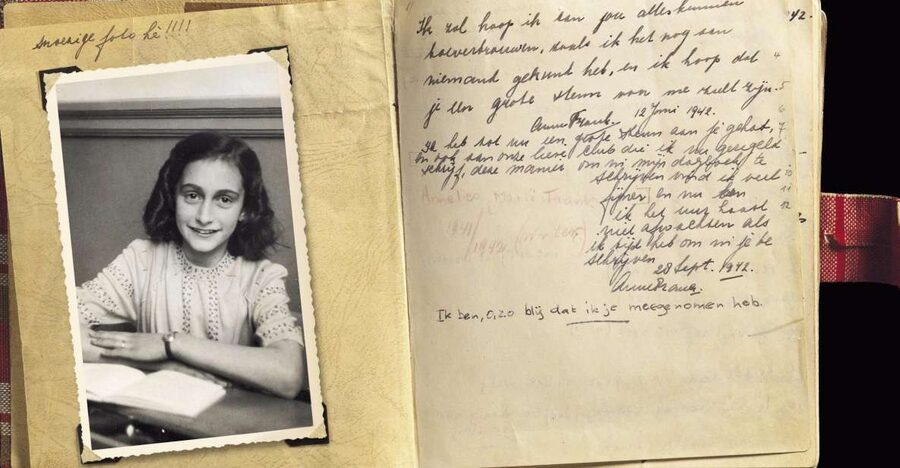
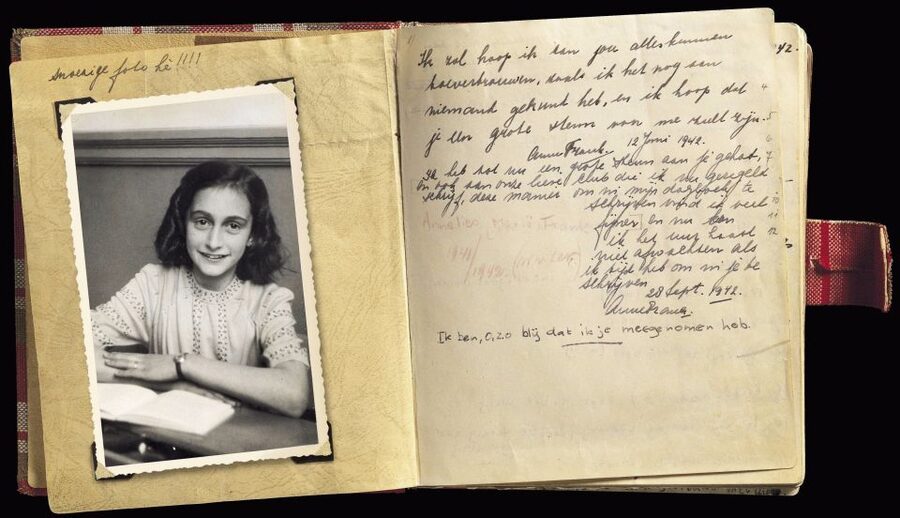
The heart of the experience is not just seeing places named on a map. It’s understanding how Amsterdam’s Jewish Quarter evolved over centuries, how Anne Frank’s family fit into that story, and how her writing traveled from hiding to global recognition. Your guide connects dots between architecture, institutions, memorials, and the specific timeline of the 1930s and 1940s.
You’ll hear about:
- Anne Frank’s love of writing
- her family, including the move from Germany
- the time she spent in hiding in Amsterdam
- her father’s life after the war and how he published her diary
- how the diary gained worldwide fame
Then the tour closes at the house of Anne Frank. You won’t be going inside as part of this ticket (entrance tickets are not included), but you will reach the exact “end point” so you can decide what to do next.
Nieuwmarkt en Lastage: the neighborhood backdrop you need first
The walk begins with a guided segment through Nieuwmarkt en Lastage. This is where you get the “why this area matters” setup. Rather than jumping straight to famous names, your guide lays out the background of the original Jewish Quarter and how the area changed over time.
This matters because Anne Frank’s story is often reduced to one diary and one hiding period. But the tour framework nudges you toward the wider reality: a community with institutions, rhythms, and public landmarks. Understanding that baseline makes the later stops—synagogues, museums, monuments—hit harder, because you’re not only seeing remnants. You’re seeing what was built and what was destroyed.
A possible drawback for some people: if you already know a lot of Amsterdam Jewish Quarter history, the beginning may feel like setup. Still, it’s a useful setup, because it gives you a map for everything that follows.
More private tours with a guide to yourself


Auschwitz Monument: a sober moment where the city forces reflection
One of the most serious stops is the Auschwitz Monument, Amsterdam. The guide spends about 15 minutes here, and that time is key. Memorials like this aren’t the place for rushing. You need space for context, names, and what the monument stands for in the Amsterdam landscape.
From the review pattern, I’d expect your guide to handle the subject with care and respect—people specifically mention guides who manage the heavy material thoughtfully and compassionately. That doesn’t make it lighter. It makes it clearer.
If you’re someone who gets overwhelmed by emotionally intense topics quickly, go in knowing the tour doesn’t try to soften the reality. It’s designed to be respectful, not cushioned.
Portuguese Synagogue: architecture tied to community life
Next comes the Portuguese Synagogue, another short guided stop focused on the Jewish Quarter’s religious and community presence. Seeing synagogues as buildings is one thing. Hearing how communities used institutions—then watching how later history affected them—adds a different layer.
This is one of those stops where the guide’s storytelling makes a visible difference. Several reviews mention guides who helped people visualize what the streets once looked like, and who could answer questions on the spot. If you’re curious about how Jewish life was organized in Amsterdam, this stop is a natural anchor.
Zuiderkerk and the surrounding streets: reading the city beyond the obvious
Zuiderkerk appears on the itinerary as another guided stop. The value here is how the guide frames it in relation to the neighborhood’s story and the broader context of the city. You’ll likely notice that Amsterdam’s center is full of landmark buildings, but without a guide, it’s easy to treat them as separate “pretty sights.”
This tour instead links landmarks into a timeline: community life first, then the pressures of the 1940s, then the way remembrance takes physical form in public spaces.
Jewish Historical Museum and the meaning of artifacts and testimony
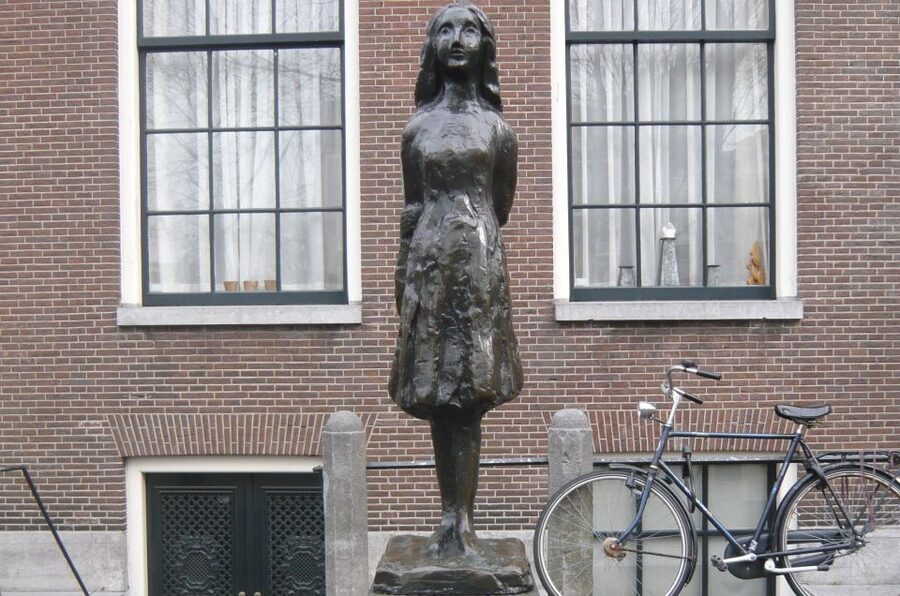
The Jewish Historical Museum (Joods Historisch Museum) is included as a guided stop. Even though you’re not necessarily spending museum-length time inside during a 15-minute segment, you still get a guided orientation to what you should watch for.
This is where a good guide turns a short stop into preparation. You’ll understand which themes matter and what kind of information the museum is known for—helping you use any future time there more effectively.
In the reviews, people mention that guides were interactive and took questions beyond the strict script. So if you’re the type who likes to ask “Okay, how does this connect to that?” this stop is a good one to use for that.
The Dokwerker and memorial geography: the city as a memory map
The itinerary also includes The Dokwerker, followed by the National Holocaust Names Monument. These are the kinds of stops that change how you “read” a city. Instead of treating Amsterdam like a backdrop, you start seeing it as a memory map—where locations carry meaning long after the events.
Your guide will spend time at each point (again, typically about 15 minutes), tying the locations together so the route doesn’t feel random. The Auschwitz Monument and the National Holocaust Names Monument bring a clear public remembrance focus, while stops like The Dokwerker help you understand how people and institutions are placed in the story of persecution and survival.
A practical consideration: because the emotions are real here, the tour benefits from staying present. If you’re trying to speed-skim and “just get through it,” you’ll miss what the guide is building.
Arriving at the Anne Frank House: what you’ll do next
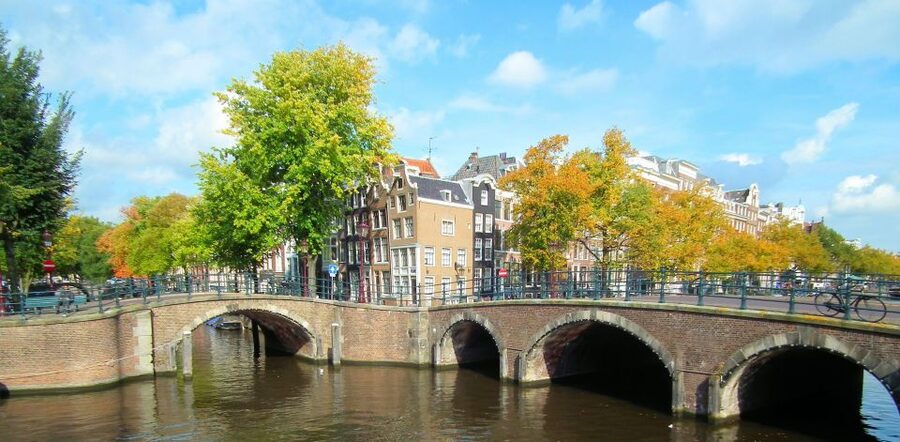
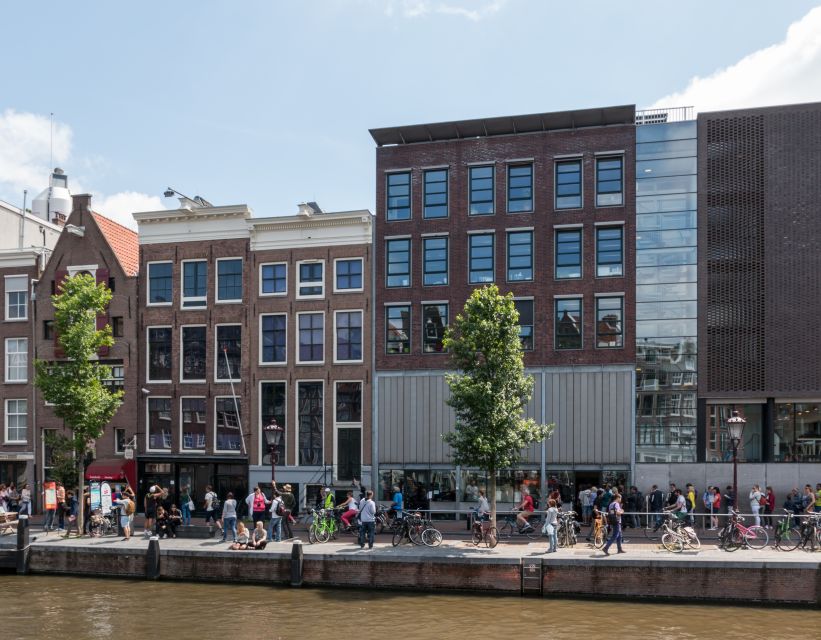
The tour ends at the house of Anne Frank. This is a big moment. After walking through synagogues, museum territory, and multiple Holocaust remembrance sites, you finally arrive at the place most people associate directly with Anne Frank.
But here’s the key planning detail: entrance tickets to the Anne Frank House are not included. So if your priority is to go inside, you’ll want to arrange tickets separately. The upside is you’ll be arriving with a much richer sense of context than if you showed up cold.
If your goal is simply to see the exterior area and learn the story, you may feel satisfied with the end point. If your goal is a full inside visit, treat this as your “story-building prelude” rather than the complete Anne Frank experience.
Price and value: why $25 can still feel worth it
At about $25 per person for a 2-hour private walking tour, the value is in focus and guidance quality. You’re paying for:
- a local guide
- a pre-timed route that includes major sights you might not connect yourself
- story structure tied to Anne Frank’s life and diary publication
In the reviews, the standout theme is how much information guides could fit into the time without losing sensitivity. People mention guides who used humor in small doses to keep the mood humane while staying respectful. Others praise guides who answered questions clearly and modified pacing when other groups were present.
That’s the part you should think about when deciding if $25 is “cheap” or “fair.” It’s not just the price. It’s whether you’ll get value from a guided, stop-by-stop interpretation of heavy history in a tight timeframe. If you want to understand the context rather than just check locations, this price can feel like a smart use of time.
Languages and the practical effect on your experience
The tour runs with live guides in English, Dutch, and Spanish. That matters more than it sounds. When the subject is complex and emotionally loaded, you want explanations that don’t get lost in translation.
In the reviews, guides are praised for communicating well with different nationalities. That suggests the tour approach works across language backgrounds, not just for one type of visitor.
If you’re choosing between languages, pick the one you can follow comfortably for details. You’ll hear family relationships, timeline points, and diary publishing context—small wording differences can matter.
Who should book this tour (and who might skip it)
This is a strong fit if you:
- want a structured walking tour of Amsterdam’s Jewish Quarter in a short time
- want Anne Frank’s diary story tied to real places, not only general facts
- appreciate a guide who handles heavy subject matter with care
- like asking questions and getting direct answers
It’s not necessarily the right choice if you:
- want a self-guided, quiet route where you spend long stretches at each site
- need a full Anne Frank House visit included in the same package
- dislike emotionally intense history and prefer lighter sightseeing on the day
Should you book the Anne Frank and Jewish Quarter private tour?
If your goal is to understand how Anne Frank’s story fits into Amsterdam’s Jewish Quarter—alongside synagogues, museums, and Holocaust memorial geography—this tour is an efficient, high-impact way to get oriented. The praise pattern is consistent: guides such as Aaron and James are highlighted for clear delivery, respect, and staying interactive even within a tight 2-hour format.
I’d book it if you’re trying to make your Amsterdam day make sense. Especially if you plan to visit the Anne Frank House afterward, this route gives you the context that makes that visit mean more. I’d skip or adjust plans if you’re mainly after an included Anne Frank House ticket or if you want a lighter itinerary.
FAQ
How long is the Amsterdam Private Anne Frank and Jewish Quarter Tour?
The tour lasts 2 hours.
Where do I meet the guide?
Meet your guide at the Hermitage pier, in front of the main entrance of the H’ART Museum next to the Amstel River.
What does the tour include?
It includes a local guide and a private tour.
Are Anne Frank House entrance tickets included?
No. Entrance tickets to the Anne Frank House are not included.
What stops are covered during the walking route?
The guided stops include Nieuwmarkt en Lastage, the Auschwitz Monument, the Portuguese Synagogue, Zuiderkerk, the Jewish Historical Museum, The Dokwerker, and the National Holocaust Names Monument, ending at the house of Anne Frank.
What languages are available?
Guides are available in English, Dutch, and Spanish.
Is there free cancellation?
Yes, you can cancel up to 24 hours in advance for a full refund.
More Tours in Amsterdam






More Tour Reviews in Amsterdam






The Jewish Quarter, Explored Further




Just added: fresh Amsterdam tour reviews





Anne Frank & Jewish Quarter, compared.
 ★ 4.8Amsterdam Anne Frank: Small-Group Walking Tour & Local GuideFrom $2912,789 reviews
 ★ 5.0Anne Frank’s Story – Guided Walking Tour through AmsterdamFrom $3911,619 reviews
 ★ 4.9Anne Frank Guided Walking Tour in DE/EN/IT/ESFrom $283,107 reviews
 ★ 4.8Anne Frank Guided Small Group Walking TourFrom $282,722 reviews
 ★ 5.0Anne Frank Walking Tour Amsterdam Including Jewish Cultural QuarterFrom $751,879 reviews
 ★ 5.0Anne Frank’s Last Walk & See Anne Frank House in Virtual RealityFrom $42957 reviews
 ★ 4.7Dutch WWII Resistance Museum Entry TicketFrom $21951 reviews
 ★ 5.0Anne Frank and Jewish Quarter Amsterdam Private Walking TourFrom $157684 reviews
Browse the lists this tour appears in