
Reviewed · WALKING TOURS
Amsterdam Old City Private Walking Tour
One quick walk shows how Amsterdam became a 17th-century powerhouse. This Amsterdam Old City private walking tour connects the medieval center, canal-city growth, and big cultural shifts in just two hours. I especially like the way the route uses architecture to explain power and money, and the personal touches from a guide who can steer you toward the details you care about. The only real drawback: with so much ground covered, you may finish wanting more time in your favorite neighborhood.
This is a private group tour (up to 10 people) with a live guide in English, Dutch, or German. You meet at Amsterdam Central Station, in front of the main entrance, and the pace is built for walking—not sitting. Keep in mind that luggage or large bags aren’t allowed, so pack light and wear comfortable shoes.
In This Review
- Key moments you’ll remember
- Meeting at Amsterdam Central: how the 2-hour route feels
- Reclaimed swamp to world power: Amsterdam’s story in plain terms
- Medieval center and the old city wall: seeing the city before the canals
- Old Church and Oude Manshuispoort: the stops that feel less touristy
- Herengracht and the East India Company: the 17th-century money trail
- Jordaan merchant houses and old pawn shops: wealth at street level
- Red Light District context: what you should pay attention to
- Begijnhof women’s homes: a quiet contrast point
- Old Jewish District meets Chinatown and Nieuwmarkt: multiple identities in one walk
- Price and logistics: is $265 per group worth it?
- Who this private walking tour suits best
- Should you book the Amsterdam Old City Private Walking Tour?
- FAQ
- How long is the Amsterdam Old City Private Walking Tour?
- How much does it cost?
- Where is the meeting point?
- What languages are available?
- Is the tour wheelchair accessible?
- Are food and drinks included?
Key moments you’ll remember
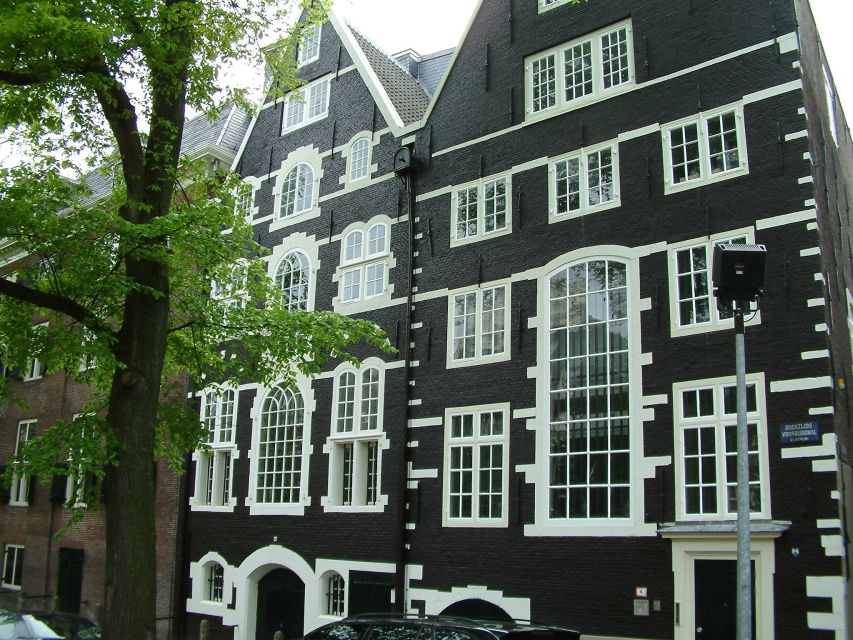
- Medieval center with the old city wall plus key historic landmarks
- Old Church and Oude Manshuispoort for a real feel of the older city fabric
- Canal storytelling on Herengracht and other historic canal areas
- Jordaan stop for merchant houses and old pawn shops
- Red Light District walk with context and respectful focus
- Begijnhof, old Jewish District, and Chinatown/Nieuwmarkt in one compact route
More of Amsterdam street by street, on foot
- Amsterdam Anne Frank: Small-Group Walking Tour & Local Guide
★ 4.8 · 12,789 reviews - Anne Frank’s Story – Guided Walking Tour through Amsterdam
★ 5.0 · 11,619 reviews - Absolutely Amsterdam – the Essential Introductory Walking Tour
★ 5.0 · 3,629 reviews - Amsterdam: Anne Frank Guided Walking Tour in DE/EN/IT/ES
★ 4.9 · 3,107 reviews
Meeting at Amsterdam Central: how the 2-hour route feels
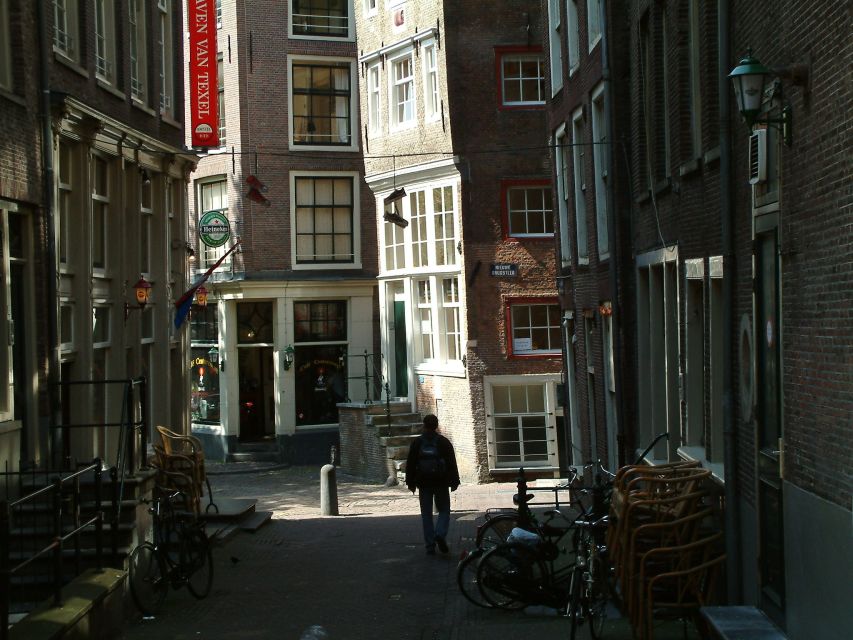
You start at Amsterdam Central Station, right by the main entrance. That matters because you’ll avoid any time lost with transit puzzles. From there, your guide shapes the day to your interests, but the core aim stays the same: get you oriented in the old city and explain how Amsterdam’s modern identity came from earlier choices—where land was reclaimed, how trade worked, and why the city grew so fast.
Two hours sounds short, and it is. But the design works well if you want a “city map in your head” by the end: medieval lanes, the canal logic, and the neighborhoods that define Amsterdam’s contrasts. It’s also a good length for anyone who wants history without committing to a half-day museum crawl.
Because it’s private and capped at 10 people, you also get a bit more back-and-forth than you’d in a large group. If you like asking why a building looks the way it does, or what a certain street name hints at, this format makes it easier.
Practical note: since large bags and luggage aren’t allowed, plan for hands-free walking. A small daypack is usually fine, but don’t bring heavy stuff you’ll have to carry the whole time.
Reclaimed swamp to world power: Amsterdam’s story in plain terms
The backbone of this tour is the big origin story: Amsterdam was built on reclaimed swamp land. The land was buried in mud, and getting the harbor working wasn’t easy at first. And yes, the connection to the North Sea wasn’t realized until the 19th century—meaning early Amsterdam’s growth happened under tougher geographic constraints than you might assume today.
Here’s what I think makes this part valuable: it turns Amsterdam from a postcard city into a problem-solving city. Your guide explains how a place with difficult access could still become a trading magnet and a major science and cultural center.
You’ll also get sharp numbers that help you picture scale. Around 1650, Amsterdam had about 220,000 inhabitants, making it the 3rd largest city in Europe. In a two-hour walk, that’s not trivia—it’s a framework for understanding why you see such grand canal-era homes and why the city’s wealth reshaped streets, institutions, and architecture.
You come away seeing the canals and merchant buildings as evidence of deliberate engineering and serious ambition, not just pretty scenery.
Medieval center and the old city wall: seeing the city before the canals
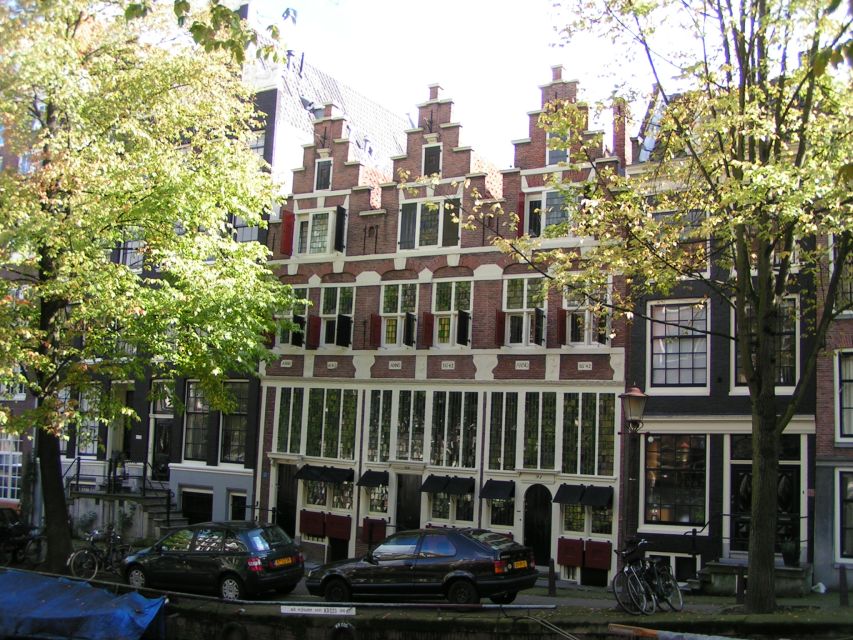
Once you’re moving through the medieval center, the tour starts feeling less like sightseeing and more like reading a street plan. You’ll walk through parts of the old city wall, which is a rare treat on a short, walking-only route.
This matters because Amsterdam’s layout has layers. Even if you only get a few minutes in each area, walking by the older boundaries gives you context for why some streets and passageways feel tight or angled and why certain neighborhoods grew in the ways they did.
Expect plenty of architecture-focused commentary—enough to satisfy history and building lovers, even if you’re not a full-on architectural nerd. The requirement to enjoy the tour is simple: an interest in architecture and history is enough.
If you’re the type who usually scrolls past street details, this tour nudges you to notice things you’d miss. The medieval core becomes a map for how later Amsterdam took shape.
The bigger picture: more Amsterdam city tours



Old Church and Oude Manshuispoort: the stops that feel less touristy
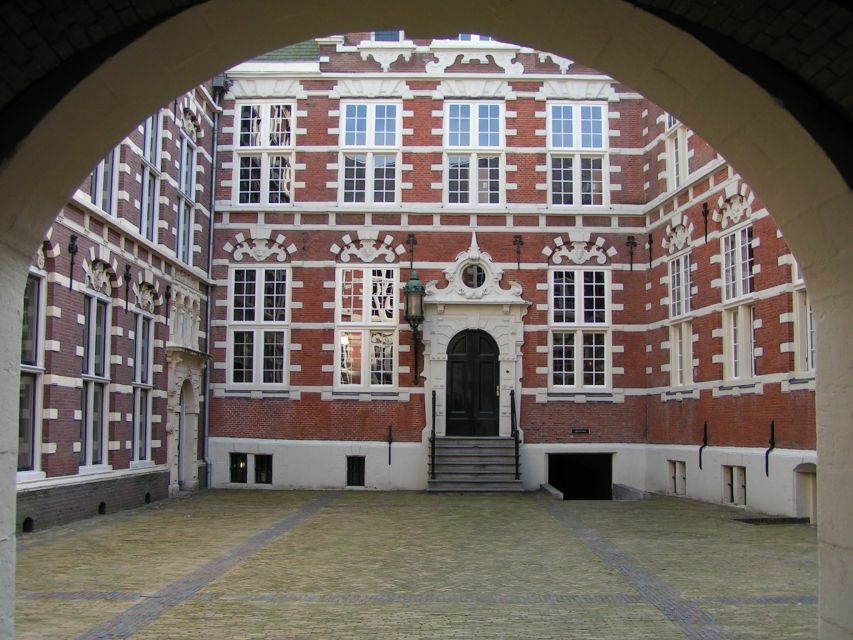
Among the landmarks on the walk are the Old Church and Oude Manshuispoort. These are the kind of stops that help you connect names and places to the city’s deeper structure.
Why these spots work on a private walking tour: you’re not just told what’s there—you’re given context while you’re standing right in front of it. That context is what turns a building name into a mental image you’ll remember later.
You’ll also have time for “hidden church” moments—smaller, less obvious religious buildings that you typically wouldn’t target on your own. This is one of the reasons the tour earns such strong satisfaction: it doesn’t restrict you to the biggest, most Instagram-friendly highlights.
A quick reality check: this is still a walking tour. You won’t linger for long photo sessions or extended interior visits unless your guide adjusts the pace for your group’s preferences. If you want a museum-level stop-and-stare experience, you’ll likely need a longer, separate plan.
Herengracht and the East India Company: the 17th-century money trail
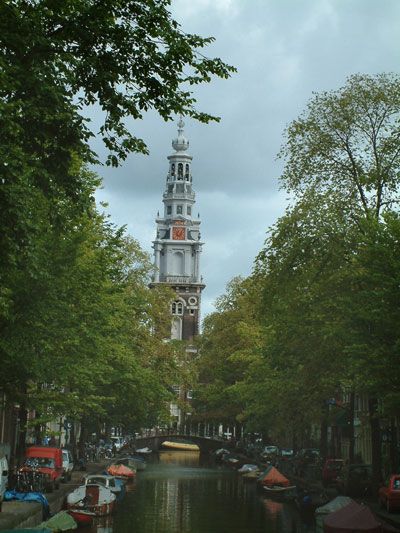
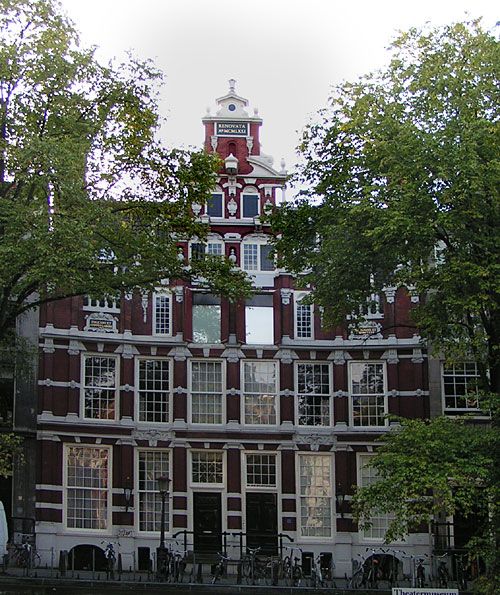
Here’s where Amsterdam history gets really visual.
Your guide points out 17th-century influences and key trade connections, including the Oostindisch Huis, described as the Amsterdam headquarters of the East India Company. Even if you don’t know the details of Dutch global trade, the presence of a “headquarters” building makes the story click: Amsterdam didn’t just prosper from shipping—it organized power around it.
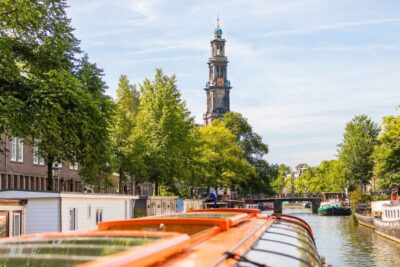
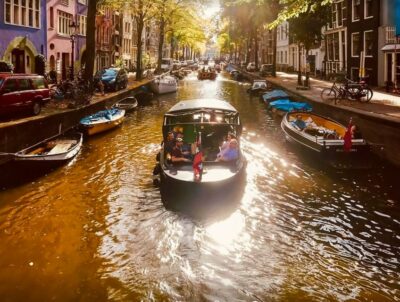
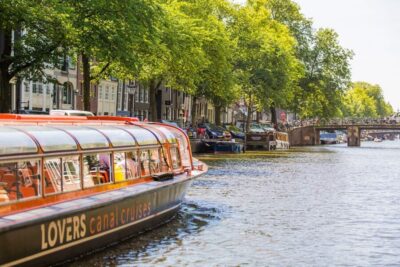
You’ll also walk along the Herengracht, one of the first three major canals of the city. Canals are more than canals here. They reflect how wealth moved, how property was organized, and how the city’s elite built their status into the built environment.
This part of the tour is particularly valuable if you like cause-and-effect. You start to understand why merchant houses look the way they do, why canal-adjacent areas became prestige zones, and why Amsterdam’s “world power” reputation traces back to the 1600s rather than arriving out of nowhere.
Jordaan merchant houses and old pawn shops: wealth at street level
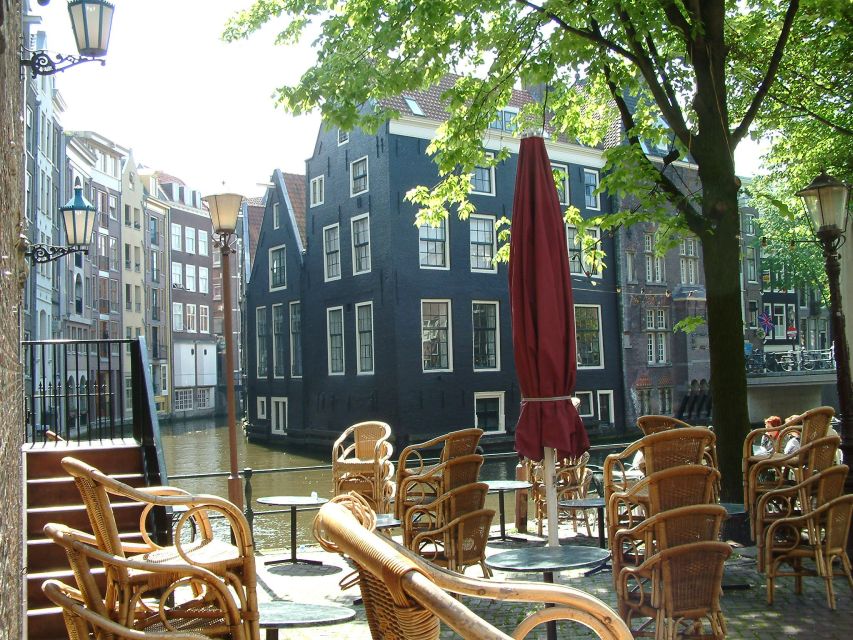
In the Jordaan area, your guide shows you handsome merchant houses and also stops near old pawn shops. That pairing is smart, because it keeps the story honest.
Canal-era prosperity can feel one-note if you only look at grand facades. Including pawn shops and everyday commercial details adds tension and texture. It hints at how money circulated—who benefited, who needed cash, and how a city built on trade still held tough corners.
In a two-hour visit, you won’t get to do a full neighborhood portrait. But you do get enough to change how you interpret what you see afterward. When you walk past a similar doorway later on your own, you’ll recognize the pattern of commerce and status that your guide explained.
This is also a good fit if you enjoy city character. One of the strongest impressions from the tour experience is the guide bringing “old Amsterdam” street knowledge—stories and observations that go beyond the usual top-ten landmarks.
Red Light District context: what you should pay attention to
Yes, the walk includes the infamous Red Light District. This isn’t framed as shock value. It’s part of the city’s real story, and your guide’s job is to explain the surrounding context so you’re not just passing through a headline.
What you should focus on during this stretch:
- Notice the street-level pattern—how the built environment supports the way the area functions.
- Listen for historical or social context your guide shares as you move through.
- Keep your own behavior respectful. This part of Amsterdam has a different tone than the canal-photo zones.
The practical win of including the Red Light District on a private tour is that you don’t end up stuck in it alone, guessing what to pay attention to. With a guide, you get direction on how to interpret what you’re seeing.
The drawback is also predictable: if you strongly dislike that theme, you might feel time pressure. Two hours is short enough that you can manage it, but you should still be honest with yourself about what makes you comfortable.
Begijnhof women’s homes: a quiet contrast point
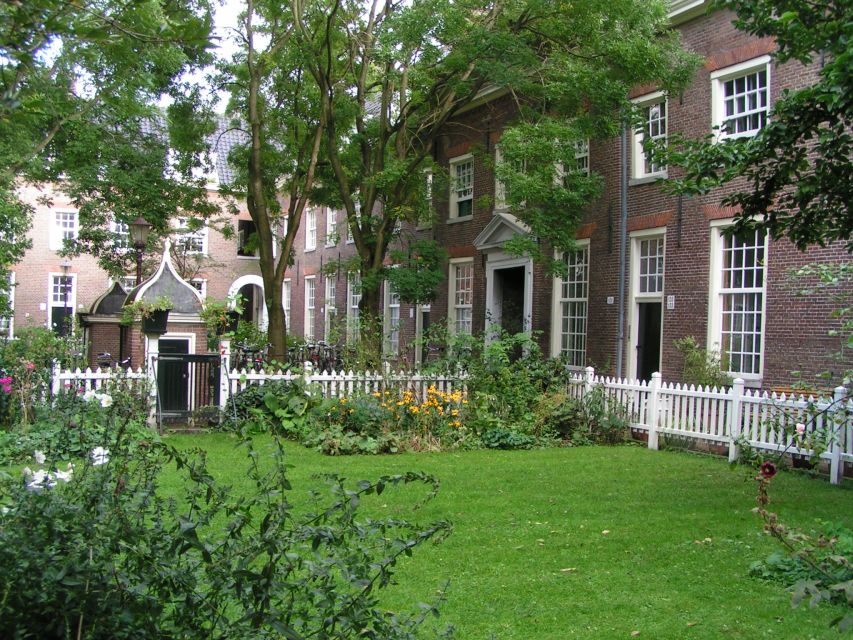
After the heavier, more public neighborhoods, the tour includes the Begijnhof women’s homes. This is one of those mental reset moments.
Even without going into museum-level explanations, a space like the Begijnhof changes your pace. The tour’s structure makes that contrast meaningful: you see Amsterdam as a city of commerce and institutions, then you get a calmer pocket that suggests how lives unfolded away from the most intense streets.
This is a stop that tends to land well in a short tour because it adds variety. You’re not just walking; you’re shifting atmospheres, which helps the overall story feel balanced instead of one long straight line of “big highlights.”
If you prefer quiet architecture and thoughtful atmosphere over party energy, this stop can be a highlight even if the rest of your walk includes noisier areas.
Old Jewish District meets Chinatown and Nieuwmarkt: multiple identities in one walk
One of the most efficient aspects of this tour is that it ties together the old Jewish District and then continues toward Chinatown and Nieuwmarkt along canal routes.
The route logic is what makes it work: Amsterdam’s neighborhoods don’t sit in isolation. They layer and connect, often with canals and street transitions acting like boundaries you can actually feel while walking.
As you move through these areas, your guide ties them to the city’s wider identity. You’re not just collecting neighborhood names. You’re learning how Amsterdam built a reputation as a hub for people, ideas, culture, and trade—and how those streams show up physically in streets and community areas.
Chinatown and Nieuwmarkt are especially useful in a two-hour framework because they broaden the tour beyond 17th-century merchant power. You still keep the “Amsterdam became Amsterdam” storyline, just with later, recognizable community textures.
If you’re visiting for the first time, this is a smart blend. It prevents the tour from feeling stuck in one era. You end with a sense that Amsterdam’s identity is layered across time.
Price and logistics: is $265 per group worth it?
The price is $265 per group, for up to 10 people, and the duration is 2 hours. That pricing can feel high if you’re thinking solo, but it can be a strong value if you’re sharing with friends or family.
Here’s the math in plain terms:
- At the maximum group size (10 people), it works out to about $26.50 per person for a private guide.
- If you’re only two or three people, your per-person cost rises fast, but you still get a private route and tailored pacing.
What you’re paying for isn’t just time—it’s the ability to connect architecture to story while walking through multiple districts in a short window. It’s also the guide flexibility. The tour is designed to adapt to your wishes, so if your group wants more canal emphasis or more neighborhood context, you’ll likely get that adjustment.
Also worth mentioning: the tour includes VAT, and it includes the guide for the full walk. Food and drinks are not included, so plan to eat after, not during.
A quick planning tip: since luggage or large bags aren’t allowed, plan a minimal carry plan and bring just what you need for two hours—water if you want it, and a phone for photos.
Who this private walking tour suits best
This tour fits you well if:
- You like architecture and history and want context while you walk.
- You want a fast, guided route through major Amsterdam neighborhoods without building a DIY itinerary.
- You enjoy when a guide can add personal, street-level stories. A strong impression from the guide style is the ability to talk like an insider about how the city changed over time, including more recent decades.
It’s less ideal if:
- You want long stops inside multiple sites.
- You’re uncomfortable with the Red Light District theme and want to avoid it entirely.
- You need a very relaxed pace. This walk is a curated route, not a wandering stroll.
Language options are practical too: English, Dutch, or German. And since it’s wheelchair accessible, it can work for visitors who need that option, as long as the walking pace and route fit your mobility needs.
Should you book the Amsterdam Old City Private Walking Tour?
If you want an efficient, guided walkthrough of Amsterdam’s old core plus major identity neighborhoods—medieval center, canals, Jordaan, Red Light District context, Begijnhof, old Jewish District, and Chinatown/Nieuwmarkt—this is a solid booking choice.
Book it if you value guidance that links what you see (churches, canals, merchant houses) to why Amsterdam became what it is. Skip it if you’re planning to spend most of your trip on museums and prefer deep time in fewer places, because this is built for breadth in two hours.
My bottom line: this tour is best as your first-or-second Amsterdam neighborhood framework. It helps you understand what you’re looking at on day one, so you can explore with better instincts afterward.
FAQ
How long is the Amsterdam Old City Private Walking Tour?
The tour lasts 2 hours.
How much does it cost?
It costs $265 per group, up to 10 people.
Where is the meeting point?
Meet at Amsterdam Central Station, in front of the main entrance.
What languages are available?
The live guide offers English, Dutch, and German.
Is the tour wheelchair accessible?
Yes, it is wheelchair accessible.
Are food and drinks included?
No. Food and drinks are not included.
More Amsterdam Walking Routes






More Tours in Amsterdam




More Tour Reviews in Amsterdam






Just added: fresh Amsterdam tour reviews





Walking Tours, compared.
 ★ 4.8Amsterdam Anne Frank: Small-Group Walking Tour & Local GuideFrom $2912,789 reviews
 ★ 5.0Anne Frank’s Story – Guided Walking Tour through AmsterdamFrom $3911,619 reviews
 ★ 5.0Absolutely Amsterdam – the Essential Introductory Walking TourFrom $53,629 reviews
 ★ 4.9Anne Frank Guided Walking Tour in DE/EN/IT/ESFrom $283,107 reviews
 ★ 4.8Anne Frank Guided Small Group Walking TourFrom $282,722 reviews
 ★ 4.9Cultural Highlights Walking TourFrom $302,629 reviews
 ★ 4.2Ganja Walking TourFrom $402,127 reviews
 ★ 5.0Anne Frank Walking Tour Amsterdam Including Jewish Cultural QuarterFrom $751,879 reviews
Browse the lists this tour appears in