Reviewed · RED LIGHT DISTRICT TOURS
Red Light District tour in Amsterdam
One street can tell a whole city’s story. This Red Light District walking tour helps you understand Amsterdam’s grown-up tolerance, not just the headlines. You’ll get a guided route around the area’s outer edges, with context for prostitution, coffee houses, and how the neighborhood changed over time.
What I like most is the small group size (up to 15) and the way the guide keeps a relaxed pace while answering real questions. I also like that the tour isn’t trying to shock you; it frames the district as part of Amsterdam’s legal, social, and historical story.
One drawback to plan for: due to city rules since 2020, you won’t enter the Red Light District itself, so you won’t be viewing sex workers up close. Instead, you’ll get a map for the last stretch to explore respectfully on your own if you choose.
In This Review
- Key Things to Know Before You Go
- Why This Red Light District Walk Feels Like Real Amsterdam
- Price and Value for 90 Minutes at Night
- Meeting at Bistro Berlage and Keeping a Comfortable Pace
- The Main Rule Since 2020: You Don’t Enter the Red Light District
- Stop-by-Stop Route: De Wallen to Coffee Houses and Chinatown
- Stop 1: De Wallen (Outer Understanding of the District)
- Stop 2: Dam Square and the Origins of Coffee Shop Culture
- Stop 3: Warmoesstraat and the Old Church Glimpse
- Stop 4: Zeedijk and the Shift from Danger to Favorite
- Stop 5: Nieuwmarkt and the Legalization Story
- Stop 6: Kloveniersburgwal and How Coffee Shops Fit the Rules
- Stop 7: Paulusbroederssluis and Your Map for the Last Stretch
- Coffee Houses Aren’t a Side Story Here
- Guides Who Make the Topic Land: Carlos, Nadav, David, Valeria, and Manouk
- What to Expect From the Format (and When It Might Feel Like a Lecture)
- The Group Size Advantage: Easier Q&A, Easier Comfort
- Should You Book This Red Light District Tour?
- FAQ
- How long is the Red Light District walking tour?
- Where does the tour start and end?
- Is the tour in English?
- What’s the price per person?
- Do I get a map or anything to use after the tour?
- Will the tour take me into the Red Light District itself?
- How big is the group?
- What should I do if I want to explore on my own afterward?
- Is the walking tour fairly easy?
- Is free cancellation available?
Key Things to Know Before You Go
- Outskirts walking, not inside access: you circle the area and learn what you can’t physically see on a tour.
- Coffee shop origins at Dam Square: the guide connects coffee-house culture to Amsterdam’s tolerance story.
- Seven focused stops: De Wallen, Dam Square, Warmoesstraat, Zeedijk, Nieuwmarkt, Kloveniersburgwal, and Paulusbroederssluis.
- Up to 15 people: small enough to ask questions without feeling like a lecture hall.
- English mobile ticket + map: you carry what you need and still get a self-guiding option after.
- A funny little gift: one example mentioned is a novelty gummy in a genital shape.
The old town after dark: more Red Light District walks
- Amsterdam: Red Light District Tour in DE/EN/IT/ES/FR
★ 4.9 · 7,136 reviews - Amsterdam: Red Light Secrets Museum Entry Ticket
★ 4.2 · 5,722 reviews - Amsterdam Red Light District & Coffee Shop Tour
★ 4.6 · 4,134 reviews - Amsterdam: Red Light District Pub Crawl with Unlimited Shots
★ 4.1 · 2,130 reviews
Why This Red Light District Walk Feels Like Real Amsterdam
Amsterdam has a reputation for being liberal, but it’s easy to reduce that to a slogan. This tour gives you the street-level version: why sex work became concentrated in a specific sacred-feeling zone, and how the city built a framework around it.
The other big win is that you don’t just hear sex-related facts. You also hear how coffee houses fit into the same broader culture of tolerance—plus what that tolerance looks like in practice, not theory.
Price and Value for 90 Minutes at Night
At $31.44 for about 1.5 hours, this is a fair price for a niche, guided topic with a structured route. The value comes from two things: the guide’s interpretation (the why behind the what) and the fact that you leave with a map for any self-guided time after the tour.
If you’re the kind of traveler who likes context—law, history, and how neighborhoods evolve—this pricing makes sense. If you’re expecting a “see everything” experience inside the district, you should adjust expectations first, because city regulations limit what a guided group can do.
Meeting at Bistro Berlage and Keeping a Comfortable Pace
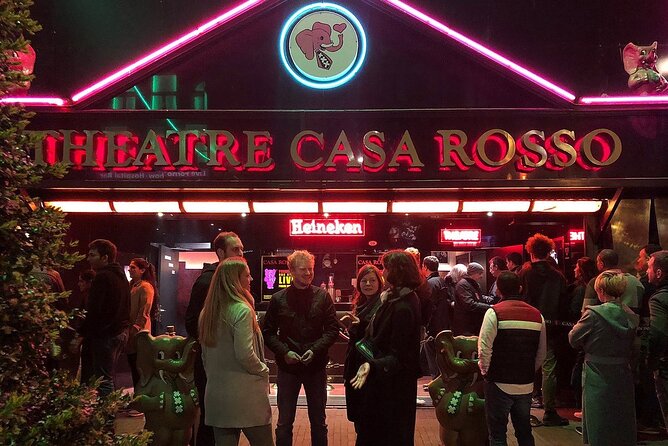
You start at Bistro Berlage on Beursplein, and the tour ends back there. It’s a walking experience, but Amsterdam is famously flat, and the route is paced so you can keep up without sprinting between stops.
The time on the street is real: the group strolls between highlights while the guide talks. That said, you should still wear comfortable shoes, especially if you’re joining in rain or colder months.
The Main Rule Since 2020: You Don’t Enter the Red Light District
This is the part you must understand before you buy. Tours have been prohibited from entering the Red Light District since 2020, so your guide stays around the outskirts.
What you still get is useful: you learn what the district is historically known for, how Amsterdam developed its reputation for a liberal attitude toward sex, and where to look (and where not to) once you’re on your own. If you’re respectful, the map helps you continue without turning the neighborhood into a grab-bag tourist attraction.
Stop-by-Stop Route: De Wallen to Coffee Houses and Chinatown
The walk is organized into short stops with a constant theme: how Amsterdam’s tolerance was built, regulated, and changed. Here’s what each point adds, and what to watch for so you get your money’s worth.
Stop 1: De Wallen (Outer Understanding of the District)
You begin in the De Wallen area, where the tour explains why sex workers chose to settle in that particular zone. The guide also connects the district to Amsterdam’s broader reputation for liberal attitudes around sex—so you’re not just hearing gossip, you’re hearing how a city justifies and organizes a controversial reality.
Because the tour can’t go inside, your “view” is more about understanding the layout and significance than seeing everything firsthand. If you come expecting photos of storefronts, you’ll likely feel disappointed.
Stop 2: Dam Square and the Origins of Coffee Shop Culture
Dam Square is where the guide pulls the story toward coffee. You’ll hear about where the idea of the coffee shop originated and how this place once functioned as a center for tolerance and freedom.
This stop matters because it helps you see Amsterdam as consistent rather than random. The district isn’t treated as an isolated shock zone—it’s placed inside the city’s longer culture of regulation and acceptance.
Stop 3: Warmoesstraat and the Old Church Glimpse
Warmoesstraat is one of the older streets, and now it functions as an entertainment center. The tour also helps you spot the Old Church from the street, which is a nice palate cleanser after more intense topics.
A practical takeaway: this stretch shows how neighborhoods layer history on top of modern nightlife. It’s also a reminder that Amsterdam isn’t only about one district; it’s about how one street can carry centuries.
Stop 4: Zeedijk and the Shift from Danger to Favorite
Zeedijk is where the tour talks about Chinatown and how the area was once considered one of the most dangerous parts of Amsterdam during the 1970s. You’ll learn what caused that decline and how the street transformed into a favorite spot for many Amsterdammers.
This stop is also a useful reality check. Cities change. People move in. The same streets can shift from fear to fun over time, depending on economics, policing, and community life.
Stop 5: Nieuwmarkt and the Legalization Story
At Nieuwmarkt, the guide covers the legalization of prostitution and the challenges sex workers face today. This is where the tone can turn more serious, because it moves from “history and culture” to “how the system plays out for real people.”
If you only want light entertainment, you might find this section heavier than expected. If you want understanding, this stop tends to be one of the most meaningful.
Stop 6: Kloveniersburgwal and How Coffee Shops Fit the Rules
On Kloveniersburgwal, you get the tour’s coffee-house focus in a more direct way. You’ll learn why coffee shops are so important culturally, and you’ll also hear the basics of their legal status.
This is a great stop if you’re trying to separate myths from how things actually work. The guide’s goal isn’t to sell you a lifestyle—it’s to explain the Amsterdam logic behind it.
Stop 7: Paulusbroederssluis and Your Map for the Last Stretch
Finally, at Paulusbroederssluis, you receive the map and guidance for discovering the area yourself. This is where you can choose how far you want to go while keeping things respectful and low-key.
This stop is practical. It helps you turn the tour into usable navigation, not just a set of facts you forget by the end of the day.
Coffee Houses Aren’t a Side Story Here
Amsterdam’s coffee-house culture gets folded into the tour on purpose. The guide explains their significance and traces the concept’s roots, connecting it to the city’s reputation for tolerance.
You’ll also hear about their legal status, which is important if you’ve been getting mixed messages from the internet. The best part is that the guide doesn’t treat coffee shops as a gimmick; they’re shown as part of the same broader framework that shaped how Amsterdam handles controversial topics.
Guides Who Make the Topic Land: Carlos, Nadav, David, Valeria, and Manouk
This tour’s quality seems to track strongly with the guide. Different guides bring different energy, but a common thread shows up in how they handle questions and make the material feel human.
Names that came through in the guides include Carlos, Nadav, David, and Valeria. And a guide called Manouk is tied to many of the strongest write-ups for blending humor with empathy and staying respectful even when the subject gets awkward.
What I’d watch for on your side: if your group has lots of questions, the tour may feel slower and more conversational. If your group stays quiet, the walk can move a bit faster. Either way, you should get the core story points.
What to Expect From the Format (and When It Might Feel Like a Lecture)
Most of the time, it’s walking plus short stops where the guide explains what you’re seeing nearby. That’s great because you can absorb context while moving through real streets.
That said, at least some people found parts more like standing-and-listening than strolling. If you’re the type who learns best by exploring on your feet, come ready to keep moving and to ask questions at each stop. If you’re okay with a guided talk in the middle of the street, you’ll likely enjoy the structure.
The Group Size Advantage: Easier Q&A, Easier Comfort
With a maximum of 15 travelers, you’re not stuck talking only to the guide from the back row. Small groups also help the pace feel manageable, and it’s easier to ask questions without feeling rushed.
One more benefit: smaller groups can make the experience feel more respectful. The Red Light District topic can get awkward fast if everyone treats it like a theme park. The format here is designed to keep it grounded.
Should You Book This Red Light District Tour?
Book it if you want a guided explanation of Amsterdam’s tolerance—especially how prostitution and coffee-house culture became part of the city’s story. It’s also a smart pick if you’d rather understand the neighborhood than try to force a voyeuristic experience that the city doesn’t allow.
Skip it if your main goal is to enter the Red Light District area during the tour. City rules mean you’ll be walking around the outskirts and relying on the map for any self-guided viewing.
If you do book, plan to go in with curiosity and respect. Wear comfortable shoes, bring questions, and treat the route like context-building. You’ll come away with a clearer sense of how Amsterdam thinks—not just what it’s known for.
FAQ
How long is the Red Light District walking tour?
The tour lasts about 1 hour 30 minutes.
Where does the tour start and end?
It starts at Bistro Berlage, Beursplein 1, 1012 JW Amsterdam, and it ends back at the meeting point.
Is the tour in English?
Yes. The tour is offered in English.
What’s the price per person?
The price is $31.44 per person.
Do I get a map or anything to use after the tour?
Yes. You receive a map with information for the last stretch of the tour.
Will the tour take me into the Red Light District itself?
No. Tours have been prohibited from entering the Red Light District since 2020, so the tour goes to the outskirts.
How big is the group?
There is a maximum group size of 15 travelers.
What should I do if I want to explore on my own afterward?
The tour ends back at the meeting point, and you’ll be given a map so you can discover the famous area yourself in the last stretch.
Is the walking tour fairly easy?
The tour is described as suitable for travelers with moderate physical fitness, and it’s a walking experience on flat ground.
Is free cancellation available?
Yes. You can cancel up to 24 hours in advance for a full refund.
More Tours in Amsterdam



More Tour Reviews in Amsterdam

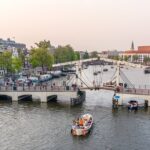


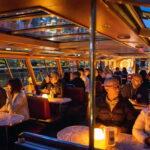
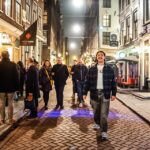
The Red Light District After Dark



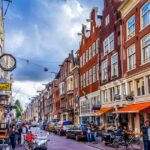
Just added: fresh Amsterdam tour reviews




Red Light District Tours, compared.
 ★ 4.9Red Light District Tour in DE/EN/IT/ES/FRFrom $287,136 reviews
 ★ 4.2Red Light Secrets Museum Entry TicketFrom $175,722 reviews
 ★ 4.6Amsterdam Red Light District & Coffee Shop TourFrom $294,134 reviews
 ★ 4.1Red Light District Pub Crawl with Unlimited ShotsFrom $242,130 reviews
 ★ 4.5Amsterdam Red Light District Pub CrawlFrom $241,497 reviews
 ★ 4.6Red Light District Tour in English or GermanFrom $341,228 reviews
 ★ 4.1After Dark Red Light District TourFrom $571,030 reviews
 ★ 5.0Private Amsterdam Red Light District and Coffee Shop TourFrom $41763 reviews
Browse the lists this tour appears in