
Reviewed · RED LIGHT DISTRICT TOURS
MUST DO: Amsterdam’s Red Light District tour with a local
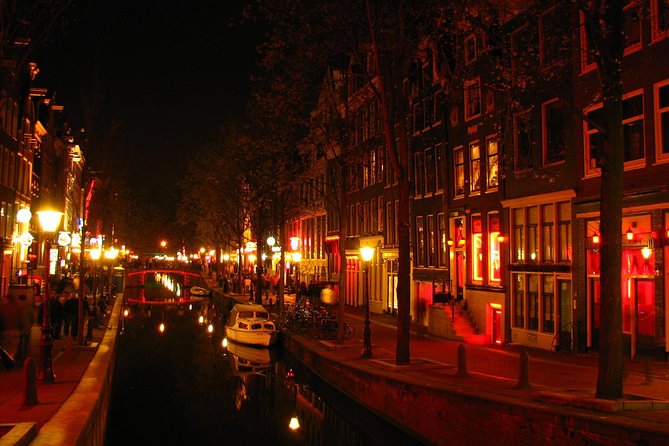
Amsterdam looks different after dark.
This Red Light District tour with a local guide takes you through narrow streets while explaining how the area evolved and what the city is dealing with today. I especially like the mix of Old Town landmarks and street-level context, because you’re not just passing by—you’re learning what you’re seeing as you walk.
Two things really click for me: the expert-led stories (you get names, dates, and why certain buildings matter) and the simple fact that it’s on foot, which makes the atmosphere feel real. The main thing to consider is that this is an adult neighborhood and the sights can be uncomfortable for some people, so bring a flexible mindset.
In This Review
- Key Highlights You’ll Feel Right Away
- Why This 2-Hour Red Light District Tour Feels Like Good Use of Time
- The Starting Point at Geldersekade 2: Getting Your Bearings Fast
- Stop 1: Red Light District Streets With Local Context
- Dam Area and the Wooden-Pole Foundation Story
- Pub The Ape (Int Aepjen): 1540 and the Fire Aftermath
- The Waag: From City Gate to Guild Power
- The Smallest House of Amsterdam and VOC-Era Storage
- The Condom Shop Since 1987: Modern Retail in a Historic Street
- Guides Matter: Names You Might Hear During the Walk
- Price and Value: What $31.32 Gets You
- Who This Tour Is Best For (and Who Should Rethink)
- Should You Book This Red Light District Tour?
- FAQ
- How long is the Red Light District tour?
- What is the price per person?
- Where does the tour start and end?
- Is the tour offered in English?
- Is the tour suitable for limited mobility?
- Is food and drinks included?
Key Highlights You’ll Feel Right Away
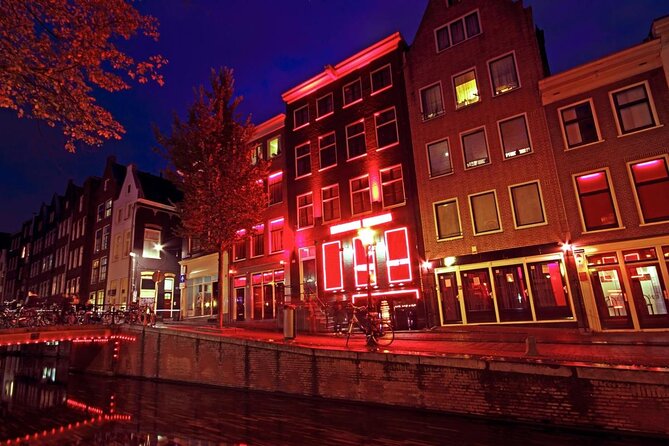
- After-dark pacing that helps you see a side of Amsterdam most people only glance at
- Expert local interpretation of the area’s past and present, tied to specific stops
- Iconic Old Town structures like the Waag and the Pub The Ape
- Amsterdam’s wooden foundation story at the Dam area, tied to how the city was built
- Modern sexual health retail context, including a condom shop active since 1987
- Group size stays small (maximum 20), so you can actually hear the guide
The old town after dark: more Red Light District walks
- Amsterdam: Red Light District Tour in DE/EN/IT/ES/FR
★ 4.9 · 7,136 reviews - Amsterdam: Red Light Secrets Museum Entry Ticket
★ 4.2 · 5,722 reviews - Amsterdam Red Light District & Coffee Shop Tour
★ 4.6 · 4,134 reviews - Amsterdam: Red Light District Pub Crawl with Unlimited Shots
★ 4.1 · 2,130 reviews
Why This 2-Hour Red Light District Tour Feels Like Good Use of Time
Two hours sounds short until you’re walking Amsterdam’s tight lanes and squares. That’s the point here: you get enough time to orient yourself and understand what you’re looking at, without turning it into an all-night event.
I like that the tour is priced at $31.32 per person for a guided walking experience. In a city where many paid tours are either long or thin on specifics, this one leans practical: a compact route with named landmarks and a guide who connects them to the neighborhood’s story.
The added value is the evening focus. Amsterdam’s atmosphere changes after dark—street life, lighting, and how people move through the area all feel different. If you want the Red Light District to make sense instead of just look shocking, this timing helps.
The Starting Point at Geldersekade 2: Getting Your Bearings Fast
You’ll meet at Geldersekade 2, 1012 BH Amsterdam, and the tour ends back at the same spot. That matters more than it sounds. In the Red Light District area, lanes and canal-side streets can turn into a maze quickly, so a loop that returns to the start makes it easier to meet up, grab a drink afterward, or continue exploring nearby.
This tour also uses a mobile ticket, which is convenient if your phone is your travel tool for everything else. And since it’s near public transportation, you’re not stuck hunting for a tram or walking a long distance in the dark before the tour begins.
One practical heads-up: it’s not recommended for limited mobility, so if stairs, cobblestones, or uneven sidewalks are a problem for you, plan differently.
Stop 1: Red Light District Streets With Local Context
Your core route is a walk through the Red Light District, where you’ll see sights and learn the history and current situation of the area. This is the part that most people come for, but it’s also the part that can be misunderstood if you show up with zero context.
The guide’s job is to give you a framework so the street-level details land. You’re not only noticing what’s in windows; you’re understanding how the neighborhood’s role shifted over time, and why today looks the way it does. That’s what turns a walk into a real learning experience.
Also, this isn’t only about sex-industry imagery. One strong theme from guidance styles people experienced on this tour is that it’s about the district as a whole—people, buildings, and the way the city functions around it. That balance can make the walk feel more humane and less like a checklist.
What you might find useful during the walk: if you’re coming from another part of Amsterdam, give yourself time to slow down. The pace works best when you listen first and photograph second.






Dam Area and the Wooden-Pole Foundation Story
Along the route, you’ll hit the Dam area, tied to Amsterdam’s famous “city built on trees” idea. Amsterdam’s ground is mostly fen and clay, so older buildings needed wooden poles driven deep—around 11 meters—until they reached a more solid layer of sand.
This stop is valuable because it explains something you’ll see all over Amsterdam: buildings that seem permanent, standing on foundations that required serious engineering. It’s not just trivia. When you understand how the city was built on shifting soil, the historical architecture stops feeling random and starts feeling intentional.
You’ll also learn that this area is part of Amsterdam’s Old Town, which means it’s closer to the city’s earliest layers. That matters for your understanding of the Red Light District too. When you’re walking through historic streets, the neighborhood’s location isn’t just an accident—it’s tied to how Amsterdam grew.
Pub The Ape (Int Aepjen): 1540 and the Fire Aftermath
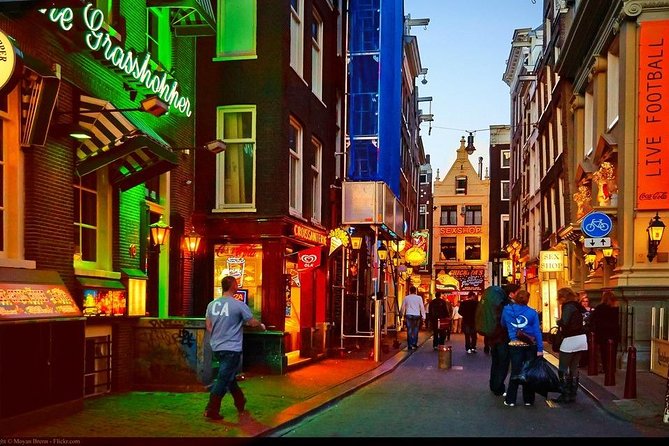
One of the most specific stops is Pub The Ape (Int Aepjen), built around 1540. The cool detail here is why it’s special: it’s one of only two remaining wooden buildings in Amsterdam.
Why does that matter? Because a big fire in 1452 pushed the government toward brick facades. So when you stand near a remaining wooden structure, you’re seeing a physical reminder of what changed in the city after disaster.
This is also a good stop for perspective. You’ll likely notice how the district wraps around older city fabric instead of replacing it. The result is a neighborhood that can feel layered: medieval survivals next to modern businesses, with all of it living in the same narrow streetscape.
The Waag: From City Gate to Guild Power
Next up is the Waag, once used as one of Amsterdam’s city gates and part of the defensive wall. Built around the 1400s, it’s described as the second oldest building in Amsterdam.
Later, it became a center for guilds—craftsman organizations—stuff happening around the square tied to how people worked and traded. That means this isn’t just a pretty facade stop. It connects the neighborhood’s street life to the economics of the city.
For you, the takeaway is simple: Amsterdam’s Red Light District isn’t floating in a vacuum. It sits in a historically dense part of the city, where trade, defenses, and guild identity shaped the street plan long before anyone thought of it as a tourist magnet.
The Smallest House of Amsterdam and VOC-Era Storage
You’ll also see the smallest house of Amsterdam, built around the 1700s. It started as storage for the VOC trading company, and later people lived in it for a long time.
This stop works because it gives you a human scale to history. The VOC connection points to Amsterdam’s role in global trade, while the tiny-house living reminds you that city life was never only for the wealthy.
It also helps you connect architecture to reality. When a neighborhood becomes known for one kind of activity, it can erase the quieter layers underneath. The smallest house is one of those layers that pulls the story back into focus.
The Condom Shop Since 1987: Modern Retail in a Historic Street
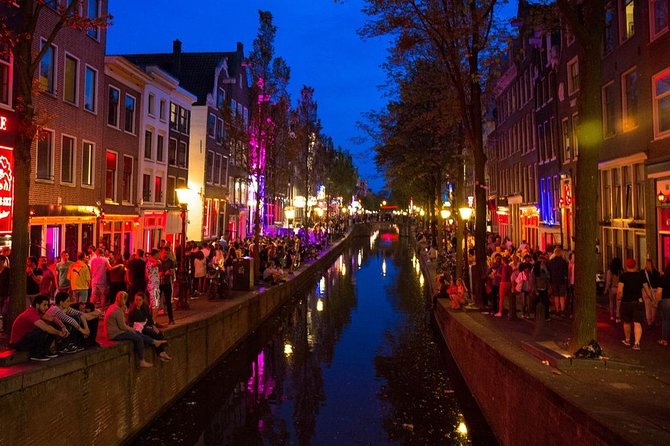
One stop is the world’s first condom shop focused on condoms, operating since 1987. The tour highlights that you can get different sizes and specialty condom options.
This part might be surprisingly practical for you. It shows how the city handles intimacy and sexual health in real-world, commercial terms—not just as a cultural topic. In other words, it frames the Red Light District with the kind of everyday infrastructure that big cities rely on.
And because this is an adult neighborhood, it can help to know what to expect before you arrive. If you’re the kind of person who likes facts over shock, this stop can turn anxiety into understanding.
In one experience report, a cannabis shop visit was mentioned as part of the tour as well. I’d treat that as something that can vary by guide or routing, but it’s a useful detail if you’re curious about how the area’s modern retail scene works alongside the older landmarks.
Guides Matter: Names You Might Hear During the Walk
A good guide can turn awkward streets into meaningful context. People described guides like Ben, Robin, Sander, and Max as especially strong—clear history, lively anecdotes, and a good sense of humor.
I like that some guides also added local tips. That’s real value after the tour ends, because it helps you move through the neighborhood with more confidence and less aimless wandering.
One note from experience summaries: when sound is an issue, it can make the tour less enjoyable. If you want to hear clearly, stand where the group naturally clusters and don’t drift to the outer edges.
Price and Value: What $31.32 Gets You
At $31.32 for about 2 hours, this tour is positioned as a focused walking experience rather than a long multi-hour deep dive. That’s not a weakness here. It’s a good match for people who want context without burning half a day.
You’ll want to know what’s included: the tour is a 2-hour walking tour, with a free ticket admission referenced for the Red Light District stop. What’s not included is food and drinks—so plan to eat before or after.
Also, the tour is booked about 47 days in advance on average, which signals steady demand. If you’re traveling at peak times, booking early is a safe move so you don’t end up searching for last-minute availability in the evening.
Who This Tour Is Best For (and Who Should Rethink)
This is a great fit if you’re curious about how Amsterdam’s street-level life connects to history. You’ll likely enjoy it if you like architecture, city planning details like wooden foundations, and guided storytelling that ties landmarks together.
It’s also a good choice for people who don’t want a long day program. The 2-hour format works well as an evening activity, especially if you already know you want to see the Red Light District but don’t want to go in blind.
It’s not ideal if limited mobility is an issue, since it’s explicitly not recommended. It may also be a tougher fit if adult themes make you tense. You can still choose to go, but show up ready to keep your mind open and your boundaries clear.
One more thought: some people used it as a learning experience even for a teen, but others suggested the later/after-dark version is more adult. If you’re bringing a younger person, I’d think carefully about your comfort level with adult neighborhood context.
Should You Book This Red Light District Tour?
Yes, if you want a guided walking experience that makes the area understandable through specific landmarks—Dam foundations, Pub The Ape, the Waag, the smallest house, and that condom shop since 1987. The 2-hour format is also a strong plus if you want value without turning it into an all-day plan.
I’d say consider skipping or choosing another format if you have trouble with uneven walking surfaces, or if the adult nature of the neighborhood will likely overwhelm you. But for most adults who can handle a frank, local perspective, this is one of the more practical ways to see Amsterdam’s Red Light District with your brain switched on.
If you book, do one thing that makes a difference: arrive on time. Meeting on time helps the group start smoothly, and it protects the experience for everyone.
FAQ
How long is the Red Light District tour?
The tour is listed as about 2 hours.
What is the price per person?
The price is $31.32 per person.
Where does the tour start and end?
It starts at Geldersekade 2, 1012 BH Amsterdam, and ends back at the same meeting point.
Is the tour offered in English?
Yes, it’s offered in English.
Is the tour suitable for limited mobility?
No. It’s not recommended for travelers with limited mobility.
Is food and drinks included?
No. Food and drinks are not included.
More Tours in Amsterdam






More Tour Reviews in Amsterdam






The Red Light District After Dark



Just added: fresh Amsterdam tour reviews





Red Light District Tours, compared.
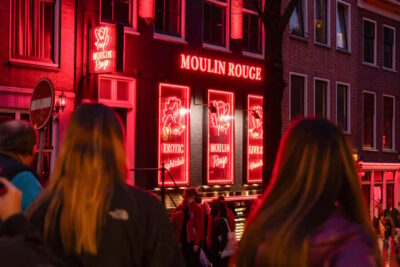 ★ 4.9Red Light District Tour in DE/EN/IT/ES/FRFrom $287,136 reviews
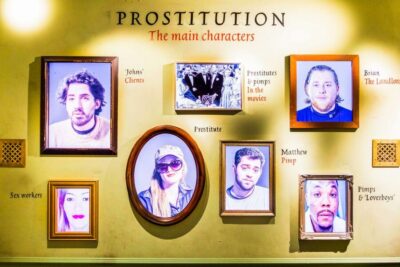 ★ 4.2Red Light Secrets Museum Entry TicketFrom $175,722 reviews
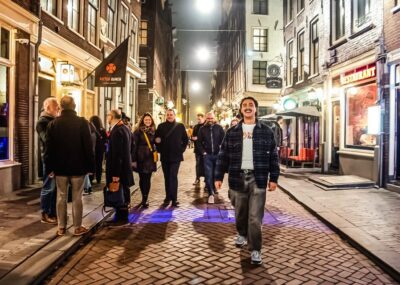 ★ 4.6Amsterdam Red Light District & Coffee Shop TourFrom $294,134 reviews
 ★ 4.1Red Light District Pub Crawl with Unlimited ShotsFrom $242,130 reviews
 ★ 4.5Amsterdam Red Light District Pub CrawlFrom $241,497 reviews
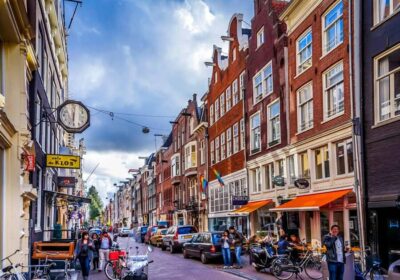 ★ 4.6Red Light District Tour in English or GermanFrom $341,228 reviews
 ★ 4.1After Dark Red Light District TourFrom $571,030 reviews
 ★ 5.0Private Amsterdam Red Light District and Coffee Shop TourFrom $41763 reviews
Browse the lists this tour appears in