
Reviewed · RED LIGHT DISTRICT TOURS
Amsterdam: Red Light District guided tour (TOP RATED)
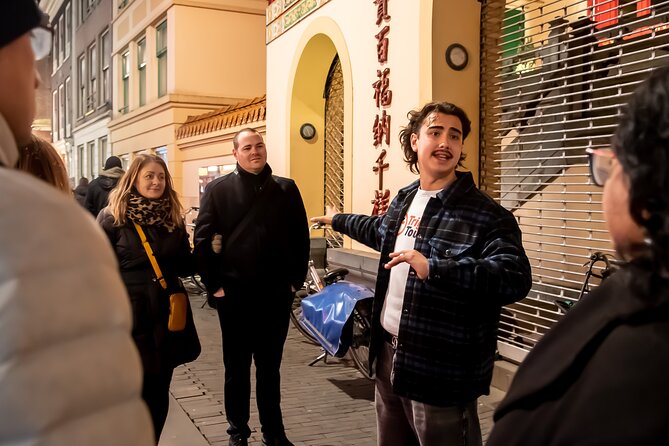
Amsterdam’s Red Light District can feel intimidating. This 2-hour guided walk turns the chaos into context, from De Wallen to nearby old-town landmarks. I especially like the small-group size (max 15), because the pace stays human and you can actually hear the guide.
I also like how the tour explains the area through everyday rules and local thinking—not just what you can see from the street. On tours with guides like Ben and Robin, the focus stays on history, how Amsterdam got here, and what the city expects from everyone walking through.
One practical drawback: it’s not recommended for limited mobility, since it’s a walking tour through narrow streets and busy areas.
In This Review
- Key takeaways before you go
- Entering De Wallen: why this walk feels different
- The Damrak meeting point and a smart 2-hour plan
- Small group size (up to 15) and why it changes the experience
- Stop 1: De Wallen (the Old Town streets in plain language)
- From wooden foundations to the Dam: Amsterdam’s City built on trees
- The Old Town layer: why this area holds so much context
- Pub The Ape (Int Aepjen): a rare wooden survivor
- The Waag: a 1400s gate turned guild hub
- Amsterdam’s smallest house: VOC storage to long-term home
- The condom shop and how Amsterdam handles commerce since 1987
- Coffeehouse culture, rules, and the guide’s approach
- Price and value: is $34.17 worth it?
- Practical tips to make the walk easier
- Who should book this De Wallen tour?
- Should you book this guided Red Light District walk?
- FAQ
- How long is the Amsterdam Red Light District guided tour?
- How much does the tour cost per person?
- Where do I meet for the tour?
- Is admission included?
- What’s included in the price?
- Is food or drinks included?
- What group size should I expect?
- Is this tour suitable if it’s raining?
- Are service animals allowed?
Key takeaways before you go
- Max 15 people keeps things relaxed, with time for questions
- A local guide connects De Wallen, the Old Town, and city laws into one story
- You’ll pass standout sights like The Waag and Amsterdam’s smallest house
- The route includes modern details like the condom shop (operating since 1987)
- It starts and ends at Damrak, so it’s easy to plug into the rest of your day
The old town after dark: more Red Light District walks
- Amsterdam: Red Light District Tour in DE/EN/IT/ES/FR
★ 4.9 · 7,136 reviews - Amsterdam: Red Light Secrets Museum Entry Ticket
★ 4.2 · 5,722 reviews - Amsterdam Red Light District & Coffee Shop Tour
★ 4.6 · 4,134 reviews - Amsterdam: Red Light District Pub Crawl with Unlimited Shots
★ 4.1 · 2,130 reviews
Entering De Wallen: why this walk feels different
The Red Light District is easy to stare at and hard to understand. This tour is built for the in-between moment—when you’re curious, a little unsure, and you want the city’s version of the story, not a tabloid version.
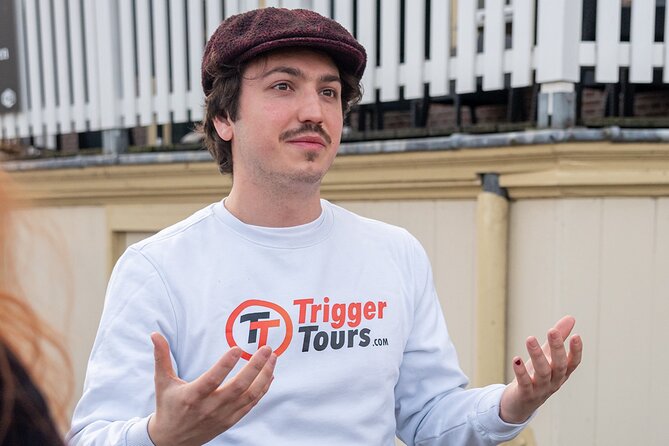
I like that the guide treats the subject with dignity and keeps the tone focused. Guides on past groups (Ben, Robin, Aarre, Andrea, Catherine) are praised for handling sensitive topics respectfully, and for using humor and stories to keep the walk from turning into a lecture.
And if you’re in Amsterdam for the first time, this is also a fast way to orient yourself. You’ll learn the layout of De Wallen and what’s what, so you don’t feel like you’re wandering through random side streets in the dark.
The Damrak meeting point and a smart 2-hour plan
You meet at Damrak, 1012 Amsterdam, and the tour ends at the same spot. That matters more than it sounds: you’re not stuck hunting for an unfamiliar pickup zone after you’re done, and you can keep moving through the city afterward.
The tour runs about 2 hours. That’s a sweet spot for this kind of walk—long enough to cover meaningful sights and explanations, but short enough that you won’t feel dragged through the neighborhood if the weather turns cold or wet.
Also, this is a tour format that’s usually booked ahead—on average, about 45 days in advance. If your dates are fixed, I’d reserve early so you have a good slot.
Small group size (up to 15) and why it changes the experience
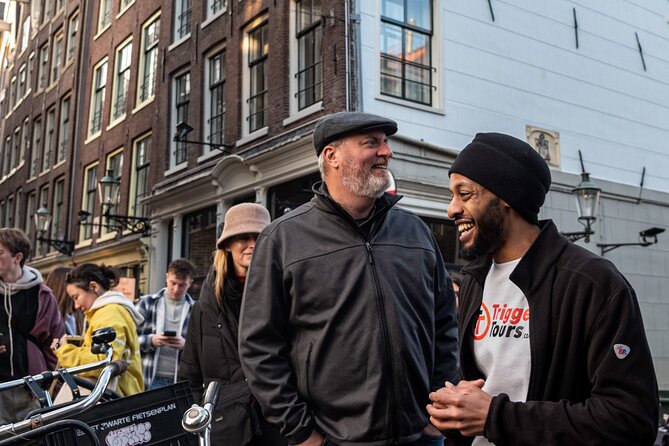
When a walking tour has a lot of people, you lose two things: attention and sound. Here, the group cap is 15, which means you’re not just standing in the back pretending to listen.
That smaller size is why the experience tends to feel paced and personal. You can ask questions, and the guide can steer the group around the areas that need a bit more care—especially at night, when sidewalks feel tighter and bicycle traffic is constant.
One more subtle benefit: small groups tend to stay more flexible. If someone has a question about how something works—history, laws, coffeehouse culture—the guide can actually respond instead of rushing past.
More trips where a local runs the whole day


Stop 1: De Wallen (the Old Town streets in plain language)
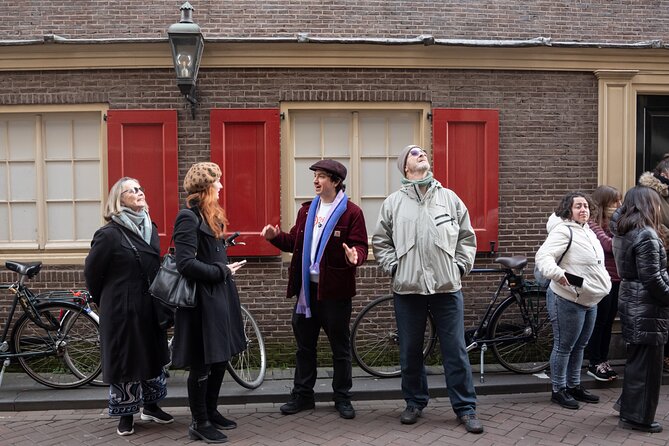
The core of the tour is a walk through the Red Light District (De Wallen). You’re not just told what you’re looking at—you’re given the “why,” including the area’s history and its current situation.
What makes this useful is how the guide frames De Wallen as part of Amsterdam’s older urban fabric. Instead of treating it like a standalone attraction, you see it as a neighborhood shaped by centuries of city planning, trade, and law.
You’ll also get a sense of expectations—how the city tries to keep order around a place that attracts strong curiosity from the outside. That helps you navigate with more awareness, and it keeps the vibe respectful for everyone involved.
From wooden foundations to the Dam: Amsterdam’s City built on trees
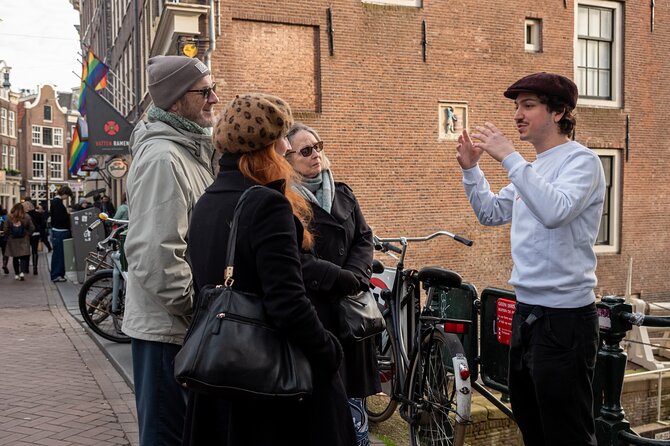
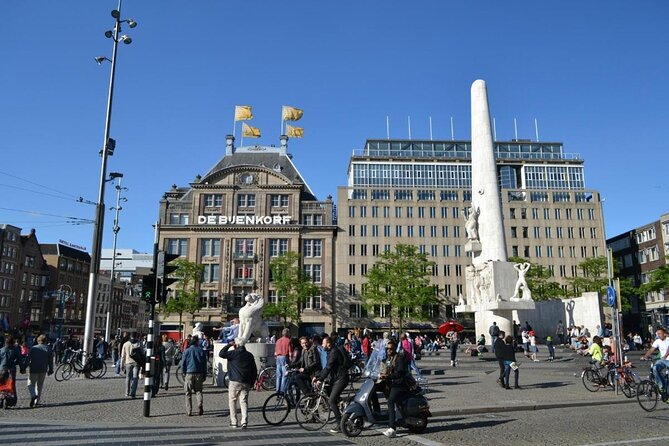
One of the stops brings you to the Dam, explained with Amsterdam’s “city built on trees” concept. The point isn’t trivia for its own sake. It’s that Amsterdam grew in a challenging landscape, with soil made of fen and clay, so buildings needed deep foundations.
The tour connects that engineering reality to the old-city environment you’re walking through. In other words, you’re not just learning about wooden poles—you’re getting a mental picture of why Amsterdam looks the way it does and how it holds itself together.
Even if you don’t remember every measurement, you’ll come away with a clearer sense of how this city was built to last on tricky ground.
The Old Town layer: why this area holds so much context
A key idea in the route is that you’re partly moving through the area of the Old Town. That’s why you get history at multiple levels—street layout, buildings, and civic institutions that grew around trade and guild life.
This matters if you’re trying to understand Amsterdam as more than “canals and museums.” The Red Light District sits in a city that has long histories of commerce, regulation, and a very practical approach to public life.
The tour’s value is that it helps you read De Wallen with that broader context in mind.
Pub The Ape (Int Aepjen): a rare wooden survivor
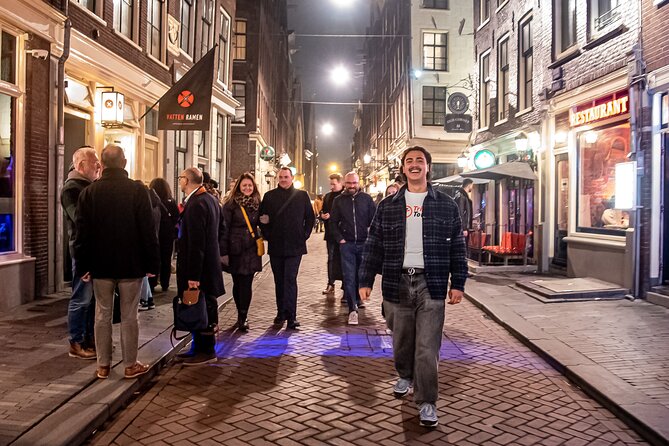
Another stop is Pub The Ape, also known as Int Aepjen in Dutch. It’s described as a wooden building built around 1540, and notably one of only two remaining wooden buildings in Amsterdam.
You also learn why that survival matters: after a major fire in 1452, the government pushed for brick facades. So every time you see one of these older wooden structures, it’s like spotting a living piece of Amsterdam’s rules changing over time.
This stop works well because it breaks the heavy mood of the topic. It’s a reminder that the neighborhood is also old, architectural, and rooted in ordinary life—not just the headline version.
The Waag: a 1400s gate turned guild hub
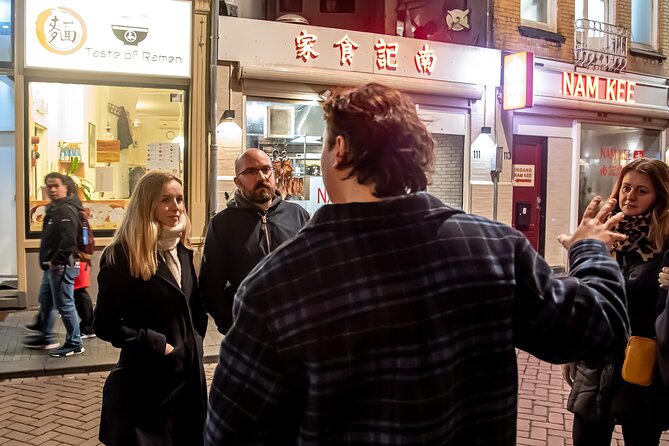
Then comes The Waag, once one of Amsterdam’s city gates and part of the defensive wall. Built around the 1400s, it’s described as the city’s second-oldest building.
Later, The Waag became a space where guilds and craftspeople organizations worked from—basically, where certain jobs and trades found official footing. The tour uses this to show the city’s structure: Amsterdam didn’t just grow wealth from the sea; it built institutions to manage skills and commerce.
If you’re wondering how Amsterdam’s tolerance and rules fit together, this stop gives you one piece of the puzzle.
Amsterdam’s smallest house: VOC storage to long-term home
Another fascinating stop is Amsterdam’s smallest house, built around the 1700s. First, it served as storage for the VOC trading company. Later, people lived there for a long time.
This is the kind of detail that makes the walk feel real. Amsterdam wasn’t only for grand buildings and big fortunes. Trade created pressure, crowds, and the need for space in tiny places.
It also quietly reinforces what you’ll see on the street: the city’s “small scale” isn’t new. It’s part of the urban story.
The condom shop and how Amsterdam handles commerce since 1987
One of the most memorable stops is the world’s first condom shop, operating in this location since 1987. The tour notes you can get customized sizes and different types of condoms.
That detail is more than a curiosity. It’s a clean example of Amsterdam’s pragmatic approach to public health and regulated commerce. You’re seeing a city that tries to manage realities directly instead of pretending they don’t exist.
And it fits the tour’s overall theme: Amsterdam has rules and institutions for complicated parts of city life, and De Wallen is one of the places where you can see that system in action.
Coffeehouse culture, rules, and the guide’s approach
The walk also references the broader context of coffee shops and related nightlife culture. Guides are praised for explaining coffeehouse culture alongside the Red Light District, so you understand why these neighborhoods feel linked in how Amsterdam operates.
More importantly, you’ll learn about rules and regulations that surround the area. That’s a big reason this works as a first-timer experience. It helps you stop guessing, and it replaces assumptions with clear expectations.
A practical plus: at least one guide style highlights bicycle traffic as a constant factor in Amsterdam. If you’re walking at night, you’ll want to stay alert and keep your eyes open for fast bikes weaving through the streets.
Price and value: is $34.17 worth it?
At $34.17 per person for about 2 hours, this isn’t a bargain bargain—but it’s also not overpriced for what you get. You’re paying for a local guide, a guided route that keeps you from wandering aimlessly, and explanations that tie De Wallen to old-town landmarks like The Waag and the Dam.
The tour also lists admission ticket free for the main 2-hour walk segment, and it’s offered in English. Since what you’re buying is interpretation plus context, the value comes down to one question: do you want the background story?
If you’re happy taking photos and moving on, you could do it on your own. If you want the city’s framework—history, law, and the way Amsterdam talks about sensitive subjects—this price starts to look pretty fair.
Practical tips to make the walk easier
This tour needs good weather. If rain hits hard, plan for a reschedule or a refund offer depending on what’s provided to you.
Wear shoes you can handle on a long walk, since you’ll be moving through narrow streets. Bring warm layers if you’re doing an evening slot; one guide-led experience noted a cold, rainy night, and that’s the kind of thing that can drain the fun fast.
Finally, keep your attitude respectful. The guides consistently steer the conversation with dignity for the people who work in the area, and they remind you to behave like you’re in someone’s real neighborhood.
Who should book this De Wallen tour?
This is a great fit if:
- You want a first-timer orientation instead of a random walk through De Wallen
- You prefer a small-group format with room for questions
- You’d like the city’s take on laws, rules, and how it all works
- You’re curious about how Red Light District culture overlaps with Amsterdam nightlife norms
It’s not the right fit if:
- You have limited mobility, since it’s not recommended for that situation
- You want a strictly “family-friendly only” explanation with no adult-adjacent details, since the area itself requires an honest approach
Should you book this guided Red Light District walk?
Yes—if your goal is understanding. I’d book it when you want more than surface impressions and you care about how Amsterdam explains a complicated neighborhood.
The biggest reasons to say yes are simple: small-group pacing, a guide who connects De Wallen to older Amsterdam landmarks and rules, and a tone that stays respectful rather than sensational. If you want to walk away with real context and better street confidence, this is one of the most useful ways to do it.
If you’re on the fence, ask yourself: do you want to merely see the district, or do you want the city’s logic behind it? This tour leans hard toward the second option.
FAQ
How long is the Amsterdam Red Light District guided tour?
It lasts about 2 hours.
How much does the tour cost per person?
The price listed is $34.17 per person.
Where do I meet for the tour?
The tour meets at Damrak, 1012 Amsterdam, Netherlands, and it also ends at the same place.
Is admission included?
The main 2-hour stop is listed as admission ticket free.
What’s included in the price?
The tour includes a local guide.
Is food or drinks included?
No, food and drinks are not included.
What group size should I expect?
The tour has a maximum of 15 travelers.
Is this tour suitable if it’s raining?
The experience requires good weather. If it’s canceled due to poor weather, you’ll be offered a different date or a full refund.
Are service animals allowed?
Yes, service animals are allowed.
More Tours in Amsterdam



More Tour Reviews in Amsterdam
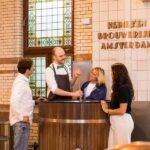





The Red Light District After Dark

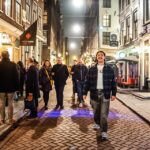


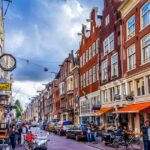
Just added: fresh Amsterdam tour reviews




Red Light District Tours, compared.
 ★ 4.9Red Light District Tour in DE/EN/IT/ES/FRFrom $287,136 reviews
 ★ 4.2Red Light Secrets Museum Entry TicketFrom $175,722 reviews
 ★ 4.6Amsterdam Red Light District & Coffee Shop TourFrom $294,134 reviews
 ★ 4.1Red Light District Pub Crawl with Unlimited ShotsFrom $242,130 reviews
 ★ 4.5Amsterdam Red Light District Pub CrawlFrom $241,497 reviews
 ★ 4.6Red Light District Tour in English or GermanFrom $341,228 reviews
 ★ 4.1After Dark Red Light District TourFrom $571,030 reviews
 ★ 5.0Private Amsterdam Red Light District and Coffee Shop TourFrom $41763 reviews
Browse the lists this tour appears in