
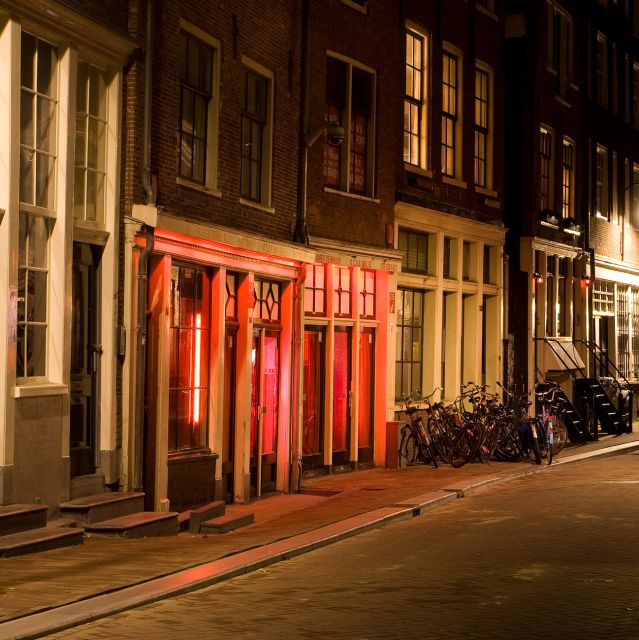
Reviewed · RED LIGHT DISTRICT TOURS
Amsterdam: Red Light District and Coffeeshop tour
A single street can teach you a whole city’s rules. This 2-hour Red Light District and coffeeshop tour is built around culture and policy, not shock value, as you walk past the red windows and learn the neighborhood’s backstory. I like how it mixes history, canals, and everyday Amsterdam life with the district’s controversial reputation.
Two things I particularly like: the way the guide explains the laws and regulations tied to the red windows and drugs, and the practical city orientation you get as you move street to street. In one of the strong guide experiences shared, Aarre stood out as friendly and engaging, and the group praised how the tour made the workers’ lives feel human rather than treated like a tabloid headline.
One drawback to consider: this is a nighttime-reputation area, so the subject matter can feel blunt. If you prefer purely sightseeing with zero policy talk, you might find parts of the discussion uncomfortable during a walking tour.
In This Review
- Key takeaways before you go
- Red Light District and coffeeshops: what this tour gets right
- Starting out: getting oriented in Amsterdam’s most controversial streets
- The red windows: history, policy, and learning to look responsibly
- Old buildings and canals: the district isn’t only nightlife
- Zeedijk Chinatown stop: a different side of the same neighborhood
- Coffeeshop culture: laws, regulations, and what you actually see
- Narrow streets, sexshops, smartshops, and Condomerie
- Price and pacing: is $40 for 2 hours worth it?
- Who this tour suits best (and who should skip it)
- Should you book the Amsterdam Red Light District and Coffeeshop tour?
- FAQ
- How long is the tour?
- How much does it cost?
- Is it offered in English?
- What’s included in the tour?
- Are food and drinks included?
- Where does the tour start and end?
- What will I see beyond the Red Light District?
- Is cancellation allowed?
Key takeaways before you go
- You’ll get the law-and-culture context for both prostitution and drug rules, not just photos of the windows.
- Red Light District walking pace, 2 hours, means it’s focused and time-efficient rather than an all-day event.
- Historic Amsterdam sights show up alongside the nightlife streets, including canals and very old buildings.
- Zeedijk Chinatown is included, with a guide explanation of its history and some of the area’s older pubs.
- Coffeeshop culture is part of the walk, including regulation basics and stops like Bulldogg.
- Offbeat stops appear too, from the narrowest street to places like the Condomerie and sexshops/smartshops.
The old town after dark: more Red Light District walks
- Amsterdam: Red Light District Tour in DE/EN/IT/ES/FR
★ 4.9 · 7,136 reviews - Amsterdam: Red Light Secrets Museum Entry Ticket
★ 4.2 · 5,722 reviews - Amsterdam Red Light District & Coffee Shop Tour
★ 4.6 · 4,134 reviews - Amsterdam: Red Light District Pub Crawl with Unlimited Shots
★ 4.1 · 2,130 reviews
Red Light District and coffeeshops: what this tour gets right
Amsterdam’s Red Light District is one of those places where you can easily miss the point if you only look for the headline. This tour works because it treats the district like what it is: an old neighborhood with residents, commerce, tourism pressure, and a distinct legal framework. You’re not asked to agree with everything. You’re taught how Amsterdam built rules around it and why the city developed this reputation.
I also like that the coffeeshop part isn’t tacked on as a gimmick. You learn how Amsterdam’s drug approach is handled through laws and regulation, plus the production process concept at a level a normal visitor can follow. That makes it easier for you to connect what you’re seeing in the street to how the city thinks.
At $40 per person for a 2-hour guided walk, it’s not a bargain-bucket deal. But it’s also not priced like a big-boat, all-day tour. For many visitors, the value is in having someone translate the neighborhood’s logic—history, rules, and street-level realities—while you’re already there.
Starting out: getting oriented in Amsterdam’s most controversial streets
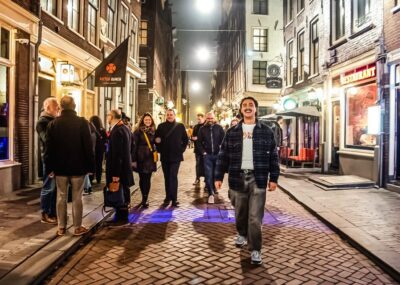
The tour starts with orientation in the district itself, and that matters more than you might expect. When you first step into the Red Light District, everything can look like one continuous blur of lights, storefronts, and passing crowds. A guide keeps you from turning it into a photo sprint and helps you notice the details that tell you where you are in the city.
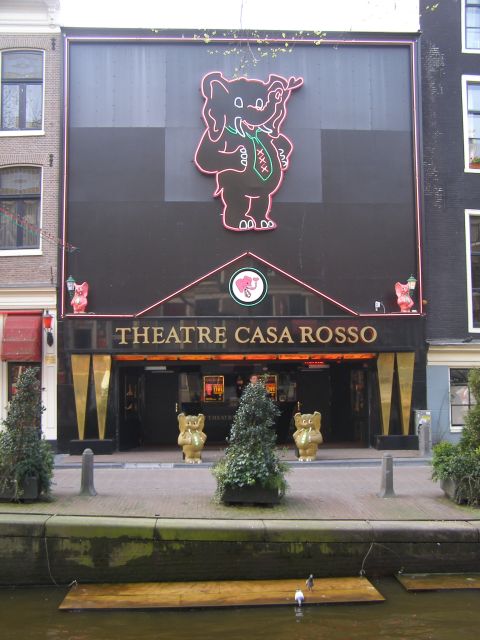
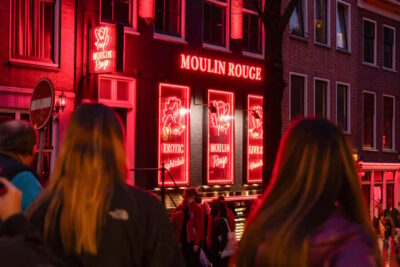
As you walk, you’ll see the district’s bars, nightclubs, and the red windows that define the area. But you’ll also see hints of why the Red Light District isn’t just a modern spectacle. The tour points out the fact that it’s among the oldest parts of Amsterdam, so you get a sense of layering—old city fabric plus a very specific kind of nightlife economy.
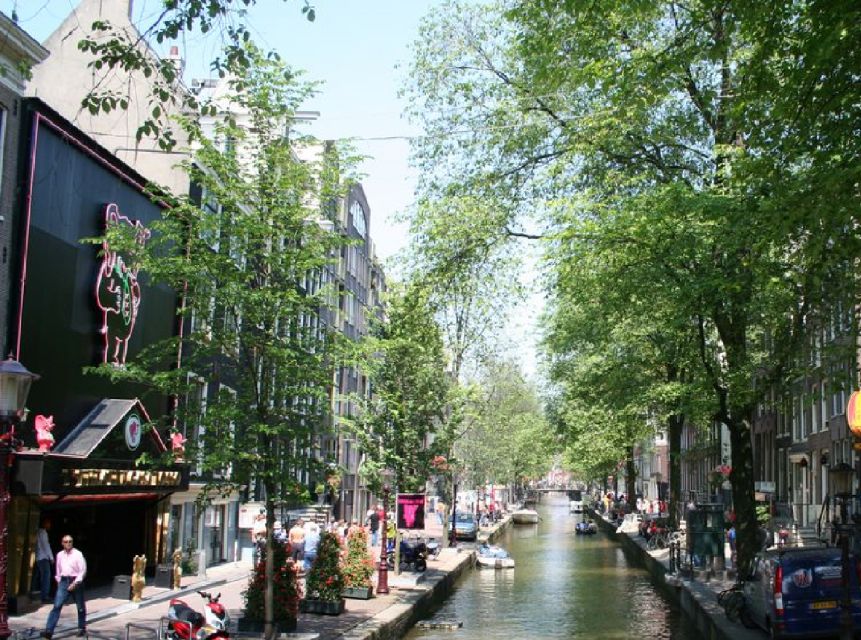
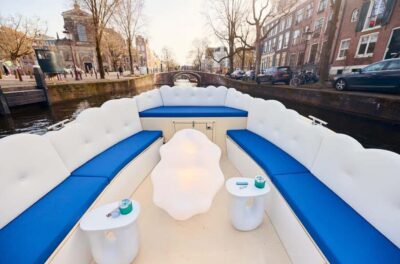
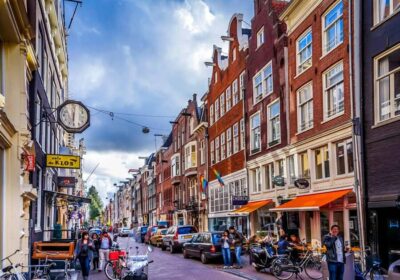
You’ll likely notice the route includes canals and historic-looking streets with wooden houses. Even if you’ve visited Amsterdam’s center before, this part of town feels different because it’s more compact and more openly transactional. Having a guide’s framing helps you read the streets rather than just observe them.
The red windows: history, policy, and learning to look responsibly
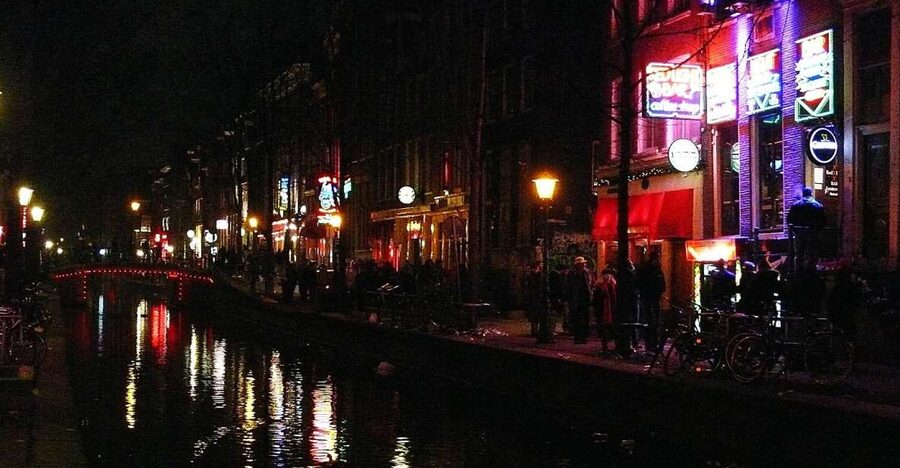
The core of the experience is the discussion around the laws and policies regarding the red windows and the broader culture of the neighborhood. This isn’t just trivia. It changes how you look at what’s right in front of you.
A strong point from the guide experiences is how the tour tends to humanize the workers and the profession. That doesn’t mean sugarcoating or pretending everything is simple. It means you hear context that makes the street feel less like a stage and more like a working environment shaped by rules and enforcement choices.
You also learn how Amsterdam’s progressive reputation ties into this district. The tour frames the city as having a long-running approach that tries to manage prostitution and related issues through regulation rather than total invisibility. If you’re the kind of traveler who wants to understand a place’s systems—not just its sights—that’s exactly what you’re buying here.
Practical note: because this is a walking tour through an active nightlife area, your comfort depends on your expectations. If you’re there mainly for shock, you may feel the tour is more thoughtful than sensational. If you’re there to understand, you’ll probably appreciate the balance.
More of the coffeeshop side of Amsterdam
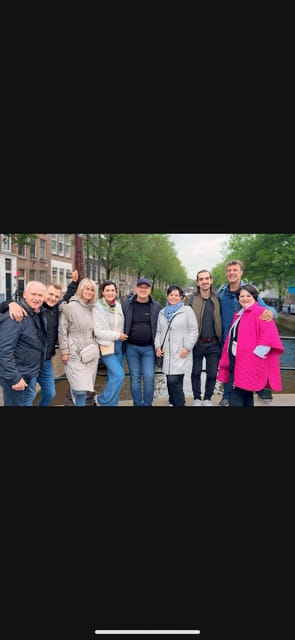
Old buildings and canals: the district isn’t only nightlife
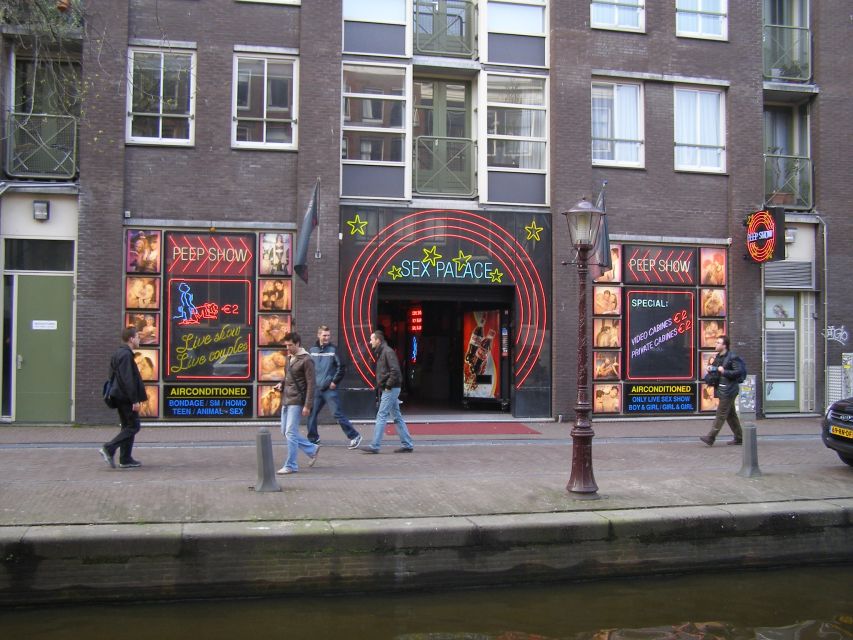
One of the easiest ways to misunderstand the Red Light District is to think it’s purely themed entertainment. This tour keeps pulling you back to the urban reality: Amsterdam’s canals, historic architecture, and older street fabric are woven through the experience.
You’ll see some of Amsterdam’s historical sights, including the oldest building in Amsterdam and traditional features like canals and wooden houses. That mix is useful. It reminds you this area didn’t appear overnight. It developed as part of the city’s long timeline, then gained its specific role over time.
If you’re the type who likes your city walking tours to include tangible landmarks (not just explanations), this section helps. You get pauses where the guide connects what you see—stone, wood, street layout—to how the neighborhood grew. It also helps break up the more intense parts of the conversation with visuals that feel like Amsterdam, not just a themed zone.
Zeedijk Chinatown stop: a different side of the same neighborhood
The tour also includes Amsterdam’s Chinatown and places you on Zeedijk street. That’s a smart inclusion because it prevents the tour from becoming a one-note story.
You’ll learn about Chinatown’s history and see where the district’s older pub culture lives in this part of town. The guide explanation helps you understand that this area isn’t only famous for nightlife. It’s also shaped by immigration stories and long-term community presence, which shows up in the businesses and street character.
For me, this stop is a relief valve. It shifts you from the red-light focus to another angle of Amsterdam’s multicultural identity. If you like travel that shows contrasts inside the same geographic space, you’ll enjoy this portion.
Coffeeshop culture: laws, regulations, and what you actually see
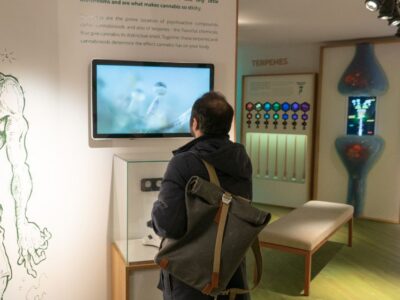
Coffeeshops in Amsterdam can feel confusing at first, especially when rules vary from country to country and even from city to city. This tour helps by explaining the laws and regulations around coffeeshop culture and discussing the production process at a visitor-friendly level.
You’ll also visit places tied to that world, including Bulldogg coffeeshop. Seeing an actual coffeeshop in context is more valuable than just reading about it. With a guide talking through the policy logic, you can understand how Amsterdam tries to manage cannabis use through structured rules rather than a free-for-all.
One thing I appreciate is that this section stays grounded. Instead of treating coffeeshops as a novelty, the tour frames them as a regulated part of Amsterdam’s approach to drugs. That perspective makes it easier to understand why the city’s reputation is so well known worldwide.
Also, the tour connects what’s happening here to the wider district rules. So you’re not learning in isolated categories. You’re watching how different parts of the same neighborhood connect: entertainment, regulation, tourism, and local life.
Narrow streets, sexshops, smartshops, and Condomerie
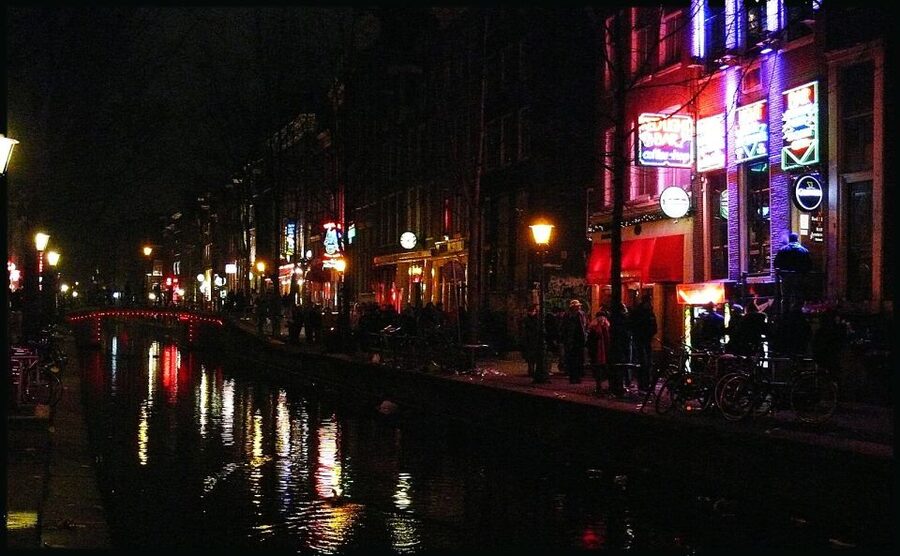
After the coffeeshop context, the walk leans into the area’s recognizable storefront landscape. You’ll pass sexshops and smartshops, and you’ll see the Condomerie as well as the narrowest street of Amsterdam.
These stops can feel a bit like stepping through a themed corridor—especially if you’re walking with a group that’s taking lots of photos. But the tour framing matters here. When the guide places these businesses in the district’s larger story, they become part of a commercial ecosystem, not just shock visuals.
If you’re sensitive to explicit storefronts, you’ll want to mentally prepare. The tour doesn’t hide what’s around you, and that honesty is part of the experience. But if you’re okay with that, these stops can also be useful landmarks. They help you remember where you walked and why the neighborhood looks the way it does.
Price and pacing: is $40 for 2 hours worth it?
Let’s talk value. At $40 per person for a roughly 2-hour walking tour, you’re paying for two things: time in a tightly defined district and guided interpretation that you’d struggle to assemble yourself during a quick visit.
If you walk the Red Light District on your own, you can see red windows, coffeeshops, and historic streets—but the “why” can stay fuzzy. With a guide, you get policy context around red windows and drug rules, plus neighborhood history from older parts of Amsterdam to the Zeedijk Chinatown area.
You should also consider your travel style. This is not a slow, museum-style stroll. It’s a focused walk that tries to cover a lot of street-level territory in a short window. That makes it a great choice when you want one organized experience to give you bearings fast—especially if it’s your first time in this part of town.
Who this tour suits best (and who should skip it)
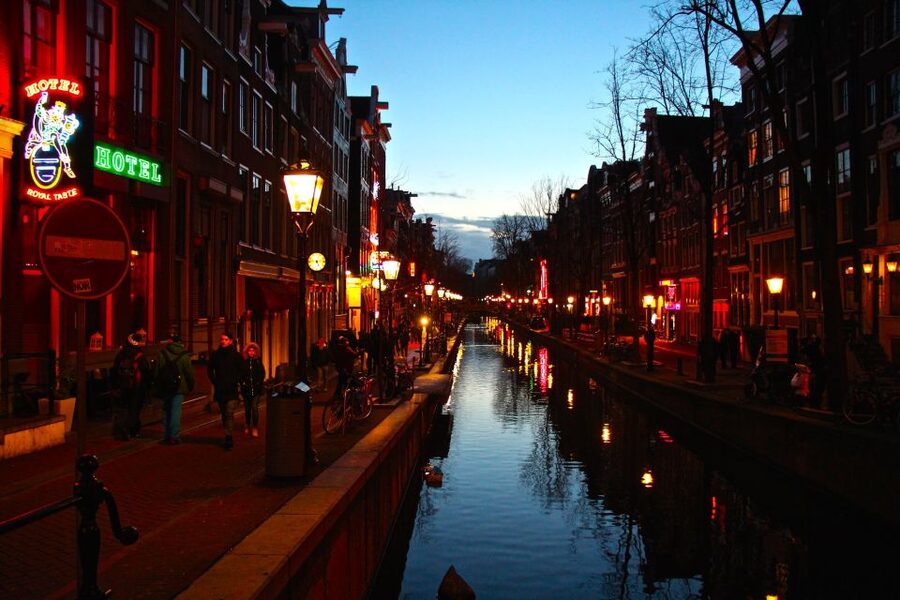
This tour fits travelers who want context. If you’re the type who reads signage, listens to local rules, and wants to understand how a place works, you’ll get more out of it than by just passing through.
It’s also a good match if you like mixed neighborhoods—because you get Red Light District sights plus Chinatown on Zeedijk street. And if you’re curious about coffeeshop culture and how it’s regulated, the tour includes stops like Bulldogg and explains how the system is supposed to function.
Skip it if you want a purely neutral sightseeing experience with minimal discussion of prostitution and drug policy. The tour’s whole point is to talk about those topics, in a walking format, on streets where they are impossible to ignore.
Should you book the Amsterdam Red Light District and Coffeeshop tour?
I’d book this tour if you want a guided route that explains Amsterdam’s logic behind the district’s reputation. The tour is strongest where it’s most needed: turning the street into a lesson about history, rules, and how the neighborhood operates day to day.
If you’re worried about discomfort, remember this is a 2-hour walk and the content is clearly centered on the district. Plan for that. If you’re comfortable with learning (not just gawking), you’ll likely find it an efficient, meaningful way to see a complicated corner of the city without getting lost in it.
FAQ
How long is the tour?
The tour is about 2 hours long.
How much does it cost?
The price is $40 per person.
Is it offered in English?
Yes, the tour is conducted in English.
What’s included in the tour?
You get a guided walking tour of the Red Light District with a professional guide and local guide.
Are food and drinks included?
No. Food and drinks are not included.
Where does the tour start and end?
The meeting point may vary depending on the option you book, and the tour ends back at the meeting point.
What will I see beyond the Red Light District?
You’ll also see parts of Chinatown on Zeedijk street and experience coffeeshop culture, with notable stops such as Bulldogg, plus places like the Condomerie, sexshops, and smartshops.
Is cancellation allowed?
Yes. You can cancel up to 24 hours in advance for a full refund.
If you want, tell me your travel dates and whether this is your first time in Amsterdam—I can suggest where in your schedule this 2-hour tour fits best.
More Tour Reviews in Amsterdam






The Coffeeshop Side of Amsterdam
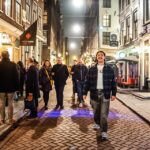

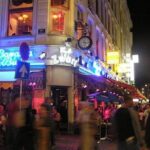


The Red Light District After Dark




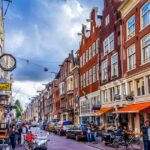
Just added: fresh Amsterdam tour reviews





Red Light District Tours, compared.
 ★ 4.9Red Light District Tour in DE/EN/IT/ES/FRFrom $287,136 reviews
 ★ 4.2Red Light Secrets Museum Entry TicketFrom $175,722 reviews
 ★ 4.6Amsterdam Red Light District & Coffee Shop TourFrom $294,134 reviews
 ★ 4.1Red Light District Pub Crawl with Unlimited ShotsFrom $242,130 reviews
 ★ 4.5Amsterdam Red Light District Pub CrawlFrom $241,497 reviews
 ★ 4.6Red Light District Tour in English or GermanFrom $341,228 reviews
 ★ 4.1After Dark Red Light District TourFrom $571,030 reviews
 ★ 5.0Private Amsterdam Red Light District and Coffee Shop TourFrom $41763 reviews
Browse the lists this tour appears in