
Reviewed · ANNE FRANK & JEWISH QUARTER
Amsterdam: National Holocaust Museum Entry Ticket
This museum stays with you. The National Holocaust Museum in Amsterdam pairs the weighty history of the former Hervormde Kweekschool with modern learning tools like interactive holograms that make the story feel immediate and personal.
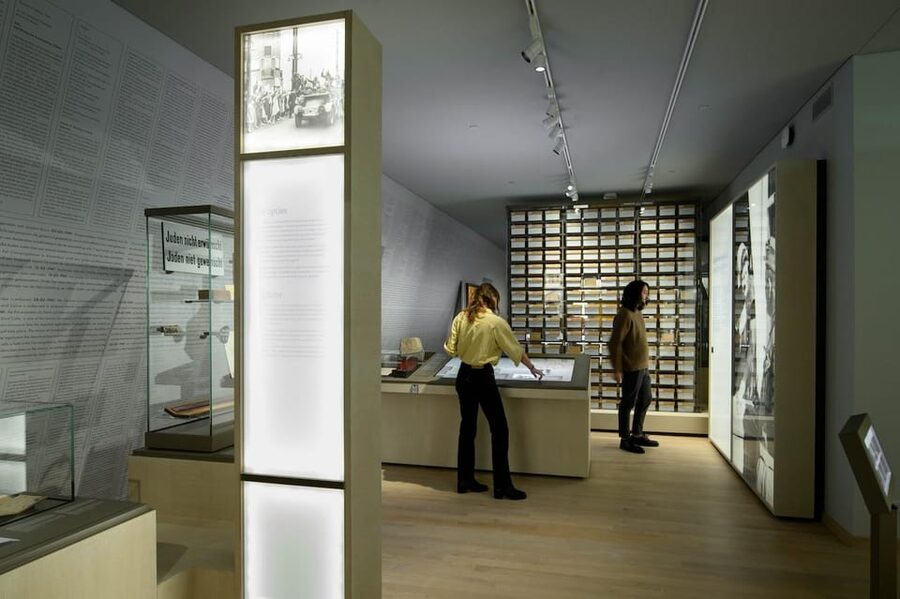
I also like how the exhibits are organized in a clear path: you move from daily life before the war into what persecution looked like under occupation. The exhibits don’t hold back, and they give victims recognizable faces—an important choice in a museum about mass atrocity.
One heads-up: the information load can feel like a lot, so you’ll want to pace yourself and plan real time rather than trying to “get through it.”
In This Review
- Key highlights you should know before you go
- Why the Hervormde Kweekschool building changes how you see the story
- Tickets, pacing, and why “half a day” is the real minimum
- Daily life in the Netherlands before WWII: the part that makes the tragedy sharper
- From persecution to deportation: children, the Kweekschool, and the role of Henriëtte Pimentel
- Learning tools that keep you engaged: holograms, audio, and question-and-answer moments
- The museum’s tone: clear victims, recognizable faces, and Dutch memory culture
- What to look for inside: artifacts, portraits, and the small objects that hurt
- Hollandsche Schouwburg Memorial: why your ticket includes the second site
- Practical tips for a smoother visit (and a more useful one)
- Who should book this National Holocaust Museum ticket?
- Should you book this entry ticket?
- FAQ
- Where is the meeting point for this experience?
- How much does the National Holocaust Museum entry ticket cost?
- What does my ticket include?
- Is the ticket valid for more than one day?
- Can I take photos in the museum?
- Is the museum wheelchair accessible?
- How long should I plan to spend at the museum?
- Is there an audio guide or other guided learning inside?
- What role is Henriëtte Pimentel associated with in the museum?
- What history does the museum focus on?
Key highlights you should know before you go
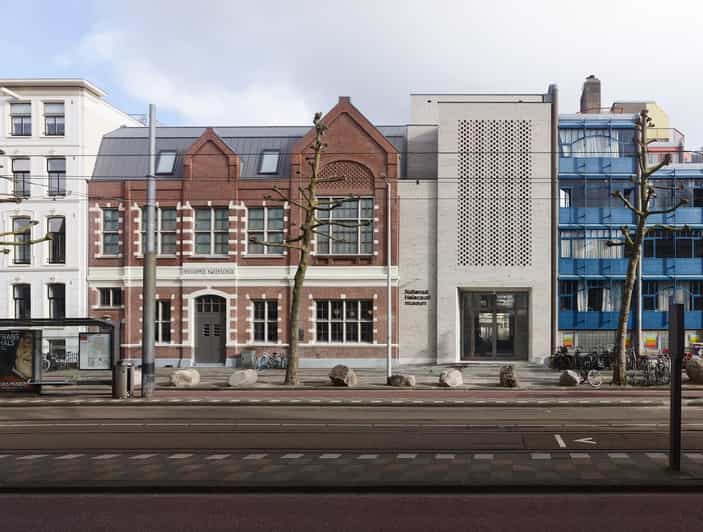
- Former Hervormde Kweekschool setting where hundreds of children were deported, in a building tied to the story
- Henriëtte Pimentel’s role in helping hundreds of children escape, including through the Kweekschool
- Interactive holograms that let you ask questions and get answers
- Unflinching presentation that gives victims recognizable faces and shows systems leading to atrocity
- Daily life before WWII alongside the harsh shift from normal life to persecution
- Extra stop included with the Hollandsche Schouwburg National Holocaust Memorial entry ticket
Deeper into the Jewish Quarter and the war years
- Amsterdam Anne Frank: Small-Group Walking Tour & Local Guide
★ 4.8 · 12,789 reviews - Anne Frank’s Story – Guided Walking Tour through Amsterdam
★ 5.0 · 11,619 reviews - Amsterdam: Anne Frank Guided Walking Tour in DE/EN/IT/ES
★ 4.9 · 3,107 reviews - Amsterdam: Anne Frank Guided Small Group Walking Tour
★ 4.8 · 2,722 reviews
Why the Hervormde Kweekschool building changes how you see the story
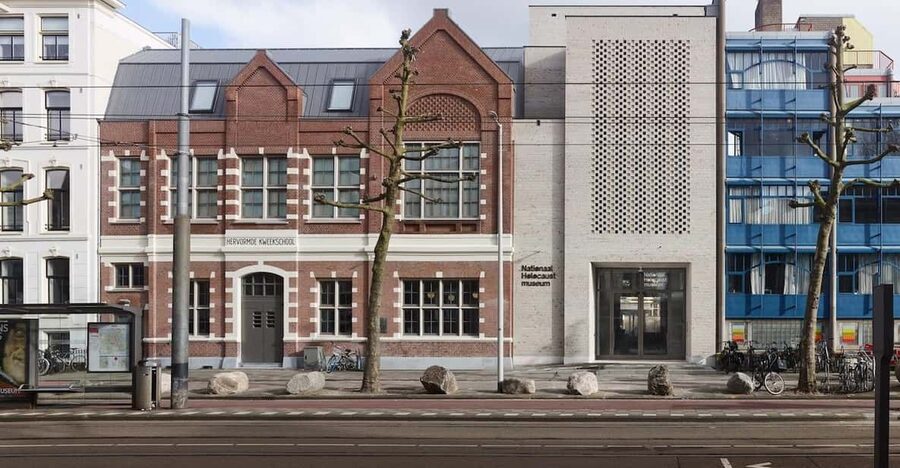
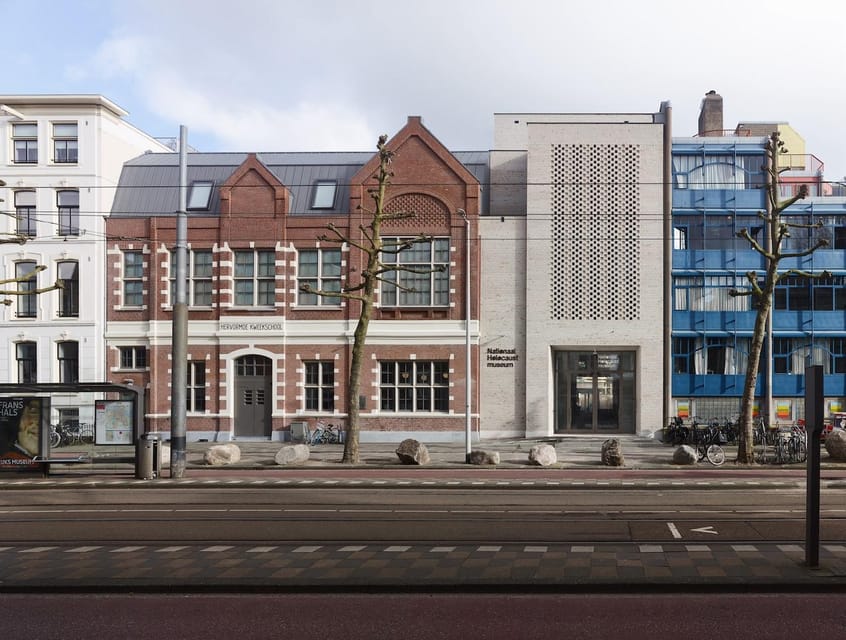
Walking into a museum set inside the Hervormde Kweekschool matters more than it sounds. This wasn’t a generic backdrop. The museum is housed in the former school where hundreds of children were deported, and that physical reality adds an extra layer of shock as you move through the exhibits.
The museum also connects rooms and spaces to what happened next door. During the Nazi occupation, the adjacent daycare was used as a gathering and deportation point for Jewish children. That detail is hard to process because it describes something that once sounded routine—kids, caregivers, a place of learning—turning into an engine for harm.
If you care about accuracy and context (and you should), this is one of the strongest reasons to visit. You don’t just read history; you stand in a building shaped by it.
Tickets, pacing, and why “half a day” is the real minimum
You’re buying an entry ticket for the National Holocaust Museum. It’s priced at $24 per person, and it includes entry to the Hollandsche Schouwburg National Holocaust Memorial as well. That matters for value: you’re not paying just to see one room or one display. You’re paying to experience a fuller story through two related sites tied to Dutch Jewish wartime memory.
Your ticket is valid for 7 days from first activation. That’s useful if your Amsterdam day gets hijacked by weather or other plans. You can also pick the time of day when you’re best able to handle an emotional museum without rushing.
Plan time like this:
- Give yourself at least half a day. Many people end up there for hours because there’s a lot to read and listen to.
- Expect a museum day that feels heavy. If you stack it back-to-back with something bright afterward, you’ll probably feel drained.
One more practical thing: some visitors note that a couple exhibits may be viewable only by a limited number of people at a time. So even if you show up with confidence, you might still hit small bottlenecks inside. Build your schedule to absorb that.
Daily life in the Netherlands before WWII: the part that makes the tragedy sharper
A lot of Holocaust exhibits focus on the end result—transport, camps, genocide. This museum also makes you confront the world before that. You see how Jews and non-Jews lived alongside each other in the Netherlands with the same rights before the Second World War.
That framing is powerful because it forces a comparison you might not expect to feel. When you understand that daily life included ordinary routines and shared civic life, persecution becomes harder to shrug off as something abstract or inevitable. It reads more like a society that chose to break itself, step by step.
The museum’s structure also covers the liberation experienced by Jews. That matters because the story isn’t only about cruelty. It includes survival, relief, and the long aftermath of what was stolen.
Still deciding? A few more Amsterdam tours worth a look


From persecution to deportation: children, the Kweekschool, and the role of Henriëtte Pimentel
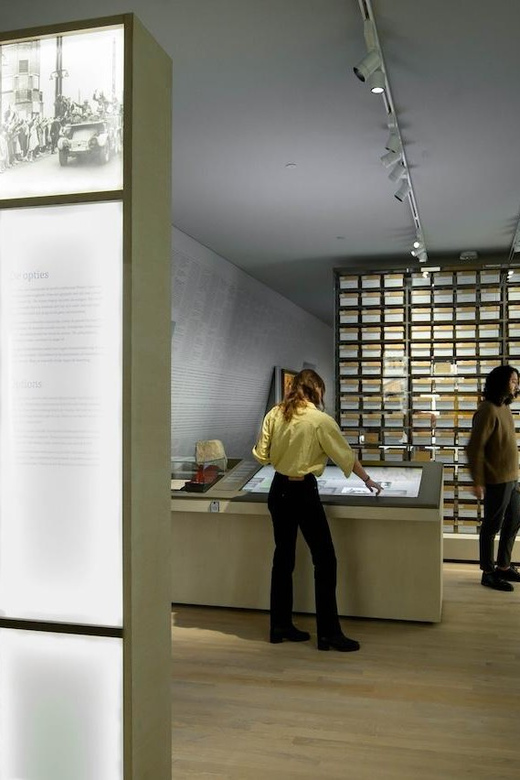
The museum becomes especially specific about children and the mechanisms used to move them. The story points to how the Nazi system used nearby spaces to gather and deport Jewish children, including through the Kweekschool area.
This is where the museum’s named figures make a difference. Director Henriëtte Pimentel is highlighted as someone who helped hundreds of children escape, including through the Kweekschool. That detail shifts the story from “what happened” to “how people responded,” without sugarcoating what still followed.
The museum also explains the scale of the Holocaust in Europe—Nazis murdered approximately six million Jews, also known as the Holocaust or Shoah. In the Netherlands, about three-quarters of the Jewish population were killed. Those numbers are stark, but what’s useful here is the way the museum ties them to real lives and real people rather than leaving you with statistics alone.
If you’re visiting with kids or teens, or if your group likes facts, this part is the one you’ll likely talk about afterward for days. Not because it’s comfortable, but because it clarifies the shape of betrayal and the cruelty of bureaucracy.
Learning tools that keep you engaged: holograms, audio, and question-and-answer moments
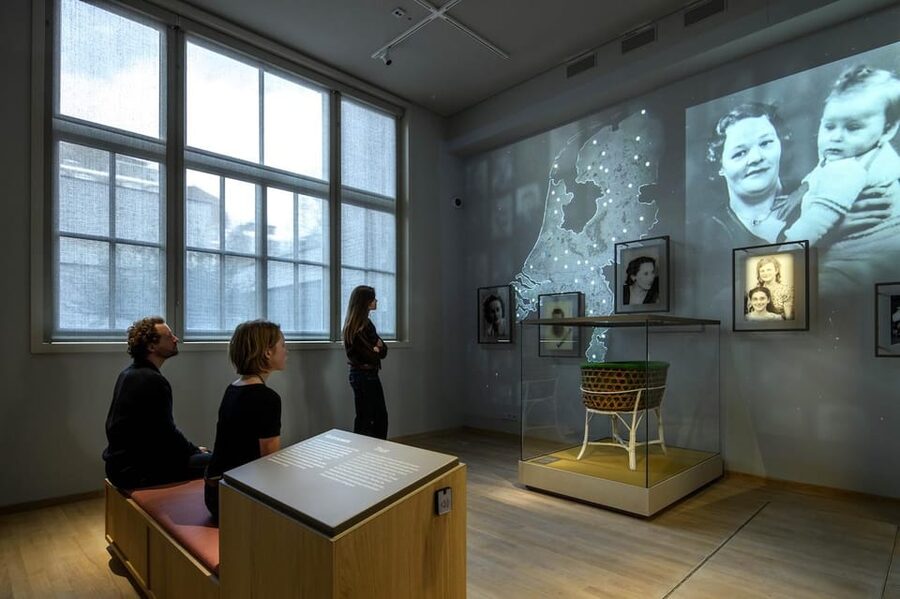
What I really liked about this museum experience is how it uses technology without turning the subject into a “show.” Reviews highlight interactive holograms where you can ask questions and get answers. That approach helps when you’re trying to understand complex historical processes, and you don’t want to wait for a staff member.
The museum also uses an audio guide and electronic guidance. People describe the audio guide as very informative and the labels as clear and organized. Another helpful detail: some visitors report the electronic guide switching to Dutch, which can be reassuring if you’re staying in English but want options.
One small thing to watch: glass cabinets can reflect light, which can make it harder to see some exhibits clearly. If you’re sensitive to glare, you might want to shift your viewing angle or move slightly to find the clearest view.
If you prefer self-guided learning (rather than a rushed group tour), this museum works well. You can stop, listen, and read at your own speed. That’s a big deal in a museum like this, where your brain needs time to absorb.
The museum’s tone: clear victims, recognizable faces, and Dutch memory culture
This museum doesn’t blur the line between history and human impact. It presents the story unflinchingly and gives victims recognizable faces. That choice is not just respectful—it’s educational. It stops the Holocaust from becoming a faceless concept.
The museum also addresses how the Holocaust is handled in Dutch national memory culture. In practice, that means you’re not only learning about events during WWII. You’re learning how a country thinks about those events, how memory gets shaped, and why remembrance is treated as part of national responsibility.
A couple themes show up strongly in the design: the incremental setup of systems to achieve horrific outcomes, and the way persecution progressed through policy and planning. That’s valuable because it’s not only about what happened in a single year. It’s about how violence can be assembled over time.
And yes, it can feel emotional. Many people describe the visit as moving and sobering. Plan to feel that. It’s part of why the museum matters.
What to look for inside: artifacts, portraits, and the small objects that hurt
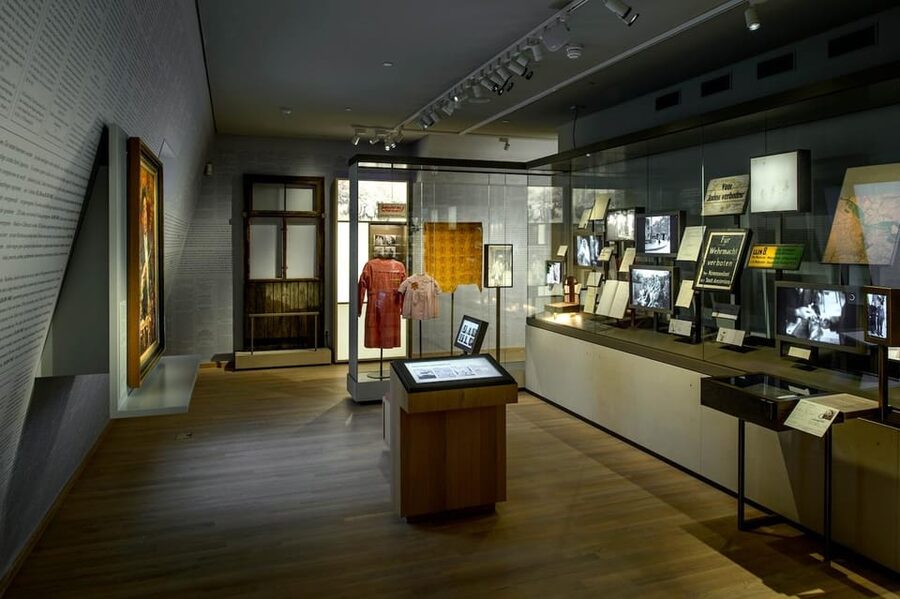
You’ll see artifacts and personal items that make the narrative tangible. Reviews mention suitcases and portraits, along with other exhibits that are displayed in organized ways. Those objects do a specific job: they translate scale into something you can picture.
This is also where it helps to slow down. If you rush, the museum becomes a list of topics. If you take it at a natural pace, it becomes a connected story—daily life, the occupation, persecution, deportation, liberation, and remembrance.
Some signage can feel tricky to follow, and a couple exhibits may have viewing limits (like only two people able to view at a time). If that happens to your group, don’t treat it as a failure. It’s more like a gentle reminder that pacing is part of how you get value here.
Also: if you’re someone who likes ending on a calm note, there’s a museum café mentioned as excellent. It’s a nice option to reset your body before you head back out.
Hollandsche Schouwburg Memorial: why your ticket includes the second site
Your ticket doesn’t end with the museum building. It also includes entry to the Hollandsche Schouwburg National Holocaust Memorial. That’s a smart add-on, because Holocaust memory in Amsterdam isn’t one single location. It’s spread across sites that each tell a piece of the Dutch story.
In many memorial settings, the second stop changes how you interpret the first. The museum gives you context and interpretation—daily life, persecution, liberation, and memory culture. The memorial can then anchor you in place-based remembrance. Together, they make the visit feel more complete.
Think of it as a two-part memory walk: one for understanding, one for grounding.
Practical tips for a smoother visit (and a more useful one)
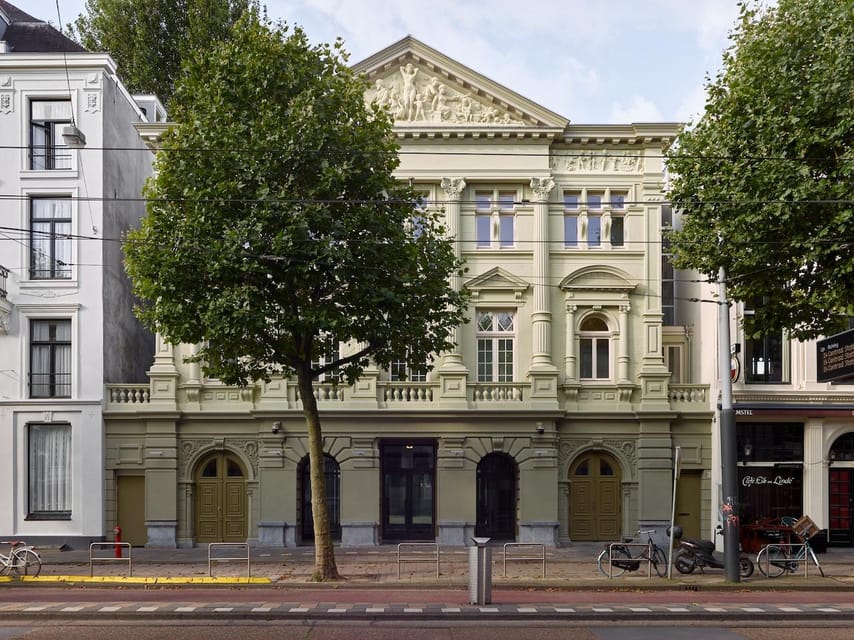
Photography is allowed, but please be respectful. That’s the right rule here because the content is personal and emotionally charged.
I’d also plan your day around focus. If you try to cram this into a “quick museum between things” slot, the sheer amount of information can hit you like a wall. Instead, treat it like one of your main stops, not a side quest.
A couple timing notes from real visitor experiences:
- Some people found it easy to take their time when they came prepared to linger.
- Others ran out of time because the museum closes at a specific time, sometimes with very little buffer near closing.
So if you want a calm last pass, give yourself cushion. Rushing through the final sections defeats the point.
If you’re traveling with accessibility needs, the museum is wheelchair accessible, which is a major plus for planning.
Who should book this National Holocaust Museum ticket?
This is a strong choice if you:
- want a history museum that connects facts to people (not just numbers)
- prefer self-paced learning with audio/electronic support
- care about how Dutch Jewish life changed under occupation
- want the included second site at Hollandsche Schouwburg
It might be less ideal if you’re looking for light, fast sightseeing. This museum is designed to be heavy, thoughtful, and direct. If you need something upbeat that day, you’ll probably feel mentally tired afterward.
For families and students, the fact that the museum covers daily life before WWII can make it easier to explain the contrast between normal rights and catastrophic persecution. Just be ready for emotion.
Should you book this entry ticket?
Yes, I think it’s worth booking—especially because the $24 ticket isn’t only for one building. It bundles the National Holocaust Museum with the Hollandsche Schouwburg National Holocaust Memorial, and it’s designed so you can learn at your own pace with audio and interactive options.
Book it if you can give it real time. Come with curiosity, not a stopwatch. And if interactive displays sound like your thing, you’re in luck: the museum uses tools like interactive holograms and clear guidance to help you make sense of a hard story.
If you can only do one Holocaust-related visit in Amsterdam, this should be it.
FAQ
Where is the meeting point for this experience?
The meeting point is the National Holocaustmuseum.
How much does the National Holocaust Museum entry ticket cost?
The price is $24 per person.
What does my ticket include?
Your ticket includes entry to the National Holocaust Museum and entry to the Hollandsche Schouwburg National Holocaust Memorial.
Is the ticket valid for more than one day?
Yes. It is valid for 7 days from the first activation.
Can I take photos in the museum?
Photography is allowed, as long as you are respectful.
Is the museum wheelchair accessible?
Yes, it is wheelchair accessible.
How long should I plan to spend at the museum?
Plan at least half a day. The exhibits include a lot of information, and many people end up spending hours.
Is there an audio guide or other guided learning inside?
Yes. An audio guide and other electronic guidance are used, and interactive holograms are part of the experience.
What role is Henriëtte Pimentel associated with in the museum?
The museum highlights Director Henriëtte Pimentel for helping hundreds of children escape, including through the Kweekschool.
What history does the museum focus on?
It focuses on the persecution of Jews in the Netherlands during World War II, including daily life before the war, deportation of Jewish children, liberation, and how the Holocaust is handled in Dutch national memory culture.
More Tickets in Amsterdam





More Tour Reviews in Amsterdam



The Jewish Quarter, Explored Further





Just added: fresh Amsterdam tour reviews





Anne Frank & Jewish Quarter, compared.
 ★ 4.8Amsterdam Anne Frank: Small-Group Walking Tour & Local GuideFrom $2912,789 reviews
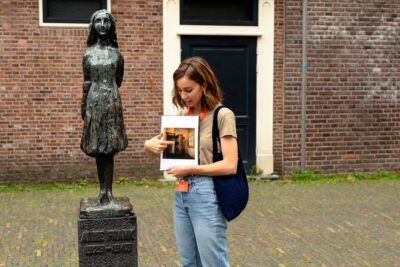 ★ 5.0Anne Frank’s Story – Guided Walking Tour through AmsterdamFrom $3911,619 reviews
 ★ 4.9Anne Frank Guided Walking Tour in DE/EN/IT/ESFrom $283,107 reviews
 ★ 4.8Anne Frank Guided Small Group Walking TourFrom $282,722 reviews
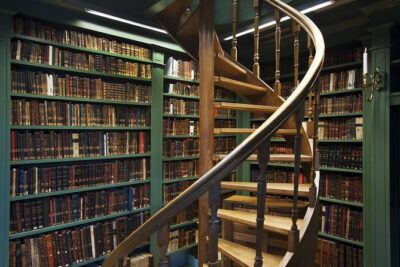 ★ 5.0Anne Frank Walking Tour Amsterdam Including Jewish Cultural QuarterFrom $751,879 reviews
 ★ 5.0Anne Frank’s Last Walk & See Anne Frank House in Virtual RealityFrom $42957 reviews
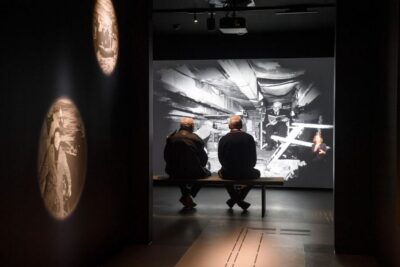 ★ 4.7Dutch WWII Resistance Museum Entry TicketFrom $21951 reviews
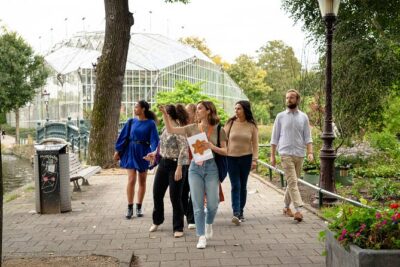 ★ 5.0Anne Frank and Jewish Quarter Amsterdam Private Walking TourFrom $157684 reviews
Browse the lists this tour appears in