
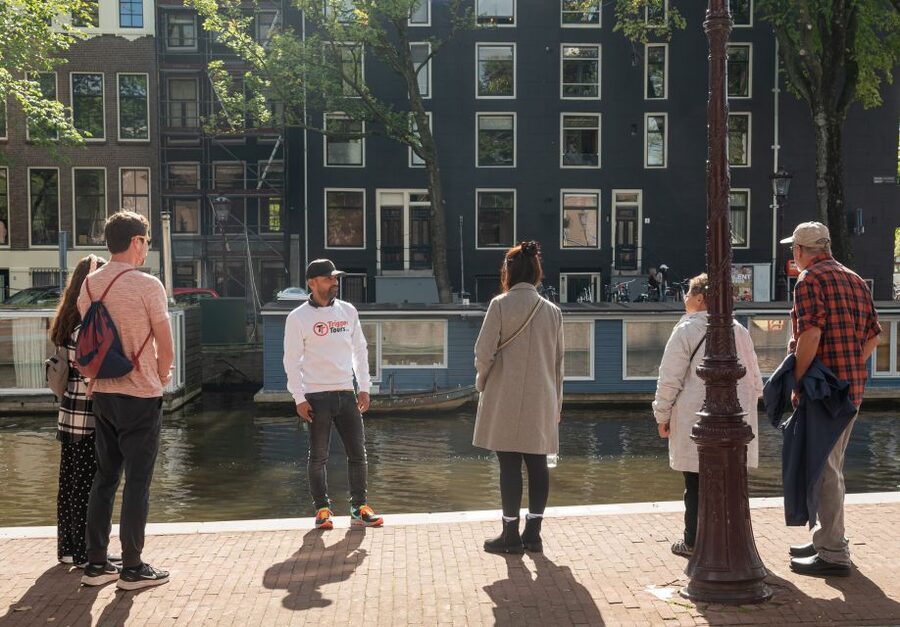
Reviewed · ANNE FRANK & JEWISH QUARTER
Amsterdam: Jewish Quarter and History Guided Tour
History walks can be heavy—but this one makes sense. In Amsterdam’s Jewish Quarter, you’ll connect Jewish life during WWII to real street-level landmarks, including Anne Frank’s House and the Dokwerker. Two things I really liked were how the guide frames the story through daily realities, and how the route connects memorials to specific places you can actually see.
The main drawback is also the point: the tour covers Nazi occupation and the darkest moments of the Holocaust, so it can feel emotionally intense. If you’re expecting light sightseeing, this isn’t that kind of walk.
In This Review
- Key Takeaways Before You Go
- The Jewish Quarter in Amsterdam: What This Walk Really Gives You
- Starting by the Amstel River: Getting Oriented Fast
- Portuguese Synagogue and the Jewish Community’s Public Life
- Jewish Historical Museum Area: Understanding What You’re Seeing
- Headquarters of the Jewish Council: Where Systems Became Harm
- The Dokwerker and the Occupation’s Physical Reality
- Auschwitz Monument: A Memorial With a Mission
- Anne Frank’s House: Finishing With Context, Not Just Fame
- What the Guide Does That Makes It Worth $23
- Group Size, Pace, and the Emotional Tone
- How to Prepare So You Get More Out of It
- Who This Tour Is Best For
- Should You Book This Amsterdam Jewish Quarter Tour?
- FAQ
- FAQ
- How long is the Amsterdam Jewish Quarter and History guided tour?
- How much does the tour cost?
- Is this tour private or shared?
- Where does the tour start?
- Where does the tour end?
- What landmarks are included on the route?
- What is included in the price?
- Are food and drinks included?
- What languages are available for the live guide?
- What is the cancellation policy?
- Is there a pay-later option?
Key Takeaways Before You Go
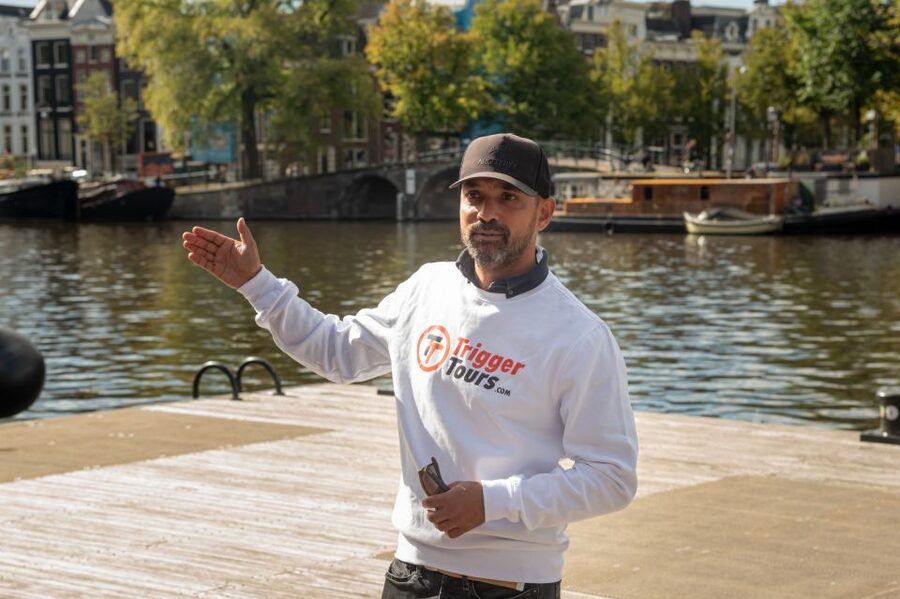
- Two hours, tight route: enough time to cover major sites without feeling rushed into silence.
- WWII through lived experience: you’ll hear about day-to-day life under occupation, not just dates and uniforms.
- Landmarks with meaning: the Auschwitz Monument and Dokwerker aren’t treated as photo stops.
- Anne Frank context at the end: you finish with her story and how Otto Frank helped publish the diary.
- Small-group feel possible: private or smaller groups can make questions easier, especially on sensitive topics.
Deeper into the Jewish Quarter and the war years
- Amsterdam Anne Frank: Small-Group Walking Tour & Local Guide
★ 4.8 · 12,789 reviews - Anne Frank’s Story – Guided Walking Tour through Amsterdam
★ 5.0 · 11,619 reviews - Amsterdam: Anne Frank Guided Walking Tour in DE/EN/IT/ES
★ 4.9 · 3,107 reviews - Amsterdam: Anne Frank Guided Small Group Walking Tour
★ 4.8 · 2,722 reviews
The Jewish Quarter in Amsterdam: What This Walk Really Gives You
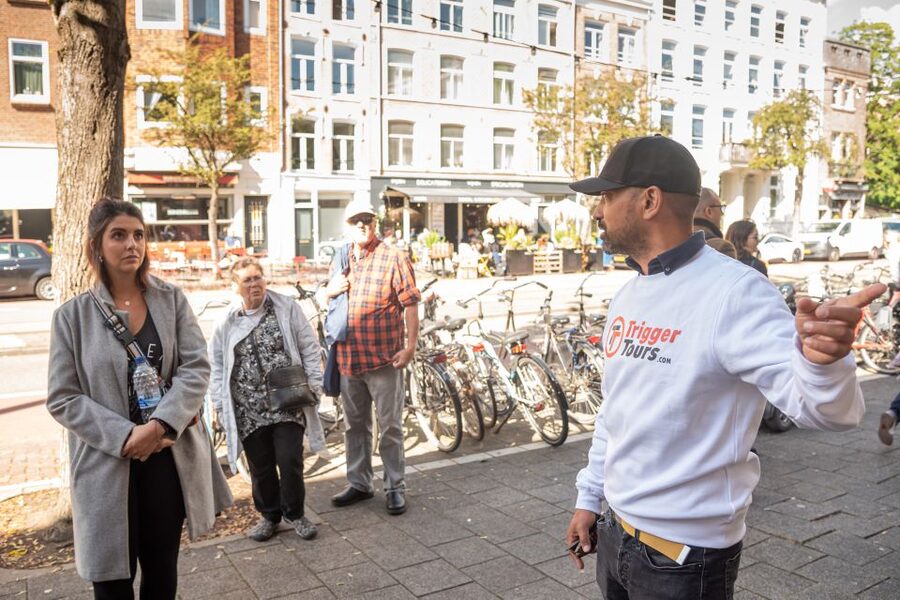
Amsterdam is often sold as canals, bicycles, and clever architecture. This tour slows that down and asks you to notice the city as a witness. You’re walking through neighborhoods where Jewish communities shaped daily life long before WWII, then changed again under Nazi occupation from 1940 to 1945.
What makes this experience valuable is the focus on why the places matter. Instead of treating landmarks like isolated points on a map, the guide ties each stop to the human scale of history—rooms, routines, institutions, and forced changes. You’ll get an overview of how occupation affected the capital and the Jewish community, and you’ll hear about how the Dutch behaved toward Jewish people during that time (handled with care, since it’s a painful subject).
And yes, you’ll see the famous spots—especially Anne Frank’s House—but you’ll also spend time on the lesser-known structures that explain how a community functioned, and how it was targeted.
Starting by the Amstel River: Getting Oriented Fast
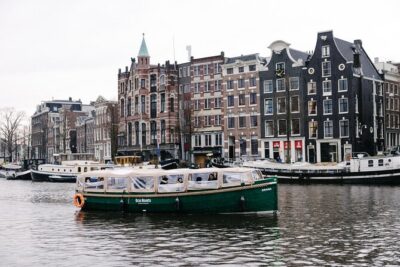
The walk begins near the Amstel River, which is a smart way to start. From the first stretch, you’re not just walking; you’re building geography and context. Rivers in Amsterdam are natural connectors, and using the Amstel as the start helps you understand the neighborhood flow as the story moves from broader occupation to specific Jewish locations.
I like that the tour frames the time period right away. You’re told the basic occupation timeline (1940 to 1945) so when the guide points to a building or memorial, you’re not trying to mentally fill in background. It’s the difference between watching a slideshow and following a story.
If you’re the type who likes to ask questions, this is a good start point. Early context makes it easier to understand the later, more specific details.
Portuguese Synagogue and the Jewish Community’s Public Life
One of the stops you’ll pass is the Portuguese Synagogue. Even if you don’t go inside (the tour is a walking experience), it matters that you see it as part of a living neighborhood. Synagogues weren’t just religious buildings. In many communities, they were part of the visible public rhythm—places where identity, learning, and community ties were supported.
This is where the tour’s approach really helps you. The guide doesn’t rush past the site like it’s a landmark checkmark. Instead, you get connected context about Jewish community life in Amsterdam—helpful if this is your first time learning about the city’s Jewish history.
And since the guide later returns to institutions and memorials, seeing a key synagogue early helps you understand what was lost and what was targeted.
More trips where a local runs the whole day



Jewish Historical Museum Area: Understanding What You’re Seeing
As you continue, the route includes the Jewish Historical Museum. Even if you’ve never visited a museum like this before, you’ll get the sense that the tour isn’t about memorizing facts. It’s about learning how to read the city.
The museum area acts like a cue: it signals that this neighborhood holds more than a single WWII story. You’re being taught to look at Amsterdam as layered—older community life, then occupation and persecution, then remembrance.
Practical note: if you’re sensitive to heavy topics, this is a good moment to slow down mentally. The tour’s tone is meant to be respectful and factual, but you are still learning about oppression. If you ever need a pause, you can ask for a moment during the walk.
Headquarters of the Jewish Council: Where Systems Became Harm
The tour also includes the Headquarters of the Jewish Council. This is an important stop because it helps you understand that Nazi occupation didn’t only rely on brute force. It also used systems, controls, and forced compliance. Places like council offices tell a different part of the story than the more famous hiding-place narrative.
For me, this is where the tour becomes especially educational. You start to see the structure of what happened, not only the outcomes. The guide’s job here is to make the connection clear: how occupation reshaped community governance and daily life.
Also, because the tour is a guided walking format, the explanation can match the exact setting you’re looking at. That’s hard to get from a self-guided stroll.
The Dokwerker and the Occupation’s Physical Reality

The route includes the Dokwerker, which is tied to deportation history and the grim mechanics of occupation. This isn’t a place you stop for scenery. You stop because the guide gives meaning to what it represents.
You’ll retrace the darkest moments as you learn about how occupation functioned in practice in Nazi-occupied Netherlands. That word—practice—matters. This kind of tour tries to translate the historical machinery into the lived geography of Amsterdam.
One more reason I appreciated this stop: the guide doesn’t turn it into a lecture that leaves you outside the moment. Instead, you’re encouraged to connect place, purpose, and human consequence.
Auschwitz Monument: A Memorial With a Mission
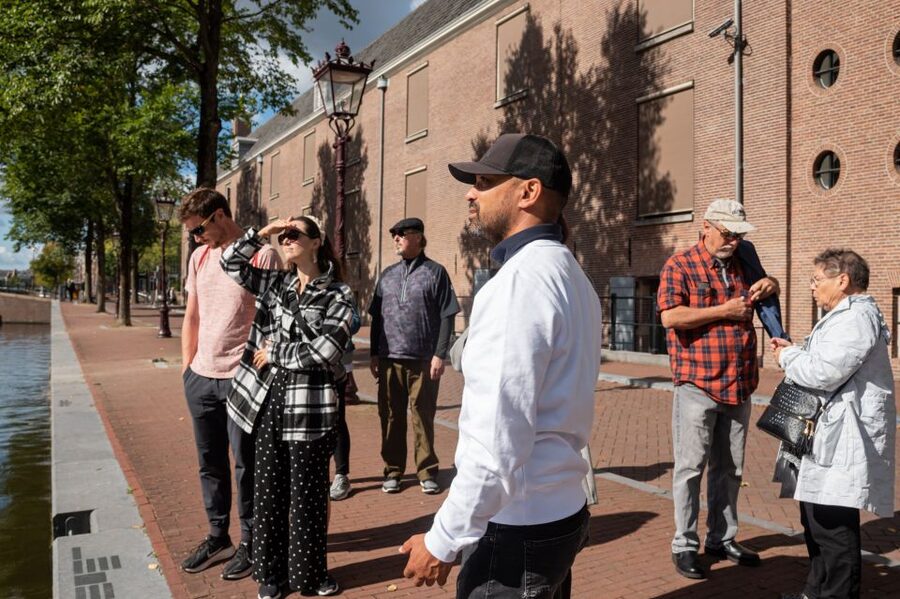
The Auschwitz Monument is part of the walk, and the guide explains its purpose. Memorials can sometimes feel like generic monuments if you only glance at them. Here, the explanation helps you see why the memorial exists and what it asks of you as a viewer.
In my view, this is one of the most important elements of the experience: learning how to look at a memorial with intention. You don’t just see stone; you understand what the site is trying to keep from disappearing.
There’s also a practical takeaway. After a memorial stop, your brain often needs a minute. This tour is two hours, so the guide has to balance meaning with timing. If you tend to want extra photo time or quiet time at memorials, plan to accept that you’ll get explanation first, then a shorter moment to absorb it.
Anne Frank’s House: Finishing With Context, Not Just Fame
The tour ends in front of Anne Frank House. That matters because it places one of the most famous WWII stories inside the broader Amsterdam neighborhood story you’ve been building all along.
You’ll learn about her bestselling diary, including that it was published by her father, Otto Frank, and how the diary gained worldwide fame. This is not just a recap of a book. It’s a reminder that the story you’ve heard in books and media comes from a specific time and place.
Finishing here is emotionally powerful, but it’s also informative. If Anne Frank is the first name that comes to mind when you think of Amsterdam and WWII, this tour helps you connect her story to the wider community that was affected.
What the Guide Does That Makes It Worth $23
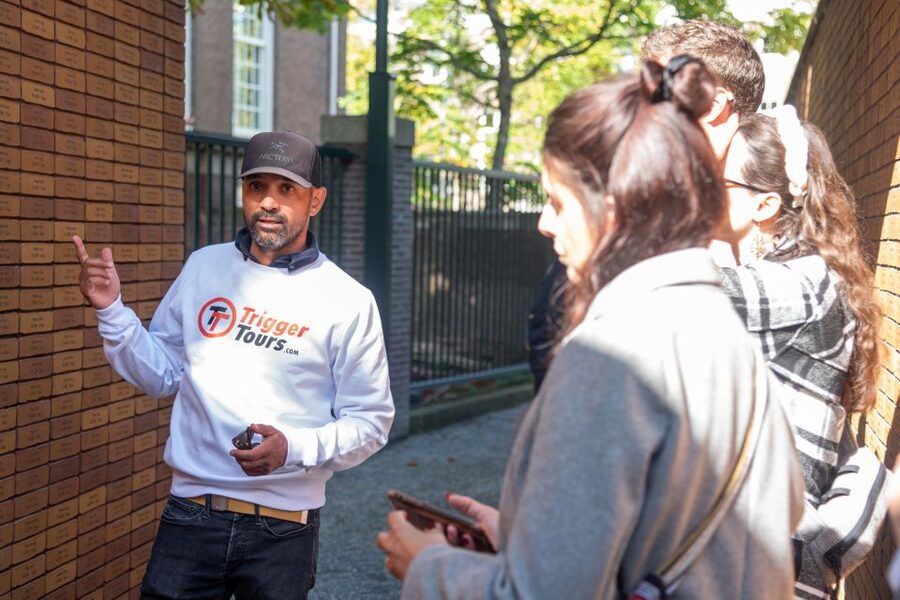
At $23 per person for a 2-hour guided walking tour, this is priced like you’d expect for a serious, guide-led experience in a major city. The value isn’t in the route length. It’s in the interpretation.
You’re paying for:
- a local guide who can connect occupation history (1940–1945) to specific landmarks
- sensitive framing of persecution and memorials
- an efficient way to cover key sites without you needing to research every building on your own
And you’re not buying time at a museum café or paying for extra attractions. Food and drinks aren’t included, so your cost stays focused on the core experience: the walk and the guide.
Language support is also part of the value. The tour offers live guides in English and Spanish, and the small-group or private options can make it feel more personal when you have questions.
Group Size, Pace, and the Emotional Tone
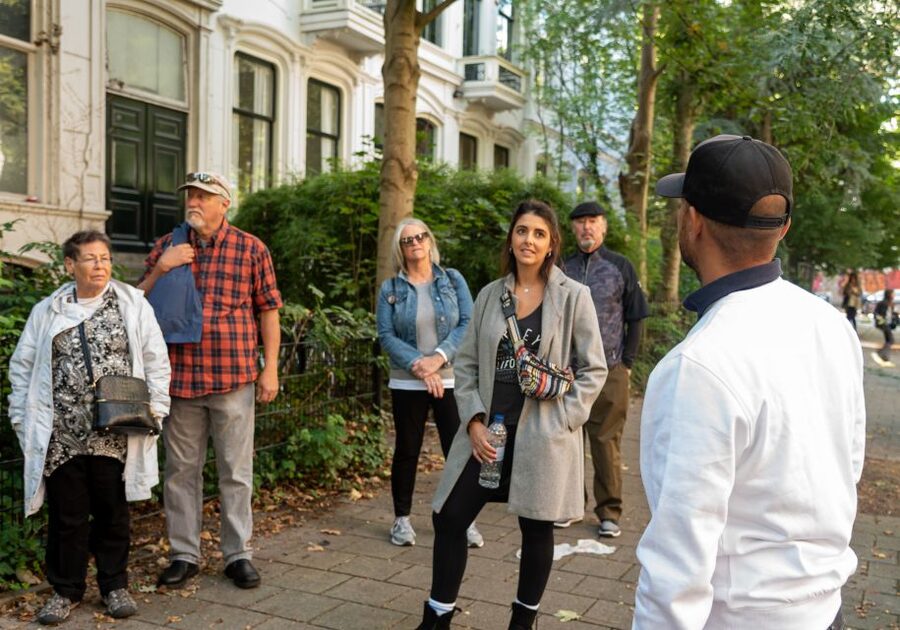
This tour can be run as private or shared and tends to work best when you’re open to a guided conversation style. Many guides described in the experience feedback are patient with questions and careful with how they handle sensitive material. That’s a big deal here. It’s not just what you learn; it’s how you’re taught.
Pace is where people differ. The majority of feedback praises an appropriate, well-paced walk with time for understanding. Still, there’s a fair caution: at memorial stops, some people want a bit more time to absorb what they’re seeing before moving on. If you’re someone who likes to linger quietly (or you process slowly on serious topics), consider choosing a private option if available, or simply plan to ask the guide for a moment when needed.
Emotionally, the tour is somber. That doesn’t mean it’s vague. It’s respectful and factual, and it aims to help you understand life under occupation—not to shock you for entertainment.
How to Prepare So You Get More Out of It
This is a history tour, but you don’t need to be a history major. You just need the right mindset.
A few practical prep tips:
- Bring comfortable shoes. You’ll be walking for two hours.
- If you’re visiting Anne Frank House later or the same day, note that this tour gives the diary context and WWII framing first.
- If you’re easily overwhelmed by Holocaust-related subjects, let the guide know at the start. You don’t have to pretend you’re fine.
If you want to get the most value, go in ready to look at buildings and memorials as evidence. That’s how the route becomes meaningful instead of just scenic.
Who This Tour Is Best For
This is ideal if you:
- want a focused introduction to Amsterdam’s Jewish Quarter and WWII occupation history
- like guided interpretation that connects multiple sites into one story
- prefer a route built around landmarks such as the Portuguese Synagogue, Jewish Historical Museum area, Jewish Council HQ, Dokwerker, and Auschwitz Monument
It’s also a good choice if you’re traveling with someone who wants history without getting lost in guidebook reading. The walking format keeps you moving through the neighborhood while the guide supplies the missing links.
If you’re on a short visit and you want the biggest value in the smallest time window, two hours is a manageable commitment.
Should You Book This Amsterdam Jewish Quarter Tour?
Yes, if you want the Jewish Quarter to make sense beyond the postcard version of Amsterdam. This tour is strong on meaning: it connects landmarks to what Jewish people faced, and it ends with Anne Frank’s story in context.
Book it especially if you:
- value a respectful, factual guide-led experience
- want key sites covered in one session without planning multiple stops
- appreciate a thoughtful approach to sensitive history
Skip it only if you’re looking for a light, casual sightseeing walk. This one asks for attention and emotional readiness. That’s also why it tends to land well: you don’t leave with just names on a map—you leave with a clearer understanding of how the neighborhood ties into WWII and remembrance.
FAQ
FAQ
How long is the Amsterdam Jewish Quarter and History guided tour?
It lasts 2 hours.
How much does the tour cost?
The price listed is $23 per person.
Is this tour private or shared?
It can be private or shared, with private or small-group options available.
Where does the tour start?
The walk begins by the Amstel River, though the exact meeting point may vary depending on the option booked.
Where does the tour end?
It finishes in front of Anne Frank House.
What landmarks are included on the route?
You’ll pass major landmarks including Anne Frank’s House, the Dokwerker, the Portuguese Synagogue, the Jewish Historical Museum, the Headquarters of the Jewish Council, and the Auschwitz Monument.
What is included in the price?
The tour includes a walking tour and a guide.
Are food and drinks included?
No, food and drinks are not included.
What languages are available for the live guide?
The tour offers live guides in English and Spanish.
What is the cancellation policy?
You can cancel up to 24 hours in advance for a full refund.
Is there a pay-later option?
Yes. The tour offers Reserve now & pay later, so you can book and pay nothing today.
If you want, tell me your travel dates and whether you prefer private or small-group. I can suggest the best way to pair this with other WWII or Holocaust memorial time in Amsterdam.
More Tours in Amsterdam






More Tour Reviews in Amsterdam






The Jewish Quarter, Explored Further




Just added: fresh Amsterdam tour reviews





Anne Frank & Jewish Quarter, compared.
 ★ 4.8Amsterdam Anne Frank: Small-Group Walking Tour & Local GuideFrom $2912,789 reviews
 ★ 5.0Anne Frank’s Story – Guided Walking Tour through AmsterdamFrom $3911,619 reviews
 ★ 4.9Anne Frank Guided Walking Tour in DE/EN/IT/ESFrom $283,107 reviews
 ★ 4.8Anne Frank Guided Small Group Walking TourFrom $282,722 reviews
 ★ 5.0Anne Frank Walking Tour Amsterdam Including Jewish Cultural QuarterFrom $751,879 reviews
 ★ 5.0Anne Frank’s Last Walk & See Anne Frank House in Virtual RealityFrom $42957 reviews
 ★ 4.7Dutch WWII Resistance Museum Entry TicketFrom $21951 reviews
 ★ 5.0Anne Frank and Jewish Quarter Amsterdam Private Walking TourFrom $157684 reviews
Browse the lists this tour appears in