
Reviewed · VAN GOGH MUSEUM TOURS
Amsterdam: 2-hour Rembrandt & Van Gogh walking tour
Art history walks with you. In just two hours, you connect Rembrandt, Van Gogh, and the Dutch Golden Age to real streets you can actually stand on.
I especially like how the route turns big-name paintings into human stories you can follow without needing an art degree. And you get a clear sense of why Amsterdam kept producing painters who changed how people see light, portraits, and everyday life.
The biggest win for me is the guide style. When our guide Manouk explains the background, the art becomes easier to understand, not harder. You’ll also love the practical photo stops, like the bridge tied to Monet’s Amsterdam and the areas associated with Rembrandt’s creative world.
One possible drawback: this walk stays outdoors and includes no museum entrances. If you want to go inside and linger, you’ll need a separate plan for places like the Rijksmuseum afterward.
In This Review
- Key moments you shouldn’t miss
- Why this 2-hour Rembrandt and Van Gogh walk is a smart use of time
- Finding your group at Prins Hendrikkade 95 (and getting oriented fast)
- Nieuwmarkt Square: history you can feel in the first minutes
- Het Trippenhuis: why a building can explain an art era
- Zuiderkerk: where the tour widens from art to Amsterdam life
- Rembrandthuis: grounding the Nightwatch story in real surroundings
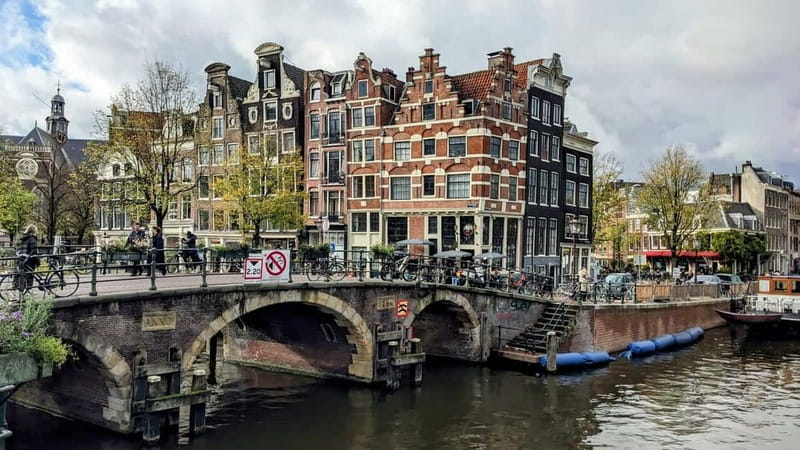
- Staalmeestersbrug: the Monet bridge stop you’ll remember
- Oudemanhuispoort: a calmer feel before the final stretch
- Tivoli Doelen Amsterdam Hotel: finishing with a lived-in city vibe
- Blauwbrug finish: a classic canal ending point
- Price and value: what $22 buys you (and what it doesn’t)
- What you’ll learn about the Dutch Masters (without getting stuck in facts)
- Who this tour is best for
- Practical tips to get more from the route
- Should you book the Amsterdam Rembrandt and Van Gogh walking tour?
- FAQ
- How long is the Rembrandt and Van Gogh walking tour?
- How much does the tour cost?
- Where do I meet the guide?
- Where does the tour end?
- Is the tour guided in English?
- Does the tour include museum entrance tickets?
- Is the tour wheelchair accessible?
- Can I book a private group?
- Is free cancellation available?
Key moments you shouldn’t miss
- Prins Hendrikkade 95 start near Central Station, so you can fit this into almost any day
- Nieuwmarkt Square for instant “Old Amsterdam” energy and context
- Rembrandthuis area as a grounding point for how Rembrandt worked and lived
- Staalmeestersbrug bridge stop where you’ll hear the Monet connection
- Oudemanhuispoort for a quieter, atmospheric shift in the walk
- Blauwbrug finish that drops you back into a classic canal-side area
More hours with Van Gogh and the masters
- Amsterdam: Van Gogh Museum Ticket and City Canal Cruise
★ 4.6 · 3,899 reviews - Amsterdam: Van Gogh Museum Ticket & Canal Cruise
★ 4.5 · 3,304 reviews - Van Gogh Museum Amsterdam Exclusive Tour w/ Reserved Entry
★ 5.0 · 1,760 reviews - Van Gogh Museum Tour Reserved Entry Semi Private
★ 5.0 · 1,437 reviews
Why this 2-hour Rembrandt and Van Gogh walk is a smart use of time
Amsterdam can eat your schedule. This tour is a clean two-hour block that gives you a lot of art context without requiring museum-ticket time. At $22 per person, it’s also a straightforward add-on if you’re doing the city’s bigger sights later.
The concept is simple: you focus on where artists found inspiration—streets, neighborhoods, and landmarks—then you carry that understanding into museum viewing. That matters because painting styles make more sense when you know what a city looked like to the people living in it.
You’re not just hearing names. You’re connecting the Dutch Masters to the Amsterdam around them, and that makes the whole topic feel less like trivia and more like a map. Even if you’re not “an art person,” the format works because it pairs explanation with walking and sightlines.
Finding your group at Prins Hendrikkade 95 (and getting oriented fast)
You meet at Prins Hendrikkade 95, on the left side of Schreierstoren when you face Central Station with your back. The guide holds a sign that says Guidance, which makes it easier to spot everyone quickly.
This is a good meeting point for practical reasons. You’re near a major transit hub, so it’s easier to combine with tram rides, canal wandering, or a Rijksmuseum visit later. Also, starting near the center reduces the “dead time” of getting across town before the tour even begins.
Wear shoes you’re comfortable walking in. The best part of this tour is standing close to the places being discussed, so you’ll want to move confidently without rushing.
Nieuwmarkt Square: history you can feel in the first minutes
The tour heads to Nieuwmarkt Square, and this stop is less about a single painting and more about setting the scene. Squares like this help you understand how people moved through the city and where life clustered—basically, the background canvas for artist stories.
As you listen, you’ll start building a framework. You learn what Amsterdam meant in the artists’ era, and how the city’s layout and social life shaped the subjects painters returned to again and again. It’s the kind of context that makes later references click.
If you like photography, you’ll also get early opportunities to capture Amsterdam’s mix of old and lived-in architecture. You’ll be glad you don’t rush through this first stop, because it sets the tempo for the rest of the walk.
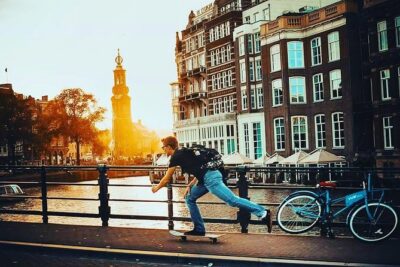
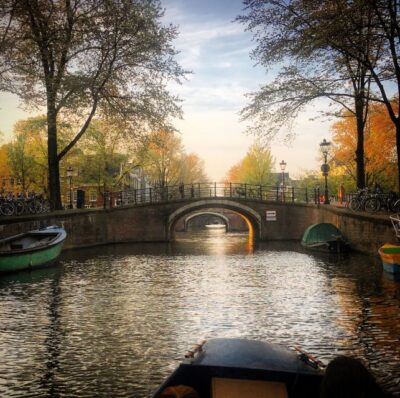
More of Amsterdam street by street, on foot




Het Trippenhuis: why a building can explain an art era
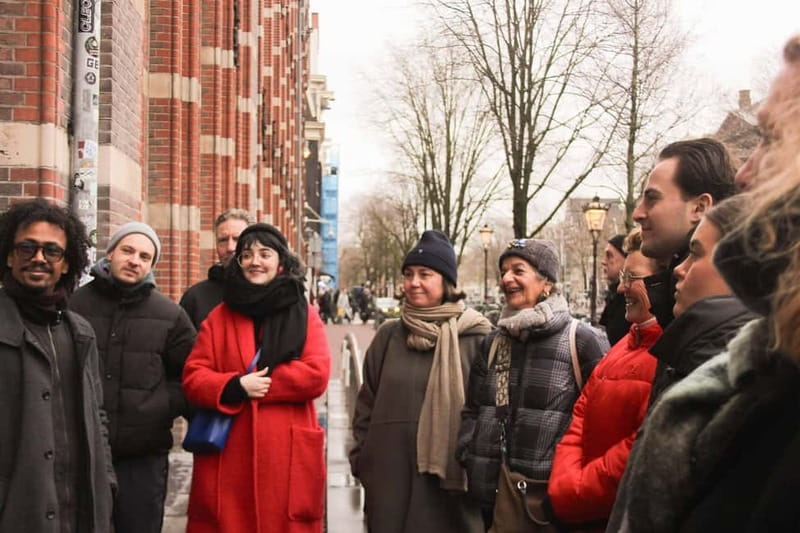
Next comes Het Trippenhuis, a stop that works well because it turns “Dutch Golden Age” from a phrase into a place you can picture. The guide’s job here is to connect art culture to the built environment—what society valued, how wealth moved, and how taste circulated.
This stop is valuable if you tend to remember details visually. When you later see Dutch portraits or interior scenes in a museum, you’ll likely recall this kind of setting and lighting. That helps you notice why paintings look the way they do, not just what they depict.
One thing to consider: if you expect every stop to be a direct connection to one famous painting, you may find some landmarks feel more interpretive. The payoff is that you get a clearer overall picture of why so many artists thrived in the Netherlands.
Zuiderkerk: where the tour widens from art to Amsterdam life
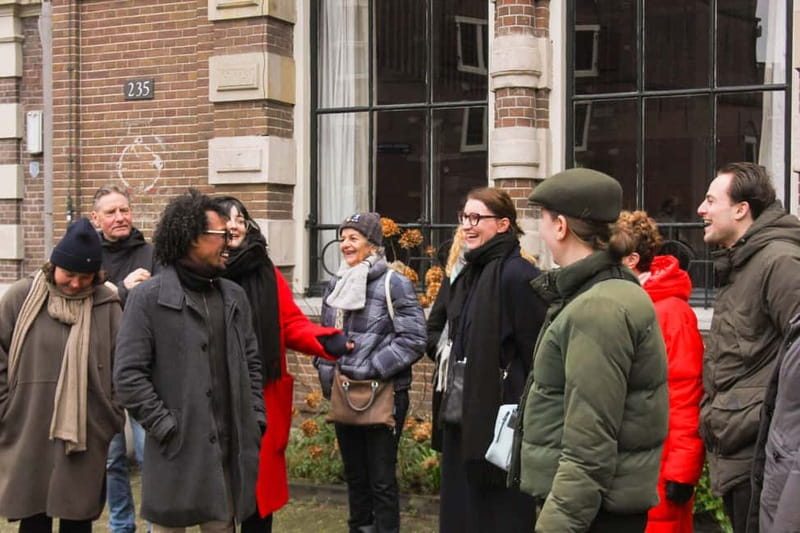
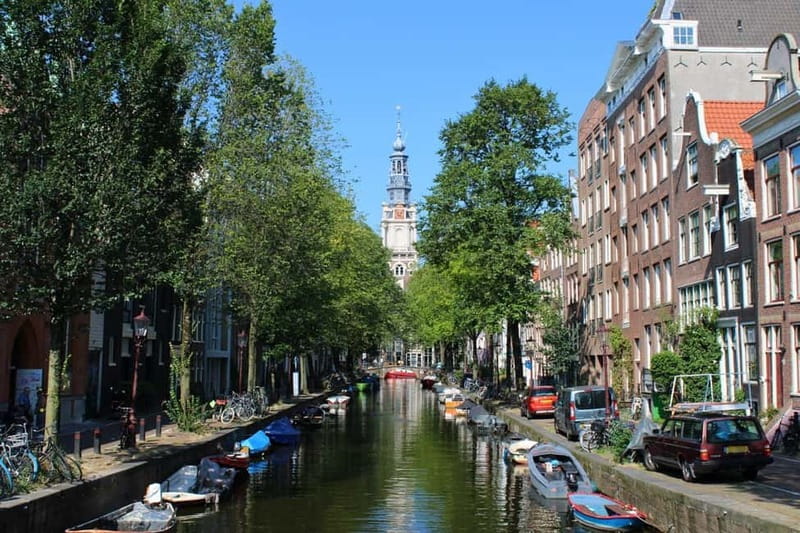
At Zuiderkerk, the tour shifts toward how Amsterdam worked as a city, not just how paintings were made. Churches, civic buildings, and major landmarks help explain the public world that artists observed and responded to.
This is also where you’ll start hearing about the wider chain of influence. The Netherlands produced so many master painters because the city supported art culture in visible ways, and that shows up in the kind of places you pass.
I like this stop because it slows you down. You can take in the streetscape, notice how the city frames views, and then listen to how that atmosphere relates to art themes.
Rembrandthuis: grounding the Nightwatch story in real surroundings
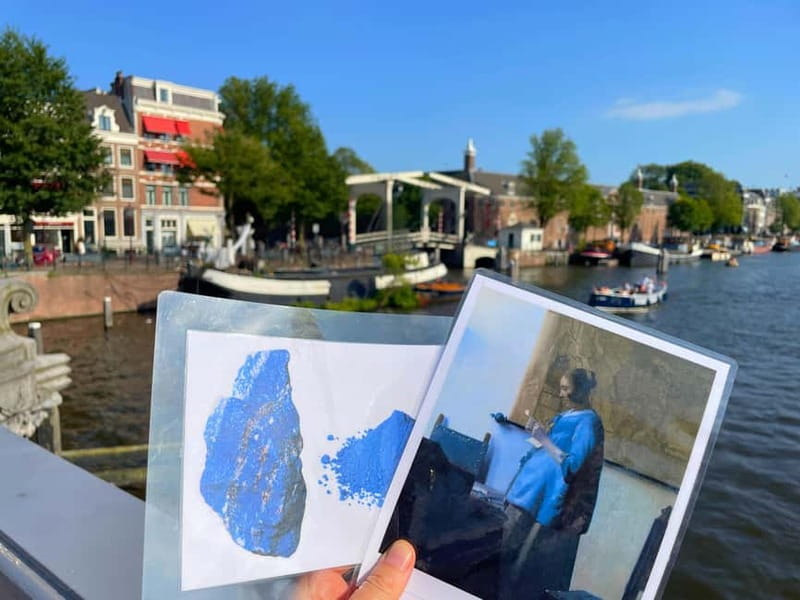
Then you reach museum Rembrandthuis. Even though you won’t be going inside, the area gives the tour weight. It’s the kind of location that helps you understand Rembrandt not as a legend, but as a working person in a specific neighborhood.
This stop is closely tied to the idea of Rembrandt’s Nightwatch being created in this part of Amsterdam. Hearing that connection while you stand nearby is powerful because it turns a famous painting into a physical origin point. You start thinking in terms of timing, studios, and local networks, rather than just dates on a label.
If you’re a first-time Amsterdam visitor, this is one of the moments that makes the whole city feel like it has a “story layer.” You can look around and imagine the daily rhythm behind major artworks.
Staalmeestersbrug: the Monet bridge stop you’ll remember
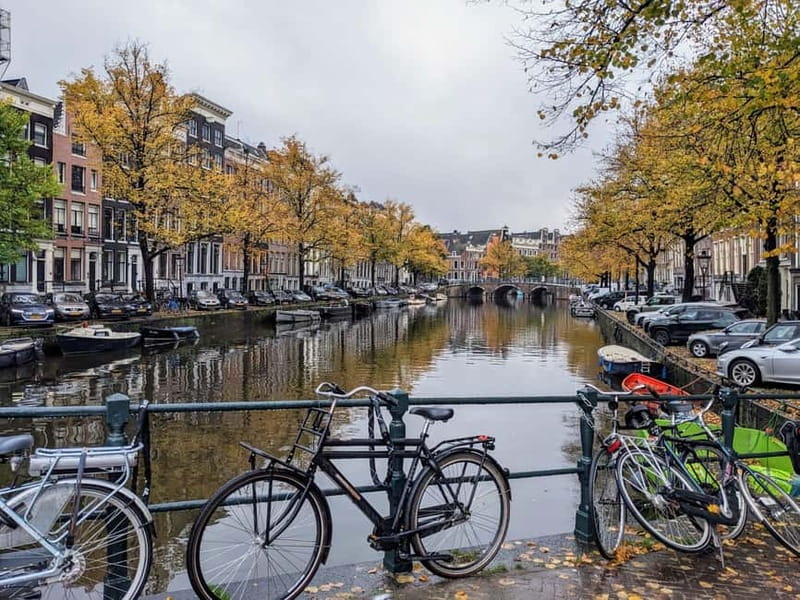
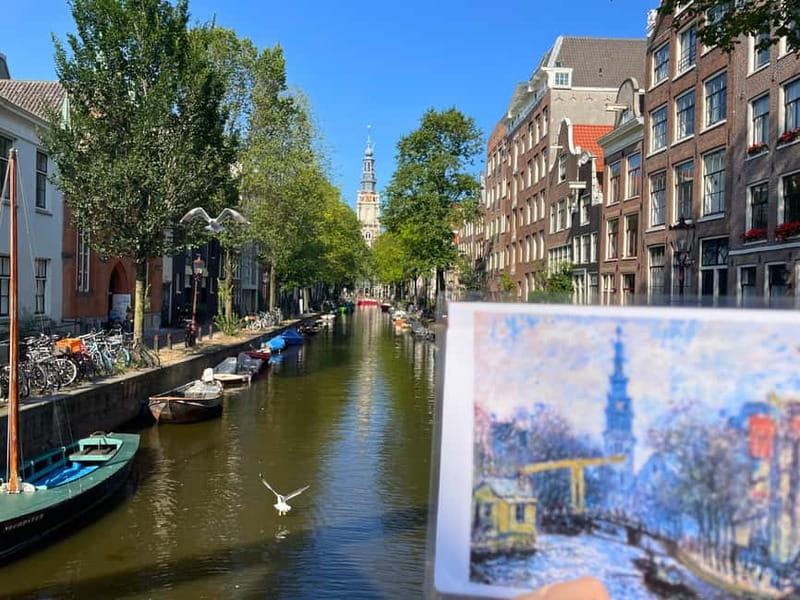
At Staalmeestersbrug, the tour connects Amsterdam to Monet. The highlight here is the bridge where Monet painted a famous artwork of Amsterdam, and it’s a smart move in the itinerary because it shows artistic continuity across time.
What I like most about this stop is the perspective shift. You’re moving from Dutch Masters and 17th-century art culture into Impressionism and later ways of seeing the city. That helps you notice how the subject—Amsterdam—stays constant, while the style and focus evolve.
Bring your camera here. Bridges give you multiple angles quickly, and you’ll likely want a photo you can compare later with the painting you plan to see in a museum or book.
Oudemanhuispoort: a calmer feel before the final stretch
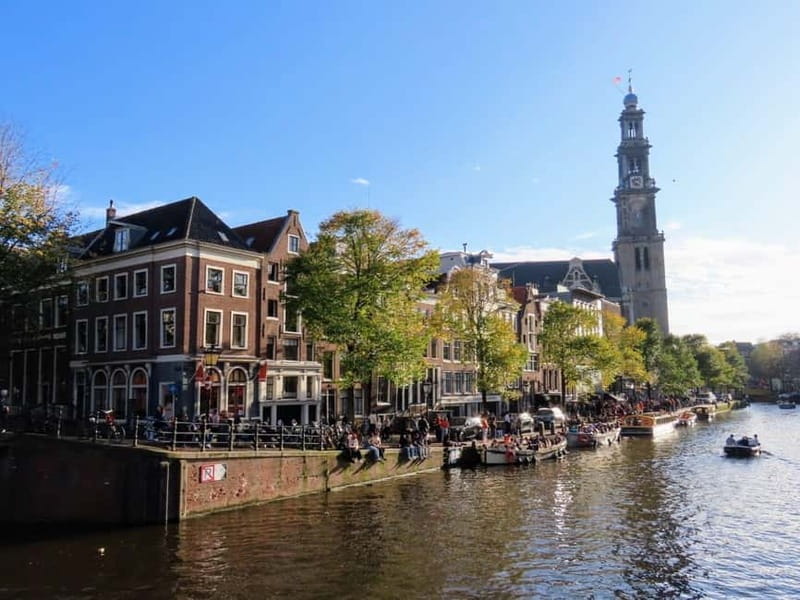
The tour continues to Oudemanhuispoort, a stop that tends to feel more atmospheric. This part of the walk works like a breather: you go from big landmark energy into a quieter, more intimate Amsterdam mood.
For art context, this is useful because it helps you imagine different scales of daily life. Painters weren’t only inspired by monuments; they also responded to how people lived, gathered, and moved through smaller spaces.
This stop also gives you a chance to ask yourself what you’re learning. After a couple of landmark explanations, you’ll likely start picking up patterns in the guide’s storytelling—how subject matter, light, and setting connect.
Tivoli Doelen Amsterdam Hotel: finishing with a lived-in city vibe
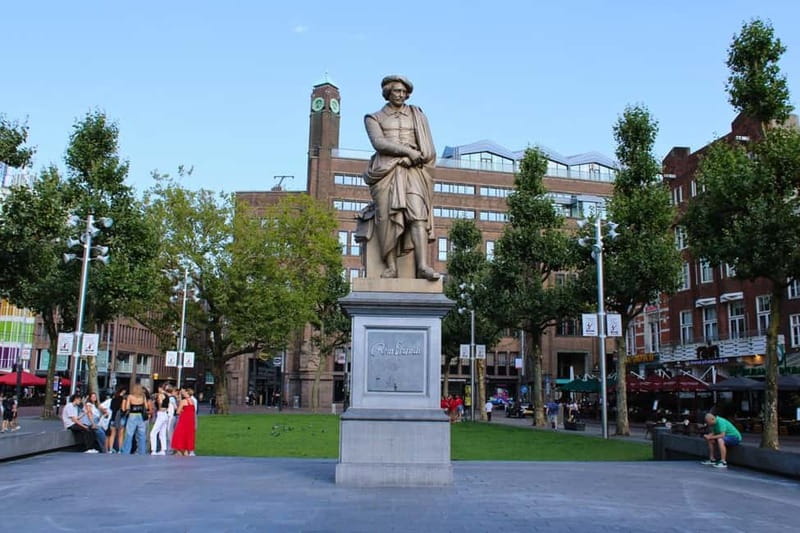
Next up is Tivoli Doelen Amsterdam Hotel. It’s a practical stop too, because you’re getting reminded that Amsterdam is not a museum set. It’s a functioning city where art history sits beside hotels, businesses, and modern movement.
When you listen carefully here, you’ll understand why the tour doesn’t try to cram in too many stops. Each one adds a piece of the bigger puzzle: artists, society, and place. It’s a good reminder if you’re tempted to see Amsterdam as only canals and postcards.
From here, you’re set up for the final stretch without feeling like the tour “ran out of steam.” The pacing feels steady.
Blauwbrug finish: a classic canal ending point
The tour finishes at Blauwbrug. This matters because it drops you near a classic canal-side scene, so it’s easy to keep exploring immediately after the tour ends.
If you want to follow up with a museum day, this finish point helps you plan. You can take a tram or walk depending on what you feel like doing next.
Also, having a clear end point makes the experience feel complete. You leave with a mental map of Amsterdam through art references, not just a list of names.
Price and value: what $22 buys you (and what it doesn’t)
At $22 per person for about 2 hours, the value comes from the guide and the focused route. You’re paying for someone to connect visual art and Amsterdam locations into one story you can carry into other days.
The key thing to know is what’s not included: museum entrance tickets. The tour is designed for walking and explanation, not indoor viewing. So if you want to see masterpieces up close for real, plan the Rijksmuseum afterward or pick another museum that matches your interests.
This is actually a plus for many people. A museum visit can be slow and physically demanding. Doing a walking art context tour first can make your museum time feel more purposeful once you’re inside.
What you’ll learn about the Dutch Masters (without getting stuck in facts)
The tour focuses on artists tied to big names like Rembrandt, Van Gogh, and Vermeer, plus references to other painters such as Frans Hals. You’ll learn why the Netherlands produced so many master painters and how artistic ideas connect across centuries.
You’ll also pick up the “why” behind familiar works—especially the story around The Night Watch and the locations connected to its creation. That kind of explanation helps you look at paintings with your eyes instead of your assumptions.
A theme you’ll notice is the social and cultural role of art during the period often called the Dutch Golden Age. The tour doesn’t treat art as isolated genius. It treats art as something made by people in a specific place, with audiences, patrons, and local city life feeding it.
Who this tour is best for
This is ideal if you want an easy entry point to Dutch art. It’s also a strong fit if you like walking tours that feel more meaningful than “look at this building” commentary.
It works well for art-curious people who get intimidated by museums. The guide style—especially when someone like Manouk is leading—can make the background understandable fast, so you spend less time feeling lost and more time noticing details.
If you’re a die-hard art specialist searching for long museum stops, you might feel limited by the outdoor format and the lack of entrance tickets. Still, as a primer, it can make your later museum visit better.
Practical tips to get more from the route
- Bring a phone camera and be ready to pause often. Bridges and landmark angles show up quickly.
- If you plan to visit the Rijksmuseum next, note the names and paintings the guide highlights, so you can connect images afterward.
- Dress for walking. Two hours seems short until you’re moving through canal-adjacent streets and waiting at stops.
- If you’re unsure what you’re hearing, ask a simple question like how one location connects to a painting. The guide’s job is to make connections feel clear.
Should you book the Amsterdam Rembrandt and Van Gogh walking tour?
Book it if you want a low-cost, high-context way to understand Dutch art while seeing Amsterdam at street level. It’s the kind of tour that helps your museum day feel smarter, because you’ll be able to recognize the city’s role in shaping the artists.
Skip it only if your main goal is to spend time inside museums during the tour itself. Since there are no entrance tickets and the focus is walking, you’ll still need a separate plan to view paintings in galleries.
If you’re aiming for an art-and-city day in about two hours, this route gives you exactly that—plus a great trail of places you’ll remember when you see the masterpieces later.
FAQ
How long is the Rembrandt and Van Gogh walking tour?
It lasts about 2 hours.
How much does the tour cost?
The price is $22 per person.
Where do I meet the guide?
Meet at Prins Hendrikkade 95, on the left side of Schreierstoren facing Central Station with your back. The guide holds a sign that says Guidance.
Where does the tour end?
The tour finishes at Blauwbrug.
Is the tour guided in English?
Yes, it’s a live tour guide in English.
Does the tour include museum entrance tickets?
No. Museum entrances are not included, and the tour does not visit museums.
Is the tour wheelchair accessible?
Yes, the tour is wheelchair accessible.
Can I book a private group?
Yes, private group options are available.
Is free cancellation available?
Yes, you can cancel up to 24 hours in advance for a full refund.
More Tours in Amsterdam






More Tour Reviews in Amsterdam






More Time with Van Gogh





Just added: fresh Amsterdam tour reviews





Van Gogh Museum Tours, compared.
 ★ 4.6Van Gogh Museum Ticket and City Canal CruiseFrom $473,899 reviews
 ★ 4.5Van Gogh Museum Ticket & Canal CruiseFrom $473,304 reviews
 ★ 5.0Van Gogh Museum Amsterdam Exclusive Tour w/ Reserved EntryFrom $1731,760 reviews
 ★ 5.0Van Gogh Museum Tour Reserved Entry Semi PrivateFrom $1731,437 reviews
 ★ 4.9Van Gogh Museum Entry Ticket and Guided TourFrom $175681 reviews
 ★ 4.0Combo Ticket: Van Gogh Museum Ticket and 1-Hour Canal CruiseFrom $45676 reviews
 ★ 4.3Van Gogh & Rembrandt Captivating Experience EntryFrom $20615 reviews
 ★ 4.7Van Gogh Museum Guided Tour with EntryFrom $69535 reviews
Browse the lists this tour appears in