
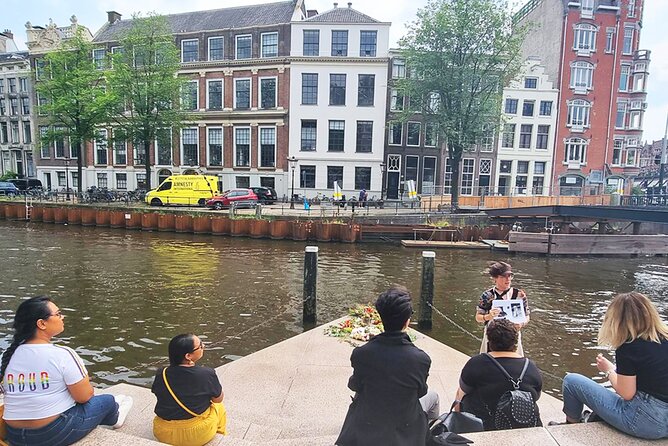
Reviewed · HISTORICAL TOURS
Small Group LGBTQ+ History Tour in Amsterdam
Amsterdam has a queer heartbeat in plain sight. This 2-hour LGBTQ+ history tour threads stories across Amsterdam’s overlooked corners, ending on the Torensluis bridge. You’ll walk a tight route through nightlife centers, canal streets, and memorial spaces, with a local guide who tells the past like it’s happening again.
I especially like the small group size (max eight). That keeps the pace human, and it’s easier to ask questions as the guide connects centuries of change to the streets you can actually see. I also like that the tour is built around storytelling at seven landmark areas, not a museum lecture, so you stay engaged even when the topics get heavy.
One consideration: the experience runs best with good weather, since you’ll be moving outside for the full length of the walk. On a cold or rainy day, it’s still workable if you dress for it, but it’s not the kind of activity you’d choose for a day you want to stay mostly indoors.
In This Review
- Key things I’d plan around
- A Small-Group LGBTQ+ History Walk You Can Do in 2 Hours
- Price, Free Admissions, and Why $47.34 Feels Fair
- Getting There: Utrechtsestraat Start and Torensluis Finish
- Stop 1 Rembrandtplein: Club Nights, a Married King, and Early Legal Gay Marriage
- Stop 2 Munttoren (Munt Tower): A Shopkeeper’s Fight Against State Violence
- Stop 3 Koningsplein: Church Power, Hidden Records, and a Familiar Name
- Stop 4 Emperor’s Canal (Keizersgracht): The Pope of the Gays and a Lesbian Love Triangle
- Stop 5 Gay Monument and Stop 6 Herengracht: Celebration, Mourning, and Resistance in Plain Brick Houses
- Stop 7 Torensluis: A Trans Soldier in Amsterdam’s 18th-Century Militia
- Who This Tour Suits (and Who Might Want a Different Format)
- Should You Book This Amsterdam LGBTQ+ History Tour?
- FAQ
- How long is the Small Group LGBTQ+ History Tour in Amsterdam?
- What’s the group size limit?
- What language is the tour offered in?
- Where do I meet for the tour?
- Where does the tour end?
- Do I need to buy admission tickets for the stops?
- What ticket format do I receive?
- What’s included in the price?
- What’s the weather requirement?
- Can I cancel for a full refund?
- Are service animals allowed?
Key things I’d plan around

- Max eight people means more personal attention and fewer long silences.
- All stops are free to enter, so you’re paying for the guide and the route, not ticket fees.
- Rembrandtplein to Torensluis gives you a fast route across multiple eras, from nightlife to militia-era stories.
- Canal-area themes show how queer life, law, and community networks shaped Amsterdam’s urban fabric.
- A guide as a storyteller is central, so expect narratives with names, motives, and consequences.
- Weather matters, because it’s a walking tour built for outside locations.
Still deciding? A few more Amsterdam tours worth a look
- Amsterdam Food and Cultural Tour with Tastings
★ 5.0 · 4,315 reviews - Amsterdam: Historic City Centre Canal Cruise
★ 4.3 · 659 reviews - Amsterdam: Haunted History and Ghost Walking Tour
★ 4.5 · 488 reviews - Amsterdam High-End Dutch Food & History Tour – Up to 8 guests
★ 5.0 · 482 reviews
A Small-Group LGBTQ+ History Walk You Can Do in 2 Hours
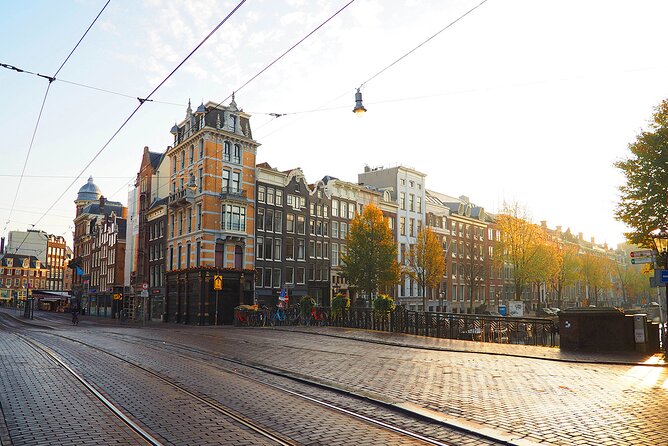
This is the kind of Amsterdam tour you do when you want more than canals and coffee photos. In two hours, you cover a surprising sweep of time and theme: social life, legal change, state pressure, church power, and survival work during wartime. The tour is offered in English, and it’s paced to keep the story moving without feeling rushed.
I like that it doesn’t treat LGBTQ+ history as one era and done. Instead, it keeps bouncing between early modern life, legal milestones, public monuments, and resistance networks. If you’re a history buff, you’ll enjoy how the guide keeps linking personal stories to broader systems—law, religion, and violence.
Price, Free Admissions, and Why $47.34 Feels Fair
At $47.34 per person for about two hours, you’re paying for a local guide and a route that hits seven meaningful locations. The big practical plus is that the tour lists admission as free at every stop, so you’re not juggling extra costs or deciding last-minute whether to skip entry lines.
This price also makes sense if you care about intimate group tours. With a max of eight travelers, you don’t get the same crowd-energy you’d expect from larger city bus-style history walks. You’re more likely to get a back-and-forth tone, especially when stories raise uncomfortable questions about power and who got protected.
Here’s the honest tradeoff: if you only want top-tier stops with deep time for each place, seven stops in two hours means you’ll get snapshots rather than a full “one location, one hour” format. Still, for most visitors, it’s a smart way to get a foundation fast.
Getting There: Utrechtsestraat Start and Torensluis Finish
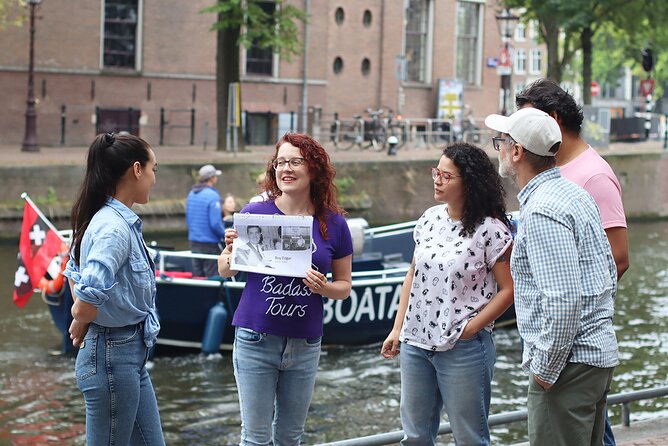
You meet at Utrechtsestraat 4, 1017 VN Amsterdam. The walk ends on Torensluis, by the Multatuli sculpture, which is a convenient landing point if you want to continue exploring on foot or hop on public transportation nearby.
The tour uses a mobile ticket, so plan to have your phone charged and ready at the start. It’s also listed as near public transportation, which matters in Amsterdam when you’re mixing tram stops, canal-side walking, and short changes of direction.
One more practical note: the operator says the tour requires good weather. If the weather is poor, you’ll be offered a different date or a full refund. And if plans change, cancellation is free up to 24 hours in advance for a full refund.
Still deciding? A few more Amsterdam tours worth a look

Stop 1 Rembrandtplein: Club Nights, a Married King, and Early Legal Gay Marriage

Rembrandtplein is the starting point, and the guide uses it like a stage. After a quick overview of Amsterdam, you’ll hear stories tied to LGBTQ clubgoers and the nightlife context where queer identity could be visible, coded, or contested. This is a good opener because it grounds you in a place people recognize, then pulls you into the older layers beneath it.
Two storylines in particular are the heart of this stop. You’ll learn about a married king who had affairs with men, and you’ll also hear about the world’s first legal gay marriage happening in Amsterdam. The angle here is important: this isn’t presented as trivia for a party conversation. It’s used to show how law, social risk, and public identity could collide in the same city block.
A fair heads-up: Rembrandtplein is busy compared to many canal-side stops. Your best move is to keep your listening spot close to your guide and ignore the temptation to drift into people-watching mode until the story finishes.
Stop 2 Munttoren (Munt Tower): A Shopkeeper’s Fight Against State Violence
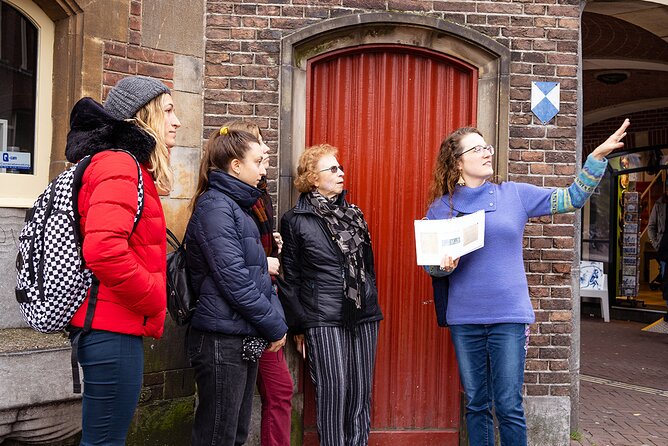
Next you’ll head to Munt Tower (Munttoren), where the tone shifts from nightlife to protection under pressure. This stop centers on how a shopkeeper tried to protect his friends in the face of state violence. It’s a reminder that queer history isn’t only about laws and romance; it’s also about networks, favors, hiding places, and basic human risk.
What I like about this stop is the way it treats ordinary people as actors in history. That makes it easier to connect Amsterdam’s past to your own understanding of courage. You’ll likely walk away seeing the building and the street around it as more than architecture, more like a stage where choices had consequences.
If you prefer lighter, upbeat stories, this is where the tour pauses your expectations and refocuses. It’s still part of the same narrative arc—just the chapter about survival rather than celebration.
Stop 3 Koningsplein: Church Power, Hidden Records, and a Familiar Name
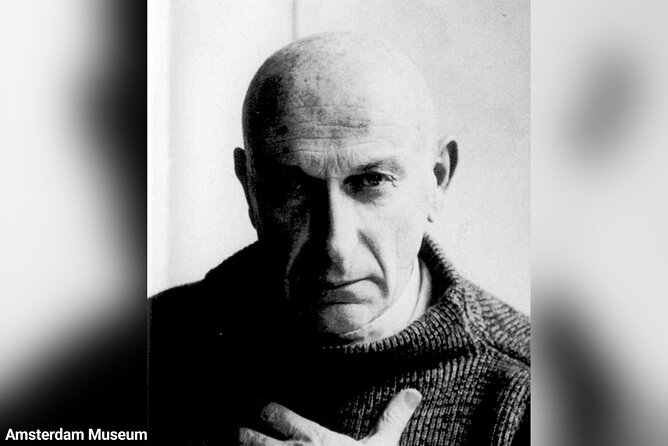
At Koningsplein, you’ll discover a connection between a familiar name and LGBTQIA history, and the angle involves what the Catholic church tried to keep hidden. That’s a strong theme in Amsterdam’s queer past: identity wasn’t just personal, it was regulated through institutions.
This stop is valuable because it explains why some stories are hard to find. When power structures control records, language, and public legitimacy, history becomes uneven. A good guide makes that visible, not just by saying it happened, but by showing you how a single name can carry a whole hidden trail.
A practical consideration: this stop may feel more “interpretive” than “monumental.” If you’re expecting a statue at every corner, know that some stops work by turning a square, street, or name into a clue for the larger story.
Stop 4 Emperor’s Canal (Keizersgracht): The Pope of the Gays and a Lesbian Love Triangle
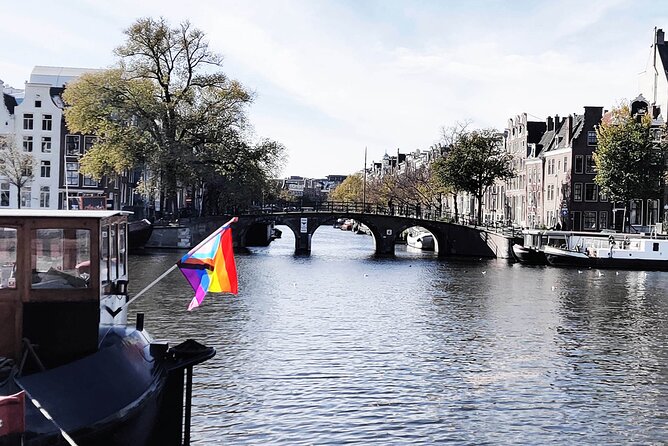
Now you’re in canal territory, and the stories get delightfully specific. On the Keizersgracht, you’ll hear wild tales that include the Pope of the Gays, a 17th-century literary lesbian love triangle, and a pompous doctor who may have accidentally given lesbians legal cover.
This is one of the best stops for anyone who loves how literature and law intersect. The guide uses the canal setting to show how social life, publishing, and legal outcomes could overlap. Even the odd-sounding details, like a “Pope of the Gays” figure, help you understand how communities formed and how outsiders responded.
If you’re short on time, this is also a high-value moment. It’s rich in names and concepts, but it stays grounded in place, so it doesn’t feel like a random list of famous people.
Stop 5 Gay Monument and Stop 6 Herengracht: Celebration, Mourning, and Resistance in Plain Brick Houses
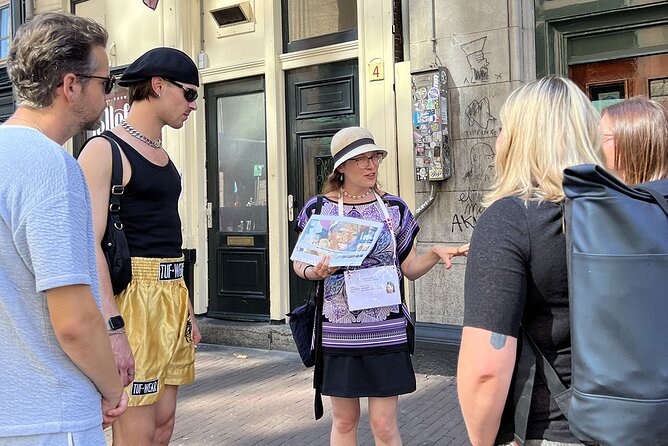
The tour brings you to the Gay Monument to talk about what it means since its unveiling: a place of both celebration and mourning for Amsterdam’s LGBTQIA community. The guide uses it to celebrate a badass lesbian hero, and the emotional tone here is different from the earlier legal and survival stories. You’re not only learning; you’re also seeing how a city chooses to remember.
From there, you continue to Herengracht, where the focus turns to queer Resistance fighters who worked in an inconspicuous canal house. This stop works because it flips the idea of “visibility.” Resistance didn’t always look dramatic; sometimes it looked like people doing careful, risky things behind ordinary doors.
I like that this paired section gives you two types of memory. The Gay Monument represents public commemoration, while Herengracht points to the private, hidden labor that made survival possible. Together, they make Amsterdam feel less like a postcard and more like a living archive.
Stop 7 Torensluis: A Trans Soldier in Amsterdam’s 18th-Century Militia
The tour ends on Torensluis, near the Multatuli sculpture. The final story is a surprising one: a trans soldier who served in 18th-century Amsterdam’s militia, and the message behind the tale is what sticks with you.
This is a strong closer because it links identity to roles society demanded. It also helps you see that gender variance and queer life weren’t only modern phenomena with modern labels. The guide frames the story in a way that feels like it belongs to Amsterdam’s broader history of institutions and enforcement.
If you want a practical takeaway, aim to remember the tour’s closing theme: history is often present in public spaces, but you need a key to read it. That’s what a good guide gives you.
Who This Tour Suits (and Who Might Want a Different Format)
This walk is a great fit if you like stories with real names, legal twists, and a clear sense of place. It’s also ideal if you’re curious about LGBTQ+ history but you don’t want a long sit-down or a “read this plaque yourself” experience.
You’ll probably enjoy it more if you’re comfortable with a mix of tones. The route moves from nightlife and legal milestones to state violence, church suppression, wartime resistance, and memorial space. For many people, that mixture feels honest and human.
The one group that might be less satisfied is anyone who expects a museum-style depth for each location. This is a route tour. It gives you momentum and context, but it doesn’t pretend to be an all-day deep research trip at every stop.
Should You Book This Amsterdam LGBTQ+ History Tour?
Book it if you want a focused, walkable introduction to Amsterdam’s LGBTQIA past and you’d rather learn with a guide than on your own. I’d also recommend it if you value small-group tours, because having up to eight people makes the story feel personal instead of like background noise.
Skip it if you’re only interested in light, romantic anecdotes, or if weather-dependent outdoor walking would ruin your day. If the forecast looks rough, check the tour’s weather policy and plan to bring a jacket that can handle Amsterdam wind.
If you want an authentic way to see the city beyond the usual highlights, this is a solid choice. You’ll leave with a different map in your head—one where canals, towers, squares, and monuments all carry meaning.
FAQ
How long is the Small Group LGBTQ+ History Tour in Amsterdam?
The tour runs for about 2 hours.
What’s the group size limit?
The tour has a maximum of 8 travelers.
What language is the tour offered in?
It’s offered in English.
Where do I meet for the tour?
You meet at Utrechtsestraat 4, 1017 VN Amsterdam, Netherlands.
Where does the tour end?
The tour ends on the Torensluis bridge, by the Multatuli sculpture.
Do I need to buy admission tickets for the stops?
Admission is listed as free for each stop.
What ticket format do I receive?
You get a mobile ticket.
What’s included in the price?
A local guide storyteller and history fanatic is included.
What’s the weather requirement?
This experience requires good weather, and if it’s canceled due to poor weather, you’ll be offered a different date or a full refund.
Can I cancel for a full refund?
Yes. You can cancel up to 24 hours in advance for a full refund.
Are service animals allowed?
Yes, service animals are allowed.
The Older Amsterdam, Toured Properly





More Tours in Amsterdam






More Tour Reviews in Amsterdam






Just added: fresh Amsterdam tour reviews





Historical Tours, compared.
 ★ 5.0Amsterdam Food and Cultural Tour with TastingsFrom $954,315 reviews
 ★ 4.3Historic City Centre Canal CruiseFrom $16659 reviews
 ★ 4.5Haunted History and Ghost Walking TourFrom $30488 reviews
 ★ 5.0Amsterdam High-End Dutch Food & History Tour – Up to 8 guestsFrom $157482 reviews
From Amsterdam: Volendam Heritage & Cheese Half-Day TourFrom $20461 reviews
★ 5.0Amsterdam High-End Dutch Food & History Tour – Up to 8 guestsFrom $157482 reviews
From Amsterdam: Volendam Heritage & Cheese Half-Day TourFrom $20461 reviews
 ★ 4.5Historic City Sightseeing Canal CruiseFrom $18444 reviews
 ★ 5.0Anne Frank and the Jewish History of Amsterdam Private TourFrom $95307 reviews
 ★ 5.0Luxury Canal Cruise with Historic VR ExperienceFrom $51305 reviews
Browse the lists this tour appears in