
Reviewed · HISTORICAL TOURS
LGBTQI+ History Tour of Amsterdam
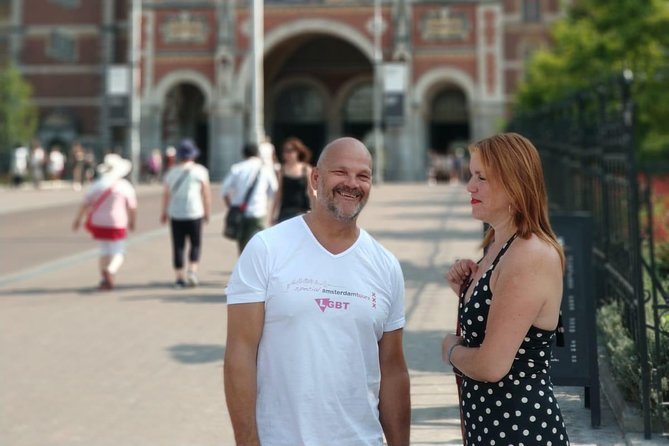
Gay Amsterdam history starts at a quiet monument. You follow Henk, a guide who lived through the earliest days of Amsterdam’s gay movement, and he tells the story in a way that feels personal, not dusty. I love the small-group setup (up to 15 people), and I love how he blends lived experience with street-level facts as you move through town.
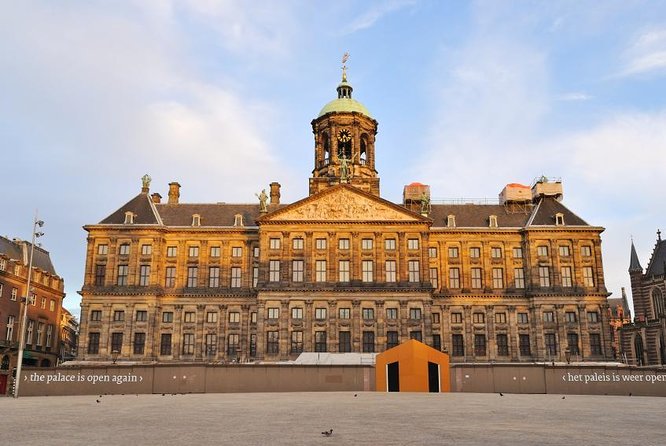
You’ll also feel the tour’s welcome: straight allies are warmly included, and the tone stays open and human. One thing to consider is that you get a fast look at the Royal Palace area, but you do not go inside, so plan this as a walking-and-story experience rather than a full museum stop.
In This Review
- Key Things You’ll Notice on This Walk
- A Different Way to Read Amsterdam’s Streets
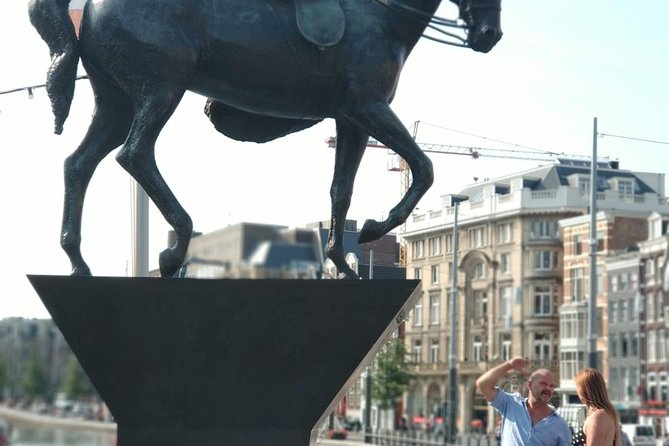
- Starting at the Gay Monument (Where the Walk Gets Real)
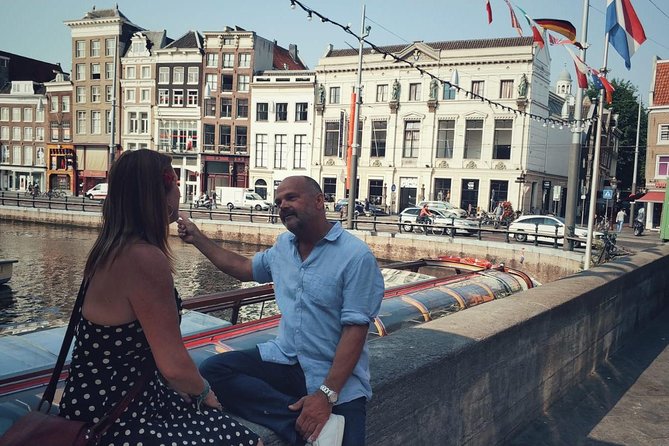
- The Canal Walk Toward Dam Square and Those 17th-Century Houses
- Dam Square: The City’s Main Stage for Long-Running LGBT Stories
- Royal Palace Area: A Quick Look That Points You Toward a Real Visit
- Walking Through the Red Light District and the Leather Street Angle
- Chinatown, WWII Restrictions, and Ending at Bet van Beeren
- What It’s Like With Henk as a Guide
- Price and Value: Is $42.33 Worth It?
- Who Should Book This Tour (and Who Might Skip It)
- Should You Book This LGBTQI+ History Walk in Amsterdam?
- FAQ
- How long is the LGBT History Tour of Amsterdam?
- What time does the tour start?
- Where do I meet the guide?
- Where does the tour end?
- Is the tour in English?
- How big is the group?
- Is there a mobile ticket?
- What should I bring?
- Are any admissions included?
- What if weather is bad or the tour is canceled?
Key Things You’ll Notice on This Walk
- A guide with firsthand roots: Henk lived through the beginning of Amsterdam’s gay movement
- Small group attention: max 15 people, so questions actually get answered
- Monuments and public space matter: you start at the Gay Monument and then track LGBT stories into Dam Square
- Canals plus 17th-century city planning: you slow down enough to see how Amsterdam was shaped
- Red Light District context: the tour explains what leather street means in this neighborhood’s identity
- Finish at an iconic bar: you end at Bet van Beeren after stops tied to WWII-era restrictions and nightlife history
Still deciding? A few more Amsterdam tours worth a look
- Amsterdam Food and Cultural Tour with Tastings
★ 5.0 · 4,315 reviews - Amsterdam: Historic City Centre Canal Cruise
★ 4.3 · 659 reviews - Amsterdam: Haunted History and Ghost Walking Tour
★ 4.5 · 488 reviews - Amsterdam High-End Dutch Food & History Tour – Up to 8 guests
★ 5.0 · 482 reviews
A Different Way to Read Amsterdam’s Streets
Amsterdam has a lot of walking tours. This one works because it changes what you notice. Instead of landmarks being just pretty backdrops, you see them as places where people claimed space, pushed back, and built community.
What I like most for your first day in town: it gives you a starting lens. By the time you hit Dam Square and the neighborhoods around it, you’ll recognize why certain streets and buildings show up again and again in LGBT life in Amsterdam.
This is also a good choice if you want a serious tone without being heavy the whole time. The guide mixes difficult moments with humor, so you don’t feel dragged through facts for 2 hours. You get a walk that treats history like something people lived.
Starting at the Gay Monument (Where the Walk Gets Real)
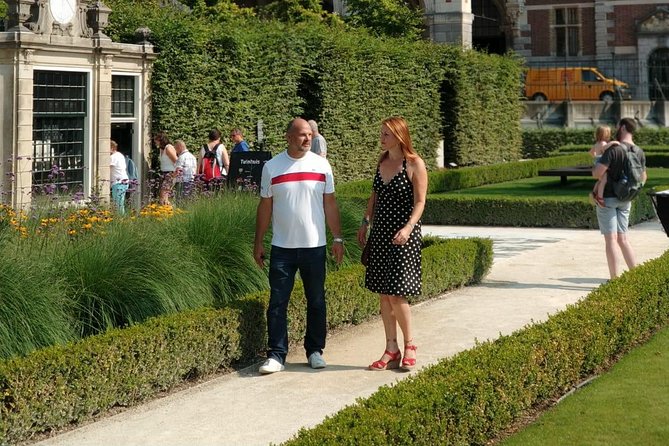
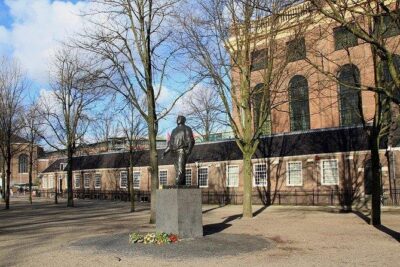
The tour begins at Westermarkt 2L, with the Gay Monument as your first stop. This memorial focuses on gay victims from past, present, and future, so you’re grounded fast. The guide frames it as a turning point, including how the Netherlands ended up with what’s described as the first monument in the world.
This first stop is more than a photo op. You’ll learn why public memorials matter in a city that’s often seen only as relaxed and picturesque. And because it sets the theme up front, every later street detail hits harder.
Time-wise, this stop runs about 30 minutes, and admission is included. That’s important value: you’re not just standing around outside. You’re getting guided context right away.
Practical note: this is a walk tour, so wear shoes you don’t mind on canalside pavements. Bring your own water too; it isn’t provided.
The Canal Walk Toward Dam Square and Those 17th-Century Houses
After the monument, you head along the canals toward Dam Square. Along the way, Henk points out 17th-century houses and explains how Amsterdam’s planning developed. One standout detail you’ll hear: this area is presented as the first example of city planning in the world.
I like this part because it gives you something to look for with your own eyes. Instead of only hearing about rights and culture, you also learn how the city’s layout supported dense neighborhoods, visible street life, and the kind of community that forms when people are close enough to be part of each other’s daily lives.
One drawback for some people: the tour stays focused and doesn’t slow down to wander randomly. If you want an unstructured roam where you go at your own pace, you may feel the schedule is tight. But if you want the guide to connect the dots, this pacing helps.






Dam Square: The City’s Main Stage for Long-Running LGBT Stories
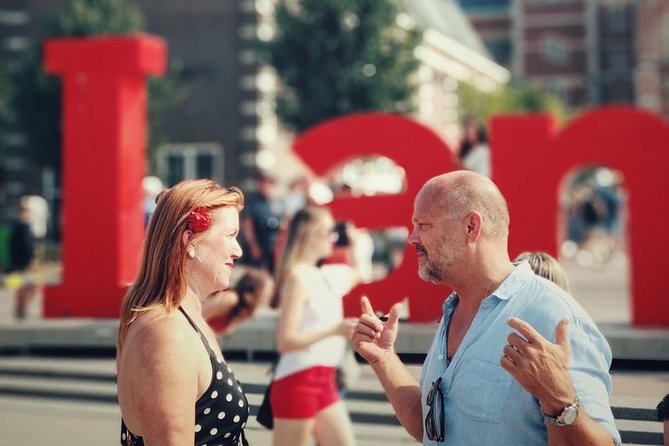
Dam Square is the next major anchor. It’s Amsterdam’s central square with a long history, and the tour keeps tying that “main stage” role to LGBT life—past to present. You’ll also get admission included here, which makes this a more than-just-a-stroll stop.
This is a smart place for a first-time visitor to learn context. Dam Square is where the city concentrates power, attention, and big events. That means it’s also where public identity can’t hide—it either gets recognized, ignored, or fought over. The guide’s explanations help you understand why LGBT history shows up in exactly the places you’d expect and the places you wouldn’t.
Expect about 10 minutes at this stop. It’s not meant to be a long pause. It’s meant to connect your understanding of the city’s center to what you’ll see next.
Royal Palace Area: A Quick Look That Points You Toward a Real Visit
From Dam Square, you also get context tied to the Royal Palace Amsterdam area. The guide shares the origin story of the palace and connects it to what it has to do with gay life in the 17th century.
Here’s the practical reality: the tour doesn’t include going inside. You’ll get about 15 minutes focused on what the palace area means, not a full palace visit.
You might find that appealing if you like guided history that keeps moving. But if you already know you want interior palace photos and formal exhibits, you’ll likely want to plan a separate visit later. The tour itself points you in that direction, but it won’t replace a full palace ticket.
If you’re comparing value: admission isn’t included for the Royal Palace segment, while some other stops do include admission. So think of this part as guided context, not a paid entry bonus.
Walking Through the Red Light District and the Leather Street Angle
Next you head through the Red Light District area, and the guide explains details tied to leather street of Amsterdam. The tour gives you context for how this neighborhood fits into LGBT life, and you can ask questions if you’re curious.
This section can be the most culture-shock part for some first-timers in Amsterdam. The value here is not that the guide repeats stereotypes—it’s that the tour tries to give you the neighborhood’s human story. When you have a guide who frames what you’re seeing, you stop treating the streets like they’re only for browsing.
Because this is still a walking tour and the group is small, you should be able to get personal answers without feeling rushed. Still, don’t assume the guide will cover every interest. If leather street, nightlife history, or how LGBT spaces evolved under pressure is what you want most, ask early so you can steer the conversation.
Chinatown, WWII Restrictions, and Ending at Bet van Beeren

The tour rounds out toward the Zeedijk finish area. You’ll walk into a Chinatown section described as once the roughest street in Amsterdam, and you’ll learn about the oldest gay bar in Amsterdam tied to this area.
One of the most memorable context points here is WWII-era restrictions: the tour explains why German soldiers in WWII were not allowed in this part of the city. That kind of story changes how you think about safety, tolerance, and the odd ways cities draw invisible borders.
You’ll also hear why this area mattered for nightlife and community. Then the walk ends at the bar of Bet van Beeren, where the experience brings you back to the lived present after the historical stops.
Ending at a bar is not just a dramatic finish. It’s a practical way to keep momentum after the tour. If you want to keep talking, grab a drink with the group (or just reset and reflect with a short break).
What It’s Like With Henk as a Guide
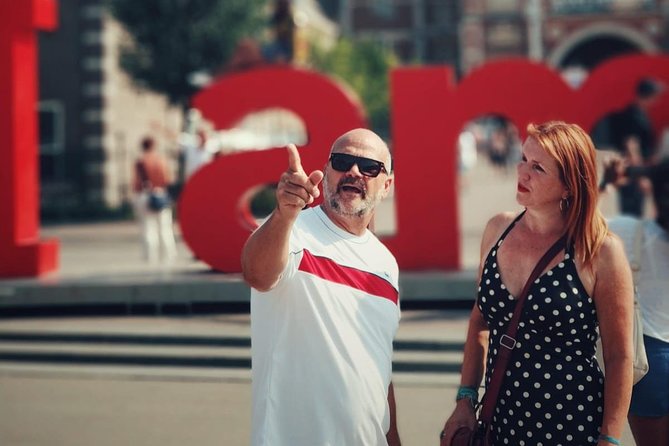
The guide’s personal history is a big reason this tour works. Henk isn’t presenting LGBT history as something abstract. He’s walking you through how it felt to live through shifts in acceptance and activism.
The reviews you can read later (and the vibe of the tour) point to three guide strengths you’ll likely feel on the street:
- He’s warm and empathic, not performative
- He uses humor even when the topic gets difficult
- He answers questions and can connect the day’s stops to larger themes
You may also notice little touches that make the walk feel human, like using a rainbow umbrella if the weather turns. That matters in Amsterdam. Rain can change how your feet and mood feel more than you think.
For preparation, keep it simple:
- Wear walking shoes
- Bring water
- Bring a curious attitude, especially if you’re visiting Amsterdam for the first time
Price and Value: Is $42.33 Worth It?
At $42.33 per person for about 2 hours, you’re paying for three things: a small group, a high-context guide, and some included admission.
Two stops are described with admission included (Gay Monument and Dam Square). Royal Palace context isn’t tied to included entry, and that’s fine because the tour uses that time to move and explain. So you’re not buying a long museum day. You’re buying guided access to meaning.
This pricing also makes sense because the guide is not just reading facts off a sign. He’s using personal experience and connecting LGBT history to how the city actually functions in public spaces.
One more value clue: this tour tends to book about 26 days in advance. That usually means it has repeat demand. If you care about a specific day, you’ll want to lock it in sooner rather than later.
Who Should Book This Tour (and Who Might Skip It)
I think this is a great fit if you want:
- LGBT history tied to real places you can point to later
- A guide-led walk where questions are welcome
- A small group tour instead of a big bus-style production
It’s also a solid option for straight allies. The tone is described as warmly welcoming, so you won’t feel like you need to “know the right things” before you arrive.
You might consider another type of tour if you:
- Want lots of museum time or inside-palace time
- Prefer a long, slow stroll with minimal structure
- Dislike any discussion of tough topics around persecution and loss
This walk includes difficult history points, and the guide doesn’t dodge them. That’s part of why it lands. If you only want light entertainment, you may find it too real.
Should You Book This LGBTQI+ History Walk in Amsterdam?
If you’re choosing one LGBT-themed activity in central Amsterdam, I’d book this one. You get the right mix: major memorial context, Dam Square and palace-area significance, neighborhood stories that explain more than what’s visible, and a finish at Bet van Beeren that brings history back to current life.
The small group size and Henk’s personal connection to the early movement are the big deciding factors. For $42.33 and around 2 hours, it’s good value because the guide spends time connecting the dots, not just reciting dates.
Just go in knowing what it is: a focused walking-and-story tour. Bring water and comfortable shoes, and plan to ask questions if you want more detail.
FAQ
How long is the LGBT History Tour of Amsterdam?
The tour lasts about 2 hours.
What time does the tour start?
It starts at 11:00 am.
Where do I meet the guide?
You meet at Westermarkt 2L, 1016 DW Amsterdam.
Where does the tour end?
It ends at Café ’t Mandje, Zeedijk 63, 1012 AS Amsterdam, and it’s described as walking distance from Central Station.
Is the tour in English?
Yes, the tour is offered in English.
How big is the group?
The tour has a maximum of 15 travelers.
Is there a mobile ticket?
Yes, the tour uses a mobile ticket.
What should I bring?
Bring your own water and walking shoes.
Are any admissions included?
Admission ticket is included for the Gay Monument and Dam Square stops. The Royal Palace Amsterdam stop does not include admission.
What if weather is bad or the tour is canceled?
The experience requires good weather. If it’s canceled due to poor weather, you’ll be offered a different date or a full refund. It can also be canceled if a minimum number of travelers isn’t met, with a different date/experience or a full refund.
If you want, tell me your travel dates and I’ll suggest the best order to place this tour in your Amsterdam itinerary (based on start time and walking flow).
The Older Amsterdam, Toured Properly





More Tours in Amsterdam






More Tour Reviews in Amsterdam






Just added: fresh Amsterdam tour reviews





Historical Tours, compared.
 ★ 5.0Amsterdam Food and Cultural Tour with TastingsFrom $954,315 reviews
 ★ 4.3Historic City Centre Canal CruiseFrom $16659 reviews
 ★ 4.5Haunted History and Ghost Walking TourFrom $30488 reviews
 ★ 5.0Amsterdam High-End Dutch Food & History Tour – Up to 8 guestsFrom $157482 reviews
From Amsterdam: Volendam Heritage & Cheese Half-Day TourFrom $20461 reviews
★ 5.0Amsterdam High-End Dutch Food & History Tour – Up to 8 guestsFrom $157482 reviews
From Amsterdam: Volendam Heritage & Cheese Half-Day TourFrom $20461 reviews
 ★ 4.5Historic City Sightseeing Canal CruiseFrom $18444 reviews
 ★ 5.0Anne Frank and the Jewish History of Amsterdam Private TourFrom $95307 reviews
 ★ 5.0Luxury Canal Cruise with Historic VR ExperienceFrom $51305 reviews
Browse the lists this tour appears in