
Reviewed · HISTORICAL TOURS
Financial History Tour
Money has a street address in Amsterdam. This private Financial History Tour turns big ideas like trade, banking, and speculation into a walk you can actually picture in real places around the Dam area. You get the story of how finance shaped Amsterdam’s culture, not as a textbook, but as city geography.
What I liked most is the way the guide connects buildings to behavior, using concrete details you can see right in front of you. I also love that it’s a private tour, so you can ask questions and keep the pace moving through key photo stops rather than following a rigid script.
One consideration: this is very focused on money and economic history. If you want mostly canals, museums, or art instead, you may find it a bit specialized.
In This Review
- Key things I’d plan around
- Financial History Tour: how Amsterdam’s money story fits real streets
- Price and group value: what $390.50 really means
- Stop 1: Beurs van Berlage and the idea of exchange as architecture
- Stop 2: Stadsarchief Amsterdam and the basement treasury of records
- Tulip Mania: how a bubble forms and why Amsterdam mattered
- The walking experience: photo stops, short bursts, and good timing
- Guide impact: insights and local hints (including Tijs de Boer)
- Who should book this tour in Amsterdam
- Should you book the Financial History Tour?
- FAQ
- How long is the Financial History Tour?
- How much does the tour cost?
- What language is the tour offered in?
- Where do we meet and where does the tour end?
- Are admission tickets included for the stops?
- Is this a private tour?
- What’s the cancellation policy?
- What fitness level is needed?
Key things I’d plan around
- Private and flexible: you get only your group, with room for follow-up questions
- Photo-friendly hubs: Beurs van Berlage and the Dam-area setting are great for pictures
- Archives in a former bank building: you see how storage, records, and power connect
- Tulip Mania explained through place: speculation gets grounded in Amsterdam’s trade world
- Admission mix: Beurs van Berlage is free for the stop, and the archives stop includes admission
Still deciding? A few more Amsterdam tours worth a look
- Amsterdam Food and Cultural Tour with Tastings
★ 5.0 · 4,315 reviews - Amsterdam: Historic City Centre Canal Cruise
★ 4.3 · 659 reviews - Amsterdam: Haunted History and Ghost Walking Tour
★ 4.5 · 488 reviews - Amsterdam High-End Dutch Food & History Tour – Up to 8 guests
★ 5.0 · 482 reviews
Financial History Tour: how Amsterdam’s money story fits real streets
Amsterdam makes it easy to think money is just background noise. But walk a few blocks around the Dam and you start seeing the machinery: where exchange happened, where records were kept, and why merchants cared so much about trust. This tour is built for that shift in mindset. Instead of floating above history, you track it through buildings tied to commerce and finance.
I found the framing smart: it’s not only about who was rich. It’s about how financial systems influence culture. When you understand that, even small details feel meaningful—like why exchange buildings show up in prime locations or why archives matter as much as public monuments.
It also helps that the tour is short enough to stay sharp. At about 2 hours 30 minutes, you’ll get a focused narrative without feeling like you’re stuck in a long lecture. And since it’s English and you get a mobile ticket, you spend less time figuring things out and more time walking.
Price and group value: what $390.50 really means
The price is $390.50 per group (up to 10 people), for an experience that runs about 2 hours 30 minutes. That’s one of those prices that looks big until you do the math for a group of friends or a family unit.
If you have 6 to 10 people, you can spread the cost thin across the group and turn it into an efficient way to get real guidance at each stop. If you’re traveling solo or as a couple, you may feel the cost more because you’re paying for a private session rather than joining a larger shared group.
Booking timing is another practical point. On average, this tour gets booked about 28 days in advance, so if you want a specific day and time, I’d try not to leave it late.
For value, the biggest win is the format: private means your questions stay relevant. If one person in your group is curious about merchants, another wants the bubble story, and someone else wants photo time at the Dam, you can balance that. The tour being “totally flexible” isn’t just marketing fluff—it’s the difference between rushing and actually absorbing what you’re seeing.
Stop 1: Beurs van Berlage and the idea of exchange as architecture
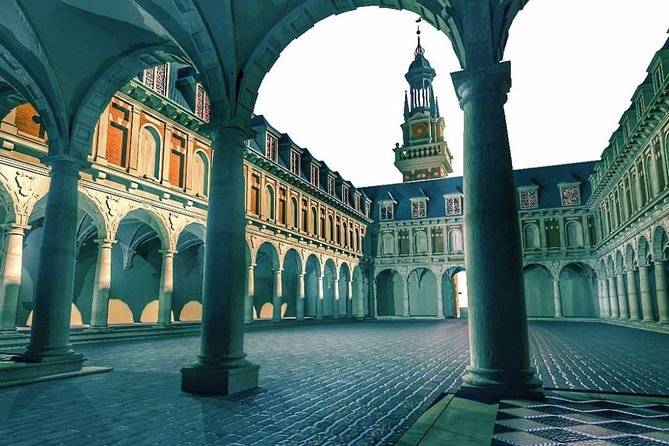
The tour starts at Bistro Berlage, Beursplein 1, right in the Dam-area orbit. Your first stop is Beurs van Berlage, a building connected to exchange and the financial momentum that grew around the Dam.
Here’s what makes this stop click: it’s not presented as a random landmark. You’re told it’s part of a wider pattern—exchange buildings built around the Dam—so you start to see why this location mattered. The building becomes a clue. It suggests that commerce wasn’t hidden away. It was public-facing, visible, and tied to city identity.
This stop is also designed to be painless. It’s listed at about 10 minutes, and admission is free for the stop. That means you can get the core context early without spending your whole tour waiting for entry or lining up.
Photo-wise, this is where you’ll want to slow down. The architecture and the Dam-area setting give you the kind of shots that look good even without a perfect camera. You’ll also get your bearings early, which makes the rest of the walk feel less like wandering and more like following a story.






Stop 2: Stadsarchief Amsterdam and the basement treasury of records
Next up is Stadsarchief Amsterdam. This is one of those places that sounds less exciting until you’re there—because you quickly realize the records and archives are a form of power.
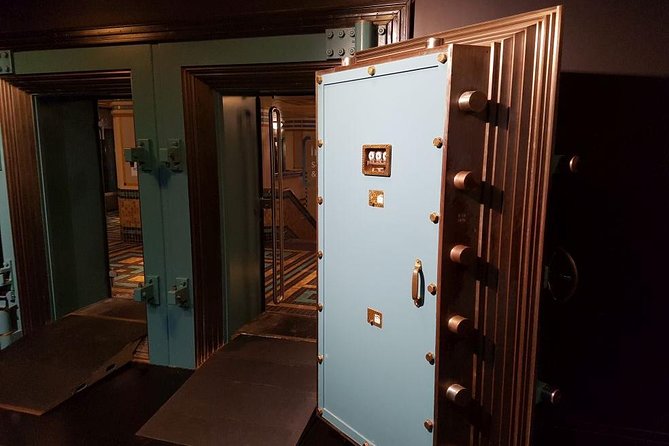
The tour description points out something specific and memorable: you get a look into the basement of a 1920s bank building and discover the city’s archives. The contrast matters. A bank building implies money and trust. An archives basement implies memory and accountability. Put them together and you get a better grasp of how cities preserve legitimacy.
This stop runs about 10 minutes, and admission is included. That’s a nice practical detail: you won’t have to worry about separate tickets for this part, and it keeps the experience moving.
The human angle also matters. The story here connects to the question the tour wants you to ask: who were the rich merchants in Amsterdam and how did they make their money? That framing helps you read the city differently. Instead of thinking about wealth as abstract, you start thinking about trade routes, credit, and the systems that let merchants scale up.
And yes, if you like historical interiors, this is the moment. Even if you don’t care about paperwork as a concept, it’s still a tangible look at where information gets stored and why that storage has consequences.
Tulip Mania: how a bubble forms and why Amsterdam mattered
One of the standout concepts tied into this tour is how the first economic bubble was created, with a focus on Dutch Tulip Mania and the Amsterdam floating flower market.
The value here isn’t repeating a fun trivia story. It’s using Amsterdam’s commercial environment as the explanatory engine. Tulips weren’t just flowers. They were part of a wider market behavior: speculation driven by access to goods, expectation of rising prices, and social proof that convinced people to buy in.
When a tour ties bubble behavior to physical places, you can keep the lesson straight in your head. You begin to see patterns that show up across time: fast price jumps, risky buying, and the way narratives spread. The tour’s financial angle makes it easier to connect the abstract idea of a bubble to real trading culture.
If your group includes someone who finds economic history boring, this part is often the best selling point. It’s easier to stay engaged when the story includes a vivid Amsterdam setting—like the idea of trading flowers on a floating market—and when the tour explains why people got pulled into the hype.
The walking experience: photo stops, short bursts, and good timing
This tour runs about 2 hours 30 minutes, and the itinerary is built from short 10-minute segments at each major stop. That structure matters. It prevents the classic problem with history tours: too much time standing still with too little payoff.
Between stops, you’ll be walking through the city’s money story rather than just changing locations. The path is designed to keep you near key areas, and the tour ends on the other side of the Dam.
Your end point is Rokin 24HS, 1012 KS Amsterdam, which is about 500 meters from the starting point at Bistro Berlage. That’s a useful detail because you won’t feel stranded at the far end of town. It’s easier to keep exploring after the tour, grab a drink, or loop back for photos.
Also, the itinerary is listed as near public transportation, which helps if you’re juggling museum plans, hotel changes, or a busy sightseeing schedule. Amsterdam is walkable, but practical access saves time and energy.
Guide impact: insights and local hints (including Tijs de Boer)
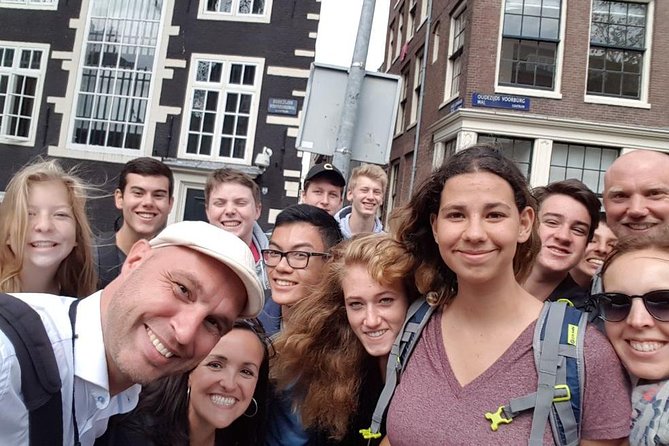
The reviews highlight an especially important factor: the guide. One name comes up clearly—Tijs de Boer—and the feedback is consistent: he’s described as full of insights and also good at adding local hints on top of the historical story.
That combination is exactly what you want from a city tour. You don’t just get facts; you get context that makes those facts easier to remember later. You also get practical suggestions that can help with the rest of your day, like what to pay attention to and where to spend your time if you want more of the same atmosphere.
If you’re the type who asks questions while walking, you’ll likely enjoy this format. The tour being private means you won’t compete with a large group for attention. Your guide can slow down when your curiosity needs room.
Who should book this tour in Amsterdam
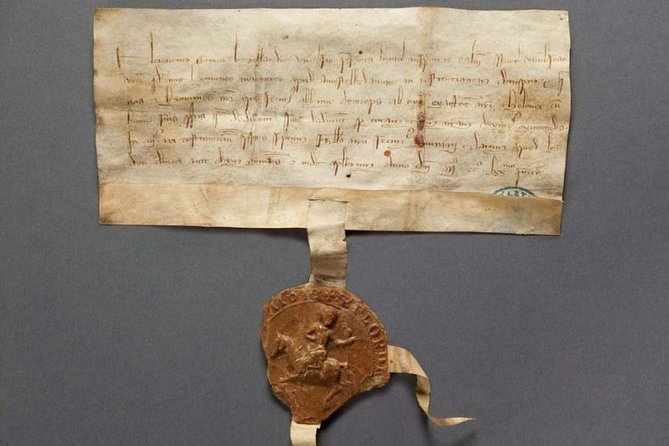
This tour is a great fit if you want Amsterdam through the lens of commerce: banking, merchant power, exchange, and market behavior. It also works well if you enjoy architecture tied to meaning, not just buildings you pass by.
I’d especially recommend it for:
- Small groups who want a shared experience without the stress of crowds
- Anyone interested in finance history, trade culture, or market psychology
- Travelers who like a walking tour with strong story structure rather than a museum-only day
It might be less ideal if your priority is art galleries, canal scenery, or general sightseeing variety. This isn’t a random wander. It’s a focused explanation of how money shaped Amsterdam’s identity.
Should you book the Financial History Tour?
If your group likes the idea of learning finance history where it happened—around the Dam area—then yes, I think this is worth booking. The blend of two major stops, a short timeline, and a private format makes it feel efficient and personal. The Tulip Mania angle is also a strong way to keep the subject lively, especially if someone in your group doubts they’ll enjoy economic history.
I’d choose this tour over a generic walking tour if you want depth tied to specific locations like Beurs van Berlage and Stadsarchief Amsterdam. And because it’s offered in English with mobile tickets, it’s the kind of plan that’s easy to execute without last-minute friction.
FAQ
How long is the Financial History Tour?
It lasts about 2 hours 30 minutes.
How much does the tour cost?
The price is $390.50 per group (up to 10 people).
What language is the tour offered in?
It’s offered in English.
Where do we meet and where does the tour end?
Meet at Bistro Berlage, Beursplein 1, 1012 JW Amsterdam. The tour ends at Rokin 24HS, 1012 KS Amsterdam, about 500 meters from the start.
Are admission tickets included for the stops?
Beurs van Berlage is listed as free admission for the stop. Stadsarchief Amsterdam is listed with admission ticket included.
Is this a private tour?
Yes. It’s a private tour/activity, meaning only your group participates.
What’s the cancellation policy?
You can cancel for free up to 24 hours in advance for a full refund.
What fitness level is needed?
The tour notes a moderate physical fitness level.
The Older Amsterdam, Toured Properly




More Tours in Amsterdam






More Tour Reviews in Amsterdam






Just added: fresh Amsterdam tour reviews





Historical Tours, compared.
 ★ 5.0Amsterdam Food and Cultural Tour with TastingsFrom $954,315 reviews
 ★ 4.3Historic City Centre Canal CruiseFrom $16659 reviews
 ★ 4.5Haunted History and Ghost Walking TourFrom $30488 reviews
 ★ 5.0Amsterdam High-End Dutch Food & History Tour – Up to 8 guestsFrom $157482 reviews
From Amsterdam: Volendam Heritage & Cheese Half-Day TourFrom $20461 reviews
★ 5.0Amsterdam High-End Dutch Food & History Tour – Up to 8 guestsFrom $157482 reviews
From Amsterdam: Volendam Heritage & Cheese Half-Day TourFrom $20461 reviews
 ★ 4.5Historic City Sightseeing Canal CruiseFrom $18444 reviews
 ★ 5.0Anne Frank and the Jewish History of Amsterdam Private TourFrom $95307 reviews
 ★ 5.0Luxury Canal Cruise with Historic VR ExperienceFrom $51305 reviews
Browse the lists this tour appears in