
Reviewed · CHEESE
Cheese making workshop next to De Hallen, heart of Amsterdam
Making cheese in Amsterdam beats a food tour. You’ll join a small-group workshop near De Hallen at De Kaasserie, learn two fresh-cheese methods, and leave with your own creations plus recipes.
What I like most is the hands-on pace and the way you actually make cheese, not just watch it happen. You’ll create two fresh styles—one coagulated with rennet and one with acid—and then you can take both cheeses home.
One possible drawback: this is a craft class first, so you’re spending about three hours in a studio setting. If you want mostly sightseeing and wandering, you may wish the walking portions felt longer.
In This Review
- Key things to know before you go
- Why De Hallen and Ten Katemarkt feel like the right neighborhood for this
- Your 3-hour rhythm: small group, practical steps, real results
- Inside De Kaasserie: getting started with fresh cheese in a design-studio setting
- Rennet-coagulated cheese: the first technique you’ll actually perform
- Acid-coagulated cheese: learn the method, then get creative with herbs and colours
- The tasting finish: homemade cheese, spices and herbs, plus a drink
- What you take home: your two cheeses, basic tools, and email recipes
- Price and value in Amsterdam: why this isn’t just a novelty class
- Who should book this cheese workshop next to De Hallen?
- Practical tips so your workshop day runs smoothly
- Should you book the De Kaasserie cheese workshop near De Hallen?
- FAQ
- How long is the cheese making workshop near De Hallen?
- What types of cheese will I make during the class?
- Is the workshop beginner-friendly?
- Can I take the cheese home?
- Do I get recipes after the workshop?
- Is the class offered in English?
- Can I get a full refund if my plans change?
Key things to know before you go
- Two fresh cheeses, two coagulation methods (rennet first, then acid)
- Beginner-friendly format with all ingredients and materials included
- Herbs and colours are part of the fun with the acid-coagulated cheese
- Small group size (max 8) keeps it calm and interactive
- You finish with a tasting and a drink, not just a takeaway
- Take-home bonus: your cheeses, basic tools, and recipes emailed to you
More Dutch cheese to taste
- Amsterdam Classic Saloon Boat Cruise with Drinks and Cheese
★ 5.0 · 31,825 reviews - Amsterdam: Classic Saloon Boat Cruise with Cheese & Wine
★ 4.6 · 27,035 reviews - Amsterdam: Guided Zaanse Schans, Windmills & Cheese Tour
★ 4.4 · 4,826 reviews - Zaanse Schans Windmills, Clogs and Dutch Cheese Small-Group Tour from Amsterdam
★ 4.5 · 2,369 reviews
Why De Hallen and Ten Katemarkt feel like the right neighborhood for this
This workshop lands in a smart pocket of Amsterdam. You start at De Kaasserie on Bellamystraat, right by the De Hallen area, so it’s easy to blend into a day of markets, bites, and coffee. The vibe here is local rather than tourist-only, and that matters for a class about craft.
You’ll also make a brief stop connected to the Ten Katemarkt area. It’s a nice reminder that this isn’t staged inside a big event space. You’re learning a traditional food skill in a neighborhood that still feels like it belongs to the city.
If you’re planning your day, I’d treat this as a food-focused anchor. Do it earlier in your schedule so you’re still in learning mode when you sit down to taste. And if you’re hopping between sights, know the class is near public transportation, which helps when Amsterdam schedules start slipping a little.
Your 3-hour rhythm: small group, practical steps, real results
The class runs about three hours. The time matters because cheese making is not an instant snack trick. You need moments for processes to work, and you need time to shape your cheese and learn what to adjust next time.
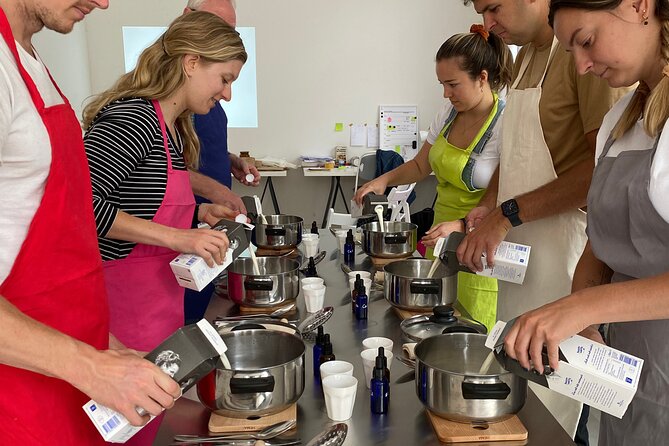
This is also a small-group experience with a maximum of eight travelers. That size keeps things calm. You’re more likely to get hands-on help when you’re doing the steps that feel new—especially if you’ve never worked with rennet or acid before.
English is the language of instruction, and you’ll get a mobile ticket. That makes it simpler on arrival: you can focus on the experience instead of juggling printed documents.
Inside De Kaasserie: getting started with fresh cheese in a design-studio setting
The workshop takes place in a food design studio. That sounds fancy, but the payoff is practical: the space is built for making, not just for staring. I like that you’re working in a studio environment, because it usually means the tools, stations, and flow are set up for beginners.
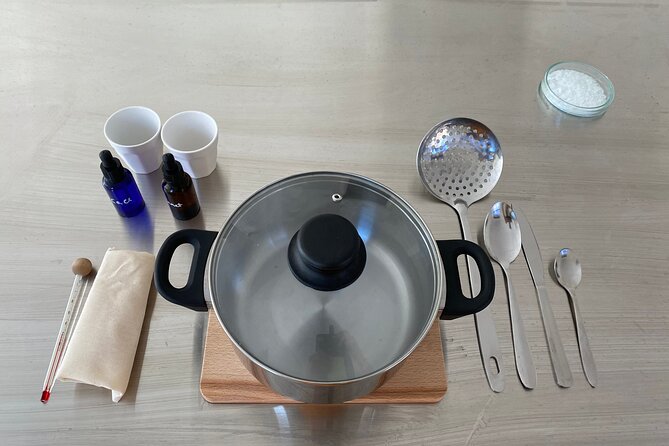
You’ll make two types of fresh cheese. The first one is coagulated with rennet, and the second one is coagulated with acid. Learning both is the real value here. Many cheese experiences stop at tasting or at one method. Here, you get two different paths to curds, so your brain starts building a toolkit instead of just a memory.
Because all ingredients and materials are included, you don’t have to worry about buying the right milk, cultures, or add-ons in a city where cheese-making supplies can be surprisingly hard to source for one-off use.
More hands-on afternoons in Amsterdam


Rennet-coagulated cheese: the first technique you’ll actually perform
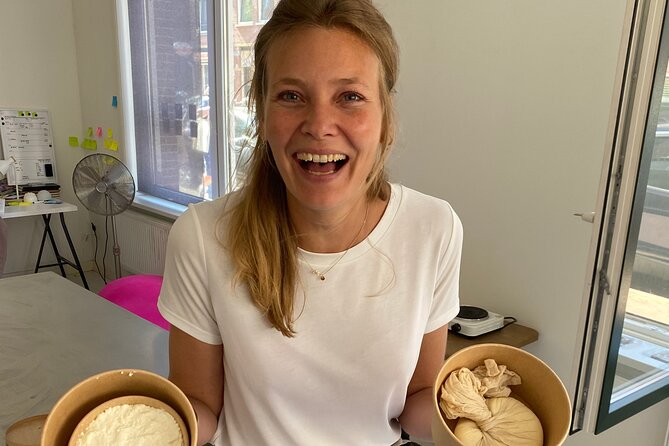
Your first project is the rennet-coagulated fresh cheese. This is the more “traditional” track in many modern cheese styles, and it teaches you how coagulation can be guided by an added enzyme.
In class, you’ll learn the basic flow that helps the curds form correctly. I find this part especially helpful if you’ve only ever eaten cheese. Suddenly, you’re seeing how texture and thickness connect to the process, not just to the brand.
Since the workshop includes all materials, your role is mostly active. You’re mixing, managing steps, and learning how the cheese responds as you go. Even if you don’t remember every detail, you’ll leave knowing what the process feels like—warmth, timing, and the point where curds become curds you can work with.
This first cheese is also a confidence builder. It sets you up for the second method, where you’ll do more creative experimenting.
Acid-coagulated cheese: learn the method, then get creative with herbs and colours
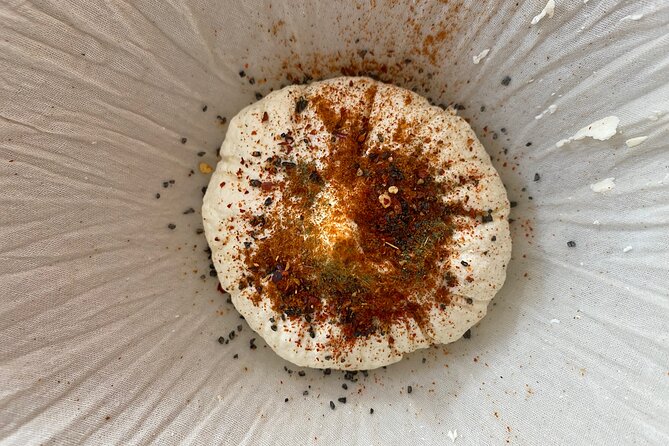
Next comes the acid-coagulated fresh cheese. This is a different mechanism than rennet, and that contrast is one of the reasons this workshop is so worth it. You get to compare how a change in approach changes the outcome you can see and handle.
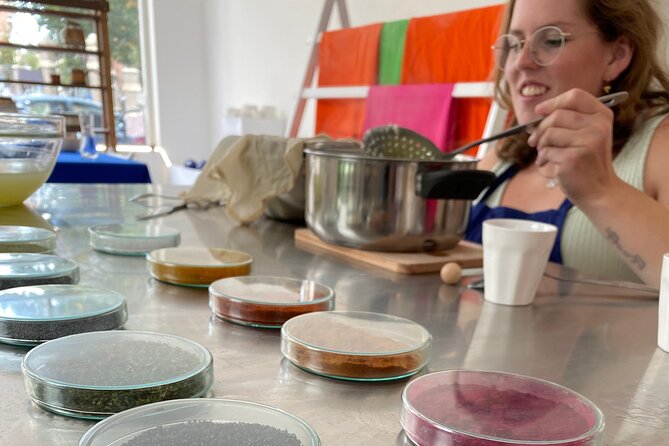
When you finish your acid-coagulated cheese, the class encourages you to experiment with herbs and colours. That detail is small, but it’s big for making the experience feel personal. You’re not just producing one plain white cheese and calling it done. You’re making something that looks and tastes like your choices.
If you like cooking for guests, this is the part that makes sense for real life. A homemade herb cheese, even a simple fresh one, changes how people see a meal. It turns cheese from a store-bought add-on into a centerpiece.
And because it’s a studio workshop with a calm setup, you’re not racing around trying to make it perfect. You can play within the process.
The tasting finish: homemade cheese, spices and herbs, plus a drink
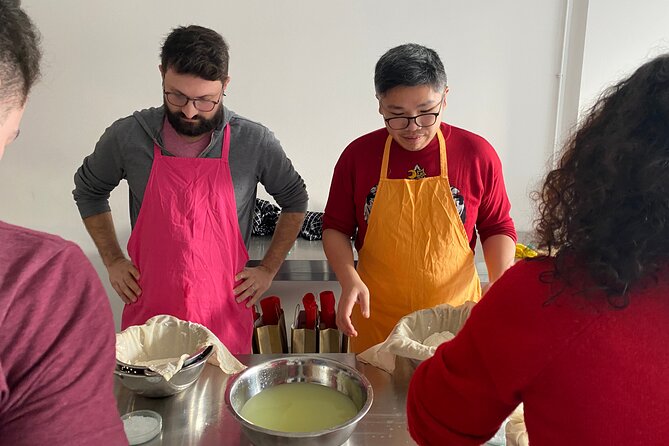
After you’ve made your cheeses, you sit down for a tasting. This is where you connect the hands-on work to flavor and texture.
The tasting includes homemade cheeses served with spices and herbs. You’ll also have a drink to finish up. I like this structure because it prevents the common problem with workshops: you leave with food you made but no context for how it should taste.
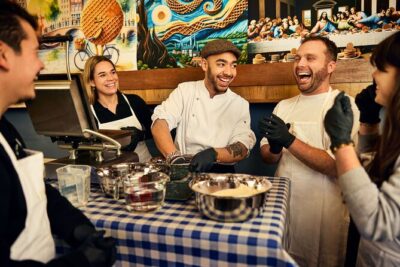
In the small-group setup, the tasting also becomes social in a good way. People talk while they sample, and you learn what stood out to others—like which herbs stayed noticeable and which combinations felt balanced.
It’s also a nice moment to try your own creations properly. You’re not just packing them up right away. You get to taste what you made, and you learn how fresh cheese behaves once it’s ready for the table.
What you take home: your two cheeses, basic tools, and email recipes
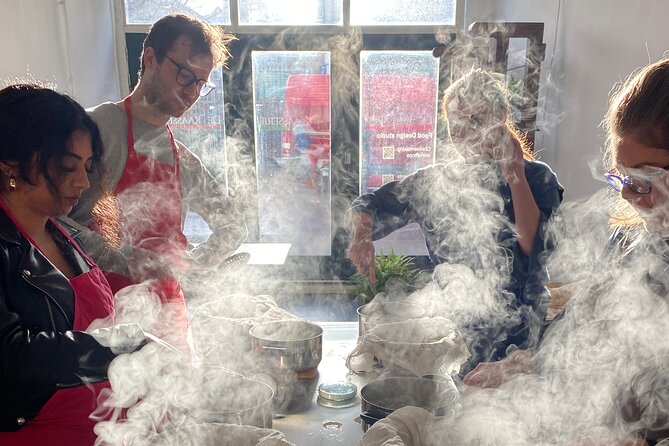
You take away two cheeses, plus the basic tools. That matters because you’re not left thinking, Now what?
The workshop also sends recipes via email. That’s a huge help for continuing at home. Cheese making can feel intimidating at first, but recipes turn the experience into something you can repeat. With the email guidance, you’re not relying on memory or guessing what ingredient amounts were used.
I also like that you can keep experimenting with the craft at home because the workshop covers two different coagulation methods. That gives you more than one starting point for future batches.
If you’re the type who buys kitchen gadgets but rarely uses them, this kind of take-home format is one of the best ways to break that pattern. You have the tools and you have the recipe to match what you learned.
Price and value in Amsterdam: why this isn’t just a novelty class
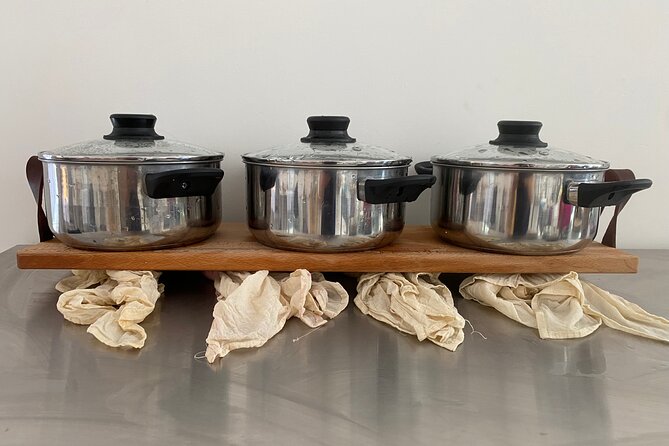
At $144.49 per person for about three hours, it’s not the cheapest thing you can book in Amsterdam. But the value comes from what you get for that price.
First, the class includes all ingredients and materials. In a city where food craft can quickly turn into extra shopping, that’s a real cost saver.
Second, you make two fresh cheeses and you take them home. Even if you treat the cheeses as the main “product,” you’re still getting a hands-on lesson that can lead to repeat cooking later.
Third, you get a tasting with spices, herbs, and a drink. That turns the workshop into an experience with a satisfying ending, not just a demo plus a packed bag.
Last, the small-group format matters. With a max of eight people, you’re more likely to get patience and help when you need it. Multiple people highlight the calm, peaceful environment and the fact that the teacher is very patient, which is exactly what you want in a workshop that requires doing things with your hands.
Who should book this cheese workshop next to De Hallen?
You’ll probably love this if you fit any of these:
- You’re a food lover who wants to learn how something is made, not just what it tastes like.
- You enjoy hands-on cooking and want a skill you can repeat.
- You’re traveling with curiosity and like meeting others in small settings.
- You want a beginner-friendly class with support rather than a stressful cooking boot camp.
It’s also a good choice for couples or friends who want something different from the usual canals-and-museums day. The workshop is social in a natural way because it’s small and practical, not because it’s an icebreaker-heavy tour.
If you’re traveling with kids, the data doesn’t spell out age guidance, so you’d want to check suitability before booking. Same goes for anyone with very limited mobility: it’s a studio setting, and while it’s near transit, you’ll still want to confirm comfort with the physical layout.
Practical tips so your workshop day runs smoothly
I’d keep it simple and set yourself up for success:
- Wear clothes you don’t mind getting a little messy. Cheese making is hands-on.
- Plan to eat a bit before the class ends, but don’t overstuff yourself. You’ll finish with a tasting.
- If you like taking photos, bring your phone, but also stay present during the steps. The process is the point.
- Arrive with enough time to settle in. You’re learning technique, and rushing hurts learning.
- Bring your mobile ticket. It’s part of the smooth start.
You don’t need special cheese-making knowledge going in. The class is designed for beginners, with materials provided, and the pace is set for people who are still learning.
Should you book the De Kaasserie cheese workshop near De Hallen?
If you want a small, local-feeling cooking class with real craft results, I’d say yes. This is the rare food experience where you come away with two homemade cheeses, basic tools, and recipes that help you keep going. The hands-on nature, the calm studio setting, and the chance to experiment with herbs and colours are the reasons it gets such strong praise.
Skip it only if you’re mainly chasing sightseeing time and short stops. This is not a “quick hit” activity. It’s a focused three-hour workshop that trades extra walking for actual making.
If that trade sounds good to you, booking is a smart move—especially since it’s commonly booked about two months ahead. When a class is small and taught in English with take-home results, good spots don’t stay open forever.
FAQ
How long is the cheese making workshop near De Hallen?
It lasts about 3 hours.
What types of cheese will I make during the class?
You’ll make two types of fresh cheese: one coagulated with rennet and one coagulated with acid.
Is the workshop beginner-friendly?
Yes. The class is described as beginner-friendly and includes all ingredients and materials.
Can I take the cheese home?
Yes. You can take the two cheeses you make, along with the basic tools.
Do I get recipes after the workshop?
Yes. You’ll receive basic recipes via email so you can keep experimenting at home.
Is the class offered in English?
Yes, the workshop is offered in English.
Can I get a full refund if my plans change?
You can cancel for a full refund up to 24 hours in advance of the experience’s start time.
Craft a Dutch Keepsake




More Dutch Cheese
- Zaanse Schans Windmills, Clogs and Dutch Cheese Small-Group Tour from Amsterdam
★ 4.5 · 2,369 reviews




More Tour Reviews in Amsterdam




Just added: fresh Amsterdam tour reviews





Cheese, compared.
 ★ 5.0Amsterdam Classic Saloon Boat Cruise with Drinks and CheeseFrom $2131,825 reviews
 ★ 4.6Classic Saloon Boat Cruise with Cheese & WineFrom $1827,035 reviews
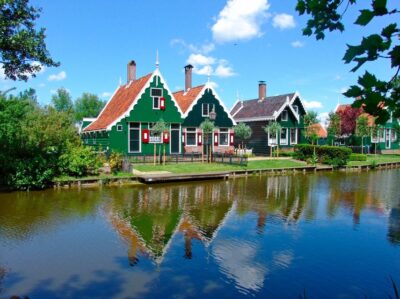 ★ 4.4Guided Zaanse Schans, Windmills & Cheese TourFrom $224,826 reviews
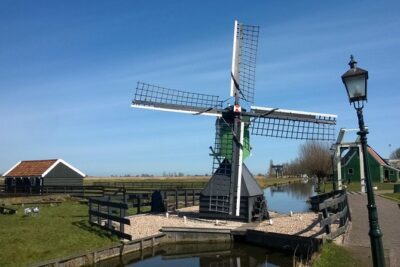 ★ 4.5Zaanse Schans Windmills, Clogs and Dutch Cheese Small-Group Tour from AmsterdamFrom $512,369 reviews
 ★ 4.6From Amsterdam: Volendam and Zaanse Schans Tour with CheeseFrom $401,993 reviews
 ★ 4.6Evening Candle Light Cruise With Wine & CheeseFrom $181,774 reviews
 ★ 5.0Countryside Bike Tour from Amsterdam: Cheese, Clogs & a WindmillFrom $591,485 reviews
 ★ 4.7Giethoorn Tour Scenic Cruise, Cheese & Free TimeFrom $751,461 reviews
Browse the lists this tour appears in