
Reviewed · AMSTERDAM MUSEUMS & GALLERIES
Body Worlds Amsterdam Admission Ticket
Real bodies. Real feelings. Real science.
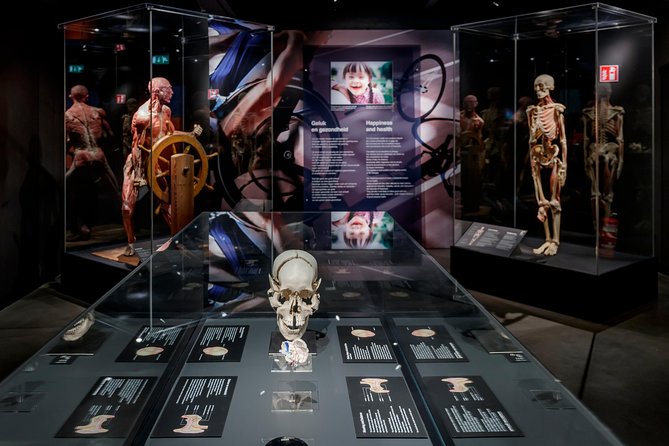
Body Worlds Amsterdam uses real, donated specimens to teach how the human body works, and it adds an extra twist through the permanent Happiness Project, tying emotions to health. It’s an unusual, first-of-its-kind experience in Amsterdam that mixes anatomy with psychology, all on one ticket.
Two things I like a lot: the way the exhibits make the human body feel understandable, and the presence of The Happiness Project as a true anchor for the visit. One thing to consider is that it can feel smaller than you expect, so if you mostly skim, you might finish faster than the stated visit length.
Key highlights to know before you go
- Real human specimens donated to science, presented with clear explanations
- The Happiness Project links happiness to health and other mysteries of human life
- A 1.5-2 hour self-guided visit that fits a busy day in Amsterdam
- English and Dutch labels help you follow along without getting lost
- Small-group format (maximum of 15) for a calmer experience
In This Review
- Why Body Worlds Amsterdam feels different from other museums
- Price and ticket value for a 90-minute indoor stop
- Entering the museum: reserved time, mobile ticket, and first-route quirks
- Your main stop: the Happiness Project exhibition
- The body specimen displays: what you’ll learn from the real structures
- Pacing your visit: 1.5-2 hours, crowding, and reading time
- Is it for you? Age fit, comfort level, and who will enjoy it most
- Should you book this Body Worlds Amsterdam ticket?
- FAQ
- How long does the Body Worlds Amsterdam visit take?
- What is included with the admission ticket?
- Do I need a guide?
- Is there a mobile ticket option?
- What age is it recommended for?
- Is it near public transportation?
- When is the last entry time?
- Is free cancellation available?
Why Body Worlds Amsterdam feels different from other museums
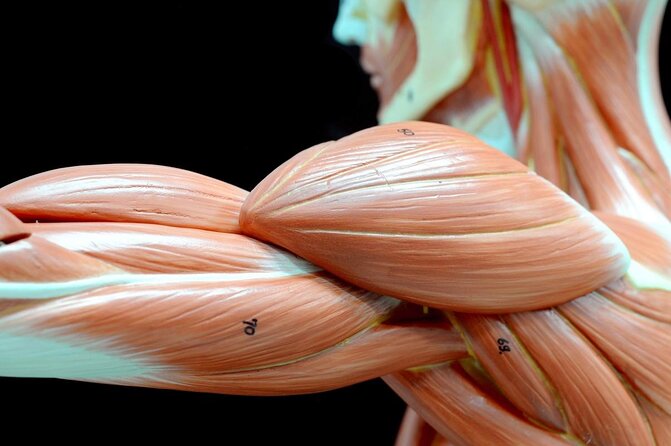
Most museums show you pictures, models, or reconstructions. Body Worlds Amsterdam is the exception: it presents actual human specimens donated to science, using preserved form to show structure you can’t fully grasp from diagrams. The feeling is both educational and a bit surreal, in the best way—like your biology class finally has hands and edges.
What really makes this stand out is the focus on the mind-body connection. The permanent The Happiness Project doesn’t treat happiness as a vague topic. It’s framed as something that influences health, and it explores other mysteries of human life too. That mix matters because it gives you more than anatomy trivia—you get a story about how you live, think, and recover.
Also, the museum is designed for more than adults. It’s recommended for children over age six, which tells me the displays aim to be readable and structured, not just shock-value. Still, it’s not a place for little ones who are easily frightened by realistic anatomy.
More of the museums worth the queue in Amsterdam
- Amsterdam: Madame Tussauds Ticket
★ 4.5 · 11,438 reviews - Amsterdam’s Weirdest Museum: Ripley’s Believe It or Not!
★ 4.5 · 4,920 reviews - Amsterdam: NEMO Science Museum Ticket
★ 4.4 · 2,979 reviews - Moco Museum Amsterdam Admission Ticket with Banksy and more
★ 4.0 · 1,745 reviews
Price and ticket value for a 90-minute indoor stop
At $27.21 per person, you’re paying for a very specific kind of museum: real specimens plus a long-running permanent exhibition. You’re not paying extra for a guide, because this is an admission ticket. That can be a good value if you like exploring at your own pace.
The stated visit time is about 1.5 to 2 hours, which is a solid window for a rainy-day plan or a “between attractions” block. If you have limited time in Amsterdam, this works because it’s contained. No multi-stop transit juggling, no “we’ll see what we find.” Just go in, follow the route, and come out with a lot more perspective on your own body.
The main value risk is the one you should check mentally before buying: some people find they can move through faster than expected, especially if they don’t read every label. If you want lots of reading and time at each display, plan a full 2 hours.
Entering the museum: reserved time, mobile ticket, and first-route quirks
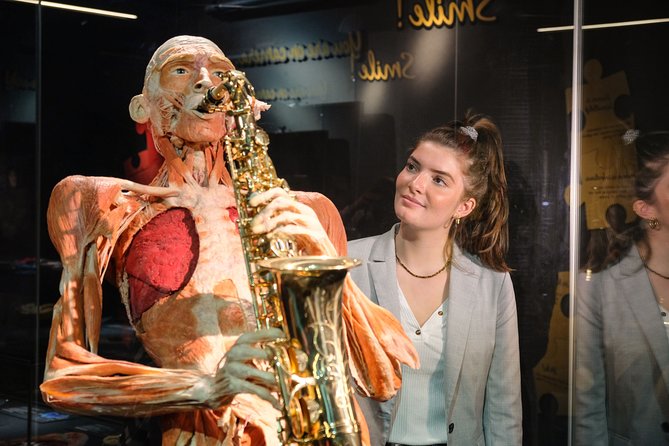
Your ticket is mobile, so you’ll want it ready on your phone. The experience uses check-in at your reserved time, which helps keep the entry process organized. It’s also near public transportation, so you can fit it into a day without adding a long detour.
Once inside, you’ll likely notice that the museum route starts you on an upper level. One visitor noted that they were told it starts on level 6 and involves lifts up and around, without much initial guidance. In plain terms: don’t panic if the first minutes feel like orientation. Follow the flow of signage, and expect that you’ll get your bearings as you move.
A practical tip: arrive with enough buffer time for getting settled. The last entrance is 1 hour before closing, and that window matters more than you might think. If you arrive close to the cut-off, you may feel rushed, especially if crowds build.
Your main stop: the Happiness Project exhibition
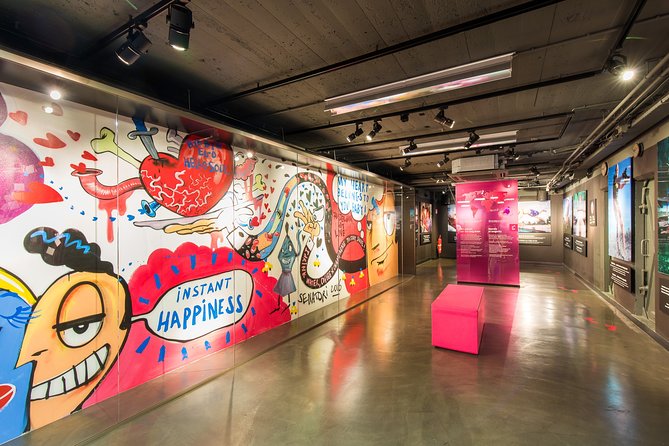
The heart of the visit is the permanent The Happiness Project. It’s the section most people come away remembering, because it reframes the museum from simple “look at organs” to “think about health as a whole system.”
Here’s what makes it click: happiness isn’t presented as a poster-word. It’s treated as something that can shape the body, with explanations and visuals that connect emotional life to physical well-being. The exhibition also explores other mysteries of human life, which keeps you from feeling stuck in one narrow theme.
You’ll probably want to spend real time here, even if you’re short on reading. The exhibition’s strength is that it gives the “why” behind how people talk about stress, recovery, and health habits. Even if you’re not into psychology, it lands because it’s attached to anatomy and real structure.
One more practical note: labels are available in English and Dutch, so you’re not forced into one language. That matters in a museum like this, where comprehension is half the point.
Still deciding? A few more Amsterdam tours worth a look




The body specimen displays: what you’ll learn from the real structures
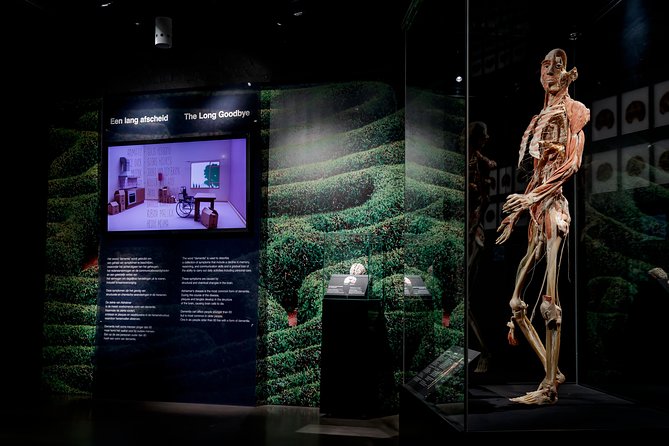
The museum’s core appeal is the up-close view of human anatomy using preserved specimens. Expect to see cross sections and forms that show how body parts relate to each other, not just how they look in textbooks. If you’ve ever tried to picture a joint, a tendon path, or how a replacement affects surrounding structure, this is the kind of place that turns mental images into something real.
A few particularly memorable types of displays you’ll likely encounter include:
- areas shown as cross-sections so you can understand layers
- reconstructed visuals that explain how parts function together
- educational material about the preservation process (one common focus is plasticization)
This is also a museum that can shift how you think about your body day-to-day. People who work in healthcare, study biology, or just like how systems connect often leave feeling like they saw something more useful than a standard lecture.
But there’s no way around the fact that these are real human specimens. If you’re even mildly uncomfortable with realistic anatomy, go in with eyes open. One clear theme in feedback is that this is not for the squeamish.
Pacing your visit: 1.5-2 hours, crowding, and reading time

If you want the best experience, don’t treat this like a sprint-through museum. You’ll get more from the displays if you let yourself slow down for the explanations. Some people finish in under an hour, especially if they skim labels. If that sounds like you, plan more time anyway—you’ll probably want it once you start reading.
Crowds can build, and the museum can feel a bit busy at peak times. When that happens, I’d focus on the exhibits you care about most instead of trying to see everything. The Happiness Project is a strong anchor, so even if you move faster elsewhere, you’ll still leave with a coherent takeaway.
Also keep an eye out for interactive elements if they’re on your route. One person reported an issue with a body scan station not working. That doesn’t mean it will happen to you, but it’s smart to treat interactive tech as a bonus, not the whole plan. If the station works, great. If it doesn’t, you’ll still have plenty to do.
Is it for you? Age fit, comfort level, and who will enjoy it most

This is recommended for children over age six, but younger children are welcome. The key is preparation. Since you’re looking at realistic preserved specimens, your best move is to talk with your kids before you go—what they’ll see, why it exists, and how to stay calm if something feels surprising.
For younger kids, fear usually comes from the unknown. Give them a simple heads-up and a chance to ask questions. This museum is structured enough that children who are mentally ready can handle it and still enjoy it.
For adults, the museum can be a strong fit if you like:
- anatomy and how the body works
- psychology or the mind-body connection
- a museum that makes you think, not just look
On the flip side, if you’re easily upset by realistic anatomy, consider skipping—or at least deciding where you’ll draw your comfort line.
Should you book this Body Worlds Amsterdam ticket?

Book it if you want a compact museum experience that mixes real human specimens with the ongoing theme of how happiness and health connect. It’s also a good pick if you like self-guided wandering, since you’re not paying for a tour guide—you’re buying time inside a themed exhibition you can explore your way.
Skip or rethink it if:
- you expect a massive museum campus (this can feel smaller than some other large anatomy-style venues)
- you don’t plan to read explanations and might rush it
- you or your group are very sensitive to realistic displays
For most visitors, though, this works as a memorable, different kind of Amsterdam afternoon or evening—especially if you want something that feels educational and thought-provoking without needing a full day commitment.
FAQ
How long does the Body Worlds Amsterdam visit take?
Plan for about 1.5 to 2 hours inside the museum.
What is included with the admission ticket?
Your ticket includes entrance to Body Worlds Amsterdam, including access to the permanent Happiness Project exhibition.
Do I need a guide?
No guide is included with this admission ticket.
Is there a mobile ticket option?
Yes, this experience uses a mobile ticket.
What age is it recommended for?
It’s recommended for children over age six, with younger children also welcome. Children up to and including age five are free of charge.
Is it near public transportation?
Yes, the venue is near public transportation.
When is the last entry time?
The last entrance is 1 hour before closing time.
Is free cancellation available?
Yes. You can cancel up to 24 hours in advance for a full refund.
More Tickets in Amsterdam






More Tour Reviews in Amsterdam




Indoors Done Well: More Amsterdam Museums





Just added: fresh Amsterdam tour reviews





Amsterdam Museums & Galleries, compared.
 ★ 4.5Madame Tussauds TicketFrom $1911,438 reviews
 ★ 4.5Amsterdam’s Weirdest Museum: Ripley’s Believe It or Not!From $264,920 reviews
 ★ 4.4NEMO Science Museum TicketFrom $252,979 reviews
 ★ 4.0Moco Museum Amsterdam Admission Ticket with Banksy and moreFrom $271,745 reviews
 ★ 4.5Ticket to The Ultimate 5D Flight Experience at THIS IS HOLLANDFrom $281,413 reviews
 ★ 4.0Madame Tussauds Amsterdam Admission TicketFrom $25940 reviews
 ★ 4.6Madame Tussauds & Amsterdam Dungeon Combo TicketFrom $34680 reviews
 ★ 4.7ARTIS-Micropia Microbe Museum Entry TicketFrom $21524 reviews
Browse the lists this tour appears in