
Reviewed · AMSTERDAM MUSEUMS & GALLERIES
Amsterdam: ARTIS-Micropia Microbe Museum Entry Ticket
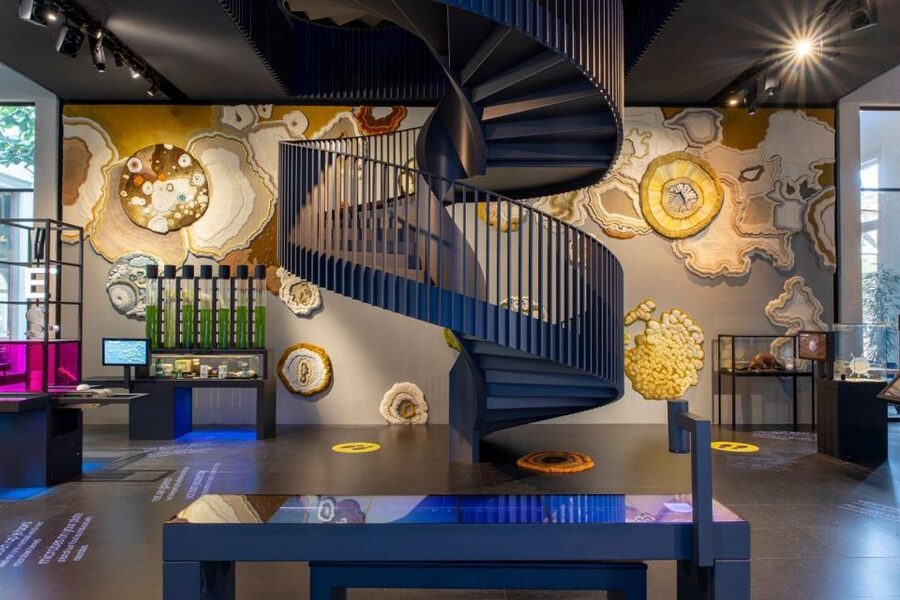
You can meet your invisible roommates. ARTIS-Micropia turns the unseen world of microbes into something you can see, touch, and even measure, right in Amsterdam’s ARTIS area with microscopes and interactive displays. It’s also a short walk from the city center, so this isn’t one of those museum detours that eats your whole day. Microbe science here feels personal, especially once you start the scan.
What I like most is the hands-on flow: you move through exhibits, you collect microbe stamps, and the museum keeps you engaged instead of making you just read labels. I also like that the place shows real science in action with daily lab talks in front of the Laboratorium. One word of caution: at about $21 per person, you’ll want to go in ready to spend real time, because it can feel a bit pricey if you treat it like a quick stop.
In This Review
- Key Things That Make Micropia Worth Your Time
- ARTIS-Micropia: A Microbe Museum That Actually Feels Personal
- Finding Micropia Fast: Meeting Point and Day-of Timing
- Your Ticket Experience: Scans, Microscopes, and the Stamp Trail
- The Laboratorium Moment: Daily Lab Talks in Front of the Museum’s Science Hub
- Micro Mission Spring Break Workshop (What It Adds to the Regular Visit)
- Pair It With ARTIS Zoo or the ARTIS-Groote Museum Without Overplanning
- Price and Value Check for a $21 Ticket
- Who Should Book Micropia, and Who Might Skip It
- Tips to Make Your Visit Smoother (and More Fun)
- Should You Book ARTIS-Micropia in Amsterdam?
- FAQ
- FAQ
- What’s the recommended age for ARTIS-Micropia?
- Do kids get free entry?
- How long should I plan for the visit?
- What are Micropia’s opening hours?
- Are there daily lab talks?
- Is the museum wheelchair accessible?
Key Things That Make Micropia Worth Your Time
- World-famous concept, lived-in experience: it’s the world’s only microbe museum, but it’s not just a gimmick.
- Body scanning that sparks questions: you scan yourself and see microbes living on and inside you.
- The stamp trail: you collect microbe stamps as you go, which makes the visit feel like a guided quest.
- Daily lab talks: science staff talk in front of the Laboratorium during the day.
- Spring-break Micro Mission is free: a Micro Mission and creative workshop runs during spring break hours and is collected at the ticket desk.
- Family-friendly structure: free entry for children up to 12 years old, and the recommended age is 8+.
More of the museums worth the queue in Amsterdam
- Amsterdam: Madame Tussauds Ticket
★ 4.5 · 11,438 reviews - Amsterdam’s Weirdest Museum: Ripley’s Believe It or Not!
★ 4.5 · 4,920 reviews - Amsterdam: NEMO Science Museum Ticket
★ 4.4 · 2,979 reviews - Moco Museum Amsterdam Admission Ticket with Banksy and more
★ 4.0 · 1,745 reviews
ARTIS-Micropia: A Microbe Museum That Actually Feels Personal
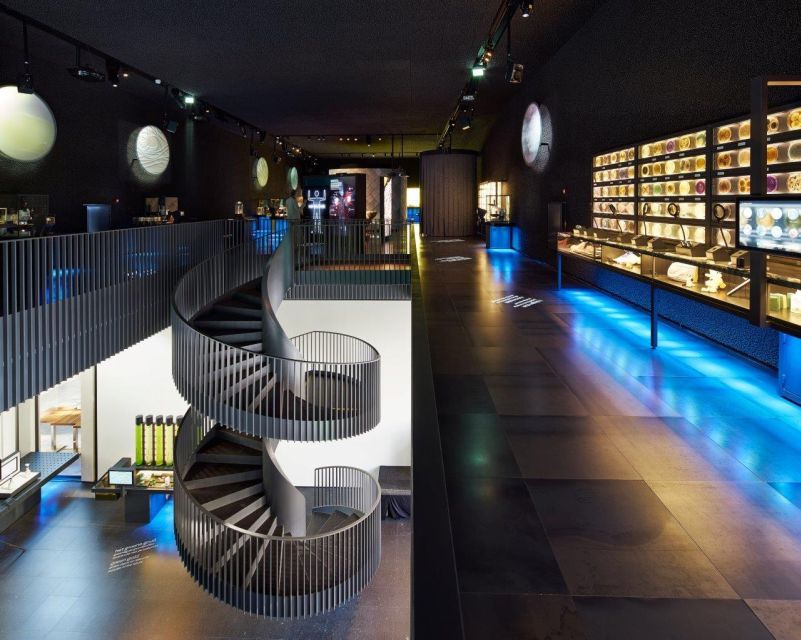
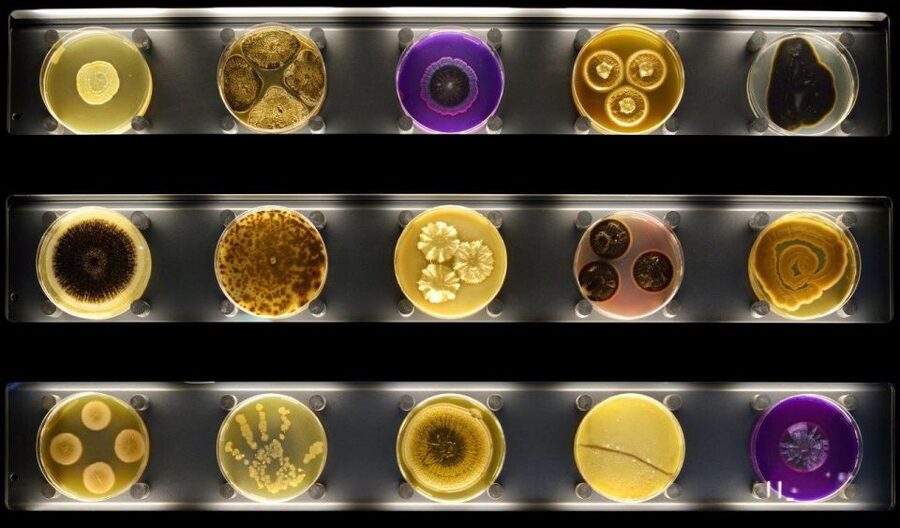
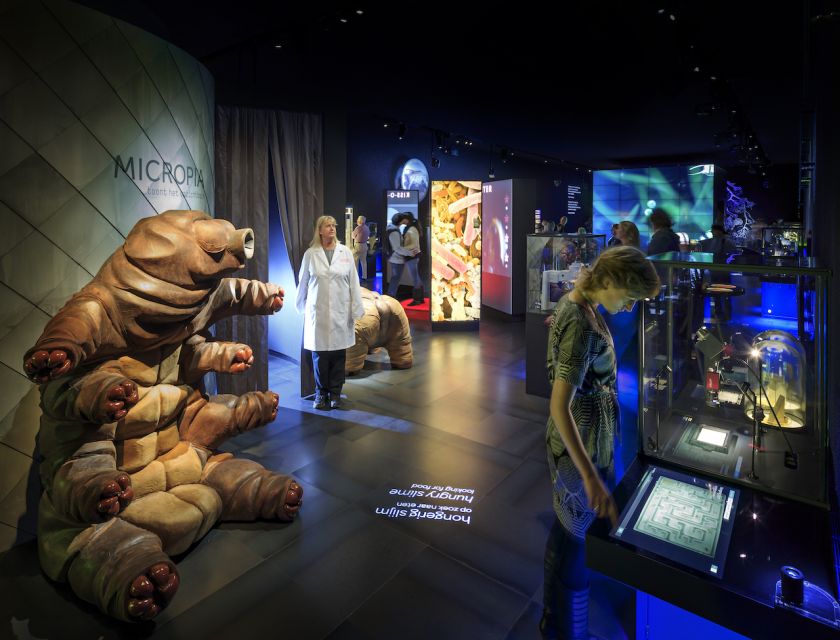
Most museums show you objects. Micropia shows you an invisible ecosystem you’re already part of. Microbes are everywhere—on your skin, in the air, and in your gut—and the museum’s job is to make that reality feel concrete. You’ll see living microbes, microscopes, interactive displays, and stories from the lab technicians that connect the tiny world to everyday life like digestion, health, and balance in nature.
What makes this museum work for both kids and adults is that it avoids treating microbes as scary strangers. Even when the scanner results surprise you, the message stays practical: microbes help you function and help ecosystems function. If you’re the type who likes explanations you can test with your own senses—seeing, scanning, comparing—this is a strong match.
Finding Micropia Fast: Meeting Point and Day-of Timing
The meeting point is Plantation Kerklaan 38–40, in the ARTIS complex area. The location is convenient: it’s described as only about a 10-minute walk from the city center, so you can fit it into a day without a big transit plan.
Hours are straightforward. Micropia is open daily from 10:00 to 17:00. There are a few holiday hour changes you’ll want to check if you’re visiting around major dates: 24–26 December open 9:00–17:00, 31 December open 9:00–16:00, and 1 January open 10:00–17:00.
One more timing detail that matters: the museum includes daily lab talks in front of the Laboratorium. If you want to catch those, arrive earlier rather than waiting until late afternoon when you might miss your preferred time window.
Your Ticket Experience: Scans, Microscopes, and the Stamp Trail
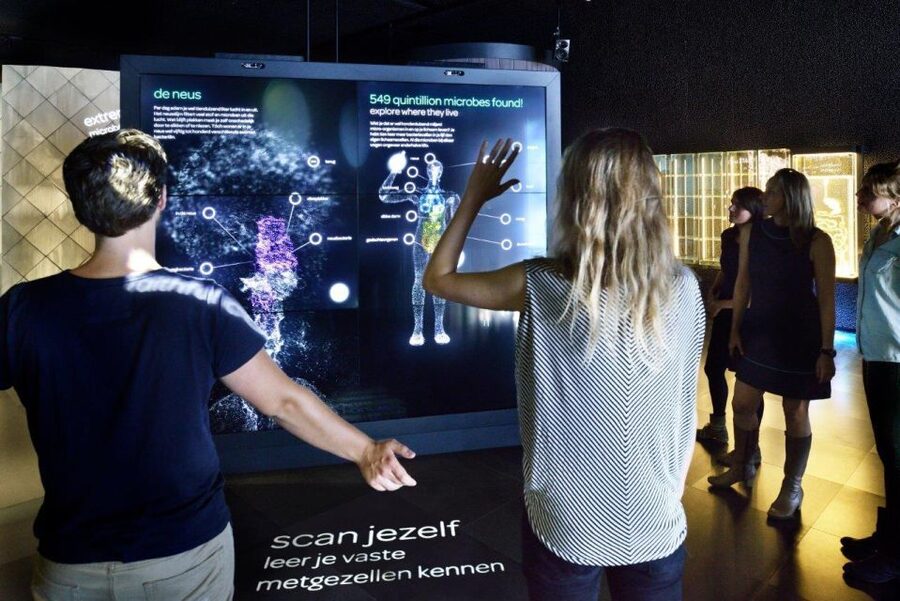
Once inside, the museum’s rhythm is built around activity. You’ll be moving from one micro-world to the next, rather than standing in one gallery for long stretches. The core “wow” moment is the scanner. You scan yourself and uncover microbes living on and inside you. It’s the kind of interactive step that turns curiosity into personal relevance fast.
Next comes the stamp system. As you go through the museum, you collect microbe stamps. That sounds small, but it’s a powerful organizing tool. It pushes you to keep going, not just drift. It also helps kids stay engaged because there’s a clear reason to finish each station.
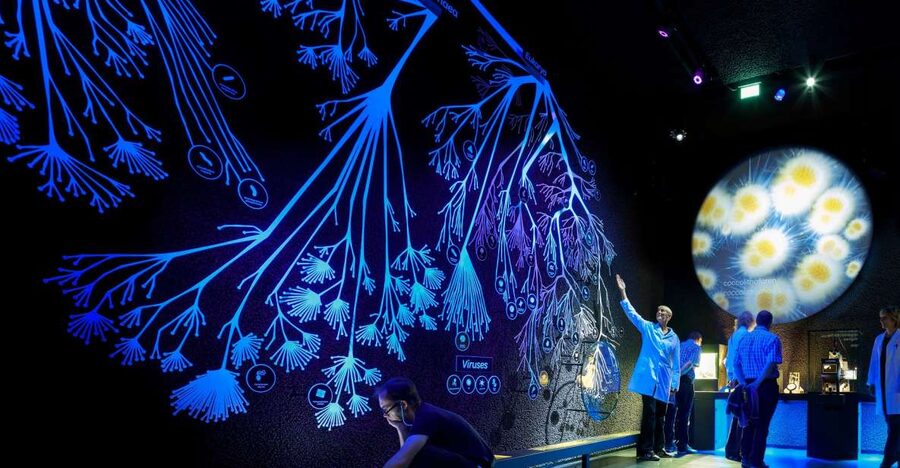
Along the way, you’ll see living microbes and look through microscopes—plus interactive elements that explain what you’re looking at. The museum also leans heavily on stories from lab technicians, which helps the exhibits feel like they connect to real research instead of just educational posters.
A practical note: plan on spending enough time to actually do the interactive parts without rushing. Some visitors describe around 45 minutes for a faster pass, while others say they were there nearly 2 hours. Your time budget will decide whether Micropia feels like a good value or like a pricey sprint.
Still deciding? A few more Amsterdam tours worth a look




The Laboratorium Moment: Daily Lab Talks in Front of the Museum’s Science Hub
One of Micropia’s most grounded features is the presence of lab staff. The museum includes daily lab talks in front of the Laboratorium, so you’re not only consuming science through screens—you get direct explanations in the space where the lab energy is visible.
What I’d do if you like learning: schedule your visit so you’re not rushing through everything at once. If you hit the lab talk early, you’ll get context that makes the later exhibits easier to understand. If you catch a talk after you’ve explored a bit, you’ll spot connections faster because you’ve already seen the exhibits that the talk builds on.
This is also where Micropia often feels different from typical family museums. There’s real momentum in the science atmosphere, and the staff are described as helpful and attentive, which matters when questions pop up (and they will).
Micro Mission Spring Break Workshop (What It Adds to the Regular Visit)
During spring break, Micropia runs a special program called the Micro Mission. It’s available every day during spring break between 10:00 and 17:00, and it can be collected for free at the ticket desk.
The point of the Micro Mission is teamwork between kids and ideas. Young explorers discover how plants, animals, and microbes work together in nature. You also get a clear example that connects micro-worlds to digestion, including the fact that microbes in your gut help you digest your food.
There’s also a creative workshop element, which is ideal if your group likes doing something rather than only looking through microscopes. If you’re traveling during spring break, this is the best add-on value you can get inside the day.
If it’s not spring break, you can still enjoy the main exhibits and scanning experience. The Micro Mission is simply a strong “bonus layer” when it’s running.
Pair It With ARTIS Zoo or the ARTIS-Groote Museum Without Overplanning
Micropia isn’t just a standalone ticket option. There’s a combination ticket that lets you visit ARTIS-Groote Museum, where you explore how things connect—human, animal, plant, and microbe. That combo can be a smart choice if you want the story to scale up from microbes to the larger web of life.
You can also step outside into ARTIS Zoo for nature close-up after Micropia. That pairing makes sense because Micropia gives you the invisible “support system,” and the zoo gives you the visible “ecosystem.” It’s not the same learning track, but it does make for a satisfying day structure.
One practical tip: because Micropia is interactive and can take anywhere from about 45 minutes to nearly 2 hours depending on pace, don’t book the next stop too tightly. Give yourself buffer time so the whole day doesn’t feel like an escape room with a stopwatch.
Price and Value Check for a $21 Ticket
At roughly $21 per person, Micropia sits in the “nice museum, not a budget one” category. Whether it feels worth it depends on your expectations.
Here’s how to judge the value quickly:
- If you love interactive science, self-scanning, and microscope viewing, this price can feel fair because you’re paying for doing, not just reading.
- If you want a quick stroll, the stamp trail and scanner won’t let the experience shrink on you. You’ll either slow down (which is what the ticket is built for) or you’ll feel like you paid for something you didn’t fully use.
- If you’re traveling with kids, the value improves fast. Children up to 12 enter for free, which can make the day much more affordable for families.
A small realism check: one review flagged toilet cleanliness as a problem, which matters because museums can be stressful when facilities don’t match the science theme. I’d still plan on using facilities when you need them, but don’t be surprised if you see more wear and tear than you’d expect at a lab-like attraction.
Gift-wise, the museum shop is mentioned as having items that feel like decent value, so if you want a small science souvenir, you won’t feel forced into buying something overpriced just to say you were there.
Who Should Book Micropia, and Who Might Skip It
Micropia is a great fit for:
- Families with kids around the recommended age of 8 years or older
- Adults who enjoy biology, curiosity-driven learning, or science that stays practical
- Travelers who like interactive exhibits with clear “do this next” steps (scanner, stamps, and lab talks)
- Anyone who’s tired of museums that treat science like a text-only subject
It might be less satisfying for:
- People who prefer art or history over hands-on science stations
- Visitors who can’t spare about an hour or two of focused time
- Anyone who expects the museum to be a massive multi-wing maze; it’s a compact concept with lots of interactive stations rather than a huge building you can wander for half a day
Tips to Make Your Visit Smoother (and More Fun)
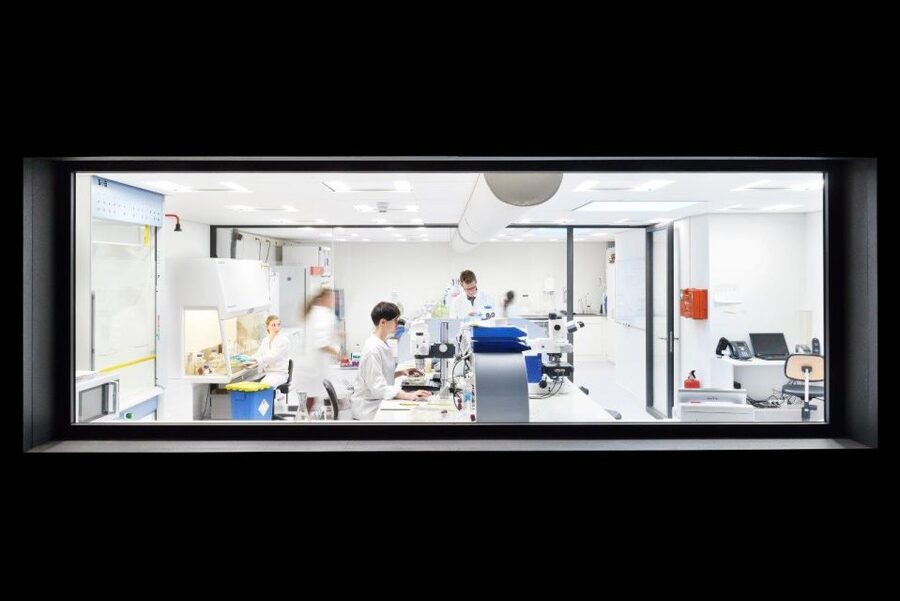
A few small moves can make the day feel more effortless:
- Start with the scanner and stamp plan early. Once you know you’ll collect stamps, you can use them to pace yourself instead of trying to remember later.
- Arrive with curiosity, not just a checklist. The lab talks are where questions get answered in a human way.
- Use the free lockers. There are reported free lockers for bags and coats, which helps you move through the exhibits without juggling items.
- Give yourself a timing buffer around lab talks. Build the day so you’re not sprinting between exhibits and shows.
- If you’re combining with ARTIS-Groote Museum or ARTIS Zoo, keep the order flexible. Micropia can be the anchor, and the other options become what fills the rest of the day.
Should You Book ARTIS-Micropia in Amsterdam?
Book it if you want a science visit that doesn’t feel like homework. ARTIS-Micropia is built around interaction: scanning yourself, collecting stamps, viewing microbes up close, and hearing from lab staff during daily lab talks. The fact that kids up to 12 go free makes it a strong family value too.
Skip it—or at least consider a different attraction—if your group wants something purely visual and passive, or if you can only spend a short amount of time. At $21, you’ll get the best return when you slow down and use the interactive parts instead of treating it like a quick stop.
FAQ
FAQ
What’s the recommended age for ARTIS-Micropia?
The recommended age is 8 years or older.
Do kids get free entry?
Yes. Children aged 0–12 can enter for free.
How long should I plan for the visit?
The ticket is valid for 1 day, but typical visit lengths vary. Some people spend about 45 minutes, while others stay close to 2 hours.
What are Micropia’s opening hours?
Micropia is open daily from 10:00 to 17:00. Holiday hours change: 24–26 December open 9:00–17:00, 31 December open 9:00–16:00, and 1 January open 10:00–17:00.
Are there daily lab talks?
Yes. There are daily lab talks held in front of the Laboratorium.
Is the museum wheelchair accessible?
Yes. The attraction is wheelchair accessible.
More Tickets in Amsterdam






More Tour Reviews in Amsterdam




Indoors Done Well: More Amsterdam Museums



Just added: fresh Amsterdam tour reviews





Amsterdam Museums & Galleries, compared.
 ★ 4.5Madame Tussauds TicketFrom $1911,438 reviews
 ★ 4.5Amsterdam’s Weirdest Museum: Ripley’s Believe It or Not!From $264,920 reviews
 ★ 4.4NEMO Science Museum TicketFrom $252,979 reviews
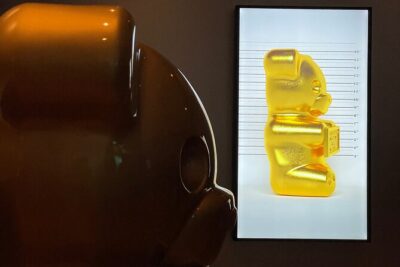 ★ 4.0Moco Museum Amsterdam Admission Ticket with Banksy and moreFrom $271,745 reviews
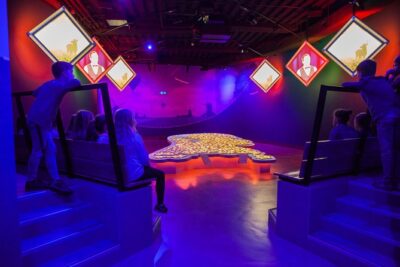 ★ 4.5Ticket to The Ultimate 5D Flight Experience at THIS IS HOLLANDFrom $281,413 reviews
 ★ 4.0Madame Tussauds Amsterdam Admission TicketFrom $25940 reviews
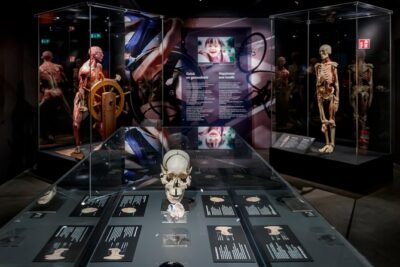 ★ 4.5Body Worlds Amsterdam Admission TicketFrom $27860 reviews
 ★ 4.6Madame Tussauds & Amsterdam Dungeon Combo TicketFrom $34680 reviews
Browse the lists this tour appears in