
Reviewed · CYCLING TOURS
Amsterdam: Private Bike Tour
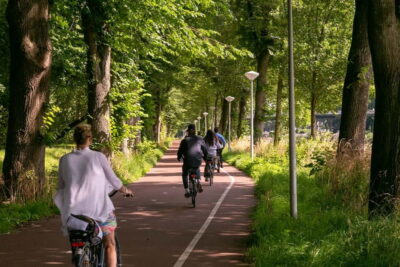
Amsterdam’s bike lanes make it feel like home.
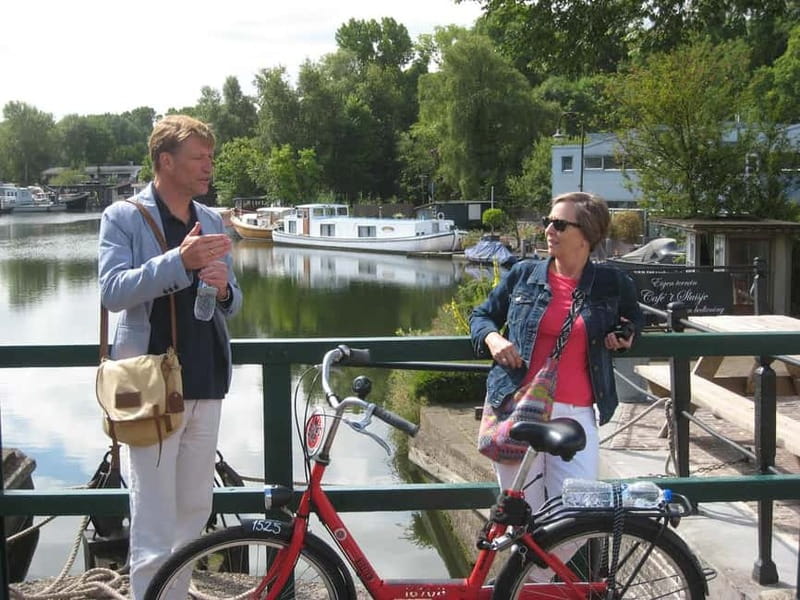
This private Amsterdam bike tour is a smart way to see more than the usual canal-photo loop, because you’re traveling the way locals actually do. You’ll ride with plenty of guidance through quieter streets, past historic landmarks like De Waag, and on routes that trace older parts of the city, including remnants of the old walls and bulwarks.
Two things I really like: first, the focus on confidence—your guide helps you get comfortable in Amsterdam’s busy cycling world (yes, it’s busy, but it’s also orderly). Second, you get real variety in just two hours: the Albert Cuyp street market stop plus the old harbor-and-warehouses zones gives you history and everyday life in the same ride.
One consideration: the tour price covers the guide, but bike rental is not included. If you need a rental, plan for extra cost and time to lock that in, especially if it’s a rain-heavy day.
In This Review
- Key highlights worth planning for
- Why Amsterdam feels different from the saddle
- Starting in central Amsterdam with a private, low-pressure guide
- How the ride stays safe when the city feels busy
- De Waag and the walls you can actually see
- The old warehouse district on three reclaimed islands
- Albert Cuyp street market: local energy in a single stop
- The former industrial port, now a sought-after residential area
- How a tailored route helps if you have a specific interest
- Price and value: what you’re really paying $283 for
- What to bring: bike rental, weather, and comfort basics
- Who should book this private Amsterdam bike tour
- Should you book this Amsterdam Private Bike Tour?
- FAQ
- How long is the Amsterdam private bike tour?
- Is this tour private?
- Where does the tour start?
- What languages are the guides?
- Is bike rental included?
- Are food and drinks included?
- What key places do you visit or pass?
- Can the route be tailored to interests?
- What should I wear if it’s rainy?
Key highlights worth planning for
- Bike-lane riding that keeps you moving without turning the day into a navigation project
- De Waag (15th century) on a route that connects landmarks to the streets around them
- The old warehouse district on three reclaimed islands, a very Amsterdam kind of story
- Albert Cuyp street market for a local-feeling stop (and easy snack opportunities)
- Remnants of old city walls and bulwarks, the kind of history you can actually point at
- The former industrial port area now used for housing, where old infrastructure becomes home
More of Amsterdam at handlebar height
- Big Bike tour Amsterdam – See all in 3 unforgettable hours
★ 4.7 · 4,929 reviews - Small Group Guided Bike Tour of Amsterdam’s Hidden Gems
★ 5.0 · 3,936 reviews - Amsterdam: Off the Beaten Path Bike Tour in French
★ 4.9 · 1,632 reviews - Countryside Bike Tour from Amsterdam: Cheese, Clogs & a Windmill
★ 5.0 · 1,485 reviews
Why Amsterdam feels different from the saddle
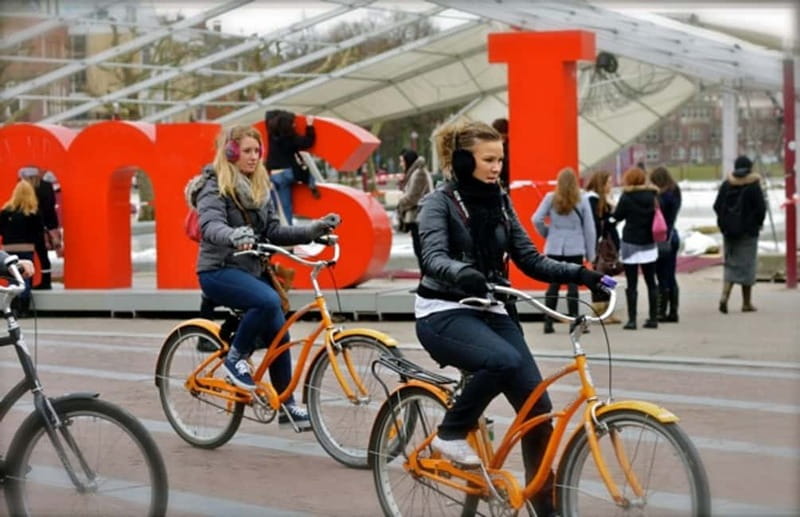
Cycling isn’t a novelty here. It’s the default setting. With around 881,000 bikes moving through Amsterdam and about 800,000 residents using them, you’re not just sightseeing—you’re traveling inside how the city works.
A walking tour can show you where things are. A bike tour helps you connect the dots between neighborhoods, so you can understand scale and distance faster. In a short time, you get a sense of why certain areas feel livelier while others feel calmer, and you learn where the city’s “everyday routes” actually run—often along dedicated bike paths that keep you from constantly dodging traffic.
I also like the realism of a ride: weather, street sounds, and the flow of people don’t switch off like they might on a stagey tour. You’ll be outdoors the whole time, and that’s part of the point. You’re learning Amsterdam by living its pace for a couple of hours.
Starting in central Amsterdam with a private, low-pressure guide
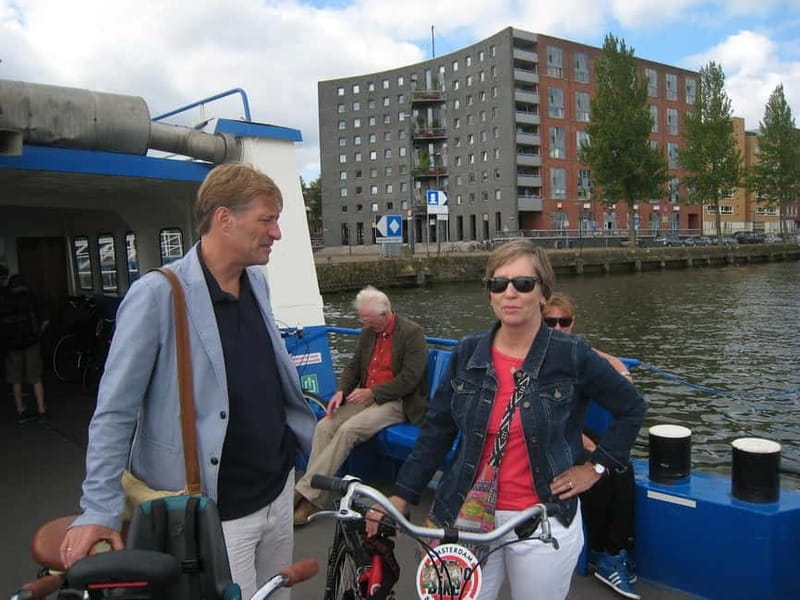
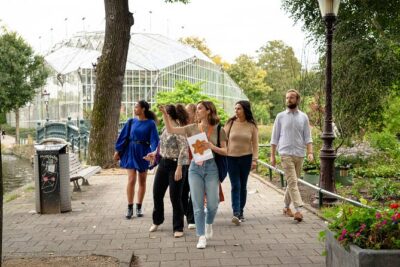
This is a private group experience, and that matters in Amsterdam. One size doesn’t fit all, especially on bikes. You can move at a rhythm that works for you, and your guide can slow down if you need a moment at a busy intersection.
Pickup is included, starting from your hotel in central Amsterdam. If you’re not staying in the center, you’ll enter a central pickup point instead. Either way, you’re not spending time herding yourself to a meeting spot—one less hassle when your time is already tight.
About the guides: Orange Adventures runs the experience, and you’ll often hear praise for guides who are low-key but informative. In particular, a guide named Rolf has been described as giving riders a tone that helps you feel comfortable in the busyness of the city. That’s exactly what you want: calm coaching, not panic instructions.
Language options are English, Dutch, and German, so you’re more likely to get a smooth explanation without awkward translation gaps.
How the ride stays safe when the city feels busy
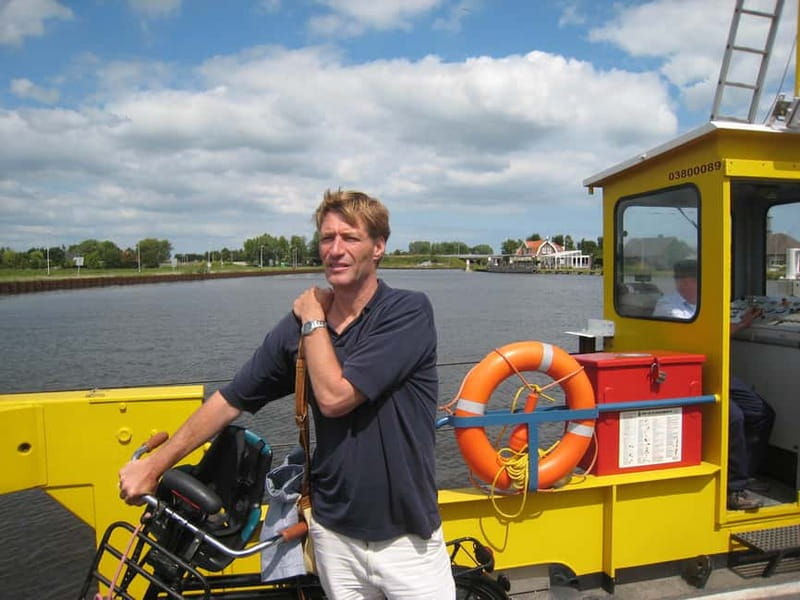
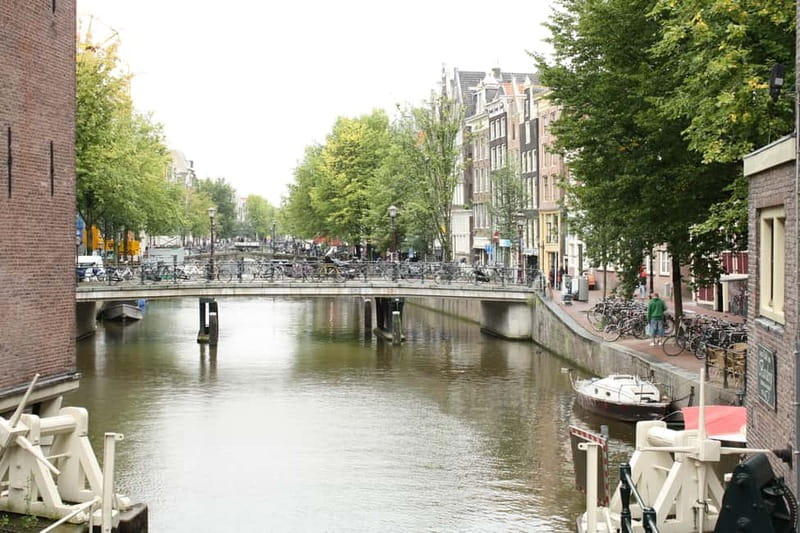
Amsterdam bike lanes are a big part of why this tour works. You’re not just biking around and hoping for the best—you’re using the city’s system. The guide’s job is to keep the route logical and the pacing comfortable, so you spend more brainpower noticing places and less worrying about the next turn.
Even if you’re an experienced cyclist, it’s still smart to ride with someone local on day one or two. Amsterdam has its own rules of flow, and cyclists move with confidence. Having a guide helps you match that rhythm.
Practical tip: don’t dress like you’re going to a museum. Wear clothes you can move in, and keep an eye on the sky. If it’s raining, the city’s slick surfaces aren’t the moment to be brave. The tour info is direct here: raincoats are a must if it’s raining, so plan for that.
Also, because it’s a private tour, you can ask for adjustments if you want more time at photos or if you want the history explained in a particular way—history, culture, architecture, or landmark monuments.
More private tours with a guide to yourself




De Waag and the walls you can actually see
One highlight is De Waag, a landmark tied to the 15th century. What I like about seeing De Waag on a bike tour is the context around it. Instead of stopping in isolation, you can sense how the city grew and how streets developed around key structures.
You’ll also spend time with visible leftovers of older defenses: remnants of old city walls and bulwarks, plus a few older churches. This is the kind of history that becomes real when you can look at the shape of the land and the thickness of structures—not just read about them.
Why this matters: Amsterdam’s tourist map can make the city look like it was designed for postcards. But these wall and bulwark remnants show a different Amsterdam—one that had to defend itself, manage trade, and control movement long before the modern canals and museums became the main story.
If your interest is architecture or “how things used to work,” this stretch is a strong reason to book. You’re not only looking at buildings. You’re seeing the city’s older logic show up in stone and layout.
The old warehouse district on three reclaimed islands
Amsterdam has a talent for turning water-driven problems into land-driven solutions. This ride includes a section through the old warehouse district, built on three islands reclaimed from the sea.
That detail isn’t just trivia. It changes how you interpret what you’re seeing. Warehouses belong to a logistics story—trade, goods, storage, and transport. And reclaimed islands belong to an engineering story—humans reshaping coastline and building where the sea once was.
As you cycle through this area, look for the contrast between the older infrastructure and what the neighborhood feels like now. You’re riding through an Amsterdam that’s layered: older commercial functions underneath newer daily life.
Drawback to keep in mind: because the tour is only two hours, you won’t get a long, slow museum-style pace here. If you want a deep, stop-and-read kind of experience, you’ll still get great orientation, but you may want to follow up later on your own.
Albert Cuyp street market: local energy in a single stop
The tour includes a visit to Albert Cuyp street market, one of the city’s famous market streets. I like this stop because it gives you everyday Amsterdam flavor right in the middle of the historic cycling route.
Food and drink are not included, so think of this as your chance to buy something you want: a snack, a drink, or a small bite that helps you keep energy up for the ride.
Practical approach: if you’re budget-minded, set expectations. This stop is about atmosphere as much as about purchases. If you do buy something, keep it light—you don’t want a heavy bag while you’re still cycling.
Also, markets are often best when you’re relaxed and observant, not when you’re rushing to “finish” a list. Your guide can help you time the stop so you don’t feel stuck.
The former industrial port, now a sought-after residential area
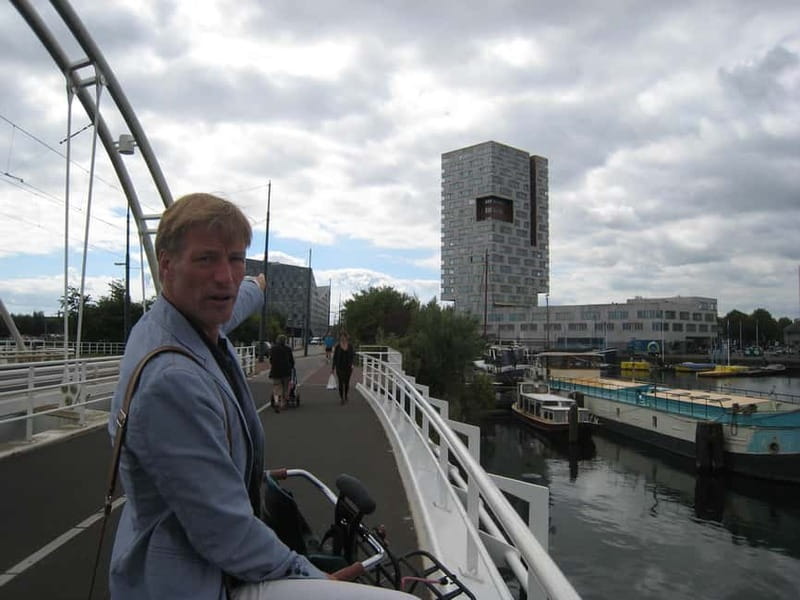
Another meaningful piece of the tour is time along the old industrial port, which has transformed into one of Amsterdam’s more desired residential areas.
This kind of change tells you a lot about Amsterdam itself. The city keeps shapes and structures, then repurposes them as needs evolve. Once you notice that, you start seeing the “why” behind a neighborhood’s feel.
From a reader’s perspective, this stop is valuable because it widens your understanding of Amsterdam beyond museums and canals. You see how the city handles its industrial past. And on a bike, you get a sense of scale—how close daily life is to waterways and old port layouts.
Just remember: because you’re moving on a tight schedule, the goal is orientation and impressions, not an hour-by-hour history lesson. If you love modern reuse stories, this is the kind of place you’ll want to return to after the tour.
How a tailored route helps if you have a specific interest
The tour isn’t one rigid route carved in stone. If you have a preference, your guide can tailor what you emphasize—history or culture, architecture or landmark monuments.
I like this feature because it makes the experience feel personal without adding complexity. You’re still getting the core highlights, but you can ask for more detail where you care most. For example, if you’re into architecture, ask your guide to spend a bit more time pointing out what to look for around De Waag and the older church spots. If you care more about city planning, ask about how the reclaimed islands and port-to-housing transformation connect.
This flexibility is especially useful on a private tour. With only your group, you’re not competing for the guide’s attention with everyone else.
Price and value: what you’re really paying $283 for
At $283 per person for a two-hour private bike tour, you’re paying for more than sightseeing. The cost covers a live guide, and pickup is included from central Amsterdam (or a central pickup point if you’re not in the center). Bike rental and food and drink are not included.
So is it worth it? For me, the value comes down to your priorities:
- If you want local routing that avoids wasted time and keeps cycling safe, the guide’s planning is the main product.
- If you want a short timeframe with multiple distinct areas—De Waag, wall remnants, the market, the reclaimed-island warehouse zone, and the old port—this compresses a lot into two hours.
- If you already have a bike and don’t need food, you’re mainly paying for guidance and interpretation.
The tradeoff is that you may add extra costs for bike rental. If you factor that in, your total spend depends on how you handle transport. Still, private biking is often the most efficient way to cover Amsterdam’s “real neighborhoods” without burning time on constant tram switches or map-checking.
What to bring: bike rental, weather, and comfort basics
Bike rental is not included. That’s an easy thing to miss if you’re thinking of the tour as all-in-one. The tour provider notes that you can contact the supplier for help finding the nearest bike rental, and sometimes reservations can be made for groups. If you’re traveling with a group, it’s worth asking early so you don’t show up and end up with a last-minute scramble.
Dress like you’re riding first, sightseeing second. Amsterdam can change fast, and you’ll feel it on a bike. The info is clear: check the forecast and bring a raincoat if it’s raining. Even if the rain looks light, surfaces can still be slippery.
Bring a small bag you can manage hands-free, and if you plan to buy anything at Albert Cuyp market, keep it compact. You’re on a bike, not wandering with a suitcase.
Who should book this private Amsterdam bike tour
Book this if you want:
- A private guide and a calmer ride that fits your pace
- To learn Amsterdam by bike lanes rather than only by walking
- A mix of landmark history and real neighborhood routing
- A market stop like Albert Cuyp without turning it into a full day plan
I’d skip it if you want a fully packaged experience with bike rental and food included, because those aren’t part of the package price. Also, if cycling sounds stressful, you might want to build confidence first or ask the operator what level of riding experience they expect. The coaching style is often described as supportive, but the tour still depends on you being able to ride.
Should you book this Amsterdam Private Bike Tour?
If your goal is efficient, local-feeling sightseeing in just two hours, I’d say yes—with planning. Arrange bike rental ahead of time, dress for the weather, and treat Albert Cuyp market as your chance to grab a snack rather than a full meal event.
The strongest reason to book is the combination: safe bike-lane movement plus stops that actually represent Amsterdam’s layers—15th-century De Waag, older wall remnants, the reclaimed-island warehouse area, and a port zone that shows how the city reshapes itself. That’s a lot to see without feeling like you’re sprinting.
If you want to turn a short visit into something you genuinely remember, this is one of the better ways to do it.
FAQ
How long is the Amsterdam private bike tour?
It lasts 2 hours.
Is this tour private?
Yes, it’s a private group tour.
Where does the tour start?
Pickup is included. The tour starts from your hotel in central Amsterdam. If you’re not staying in the city center, you’ll enter your preferred central pickup point.
What languages are the guides?
The live guide speaks English, Dutch, and German.
Is bike rental included?
No. Bike rental is not included in the tour price.
Are food and drinks included?
No. Food and drink are not included.
What key places do you visit or pass?
You’ll cycle past or visit major highlights such as De Waag, remnants of old city walls and bulwarks, the Albert Cuyp street market, the old warehouse district on reclaimed islands, and the old industrial port area that’s now residential.
Can the route be tailored to interests?
Yes. You can request the tour to lean more toward history or culture, architecture, or landmark monuments.
What should I wear if it’s rainy?
Check the weather forecast, and bring raincoats if it’s raining. Riding in light rain can still mean wet streets and you’ll want proper gear.
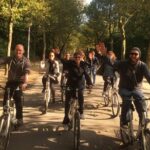
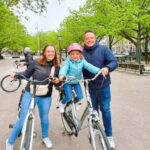
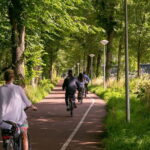
Amsterdam From the Bike Saddle



More Tours in Amsterdam





More Tour Reviews in Amsterdam






Just added: fresh Amsterdam tour reviews





Cycling Tours, compared.
 ★ 4.7Big Bike tour Amsterdam – See all in 3 unforgettable hoursFrom $344,929 reviews
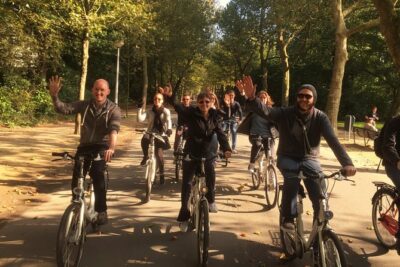 ★ 5.0Small Group Guided Bike Tour of Amsterdam’s Hidden GemsFrom $403,936 reviews
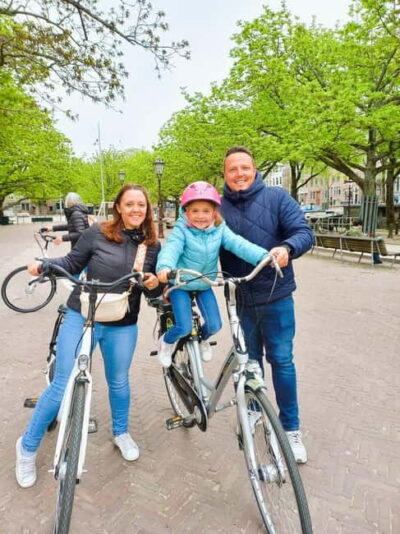 ★ 4.9Off the Beaten Path Bike Tour in FrenchFrom $431,632 reviews
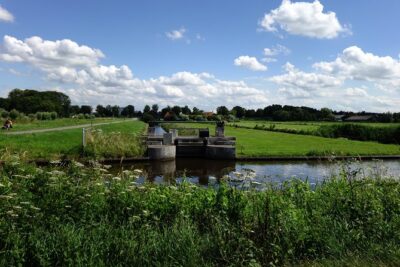 ★ 5.0Countryside Bike Tour from Amsterdam: Cheese, Clogs & a WindmillFrom $591,485 reviews
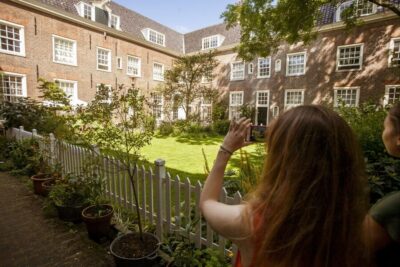 ★ 4.8Hidden Gems & Highlights Guided Bike TourFrom $441,404 reviews
 ★ 4.5Windmill, Cheese, and Countryside E-Bike TourFrom $551,308 reviews
 ★ 5.0Amsterdam Highlights Bike or E-Bike TourFrom $451,171 reviews
 ★ 4.7Relaxed City Highlights Guided Bike TourFrom $341,069 reviews
Browse the lists this tour appears in