
Reviewed · HISTORICAL TOURS
Amsterdam: Historic Tram Ride on Heritage Line to Amstelveen
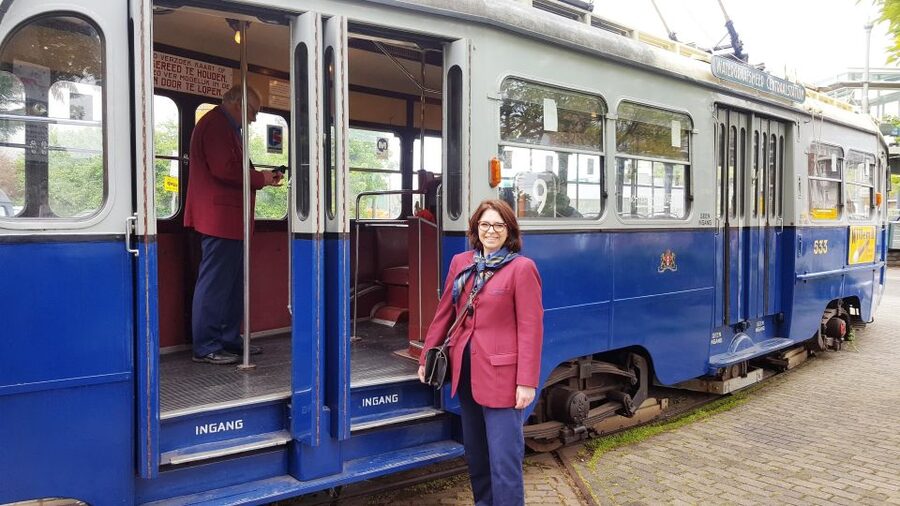
A real conductor, old tram sounds, in one hour. This heritage Lijn 30 ride runs on an older track system (over 100 years old) between Haarlemmermeerstation in Amsterdam and Amstelveen, and it keeps the whole experience old-school. I like the ticket-punching detail most, because it turns a simple transit ride into something you can actually feel.
What I also like is the hands-on, onboard way the trip runs: you hear the whistle and bell, you’ll get stops called out, and you decide whether you hop off at places like Amsterdam Forest, lake Bosbaan, the Heemtuinen wildlife garden, or the redbrick Old Village. One thing to consider: the ride itself isn’t always about nonstop scenery, so the value is strongest if you care about the tram experience and use the stop options to see more.
In This Review
- Key Highlights to Look For
- How the Historic Lijn 30 Tram Ride Feels on the Day
- From the Tramshop at Haarlemmermeerstation to Your Seat
- Onboard Experience: Ticket Punching, Whistle, and Bell
- Where You Can Get Off: Olympic Stadion, Amsterdam Forest, Bosbaan, Heemtuinen, Old Village
- Olympic Stadion stop
- Amsterdam Forest
- Lake Bosbaan
- Heemtuinen wildlife garden
- Old Village in Amstelveen
- Price and Value: Why $9 Can Feel Like More Than a Ticket
- Who This Tram Ride Is Perfect For (and Who Might Feel Let Down)
- Small Practical Tips That Make It Easier
- Should You Book This Historic Tram Ride to Amstelveen?
- FAQ
- Where do I exchange my ticket before boarding?
- How long is the ride?
- Does this include a return trip?
- What tram line is this ride on?
- What happens with ticket handling on board?
- Does the tram make classic sounds and signals?
- Can I get off during the trip?
- Are food and drinks allowed on the tram?
- Is it suitable for wheelchair users or people with mobility impairments?
Key Highlights to Look For
- Conductor punched ticket: it’s part of the experience, not a gimmick
- Working tram signals: whistle and bell cues tell you exactly when things are ready
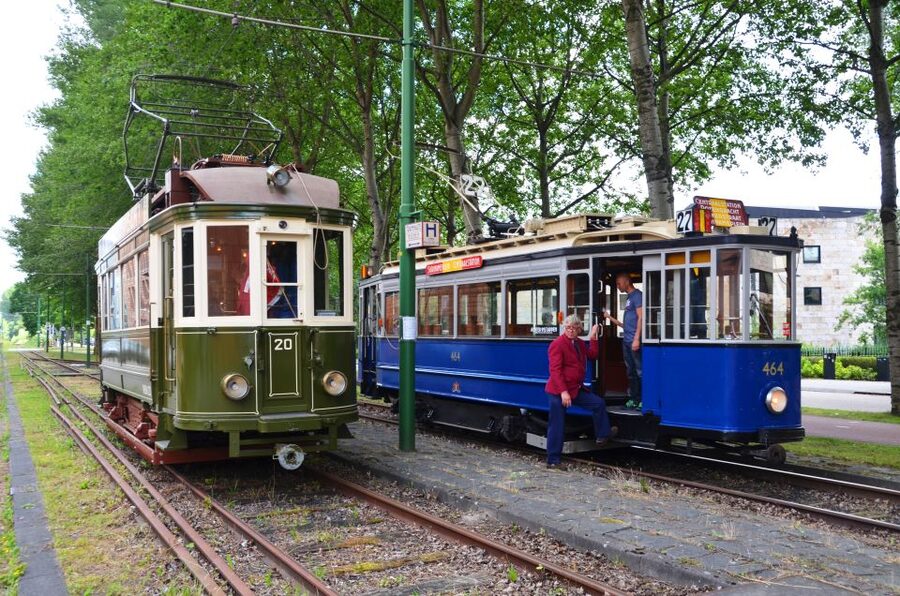
- Fully restored tram car: the tram and track feel like a living museum piece
- Multiple get-off options in Amstelveen: Amsterdam Forest, lake Bosbaan, Heemtuinen, Old Village
- Historic operations at the terminal: the tram gets readied for the return, keeping the flow authentic
Still deciding? A few more Amsterdam tours worth a look
- Amsterdam Food and Cultural Tour with Tastings
★ 5.0 · 4,315 reviews - Amsterdam: Historic City Centre Canal Cruise
★ 4.3 · 659 reviews - Amsterdam: Haunted History and Ghost Walking Tour
★ 4.5 · 488 reviews - Amsterdam High-End Dutch Food & History Tour – Up to 8 guests
★ 5.0 · 482 reviews
How the Historic Lijn 30 Tram Ride Feels on the Day
If you want the kind of Amsterdam transport moment that feels more like a trip than a schedule, this is a great pick. You board a restored heritage tram—Lijn 30—from Haarlemmermeerstation, and you ride out to Amstelveen and back on an old tram line that’s been around for a long time. The best part is that the tram doesn’t just look vintage; it runs with the rhythm you’d expect from older transit: sounds, staff cues, and simple in-person ticket handling.
I find that this sort of trip works because it slows you down. Instead of rushing through stations, you settle into the motion of a tram and let the onboard routine set the pace. You’re also not stuck seeing only one type of scenery. You can stay on board the whole way, or you can get off at key stops to stretch your legs and change the view.
The trade-off is that you should match your expectations to the route. The tram is the star, not a constant parade of famous landmarks. If you want your entire hour filled with standout sights, this won’t always deliver that. But if you’re happy treating the ride itself as the attraction, and using the stop options wisely, it’s a fun way to spend a small slice of your day.
From the Tramshop at Haarlemmermeerstation to Your Seat
Your start point is straightforward: you exchange your ticket in the Tramshop at Haarlemmermeerstation. After that, you’re guided from there to the trams. I like this because it cuts out the usual guesswork that can happen at transit hubs when you’re trying to find a specific platform or museum vehicle.
Plan to arrive with enough time to handle the exchange calmly. Even though the overall duration is listed as 1 hour, that doesn’t mean you want to sprint through the start. Once you’re on board, the staff runs the experience in an old-fashioned way, including the conductor interaction that makes this ride feel special.
One logistics note that matters: at the terminus, you might temporarily exit the vehicle or change vehicles. That doesn’t sound scary, but it does mean you should stay flexible and not assume the ride is always a single unbroken tram the whole time. If you travel with tight timing (for example, you’ve got the next reservation right after), give yourself a little buffer.
Onboard Experience: Ticket Punching, Whistle, and Bell
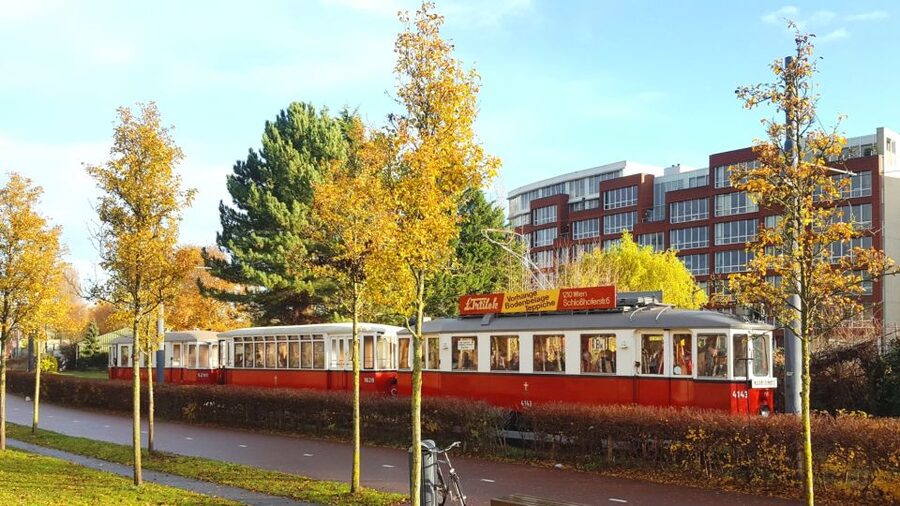
This is the section that turns a tram ride into an event. The conductor will punch your ticket, and the departure process uses classic tram cues. You’ll hear the conductor’s signals—there’s the whistle and the bell—used to communicate readiness to the driver. The sounds are part of the charm, and they also help you understand what’s happening without needing to read anything complicated.
Stops are called out, and you get to choose what you do next. I like trips where you can actively decide. If you prefer to rest and watch the route, you can stay seated. If you want a break in pace and a change of scenery, you can hop off and explore at the listed stops.
Also pay attention to the rules on board. Smoking isn’t allowed, and food and drinks are also not allowed in the vehicle. If you’re the type who likes snacks while you travel, grab what you need before boarding so you’re not stuck thinking about it while you’re riding.






Where You Can Get Off: Olympic Stadion, Amsterdam Forest, Bosbaan, Heemtuinen, Old Village
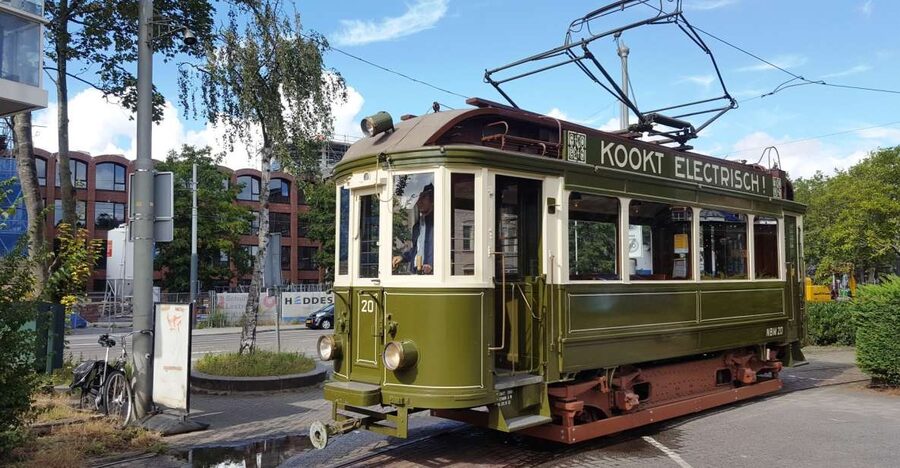
This is where you can customize the ride to your taste. The tram route includes stops where you can step off and enjoy different parts of Amstelveen and its surroundings. Even though the overall experience is only about an hour, the stops give you options that can stretch your time in the open air.
Olympic Stadion stop
If you want a recognizable city landmark stop, the tram includes a stop at Olympic Stadion. This works well if you like mixing a classic transit experience with a “place you can point to” in the area. Just remember that the tram will only pause for a limited window, so keep your walking radius realistic.
Amsterdam Forest
Next up is Amsterdam Forest. This is a good choice if you’d rather trade tram windows for fresh air and greenery. For many people, this is the payoff stop because it changes the feel from “ride through town” to “take a short break where it feels quieter.”
Lake Bosbaan
The route also stops at lake Bosbaan. If you’re the sort who likes water views, this can be the most relaxing part of the outing. I also like that lake stops tend to make a short get-off feel worthwhile—you don’t need a long hike to enjoy the setting.
Heemtuinen wildlife garden
Then there’s Heemtuinen, a wildlife garden stop. This is a nice option if you want something calmer and more nature-focused, even if you’re not trying to do a long excursion. If you’re traveling with kids or you enjoy seeing birds and plant life, this kind of stop fits the mood.
Old Village in Amstelveen
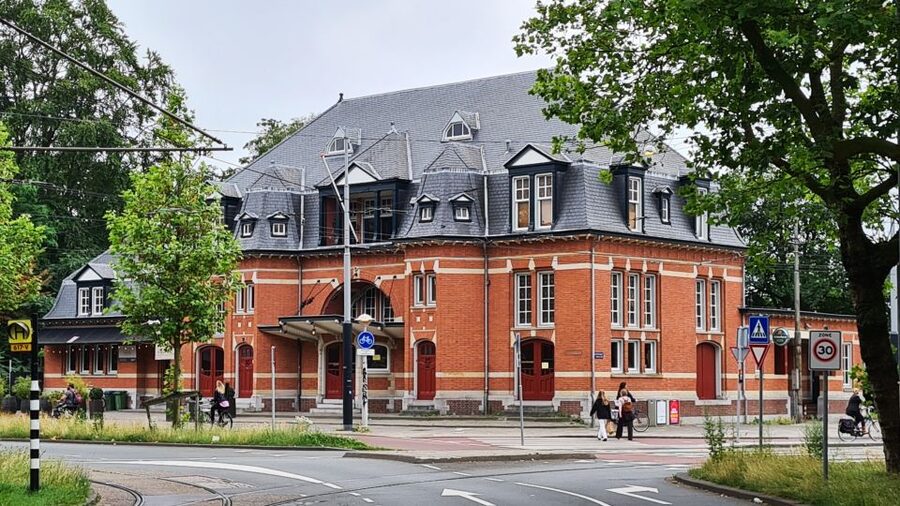
Finally, you can stop at the Old Village area, described as redbrick buildings in Amstelveen. This is the spot that helps you add an architectural “snapshot” to the tram ride. It’s also the right choice if you’d like your short time off the tram to feel more like an actual neighborhood moment, not just a scenic pause.
The key trick: decide in advance what you want most—forest, water, wildlife, or a village feel—and commit to one or two stops. Otherwise, it’s easy to feel rushed while you figure things out while you’re already moving.
Price and Value: Why $9 Can Feel Like More Than a Ticket
At about $9 per person, this feels like strong value if your priorities match the experience. You’re not just buying transportation. You’re paying for a guided heritage-style tram operation, including things that don’t exist on normal city transit: conductor ticket punching, classic onboard signals, and a restored tram experience run in an authentic way.
Would I compare it to a typical tram ride in Amsterdam? Sure. A standard ride is cheaper and you can go anywhere. But this one is aimed at a specific experience. You’re paying for nostalgia you can see and hear, plus the option to step off at several named stops and enjoy the surrounding areas.
One more value point: the “return trip” is included, so you don’t have to plan a separate comeback. In a city where transit is easy, having the whole roundtrip handled lets you focus on what happens onboard and what stop you want to experience.
If you’re trying to build a day with multiple Amsterdam highlights, think of this as a compact, memorable segment. It’s short enough to slot in, but distinct enough to make your day feel more varied than just museum hopping.
Who This Tram Ride Is Perfect For (and Who Might Feel Let Down)
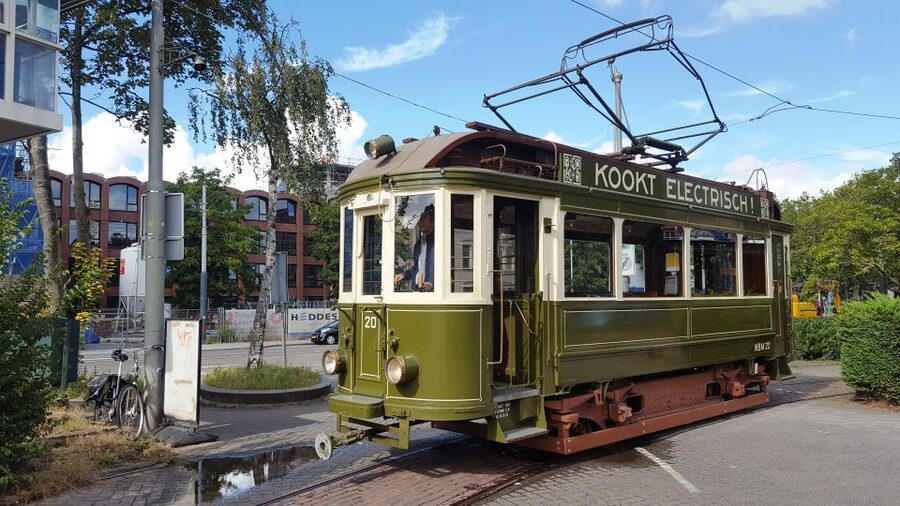
This experience is best for you if you enjoy:
- Classic transit details like ticket punching and conductor-led departures
- Short outings where you can still make choices, like staying onboard or getting off at listed stops
- A mix of tram experience and nature breaks (Amsterdam Forest and lake Bosbaan are especially relevant)
It’s also a good fit if you’re traveling with someone who likes quirky, practical “how it works” moments. The operational feel—signals, staff cues, and terminal prep—adds a layer that many tourist experiences skip.
Who might feel less satisfied? If your main goal is big-name attractions packed back-to-back, this can feel like more tram than scenery. The route itself may not give you constant visual wow moments. The way to avoid that is simple: use at least one stop—ideally one of the nature options—so your time off the tram balances the trip.
And if you deal with motion sickness, keep in mind that this isn’t listed as a good match for it. Similarly, the activity isn’t suitable for wheelchair users and people with mobility impairments, and non-folding strollers and wheelchairs aren’t allowed.
Small Practical Tips That Make It Easier
- Choose one main stop you want most, then leave flexibility for the rest. Otherwise, you’ll end up scanning timing while you’re already there.
- Dress for outdoor walking if you plan to get off. The stops include forest and lake areas where you may want a little stroll time.
- Plan for an onboard “no food or drinks” rule. If you think you’ll be hungry, sort it before you board.
- Keep expectations tied to the theme. The tram car and the operation are the headline, not a lineup of famous landmarks the whole way.
Should You Book This Historic Tram Ride to Amstelveen?
Yes, you should book it if you want a genuine heritage transit experience that’s not too long, includes a return ticket, and lets you trade a bit of city bustle for nature breaks at Amsterdam Forest and lake Bosbaan. It’s also a strong choice if you like small, hands-on details—like getting your ticket punched—because that’s exactly what this ride focuses on.
Skip it if you’re looking for a route that’s packed with nonstop major sights, because the scenery along the way may not be the main attraction. In that case, you’d likely get more satisfaction from a full-length outing with dedicated sightseeing stops.
If you’re on the fence, treat it like this: the tram ride itself is the point, and the best way to level up the experience is to plan at least one get-off stop in advance.
FAQ
Where do I exchange my ticket before boarding?
You exchange your ticket in the Tramshop at Haarlemmermeerstation, and you’ll be guided from there to the trams.
How long is the ride?
The duration is listed as 1 hour. You should check availability for starting times.
Does this include a return trip?
Yes. It includes a return ticket from Haarlemmermeerstation (Amsterdam) to Amstelveen.
What tram line is this ride on?
It’s the Lijn 30 tram.
What happens with ticket handling on board?
A conductor punches your ticket as part of the experience.
Does the tram make classic sounds and signals?
Yes. You’ll hear the conductor’s whistle and the tram’s bell signals as departures happen.
Can I get off during the trip?
Yes. You can get off at stops such as Olympic Stadion, Amsterdam Forest, lake Bosbaan, Heemtuinen, and the Old Village.
Are food and drinks allowed on the tram?
No. Food and drinks are not allowed in the vehicle.
Is it suitable for wheelchair users or people with mobility impairments?
No. The activity is not suitable for wheelchair users and people with mobility impairments, and non-folding wheelchairs and non-folding strollers aren’t allowed.
The Older Amsterdam, Toured Properly





More Tour Reviews in Amsterdam






Just added: fresh Amsterdam tour reviews





Historical Tours, compared.
 ★ 5.0Amsterdam Food and Cultural Tour with TastingsFrom $954,315 reviews
 ★ 4.3Historic City Centre Canal CruiseFrom $16659 reviews
 ★ 4.5Haunted History and Ghost Walking TourFrom $30488 reviews
 ★ 5.0Amsterdam High-End Dutch Food & History Tour – Up to 8 guestsFrom $157482 reviews
From Amsterdam: Volendam Heritage & Cheese Half-Day TourFrom $20461 reviews
★ 5.0Amsterdam High-End Dutch Food & History Tour – Up to 8 guestsFrom $157482 reviews
From Amsterdam: Volendam Heritage & Cheese Half-Day TourFrom $20461 reviews
 ★ 4.5Historic City Sightseeing Canal CruiseFrom $18444 reviews
 ★ 5.0Anne Frank and the Jewish History of Amsterdam Private TourFrom $95307 reviews
 ★ 5.0Luxury Canal Cruise with Historic VR ExperienceFrom $51305 reviews
Browse the lists this tour appears in