
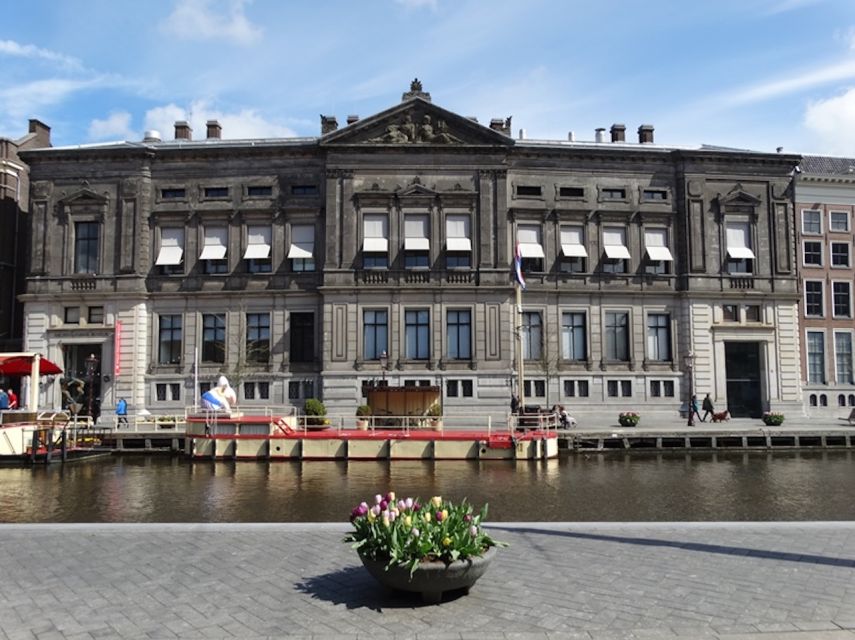
Reviewed · HISTORICAL TOURS
Amsterdam: Allard Pierson Heritage Collections Entry Ticket
Amsterdam is for bicycles, canals, and museums that surprise you. Allard Pierson is one of those places: it connects book history with the ancient world, from writing origins to Roman glass and Greek pottery, all in one visit. I love how you can move from Amsterdam’s maps and atlases into Egypt, then back to how people made and shared knowledge.
The temporary show, Face to Face: The People Behind Mummy Portraits, adds a human angle. You’ll see Fayum mummy portraits and learn how researchers, collectors, and archaeologists all shaped what we know now. One drawback to consider: if you only want deep focus on one discipline (say Egyptology, art history, or cartography), the museum’s strength is breadth, so it can feel like a fast tour of many worlds rather than one expert rabbit hole.
In This Review
- Key highlights worth planning for
- Allard Pierson’s unusual hook: books, maps, and antiquity together
- Permanent collections: Amsterdam’s knowledge-making, from manuscripts to world maps
- The plastercast attic: when Greek and Roman sculpture becomes something you can hear
- Egyptian and Sudanese collections: objects that link places and time
- Temporary exhibition: Face to Face mummy portraits and the people behind the paint
- How to plan your 1-day visit without rushing the good parts
- Price and value: is $18 worth an entry ticket like this?
- Who should book this Allard Pierson ticket?
- Should you book?
- FAQ
- What does the ticket include at Allard Pierson?
- Is the ticket valid for more than one day?
- When is the temporary mummy-portrait exhibition running?
- Are the exhibitions available in English?
- Is the museum wheelchair accessible?
- Is there free cancellation?
Key highlights worth planning for
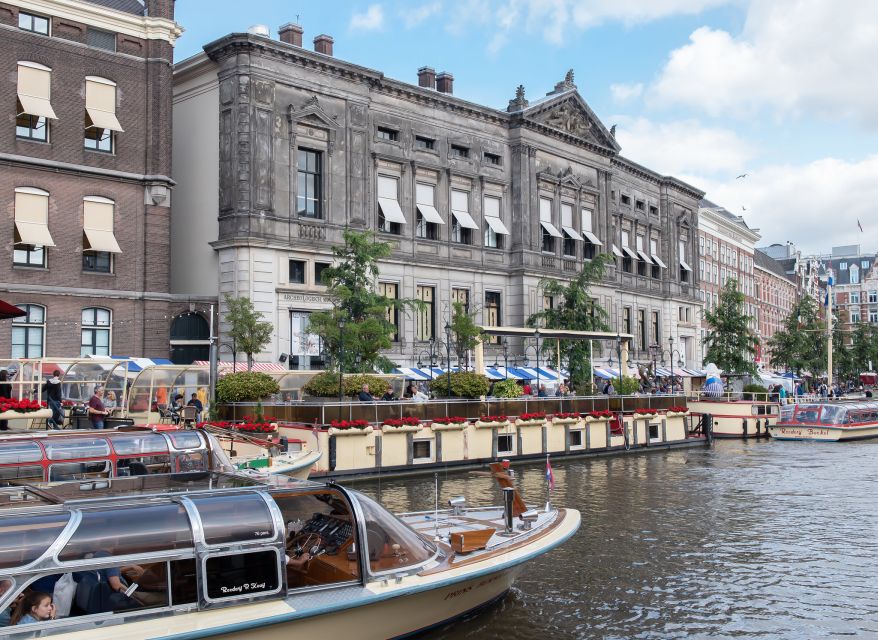
- Amsterdam’s book history story in one place, from writing origins to early industrial book production
- One of the largest map and atlas collections, good for anyone who likes how the world was imagined on paper
- An attic plastercast collection focused on Greek and Roman sculpture, plus an included audioguide
- Ancient Egyptian and Sudanese collections, with objects that help you connect regions and time periods
- Face to Face mummy portraits (Oct–Feb), including major international loans and Fayum portrait context
Still deciding? A few more Amsterdam tours worth a look
- Amsterdam: Heineken Experience Ticket including 2 Drinks
★ 4.6 · 36,014 reviews - Amsterdam: Rijksmuseum Entry Ticket
★ 4.7 · 29,512 reviews - Amsterdam: Icebar Entry Ticket with 3 Drinks
★ 4.2 · 14,562 reviews - Amsterdam: The Upside Down Experience Entrance Ticket
★ 4.4 · 11,918 reviews
Allard Pierson’s unusual hook: books, maps, and antiquity together
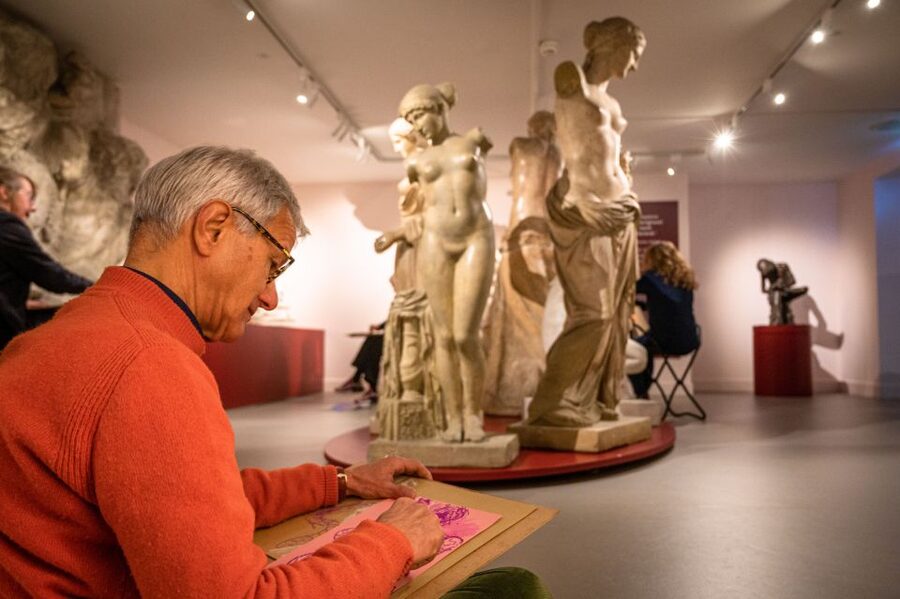
Allard Pierson is a heritage collection museum with an identity crisis—in the best way. It refuses to split the world into neat subjects. Instead, it treats curiosity itself as the main theme: how people recorded ideas, traded goods and stories, and built knowledge across centuries.
That makes the visit feel less like flipping through unrelated displays. You’re following a thread: humans keep asking questions, and they keep inventing tools to answer them—writing materials, printing, illustrated atlases, and objects that preserve culture. The museum’s permanent presentation is built around that relationship between the ancient and modern world, which means you’re not stuck in either “old stuff” or “learning about how old stuff was collected.”
Permanent collections: Amsterdam’s knowledge-making, from manuscripts to world maps
If you like museums where the “why” matters, you’ll probably enjoy this permanent exhibition. It spells out the interaction between ancient and modern worlds and tells a clear story of how curiosity shaped real outputs: writing, early industrial book production, and how commerce and culture traveled. You also get specific anchors tied to Amsterdam—like Assyrian merchants and theatre makers—so it’s not just a general museum of the ancient world. Amsterdam is part of the plot.
Here’s what you can expect to see as you wander:
- Egyptian hieroglyphs and related ancient artifacts
- Greek pottery and Roman glass (small items, but they help you feel the daily material world)
- Medieval manuscripts and 17th-century atlases and books
- Cookbooks, which is a reminder that knowledge wasn’t only for scholars—it also lived in kitchens
- An extensive plastercast collection of famous classical statues (more on this in a second)
The big benefit for you is pacing. You can spend ten minutes on a medieval manuscript feeling the paper-and-ink reality, then shift to maps and atlases that show how people tried to picture the world. Even if you’re not a deep collector type, the exhibits give you multiple entry points.
The plastercast attic: when Greek and Roman sculpture becomes something you can hear
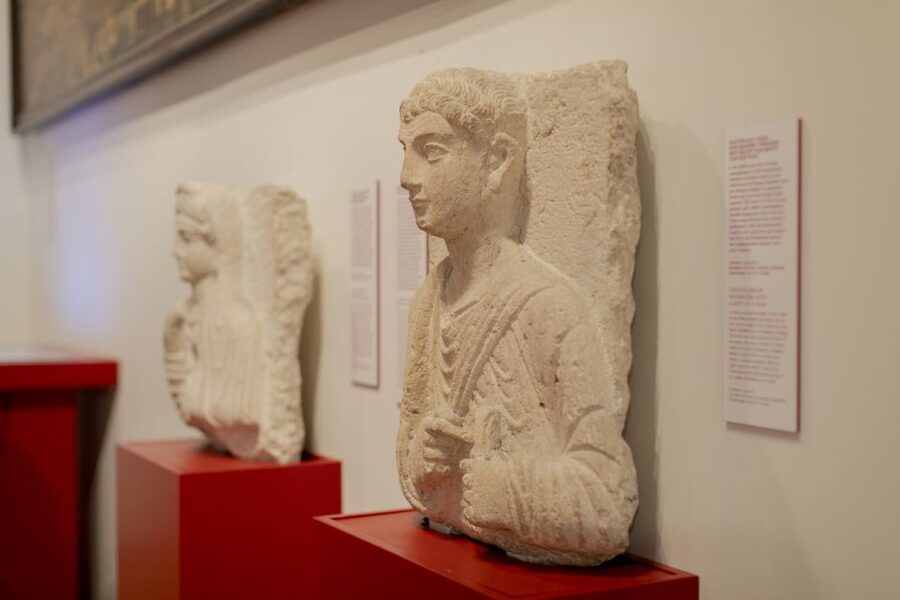
One of the most distinctive moments is the attic with a plastercast collection from the Greek and Roman era. Plaster casts can sound like a copy museum on paper, but here the focus is practical: it’s about understanding form, style, and how classical art has been studied and reproduced.
What makes this part worth your time is the included audioguide for the plaster collections. That’s not a throwaway add-on. In this room, the guide helps you connect what you’re seeing to why these statues mattered, and how casts became a way to learn when original works weren’t easily reachable. If you’ve ever walked through a room of statues and thought, I get it, but what exactly am I supposed to notice, this is the section that answers that.
Still deciding? A few more Amsterdam tours worth a look
Egyptian and Sudanese collections: objects that link places and time
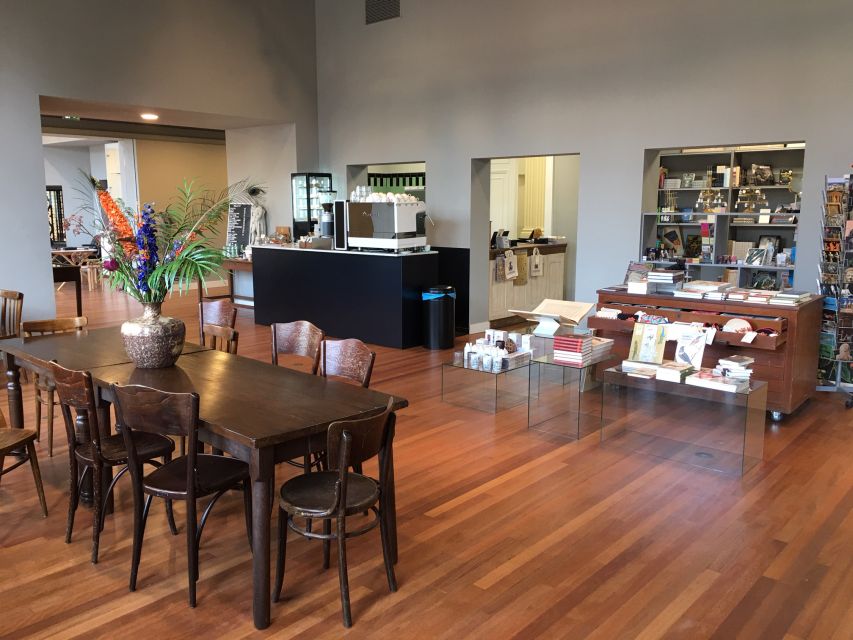
The museum also has Ancient Egyptian and Sudanese collections, and they’re ideal if you like your museum experience to move beyond one single civilization label. You’ll be able to wander through displays that bring Egypt-related material culture into view, with the Sudanese side helping broaden the geographic story.
The museum’s theme—human curiosity—works especially well here. You’re not just seeing artifacts as isolated things. You’re seeing cultural knowledge in motion: how people studied, collected, interpreted, and preserved. Even if you only have one day, this section gives you that feeling of travel through time without leaving Amsterdam.
Temporary exhibition: Face to Face mummy portraits and the people behind the paint
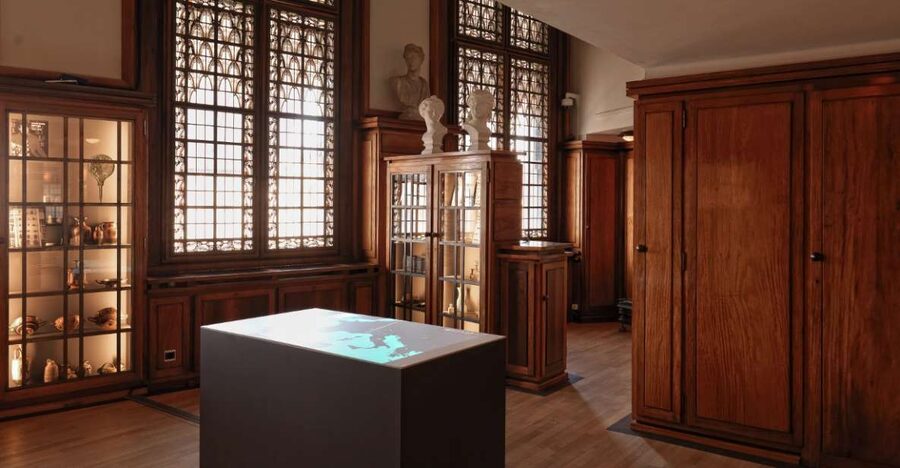
The temporary exhibition runs 6 October through 25 February: Face to Face: The People Behind Mummy Portraits. This is the section to prioritize if you’re visiting in those months, because it adds a layer the permanent galleries don’t fully cover—the individuals themselves.
Here’s what the museum explains about the portraits:
- They were made during the Roman period in Egypt, from the 1st to 4th century AD
- They’re often painted on wooden panels
- They were placed over the faces of mummified persons
- They’re also known as Fayum portraits (named after the region where many were excavated)
What you may find most compelling is how the show frames not only the portrayed individuals, but also everyone around them: the creators, descendants, collectors, archaeologists, and researchers. The exhibition doesn’t stop at art or ritual. It zooms out to the network of people who kept these works in human conversation.
The show includes about 38 portraits gathered from around the world, and it features masterworks from major institutions like the Louvre and the J. Paul Getty Museum. That matters for your visit because international loans usually mean higher spotlight artifacts and stronger interpretive context, not just a handful of familiar pieces.
How to plan your 1-day visit without rushing the good parts

Your ticket is valid for 1 day, and you’ll choose a starting time based on availability. That’s helpful because it lets you avoid that scramble feeling, especially in peak season.
Here’s a practical way to structure your day in a way that fits the museum’s strengths (and avoids rushing):
- Start with the temporary exhibition if your dates match. It’s time-sensitive, and it tends to benefit from slower viewing.
- Then move into the permanent galleries, using the book history and maps/atlases sections as your backbone.
- Save the plastercast attic for when you want a more focused, guided-feeling experience (the audioguide is meant to be used, not carried).
- Finish with Egypt and Sudanese collections at a relaxed pace, since wandering is part of the point here.
Two small extras included with your ticket can help break up the day: the museum shop and the cafe. If you tend to run out of steam in museums, this is a good built-in reset.
Price and value: is $18 worth an entry ticket like this?
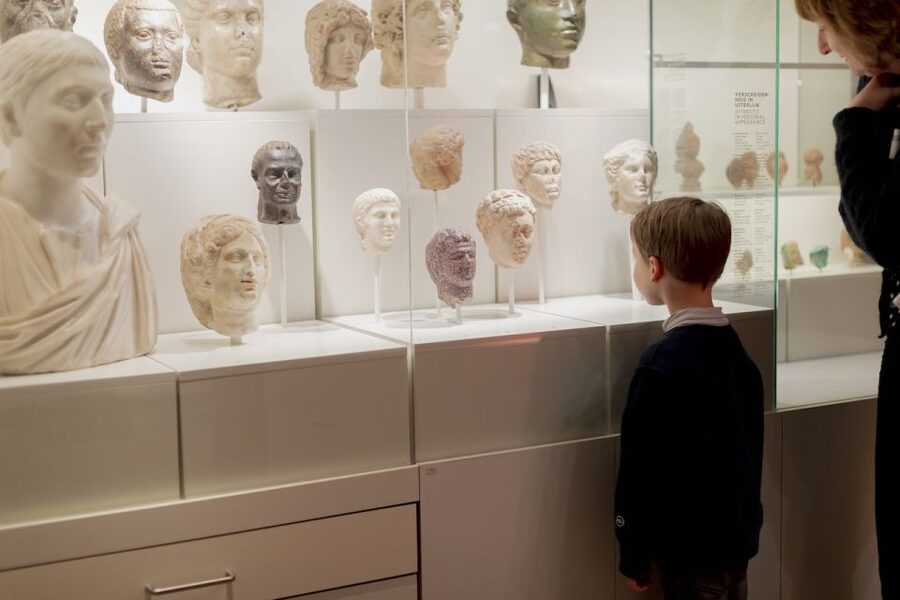
At $18 per person, this ticket sits in the range where you want a clear sense of value. The payoff is variety—with purpose.
You’re not just buying access to one narrow theme. You’re paying for:
- Permanent exhibitions covering book history, cartography (maps/atlases), church history, archaeology, zoology, and more
- A temporary exhibition with international lending and a specific focus on mummy portraits
- Access to the museum shop and cafe
- An audioguide for the plaster collections
For many visitors, the real value is how efficiently the museum covers big subjects in one building. You can walk away with connections you didn’t plan—like how cataloging and printing shape what survives, or how cartography is a form of storytelling.
The main value trade-off is the same as the drawback mentioned earlier: because the museum’s strength is breadth, specialists may want more time per topic than one day allows.
Who should book this Allard Pierson ticket?
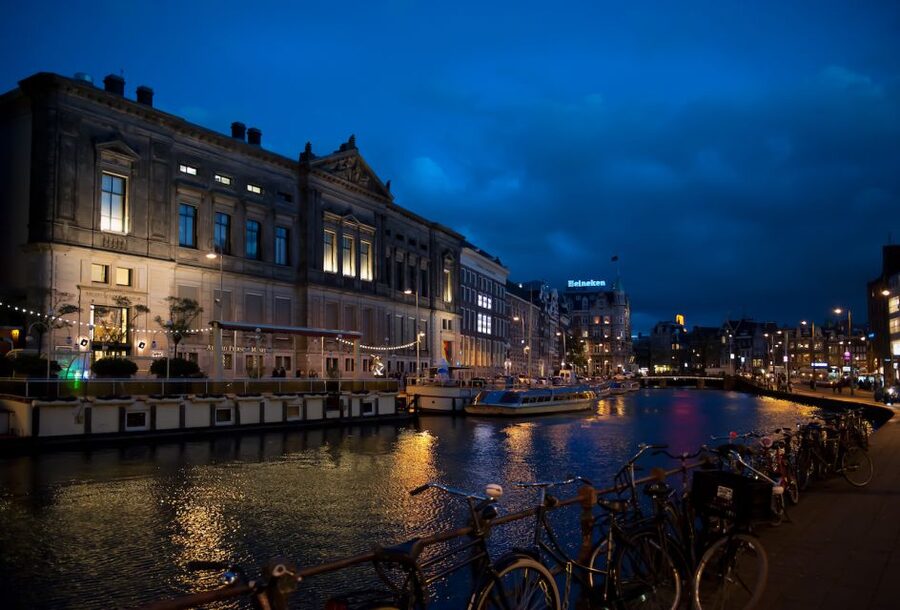
This is a smart choice if you:
- Enjoy museums that connect subjects instead of sorting them into separate boxes
- Like maps and atlases, rare books, manuscripts, or the history of how knowledge gets made
- Want ancient Egyptian and Roman-era objects without needing a heavy background course
- Are visiting in autumn or winter and want to see the mummy-portrait exhibition in its limited window
You might think twice if you’re looking for a museum that only focuses deeply on one area. This place is for the curious who like multiple doors into the same big idea.
Should you book?
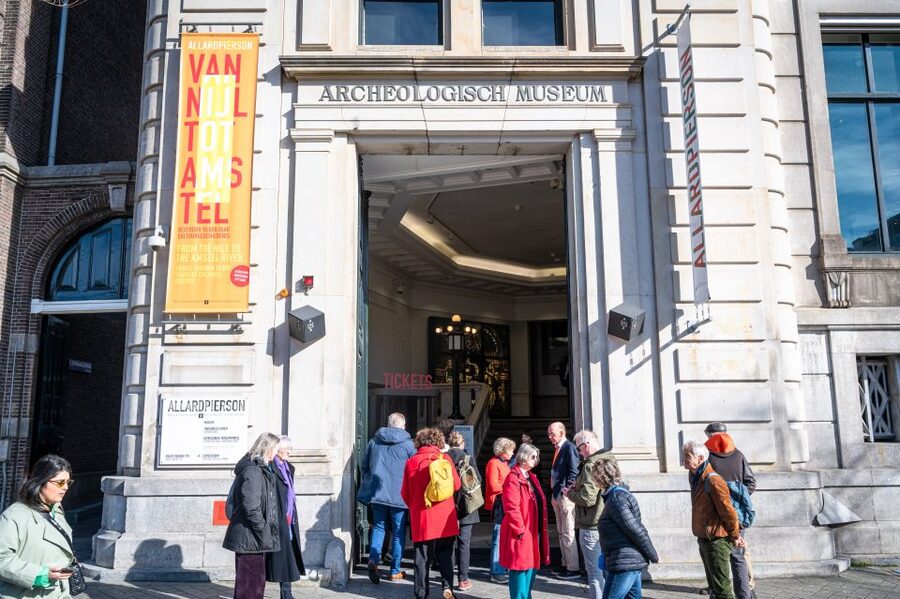
Yes—book it if your dates match the temporary exhibition window and you’re up for a museum day that moves between books, maps, and ancient artifacts. The included audioguide for the plaster casts and the international scope of Face to Face are strong reasons to go, not just read about it.
If you’re a specialist with very specific interests, plan to treat it as a high-quality introduction plus a few targeted stops. For everyone else, it’s the kind of museum that helps you understand how humans think, record, and remember.
FAQ
What does the ticket include at Allard Pierson?
Your entry ticket covers visits to the permanent and temporary exhibitions. It also includes access to the museum shop and cafe, and an audioguide for the plaster collections.
Is the ticket valid for more than one day?
No. The ticket is valid for 1 day. You’ll need to check availability to see the starting times.
When is the temporary mummy-portrait exhibition running?
Face to Face: The People Behind Mummy Portraits runs from 6 October to 25 February.
Are the exhibitions available in English?
Yes. The host or greeter is English, and the listed language option is English.
Is the museum wheelchair accessible?
Yes, the activity is wheelchair accessible.
Is there free cancellation?
Free cancellation is available up to 24 hours in advance for a full refund.
The Older Amsterdam, Toured Properly





More Tickets in Amsterdam






More Tour Reviews in Amsterdam




Just added: fresh Amsterdam tour reviews





Historical Tours, compared.
 ★ 5.0Amsterdam Food and Cultural Tour with TastingsFrom $954,315 reviews
 ★ 4.3Historic City Centre Canal CruiseFrom $16659 reviews
 ★ 4.5Haunted History and Ghost Walking TourFrom $30488 reviews
 ★ 5.0Amsterdam High-End Dutch Food & History Tour – Up to 8 guestsFrom $157482 reviews
From Amsterdam: Volendam Heritage & Cheese Half-Day TourFrom $20461 reviews
★ 5.0Amsterdam High-End Dutch Food & History Tour – Up to 8 guestsFrom $157482 reviews
From Amsterdam: Volendam Heritage & Cheese Half-Day TourFrom $20461 reviews
 ★ 4.5Historic City Sightseeing Canal CruiseFrom $18444 reviews
 ★ 5.0Anne Frank and the Jewish History of Amsterdam Private TourFrom $95307 reviews
 ★ 5.0Luxury Canal Cruise with Historic VR ExperienceFrom $51305 reviews
Browse the lists this tour appears in