
Reviewed · TOURS
“The 10 Most Polluted Masterpieces: A Sustainable Digital Tour”
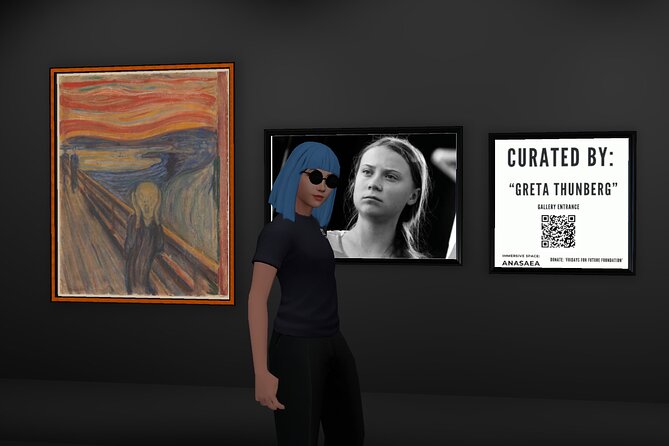
Ten polluted paintings, one smart digital lesson. The pitch is simple: a short, sustainability-focused tour of “polluted masterpieces,” guided by an avatar, with the goal of getting you thinking about conservation. I like that it’s set up for learning without a full museum day—just your group, a clear theme, and a tight time box. One catch to consider: it’s screen-based and tied to a specific daily slot (in October 2026, it runs 5:00–5:30 PM on weekdays).
I also like the setup details: you get a mobile ticket, and the tour runs roughly 10–30 minutes, so it’s easy to slot into an already-busy Amsterdam plan. The experience is offered in English, and it’s listed as suitable for most travelers, with service animals allowed. Still, since it’s private and schedule-bound, you’ll want to be ready right at the start time rather than drifting in late.
With a 5/5 rating across the small set of ratings shown, the consistent theme is clear guidance and thoughtful explanation. People highlight how quickly it can feel like an eye opener, with the guide linking art to ideas you can carry forward. If you prefer hands-on, in-the-room art viewing, you’ll want to know this is a digital experience first.
In This Review
- Key highlights at a glance
- A conservation lesson built into a short Amsterdam stop
- Your “top 10” theme: what polluted paintings can teach you
- The avatar guide: interactive, private, and time-smart
- What “meeting point” means for an online session
- Timing in October 2026: weekdays only, 5:00–5:30 PM
- Price and value: $12.51 for a focused theme
- Tips to make a digital art tour actually work
- Who should book this sustainable art session?
- Should you book?
- FAQ
- Where is the meeting point for this tour?
- How long is the digital tour?
- What language is the tour offered in?
- Is this a private experience?
- What does it cost?
- Can I cancel for free?
Key highlights at a glance
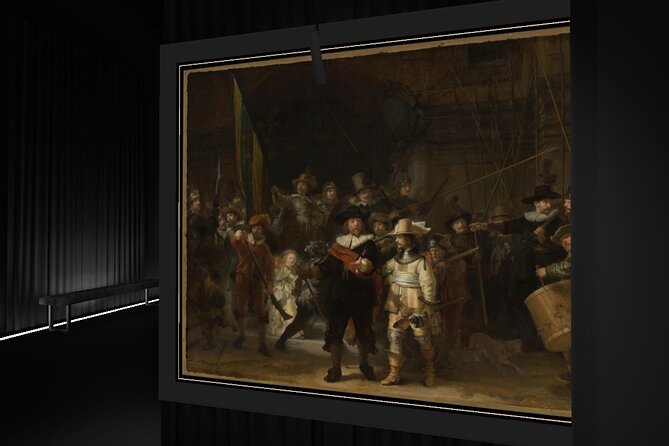
- Top 10 polluted masterpieces themed around sustainability and conservation
- Avatar-led, interactive format that keeps the pacing tight
- Private tour so it’s only your group
- English language experience with short runtime (10–30 minutes)
- Mobile ticket for easy access on the day
- Weekday time slot (October 2026: 5:00–5:30 PM)
Weighing your options? Here is how a few other Amsterdam tours compare.
- Amsterdam: Heineken Experience Ticket including 2 Drinks
★ 4.6 · 36,014 reviews - Amsterdam Classic Saloon Boat Cruise with Drinks and Cheese
★ 5.0 · 31,825 reviews - Amsterdam Luxury Canal Cruise + Unlimited Drinks & Bites option
★ 5.0 · 30,518 reviews - Amsterdam: Rijksmuseum Entry Ticket
★ 4.7 · 29,512 reviews
A conservation lesson built into a short Amsterdam stop
This isn’t a “wander and guess” kind of art outing. The whole concept is built around sustainability and conservation, using the idea of polluted paintings as the hook. That focus matters because it steers you away from pure aesthetics and into how environmental impact affects what survives over time.
I like that the format is compact. A 10–30 minute experience doesn’t pretend to replace a museum visit; it gives you a focused burst of perspective. If you’re the type who likes to understand the why behind the art, this style tends to fit.
On the other hand, the digital format means you’ll get more explanation than physical atmosphere. You won’t be standing close to texture and brushwork, which is where many people fall in love with paintings in person. If that physical closeness is your priority, treat this as a smart add-on, not the main event.
Your “top 10” theme: what polluted paintings can teach you
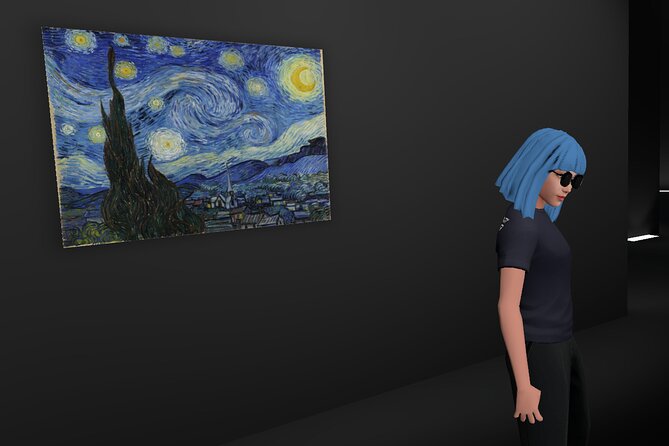
The centerpiece is a tour of the 10 most polluted masterpieces—not just one work, but a sequence built to reinforce the theme. Even without long blocks of time, that structure gives you repetition: you’re meant to compare ideas and build a bigger picture as you go.
Because sustainability and conservation are explicitly part of the experience, you can expect the tour to frame pollution as more than a headline. The angle is likely to be practical and educational, focusing on what conservation aims to protect and why that protection is part of a broader sustainability mindset.
I also like how the “top 10” concept nudges you to keep your attention. Ten items in a short run creates momentum, so you stay oriented instead of losing the thread. That’s especially helpful if you’re touring Amsterdam with limited time and want something that doesn’t sprawl across your whole afternoon or evening.
The avatar guide: interactive, private, and time-smart
The guide leads you as an avatar in an interactive digital environment. That detail sounds futuristic, but in practice it’s usually about control: the tour can keep you on track and deliver the next piece of context at the right pace.
Because it’s a private tour/activity, you’re not sharing the experience with strangers or getting distracted by other people’s questions. For many travelers, that’s the difference between a “meh” digital activity and one that feels personal. Your group can stay focused on the same sequence of ideas and move through it without awkward interruptions.
Here’s the practical reality to watch: in a short, avatar-guided format, you’ll get more from it if you actively follow along. Keep notifications off, have your screen ready, and treat it like a guided lecture with art as the subject. If you’re juggling other tasks, you’ll miss the connections the tour is trying to build.






What “meeting point” means for an online session
The meeting point is listed as Paleisstraat 107, 1012 ZL Amsterdam, and the activity ends back at the meeting point. At the same time, the experience is described as online—meaning you should be ready at the scheduled time rather than planning a long walk or museum trek.
So how should you plan around it? Think of that address as a reference point tied to the booking and timing, not necessarily a place you’ll spend the whole session. The key is the start time. For October 2026, it’s scheduled Monday through Friday from 5:00 PM to 5:30 PM, and that window is where you should build your evening.
Also, because it’s near public transportation, it’s easy to pair with another Amsterdam stop if you’re already in the center. Even if you end up not doing much “in-person” before the session, it’s comforting to know the location anchor is transit-friendly.
Timing in October 2026: weekdays only, 5:00–5:30 PM
This tour has opening hours listed specifically for 10/01/2026 through 10/31/2026, and it’s limited to weekdays. The stated window is Monday–Friday, 5:00 PM to 5:30 PM. That means you’re not choosing any time of day; you’re selecting a slot within a narrow band.
For planning, that’s a big deal. Amsterdam evenings can fill up fast with dinner plans, canals, and last museum-entry games. If you book this, I’d treat it like a scheduled appointment: finish your earlier activities, then get set up for the digital session with a little buffer.
The good news is the short duration. Even at the longer end (up to 30 minutes), you’re not committing to a full evening. It’s the type of activity that works when you want something meaningful but don’t want your day to stretch.
Price and value: $12.51 for a focused theme
At $12.51 per person, the cost is positioned as an accessible add-on rather than a major splurge. The value is in what you’re buying: thematic learning about art pollution and conservation, delivered in a short, guided, private session.
Whether it’s good value depends on your travel style. If you like structured learning and you’re already interested in how art is preserved (and what threatens that preservation), this should feel like a tidy win for your schedule. If you’re only casually curious about art, you might find it less satisfying than a full museum visit, because the runtime doesn’t allow for slow-looking.
One way to think about it: the price buys clarity. You’re paying for a curated theme and a guide-led explanation, not for a long self-guided experience. For many people, that’s exactly what they want during a busy city trip.
Also, since it’s private, the experience doesn’t get diluted by other groups. That’s often where digital tours can feel awkward—this one is explicitly set up to avoid that.
Tips to make a digital art tour actually work
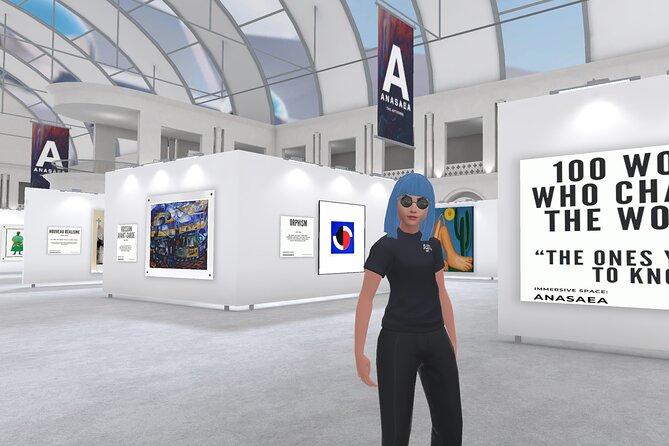
A digital tour is only “easy” if your setup is solid. Before your scheduled time, make sure you can access your ticket on your phone, since the tour includes a mobile ticket. Have the device charged, reduce background noise, and pick a spot where you can concentrate for the full 10–30 minutes.
Next, plan your environment. Even though the topic is art, the experience is guided and fast-paced, so you’ll get more from it if you’re not constantly bouncing between apps. If you’re traveling with friends, agree on who will be watching the screen so the group doesn’t spend the session split between logistics and commentary.
I also suggest treating it like a mini lesson. Come in with a simple mindset: you’re looking for the “why” behind the theme of polluted masterpieces and how conservation fits into sustainability. When the guide connects those points, it turns into an eye opener you can carry into your next museum stop.
Who should book this sustainable art session?
I’d book this if you want a short, structured way to think about art through sustainability and conservation. It’s also a good fit if you’re visiting Amsterdam in a tight time window or you like the idea of a private, guide-led explanation without the stress of moving through galleries.
It’s less ideal if you’re hoping for a traditional museum experience with close viewing and physical presence. For those travelers, a digital tour can feel like a preview rather than a replacement.
If you do like conversations and clear guidance, you might appreciate the way the format supports explanation. The feedback highlights thoughtful interpretation and understanding of the guide’s ideas, including process and inspiration-style discussion. If your session features an artist-led explanation, you’ll likely feel that emphasis on interpretation more strongly.
Should you book?
Yes—if you want a focused sustainability-and-conservation art lesson that fits into a busy Amsterdam day. At $12.51 and up to 30 minutes, it’s a low-risk way to build context before (or after) a museum visit. If you’re schedule-tight, prefer private pacing, and like guided explanation over wandering, it’s a strong match.
If you’re only interested in big-ticket, in-person art viewing, you may feel this is too short and too screen-based. In that case, I’d still consider it, but as a side mission rather than the main art plan.
FAQ
Where is the meeting point for this tour?
The meeting point is listed as Paleisstraat 107, 1012 ZL Amsterdam, Netherlands, and the activity ends back at the meeting point.
How long is the digital tour?
The duration is listed as approximately 10 to 30 minutes.
What language is the tour offered in?
The tour is offered in English.
Is this a private experience?
Yes. It’s listed as a private tour/activity, and only your group will participate.
What does it cost?
The price is $12.51 per person.
Can I cancel for free?
Yes, free cancellation is available. You can cancel up to 24 hours in advance for a full refund.
More Tours in Amsterdam






More Tour Reviews in Amsterdam






Just added: fresh Amsterdam tour reviews





Tours, compared.
 ★ 4.6Zaanse Schans, Edam, Volendam & Marken Bus TourFrom $3215,034 reviews
 ★ 4.8Amsterdam Anne Frank: Small-Group Walking Tour & Local GuideFrom $2912,789 reviews
 ★ 5.0Anne Frank’s Story – Guided Walking Tour through AmsterdamFrom $3911,619 reviews
 ★ 4.6Johan Cruijff ArenA Tour with Optional GuideFrom $328,954 reviews
 ★ 4.9Red Light District Tour in DE/EN/IT/ES/FRFrom $287,136 reviews
 ★ 4.7Big Bike tour Amsterdam – See all in 3 unforgettable hoursFrom $344,929 reviews
 ★ 4.4Guided Zaanse Schans, Windmills & Cheese TourFrom $224,826 reviews
 ★ 4.0Windmill Tour from Amsterdam, Including Volendam & MarkenFrom $374,572 reviews