
Reviewed · RIJKSMUSEUM TOURS
Rijksmuseum & Amsterdam City Center – Exclusive Guided Tour
Amsterdam hits different when someone tells the story.
This Rijksmuseum plus city-center walk pairs Dutch Masters with street-level history, so you see paintings and then spot the same themes in the canals and churches. I love that the day is built around a clear rhythm: 2.5 hours inside the museum, then a guided on-foot route through the center where you can stop for photos. The possible downside is the schedule is tight and many sights are brief look-and-photo moments, so comfy shoes and patience for walking are key.
Two things I especially like: first, the focus on the big Dutch names (including Vermeer and Rembrandt) without making you spend hours hunting for them. Second, the guide turns museum details into street clues, so you come away with a stronger feel for how Amsterdam grew around trade, religion, and power. One consideration: lunch is not included, and you’ll want to plan a quick meal so you don’t lose momentum before the walking portion.
In This Review
- Key highlights to know before you go
- A Louvre-style museum morning, then Amsterdam on foot
- Rijksmuseum: Dutch Masters, 17th-century details, and practical museum rules
- Lunch break: keep it short, then ride the momentum
- St. Nicholas Basilica: why the architecture matters
- The Weeping Tower, Zeedijk, and Nieuwmarkt: canals meet real daily life
- De Waag, Trippenhuis, and the Dutch East India Company courtyard
- Zuiderkerk, Rembrandt’s house, and the Stopera complex
- Golden Bend canals at Herengracht, plus the quiet of Begijnhof
- Dam Square and the big landmarks that anchor the center
- Anne Frank House area and the gables you’ll want to spot
- Karthuizerhof, Noorderkerk, and ending at Papeneiland for apple-pie vibes
- Price and value: what you’re really paying for at $287.18
- Who the guide style seems to fit (from what people describe)
- Pacing, weather, and the rules that can affect your day
- Should you book this Rijksmuseum and Amsterdam city-center tour?
- FAQ
- How long is the Rijksmuseum and Amsterdam city-center tour?
- Where do you meet, and what time does the tour start?
- Is lunch included in the price?
- Are museum entrance fees included?
- Is this a private tour?
- What are the main rules for bags and dress at the Rijksmuseum?
- What if the Rijksmuseum has an unexpected closure or delay?
Key highlights to know before you go
- Rijksmuseum time that targets the must-see works like The Milkmaid and key Rembrandt masterpieces
- Dutch history that continues outdoors, using canals, bridges, churches, and old gates as context
- A true private experience with a guide made for your group (not a shared scramble)
- Photo-friendly walking pace with regular stops across the historic center
- Entrance fees are included, plus rain-or-shine tour operation
- Museum rules matter, especially bag limits and quiet/restricted rooms
Other ways into the Rijksmuseum, compared
- Amsterdam: Rijksmuseum Entry Ticket
★ 4.7 · 29,512 reviews - Amsterdam: City Canal Cruise and Rijksmuseum
★ 4.5 · 2,226 reviews - Rijksmuseum Amsterdam Small-Group Tour with Private Upgrade
★ 4.5 · 1,547 reviews - Amsterdam: Rijksmuseum Entry Ticket and Canal Cruise Combo
★ 4.3 · 1,276 reviews
A Louvre-style museum morning, then Amsterdam on foot
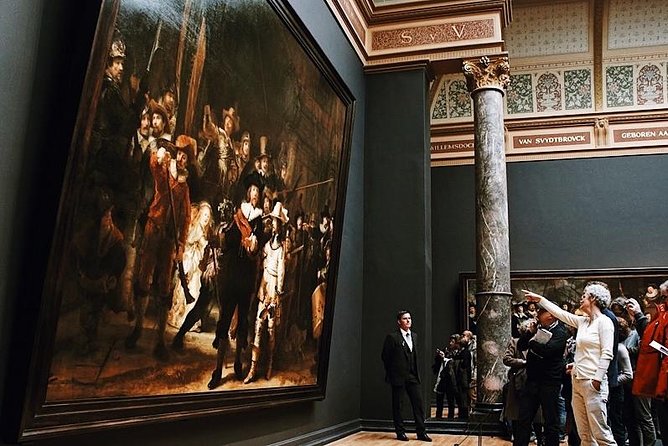
This is the kind of tour that saves you from two common mistakes in Amsterdam: spending too long in the museum without a plan, or walking the city without knowing what you’re looking at. Here, the museum sets up the story, then the afternoon brings it to life on cobblestones and along the Amstel River.
The tour runs about 5.5 hours with a lunch break. You’ll start at Cobra Café (Hobbemastraat 18) at 10:00 am and finish at Papeneiland (Prinsengracht 2), with a guided route that keeps you moving through the center efficiently.
Rijksmuseum: Dutch Masters, 17th-century details, and practical museum rules
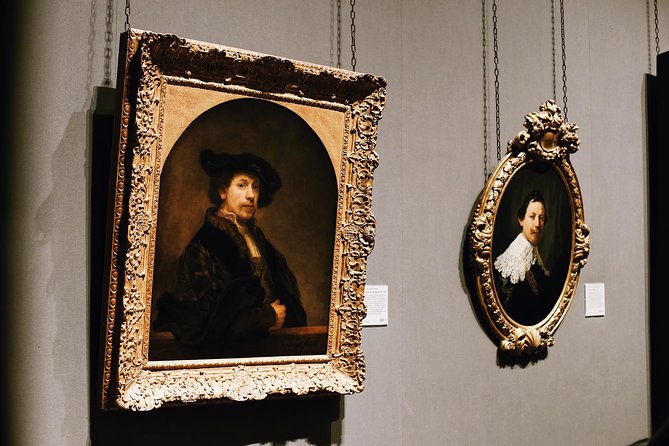
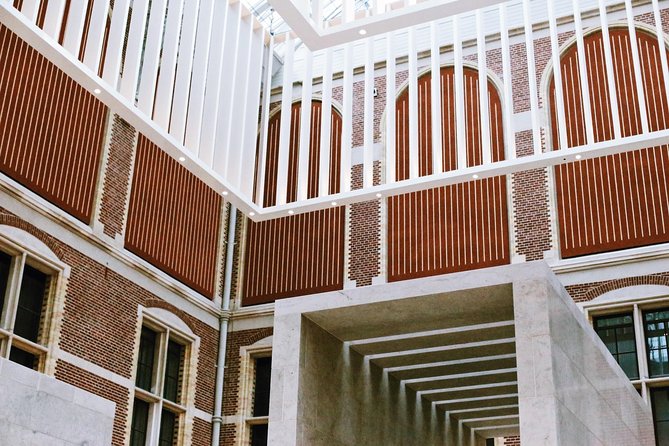
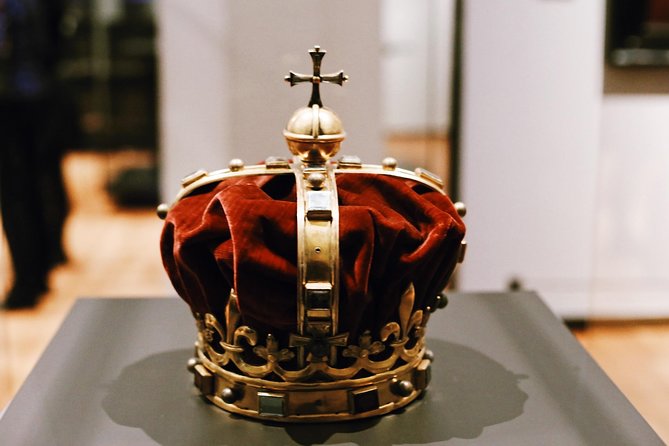
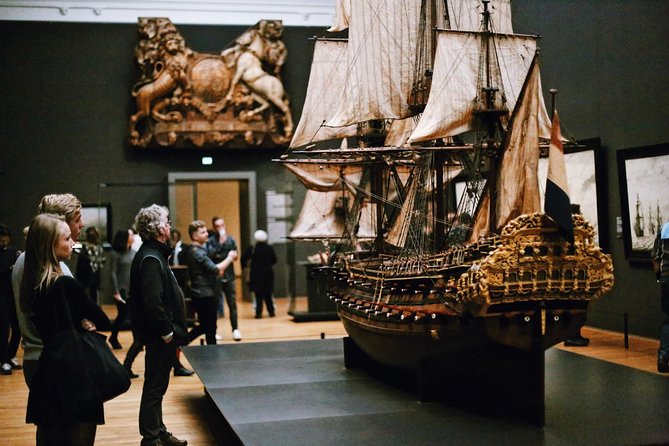
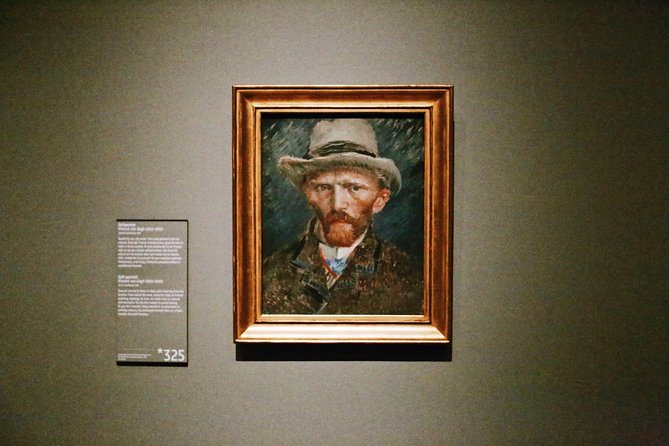
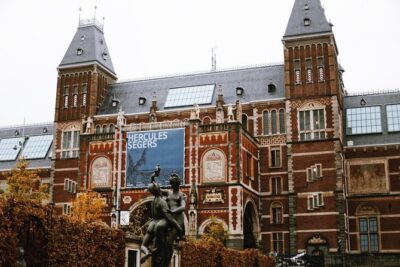
Your day begins at the Rijksmuseum, Amsterdam’s flagship museum. You get a guided tour of the highlights in roughly 2 hours 30 minutes, including major Dutch artists like Rembrandt and Vermeer. Instead of trying to see everything, you’re shown where the stories connect—so the museum feels organized, not overwhelming.
I like that the tour doesn’t just name-drop famous works. You’ll also learn about items that many people miss on their own, such as 17th-century dollhouses and the domestic-world focus behind Vermeer’s The Milkmaid. There’s also mention of a 19th-century library inside the museum, which helps the collection feel more like a timeline of life, not just a wall of paintings.
A few practical notes that actually affect your experience: the museum has security screening, and you can’t bring large bags or suitcases inside. The rule is basically handbags or small, thin bag packs only. Also, some rooms are quiet or restrict speaking, and the guide will tell you the rules before you enter.
Finally, the museum may have occasional closures. If opening time is delayed by more than 1 hour from the tour start, you’ll receive an appropriate alternative, but refunds or discounts aren’t offered in that case. That’s the one part I’d call “out of your control,” so it’s good to keep expectations flexible.
Lunch break: keep it short, then ride the momentum
Lunch is a break in the middle of the day, but it’s own expense. Since the afternoon includes a lot of short stops, your best move is to eat something fast and not too far from the route your guide is expecting.
If you’re the type who likes to sit for a long time, consider grabbing lunch to-go or keeping it light. The tour works best when you treat lunch like fuel rather than a second vacation.
More trips where a local runs the whole day


St. Nicholas Basilica: why the architecture matters
After lunch, the walking route starts near St. Nicholas Basilica. This stop is brief, but it’s a good one because the guide explains why the building looks the way it does.
The basilica was built at the end of the 19th century, when Roman Catholics could once again practice publicly after three centuries of prohibition. That historical push shaped the church’s blend of architectural styles and artistic movements, so even a quick visit feels meaningful rather than just scenic.
The Weeping Tower, Zeedijk, and Nieuwmarkt: canals meet real daily life
Next comes the Schreierstoren, commonly known as the Weeping Tower. The story is specific: it’s tied to a belief that women wept there for husbands who left from the port to go to war or to fish. It’s one of those Amsterdam facts that turns a photo spot into a human moment.
From there, the route heads into Zeedijk, an area known as Amsterdam’s Chinatown. You’ll get a short look at Asian markets, restaurants, and shops, plus the Zeedijk Buddhist temple, noted as the largest Chinese-style Buddhist temple in Europe. Even with limited time, it’s a useful contrast to the museum’s Dutch focus.
Then you reach Nieuwmarkt, a lively market square with roots in commerce and social life since the 17th century. The key idea for me is its location: it sits just inside an old city gate, which made it convenient for traders and shoppers. The guide uses that geography to show you how the city worked day-to-day.
De Waag, Trippenhuis, and the Dutch East India Company courtyard
At De Waag, you’ll see a 15th-century building that started as a city gate and part of the walls. It later served multiple roles—guildhall, museum, fire station—so the building is a shortcut to how Amsterdam reused its structures as the city changed.
Then comes Trippenhuis and Klein Trippenhuis. The contrast is the point: the Trippenhuis is described as Amsterdam’s widest home, spanning about 22 meters, while Klein Trippenhuis is among the city’s narrowest. It’s easy to see why land taxes pushed houses toward tall, narrow design.
From there, you step into the courtyard of the Oost-Indisch Huis, the headquarters of the Dutch East India Company. The tour frames it as the birthplace of the world’s first multinational corporation. Even from a short courtyard stop, you get a strong reminder that Amsterdam’s wealth didn’t come only from art—it came from trade routes and decision-makers.
Zuiderkerk, Rembrandt’s house, and the Stopera complex
A quick stop at Zuiderkerk highlights Amsterdam’s first purpose-built Protestant church, designed by Hendrick de Keyser. The tower is one of the defining landmarks, and even if your time is short, it helps you map the city’s religious shift.
You’ll also pass by Museum Het Rembrandthuis, the building where Rembrandt lived and worked between 1639 and 1656. The museum itself has collections tied to Rembrandt and his contemporaries, but on this route it’s mainly a look-and-context moment—perfect if you want the connection without adding another ticketed stop.
Then you’ll reach the Stopera area, known as a building complex that houses both the city hall and the Dutch National Opera and Ballet. The guide notes the long construction timeline—about 60 years—which adds a “slow-build” perspective to the city’s story.
Golden Bend canals at Herengracht, plus the quiet of Begijnhof

One of my favorite stretches of the route is Herengracht, described as the Golden Bend. This is where you look up and see ornate canal mansions from the Dutch Golden Age. Even with brief time, the guide helps you connect wealth, trade, and power back to what you learned in the museum.
Later, you’ll visit Begijnhof, a hofje (almshouse) built around a secluded courtyard and garden. The idea here is simple and moving: it housed the Beguines, a group of unmarried women living together under vows of chastity. Today there are two churches on the site, so it’s calm and reflective in a way the busy streets don’t always allow.
Dam Square and the big landmarks that anchor the center
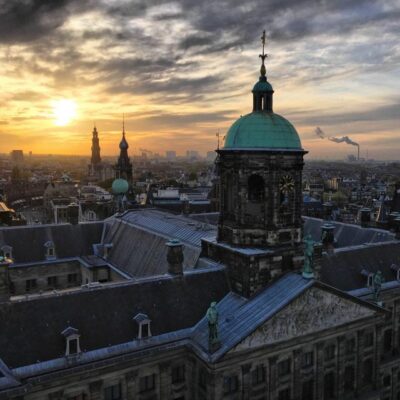
The route includes Dam Square, one of Amsterdam’s most recognized public spaces. You’ll see major buildings and landmarks like the Royal Place, New Church, and the National Monument—and even if you only pause briefly, it helps you understand why this square became a natural meeting point.
From a walking-tour point of view, Dam Square also acts like a “hub moment.” It gives you a reference point for how the city’s roads and history intersect—useful when you’re later spotting canal houses and churches on side streets.
Anne Frank House area and the gables you’ll want to spot
The tour pauses outside the Anne Frank House, where she hid during WWII. It’s a quick stop, but it’s placed so it doesn’t feel random—it sits after you’ve built context about Amsterdam’s past and its layered community stories.
Next, you’ll look up near the area with the Westerkerk, described as having the tallest church tower in Amsterdam. Then there’s a fun visual focus at De Drie Hendricken aan de Bloemgracht 87–91, where gable stones carry allegories and trade emblems. This is the kind of detail that makes you slow down, even if the official stop is only a few minutes.
Karthuizerhof, Noorderkerk, and ending at Papeneiland for apple-pie vibes
Near the end, you’ll find Karthuizerhof, described as the largest hofje in Amsterdam, built for almshouses around a tranquil courtyard for the poor and elderly. It’s a quieter counterpoint to the major squares and big-name museum work.
Then comes Noorderkerk, a 17th-century Protestant church built for the Jordaan district. The guide points out the unusual cross-shaped floor plan, tied to Reformation worship ideals. It’s another stop where a quick explanation can change what you notice.
Finally, you end at Papeneiland—one of the prettiest canal corners. The tour also mentions Het Papeneiland, a brown café from 1642, and that it’s said to serve the best apple pie in town. Even if you don’t sit down, it’s a satisfying way to close: canal water in front of you, old building texture around you, and a sense that Amsterdam’s story keeps going after your tour ends.
Price and value: what you’re really paying for at $287.18
At $287.18 per person for about 5.5 hours, the value comes from three bundled things you’d otherwise piece together. You’re paying for a dedicated guide for your group, a guided Rijksmuseum route, and a walking tour that turns museum learning into city understanding.
Entrance fees are included as part of the tour setup, so you aren’t budgeting separately for the museum day. You also get coordination across multiple central locations, with private transportation included if necessary between tour locations.
Is it “cheap”? No. But for an efficient plan that includes major museum access, a structured afternoon walk, and a guide who connects the dots, it often feels like the cost of not wasting half a day figuring it out.
Also, the tour is booked on average about 63 days in advance. If you want a particular time window or you’re traveling in peak season, earlier booking helps.
Who the guide style seems to fit (from what people describe)
This kind of tour lives and dies by the guide. The names tied to strong experiences include guides such as Jacopo, Victoria, Josje, Giuseppina, and Paola. Across those different styles, the common thread is storytelling that links art and Amsterdam’s development.
One guide, Victoria, is described as handling tough weather professionally and keeping the museum visit moving despite unexpected issues like a power outage. Another, Jacopo, is noted for passion for artists and history, plus smart navigation of school groups to help the route stay on track. If you care about seeing the right rooms, hearing the right context, and not losing time to crowds, this format is a good match.
Pacing, weather, and the rules that can affect your day
This is a walking-heavy city-center day with a moderate fitness level requirement. Most outdoor stops are short—some are about 5 minutes, others around 10 minutes—so you’ll be moving between photo moments.
The tour runs rain or shine, which is great for planning. Still, if the weather is nasty, wear shoes that handle wet cobblestones and bring a light layer.
At the Rijksmuseum, security rules matter. Avoid big bags or suitcases. Also, some areas have quiet or restricted right to speak, so you’ll want to follow the guide’s lead rather than expect casual conversation in every room.
Finally, plan for the one curveball: the museum can have occasional closures. If that happens and your museum opening time is delayed by more than an hour from the tour start, the tour offers an alternative, but no refunds or discounts apply.
Should you book this Rijksmuseum and Amsterdam city-center tour?
I’d book it if you want one day that hits the highest-value Amsterdam moves: Dutch Masters in a world-class museum, then a guided walk where the city’s history makes sense fast. It’s also a solid choice if you dislike wandering a huge museum without a plan, or if you want your time in the center to feel connected rather than random.
I’d hesitate if you’re the type who needs lots of time alone in galleries, or if you hate short stops. The route is designed to cover many landmarks, so you won’t linger at every sight for long.
If you’re on the fence, treat this like an “efficient first Amsterdam day” ticket—especially since the tour uses included museum access, guided interpretation, and a structured walking route in about half a day.
FAQ
How long is the Rijksmuseum and Amsterdam city-center tour?
The tour lasts about 5 hours 30 minutes, including a lunch break.
Where do you meet, and what time does the tour start?
You meet at Cobra Café, Hobbemastraat 18, 1071 ZB Amsterdam, and the start time is 10:00 am.
Is lunch included in the price?
Lunch is not included. You’ll have a break for lunch during the tour, but you pay your own costs.
Are museum entrance fees included?
Yes. Entrance fees are included as part of the tour.
Is this a private tour?
Yes. It’s a private tour/activity where only your group participates.
What are the main rules for bags and dress at the Rijksmuseum?
Large bags and suitcases are not allowed inside the museum. Only handbags or small thin bag packs are allowed through security, and appropriate dress is required for entry to some sites.
What if the Rijksmuseum has an unexpected closure or delay?
If the Rijksmuseum opening time is delayed by more than 1 hour from the tour start, the operator will provide an appropriate alternative. Refunds or discounts are not offered in those cases.
More Tours in Amsterdam






More Tour Reviews in Amsterdam






More Ways to See the Rijksmuseum


Just added: fresh Amsterdam tour reviews





Rijksmuseum Tours, compared.
 ★ 4.7Rijksmuseum Entry TicketFrom $3129,512 reviews
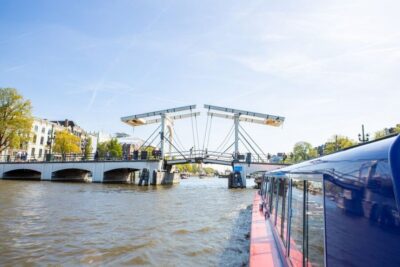 ★ 4.5City Canal Cruise and RijksmuseumFrom $472,226 reviews
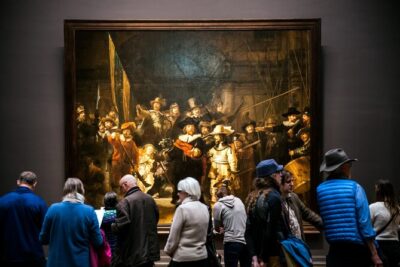 ★ 4.5Rijksmuseum Amsterdam Small-Group Tour with Private UpgradeFrom $901,547 reviews
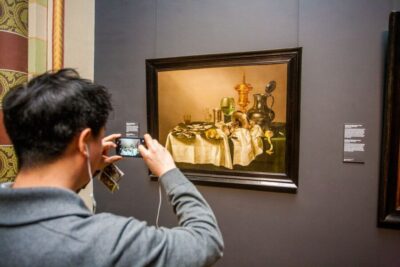 ★ 4.3Rijksmuseum Entry Ticket and Canal Cruise ComboFrom $451,276 reviews
 ★ 4.3Go City Amsterdam Pass: Attractions Pass with RijksmuseumFrom $871,051 reviews
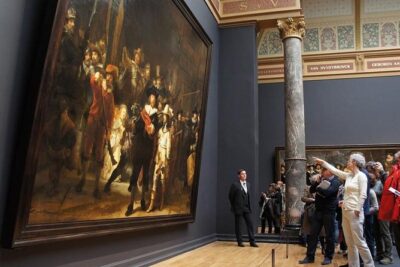 ★ 5.0Rijksmuseum Amsterdam Exclusive Guided Tour w/ Reserved EntryFrom $108440 reviews
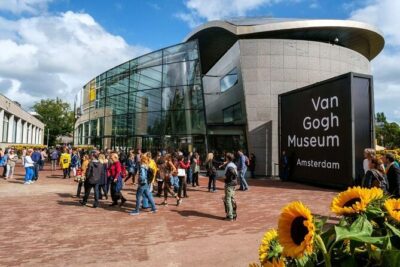 ★ 5.0Van Gogh & Rijksmuseum w/ Reserved Entry Semi-Private 8ppl MaxFrom $288419 reviews
 ★ 5.0Van Gogh & Rijksmuseum w/ Reserved Entry Exclusive Guided TourFrom $288254 reviews
Browse the lists this tour appears in