
Reviewed · ZAANSE SCHANS & WINDMILLS
Private Off-the-beaten-path Countryside Windmill Tour
A private countryside day outside Amsterdam can feel like fresh air, and this one does it with windmills and small towns you rarely see on standard trips. I like that it’s built as door-to-door time-saver with pickup from your hotel, then quick hits across the north-Holland polder towns. I also love the human touch: your guide, Esther, grew up around windmills and shares the water-and-wind logic that shaped everyday life.
What makes the day especially satisfying is the mix of motion and moments. You’ll spend real time at a working museum mill, then see how reclaimed land created a whole network of dikes, villages, farms, and canals. One practical drawback: it’s a 6-hour day with short stop windows in each place, so if you prefer long wandering with no time pressure, you may want to plan extra free time on a second day.
Even with that trade-off, this tour is a strong option if you want countryside context without the hassle of arranging transport yourself. With bottled water included and a history-focused pace, it feels like a guided day trip that respects both your time and your attention.
In This Review
- Key highlights worth your attention
- Private Amsterdam pickup, then countryside you won’t do on your own
- Getting the timing right: start at 9:30 and dress for quick transitions
- Museummolen Schermer: the museum windmill that explains everything
- Schermer Mills on the dikes: seeing polder life from the road
- De Rijp: a former fishing village turned quiet inland town
- UNESCO Beemster polders: the engineered grid you can actually see
- Jacobs Hoeve by Henri Willig: Gouda and Edam plus wooden shoe craft
- Volendam lunch: flexible, local picks instead of a fixed menu
- Edam: preserved town charm paired with the cheese brand
- Broek in Waterland: water village vibes without the big-name crowds
- Price and value: why $473.17 can make sense here
- Who this tour fits best
- Should you book this off-the-beaten-path countryside tour?
- FAQ
- Is this tour private?
- What time does the tour start, and is pickup included?
- How long is the tour?
- What’s included in the price, and is lunch included?
- Is the tour offered in English?
- Can I get a refund if I cancel?
Key highlights worth your attention
- Private group routing that helps you slip past the biggest crowds
- Esther’s windmill upbringing and hands-on context for how mills and polders work
- Museum mill time in Schermer with the chance to see the mill’s workings
- UNESCO Beemster polders seen as a planned grid of farms, roads, and canals
- Cheese and craft at Jacobs Hoeve (Henri Willig) with Gouda and Edam tasting
- Broek in Waterland stroll through old wooden houses and a restored 16th-century church
More windmills, clogs and cheese at Zaanse Schans
- Amsterdam: Zaanse Schans, Edam, Volendam & Marken Bus Tour
★ 4.6 · 15,034 reviews - Day Trip to Zaanse Schans, Edam, Volendam and Marken from Amsterdam
★ 5.0 · 5,392 reviews - Amsterdam: Guided Zaanse Schans, Windmills & Cheese Tour
★ 4.4 · 4,826 reviews - Windmill Tour from Amsterdam, Including Volendam & Marken
★ 4.0 · 4,572 reviews
Private Amsterdam pickup, then countryside you won’t do on your own
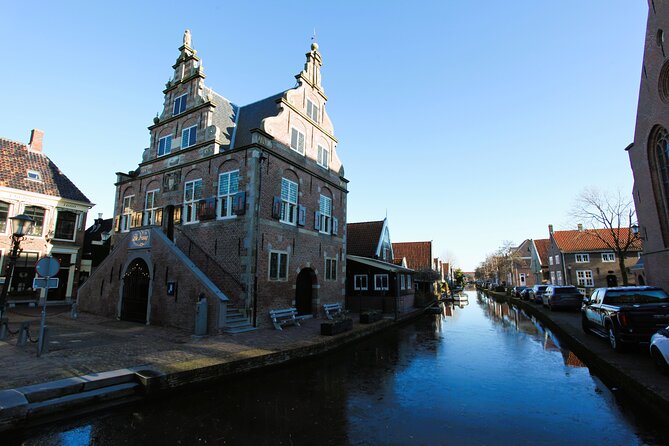
This is the kind of tour that starts working for you before you even leave the city. Pickup is offered from your Amsterdam hotel, and the tour is designed as a smooth door-to-door day, not a public-transit puzzle. You also get private transportation and parking fees handled, plus bottled water for the ride.
Because it’s private, the pace is steadier than you’d expect from group tours. If you want to ask questions at the windmill, you can. If you want a few extra minutes to look at a village street, you usually can—within reason, of course.
You should also know what you’re signing up for: it’s roughly 6 hours (approx.), and the stop times are planned to fit multiple places. That means less “set down and stroll for an hour” and more “see the key sights, then move on.”
Getting the timing right: start at 9:30 and dress for quick transitions
The tour starts at 9:30 am, which is great. You’re out early enough to beat some of the late-morning crush, and you’re back to your hotel area with time to enjoy your evening.
Most of the sightseeing involves short walks and photo stops, plus indoor time at the windmill and cheese farm. Still, you’ll be outside between locations, including drives across reclaimed land areas and polders. Bring a light layer and wear comfortable shoes, because even short visits add up when you combine villages, dikes, and waterfront streets.
The tour runs in English, and you’ll get a mobile ticket. If you’re the type who likes to know where to be and when, this structure is fairly straightforward.
Museummolen Schermer: the museum windmill that explains everything
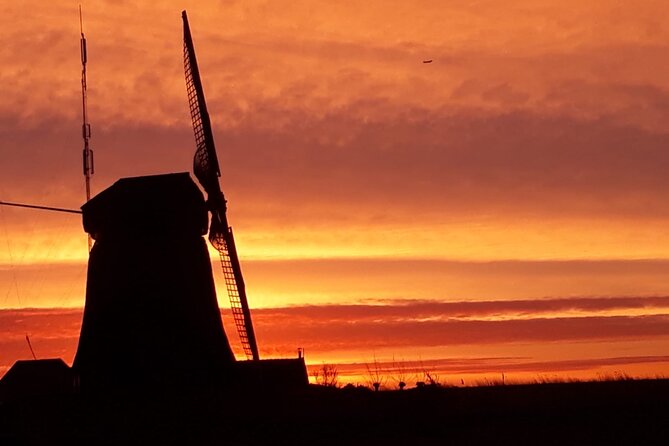
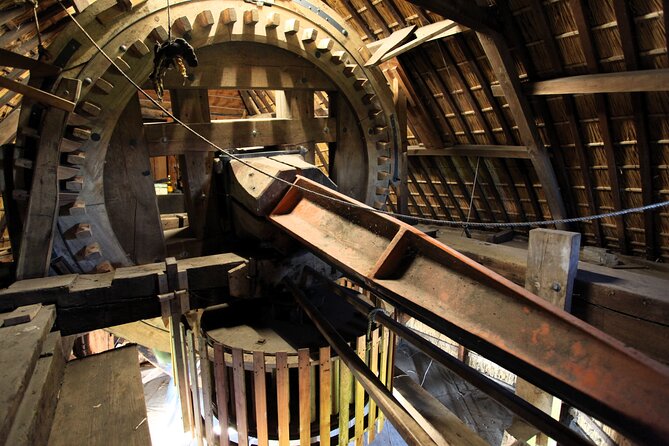
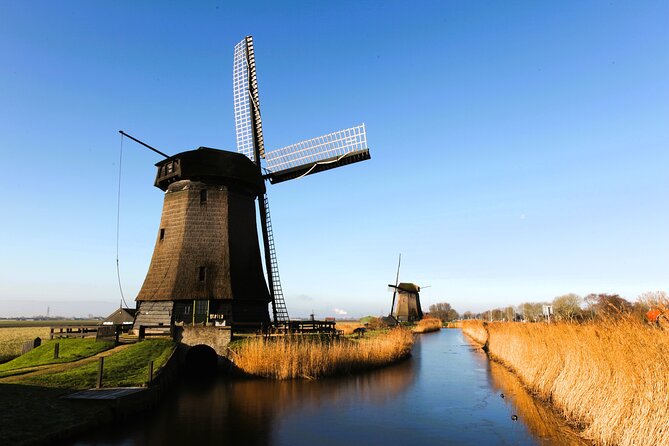
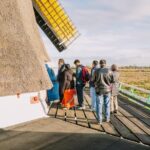
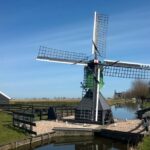
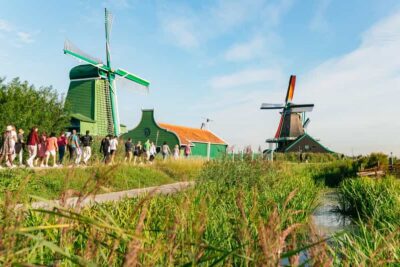
The day’s windmill moment starts at Museummolen Schermer, a museum windmill tied to one of the Netherlands’ most impressive water-management stories. The area is part of the Schermerpolder, reclaimed land created when the Schermeer lake was drained using 52 mills back in the 17th century.
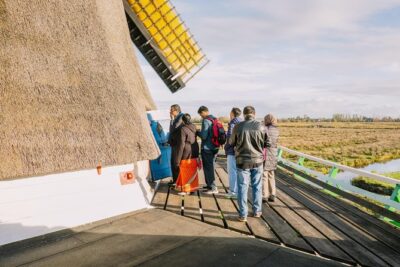
What I like here is that it isn’t just about pretty sails against the sky. You learn how the mill worked and how people used to live around wind power and drained land. The tour includes admission, and you’ll have about 30 minutes there, long enough to look at the interior setup and understand the basics without feeling rushed.
A small practical tip: if you’re even mildly interested in how the Netherlands works (not just how it looks), this stop is your payoff. The guide connects the dots between windmills and daily life—why dikes mattered, why land reclamation shaped settlements, and why this “water world” is really a human engineering story.
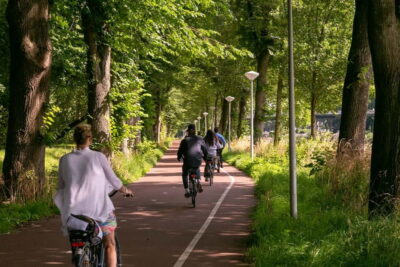
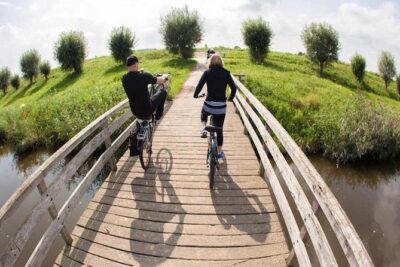
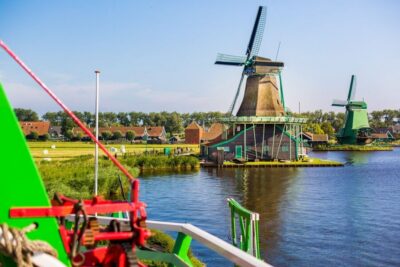
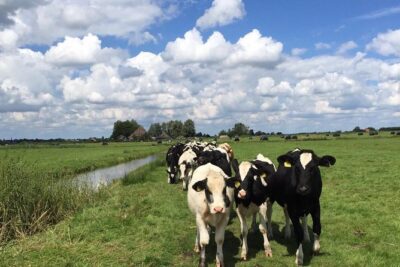
Further out into the Dutch countryside
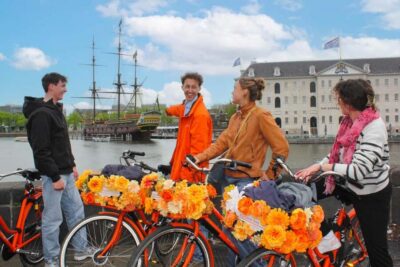

Schermer Mills on the dikes: seeing polder life from the road
After the museum mill, you shift into drive-and-look mode with Schermer Mills. This portion is shorter, about 15 minutes, but the point is clear: you get a view of the reclaimed land system—dikes, farms, and small villages—without needing to plan separate transport.
You’ll pass family windmills connected to the area, including Esther’s family windmill, plus surrounding idyllic villages. That detail matters, because it turns reclaimed land into something personal instead of just a diagram in a museum.
The countryside here can look simple from a car window, but the guide’s commentary helps you notice what you’d normally miss: the way land is organized around water control, and how roads and settlement patterns reflect what’s protected, what’s drained, and what’s kept dry.
De Rijp: a former fishing village turned quiet inland town
Next is a stop in De Rijp, about 15 minutes, and it’s a nice contrast to the windmill-focused theme. De Rijp was once a busy fishing village known for its herring fleet and whalers. Then the surrounding sea got drained, and the town ended up encircled by land.
This is exactly the kind of place that rewards a quick guided visit. You’re not just looking at pretty buildings; you’re hearing how big environmental changes can flip a town’s economy and identity. De Rijp is also linked to Jan Adriaanzoon Leeghwater, the hydraulic engineer born here, which ties neatly back to the polder-and-water story running through the whole day.
If you like atmosphere and history that explains itself through context, this stop works. If you’re expecting a long shopping street or a major tourist layout, you might find it more quietly charming than action-packed—and that’s the appeal.
UNESCO Beemster polders: the engineered grid you can actually see
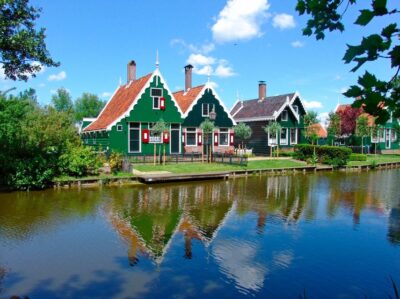
Between towns, you’ll drive through the UNESCO World Heritage site of the Beemster. This is one of the best “big idea, visible results” moments on the itinerary. The Beemster is reclaimed polder land planned after the Beemster Lake was drained, and the design includes a system of roads, plots, farms, and canals.
What makes this valuable is that you can look at it and understand it. The structure isn’t random; it’s planned like a framework for living and farming on reclaimed ground. You’ll see farmhouses and green meadows as part of this larger design.
There’s no claim here that the world-class label will magically make the scenery more beautiful. The value is the explanation and the ability to connect shape, water control, and how communities grew.
Jacobs Hoeve by Henri Willig: Gouda and Edam plus wooden shoe craft
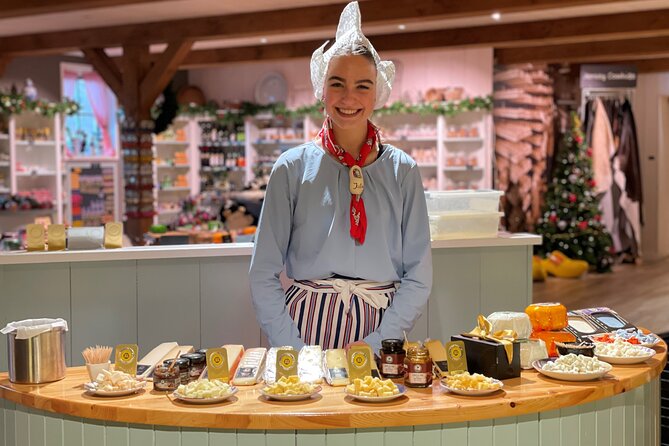
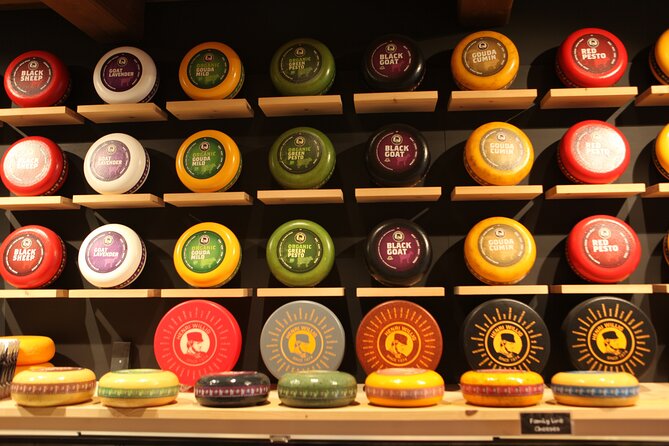
If cheese is your thing, this stop is the easy win. At Jacobs Hoeve Cheese Farm by Henri Willig (in Katwoude), you’ll have about 40 minutes for tasting and demonstrations.
You’ll try a Gouda and Edam tasting, and the farm positions its cheeses among the top 10 world cheesemakers. They also mention having around 30 flavors and developing cheeses specifically for travel, which tells you they’re thinking beyond one standard sample board.
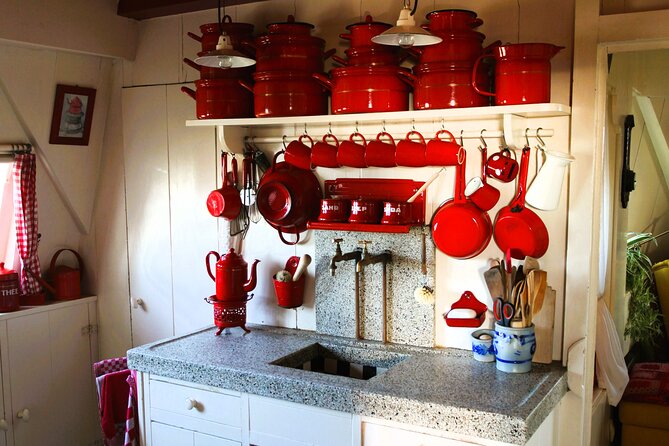
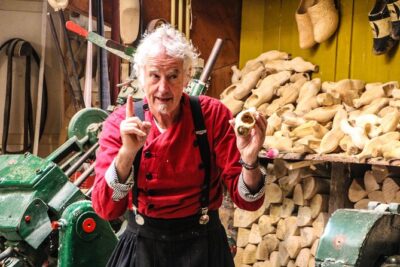
I also like that it mixes food with Dutch craft. You can join a wooden shoe craft demonstration, and you can even try or buy wooden shoes. It’s not just a sales stop; the craft gives you a sense of how traditional materials and work culture showed up in everyday life.
One consideration: you’ll have a tasting time here, but lunch is still not included. If you know you’re hungry on a schedule, plan to eat right after Volendam or ask for the lunch recommendation your guide lines up.
Volendam lunch: flexible, local picks instead of a fixed menu
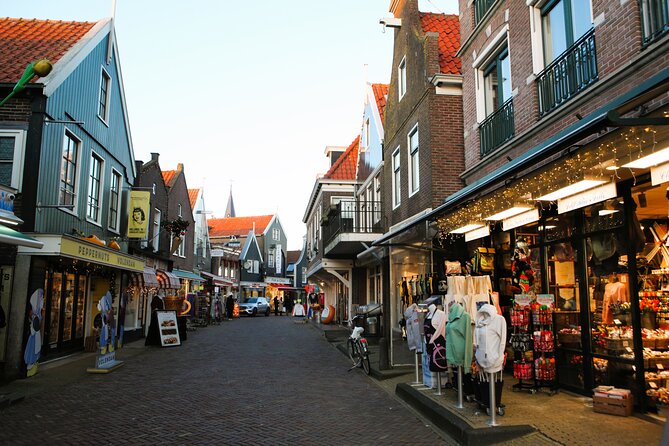
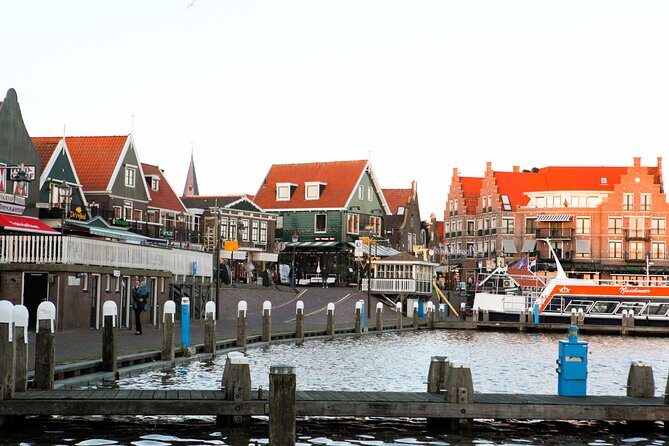
Volendam is your lunchtime break, about 1 hour, and the tour keeps this part flexible. You get to choose where you want to eat, and as locals the guide can point you toward good options depending on what you’re craving.
The tour doesn’t include lunch itself, so you’re paying for your meal directly. That said, the practical value is that you’re not guessing from a menu app with no local context. If you like fish, a traditional Dutch pancake option is mentioned as a possibility too, and the guide will arrange the lunch choice based on your preferences.
If you want an efficient, low-stress meal, this hour works well. You’ll have enough time to sit down, eat, and not feel like you’re wolfing your food down between photo stops.
Edam: preserved town charm paired with the cheese brand
After lunch, you’ll visit Edam, about 30 minutes. Edam is famous for its world-renowned Edam cheese, and the town is described as beautifully preserved—so you’ll spend your time looking at the streets and atmosphere more than chasing a long list of attractions.
This is a good stop if you enjoy “walkable sense of place.” You don’t need a checklist to enjoy Edam; the value is the feeling of an older Dutch town and the connection between brand-famous cheese and the town that helped make it famous.
The time window is short, so keep your priorities simple: pick a viewpoint or a street that feels classic, take photos, and move on when the tour schedule calls.
Broek in Waterland: water village vibes without the big-name crowds
The last village stop is Broek in Waterland, about 20 minutes, and it’s one of the most charming “small Dutch town” experiences on the day. It’s surrounded by water, and it’s compared to Giethoorn in terms of water-village feel.
Here’s what you’ll enjoy: a pleasant stroll past old wooden houses with preserved details like ceremonial doors and carved lintels. You’ll also see a restored 16th-century church. Then comes a quirky detail that makes Broek memorable—the floor is paved with tombstones of formerly rich inhabitants.
This is the kind of stop where a guide’s pacing helps. Without context, tombstones-on-the-floor might just seem odd. With context, it reads like a clue about social history, wealth, and how communities used space in ways that are very Dutch and very specific.
Price and value: why $473.17 can make sense here
At $473.17 per person, this is not a budget add-on. You’re paying for a private day with transportation, hotel pickup, and multiple paid entries—including a historic windmill admission and cheese-tasting time.
Here’s the value math I’d use. If you were to plan a similar day yourself, you’d likely spend money on train or taxi transfers, add museum tickets, and burn time coordinating. This tour folds those pieces into one plan and keeps you from losing half a day to logistics.
Also, small details add up: private transportation, parking fees, bottled water, and the windmill and cheese entries. Lunch isn’t included, but that’s common on guided day trips, and it gives you freedom at Volendam.
One more point: the tour offers group discounts. If you can share the day with a couple of friends or family members, the per-person cost tends to feel less painful.
The main trade-off is that the day is tightly scheduled. If you want more time in fewer places, you might feel rushed. But if you want a well-explained, structured countryside sampling, this pricing can actually feel fair.
Who this tour fits best
This experience is ideal if you:
- want to get out of central Amsterdam fast without dealing with transfers
- love windmills, water management, and how reclaimed land shaped life
- enjoy cheese culture and don’t mind a tasting-focused stop
- prefer a private guide for questions and a steady pace
It may be less ideal if you:
- hate short stop windows and want lots of free roaming in each town
- plan to add a lot of separate sightseeing onto your day
- want lunch included (it’s not)
Should you book this off-the-beaten-path countryside tour?
I’d book it if your goal is a countryside day that explains the Netherlands beyond postcards. The combination of Schermer’s museum mill, the UNESCO Beemster polder planning, and the lively cheese-and-craft stop at Henri Willig makes the day feel connected, not random. With Esther guiding the story—especially the windmill-and-water details—you get a level of understanding that’s hard to replicate on your own.
I’d pause and compare if you’re planning to stay in Amsterdam for only a short time and you want a very slow schedule. This tour gives you breadth. If you want depth in one village or one theme, consider balancing it with independent time afterward.
If you’re open to a structured 6-hour route, and you want your group to have the day’s focus, this is a strong pick.
FAQ
Is this tour private?
Yes. It’s a private tour, meaning only your group will participate.
What time does the tour start, and is pickup included?
The start time is 9:30 am, and pickup is offered from your hotel in Amsterdam.
How long is the tour?
It’s about 6 hours (approx.).
What’s included in the price, and is lunch included?
The tour includes private transportation, parking fees, bottled water, admission to a historic windmill, and cheese tasting. Lunch is not included.
Is the tour offered in English?
Yes, it’s offered in English.
Can I get a refund if I cancel?
You can cancel for a full refund up to 24 hours before the experience’s start time. If you cancel less than 24 hours before, the amount you paid won’t be refunded.
More Tour Reviews in Amsterdam






Out into the Dutch Countryside


Zaanse Schans and the Windmills, Revisited
- Zaanse Schans Windmills, Clogs and Dutch Cheese Small-Group Tour from Amsterdam
★ 4.5 · 2,369 reviews


Just added: fresh Amsterdam tour reviews





Zaanse Schans & Windmills, compared.
 ★ 4.4From Amsterdam: Zaanse Schans, Volendam & Marken Day TripFrom $3418,501 reviews
 ★ 4.6Zaanse Schans, Edam, Volendam & Marken Bus TourFrom $3215,034 reviews
 ★ 5.0Day Trip to Zaanse Schans, Edam, Volendam and Marken from AmsterdamFrom $455,392 reviews
 ★ 4.4Guided Zaanse Schans, Windmills & Cheese TourFrom $224,826 reviews
 ★ 4.8From Amsterdam: Zaanse Schans, Edam, Volendam & MarkenFrom $374,623 reviews
 ★ 4.0Windmill Tour from Amsterdam, Including Volendam & MarkenFrom $374,572 reviews
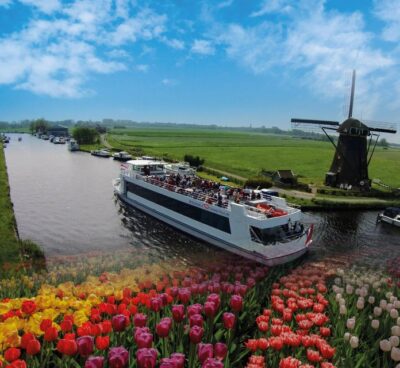 ★ 4.5Tour to Keukenhof Gardens with Windmill CruiseFrom $642,819 reviews
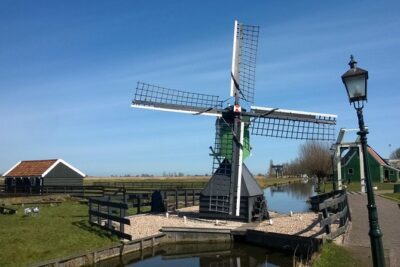 ★ 4.5Zaanse Schans Windmills, Clogs and Dutch Cheese Small-Group Tour from AmsterdamFrom $512,369 reviews
Browse the lists this tour appears in