
Reviewed · MUSEUMS
Our Lord in the Attic Museum Entrance Ticket in Amsterdam
One attic church is the whole point. Here, a hidden Catholic church sits inside a 17th-century canal house, and you follow the story through real rooms and preserved interiors. I like the way the ticket turns history into something physical—stairs, doorways, furnishings—so it feels less like reading and more like being in the building.
I also love that prebooking removes the main stress: you’re not left hunting for entry time slots on the day. The one real consideration is practical: the visit climbs upward and can be stair-heavy, with heat building up on the top floors.
In This Review
- Key things to know before you go
- Entering a canal house time capsule
- Price and time: what $21.78 buys you
- Finding the museum in central Amsterdam
- Touring the house floors: rooms that make the era tangible
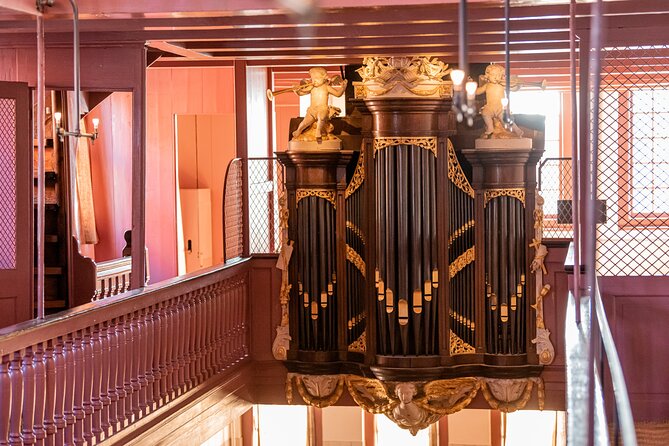
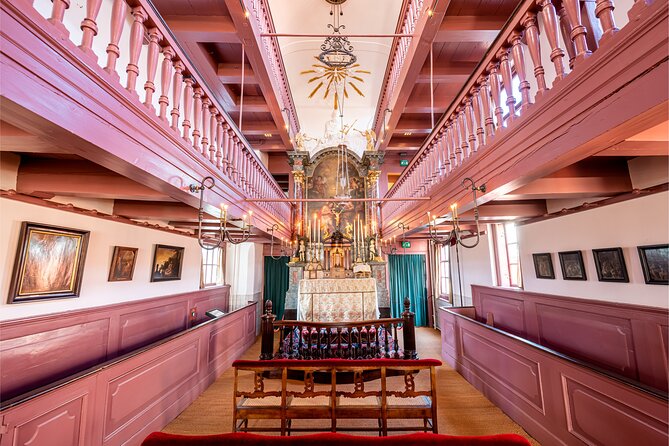
- The attic Catholic church (1663): the real story in the tightest space
- The underground passage and the museum extension
- Audio guide and self-paced pacing
- Cloakroom, lockers, and what you can carry inside
- Mobility and comfort: who should plan extra time
- Should you pair it with Amsterdam walking routes?
- The value question: is it worth your time?
- Should you book Our Lord in the Attic Museum?
- FAQ
- How long does the Our Lord in the Attic Museum visit take?
- Is an audio guide included in the ticket?
- Is the tour available in English?
- Where is the museum located?
- Can I take a backpack into the museum?
- Is there somewhere to leave my coat or bag?
- Is this museum wheelchair-friendly?
- Are service animals allowed?
- What’s the cancellation policy?
- Is there food and drinks included?
Key things to know before you go
- A complete Catholic church tucked into the attic inside a 1663 canal house
- 17th-century rooms with period furnishings across multiple floors
- Narrow stairs that lead you to the most dramatic space
- An audio guide included, so you can move at your own pace
- A new wing connected by an underground passage, for more exhibits in a second building
- A free locker and cloakroom on arrival, with bag size limits for what you can take inside
Still deciding? A few more Amsterdam tours worth a look
- Amsterdam: Heineken Experience Ticket including 2 Drinks
★ 4.6 · 36,014 reviews - Amsterdam: Rijksmuseum Entry Ticket
★ 4.7 · 29,512 reviews - Amsterdam: Icebar Entry Ticket with 3 Drinks
★ 4.2 · 14,562 reviews - Amsterdam: The Upside Down Experience Entrance Ticket
★ 4.4 · 11,918 reviews
Entering a canal house time capsule
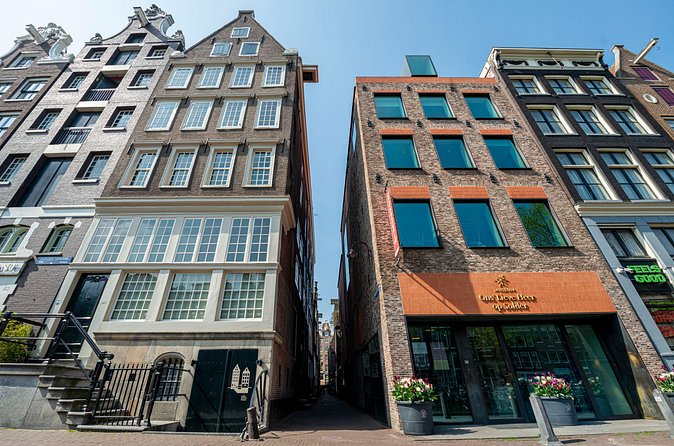
Our Lord in the Attic Museum is one of those places that makes you slow down. You’re not just looking at a display case—you’re walking through a structure that was kept in place as a lived-in environment for centuries. The setting helps. It’s in central Amsterdam on a historic canal, in a building that dates back to the 1600s.
What makes the experience click fast is the museum’s layout. The first floors are converted into preserved rooms you can walk through—living spaces, kitchens, and bedrooms—so you get a sense of day-to-day life, not just religious architecture. Then you climb, and the attic reveals the main surprise: a Catholic church hidden overhead.
The museum is also built around a clear theme: Dutch religious tolerance. The story connects back to the 1500s and the environment shaped under Willem of Orange, and it frames why Catholics could worship in a way that was officially restricted in public life. By the time you reach the attic, it feels like the building itself is part of the argument.
Price and time: what $21.78 buys you
At about $21.78 per person, this isn’t a bargain attraction. But it has decent value for a short, self-guided visit because you’re paying for access to multiple floors of a real canal house plus the attic church, not just one highlight room.
Plan on roughly 30 minutes to 2 hours. In practice, you can go quickly if you’re skimming with the audio guide, or take longer if you stop to read details and look closely at the furnishings. The included audio guide matters here: it helps you understand what you’re seeing without needing a live guide schedule.
One more tip: it’s commonly booked ahead (around three weeks on average). That’s a sign this museum has a steady demand, especially for timed entry. If you’re traveling in busy season, I’d book ahead so you can choose a slot that matches your day.
Finding the museum in central Amsterdam
Location is a big part of why this works. The museum sits in central Amsterdam on a historic canal, which makes it easy to add to a walking route. You don’t need a long transit plan, and it’s near public transportation, so you’re not stuck coordinating buses or trams for a one-off stop.
Just keep your timing realistic. The museum emphasizes that reserved entry windows matter because crowds can vary day to day. If you arrive late, they may still be able to accommodate you, but you’ll have a smoother experience if you’re near your reserved time.
More gallery time in Amsterdam
Touring the house floors: rooms that make the era tangible
The museum’s main strength is the sequence. You don’t jump straight into the attic church; you earn it by moving through the building level by level.
As you climb, you pass refurbished rooms furnished to reflect 17th-century Amsterdam. These spaces help you understand the kind of home this was—small, practical, and vertical by necessity. You’ll see how kitchens and daily living areas sat close together, and you’ll notice that the house wasn’t built to hide secrets by architecture alone; it also relied on human risk and quiet compliance.
A big plus here is how close you can get to what’s inside. The experience isn’t mostly behind a pane of glass. You can examine details and feel the layout. That’s one reason people often come away thinking they learned more than they expected. Even if you normally skip interiors, the building makes it easier to pay attention.
If you like historical context, the audio guide is especially helpful because it connects the objects to the idea of restricted worship. You’re not only seeing what the rooms look like; you’re learning why the church existed in the first place.
The attic Catholic church (1663): the real story in the tightest space
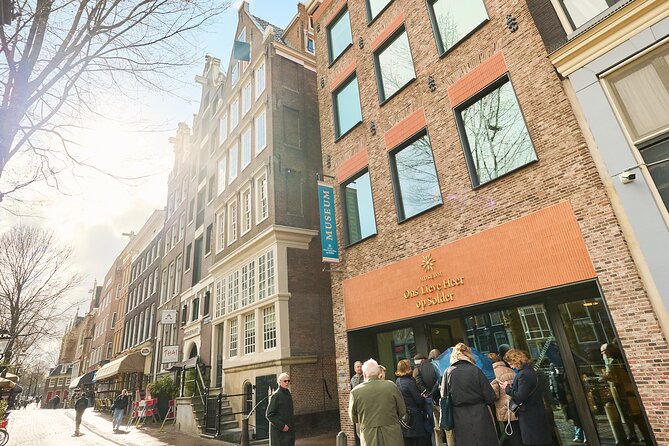
At some point, you’ll stop seeing the museum as a set of rooms and start seeing it as a carefully staged concealment. The attic church is the moment. Dating from 1663, it was used by Catholics during a time when celebrating mass was prohibited. The dramatic part is that the church wasn’t a separate building—it was integrated into the house.
This is where the museum becomes more than a collection of artifacts. The attic chapel is a physical reminder of how people adapted when law and religion conflicted. It’s also a window into a specific Amsterdam reality: an atmosphere of religious tolerance in a period where tolerance wasn’t guaranteed everywhere.
The building’s design reinforces the story. The ascent involves a narrow staircase, and the attic setting feels intentionally constrained. That scale and cramped feel adds weight to what you’re hearing through the audio guide. It’s not just a place to look—it’s a place to feel the contrast between official restriction and private practice.
One practical note: the museum can get hot on the upper floors when it’s warm outside. If you’re visiting during a heat wave, wear light layers and expect that the attic climb may feel tougher than you’d guess from the ticket description.
The underground passage and the museum extension
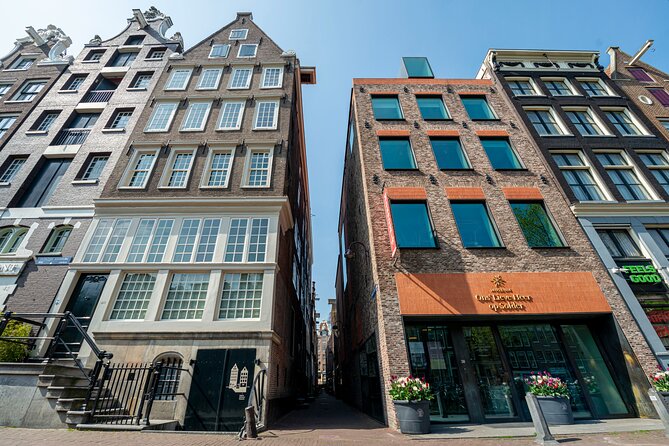
Your ticket doesn’t stop at the original house. It also includes entry to a newer wing built in a neighboring building, connected through an underground passage. This design matters because it expands what you can do on-site without needing to exit and re-enter.
The extension is part of the museum’s evolution. It was expanded into an additional building at Oudezijds Voorburgwal 38, and the updated entrance vestibule helps route visitors into the combined experience. Once you’ve seen the attic church and the main preserved rooms, this wing gives you more exhibits and displays focused on Dutch history.
The underground connection also changes the pacing. Instead of only climbing upward, you get a sense of the museum as a system of spaces—old and newer—linked together by the site’s physical layout.
Audio guide and self-paced pacing
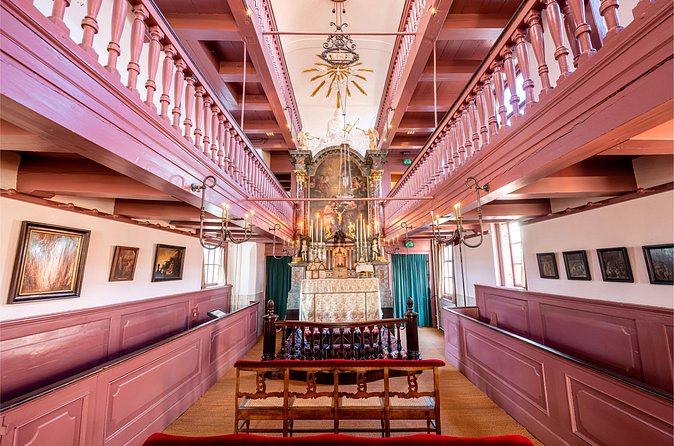
The ticket includes an audio guide, and the experience is effectively self-guided. That’s a big deal in a museum like this because the building is easy to take at your own speed. If you prefer to spend extra time looking at furnishings, you can. If you want to move fast, you can keep going.
Audio support also helps interpret things that aren’t obvious at first glance, like how the church functioned within the architecture. The audio guide’s details make it easier to connect the attic church to the practical realities of life in that era, not just the dramatic headline.
A quick strategy: use the audio guide for context early, then slow down in the attic area to let the story settle. That keeps the experience from feeling like a checklist.
Cloakroom, lockers, and what you can carry inside
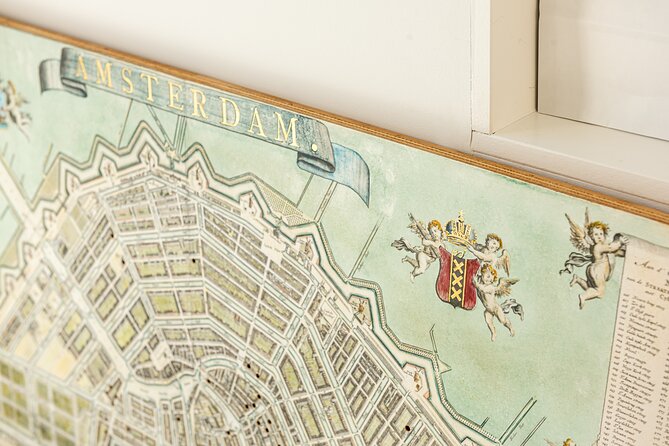
This is one of those museums where planning your bag makes your visit calmer. There’s a cloakroom and free lockers, but you can’t take larger bags into the museum.
The size limit for (hand)bags is A4 format, and backpacks are restricted from being brought into the museum. Since the building is stair-focused, having only what you need on you makes sense. It also avoids congestion as people line up in narrow passages.
If you’re traveling with a daypack, I’d plan to store it right away. It keeps you from stopping, shifting straps, and then trying to re-organize while you’re already partway into the climb.
Mobility and comfort: who should plan extra time
The overall message is clear: this museum is for most people, but not for everyone. The museum includes many stairs, and the attic church is reached by climbing. If you have mobility issues, you may find the layout hard.
Heat is another issue. If the weather is very warm, the top floors can feel very hot. Even if you handle stairs fine, this can affect your stamina and how long you want to spend in the attic church space.
If you’re fit and comfortable climbing, you’ll likely love it. It’s the kind of museum that rewards attention, and the vertical design makes the story more dramatic than it would be in a flat gallery.
Should you pair it with Amsterdam walking routes?
This museum sits in a central area where it’s easy to string together other historic neighborhoods by foot. The attic church story also gives you helpful context if you’re moving on to other parts of Amsterdam that involve religious and cultural history. The museum’s themes connect to the Dutch religious environment, which can make later sights more meaningful.
That said, don’t overpack your day. The visit already involves stairs and time spent indoors. I like pairing it with something nearby and then giving yourself a breather afterward.
The value question: is it worth your time?
I think it’s a solid value if you want something unusual and place-based. You’re not just paying for an exhibit. You’re paying to enter a working-feeling building that tells a specific story through rooms, architecture, and an attic church.
At $21.78, it’s not a budget stop, but the ticket includes what you’ll actually use to understand it: admission plus an audio guide. And the fact that it typically takes up to around 1.5 hours for many people makes it easier to justify. You’re getting a focused visit without it swallowing your whole day.
Should you book Our Lord in the Attic Museum?
Book it if you want a short, memorable slice of Amsterdam that feels different from the usual canals-and-museums route. This is a unique canal-house experience where the star is a church hidden in an attic, and the building itself is part of the lesson.
Skip or plan carefully if you hate stairs or need step-free routes. Also, go prepared for heat if you’re visiting in warm weather since the attic floors can feel very warm.
If you’re on the fence, I’d still lean toward booking. The timed entry helps you avoid wasted time, and the audio guide makes the visit smoother even if you’re not a history expert.
FAQ
How long does the Our Lord in the Attic Museum visit take?
Plan for about 30 minutes to 2 hours. If you like to linger in the rooms and use the audio guide, expect closer to the longer end.
Is an audio guide included in the ticket?
Yes. Admission includes an audio guide.
Is the tour available in English?
Yes, the experience is offered in English.
Where is the museum located?
It’s in central Amsterdam on a historic canal, and it’s near public transportation.
Can I take a backpack into the museum?
You’ll need to store larger bags. Bags and backpacks cannot be taken into the museum, and the size limit for (hand)bags is A4 format.
Is there somewhere to leave my coat or bag?
Yes. There’s an unguarded cloakroom and a free locker where you can leave your coat and bag.
Is this museum wheelchair-friendly?
The information says most travelers can participate, but the museum has lots of stairs. If stairs are an issue for you, you should plan carefully.
Are service animals allowed?
Yes, service animals are allowed.
What’s the cancellation policy?
You can cancel for a full refund if you cancel up to 24 hours in advance of the experience start time.
Is there food and drinks included?
No. Food and drinks are not included with the admission ticket.
More Amsterdam Museums






More Tickets in Amsterdam






More Tour Reviews in Amsterdam




Just added: fresh Amsterdam tour reviews





Museums, compared.
 ★ 4.2Red Light Secrets Museum Entry TicketFrom $175,722 reviews
 ★ 4.5Amsterdam’s Weirdest Museum: Ripley’s Believe It or Not!From $264,920 reviews
 ★ 4.6Van Gogh Museum Ticket and City Canal CruiseFrom $473,899 reviews
 ★ 4.5Van Gogh Museum Ticket & Canal CruiseFrom $473,304 reviews
 ★ 4.4NEMO Science Museum TicketFrom $252,979 reviews
 ★ 5.0Van Gogh Museum Amsterdam Exclusive Tour w/ Reserved EntryFrom $1731,760 reviews
 ★ 4.0Moco Museum Amsterdam Admission Ticket with Banksy and moreFrom $271,745 reviews
 ★ 5.0Van Gogh Museum Tour Reserved Entry Semi PrivateFrom $1731,437 reviews
Browse the lists this tour appears in