
Reviewed · ZAANSE SCHANS & WINDMILLS
Kinderdijk Windmills, Delft City & Delft Blue Factory Visit
Windmills and ceramics in one day? Yes. This private tour strings together UNESCO Kinderdijk and historic Delft with a guide who keeps the pace practical. You’ll get guided time for both places, plus comfortable transport and bottled water.
I particularly like the hotel pickup and the fact that the day includes a real windmill visit rather than just a photo stop. On top of that, Delft is handled like more than a quick walk—there’s guidance that helps you spot what matters and understand Delft Blue.
One trade-off to plan for: lunch isn’t included, so you’ll want to build in time to eat when you’re there.
In This Review
- Key things to know before you go
- A smart pairing: Kinderdijk windmills + Delft’s Delft Blue
- Price and value: what you’re actually paying for
- Getting to both stops in comfort from Amsterdam
- Stop 1: Kinderdijk UNESCO windmills and the water-control story
- Inside the windmill visit: what to pay attention to
- Stop 2: Delft’s canals and historic streets with a guide
- Delft Blue factory visit: how Delftware gets made (and why it’s more than souvenirs)
- Timing and pacing: a 7-hour day that won’t feel frantic
- Who this private tour suits best
- Booking window: how early should you plan?
- Should you book this Kinderdijk and Delft Blue day?
- FAQ
- How long is the tour?
- What time does the tour start, and do you offer pickup?
- What’s included, and is lunch included?
- Are tickets included for both stops?
- Is this a private tour?
- Is free cancellation available?
Key things to know before you go
- Private, door-to-door feel: you’re picked up from your accommodation and dropped back the same day.
- Two UNESCO-level experiences: Kinderdijk’s windmills plus Delft’s historic center and Delftware culture.
- Admission structure is clear: your Kinderdijk ticket is included; Delft time is built around free admission.
- Guides drive the quality: Steven/Steve is frequently praised for adapting timing and making explanations click.
- You’ll want comfy shoes: Delft involves walking on old streets and around canals.
- Budget for lunch: the tour includes bottled water, but not a meal.
More windmills, clogs and cheese at Zaanse Schans
- Amsterdam: Zaanse Schans, Edam, Volendam & Marken Bus Tour
★ 4.6 · 15,034 reviews - Day Trip to Zaanse Schans, Edam, Volendam and Marken from Amsterdam
★ 5.0 · 5,392 reviews - Amsterdam: Guided Zaanse Schans, Windmills & Cheese Tour
★ 4.4 · 4,826 reviews - Windmill Tour from Amsterdam, Including Volendam & Marken
★ 4.0 · 4,572 reviews
A smart pairing: Kinderdijk windmills + Delft’s Delft Blue
If you only have one day to make a dent in Dutch culture, this combo works. Kinderdijk gives you a clear look at how the Netherlands managed water—seriously, not just as scenery. Then Delft brings you back to human scale: canals, churches, and the stories behind Delft Blue ceramics.
I also like that the day is built for first-timers. You get guided time at both stops, so you’re not wandering and guessing. Plus, the tour is private, which usually means your guide can adjust pacing if you want a slower walk, more time at a shop, or a quick break.
The main consideration is simple: it’s a “two places, one day” itinerary. That’s efficient, but it does mean you’re not going to slow down the way you might on a multi-day trip.
Price and value: what you’re actually paying for
At $354.45 per person, this isn’t a budget day trip. You’re paying for private transportation, a guided experience, and the structure that reduces stress. For many people, that’s exactly the point: you can spend your energy on the windmills and Delft, not on routes, tickets, or timing.
Here’s what helps justify the cost. Your Kinderdijk admission ticket is included, and bottled water is provided. You also get a comfortable private vehicle with pickup and drop-off, which can save real time and hassle—especially if you’re staying outside the central areas.
Does it make financial sense for you? It depends on how you travel. If you’re splitting the cost among a few people, it often feels more reasonable because you’re basically buying a custom day with fewer compromises. If you’re traveling solo, you’ll feel the price more, but the convenience and guide attention are still the value.
Getting to both stops in comfort from Amsterdam
This tour starts at 10:00 am, and pickup is offered from your accommodation. That matters because it turns the day into one smooth block rather than a chain of planning tasks. You’ll ride in a private vehicle, and bottled water is included, so you don’t start the day scrambling.
Because it’s designed as a single-day “hits and meaning” trip, the transport isn’t treated like an afterthought. It’s part of the experience—your guide can set expectations, explain what you’ll see, and keep the schedule sensible so you’re not stuck in long gaps.
A practical tip: plan on shoes that handle walking. Delft’s streets are old and a bit irregular, and the day includes guided walking time. Also, bring a light layer; windmill areas and canal cities can feel cooler than you expect.
South by train: more Rotterdam and The Hague days



Stop 1: Kinderdijk UNESCO windmills and the water-control story
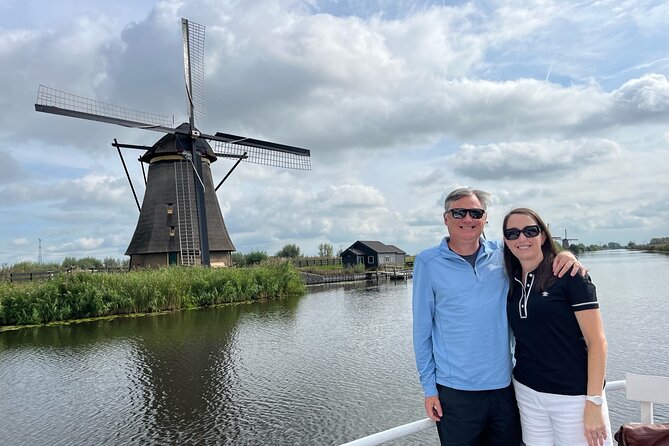
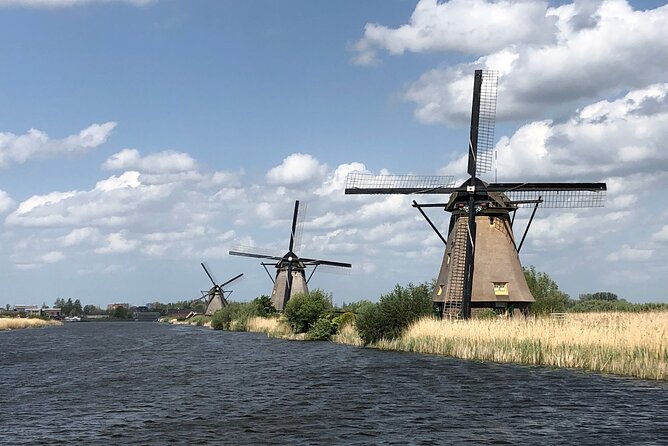
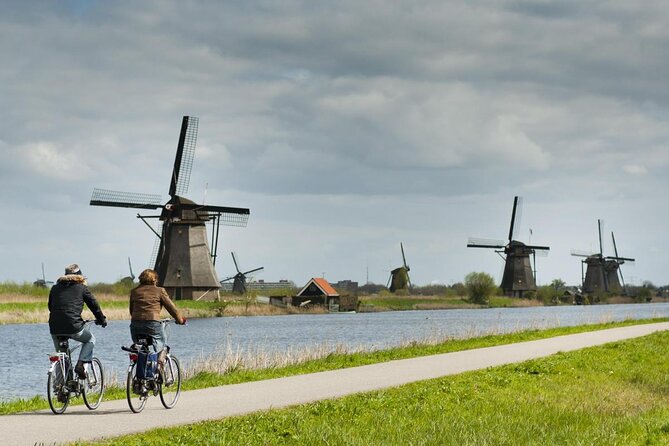
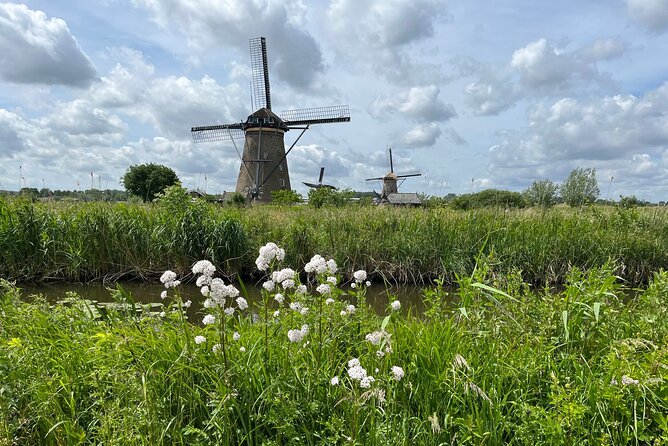
Kinderdijk is the highlight if you want to understand Dutch ingenuity fast. The windmills were built around 1740 to support the region’s water-management system, helping keep the surrounding land safe from flooding. In 1997, the site earned UNESCO World Heritage status for its cultural, historical, and technological importance.
Your time here is generous: about two hours, with admission included. That’s enough time to slow down and actually connect the windmills to the problem they were designed to solve. If you only glance at windmills from the road, you miss the point. At Kinderdijk, you’re meant to see how the whole network works together.
The strongest payoff is the explanation. In reviews, Steven/Steve is repeatedly praised for making the mechanics understandable, especially the role of wind power in water control. That kind of guidance turns pictures into context.
Watch your focus here: don’t treat it as a postcard lineup. Look for how the mills relate to the water system around them, and ask questions if something clicks late in the walk. The windmill setting is beautiful, but the story is what makes it memorable.
Inside the windmill visit: what to pay attention to
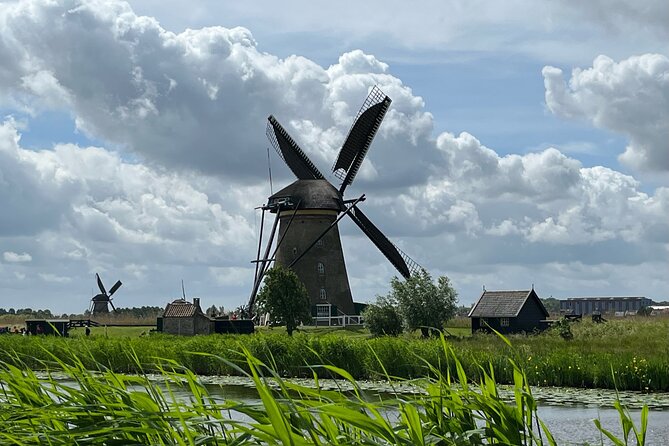
This tour isn’t just “stand and look.” You get the chance to step inside a windmill and learn why it operated the way it did. That moment is often what people remember most because it turns a structure into a working machine.
When you’re inside, I suggest you pay attention to three things. First, how the wind becomes usable power. Second, how the mill’s function fits into the larger water-management picture. Third, how volunteers maintain the site, which adds a human layer to the technology.
You’ll likely get “small, real” details from the guide. One review notes that the guide helped convert measurements into US terms so visitors could visualize size and depth. If you’re coming from the US, that kind of translation makes the experience feel smoother, not like a lesson you have to interpret on the fly.
If you’re sensitive to crowds, aim for calm moments rather than rushing. Two hours sounds long until you’re at a busy stop. Having a guide helps you find the rhythm: when to move, when to pause, and when to listen.
Stop 2: Delft’s canals and historic streets with a guide
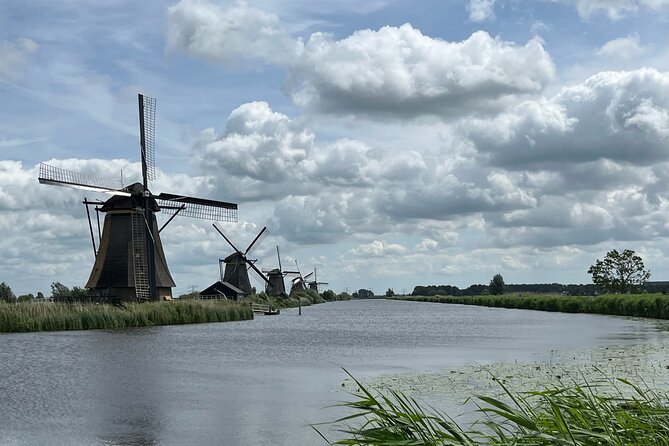
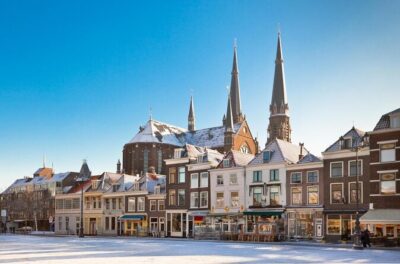
After Kinderdijk, Delft feels like a different kind of Dutch experience—more human scale and more old-world charm. You’ll spend about two hours exploring historic Delft with your guide, walking cobblestone streets lined with canals and notable churches.
Delft is often associated with a few big names, and your tour time is built to bring those references to life. You’ll hear context tied to Johannes Vermeer and William of Orange, and you’ll also get oriented to why Delft Blue became such a defining export.
This is where a guide earns their fee. A good guide helps you connect “pretty details” to actual meaning. Reviews mention that Steven/Steve takes people to places locals use, not just the busiest picture spots. That’s the difference between seeing Delft and getting your bearings fast.
Also, admission for Delft time is set up as free within the plan, so you’re not juggling extra ticket decisions while you’re walking.
Delft Blue factory visit: how Delftware gets made (and why it’s more than souvenirs)
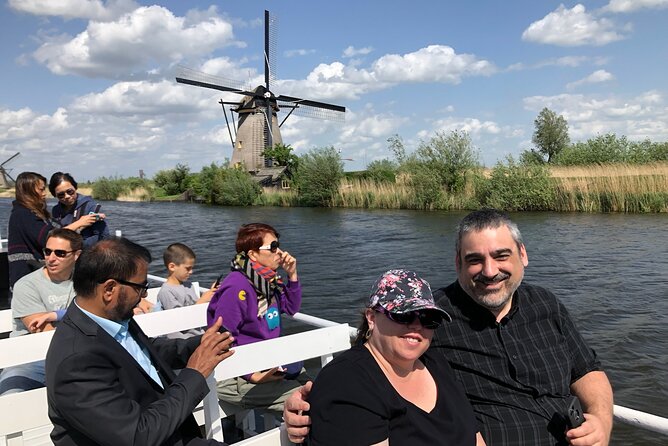
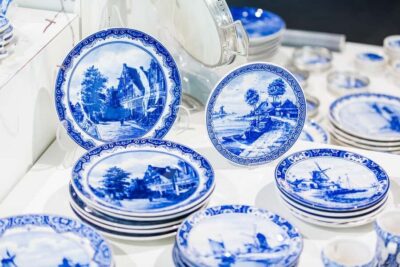
The Delft Blue part of the day is where the tour can feel extra special, because it shifts from streets to craft. Your guide may bring you to a ceramics workshop experience and explain the process behind Delftware.
In one account, the group visited De Chandelaer and met owner Stefan Delos, plus artist Shirly, walking through how Delftware is made. Another review mentions a family-owned shop where ceramics are hand-painted, and that you can even arrange shipping back home.
Even if your exact workshop stop varies, the value stays consistent: you’re seeing how the look of Delft Blue is produced, not just buying items that look like it. If you care about design or craft, this is the moment to ask questions—how patterns are created, what makes the pieces feel distinct, and how the work is organized.
I’d treat this as your shopping “zone.” Reviews describe finding beautiful hand-painted pieces and taking advantage of shipping help. If you’re worried about packing, ask about shipping arrangements on-site so you don’t overload your luggage.
Timing and pacing: a 7-hour day that won’t feel frantic
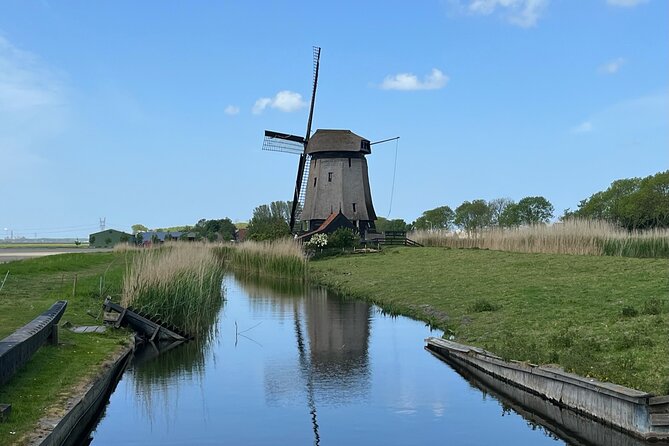
The day runs about 7 hours 15 minutes, with Kinderdijk and Delft each given about two hours on the clock. That leaves room for travel and for the workshop or pottery time that gives Delft Blue context.
In practice, this kind of schedule works best when you buy into the idea of guided pacing. Your guide can tweak the day in the moment—one review notes the plan was modified depending on when the group wanted to eat or how much time they wanted at each stop. That flexibility is a big deal in a day trip, because outside conditions (lines, weather, energy levels) always shift.
You should also plan your expectations around meals. Lunch isn’t included, so you’ll want your guide to point you toward a good option. Reviews mention lunch at a local outdoor cafe or restaurant/pub recommended by the guide. Build in time to sit down, not just grab food.
Who this private tour suits best
This tour fits best if you want structure without losing charm. It’s ideal for first-time visitors, and it’s especially good if you like the idea of pairing two different Dutch themes in one day: water engineering and ceramic craft.
It also works well for travelers who value a guide’s adaptability. Multiple reviews praise Steven/Steve for tailoring the day and providing explanations that make the places click. If you’re the type who likes to ask questions, a private guide gives you that space.
A quick match check:
- If you’re short on time and want two major sights covered well, this fits.
- If you want hands-on context for Delft Blue, you’ll likely appreciate the workshop-style portion.
- If you strongly prefer self-guided days with zero schedule, you may feel the pace tighter than you’d like.
Booking window: how early should you plan?
This experience is commonly booked about 121 days in advance on average. That doesn’t mean you can’t book later, but it does suggest it’s a popular route. If you’re traveling in peak seasons or have limited availability, you’ll sleep better booking early and locking your timing.
If you want a specific guide experience—many of the standout reviews mention Steven/Steve—it’s smart to book sooner rather than later.
Should you book this Kinderdijk and Delft Blue day?
Book it if you want a single, well-guided day that connects the Netherlands’ water story with Delft’s craft and historic vibe. The biggest strengths are the private-door-to-door setup, the windmill visit that goes beyond photos, and the guide attention that helps you understand what you’re seeing.
Skip or reconsider if you’re traveling on a strict budget or you don’t want to plan around walking time and a fixed daily rhythm. The lunch gap is minor, but it is still a gap.
If your goal is memorable Dutch culture without the logistical stress, this is a strong choice. And if you’re the type who enjoys hearing the “why” behind landmarks, you’ll get a lot more out of both Kinderdijk and Delft than a quick drive-by route.
FAQ
How long is the tour?
The duration is approximately 7 hours 15 minutes.
What time does the tour start, and do you offer pickup?
The tour starts at 10:00 am, and pickup is offered from your accommodation.
What’s included, and is lunch included?
The tour includes bottled water. Lunch is not included.
Are tickets included for both stops?
Kinderdijk admission is included. Delft admission is listed as free as part of the experience.
Is this a private tour?
Yes. It’s a private tour/activity, and only your group participates.
Is free cancellation available?
Yes. You can cancel up to 24 hours in advance for a full refund.
More Tour Reviews in Amsterdam






South to Rotterdam and The Hague






Zaanse Schans and the Windmills, Revisited
- Zaanse Schans Windmills, Clogs and Dutch Cheese Small-Group Tour from Amsterdam
★ 4.5 · 2,369 reviews

Just added: fresh Amsterdam tour reviews





Zaanse Schans & Windmills, compared.
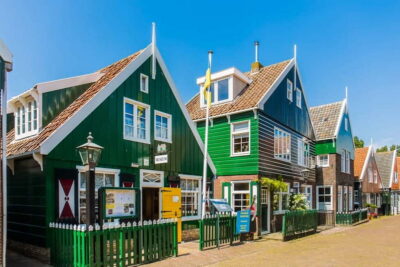 ★ 4.4From Amsterdam: Zaanse Schans, Volendam & Marken Day TripFrom $3418,501 reviews
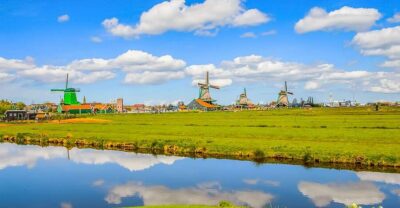 ★ 4.6Zaanse Schans, Edam, Volendam & Marken Bus TourFrom $3215,034 reviews
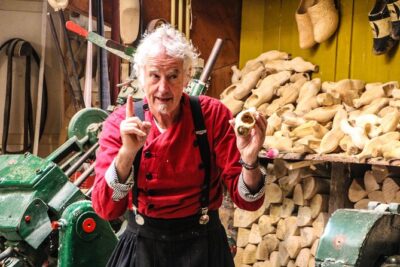 ★ 5.0Day Trip to Zaanse Schans, Edam, Volendam and Marken from AmsterdamFrom $455,392 reviews
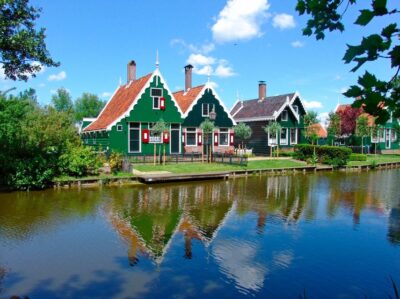 ★ 4.4Guided Zaanse Schans, Windmills & Cheese TourFrom $224,826 reviews
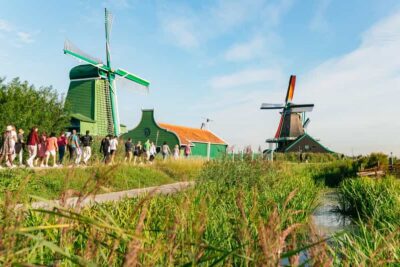 ★ 4.8From Amsterdam: Zaanse Schans, Edam, Volendam & MarkenFrom $374,623 reviews
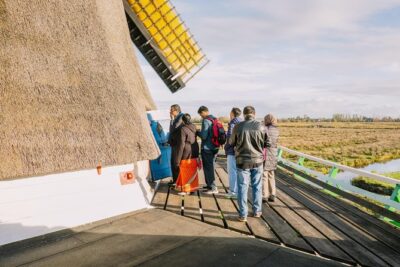 ★ 4.0Windmill Tour from Amsterdam, Including Volendam & MarkenFrom $374,572 reviews
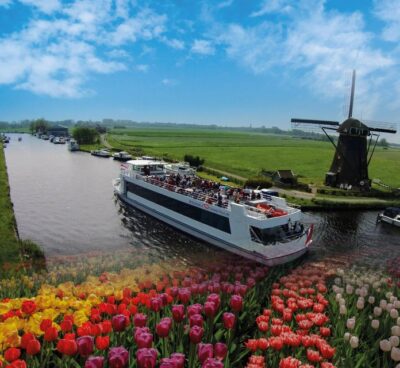 ★ 4.5Tour to Keukenhof Gardens with Windmill CruiseFrom $642,819 reviews
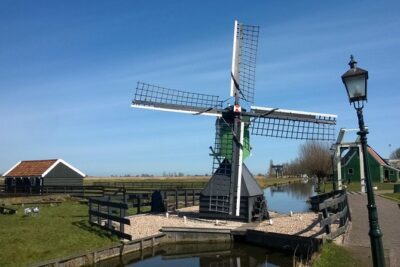 ★ 4.5Zaanse Schans Windmills, Clogs and Dutch Cheese Small-Group Tour from AmsterdamFrom $512,369 reviews
Browse the lists this tour appears in