
Reviewed · MUSEUMS
Amsterdam: The Kattenkabinet Cat Museum Entry Ticket
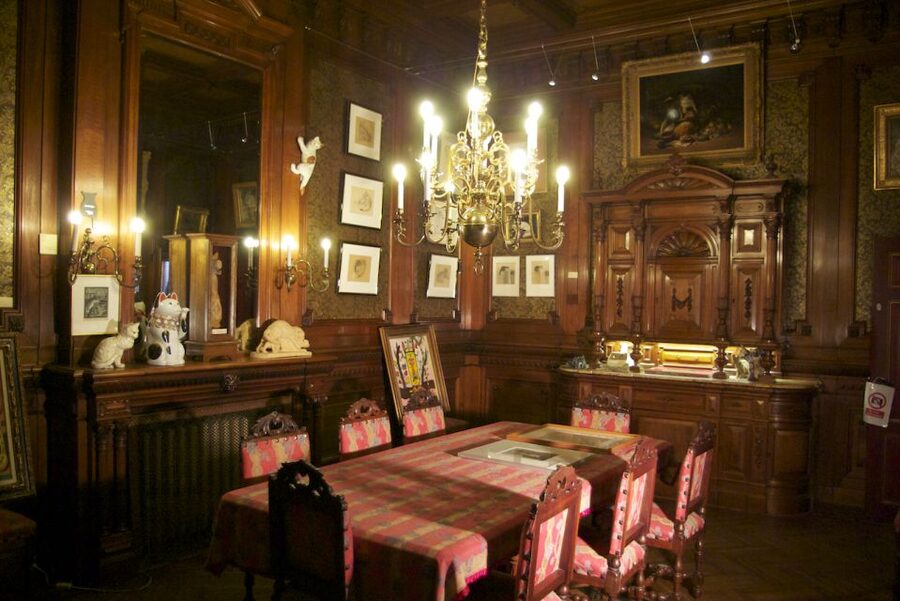
If you love cats, this museum pulls you in fast. Kattenkabinet is a cat-focused art collection on the Herengracht canal, and I like how it mixes big-name art with odd cat artifacts. One thing to plan for: it’s small, so your visit can feel short if you expect a big museum spread.
I also like the human touch built into the experience, especially the story behind how the collection started with museum owner Bob Meijer and the ways you can add your own cat to the museum’s little tribute area. The ceiling artwork and the canal-house setting make the whole place feel like you wandered into a private obsession that’s somehow become public art. The biggest practical consideration is seating, since there’s not a lot of space to park and linger in comfort.
In This Review
- Key things to know before you go
- A cat-only art house on the Herengracht canal
- Ticket value: is $15 worth it?
- The collection: Picasso, Rembrandt, and cat art across time
- The building and ceiling painting: look up at the 17th-century details
- Resident cats inside: part art, part atmosphere
- The garden and where you can relax
- The shrine to your own cats: make it personal
- Time planning: how long you should budget
- Who this museum is perfect for
- Practical do’s and don’ts inside
- Final call: should you book Kattenkabinet?
Key things to know before you go
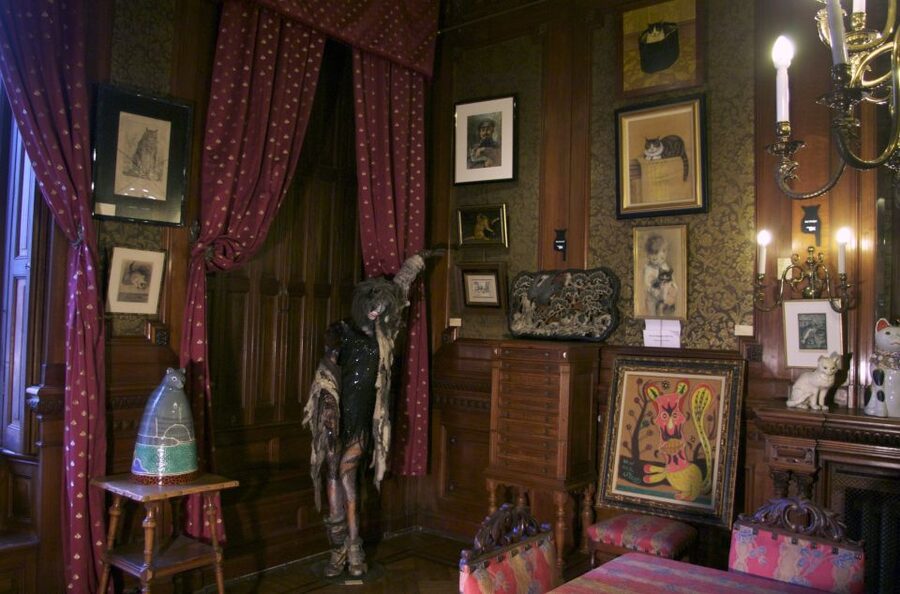
- Cat-only collection, featuring work inspired by cats across styles and centuries
- Big names among the cat art, including Picasso and Rembrandt
- A real building story, with a 17th-century ceiling painting shown after an 80s renovation
- Resident cats that roam the museum and may let you pet them
- A personal tribute corner where you can leave photos or notes about your own cats
- A short visit that can still feel satisfying because the rooms are packed
Still deciding? A few more Amsterdam tours worth a look
- Amsterdam: Heineken Experience Ticket including 2 Drinks
★ 4.6 · 36,014 reviews - Amsterdam: Rijksmuseum Entry Ticket
★ 4.7 · 29,512 reviews - Amsterdam: Icebar Entry Ticket with 3 Drinks
★ 4.2 · 14,562 reviews - Amsterdam: The Upside Down Experience Entrance Ticket
★ 4.4 · 11,918 reviews
A cat-only art house on the Herengracht canal
Kattenkabinet is not trying to be a typical Amsterdam museum. It’s a small, themed space built around one idea: cats as art subjects, cats as companions, and cats as the reason the collection exists at all.
The museum is housed in a canal-house location on the Herengracht, which already sets the mood. Inside, you’re not walking through sterile white rooms. You’re moving through a real, lived-in kind of space where the art sits close, the walls feel personal, and the whole place reads like someone’s lifelong obsession made shareable.
That personal feel matters, because it changes how you look at the pieces. You don’t just scan for famous names. You start noticing how different artists treated cats as symbols, pets, jokes, study subjects, and even characters in their own right.
Ticket value: is $15 worth it?
At around $15 per person, this is a fair price for something genuinely different in Amsterdam. You’re paying for three things that work together: the art collection, the special setting, and the resident cats component.
The art alone would make it a fun afternoon stop if you already like museum hopping. But the cats make it more than a themed gallery. Reviews consistently point to cats roaming around and, in many visits, letting people interact gently, including petting. That adds a “live” layer to what’s normally a static museum experience.
Now the trade-off: the museum is small. A number of people finish in roughly an hour, and some move through faster than that. If you’re hoping for a long, multi-hour art marathon, you might feel slightly rushed. But if you want a compact, memorable cat-art experience, the price-to-time ratio usually lands well.
My practical advice: treat Kattenkabinet like a high-focus stop, not a filler. Pair it with nearby canal-area walking so you’re not trying to force a full afternoon inside.
The collection: Picasso, Rembrandt, and cat art across time

One reason Kattenkabinet works is that it doesn’t limit itself to one kind of cat artwork. You’ll see a mix of cat-inspired art formats such as photos, lithographs, drawings, paintings, and other cat-related objects.
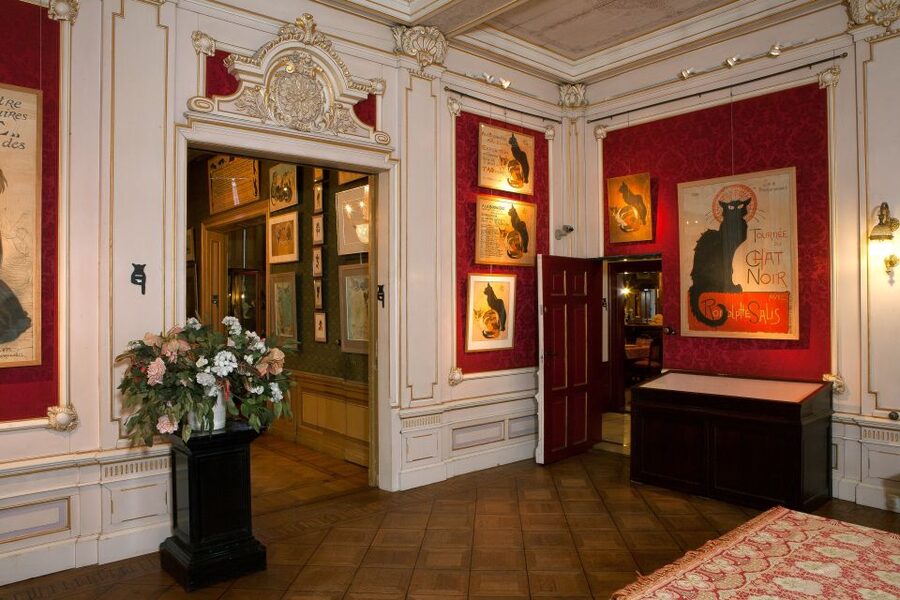
And yes, there are big-name artists among them. The museum includes cat art connected to Picasso and Rembrandt, and you may also spot works tied to Toulouse-Lautrec, Corneille, and Jože Ciuha. That combination is a big part of the appeal: you can geek out a bit about famous names while still feeling like the topic stays playful and affectionate rather than museum-serious.
What makes it more than a greatest-hits display is the variety of styles and tones. Some pieces are light and charming. Others come across as more “study-like,” showing cats as subjects with character. You also get room for the weird and wonderful side of cat culture, including an artifact people mention as a mummified cat associated with around 200 BC. That’s the kind of detail that turns a small museum visit into a story you’ll remember later.
More gallery time in Amsterdam
The building and ceiling painting: look up at the 17th-century details
This museum isn’t just about what’s on the walls. The building itself adds to the experience.
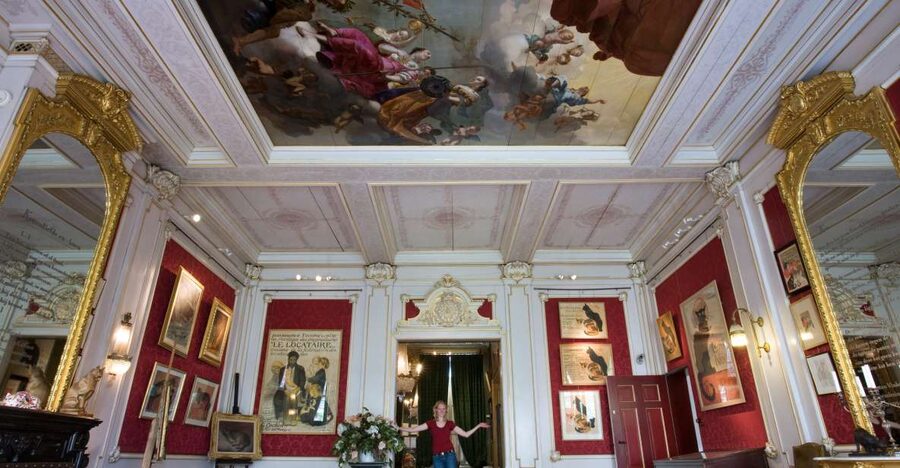
One standout is a 17th-century ceiling painting that was brought back into view after an 80s renovation. It’s from the school of De Lairesse and depicts the Amsterdam City Virgin. That kind of detail is why I like visiting small museums: you can notice things like this without rushing.
When you’re in the rooms, slow down for a minute and look upward. If you’re used to modern museum spaces, the ceiling work feels like a bonus chapter. It also helps the whole visit feel like it belongs to Amsterdam history, even though the theme is cats.
Resident cats inside: part art, part atmosphere
The Kattenkabinet experience isn’t only about artworks. There are resident cats that roam through the museum area, and multiple reviews mention you can pet some of them.
That can change your pace. You might start off “reading” the collection like a regular museum, but then you’ll find yourself pausing for a cat to pose, settle, or wander past. The museum’s vibe becomes half gallery and half gentle cat lounge—without turning into a chaotic attraction.
If you’re coming with kids, this is often the winning ingredient. People mention keeping children engaged for around two hours, even though the rooms are not huge. The cats give kids something immediate and interesting to watch, which makes art viewing feel less like a lecture and more like play with meaning.
One more practical thought: the cats may not be visible the entire time during every visit. Some people report seeing fewer cats than they expected. So if the cats are a main goal for you, don’t plan your day so tightly that you’ll be disappointed if the cats stay hidden for a while.
The garden and where you can relax
Kattenkabinet includes a garden area, and reviews mention it as a pleasant place to sit. That outdoor pause can be a nice counterbalance after you’ve been inside with walls full of cat art.
There is, however, a seasonal wrinkle. Some people report that parts of the outside area or back rooms can be closed at certain times, such as when the outside area is shut for part of the year. So if you want garden time, plan for the possibility that you’ll get a smaller version of the experience depending on when you visit.
Also note that seating inside isn’t a major feature. If you’re someone who likes long museum sits—snack breaks, slow observation, lots of resting—this place may feel a bit “stand and look” compared to larger museums.
The shrine to your own cats: make it personal
One of the sweetest details is the personal tribute area where you can leave something from your own life with cats. Reviews mention a shrine where visitors can leave photos of their cats. Others describe leaving notes and drawings as well.
This turns the museum from a one-way viewing experience into a little community scrapbook. You’ll see evidence of other cat lovers’ pets and stories, which helps the museum feel welcoming even if you don’t know anything about the artists or the collection history.
If you’re traveling with a phone full of cat photos, you might want to have the photos ready so you can participate quickly. It’s one of those small touches that makes the visit feel more like a stop you added to, not just something you passed through.
Time planning: how long you should budget
The most important planning reality is that Kattenkabinet is compact. Many people describe the museum as short, with visits that can land around one hour, or even less if you move quickly and spend minimal time chatting with staff or interacting with the resident cats.
At the same time, it’s not a “blink and you’re done” stop. Because the rooms are packed with cat art and there are a few areas to take in—plus time spent watching the cats—you can still stretch it into a solid afternoon block. One family even mentions a good two hours with kids staying engaged.
My advice: set aside about 1 to 2 hours. If you come in expecting a tight schedule, you’ll leave satisfied. If you plan it like a half-day museum, you’ll feel like you’re waiting for more once you’ve finished.
Who this museum is perfect for
This is an easy recommendation if you’re any of these:
- a cat lover who wants cat art in one focused place
- an art fan who likes unusual themes (cats as seen by famous artists, not just street art or pop culture)
- families looking for a short attraction that still keeps kids engaged
- couples who want a quirky, low-pressure Amsterdam activity
It’s also a good pick if you enjoy small museums where you can actually notice details. The mix of recognizable names and odd cat artifacts keeps the mood light while still rewarding curiosity.
Who might hesitate: if you need lots of room to lounge, or you want a big, multi-room museum experience that can fill a full day, this may feel too small for your taste. The lack of extra seating and the small footprint show up fast.
Practical do’s and don’ts inside
A couple rules matter for comfort. Food and drinks aren’t allowed in the museum, and smoking is not permitted in the garden area. It’s the kind of place where you’ll want to treat snacks as something you handle outside and then come in ready to look.
Also, go into the building expecting a gentle mix of art and animals. Some cats may approach people, some may stay tucked away. Your best strategy is simple: keep your pace calm, move carefully, and let the museum happen around you rather than trying to “catch” every moment.
Final call: should you book Kattenkabinet?
I’d book Kattenkabinet if you want a short, high-feel-good Amsterdam stop that mixes art, humor, and real resident cats. The value at about $15 makes sense because you’re not paying for just a theme—you’re paying for a compact museum in a real canal-house setting, with a collection that includes major artists and the kind of cat details you won’t find elsewhere.
Don’t book it if you need a long museum experience with lots of seating and endless rooms. Kattenkabinet is small, and that’s part of its charm for many people.
If you like your museums a little strange and very specific, this one belongs on your list.
More Amsterdam Museums






More Tickets in Amsterdam






More Tour Reviews in Amsterdam




Just added: fresh Amsterdam tour reviews





Museums, compared.
 ★ 4.2Red Light Secrets Museum Entry TicketFrom $175,722 reviews
 ★ 4.5Amsterdam’s Weirdest Museum: Ripley’s Believe It or Not!From $264,920 reviews
 ★ 4.6Van Gogh Museum Ticket and City Canal CruiseFrom $473,899 reviews
 ★ 4.5Van Gogh Museum Ticket & Canal CruiseFrom $473,304 reviews
 ★ 4.4NEMO Science Museum TicketFrom $252,979 reviews
 ★ 5.0Van Gogh Museum Amsterdam Exclusive Tour w/ Reserved EntryFrom $1731,760 reviews
 ★ 4.0Moco Museum Amsterdam Admission Ticket with Banksy and moreFrom $271,745 reviews
 ★ 5.0Van Gogh Museum Tour Reserved Entry Semi PrivateFrom $1731,437 reviews
Browse the lists this tour appears in