
Reviewed · AMSTERDAM FOOD TOURS
Amsterdam: Self-Guided Food Tour in De Pijp Neighbourhood
Street food days beat museum days. This self-guided De Pijp route is built around real neighborhood eats and small, specific food quests, not vague wandering. I like that you score exclusive discounts and tastings at 7 of 8 stops, and the plan naturally points you toward Europe’s biggest outdoor day market, the Albert Cuyp Market. One thing to plan for: not every stop will be open daily, and timing matters more than you’d expect when shops close early.
You start at FEBO on Ferdinand Bolstraat, then work your way through Dutch classics and international comfort food: Suriname’s pom with chicken, Israeli-smoked brisket, Dutch herring and kibbeling, poffertjes, stroopwafels from a 45+ year maker, takoyaki, and then Patatje Oorlog fries. If you’re the type who likes independence and can follow a phone map, this is great value. If you’re hoping every stop is a big “tasting platter,” you might find some are lighter than you hoped and food costs still add up.
In This Review
- Key things I’d plan around before you go
- Where De Pijp Takes Your Plates: Starting at FEBO
- Price and value: $15 tour fee plus about €20 in food
- The PDF guide system: how to stay on track without getting lost
- Stop-by-stop food plan: the 8 bites you’re chasing
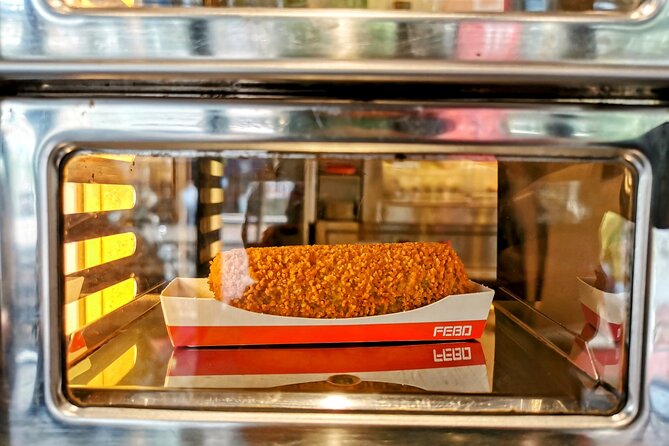
- 1) Croquette to kick things off (classic Dutch start)
- 2) Suriname pom: chicken, long beans, rice, and hot sauce
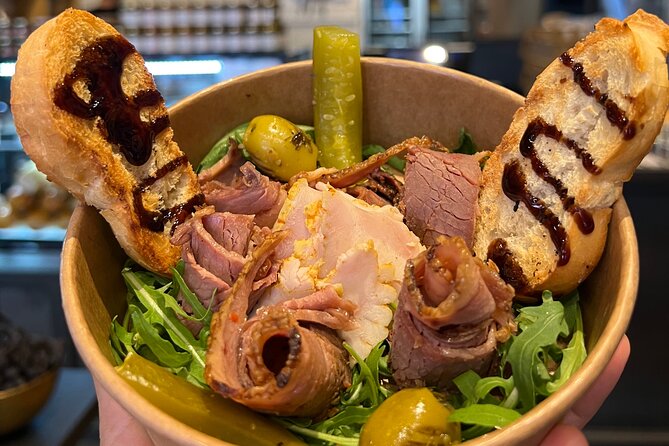
- 3) Israeli flavors: smoked brisket, chicken roulade, and balsamic vinaigrette
- 4) Dutch herring and kibbeling: fish stall comfort food
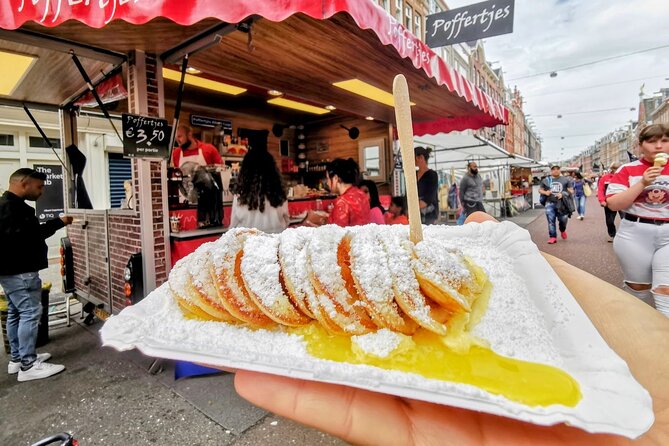
- 5) Poffertjes: tiny pancakes that bubble while you watch
- 6) Goudse stroopwafels from a maker with 45+ years
- 7) Takoyaki and ramen-style crossovers (Osaka meets Tokyo)
- 8) Patatje Oorlog fries: hand-cut fries with peanut sauce
- Albert Cuyp Market: why the route feels bigger than it sounds
- Timing and closures: your biggest planning challenge
- Portion reality: sharing is your friend
- Food choices: vegetarian works, vegan and gluten-free don’t
- Getting around De Pijp: what the walking route feels like
- Who should book this food route
- Should you book this Amsterdam self-guided food tour?
- FAQ
- Where does the self-guided tour start?
- How long is the tour?
- How many food stops are included?
- Are discounts and tastings included?
- Is the tour vegetarian-friendly?
- Do I need the PDF guide on my phone?
Key things I’d plan around before you go
- 7 of 8 stops come with discounts and tastings: the deals are the real money-saver, while food purchases are still on you.
- Albert Cuyp Market is part of the journey: you’re not just eating in restaurants; you’re walking through an outdoor day-market atmosphere.
- Each person needs their own PDF on a phone: discounts hinge on having your own copy ready at each stop.
- At least 6 stops are typically open: expect one or two misses sometimes, and build in flexibility.
- You’ll likely get full quickly: several bites are generous, so sharing helps you keep your momentum.
- Not for vegans or gluten-free needs: vegetarian options exist at many stops, but vegan and gluten restrictions aren’t supported.
Still hungry? More Amsterdam food walks and tastings
- Amsterdam: Traditional Dutch Syrup Waffle Making Workshop
★ 4.8 · 4,093 reviews - 10 Tastes of Amsterdam: Food Tour by UNESCO Canals and Jordaan
★ 5.0 · 3,020 reviews - Amsterdam: Light Festival Cruise + Stroopwafel & Hot Choco
★ 3.7 · 1,577 reviews - Amsterdam: Premium Henri Willig Cheese Tasting Experience
★ 4.7 · 1,106 reviews
Where De Pijp Takes Your Plates: Starting at FEBO
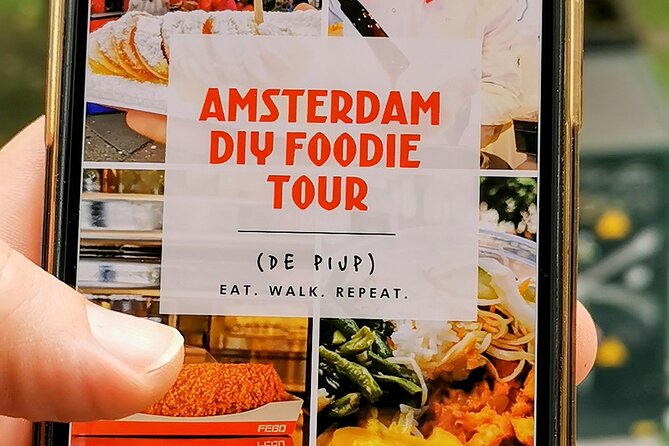
The tour begins at FEBO on Ferdinand Bolstraat. That’s useful, because you’re not trying to find a moving target or meet a guide at a random corner. From there, you follow a PDF with walking directions and Google Map links, so your phone becomes your route planner.
De Pijp is the right kind of neighborhood for a food crawl: you’re surrounded by local shops and casual eateries instead of one-off “tourist menus.” And because the route is self-guided, you can slow down for a stall you like—or speed up when you’re already happy with what you’ve tasted.
Price and value: $15 tour fee plus about €20 in food
The price is listed as $15 per group (up to 1), and the total cost of food is around €20 per person. That might sound like “extra spending,” but it’s also the reality of street food: you’re buying bites at multiple places.
Here’s the value logic I like: the tour fee buys you organization (a route you can actually follow), plus exclusive discounts and tastings at 7 out of 8 stops. If you use the discounts correctly—meaning your phone PDF is ready—your food bill tends to feel more controlled than if you were guessing and paying full price stop after stop.
In other words, you’re not paying $15 to get fed for free. You’re paying $15 so you can eat smarter, with a planned sequence that hits classic Dutch tastes and a few international detours.
The PDF guide system: how to stay on track without getting lost
This works because the guide is practical. You get a PDF with directions to each tasting stop, and it includes Google Map links to help you get to the next stop without turning your day into a guessing game.
Two details matter a lot:
- You need a smartphone with internet access.
- Each person joining must have their own copy of the PDF guide on their phone to be eligible for discounts and special tastings.
That sounds simple, but it can make or break the value. If you’re going with a friend, don’t rely on one phone between you. Set it up before you start walking.
Also, you’re told this tour runs rain or shine. So if the weather turns, don’t treat the plan like a “maybe later” thing. Keep moving, because opening hours and closing times can change day to day.
Other plates and glasses worth crossing Amsterdam for

Stop-by-stop food plan: the 8 bites you’re chasing
The route is designed to walk you through a mix of Dutch comfort food and international classics you’d normally have to research on your own. Expect a sequence that starts salty, keeps going, and ends with fries and sauce that feel like a final reward.
1) Croquette to kick things off (classic Dutch start)
You begin with a traditional Dutch croquette. It’s the perfect opening bite: handheld, savory, and easy to eat while you get your bearings in the De Pijp streets.
This first stop also helps you judge your pace. If you take your croquette slow, you might feel the rest of the day faster than planned. If you share, you’ll likely stretch the experience longer.
2) Suriname pom: chicken, long beans, rice, and hot sauce
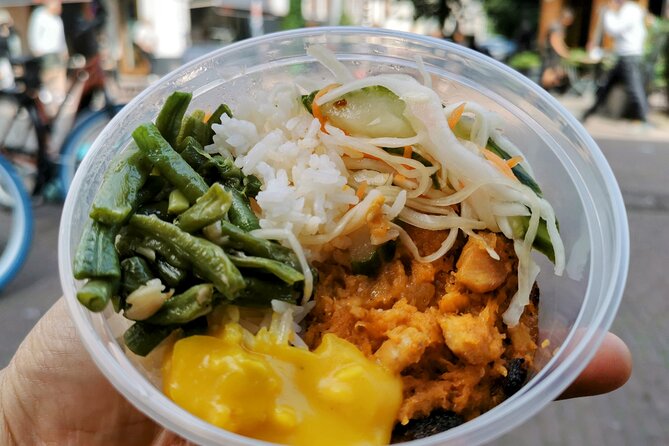
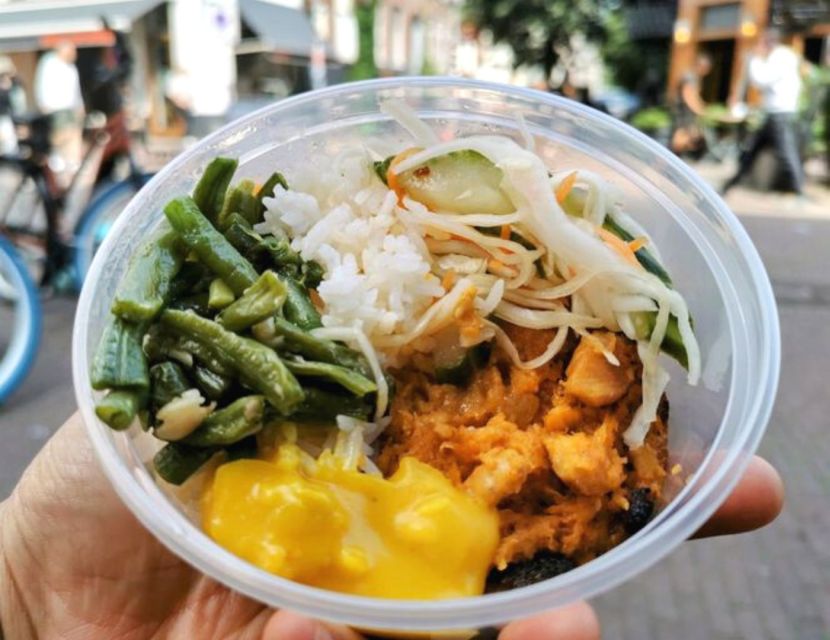
Next comes Suriname food, centered on pom, the national-dish-style comfort plate featuring oven-baked root with chicken. You’ll get a combo that includes long beans, rice, homemade pickles, and hot sauce.
Why this stop works: it’s not just “an international restaurant choice.” It’s a specific dish with clear identity. The flavors are a mix of hearty, tangy, and spicy, so it changes the rhythm after the Dutch croquette.
3) Israeli flavors: smoked brisket, chicken roulade, and balsamic vinaigrette
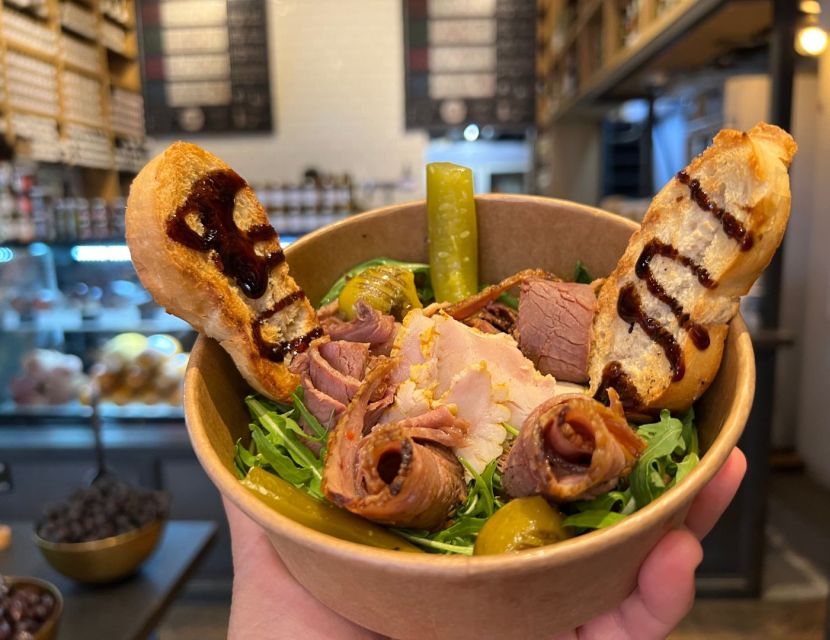
After that, you move into Israel-inspired bites with smoked beef brisket and chicken roulade. You’ll also have Israeli pickle, olives, and bread, finished with balsamic vinaigrette.
This is one of those stops where the bread-and-toppings format makes it easy to try several elements without committing to a full meal. Keep tasting small. The later Dutch sweets and pancakes are coming.
4) Dutch herring and kibbeling: fish stall comfort food
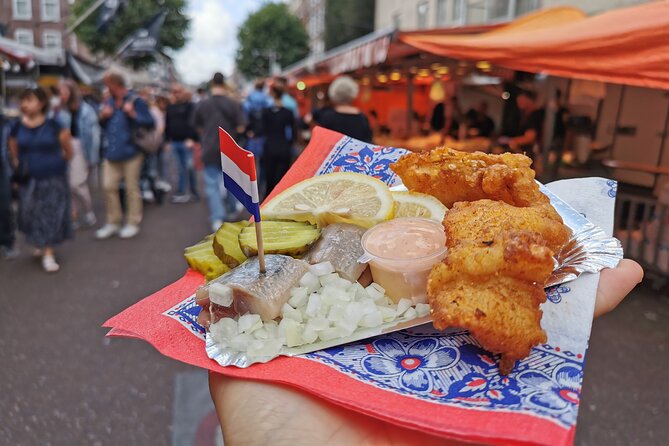
Then you hit a family-owned fish stall for fresh Dutch herring and kibbeling (fried cod). This is classic street-food logic: crispy, salty, and best eaten while it’s still hot.
If you’re picky about fish, this is still one of the clearer “what you’re getting” stops on the route because the items are straightforward. If you’re a fan, this is likely a highlight of the whole day.
5) Poffertjes: tiny pancakes that bubble while you watch
Sweet time arrives with poffertjes, the tiny Dutch pancakes. You get to see them bubble as they cook, which makes this stop feel less like a handout and more like a live moment.
Poffertjes also give you a breather. You’re not just eating sweets after several savory stops; you’re switching textures and heat levels, which helps the rest of the walk feel manageable.
6) Goudse stroopwafels from a maker with 45+ years
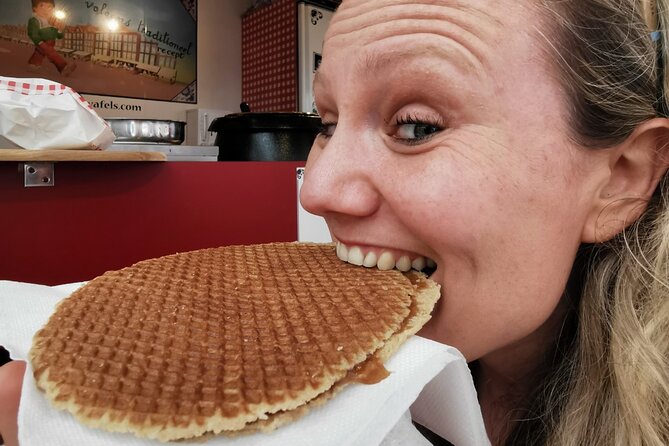
Next you’ll sample Amsterdam’s famous stroopwafel, including Goudse stroopwafels. The route mentions a family making them for more than 45 years, which matters because stroopwafel quality is often about technique, not just syrup.
If you’ve had stroopwafels before, you’ll notice whether the caramel flavor tastes deeper and the wafers taste fresher. If you haven’t, this is the kind of stop that teaches you why locals care.
7) Takoyaki and ramen-style crossovers (Osaka meets Tokyo)
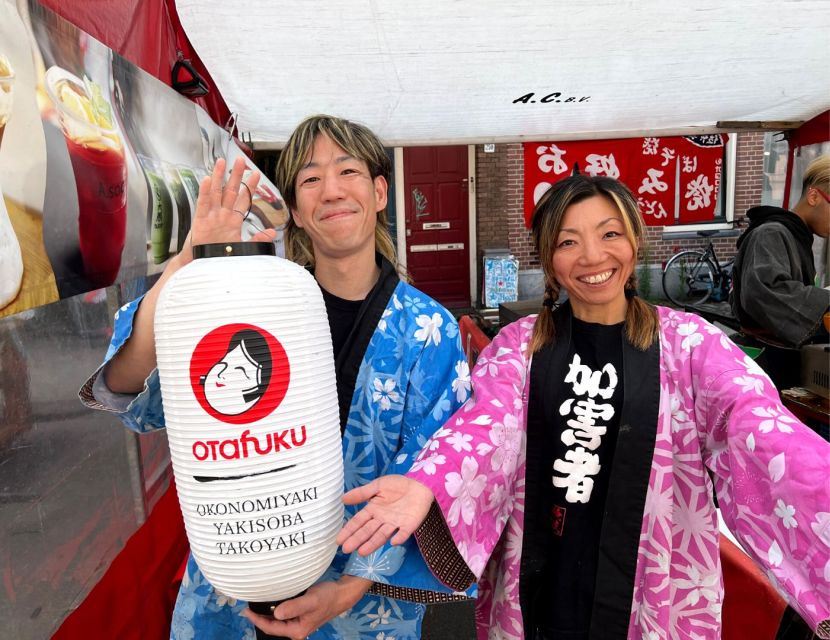
Then you switch to a snack that’s more “street food remix” than Dutch classic: takoyaki balls made by a takoyaki chef from Osaka who teamed up with a ramen specialist from Tokyo.
This stop is fun for a very specific reason: it adds a modern, international flavor pathway without breaking the walking rhythm. It’s a small, round bite you can handle easily while you keep moving toward the final stop.
8) Patatje Oorlog fries: hand-cut fries with peanut sauce
You finish with award-winning hand-cut fries and the quintessentially Dutch sauce combo known as Patatje Oorlog: peanut sauce, mayonnaise, and onions.
This ending works because fries with that sauce feel like a full stop to your food crawl. Even if the day is long, you end with something familiar enough to enjoy and strong enough to feel like a proper payoff.
Albert Cuyp Market: why the route feels bigger than it sounds
This experience is tied to Europe’s biggest outdoor day market, the Albert Cuyp Market. That’s a practical win: you get a real market setting without needing to plan a separate trip.
What you should expect: lots of stalls, a mix of quick bites, and a neighborhood atmosphere that’s more about daily shopping and eating than about a staged “market show.” Even if you only spend part of your time there, it adds texture to the whole day because you’re walking like a local, not only eating in one-and-done places.
Timing and closures: your biggest planning challenge
The tour is designed so you don’t get totally stranded. You’re told that at least 6 stops will always be open, but not every stop is guaranteed every day. Opening hours and prices can change, and rain or shine won’t automatically protect you from early closings.
In real terms, this means two things:
- Follow the route order shown in your PDF, rather than improvising late in the day.
- Treat the tour like a sequence, not a menu. If you wait too long, you can lose a later stop even if the earlier ones went well.
Also, self-guided means there’s no human reshuffle if a place is closed. If you find yourself at a stop that’s not working out, you’ll want to move on quickly and trust the remaining schedule.
Portion reality: sharing is your friend
A pattern I’d plan for: street food crawls can make you full faster than you think. The route has multiple savory bites plus sweets, and even if the tastings are smaller than full portions, the overall volume adds up.
My practical advice: share whenever it makes sense, especially for heavier items like fried snacks and saucy foods. If you’re with someone, splitting helps you taste more without turning the last two stops into an end-of-day struggle.
Food choices: vegetarian works, vegan and gluten-free don’t
Vegetarian options are available at 7 stops, which is good news if you eat vegetarian sometimes or mostly. That said, the tour is not suitable for vegans, and it’s also not suitable for people with gluten intolerance.
If you’re vegetarian, this can still be a satisfying day because you get enough variety across Dutch and international stops. If you’re vegan or gluten-free, you’ll need to think carefully: this route is built around specific foods (and bread-based items show up in the mix), and the data explicitly flags limitations for those diets.
Getting around De Pijp: what the walking route feels like
A self-guided tour like this is at its best when you’re comfortable with short, frequent walks. De Pijp is spread out enough to keep things interesting, but close enough that you’re not spending your whole day in transit.
Also, don’t forget you’ll need basic essentials: credit card, cash, and your charged smartphone. That combination matters because street-food style purchases can vary by shop, and you don’t want to be stuck mid-route because one place only takes cash.
Who should book this food route
This is a strong fit if you want:
- Independence: no guide, no scheduled group timing.
- A planned path through De Pijp food stops, so you don’t waste time researching.
- A mix of Dutch classics and international dishes like Suriname pom and Israeli smoked meats.
- Discounts and tastings that are attached to the route, not just to a general neighborhood search.
It’s less ideal if:
- You need guaranteed access to every single stop, every single day.
- You’re vegan or gluten-intolerant.
- You want a big guided “food explanation” experience from a person (there’s no tour guide included).
Should you book this Amsterdam self-guided food tour?
I’d book this if you like the idea of eating in layers: croquette first, then international savory hits, then sweets and a big Dutch finish. The structure is clear, and the value improves when you actually use the discount/tasting system with your own phone PDF copy.
Skip it if your priority is guaranteed stops with large, consistent tastings, because closures happen and the tour is explicit that not every stop is open daily. Also skip it if you’re vegan or gluten-free, since the experience isn’t set up for those needs.
If you’re a smart “follow the plan” walker who enjoys food that’s meant to be eaten on the move, this is a fun way to spend time in Amsterdam without relying on tourist menus.
FAQ
Where does the self-guided tour start?
It starts at FEBO on Ferdinand Bolstraat.
How long is the tour?
The tour is listed as a 7-day self-guided experience, with starting times depending on availability.
How many food stops are included?
The tour is described as visiting 6 to 8 family-owned businesses, with a total of 8 stops referenced in the tastings and discounts details.
Are discounts and tastings included?
Yes, you get exclusive discounts and tastings at 7 out of 8 locations, but food and drinks themselves are not listed as included. The total cost of food is around €20 per person.
Is the tour vegetarian-friendly?
Vegetarian options are available at 7 stops, but the tour is not suitable for vegans.
Do I need the PDF guide on my phone?
Yes. Each person joining must have their own copy of the PDF guide on their phone to be eligible for discounts and special tastings.
More Tours in Amsterdam






More Tour Reviews in Amsterdam






Tasting Amsterdam, Stop by Stop


Just added: fresh Amsterdam tour reviews





Amsterdam Food Tours, compared.
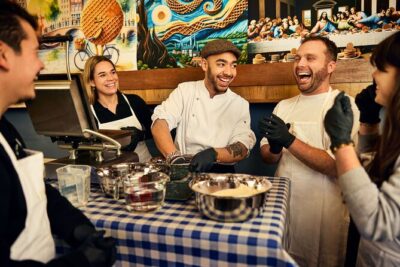 ★ 4.8Traditional Dutch Syrup Waffle Making WorkshopFrom $234,093 reviews
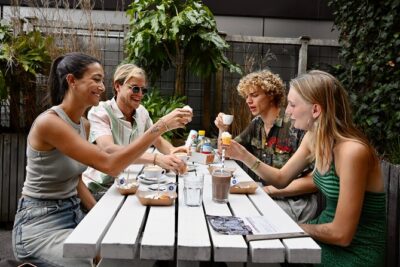 ★ 5.010 Tastes of Amsterdam: Food Tour by UNESCO Canals and JordaanFrom $1023,020 reviews
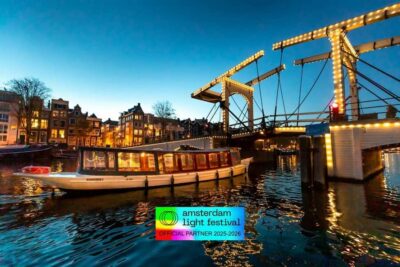 ★ 3.7Light Festival Cruise + Stroopwafel & Hot ChocoFrom $311,577 reviews
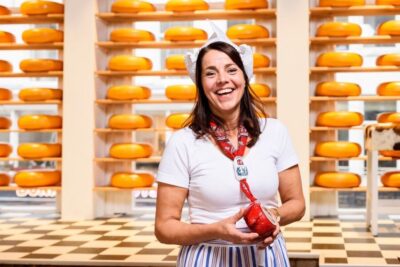 ★ 4.7Premium Henri Willig Cheese Tasting ExperienceFrom $211,106 reviews
★ 5.0Amsterdam Traditional Dutch Syrup Waffle Making WorkshopFrom $27960 reviews
★ 4.7Premium Henri Willig Cheese Tasting ExperienceFrom $211,106 reviews
★ 5.0Amsterdam Traditional Dutch Syrup Waffle Making WorkshopFrom $27960 reviews
 ★ 4.9Zaanse Schans, Cheese Tasting & Volendam TourFrom $20679 reviews
 ★ 4.0Zaanse Schans and Cheese Tasting Guided Tour from AmsterdamFrom $45661 reviews
 ★ 4.7Dutch Cheese Tasting Experience with WineFrom $23658 reviews
Browse the lists this tour appears in