
Reviewed · TICKETS
Amsterdam: Oude Kerk Entry Ticket
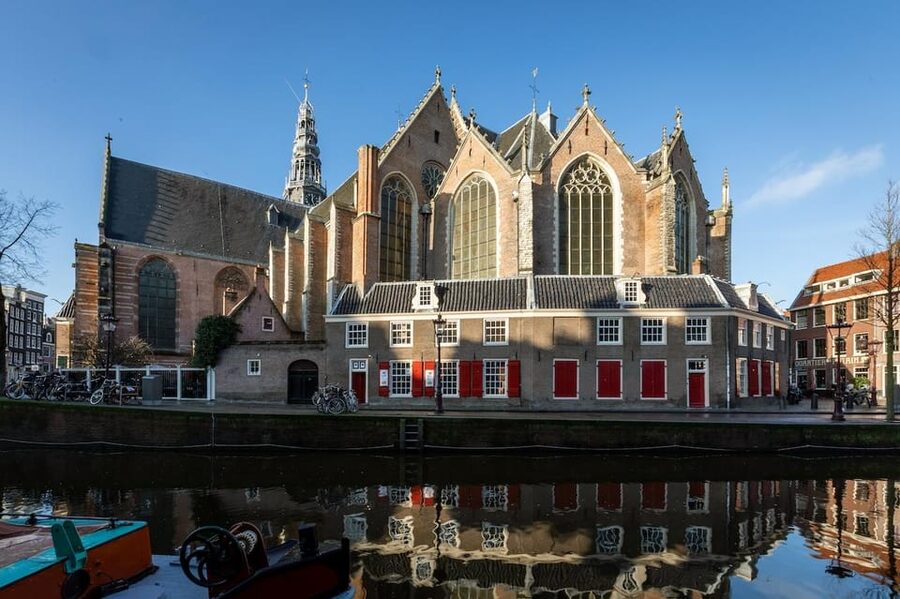
700 years in one church. Amsterdam’s Oude Kerk is the oldest building in the city, and it does something clever: it hosts rotating contemporary art inside ancient walls. I love how the building itself measures time, growing from a small wooden chapel around 1250 to a large hall church around 1570.
I also like the audio guide setup, because it helps you connect what you’re seeing to the church’s real role in daily Amsterdam life—trade, ceremonies, and community gatherings—while the art and music programming keep things moving into the present. One drawback to keep in mind: the mix of dim interiors and contemporary pieces can feel unsettling to some people, especially if you’re sensitive to eerie atmospheres.
In This Review
- Key highlights for your Oude Kerk visit
- Oude Kerk in Amsterdam: more than a pretty old church
- Contemporary art inside an ancient shell: what you’ll actually see
- How to plan your 1-day visit: pacing, order, and the audio guide
- Walking through centuries: from 1250 chapel to the 1570 hall church
- A quick note on atmosphere
- Monuments, Iron Chapel, and famous Amsterdammers’ resting places
- Music series, performances, and artist talks you might catch
- Tower views: what one visitor loved (and how to treat it)
- Koffieschenkerij: the calm break inside the church complex
- Price and value: is $16 USD worth it?
- Who should book this Oude Kerk entry ticket, and who might skip
- Should you book? My practical decision guide
- FAQ
- What does the Amsterdam Oude Kerk entry ticket include?
- Is a guide included with the ticket?
- How long is the ticket valid for?
- What languages are available for the audio guide?
- How much is the ticket?
- Is there food or drinks included?
- Is the site wheelchair accessible?
- Is free cancellation available?
Key highlights for your Oude Kerk visit
- Amsterdam’s oldest building: Built up from a wooden chapel (c. 1250) into a hall church (c. 1570)
- Rotating contemporary art made exclusively for the church’s space
- Monuments and final resting places for many well-known Amsterdammers
- A church that functioned like a community hub: records, weddings, concerts, and more
- On-site audio guide in multiple languages to pace yourself at your own speed
- Koffieschenkerij courtyard nearby for a calmer coffee break
Still deciding? A few more Amsterdam tours worth a look
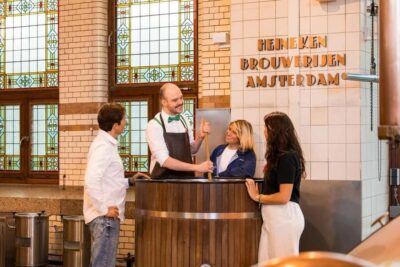
- Amsterdam: Heineken Experience Ticket including 2 Drinks
★ 4.6 · 36,014 reviews - Amsterdam: Rijksmuseum Entry Ticket
★ 4.7 · 29,512 reviews - Amsterdam: Icebar Entry Ticket with 3 Drinks
★ 4.2 · 14,562 reviews - Amsterdam: The Upside Down Experience Entrance Ticket
★ 4.4 · 11,918 reviews
Oude Kerk in Amsterdam: more than a pretty old church
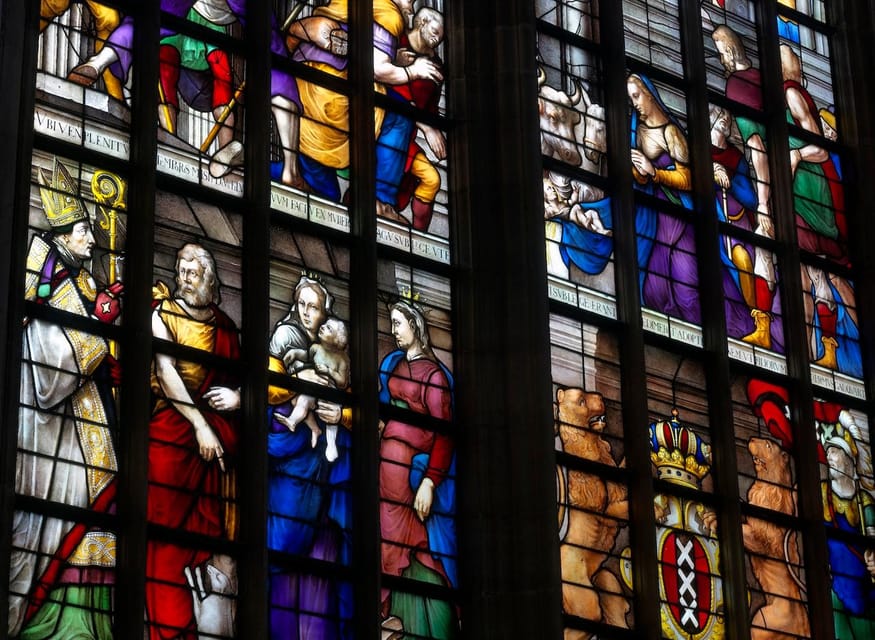
The first thing you notice at the Oude Kerk is the scale of time. This is not an old building you only look at from the outside; you walk inside a structure that has been in use for centuries. The church started as a wooden chapel around 1250. Later, it grew into the hall church shape around 1570. That mix of eras matters because you can literally see how Amsterdam’s history is layered rather than packaged.
What I like most is that the Oude Kerk never stops being social. Yes, it’s a church. But it has long been a meeting place, and that shows in how the space is used today. In earlier centuries, fishermen came here to mend nets and sails. Important city papers were kept in the Iron Chapel. Couples signed marriage certificates in the Oude Kerk. And the building has also hosted trade activity and concerts. When you understand that background, the contemporary art installations feel less random. They’re part of the same ongoing story: a space for people, ideas, and community moments.
Contemporary art inside an ancient shell: what you’ll actually see
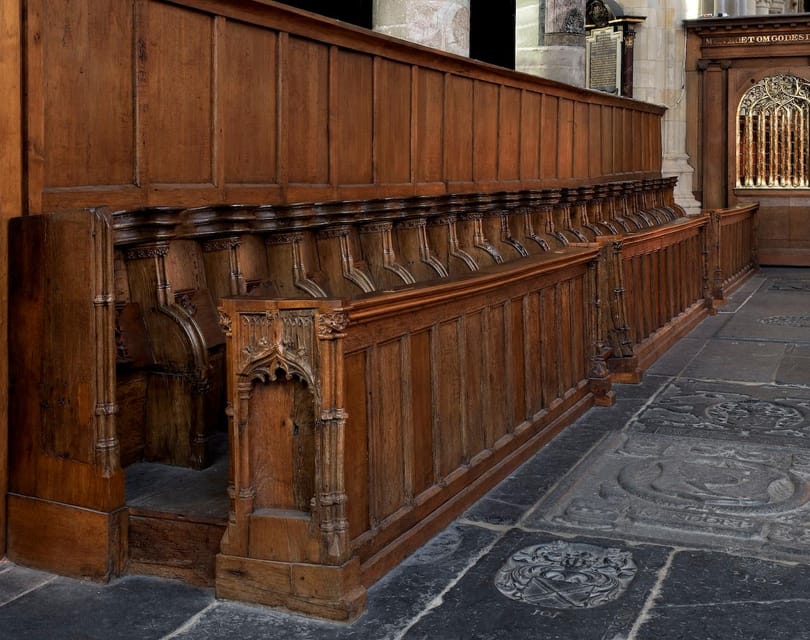
The “wow” factor here isn’t just age. It’s the way the church becomes a stage for contemporary work. The Oude Kerk invites artists to create new pieces exclusively for this location, and the program is designed to connect past, present, and future. Two large art commissions are awarded each year to leading artists, which is a strong clue that you’re not seeing the same show forever.
Expect rotating contemporary art exhibitions that respond to the room. Some installations can adapt to the space. Others intentionally contrast with the historic environment. That’s the key: you’ll likely see art that feels like it belongs in the church—and also art that pushes against it. For most visitors, that contrast is the point. For a smaller group, it can be emotionally intense. I’m not saying it will be scary, but I am saying to take seriously that the atmosphere can be dark and the contemporary pieces are sometimes made to unsettle you.
If you’re the type who wants your art in tidy categories—religious here, modern there—you might find the experience jarring. If you like the conversation between eras, you’ll probably enjoy the push-pull.
How to plan your 1-day visit: pacing, order, and the audio guide
This ticket is valid for one day, and that’s perfect for a self-guided visit. No guide is included, so you’ll rely on the audio guide and your own pace. That’s not a downside—it’s a chance to go slower. Inside a large historic church, you want flexibility. Your mood will change as the space gets quieter, then brighter, then darker again.
A practical way to structure your time:
- Start with the audio guide context. Pick your language (English is available, plus Dutch, German, French, Spanish, and Italian). Use it early so the building’s history becomes a map for everything else you’ll see.
- Move through the contemporary exhibitions with a steady rhythm. Don’t rush to “finish.” Contemporary art often rewards lingering—especially in a place where the architecture is constantly changing your viewpoint.
- Look for the monuments and final resting places. This is one of the most meaningful parts of the site. Even if you’re not a cemetery person, it helps you understand that this was a real place for real lives.
- Wrap with the meeting-place story. The church has always been social: papers, weddings, concerts, and trade. When you notice those themes, you start reading the space like a timeline.
Because the experience includes an audio guide, you don’t need to be an art scholar. You just need to listen and look. If you prefer spoken context, stick close to the audio guide’s themes. If you prefer freedom, use it as a support tool and then let your eyes wander.


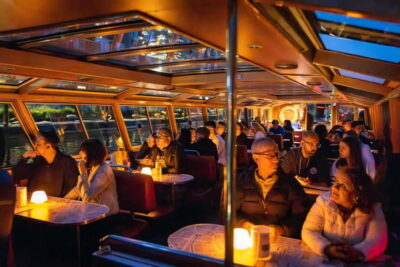
Walking through centuries: from 1250 chapel to the 1570 hall church
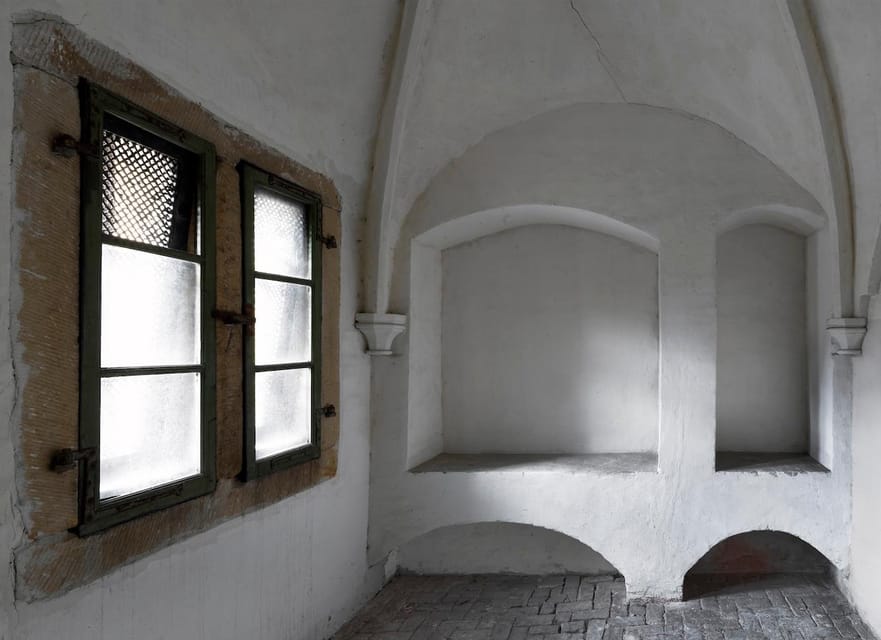
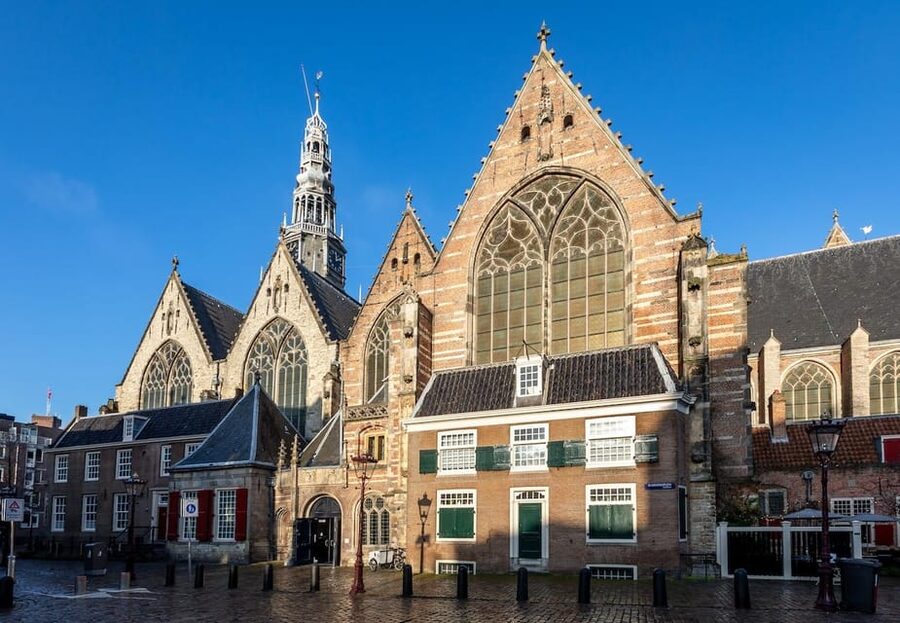
The Oude Kerk’s long evolution is one of the most valuable parts of a ticket like this. The church doesn’t pretend to be a single moment in history. It grew—from a small wooden chapel around 1250 to an extensive hall church around 1570. That means you’re not just visiting a building that happens to be old. You’re visiting a building that changed with the city.
This is why it’s worth slowing down. In places like this, the architecture becomes part of the interpretation. Even without a guide, you can often sense the different phases by how the interior opens, how the space feels, and how the light lands across surfaces. The contemporary installations also help you read the older structure, because artists tend to highlight shape, height, and acoustics.
A quick note on atmosphere
I’ll be honest: the church’s interior is not an “everything is bright and friendly” kind of museum. The combination of an ancient shell and serious contemporary work can feel eerie to some people. If you want comfort and cheerful visuals only, you may prefer a different stop. If you can handle brooding spaces, you’ll likely find this one memorable.
Monuments, Iron Chapel, and famous Amsterdammers’ resting places
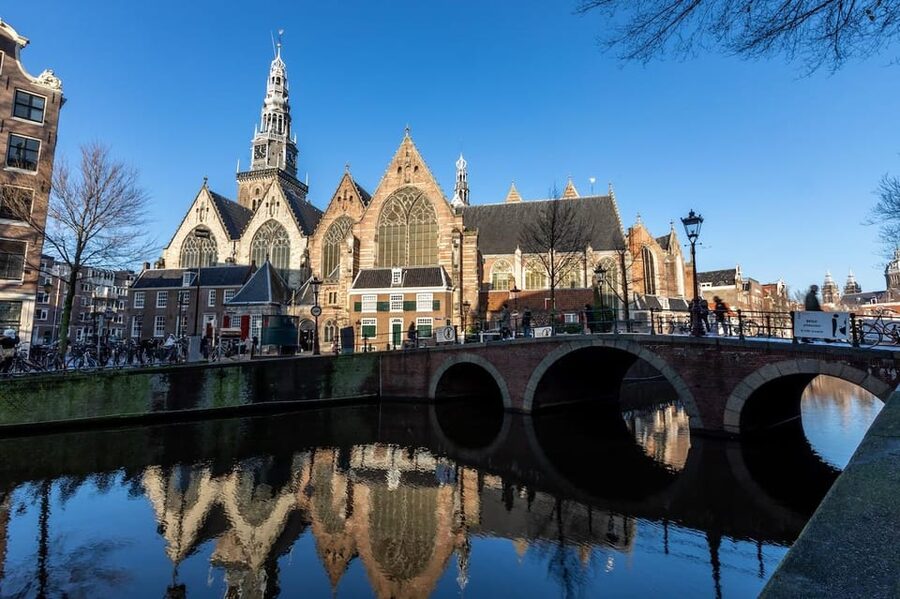
One of the highlights is seeing the final resting place of many renowned Amsterdammers. This shifts the mood from art appreciation to reflection. Even if you don’t know every name, you’ll feel the weight of the space. It’s not just decoration—it’s history connected to real people.
Another big theme is the Iron Chapel, where important city papers were kept. That detail matters because it positions the church as infrastructure for civic life, not just a religious site. When you connect that to the marriage certificates, the concerts, and the trade activity, the Oude Kerk starts to read like a community center that happened to have a sacred role.
Practical advice: when you reach areas tied to these stories, don’t treat them like background scenery. Take a minute. Read what you can. Let it slow your pace. These moments are often why people remember the Oude Kerk later, long after they’ve forgotten the exact artwork titles.
Music series, performances, and artist talks you might catch
This ticket focuses on entry to the church and exhibitions, plus the audio guide. But the Oude Kerk also runs a broader public program built around the commissioned art. There are references to music series like Silence, Monuments and to performances, guided tours, and artist talks.
Even if your visit doesn’t align with a specific event, the program concept shapes the whole place. The exhibitions aren’t only about visuals; they’re connected to sound, performance, and conversation. If you happen to spot a scheduled talk or music session during your visit window, it can add a layer that’s hard to replicate with a self-guided walk.
Tower views: what one visitor loved (and how to treat it)
One verified review mentioned the tower climb and said the views over Amsterdam were great. That’s useful, but I don’t want to overpromise tower access as part of every visit because the activity details here don’t explicitly spell it out.
What I’d do: if you notice any signage or options related to tower entry on-site, consider it a bonus. If you don’t see it available, don’t let that ruin your expectations. The core value of the ticket is the church itself—its centuries of use, plus the contemporary art in a working historic monument.
Koffieschenkerij: the calm break inside the church complex
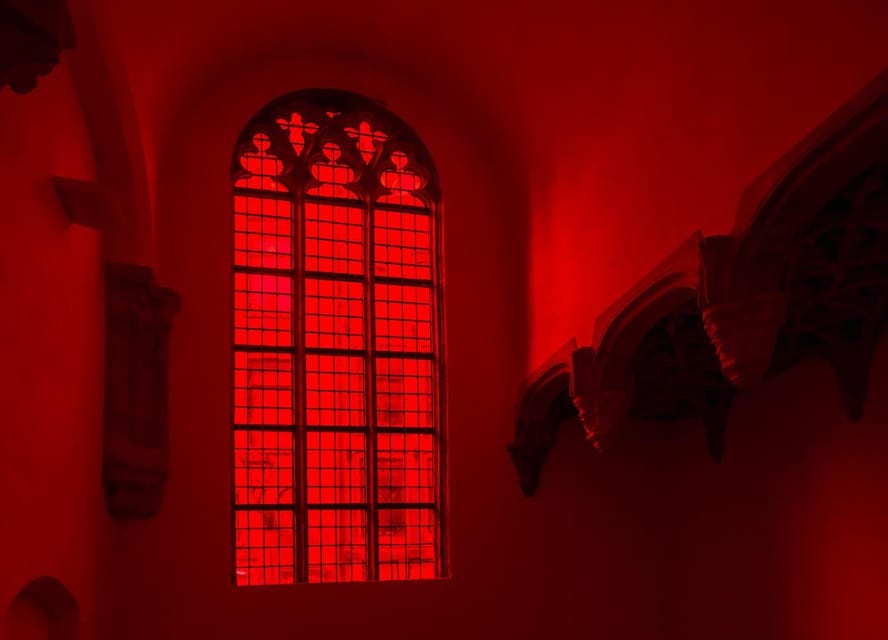
You don’t have to eat your way through the visit. Right next to the church experience is the Koffieschenkerij, set in a historical annexe. It’s a small retreat from the street noise, with a courtyard garden that’s open daily. You can grab coffee, tea, lemonade, and cake.
This is a smart add-on because it gives your brain time to reset. Contemporary art can be intense. Looking at monuments can be heavy. A quiet courtyard break makes the whole visit feel more complete, instead of like you were rushing through eras back-to-back.
Price and value: is $16 USD worth it?
At about $16 per person for entry plus exhibitions and an audio guide, the Oude Kerk is priced in a way that makes sense for a central Amsterdam stop. You’re not paying just for entry into an old building. You’re paying for:
- access to a long-used historic monument
- rotating contemporary exhibitions created for the site
- a built-in explanation tool (the audio guide)
- the chance to see monuments and the church’s community-life story
The best value comes if you use the audio guide instead of treating it like an optional extra. If you’re the type who reads labels only when you’re interested, you might not get full value. But if you like context—how the church operated in society and how artists interpret that setting—this ticket can feel like a solid bargain.
Also, since the ticket is valid for one day, you can time your visit when your energy is best. That matters in Amsterdam. You might start with a focused morning and then finish with an art-and-reflection pacing later in the day.
Who should book this Oude Kerk entry ticket, and who might skip
Book it if you want a one-stop Amsterdam experience that combines:
- old architecture that’s still alive as a public space
- contemporary art that responds to place (not art stuck in a white box)
- a meaningful look at Amsterdam’s past through community life and monuments
You might skip (or at least go in with eyes open) if:
- you strongly dislike contemporary art installations in historic settings
- you feel uncomfortable in dim, echoing spaces
- you want only guided interpretation with a person leading the storyline
It’s also a good choice if you travel independently. The included audio guide lets you control your pace, and you don’t need to schedule around a tour guide.
Should you book? My practical decision guide
If you’re curious about how Amsterdam layers centuries of life into one place, I’d book the Oude Kerk entry ticket. The combination of rotating contemporary art commissions and the church’s community history is exactly the kind of cultural stop that feels authentic rather than generic.
If you hate mixed mood experiences—beautiful old space plus art that can feel unsettling—then consider visiting when you’re in the right headspace, or pair it with something more light and modern afterward. But don’t write it off. Even when the art is challenging, the building and the stories tied to it are the kind of things you don’t get from a quick photo stop.
FAQ
What does the Amsterdam Oude Kerk entry ticket include?
Your ticket includes entry to the church and the exhibitions, plus an audio guide.
Is a guide included with the ticket?
No. A guide is not included.
How long is the ticket valid for?
The ticket is valid for 1 day.
What languages are available for the audio guide?
The audio guide is available in Dutch, English, German, French, Spanish, and Italian.
How much is the ticket?
The price is $16 per person.
Is there food or drinks included?
No. Food and drinks are not included.
Is the site wheelchair accessible?
Yes, it is wheelchair accessible.
Is free cancellation available?
Yes. You can cancel up to 24 hours in advance for a full refund.
If you want, tell me what day/time you’re visiting Amsterdam and what kind of art you usually like (or dislike), and I’ll suggest a smart visit order to match your style.
More Tickets in Amsterdam





More Tour Reviews in Amsterdam




Just added: fresh Amsterdam tour reviews





Tickets, compared.
 ★ 4.6Heineken Experience Ticket including 2 DrinksFrom $2936,014 reviews
 ★ 4.7Rijksmuseum Entry TicketFrom $3129,512 reviews
 ★ 4.2Icebar Entry Ticket with 3 DrinksFrom $2614,562 reviews
 ★ 4.4The Upside Down Experience Entrance TicketFrom $3011,918 reviews
 ★ 4.5Madame Tussauds TicketFrom $1911,438 reviews
 ★ 4.7Fabrique des Lumières Monet Entry TicketFrom $219,323 reviews
 ★ 4.6Royal Palace Entry Ticket + Audio guideFrom $157,889 reviews
 ★ 4.2Red Light Secrets Museum Entry TicketFrom $175,722 reviews