
Reviewed · MUSEUMS
Amsterdam National Maritime Museum Skip-the-line-Ticket
Ships and stories, minus the ticket line. The Amsterdam National Maritime Museum ticket gets you in quickly, so you can spend more time with model ships, maps, and the Netherlands at sea. I especially liked the ship recreation moments (including a 3D-animated feature) and the way the 1-hour audio guide helps you pace your visit instead of wandering aimlessly. One thing to plan for: the museum is content-heavy, so if you want a super quick stop, you’ll need to choose what to hear and what to skip.
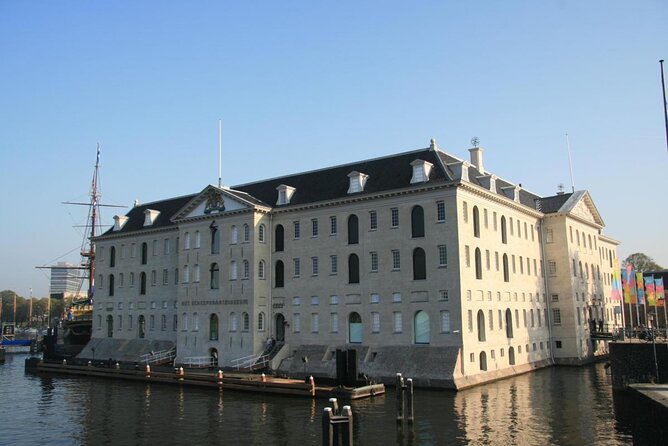
You start in a working-feeling setting: the museum sits in a restored 17th-century Arsenal, once tied to the Royal Dutch Navy storehouse, with a glass roof over the courtyard that makes the whole place feel airy. Located at Oosterdok (East Dock), it fits naturally into a port-and-waterfront day in Amsterdam. The ticket is mobile, it’s offered in English, and it’s wheelchair-friendly, so it’s an easy win for many visitors.
In This Review
- Key highlights to focus on
- Where Het Scheepvaartmuseum Fits in Amsterdam’s Maritime Story
- Getting In Fast: Using Your Skip-the-line Mobile Ticket
- The 17th-Century Arsenal and Courtyard Roof You’ll Notice Immediately
- Your 1-Hour Audio Guide: Use It as a Route, Not a Script
- Golden Age Galleries: Instruments, Maps, and the Visual Power of Seafaring
- The Dutch East Indiaman Recreation and Why the 3D Animation Works
- Interactive and Family-Friendly Displays Without Feeling Like a Children’s Museum
- A Virtual Seafaring Moment and the Old Amsterdam Port Feeling
- The Replica 18th-Century Cargo Ship Outside
- How Much Time You Need: From 30 Minutes to 1.5 Hours
- Price and Value: Is $24.03 Worth It?
- Who Should Book This Skip-the-line Ticket
- Should You Book This Skip-the-line Ticket?
- FAQ
- What is the duration of the Amsterdam National Maritime Museum skip-the-line ticket?
- What does the ticket include?
- Is the audio guide available in English?
- Do I need hotel pickup or drop-off?
- Can I get a mobile ticket?
- Where do I go?
- Is there free cancellation?
- Is the museum wheelchair-friendly?
Key highlights to focus on
- Fast-access entry: use your ticket to bypass the ticket line and walk straight into the museum.
- Restored Arsenal setting: a 17th-century Royal Dutch Navy storehouse turned into a major maritime museum.
- 1-hour audio guide (included): a practical route through the highlights at your own pace.
- Golden Age exhibits in the main halls: globes, navigation instruments, ship decorations, and maritime scenes.
- Dutch East Indiaman ship recreation with 3D animation: a standout visual way to understand seafaring.
- Replica ship experience outside: an 18th-century Amsterdam cargo ship replica rounds out the story.
Still deciding? A few more Amsterdam tours worth a look
- Amsterdam: Heineken Experience Ticket including 2 Drinks
★ 4.6 · 36,014 reviews - Amsterdam: Rijksmuseum Entry Ticket
★ 4.7 · 29,512 reviews - Amsterdam: Icebar Entry Ticket with 3 Drinks
★ 4.2 · 14,562 reviews - Amsterdam: The Upside Down Experience Entrance Ticket
★ 4.4 · 11,918 reviews
Where Het Scheepvaartmuseum Fits in Amsterdam’s Maritime Story
If you want to understand Amsterdam beyond canals and bikes, the National Maritime Museum is a strong, logical stop. The Netherlands’ rise in the 1600s wasn’t just about trade in general. It was powered by navigation, shipbuilding, and the ability to keep ships moving across big distances.
This museum doesn’t treat maritime history like a dusty topic. It connects the gear and the artwork to real-world sea travel. You see how maps, instruments, and ship design shaped what Dutch sailors could do, and why that mattered back in the Golden Age.
Getting In Fast: Using Your Skip-the-line Mobile Ticket
The biggest practical advantage here is simple: you skip the ticket line. That matters more than it sounds, especially in a big museum where waiting can quietly steal your best energy.
You’ll travel independently to Het Scheepvaartmuseum at Oosterdok (East Dock). Once you arrive, use the fast-access ticket to go in. Because the ticket is mobile, you can keep everything on your phone instead of hunting for paperwork. The experience is listed in English, and you’ll have your admission included with the audio guide.
Also, plan to show up around the 10:00 am start time listed for the experience window. Even if your exact entry time can vary, arriving close to the start keeps your visit aligned and reduces any last-minute stress.
The 17th-Century Arsenal and Courtyard Roof You’ll Notice Immediately
One of the best reasons to pick this museum is where it’s housed. The National Maritime Museum is set in a restored 17th-century Arsenal, tied to the Royal Dutch Navy as a storehouse. That old naval purpose shows up in the building’s feel: sturdy, functional, and built for serious use.
Then you step into a modern touch: a glass roof over the courtyard. It’s one of those details that changes your mood in seconds. Instead of feeling like you’re trapped in old stone corridors, you get light and open space, which makes the collections easier to enjoy.
When you’re planning a museum visit in Amsterdam, I like places where the building itself is part of the experience. Here, it is. You’re not only looking at maritime history; you’re inside a structure that once supported maritime power.
More gallery time in Amsterdam
Your 1-Hour Audio Guide: Use It as a Route, Not a Script
The ticket includes a 1-hour audio guide. That’s a sweet amount of time for two reasons. First, it’s long enough to give you context. Second, it doesn’t bully you into staying for hours just to finish the audio.
On arrival, you collect the audio guide and follow a guided walkthrough of highlights. The key is that it’s not a full guided group tour with rigid rules. You can take it as a route, pausing when something catches your eye and moving on when you’ve got the idea.
If you’re visiting with kids, the audio approach can also help you avoid the classic museum problem: everyone ends up stuck reading labels. The audio guide gives you a way to focus on major themes while you still have freedom to wander into exhibits that look fun.
Practical tip: during your first rooms, listen actively. In later galleries, you can switch to selective listening. That keeps the visit from turning into information overload.
Golden Age Galleries: Instruments, Maps, and the Visual Power of Seafaring

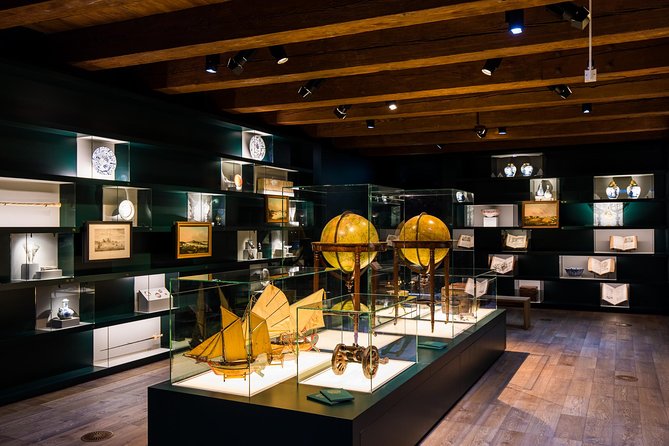
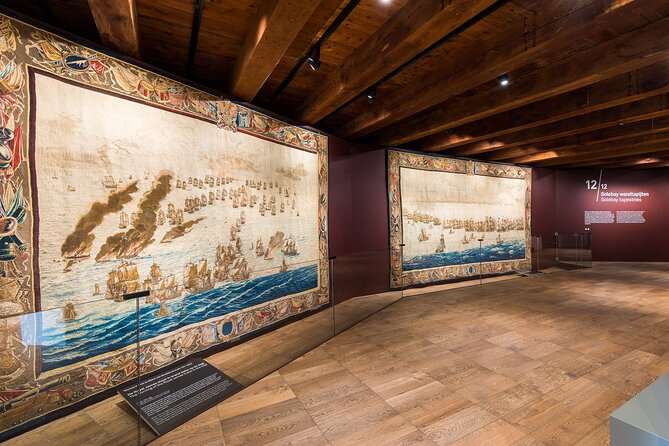
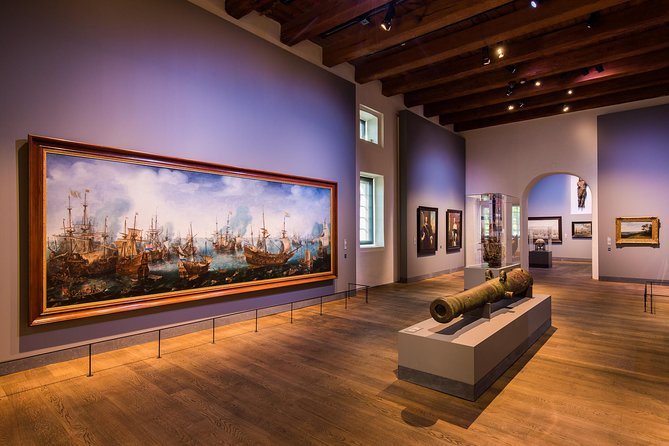
This is where the museum earns its reputation. The halls focus on the Netherlands’ maritime Golden Age, especially the 17th century. You’ll spend time in spaces filled with globes, navigational instruments, ship decorations, and maritime landscapes.
One of the useful tools in these galleries is the use of high-definition screens that chart maritime power during that era. Instead of only reading background context on paper, you can see the story unfold. It helps you connect the objects you’re seeing to broader patterns like trade routes, naval reach, and ship capability.
You’ll also find exhibits that highlight how sailors navigated and what tools made that possible. Even if navigation technology isn’t your usual interest, these displays help explain the logic behind how ships traveled and how crews planned their journeys.
And then there’s the part that often grabs people fast: the ship recreation experiences. The museum includes a replica connected to the Dutch East Indiaman, and inside you’ll encounter 3D animation as part of that setup. It’s one of the easiest ways to turn a collection of objects into a clear, moving story.
The Dutch East Indiaman Recreation and Why the 3D Animation Works

A ship replica can be impressive just by existing, but what makes this museum moment memorable is the way it’s staged. The Dutch East Indiaman recreation is paired with an animation sequence inside, including 3D visuals.
That matters because maritime history can feel abstract. “This was a ship” is one thing. “This is how it operated and what it represented” is another. The 3D element helps you bridge the gap between models and real life.
If you like hands-on explanation even in museums, this is the section that tends to click. You can look at objects and still feel like you understand their purpose, not just their appearance.
Also, the museum has an East wing with lots of art, artifacts, and photographs tied to maritime life. If you’re the type who likes visual evidence of history, this wing is a strong stop.
Interactive and Family-Friendly Displays Without Feeling Like a Children’s Museum
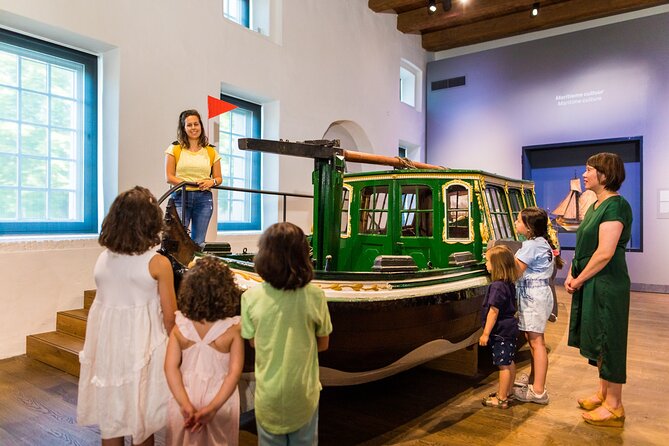
The collections aren’t only for adults. There are exhibits designed for children, and you’ll find interactive displays that make it easier for different ages to stay engaged.
That doesn’t mean the museum turns into a theme park. It just means the exhibits offer ways to participate, not only observe. For parents or grandparents, that’s a big deal. You get a place where kids can have fun without you having to completely give up on the serious parts.
If you’re traveling as a couple or solo, the interactive elements can still help. They give your brain a break from reading and give you a quick entry point before you move back into the more detailed instrument-and-ship galleries.
A Virtual Seafaring Moment and the Old Amsterdam Port Feeling
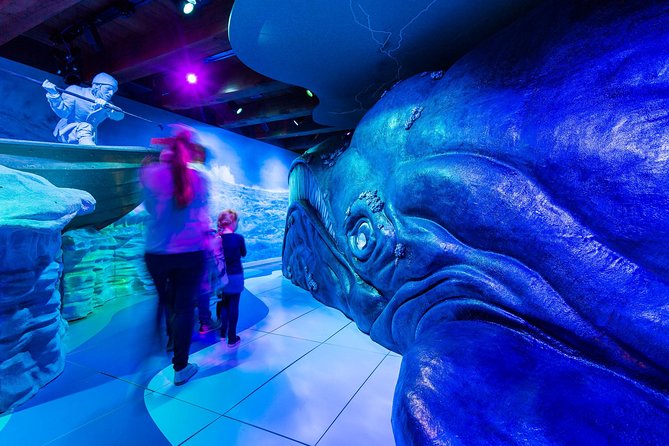
Part of the museum experience is a “virtual seafaring” style journey. That concept shows up as a guided-type attraction that helps connect the dots between Amsterdam as a port city and the ships that made commerce and navigation possible.
There’s also a journey through old Amsterdam port scenes, which helps you visualize what maritime operations looked like when the city depended heavily on the sea. If you like history that includes atmosphere, this part can be surprisingly effective because it shifts you from objects to a sense of place.
Even if you’re not a deep-history person, these sections can provide context quickly. You’ll come out with a better mental map of why certain exhibits matter.
The Replica 18th-Century Cargo Ship Outside
Don’t skip the exterior finish. The museum includes a showpiece: a replica of an 18th-century Amsterdam cargo ship you can explore outside after you’ve worked through the interior exhibits.
This part is useful because it changes your perspective. Inside, you’re surrounded by models, instruments, screens, and storytelling. Outside, the ship shape and scale become easier to grasp in a more physical way.
If you’re trying to understand how cargo ships fit into maritime power, seeing the replica after the Golden Age galleries gives you a satisfying “okay, I get it” moment. It’s the kind of capstone that makes the earlier details feel more grounded.
How Much Time You Need: From 30 Minutes to 1.5 Hours
Duration is listed as about 30 minutes to 1 hour 30 minutes, and that range is realistic because you control your pacing. Since fast entry removes a waiting buffer, even a short visit can feel worthwhile if you choose priorities.
Here’s how I’d plan it depending on your style:
- If you have 30 to 45 minutes: go for the main highlights plus the ship recreation feature, then finish with a quick pass outside to see the replica cargo ship.
- If you have about 60 minutes: follow the audio guide route through the key galleries, then add time for the 3D animation moment and a short outdoor walk.
- If you can spare 90 minutes: listen to most of the audio, spend extra time with navigation instruments and globes, and take a longer look at the art-and-photo areas.
Don’t underestimate the power of choosing. The museum works best when you treat it like a menu. Pick the items that match your curiosity, and let the rest remain for a future visit.
Price and Value: Is $24.03 Worth It?
At $24.03 per person, this ticket sits in the “reasonable museum add-on” category for Amsterdam. The value part is not only admission. It includes a 1-hour audio guide, and the ticket is designed for convenience with skip-the-line access.
That means you’re paying for three practical things:
- You avoid the main waiting hassle.
- You get a structured way to understand what you’re seeing.
- You can still roam freely instead of being tied to a group schedule.
The one cost to remember is that transportation and food are not included. So the total day cost depends on how you get there and what you eat afterward. Still, as stand-alone museum value, this is a solid option because you’re not paying extra for the audio portion.
Also, it’s commonly booked about 21 days in advance, which is a hint of consistent demand. If you’re visiting in peak periods, booking ahead is a smart way to avoid last-minute scramble.
Who Should Book This Skip-the-line Ticket
This works especially well if you:
- Want a focused introduction to Dutch maritime history without committing to a multi-hour museum day.
- Appreciate ship replicas and visual explanation, especially when the storytelling includes 3D animation.
- Need an option that’s suitable for mixed ages thanks to exhibits designed for children and interactive displays.
- Prefer English audio rather than a full live guide style.
It’s also a good choice for people who use mobility aids. The museum is wheelchair-friendly, and the setting helps you move through spaces without feeling like everything is up stairs or unreachable corners.
If you prefer a guided tour with a live person talking the entire time, this may not fully replace that. But for a self-paced visit with help built in, it’s a strong fit.
Should You Book This Skip-the-line Ticket?
I’d book it if your goal is a smooth, meaningful maritime museum visit with minimal waiting. The skip-the-line feature matters, and the included 1-hour English audio guide gives you structure without removing freedom.
I’d think twice if you only want the absolute fastest museum stop and hate being surrounded by lots of information. In that case, even with audio support, you may feel pulled in many directions. But if you’re willing to pick priorities, you can leave with a real understanding of Amsterdam’s sea connection.
Overall, it’s a practical ticket for a museum that makes maritime history feel tangible, from navigation tools to ship reconstructions and the big cargo ship replica outside.
FAQ
What is the duration of the Amsterdam National Maritime Museum skip-the-line ticket?
The experience is listed as about 30 minutes to 1 hour 30 minutes.
What does the ticket include?
Admission to Het Scheepvaartmuseum is included, along with a 1-hour audio guide.
Is the audio guide available in English?
Yes, the experience is offered in English.
Do I need hotel pickup or drop-off?
No. Hotel pickup and drop-off are not included.
Can I get a mobile ticket?
Yes, the ticket is mobile.
Where do I go?
You travel independently to Het Scheepvaartmuseum at Oosterdok (East Dock) in Amsterdam.
Is there free cancellation?
Yes. Free cancellation is available up to 24 hours in advance for a full refund.
Is the museum wheelchair-friendly?
Yes, the museum is wheelchair-friendly.
More Amsterdam Museums





More Tickets in Amsterdam






More Tour Reviews in Amsterdam



Just added: fresh Amsterdam tour reviews





Museums, compared.
 ★ 4.2Red Light Secrets Museum Entry TicketFrom $175,722 reviews
 ★ 4.5Amsterdam’s Weirdest Museum: Ripley’s Believe It or Not!From $264,920 reviews
 ★ 4.6Van Gogh Museum Ticket and City Canal CruiseFrom $473,899 reviews
 ★ 4.5Van Gogh Museum Ticket & Canal CruiseFrom $473,304 reviews
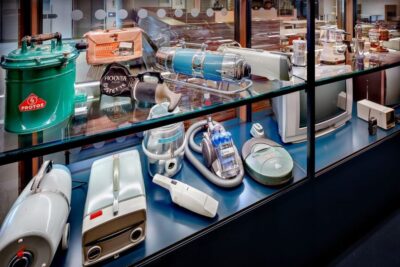 ★ 4.4NEMO Science Museum TicketFrom $252,979 reviews
 ★ 5.0Van Gogh Museum Amsterdam Exclusive Tour w/ Reserved EntryFrom $1731,760 reviews
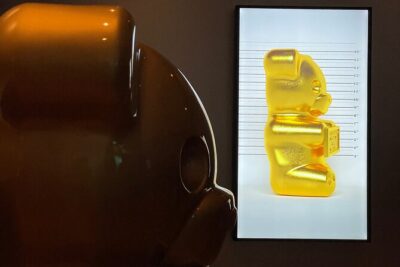 ★ 4.0Moco Museum Amsterdam Admission Ticket with Banksy and moreFrom $271,745 reviews
 ★ 5.0Van Gogh Museum Tour Reserved Entry Semi PrivateFrom $1731,437 reviews
Browse the lists this tour appears in