
Reviewed · DRINKING TOURS
Amsterdam: High Wine at wine bar Paskamer, 3-rounds
Three pours, one smart wine lesson. At Paskamer High Wine, you get three rounds of quality wine matched with small bites, with WSET-certified sommeliers explaining the why behind each pairing. I also love that it’s set in Amsterdam’s De Pijp, not some warehouse-style tasting room. The only downside: this is not a full dinner, so come hungry but plan your next bite after.
You’ll spend about 2 hours tasting and learning, and the bar asks you to reserve roughly 90 minutes for the experience so you don’t feel rushed. It’s also the kind of place where the vibe is social and relaxed, and the focus stays on pairing and conversation. One more practical note: it’s not aimed at kids or pregnancy, so check that before you book.
In This Review
- Key highlights I’d plan around
- Why Paskamer High Wine feels worth your time
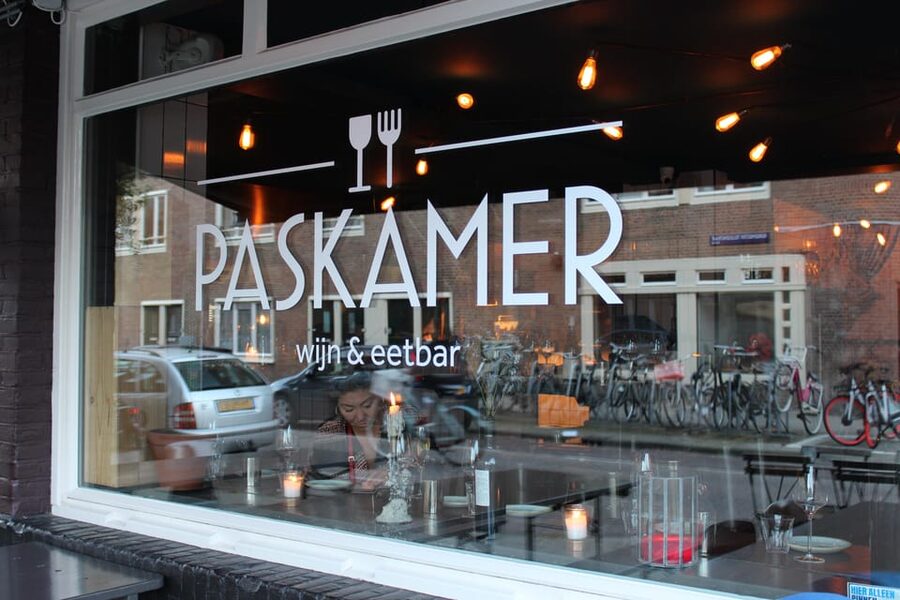
- Where the experience starts: Wijnbar Paskamer in De Pijp
- Round one: your first wine-and-bite pairing
- Round two: building contrast (and confidence)
- Round three: the finishing pairing that ties it together
- What this is (and isn’t): small bites, not a full dinner
- Price and value: what $43 buys you
- How long it takes, and how to pace your evening
- Language, tone, and dietary fit
- Who should book this, and who should skip it
- Should you book Paskamer High Wine in Amsterdam?
- FAQ
- What is included in Paskamer High Wine?
- How long does the experience take?
- Where does the High Wine start?
- Are there any extra options beyond the three rounds?
- What languages are used during the experience?
- Can the menu be adjusted for dietary needs?
- Is there a recommended reservation time before you go?
- Is it suitable for children or pregnancy?
- What is the cancellation policy?
- Can I reserve without paying right away?
Key highlights I’d plan around
- Three-round pairing with 3 quality wines and 3 matching bites
- WSET-certified sommeliers guiding the tasting and explaining choices
- De Pijp location in a lively Amsterdam neighborhood
- Amsterdam Wine Bar of the Year (2022) recognition
- Optional extra round available for EUR 11 per person
Another glass: more Amsterdam wine tastings
- Amsterdam: Classic Saloon Boat Cruise with Cheese & Wine
★ 4.6 · 27,035 reviews - Amsterdam: Evening Cruise with Optional Wine and Snacks
★ 4.4 · 22,178 reviews - Amsterdam: Evening Candle Light Cruise With Wine & Cheese
★ 4.6 · 1,774 reviews - Amsterdam: Cozy Cheese & Wine Cruise Tasting Experience
★ 4.5 · 1,156 reviews
Why Paskamer High Wine feels worth your time
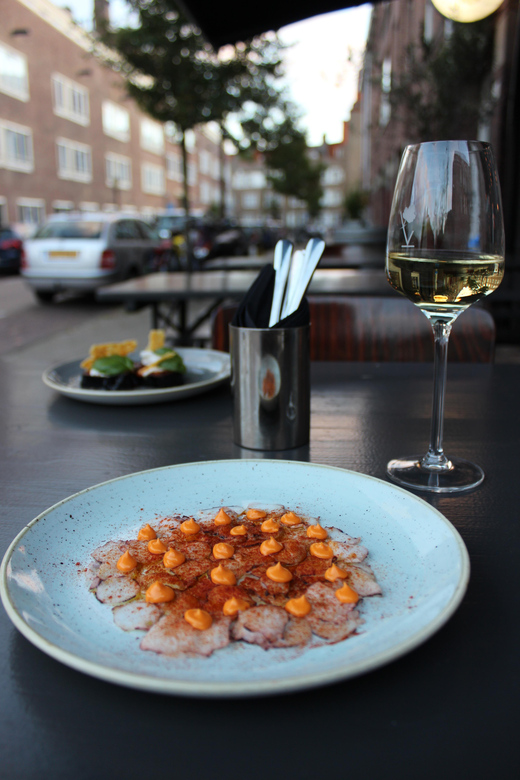
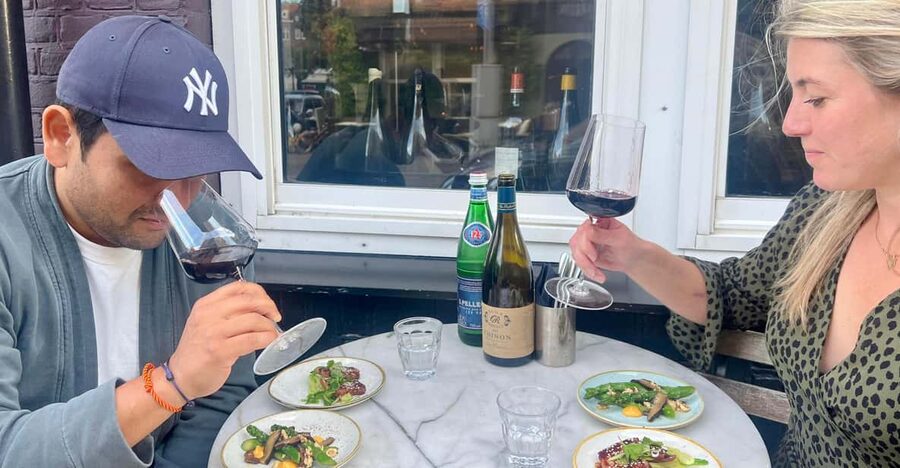
There’s a difference between drinking wine and learning how to taste it. At Paskamer, the High Wine format keeps things focused: you get three glasses, each paired with a bite that’s meant to make the wine (and your palate) react in a useful way. That pairing idea matters because it turns a casual sip into a short, clear lesson you can actually remember.
The biggest value here is the guidance. The sommeliers are WSET certified, which usually means you won’t just get a list of facts—you’ll get simple, practical explanations about what’s happening in the glass and why the food helps. If you’ve ever wondered how people can taste “structure” or “balance” and pretend it’s obvious, this format is a good on-ramp. You’ll learn enough to order better wine later, even if you don’t become a full-time sommelier (no pressure).
You also get the setting right. The experience happens in De Pijp, a neighborhood with local energy and plenty of nearby options to continue your evening. And because this is a private group format, the pace tends to stay comfortable—less crowd chaos, more time for questions when they come up.
Still, keep expectations clean. A High Wine is intentionally smaller than a full meal. If you’re the type who needs a proper plate of food to feel satisfied, you’ll likely want to add an extra round or plan a follow-up dinner nearby.
Where the experience starts: Wijnbar Paskamer in De Pijp
Your visit begins at Wijnbar Paskamer, where you’ll be set up for a tasting-style evening rather than a long restaurant dinner. This matters because it changes how you should show up: think “arrive, settle in, taste and learn,” not “order a main course and linger for hours.”
De Pijp is a smart choice for this kind of activity. You can keep the night flexible: after you finish your three rounds, you’re not stuck making a big transit decision to keep eating and socializing. Also, since this is wheelchair accessible, it’s easier for groups with mixed mobility needs to enjoy the same plan.
One small timing tip I’d follow: don’t treat the experience like an exact “clock-start and done” event. The bar asks you to reserve about 90 minutes for the High Wine, and in practice that buffer helps you enjoy the explanations without feeling like you’re watching the clock.
Round one: your first wine-and-bite pairing
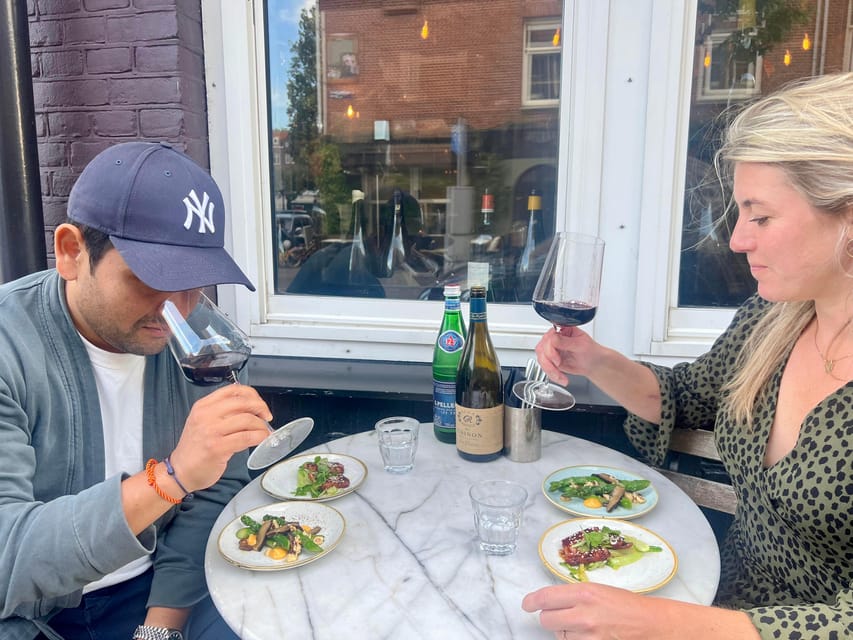
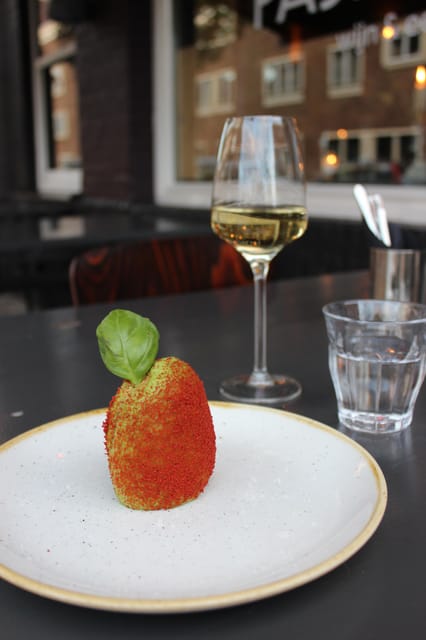
Round one is where the evening gets its footing. You’ll receive your first glass of wine and a matching bite, and the sommelier will explain why that pairing works. Even without knowing the exact wines ahead of time, you can expect the structure to be straightforward: wine first, bite to follow, then a quick talk about what you should notice.
What I like about the way this format starts is that it gives you a reference point. By the end of the first pairing, you’re not just tasting—you’re starting to pick up the method: how flavors can echo each other, how texture can change your perception of the wine, and how the bite can make the glass feel smoother or more lively.
A practical way to get more out of round one is to stay mentally active. Don’t wait for the sommelier to tell you what to think. Ask yourself questions like:
- Does the wine feel dry, round, or sharp right now?
- Does the bite soften it or sharpen it?
- Do the flavors overlap, or do they contrast?
You don’t need fancy vocabulary. The point is to notice, then let the explanation connect the dots.
More bars and breweries found for you in Amsterdam
Round two: building contrast (and confidence)
By round two, you’ll usually get a different wine style and a fresh bite designed to keep your attention. The value of a second round is that it moves you from tasting for pleasure into tasting with pattern recognition. You start to realize why these combinations aren’t random.
This is also where WSET-style guidance can shine. A good explanation doesn’t just label a wine—it helps you predict what might happen when food and drink meet. If you’re new to wine, this kind of framing is gold because it turns uncertainty into curiosity. If you already drink wine often, it helps you refine the way you describe it.
Another thing I’d expect: you’ll learn the logic of the pairing. That might mean balancing something in the wine with something in the bite, or using food texture to change how you experience the same drink. The sommelier’s job is to connect the wine to the bite in a way you can repeat later.
And since this is a guided experience, you’ll get time to ask questions. If you’re the type who asks, do it in round two, not at the very end—people (and palates) tend to learn faster before fatigue sets in.
Round three: the finishing pairing that ties it together
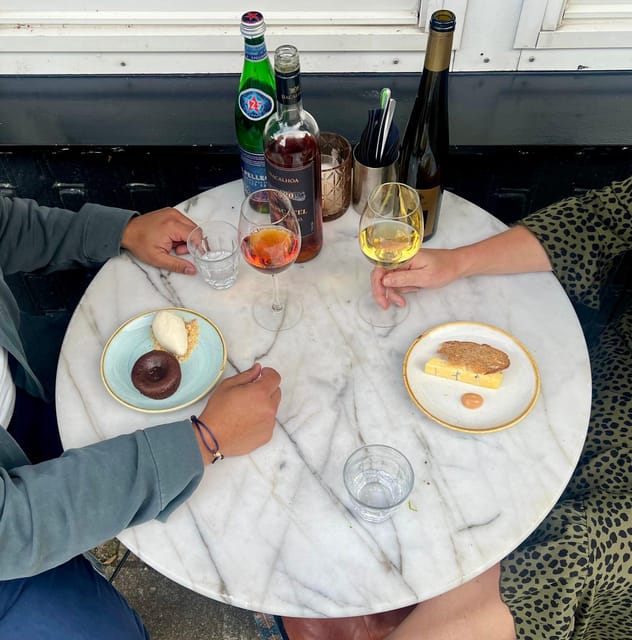
Round three is where the experience usually lands. You’ll get a third glass and third bite, and the conversation will help you connect what you tasted across the evening. This final pairing is important because it turns a sequence of separate sips into one coherent story about how wine and food interact.
Even if you don’t remember every detail, round three helps you leave with a feeling: which styles you prefer, what kinds of food pairings make sense to you, and what to look for next time you’re choosing a bottle in a shop.
Also, round three is the point where you might realize you want more. That’s not a bad thing—it just means you got value from the format. The bar explicitly offers a way to extend with an extra round (EUR 11 per person) if you want additional wine and bite beyond the included three.
What this is (and isn’t): small bites, not a full dinner
Let’s be clear: High Wine is not a full dinner. The portions are small on purpose. You’ll get 3 quality wines and 3 matching bites, but it won’t replace a restaurant meal with starters, mains, and dessert.
This is a key part of the value proposition. You’re paying for guided pairing plus three wines—not for filling up on a multi-course menu. If you’re expecting a full meal, you’ll likely feel shortchanged. If you’re expecting a tasting experience that teaches you how to think about wine, it’s a great setup.
My practical advice is to plan your night like this:
- Treat the High Wine as the “wine lesson + snacks” block.
- Eat a real meal before or after, depending on your appetite.
- If you want more food, ask about extending during your visit.
Dietary needs are also handled, but with a catch: the bar asks you to inform them about dietary wishes in advance. If you have restrictions, don’t leave it to chance. Send the information with your booking so they have time to adjust the bites.
Price and value: what $43 buys you
At $43 per person for 2 hours, this is priced as a guided tasting with food pairing, not just a drink ticket. For that, you receive:
- 3 quality wines
- 3 matching bites
- guidance from WSET-certified sommeliers
Is it cheap? No. But it’s also not trying to be. The fair question is whether you’re getting something you can’t easily DIY. The honest answer: you’re paying for the pairing logic and the explanations, plus the fact that the bar has already chosen the combinations for you.
And if you want extra, there’s a straightforward option: an additional round costs EUR 11 per person. That’s useful because it lets you tailor the experience to your appetite without disrupting the tasting structure.
If you love wine and you’re the type who enjoys structured learning (even lightly), this price tends to make sense. If you just want one or two glasses with no guidance, you might find cheaper options. But if your goal is to leave understanding why the wine works with the bite, this is a good deal.
How long it takes, and how to pace your evening
The stated duration is 2 hours, but plan to reserve around 90 minutes for the experience so you can arrive, settle in, and enjoy the explanations without stress. That timing buffer matters in Amsterdam. Streets are busy, and you may want time to park yourself with a calm start rather than arriving at the exact minute and feeling rushed.
Because this is a private group format, the pace can be more flexible than a public tasting. That usually helps you ask questions at moments that feel natural. It also helps if your group has mixed experience levels—some people know wine basics, others don’t. Either way, the format works because it’s built around pairings and guided commentary.
Language, tone, and dietary fit
The sommeliers guide in Dutch and English, which is great if you’re visiting from anywhere else in Europe or beyond. It also means you can ask for clarification when the pairing gets a bit technical, without worrying that you’ll miss the meaning.
Dietary accommodation is a real part of the experience, but you have to tell them ahead of time. If you have restrictions or preferences, include them with your booking so they can adjust the bites. That’s one of those “small details” that actually changes everything—good pairing only works when the food is appropriate for you.
Who should book this, and who should skip it
This High Wine is a strong fit if you want:
- a guided wine-and-food pairing experience
- an educational element without a full formal course
- a comfortable Amsterdam setting in De Pijp
It’s not suitable for pregnant women and children under 18, so plan accordingly if you’re traveling as a family.
If you’re using a wheelchair, the venue is wheelchair accessible, which is a big plus. And because it’s a private group, it’s often easier to manage needs within your party.
Should you book Paskamer High Wine in Amsterdam?
Book it if you like wine, you enjoy structured guidance, and you want a smart use of time—three pairings in about two hours, with explanations that help you taste better later. Book it also if you’re staying in or near De Pijp, because the neighborhood makes it easy to extend your night afterward without turning the evening into a commute.
Skip it if you want a full dinner with big portions, or if you’re traveling with someone who doesn’t meet the suitability guidelines. Also skip it if you’re mainly chasing variety for cheap—you’ll get more value when you’re there for the pairing and the learning.
If you want a tasting you can actually use—something that helps you order wine and think about food afterward—this is one of the more sensible ways to spend an evening in Amsterdam.
FAQ
What is included in Paskamer High Wine?
You get 3 quality wines and 3 matching bites, guided by a certified sommelier.
How long does the experience take?
The duration is 2 hours.
Where does the High Wine start?
It starts at Wijnbar Paskamer.
Are there any extra options beyond the three rounds?
Yes. For an extra EUR 11 per person, you can add an extra round of 1 wine and a bite.
What languages are used during the experience?
The experience is guided in Dutch and English.
Can the menu be adjusted for dietary needs?
Yes. You should inform them about dietary wishes in advance, and they are able to adjust with prior notice.
Is there a recommended reservation time before you go?
The bar asks you to reserve around 90 minutes for this High Wine experience.
Is it suitable for children or pregnancy?
No. It is not suitable for children under 18 and not suitable for pregnant women.
What is the cancellation policy?
You can cancel up to 24 hours in advance for a full refund.
Can I reserve without paying right away?
Yes. The option says Reserve now & pay later, meaning you book your spot and pay nothing today.
More Drinking Tours in Amsterdam





More Wine to Taste in Amsterdam




More Tour Reviews in Amsterdam




Just added: fresh Amsterdam tour reviews





Drinking Tours, compared.
 ★ 4.5Amsterdam Evening Canal Cruise with Live Guide and Onboard BarFrom $243,619 reviews
 ★ 4.1Red Light District Pub Crawl with Unlimited ShotsFrom $242,130 reviews
 ★ 4.5Amsterdam Red Light District Pub CrawlFrom $241,497 reviews
 ★ 5.0Amsterdam 90 minutes Canal Cruise with bar and snacks on board.From $241,413 reviews
 ★ 4.7German Guided Canal Cruise with on Board BarFrom $251,208 reviews
 ★ 5.0Amsterdam 2 Hour Small-Group Canal Cruise with Dutch Snacks & BarFrom $481,058 reviews
 ★ 4.6Smoke & Cruise on covered Cannabis Boat With BarFrom $271,054 reviews
 ★ 4.1City Center Bar Crawl and Nightlife ExperienceFrom $24728 reviews
Browse the lists this tour appears in