
Reviewed · AMSTERDAM
Amsterdam: Cultural Highlights in English/German/Italian
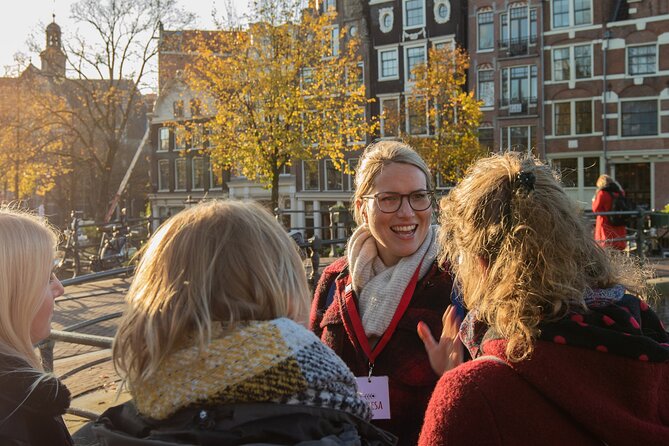
Amsterdam feels like it has layers. This guided walk connects those layers with stories you can actually use. You’ll cover key sights around the city center with a German (and sometimes English/Italian) speaking guide, and you’ll finish with ideas for what to do next.
What I like most is the pacing and the way the guide turns landmarks into a sense of place. You start at Dam and work through the Golden Age, then you move toward the neighborhoods and culture you’ll want to explore after. A second big win: all stops are free to visit, so you spend money on your trip—not entrance fees.
One thing to consider: this is a walking tour over about 3 to 4 kilometers, so you’ll want comfortable shoes and a bit of stamina, especially if the weather turns warm.
In This Review
- Key takeaways before you go
- Walking the Golden-Era core with an English/German/Italian-speaking guide
- Dam and the National Monument: a fast start that sets the tone
- Beurs van Berlage and Nieuwe Kerk: money, faith, and power
- Multatuli, Magna Plaza, and the art of reading the city
- Westerkerk to Jordaan connections: churches that point to real neighborhoods
- Anne Frank statue and Gay Monument: stories you can’t miss
- Nine Straatjes and Spui: your walking tour turns into a mini action plan
- How much walking is this, and what to bring?
- Price and value: what $33.88 buys in Amsterdam
- Guides, group pace, and real-world comfort
- Language choice and who this tour suits best
- Should you book this Amsterdam cultural highlights walk?
- FAQ
- How long is the walking tour?
- How far do we walk?
- What languages are available?
- Are admission tickets included?
- Is the tour suitable for children?
- Does this tour include the red-light district?
- Will you visit a coffee shop?
- What should I bring?
- What happens if weather is poor?
Key takeaways before you go
- Small group (max 15): easier questions, less rushing, better explanations
- Free stops throughout: you won’t be hit with admission fees along the way
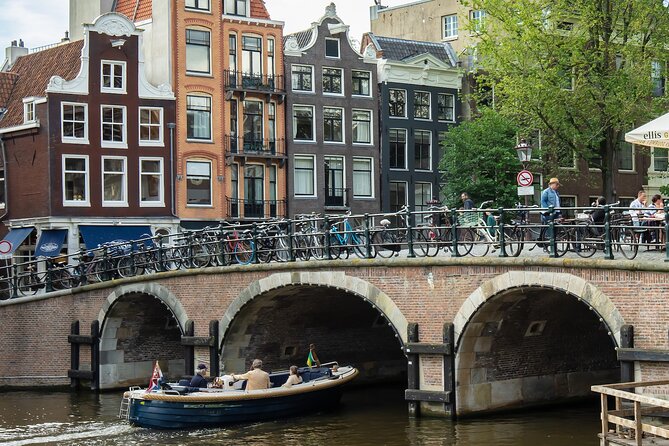
- Walk-focused route: no traffic headaches, and you’ll see streets at human pace
- Neighborhood spillover tips: you get guidance for where to head after the tour
- Outdoor viewpoints dominate: great for context; separate ticket sights if you want museums
Weighing your options? Here is how a few other Amsterdam tours compare.
- Amsterdam: Heineken Experience Ticket including 2 Drinks
★ 4.6 · 36,014 reviews - Amsterdam Classic Saloon Boat Cruise with Drinks and Cheese
★ 5.0 · 31,825 reviews - Amsterdam Luxury Canal Cruise + Unlimited Drinks & Bites option
★ 5.0 · 30,518 reviews - Amsterdam: Rijksmuseum Entry Ticket
★ 4.7 · 29,512 reviews
Walking the Golden-Era core with an English/German/Italian-speaking guide
This is the kind of Amsterdam tour that helps you get oriented fast. You’re not stuck with one museum or one big monument—you’re moving through the parts of town where the city’s story is visible in the streets, architecture, and names.
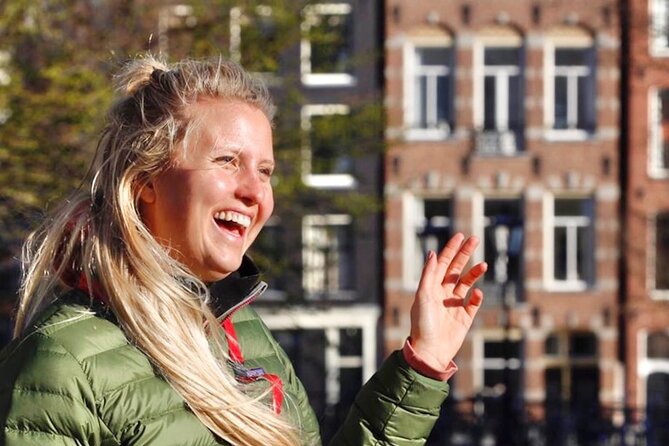
The guide is the star. I love how the commentary is practical: the city isn’t presented like a textbook. It’s connected to why things are there, what changed over time, and what those clues mean for what you’ll notice later when you’re walking on your own.
A quick note on language: the experience can be offered in German or English or Italian, but the specific run you book may be in German. If you care a lot about language comfort, check your confirmation and choose the departure that matches what you want to understand best.
Dam and the National Monument: a fast start that sets the tone
You begin at the National Monument at Dam—an easy, central anchor point. From the first stop, the tour frames Amsterdam as more than canals and bicycles. You’re shown how public space, symbols, and events shaped the way the city sees itself.
Then you move to Dam Square, where the guide brings you back to the origin story of Amsterdam—how the city formed and why this area became the civic center. Dam Square is also where you can feel how Amsterdam mixes old town life with major landmarks, which makes it a strong starting point. Even if you’ve already passed through Dam, you’ll likely learn what to look for in the square next time.
Time-wise, these first moments are short. That’s a plus if you want an efficient introduction, but it also means you won’t linger for deep inside details.
Beurs van Berlage and Nieuwe Kerk: money, faith, and power
Next comes Beurs van Berlage. This stop is about how Amsterdam grew wealthy during the Golden Era—and how the built environment reflects that rise. If you like understanding why certain buildings exist (not just what they look like), this is a good place to slow down. The guide connects the dots between prosperity and the city’s development.
Right after that, you hit Nieuwe Kerk. This church matters because it’s tied to the city’s civic and spiritual life across changing eras. You get context for why a site like this isn’t just a religious stop—it’s also part of the broader story of how Amsterdam organized public life.
You’ll notice a pattern here: the tour uses major landmarks to explain larger themes. That’s what makes the walk feel coherent instead of like a string of photos.






Multatuli, Magna Plaza, and the art of reading the city
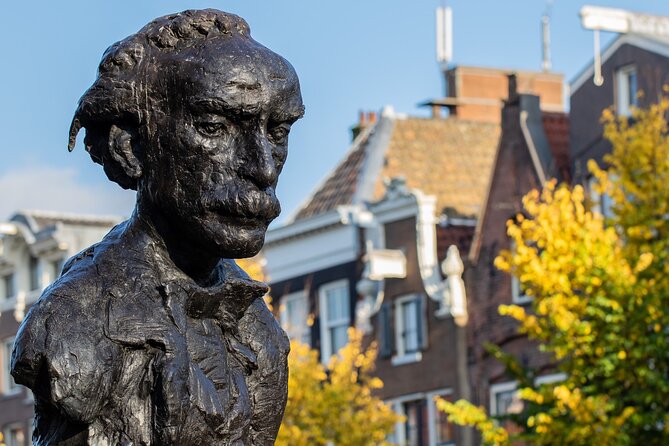
At the Statue of Multatuli, you get a doorway into Amsterdam’s connection to the colonial era and how it ties to one of the country’s important books. It’s not just a literary detour. The guide uses it to show how ideas traveled and how writing shaped public thinking—something you’ll see reflected in how the city remembers its past.
Then comes Magna Plaza, which might sound like a modern shopping stop—but you learn why it’s historically significant: it was once a post office. That detail matters because it turns a mall-like setting into a clue about how Amsterdam functioned as a hub for communication and exchange.
This is where the tour earns its practical value. You stop seeing Amsterdam as only “things to photograph.” You start noticing why certain buildings were built where they are, and what they used to do.
Westerkerk to Jordaan connections: churches that point to real neighborhoods
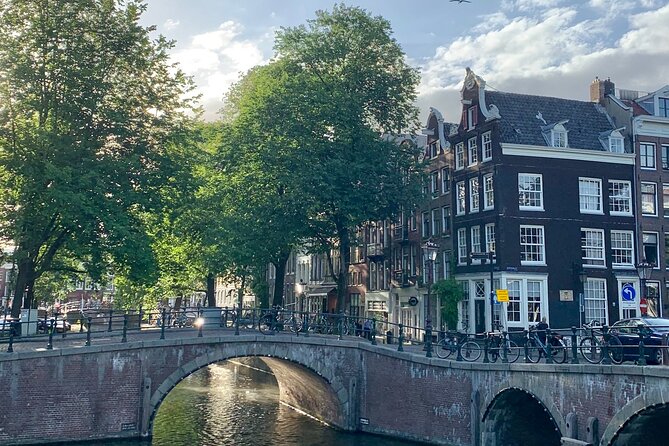
The walk continues with Westerkerk, the biggest church of Amsterdam. Here, the guide brings in a connection to the Jordaan area, helping you understand how religious landmarks link to the lived geography of the city.
Even if you aren’t planning to spend the day specifically in Jordaan, this context helps. It changes the way you interpret the streets later—especially when you start walking that neighborhood and notice how everything feels woven together.
Anne Frank statue and Gay Monument: stories you can’t miss
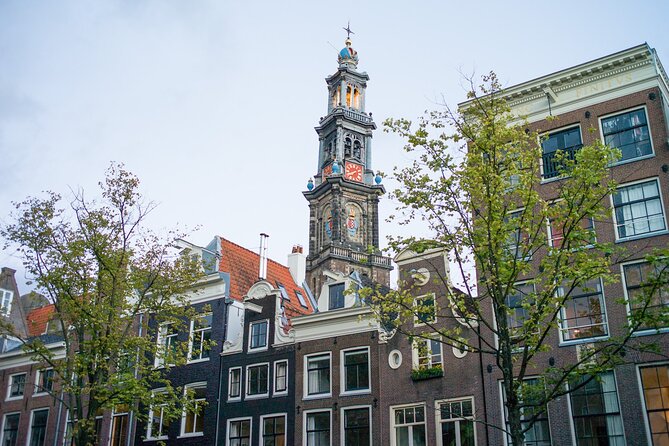
A couple of stops add emotional and social depth without turning the walk into something heavy or awkward. First, you reach the Statue of Anne Frank, where the guide explains Jewish history in Amsterdam and how Anne Frank and her family experienced their time here. It’s a chance to connect Amsterdam’s wartime reality to the stories the city is known for.
Next is the Gay Monument, focused on the LGBTQ+ history in Amsterdam. This stop works well because it doesn’t treat today’s openness as a given. You get historical context that helps you understand why certain areas and scenes developed when they did.
These two stops also help balance the tour. The route doesn’t only cover architecture and civic power. It includes the human stories that shaped what Amsterdam became.
Nine Straatjes and Spui: your walking tour turns into a mini action plan

After the core sights, the tour shifts into what I consider the most useful part: directions for what to do next.
At 9 Little Streets (Negen Straatjes), you receive shopping tips and guidance for exploring the area after the walk. This is a great moment to ask questions because the guide can tailor suggestions to your interests—whether you want small shops, gift hunting, or just street-level exploring.
Then you go to Spui and the Begijnhof. The guide talks about reformation-era Amsterdam and helps you look for the hidden church inside the Begijnhof—plus shares tips on where to look for other lesser-known spots around the area. That’s how you turn a guided tour into a smarter self-guided day: you’re not just finishing; you’re getting a map made out of advice.
One more practical note: the tour does not include the red-light district itself. It’s only passed on the southern side, and the guide keeps things moving at walking pace.
How much walking is this, and what to bring?
You’re looking at roughly 3 to 4 kilometers on foot over about 2 hours. The stop times are short, but the route still adds up, so plan like you’re doing a solid city walk.
Do this part well and you’ll enjoy the explanations more:
- wear comfortable shoes
- bring water
- if it’s hot, bring a hat
- expect it to be a small-group pace (the tour is max 15 travelers)
The tour also starts and ends back at the meeting point, so you don’t have to worry about a long transfer at the end. It’s also near public transportation, which makes it easy to slot into a day of sightseeing.
Price and value: what $33.88 buys in Amsterdam
At $33.88 per person, this sits in the “short but high-information” category. The big value comes from the format: it’s a guided route with free access for the stops, so you’re paying mainly for expert interpretation, timing, and a planned path through the center.
This matters in Amsterdam. Ticketed sites add up quickly. Here, you get a guided route through major points of interest without needing to budget for an entrance fee at each one. You also get tailored recommendations to cover the rest of your trip—exactly what you want after you’ve seen the big sights and you’re ready for the next layer.
Also, this is a walking tour, which means you’re not losing time to transit or parking. You’re spending that time where Amsterdam shines: on streets.
Guides, group pace, and real-world comfort
The group size cap at 15 is one of those small details that can make or break a tour. It’s what keeps questions possible and helps the guide manage pacing—especially since the walking tour is about getting the story, not just checking off stops.
From the guidance style, I’d expect this to work for a range of ages. The tour is suitable for children, and there’s nothing in the route that suggests it’s only for adults. In at least one case, a dog was brought along without becoming a problem, which suggests the guide keeps an eye on comfort for the group.
If you’re the type who likes to ask things as you go—about architecture, naming, religion, social history—this tour style is a good match. And if you prefer calm pacing, you’ll likely appreciate that the guide takes time with explanations rather than rushing through.
Language choice and who this tour suits best
This is a good option if you want Amsterdam context with less effort than reading guidebooks all morning. The ability to get the tour in German or English or Italian (depending on the departure) is handy if your travel group has mixed language comfort.
This tour also fits these travelers:
- first-time Amsterdam visitors who want a guided orientation
- people who enjoy history told through landmarks and street life
- anyone who wants free-entry stops and practical recommendations
- families looking for an easy way to structure a morning or afternoon walk
If you want only ticketed museum time, you might feel this doesn’t go far enough inside major attractions. On the other hand, if you want a strong narrative you can carry into the rest of your trip, the outdoor, walk-based approach is exactly the point.
Should you book this Amsterdam cultural highlights walk?
I’d book it if you want your Amsterdam day to start with structure and end with direction. The combination of free stops, a small group, and a guide who connects major sights to neighborhoods makes it a good value for the price.
You should think twice if you hate walking or you expect a tour full of long, inside-the-building visits. This is about moving through the city and learning how to see it, not about spending the whole time indoors.
If you’re deciding between doing nothing but wandering and doing one smart guided walk first, I’d pick the guided walk. It gives you a story to hold onto—and that makes the rest of your Amsterdam hours feel less random.
FAQ
How long is the walking tour?
The tour is about 2 hours.
How far do we walk?
Plan for roughly 3 to 4 kilometers of walking.
What languages are available?
The tour is offered in German or English or Italian. The specific tour you book may be in German, and you’ll get confirmation at booking time.
Are admission tickets included?
Admission is free during the tour, and you won’t have to pay admission fees for the listed sights.
Is the tour suitable for children?
Yes, the tour is suitable for children.
Does this tour include the red-light district?
No. It does not include the red-light district, and it will only be passed along the southern side.
Will you visit a coffee shop?
No coffee shop visit is included.
What should I bring?
Bring water, and if it’s hot outside, also bring a hat. Wear comfortable shoes for the walking distance.
What happens if weather is poor?
The tour requires good weather. If it’s canceled due to poor weather, you’ll be offered a different date or a full refund.










