
Reviewed · CANAL CRUISES
Amsterdam Classic Canal Cruise with Live Guide and Open Bar
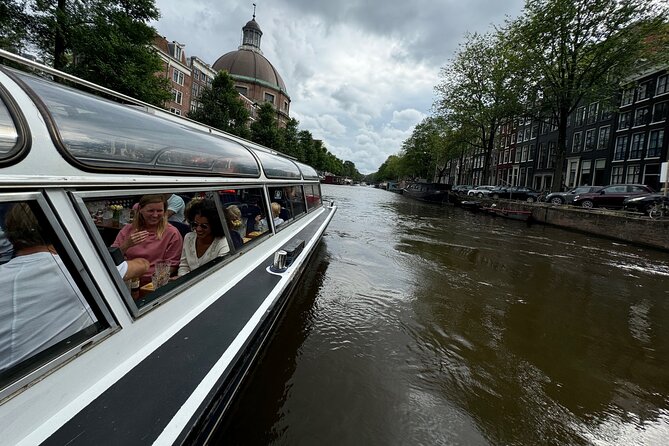
The fastest way to get your bearings on the canals is an open-bar cruise with a live guide. I like that this one runs about 1 hour yet still threads together major canal streets and viewpoints, and I also like the small-group feel with a maximum of 36 people. The main thing to consider is that it is not a long stop-and-stroll tour, so if you want lots of time inside museums, you’ll need to plan that separately (and the Anne Frank House ticket is not included).
The route is built around classic Amsterdam waterways and neighborhoods, so you get city-window views of places like the Amstel River and the big canal icons along Herengracht and Prinsengracht. Plus, you get a live English guide and an open bar, which makes the hour feel relaxed instead of rushed.
The tradeoff: it’s a cruise with views and quick looks, not a museum day. You’ll see a lot from the water and hear plenty from the guide, but you should be ready for brief moments at each stop rather than extended exploration.
In This Review
- Key highlights you should care about
- Why This Amsterdam Canal Cruise Works (Even If You’re Short on Time)
- Open Bar + a Live English Guide: The Real Value
- The 1-Hour Route, Explained Stop by Stop
- Stop 1: The Amstel River
- Stop 2: Herengracht
- Stop 3: Prinsengracht
- Stop 4: Anne Frank House (5 minutes, ticket not included)
- Stop 5: Tassenmuseum Amsterdam (Museum of Bags and Purses)
- Stop 6: The Cat Cabinet
- Stop 7: 9 Little Streets (Negen Straatjes)
- Stop 8: Museum of the Canals
- Stop 9: Houseboat Museum
- Stop 10: Huis Bartolotti (Museumhuis Bartolotti)
- Stop 11: Westertoren (West Church Tower)
- Stop 12: Amsterdam Pipe Museum
- Stop 13: H’ART Museum (Hermitage Museum)
- Stop 14: Magere Brug (Skinny Bridge)
- Price and What You’re Really Paying For
- Who This Cruise Fits Best (and Who Might Skip It)
- Practical Tips to Get the Most From Your Hour
- Get your camera ready, but don’t treat it like a filming contest
- Keep your expectations matched to the time
- Plan for Anne Frank House separately if you want inside access
- Ask questions early
- Should You Book This Amsterdam Canal Cruise?
- FAQ
- How long is the Amsterdam Classic Canal Cruise?
- What language is the live guide offered in?
- Is there an open bar?
- How many people are in the group?
- Are tickets included for every stop?
- Do I need a printed ticket?
- Is it easy to reach by public transportation?
Key highlights you should care about
- Live English guide with a lively Q&A vibe that keeps the route understandable and fun
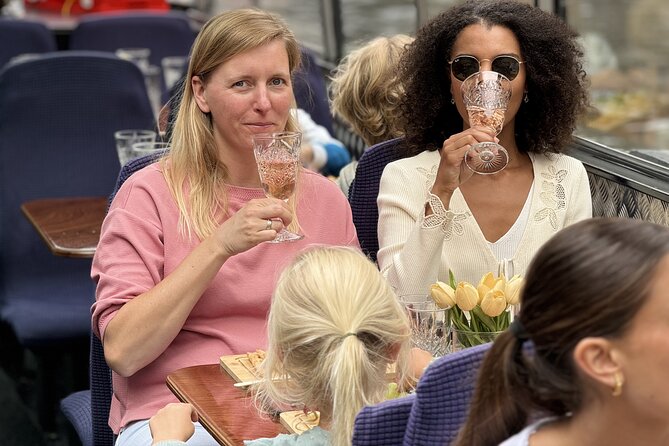
- Open bar during the cruise, so the hour feels like a proper treat, not just sightseeing
- A classic canal loop feel with views of Amstel, Herengracht, and Prinsengracht
- Iconic photo moments like Magere Brug (Skinny Bridge) without a full day of planning
- Free admission for most stops on the day, with Anne Frank House as the one exception
- A max group size of 36, which helps the guide keep the atmosphere human
More time on the water: other Amsterdam canal cruises
- Amsterdam Luxury Canal Cruise + Unlimited Drinks & Bites option
★ 5.0 · 30,518 reviews - Amsterdam: Heated Canal Cruise with Unlimited Drinks & Bite
★ 4.5 · 21,431 reviews - Amsterdam: 75 Minute City Canal Cruise with Audio Guide
★ 4.4 · 19,938 reviews - Amsterdam: City Centre Canal Cruise including Audioguide
★ 4.3 · 16,901 reviews
Why This Amsterdam Canal Cruise Works (Even If You’re Short on Time)
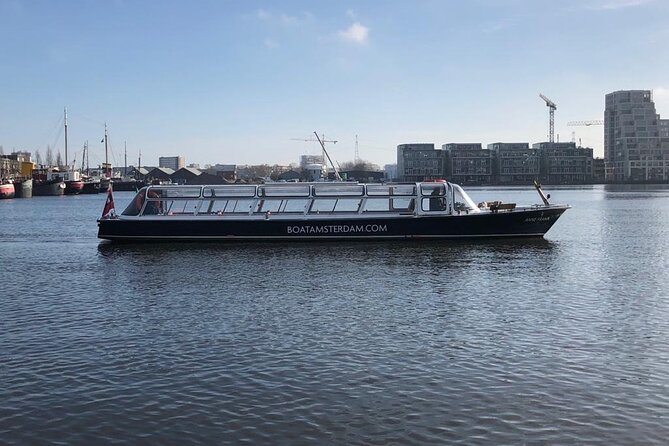
Amsterdam can overwhelm you fast. Streets twist. Canals multiply. You can stare at maps and still feel lost. This cruise is a clean solution because it’s built to help you understand where things sit, not just to move you from point A to point B.
The “classic canal” part matters because Amsterdam’s canal system isn’t just scenery. It’s how neighborhoods connect, how the city grew, and how everyday life is still arranged around waterways. When you watch the canals glide by in order, the geography clicks. The guide helps you connect what you’re seeing—bridges, canal houses, and waterfront details—to the city’s layout.
I also like that the tour is designed for an easy pace. An hour is short enough that it doesn’t drain your energy, but long enough that you’re not just on a quick boat selfie session. You settle in, the city moves past you, and by the time you’re ready to wrap up, you usually feel like you know what area to revisit later.
Open Bar + a Live English Guide: The Real Value
A canal cruise lives or dies on the guide. In a place like Amsterdam, the difference between a soundtrack of random facts and a clear, conversational route is huge. This tour uses a live English guide, and the overall vibe stays interactive—especially based on feedback that calls out named hosts like Olaf and Valtar as being welcoming and eager to answer questions.
Then there’s the open bar. Alcohol isn’t required, but it changes the mood. It turns a “tourist activity” into something closer to an evening out. You’re less stiff, more likely to relax your shoulders, and more likely to enjoy the small details you might otherwise rush past.
One practical note: the experience is about balance—sights plus conversation plus drinks—so don’t expect a silent, contemplative ride. If you like chatting and getting context while you look out at the water, this fits well.
The 1-Hour Route, Explained Stop by Stop
This cruise follows a tight sightseeing route that repeatedly reinforces Amsterdam’s canal logic. You’ll see the Amstel first, then move through major canal streets and landmark viewpoints, finishing with more iconic images like Magere Brug (Skinny Bridge).
More time afloat around Amsterdam



Stop 1: The Amstel River
Starting on the Amstel sets the tone because it’s one of the city’s defining waterways. From the boat, you get a feel for how Amsterdam’s river-and-canal system works together. If you’re new, this is where you start building mental landmarks.
Why it’s useful: the Amstel makes the rest of the route easier to place in your head. You’re not just looking at water—you’re learning the city’s backbone.
Stop 2: Herengracht
Herengracht is the kind of canal name you’ll hear everywhere in Amsterdam conversation, and the views match the reputation. Canal houses line up in a way that makes the city feel planned and intentional, not random.
What to watch for: bridge angles and the way canal buildings face the water. Even if you don’t know architecture terms, your eyes start picking up patterns quickly.
Stop 3: Prinsengracht
Prinsengracht adds another layer of contrast to Herengracht. You’ll notice how different sections of the canal network feel distinct even when they’re part of the same overall system.
Why you’ll like it: seeing multiple major canals in one hour is efficient. You can compare what you’re seeing instead of only learning one “type” of view.
Stop 4: Anne Frank House (5 minutes, ticket not included)
You’ll have a short stop for the Anne Frank House area, but you should treat it as a quick viewing moment from the canal route. The important detail: admission is not included, so if you want to go inside, you’ll need your own ticket separately.
How to make the most of it: use this moment to get oriented—where it sits, what the canal-side surroundings look like—so that if you return later, you feel grounded instead of arriving confused.
Stop 5: Tassenmuseum Amsterdam (Museum of Bags and Purses)
This one is quirky in the best way. From the canal, it’s more about the neighborhood texture and the “only in Amsterdam” feeling than about museum time.
The good part: even if you never plan to step into a bag-and-purse museum, it’s a reminder that Amsterdam’s canal streets aren’t all grand facades. They also host playful, specific collections.
Possible drawback: if you expected this stop to be a full museum visit, it won’t be. The cruise format keeps it quick.
Stop 6: The Cat Cabinet
Another offbeat stop. The Cat Cabinet pairing with the canal route works because it signals the city’s personality: eccentric, practical, and a little theatrical.
From the water, you’re mostly absorbing the location and vibe, not getting an exhibit experience. Still, it’s a nice mental break from the more famous canal markers.
Stop 7: 9 Little Streets (Negen Straatjes)
This area is where the canal sightseeing becomes neighborhood browsing. You’ll get a sense of the canal-adjacent shopping layout that makes the Nine Streets such a popular destination.
How it helps you later: after the cruise, you’ll know what direction to go if you want to wander. It’s one thing to read about the Nine Straatjes; it’s another to see how canals frame the streets.
Stop 8: Museum of the Canals
This is a smart stop in a cruise that’s already teaching you canal geography. The Museum of the Canals exists for a reason: it helps explain the canal story in more depth than you can absorb from the water.
Realistic expectation: you won’t spend museum time here during the cruise. But you’ll likely leave with a clearer idea of what to look for if you do come back.
Stop 9: Houseboat Museum
Houseboats are part of Amsterdam’s living reality, not just a photo concept. Seeing a houseboat museum area from the canal gives you a quick sense of how people use waterways as part of home life.
If you like everyday details: this stop can be surprisingly memorable because it turns “canals as scenery” into “canals as place people actually live.”
Stop 10: Huis Bartolotti (Museumhuis Bartolotti)
Huis Bartolotti adds a more historic-looking canal building feel. It’s the kind of stop that nudges you to notice canal house architecture—facades, canal-side frontage, and how tightly buildings sit to the water.
From a cruise perspective, it’s a great way to train your eyes. You start recognizing what looks old, what looks rebuilt, and how canal houses present to the street and water at once.
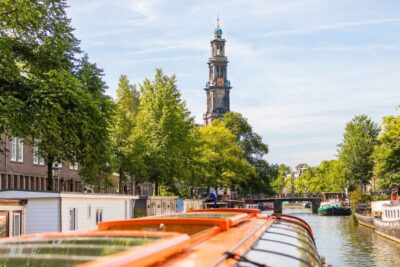
Stop 11: Westertoren (West Church Tower)
A church tower view is a classic Amsterdam visual anchor. Westertoren helps you understand how towers punctuate the city skyline and how landmarks help people navigate long distances.
Why it’s valuable: towers give you direction. When you see it from the canal, it becomes a “return to later” compass point.
Stop 12: Amsterdam Pipe Museum
This is another reminder that Amsterdam museums come in unexpected shapes. The Pipe Museum stop is quirky, and it fits well in an hour because it breaks up repetition.
Practical way to enjoy it: look at how the canal setting surrounds the museum area, then imagine the building’s interior theme. Even if you skip it later, you’ll probably appreciate the city’s willingness to be unusual.
Stop 13: H’ART Museum (Hermitage Museum)
This stop connects the cruise to one of the major museum brands you’ll hear about in Amsterdam: the Hermitage name, shown here through H’ART Museum.
On a cruise, you’re not seeing exhibits. You’re learning where the museum sits and how it connects to the canal-side area. If you like art-focused planning, this gives you a prompt for choosing a future museum day.
Stop 14: Magere Brug (Skinny Bridge)
This is the big “wow” view for many people, and it earns that reputation. Magere Brug is famous, and when you see it from the water, the bridge feels like part of a living postcard.
How to enjoy it: keep your camera ready, but also look once without the lens. If you do both, you’ll capture it and still remember the moment.
Price and What You’re Really Paying For
At $30.98 per person, the headline question is always: does it feel worth it?
Here’s how I see the value. You get an hour-long guided canal experience in central Amsterdam, an open bar, and access to viewpoints of major canal streets and landmarks without having to coordinate multiple tickets and transit segments. In other words, you’re paying for convenience plus context.
Most stops you see have free admission listed, which helps keep the day from turning into a ticket-by-ticket expense. The one clear exception is the Anne Frank House, where admission isn’t included. So if Anne Frank House is a must, budget for that separately. If it’s a “see it from outside now, decide later” moment, this cruise still works because it gives you orientation.
The maximum group size (up to 36) also matters for price value. A smaller group generally makes it easier for the guide to keep the experience personal and for people to hear explanations.
Who This Cruise Fits Best (and Who Might Skip It)
This cruise is a strong match for you if:
- You want an easy, time-friendly Amsterdam overview
- You like a live guide who answers questions
- You’re happy seeing a lot from the water instead of spending hours in museums
- You want a little celebration mood with an open bar
It may not be ideal if:
- You’re hoping to do lots of indoor attractions during the hour
- You want a slow, wandering neighborhood walk instead of canal views and quick stops
- You’re only interested in one or two landmarks and don’t care about the route context
If you’re traveling as a couple, this is a relaxed option. If you’re traveling with teens or friends, the open-bar social vibe can help everyone feel included and engaged.
Practical Tips to Get the Most From Your Hour
Get your camera ready, but don’t treat it like a filming contest
The best photos come when you pause and then shoot. The boat moves, so react quickly, then look again with your eyes.
Keep your expectations matched to the time
Because the tour is about 1 hour, think of it as a fast orientation tool. Use it to decide what to revisit later, especially things like the canal neighborhoods and any museums that sparked your interest.
Plan for Anne Frank House separately if you want inside access
If Anne Frank House is top priority, make sure you have your own ticket for that. The cruise stop itself is short and functions more like a “see where it is” moment than a full visit.
Ask questions early
Guides like Olaf and Valtar (based on feedback) can be engaging, and questions can turn a view into real understanding. If you want details, don’t save curiosity for the last minute.
Should You Book This Amsterdam Canal Cruise?
Book it if you want a high-value Amsterdam intro: live English guidance, classic canal views, open bar comfort, and a route that hits major canal streets and landmark areas in about an hour. The “most stops are free” structure keeps the cost feel under control, and the short format makes it easy to fit into a tight itinerary.
Skip it if you’re planning a museum-heavy day and you need long indoor time during the cruise window. And if Anne Frank House is non-negotiable, treat the cruise as orientation, then plan the inside visit separately.
If you’re the kind of traveler who likes to get oriented fast and then wander later with better instincts, this is a smart use of an hour.
FAQ
How long is the Amsterdam Classic Canal Cruise?
It runs for about 1 hour.
What language is the live guide offered in?
The tour is offered in English.
Is there an open bar?
Yes. The experience includes an open bar.
How many people are in the group?
The tour has a maximum of 36 travelers.
Are tickets included for every stop?
Most stops have free admission. The Anne Frank House stop is listed with admission not included, and you’d need your own ticket if you want to visit inside.
Do I need a printed ticket?
No. You get a mobile ticket.
Is it easy to reach by public transportation?
Yes, it’s near public transportation.
More Boat Tours Around Amsterdam





More Tour Reviews in Amsterdam


Back on the Canals: More Amsterdam Cruises


Just added: fresh Amsterdam tour reviews





Canal Cruises, compared.
 ★ 5.0Amsterdam Luxury Canal Cruise + Unlimited Drinks & Bites optionFrom $1830,518 reviews
 ★ 4.5Heated Canal Cruise with Unlimited Drinks & BiteFrom $1821,431 reviews
 ★ 4.475 Minute City Canal Cruise with Audio GuideFrom $1819,938 reviews
 ★ 4.3City Centre Canal Cruise including AudioguideFrom $1716,901 reviews
 ★ 4.7Covered Canal Booze Cruise with Unlimited DrinksFrom $185,435 reviews
 ★ 5.0Amsterdam Canal Cruise in Open Boat with Unlimited Drinks OptionFrom $214,976 reviews
 ★ 5.0Amsterdam Newest Canal Cruise with local guide and small groupFrom $214,735 reviews
 ★ 4.6Van Gogh Museum Ticket and City Canal CruiseFrom $473,899 reviews
Browse the lists this tour appears in