
Reviewed · CANAL CRUISES
Amsterdam: Canal House Museum ‘Willet-Holthuysen’ Ticket
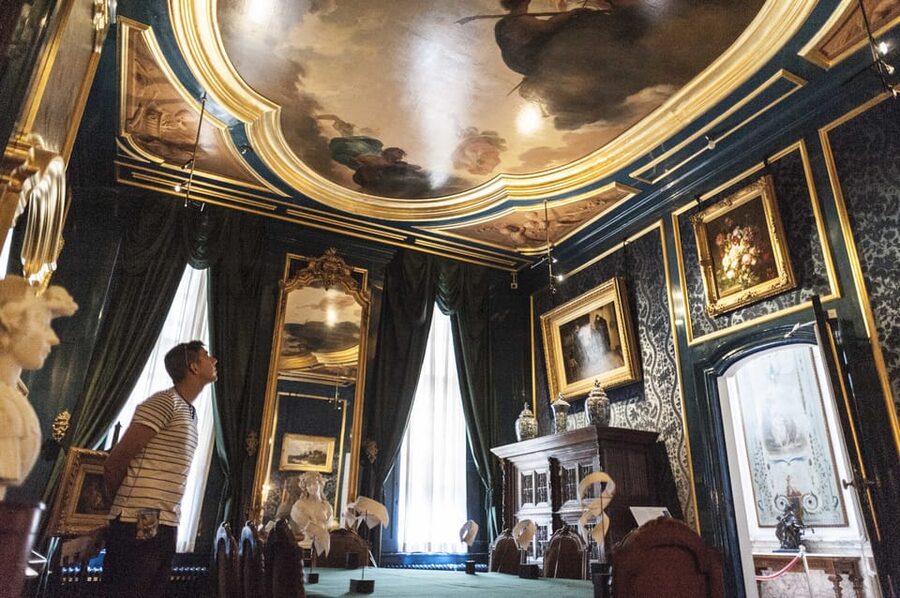
A canal house turns into a time machine. At Museum Willet-Holthuysen, I love how the Louis XVI ballroom and town garden show off the comfort (and control) of wealthy 19th-century Amsterdam in a way you can walk through aisle by aisle. The setting matters too: it’s a grand double canal house right on the Herengracht, so you get the drama of the location and the real-life layout inside.
One thing to plan for: if a temporary display is playing sound in parts of the house, it can make your audio guide harder to hear in those areas.
In This Review
- Key Things You’ll Notice Right Away
- Museum Willet-Holthuysen: A Grand Double Canal House on Herengracht
- The Included Audio Guide: How to Pace a Self-Guided Visit
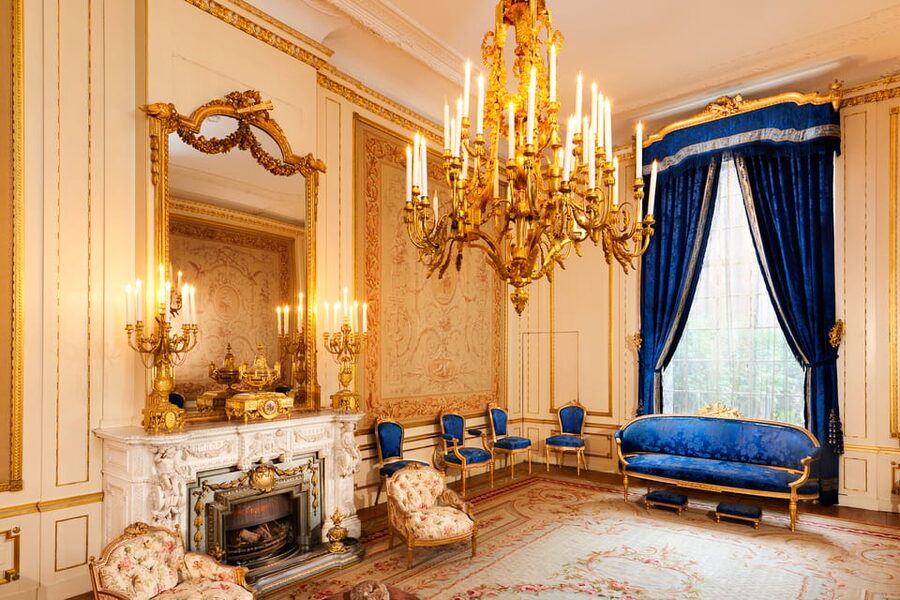
- 1st Floor Grand Entrance: The Louis XVI Ballroom
- Dining Room and Salons of the Lord and Lady
- The Willets’ Collection: Paintings, Silver, Ceramics, and Photographs
- The Town Garden: A French-Style Green Space in the Middle of Amsterdam
- Basement Kitchen and Pantry: The Servants’ Side of the Story
- Price and Value: Is $18 Worth It?
- Practical Tips for a Smooth Visit (So You Don’t Feel Rushed)
- Who Should Book This Canal House Museum Ticket?
- Should You Book? A Simple Decision
- FAQ
- Where is the meeting point for the Amsterdam Museum Willet-Holthuysen ticket?
- What is included with the ticket?
- What languages are available for the audio guide?
- How long is the ticket valid?
- Is the museum suitable for wheelchair users?
- Is smoking allowed inside?
- What is the cancellation policy?
Key Things You’ll Notice Right Away
- A double canal house layout that helps you understand how rooms connected day to night
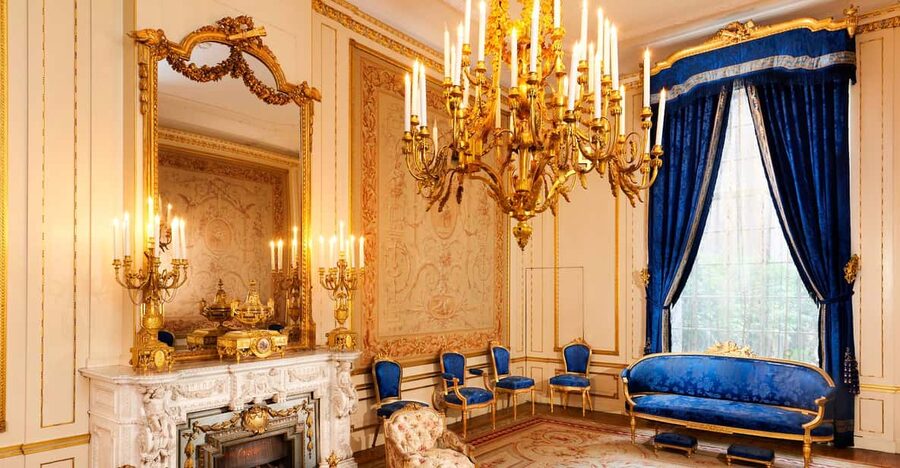
- Louis XVI style ballroom with a real sense of ceremony
- Willet collection of art and objects—furniture, silver, ceramics, sculptures, paintings, and photographs
- An 18th-century French-style garden with historic trees and plants
- Basement kitchen and pantry that show how servants made daily life run
More time on the water: other Amsterdam canal cruises
- Amsterdam Luxury Canal Cruise + Unlimited Drinks & Bites option
★ 5.0 · 30,518 reviews - Amsterdam: Heated Canal Cruise with Unlimited Drinks & Bite
★ 4.5 · 21,431 reviews - Amsterdam: 75 Minute City Canal Cruise with Audio Guide
★ 4.4 · 19,938 reviews - Amsterdam: City Centre Canal Cruise including Audioguide
★ 4.3 · 16,901 reviews
Museum Willet-Holthuysen: A Grand Double Canal House on Herengracht
Amsterdam’s canal houses are famous for their facades. This one is famous for what’s inside—and it helps that the museum sits in the kind of building you’d miss if you only took quick photos from the street. The meeting point is Herengracht 605, and once you’re in, the double canal house layout becomes your first lesson: wealth in 19th-century Amsterdam wasn’t just about possessions. It was also about space planning, privacy, and flow between formal rooms and everyday back-of-house areas.
The big idea behind the museum is simple. In 1895, Mrs. Willet left the opulent house to the city of Amsterdam, including the impressive collection of her deceased husband, Abraham Willet. That means you’re not just looking at reconstructed rooms—you’re seeing objects displayed in the context they were meant to be in. You’ll still get surprises, but they come from details, not from gimmicks.
If you like museums that feel like you’re reading a well-edited story—room by room—this is an easy win. You’ll get formal spaces, art, and decorative craftsmanship, plus a clearer view of daily life than you might expect from a portrait of the wealthy.
The Included Audio Guide: How to Pace a Self-Guided Visit
Your ticket includes an audio guide, and that matters because the home is laid out for wandering. You start on the 1st floor, and the tour order is built around how the rooms were meant to be experienced—grand first, then more personal, then outdoor, then service spaces below.
One practical plus: you can move at your pace and choose which stops you want to spend more time with. That flexibility is great if you’re the type who likes to pause for a painting, then speed through a room that doesn’t grab you. It also helps if you’re traveling with someone who wants longer views of the garden while you’d rather spend extra time with the furniture.
Audio guide languages include Spanish, English, Dutch, French, German, Italian, and Russian. If you’re relying on the guide to keep you oriented, pick your language early—once you start walking through the rooms, you’ll want to stay in sync.
Small caution: if there’s a temporary exhibition running with its own sound, it can compete with your audio guide in that part of the house. When that happens, I’d treat it like a sign to slightly reposition yourself or shorten time in that zone so you can keep hearing the main track.
1st Floor Grand Entrance: The Louis XVI Ballroom
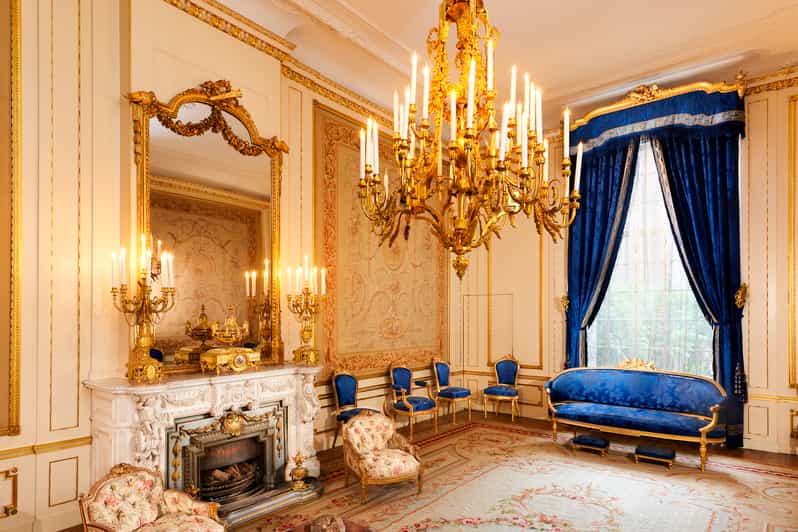
The visit typically starts where you’d expect it to: in the showpiece rooms. The standout early stop is the ballroom in Louis XVI style. This is the space that gives you immediate context for the Willets’ social life—how they likely welcomed guests, staged special moments, and used ornamentation to signal status.
What’s effective here is the way the room teaches you without needing a lecture. You don’t have to be an expert in design to notice how formal this space feels. The layout encourages slower walking and looking upward and outward, because the visual weight is meant to create impact. If you’ve ever felt that some museums treat you like you’re speed-running history, this one is different: the room scale asks you to slow down a bit.
Here’s a tip that can make your visit better: in rooms like this, I recommend you spend a little time just scanning the overall scene before you jump into close looking. You’ll understand the “why” behind the details faster—then the objects start to make more sense as part of a whole environment.
Still deciding? A few more Amsterdam tours worth a look






Dining Room and Salons of the Lord and Lady
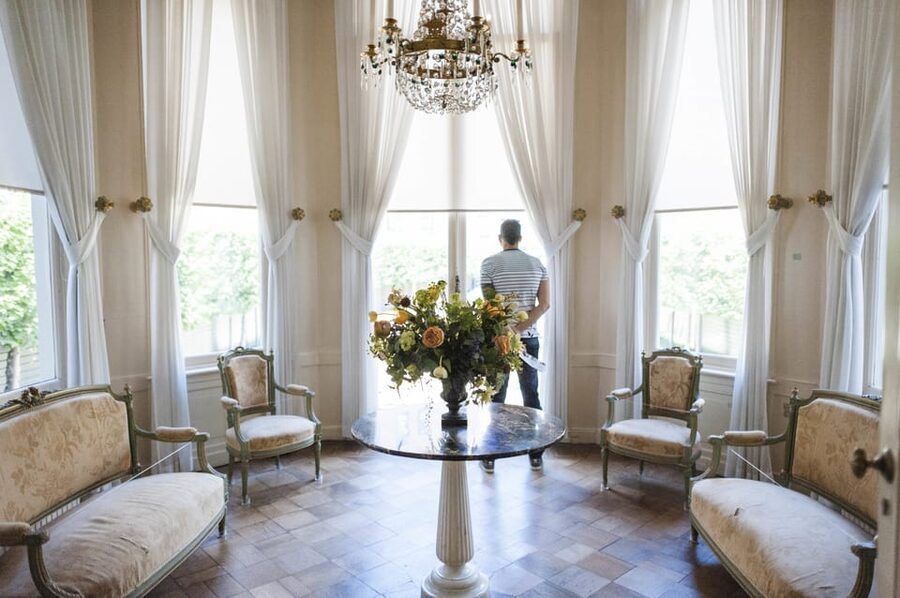
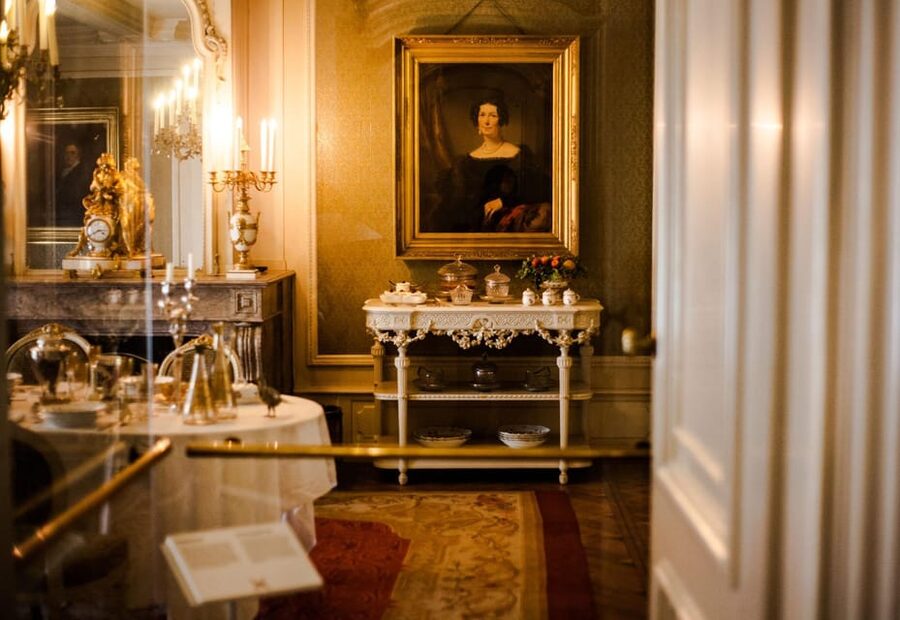
After the ballroom, the tour moves toward more intimate spaces: the dining room and the salons for the lord and lady of the house. This is where the museum shifts from display to atmosphere. The goal isn’t only to impress you with craftsmanship; it’s to help you understand the lived-in logic of the home.
In these rooms, pay attention to how objects are presented in context. The collection includes antique furniture and ornate household items, and the museum does a good job of showing them where they would have mattered most. The difference between seeing a chair in a generic gallery and seeing it in a room designed for real use is big. Here, you start to understand how furniture, art, and decor work as part of daily routines and social rituals.
If you’re the kind of visitor who likes to connect design choices to behavior—where people might sit, how a room might be used—these stops will feel satisfying. And if you’re the kind who just wants beauty, the rooms deliver that too, without needing you to decode symbols.
The Willets’ Collection: Paintings, Silver, Ceramics, and Photographs
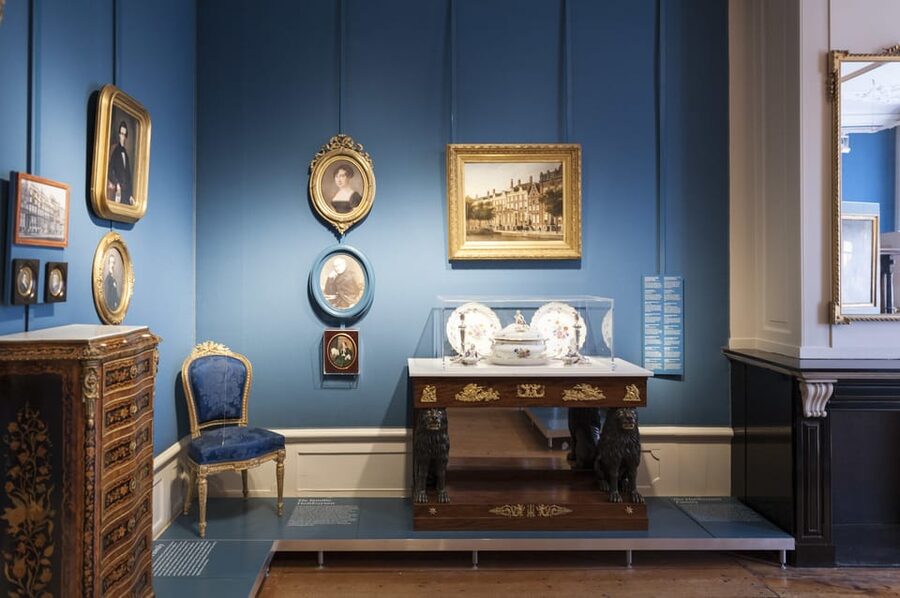
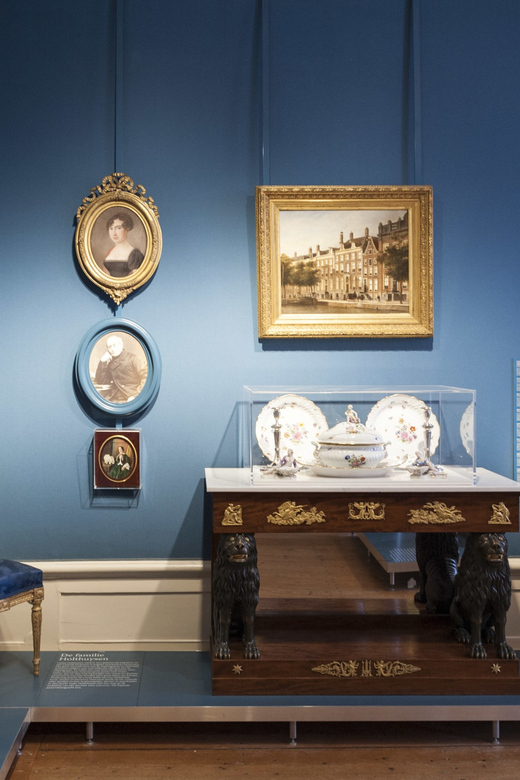
One of the most valuable parts of the museum is how wide the collection feels while still staying coherent. You’ll encounter paintings and ornate furniture, but also silver, ceramics, sculptures, and photographs. That range matters because it avoids the problem of museums that only shine when it comes to one type of artifact.
Paintings help you feel the aesthetic world the Willets lived in. Furniture and decorative items show you material culture—what was meant to look comfortable, impressive, and lasting. Silver and ceramics add a practical angle: these weren’t just objects; they were part of serving, hosting, and everyday presentation. Sculptures add presence, especially when you can see how they sit in relation to the rooms around them.
The museum also uses its setting to make the collection feel less like a random assortment and more like a curated household ecosystem. If you like object-focused travel—where the story lives in what people owned—this is one of those museum visits that can stick in your memory long after you leave.
The Town Garden: A French-Style Green Space in the Middle of Amsterdam
Then you step outside the formal rooms and into the garden and gallery, which give you a completely different rhythm. The museum’s garden is laid out in 18th-century French style, and that detail is more than a label. It shapes the look and feel of the space: structure, planning, and the careful idea of nature that still feels intentional.
What makes this part worth your time is the contrast. You’re leaving rooms that reflect indoor display, then you’re in an oasis that seems made for strolling. Historic trees and plants fill the garden with texture and age, and you get a sense of how a wealthy home could offer privacy and calm even in a dense city.
If you’re trying to decide what matters most to you, put the garden in your top tier. It’s a break from looking at objects and a chance to understand how the Willets likely used the home as a complete living environment, not just a shell for entertaining.
One practical note: garden conditions can change how long you want to linger. If it’s windy or chilly, you might move through faster. If the weather is kind, the garden becomes the best place to slow down and let the visit breathe.
Basement Kitchen and Pantry: The Servants’ Side of the Story
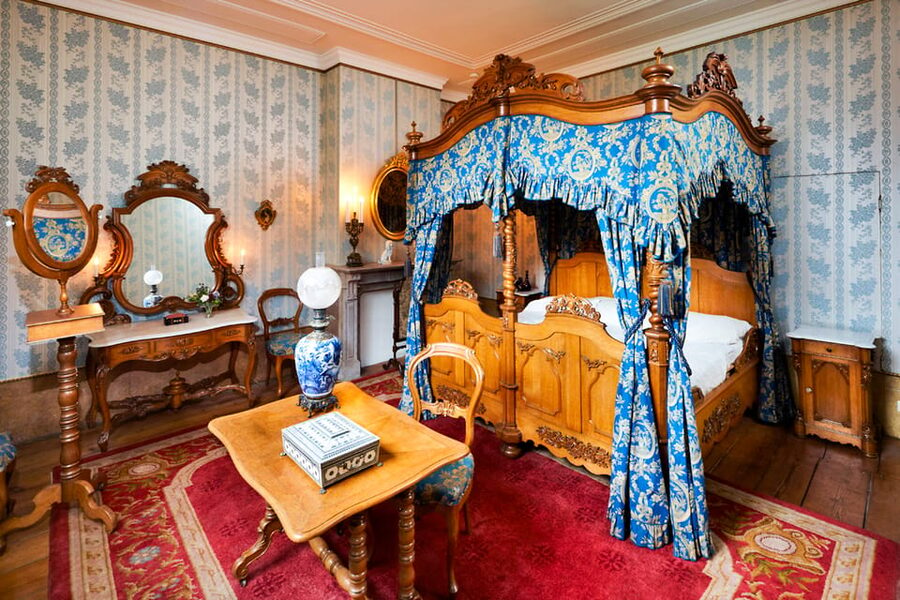
The tour doesn’t end with the pretty parts. As you make your way toward the basement, you’ll see the kitchen and pantry, and this section changes your perspective. It’s the reality check—how daily life kept running behind the scenes.
The museum frames this as a clue to the daily lives of servants. Even if you don’t read every sign, the shift in space and function tells you what you need to know. Here, the objects and layout emphasize work and storage, not performance. That’s why the basement matters: it gives the whole house balance. Wealth shows up in the formal rooms, but the structure of a household is revealed by what happens out of sight.
If you tend to like history that includes work rather than only leisure, you’ll appreciate this part. And if you’re traveling with kids or teens who sometimes lose patience in museums, the basement often helps re-center attention because it feels more practical and grounded.
Price and Value: Is $18 Worth It?

At $18 per person, the ticket price is pretty reasonable for what you’re getting: entrance to a landmark canal house plus an audio guide built to help you navigate a multi-room interior. You’re also not paying just for one room. You’re paying for a whole experience—formal spaces, art and collections, garden, and service areas.
The real value comes from how the objects are presented in situ. It’s not a generic museum building. It’s a family house with a coherent plan, and that makes the collection easier to take seriously. If you enjoy looking at craftsmanship—furniture, silver, ceramics—and you want your visit to feel like you’re stepping into a real home layout, $18 won’t feel heavy.
If you’re expecting an all-day, high-interactivity attraction, you might feel differently. This is best for visitors who enjoy thoughtful self-guided museum time. In other words: it’s a “slow walk and learn what you like” kind of value, not a “constant wow” one.
Practical Tips for a Smooth Visit (So You Don’t Feel Rushed)
This museum works best when you let it set the pace. I’d plan to arrive ready to walk through multiple rooms in sequence, including the basement. Since it’s not suitable for wheelchair users, you should also plan your routes with comfort in mind if you have mobility challenges.
You’ll also want to think about sound. The audio guide is included, and it’s designed so you can actually hear it as you move through the home. Still, if you come across a zone with a temporary display using its own audio, adjust your approach. Step out of the strongest sound area if you need to catch up with the guide, or spend shorter bursts there until the main narration comes back clean.
One more practical comfort detail: the experience includes practical amenities like locker storage and clean toilets, so you’re not fighting logistics while you’re trying to focus on the rooms. That might sound small, but it’s the difference between a good museum visit and a stressful one.
Who Should Book This Canal House Museum Ticket?
I think this ticket is especially strong for you if:
- You love Amsterdam canal houses but want to go beyond the facade photos.
- You enjoy interior details—furniture, room layout, decorative objects—more than blockbuster exhibits.
- You like museums where the house itself is the main character.
It’s also a good pick if you’re traveling with someone who wants an easy plan: you buy your ticket, grab the audio guide, and walk through in a logical order without waiting for a group to move.
If you’re someone who hates self-guided walking or needs constant guided interaction, you might want to mix this with another more structured activity. And if mobility is a concern, this one isn’t the right fit.
Should You Book? A Simple Decision
Book it if you want a canal-house interior that feels specific—Louis XVI glamour up top, a French-style garden outside, and the basement reminders that household life required real labor. For $18, the audio-guided self-paced format makes it easier to focus on what interests you.
Skip it (or pair it carefully) if sound distractions would frustrate you or if you need wheelchair access. Otherwise, this is one of those Amsterdam museum tickets that doesn’t just show you objects—it helps you understand how a wealthy home worked, room by room.
FAQ
Where is the meeting point for the Amsterdam Museum Willet-Holthuysen ticket?
The meeting point is Herengracht 605.
What is included with the ticket?
Your ticket includes an entrance ticket and an audio guide.
What languages are available for the audio guide?
The audio guide is available in Spanish, English, Dutch, French, German, Italian, and Russian.
How long is the ticket valid?
The ticket is valid for 1 day. You’ll need to check availability to see starting times.
Is the museum suitable for wheelchair users?
No. The museum is not suitable for wheelchair users.
Is smoking allowed inside?
No. Smoking is not allowed.
What is the cancellation policy?
You can cancel up to 24 hours in advance for a full refund.
More Tickets in Amsterdam






More Tour Reviews in Amsterdam




Back on the Canals: More Amsterdam Cruises





Just added: fresh Amsterdam tour reviews





Canal Cruises, compared.
 ★ 5.0Amsterdam Luxury Canal Cruise + Unlimited Drinks & Bites optionFrom $1830,518 reviews
 ★ 4.5Heated Canal Cruise with Unlimited Drinks & BiteFrom $1821,431 reviews
 ★ 4.475 Minute City Canal Cruise with Audio GuideFrom $1819,938 reviews
 ★ 4.3City Centre Canal Cruise including AudioguideFrom $1716,901 reviews
 ★ 4.7Covered Canal Booze Cruise with Unlimited DrinksFrom $185,435 reviews
 ★ 5.0Amsterdam Canal Cruise in Open Boat with Unlimited Drinks OptionFrom $214,976 reviews
 ★ 5.0Amsterdam Newest Canal Cruise with local guide and small groupFrom $214,735 reviews
 ★ 4.6Van Gogh Museum Ticket and City Canal CruiseFrom $473,899 reviews
Browse the lists this tour appears in