
Reviewed · CANAL CRUISES
Amsterdam: Canal House Museum ‘Van Loon’ Entry Ticket
A 1672 house on Amsterdam’s canals still feels alive. A ticket to Museum Van Loon lets you wander through a classic 17th-century canal house and then slow down in the inner garden and coach house at your own pace.
I especially like how the museum mixes beauty with real context: you’re not just looking at rooms, you’re learning how the Van Loon family lived and connected to the city. One drawback to consider is that some rooms can feel a bit light on explanation, so you’ll get more out of it if you read carefully and take your time.
In This Review
- Key things I’d mark on your map
- Finding Museum Van Loon at Keizersgracht 672
- Inside a canal house built in 1672, opened to the public in 1973
- How to plan your visit in one day (and not feel rushed)
- The interior rooms: where the house turns into a story
- The portrait gallery and family focus: who mattered and how you can read them
- Paintings, furniture, and everyday utensils that make the past feel usable
- Garden and coach house: the quiet reset between rooms
- Value and ticket price: is €21-ish worth it for a house museum?
- Practical tips for getting the most out of Museum Van Loon
- Who should book this ticket (and who might skip it)
- Should you book a Museum Van Loon canal house ticket?
- FAQ
- Where is Museum Van Loon located?
- How much does the entry ticket cost?
- How long can I use the ticket?
- What are the opening hours?
- What’s included with the ticket?
- Is food or drinks included?
- Is Museum Van Loon wheelchair accessible?
- Can I cancel for a full refund?
Key things I’d mark on your map
- A real 17th-century canal house (built in 1672), not a replica
- A strong portrait gallery focused on the family who lived here
- Everyday items that help you picture day-to-day life, not just big art
- A peaceful inner garden that changes the mood and the pace
- The coach house, so you see more than the showpiece rooms
- Occasional temporary exhibits, if you want a little surprise during your visit
More time on the water: other Amsterdam canal cruises
- Amsterdam Luxury Canal Cruise + Unlimited Drinks & Bites option
★ 5.0 · 30,518 reviews - Amsterdam: Heated Canal Cruise with Unlimited Drinks & Bite
★ 4.5 · 21,431 reviews - Amsterdam: 75 Minute City Canal Cruise with Audio Guide
★ 4.4 · 19,938 reviews - Amsterdam: City Centre Canal Cruise including Audioguide
★ 4.3 · 16,901 reviews
Finding Museum Van Loon at Keizersgracht 672
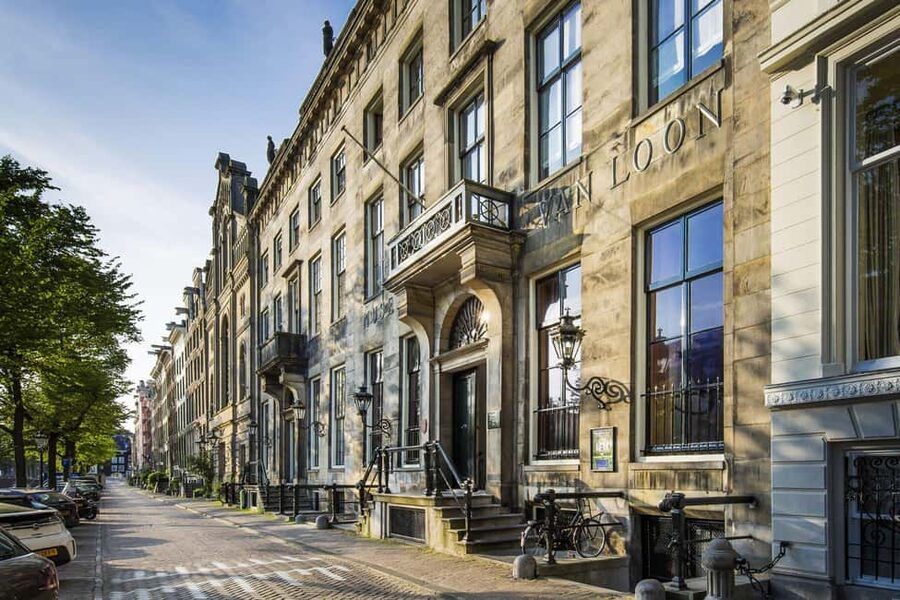
If you like Amsterdam at street level, Keizersgracht is a great place to start. Museum Van Loon sits right on the canal belt at Keizersgracht 672, so your approach is part of the experience. You get that postcard moment, then you step into something quieter and more personal.
This is not a huge museum megacomplex. It’s a house museum. That changes how you should plan. You can move slowly, pause often, and still feel like you’re getting the point instead of racing through rooms.
Also, you’ll want to go in knowing this is primarily about the building and its owners. If you’re hoping for a massive collection of global masterpieces, you might feel more satisfied elsewhere. But if you want atmosphere plus family and city history, this is a strong choice.
Inside a canal house built in 1672, opened to the public in 1973
The building was constructed in 1672. That matters because Amsterdam canal houses are not just decorative shells. They’re organized to fit how affluent families lived, hosted, worked, and displayed status.
Museum Van Loon opened to the public in 1973, and that shows in the layout. You’re guided through the main story of the house, but you still have room to go at your own pace. The museum is set up so you can make your visit feel personal: one hour if that’s all you have, or longer if you stop to really look at portraits, furniture, and objects.
You’ll also pick up a key timeline thread. The first tenant mentioned is painter Ferdinand Bol, and later the focus shifts to the Van Loon family. That kind of continuity is helpful. Instead of random rooms, you get a sense of how people moved through the house over time.
How to plan your visit in one day (and not feel rushed)
Your ticket is valid for 1 day, and Museum Van Loon is open every day from 10:00 AM to 5:00 PM. Since you can enter any time during opening hours (you’ll pick a starting time based on availability), you’re free to match your visit to the rest of your Amsterdam day.
I like using a simple strategy: start earlier in the day if you can. You’ll have an easier time lingering in rooms where you want to read details and view portraits without feeling like you’re in a line.
Because you’ll be walking through a historic house, plan for stairs and indoor transitions. The museum is not suitable for wheelchair users and not suitable for people with mobility impairments, so build your expectations around that.
Also, remember this is a self-paced visit. No matter how fast you move, you’ll likely still spend real time in the portrait rooms and the garden areas. So don’t stack it tightly with another “must-do” that requires you to sprint.
More of the museums worth the queue in Amsterdam






The interior rooms: where the house turns into a story
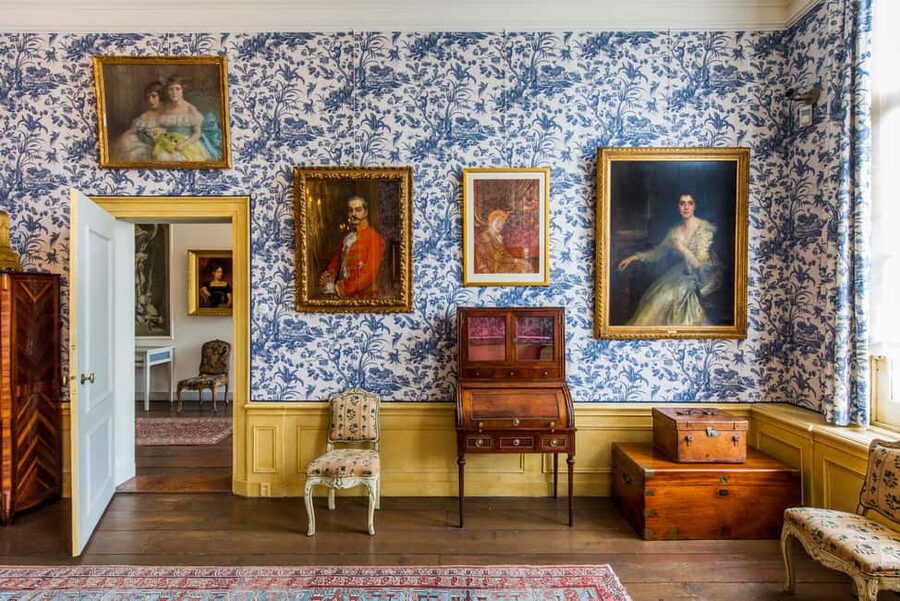
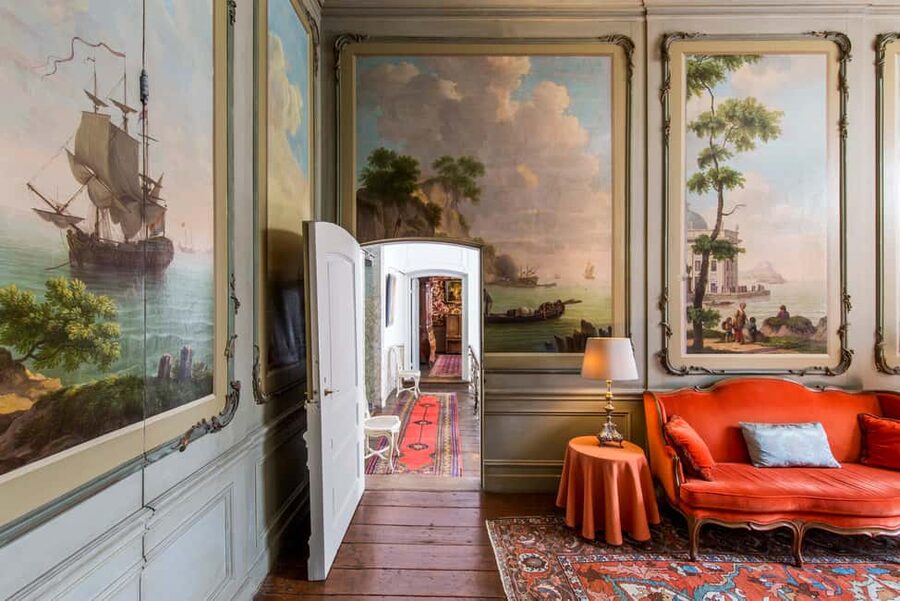
The headline here is obvious: the mansion is a majestic 17th-century canal house, and you’ll feel it right away. But what really works is how the rooms are used to explain life. You’re shown what the house was, who lived in it, and how they fit into Amsterdam’s wider world.
What you’ll likely enjoy most:
- the sense of scale in the main rooms
- the way the house layout supports hosting and showing status
- the atmosphere you get when you’re looking at original spaces, not just museum reconstructions
The museum also points you toward how the inhabitants connected to the city and to the world. One review specifically highlighted the Netherlands during the era of the East India Company. You don’t have to know all the background. Even if you just catch a few references, you’ll start seeing why a family home like this mattered in a trading city.
If you’re a slow-look person, you’ll be happy here. If you only like a quick scan, you may feel like certain parts don’t give you enough guidance. That’s the main drawback I’d plan around.
The portrait gallery and family focus: who mattered and how you can read them
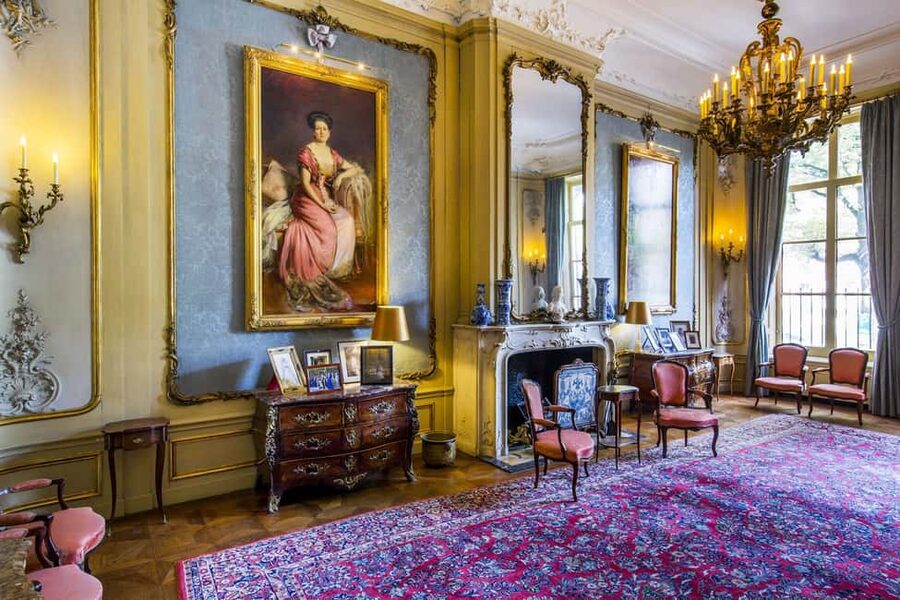
The portrait gallery is one of the most praised parts of Museum Van Loon. It gives the visit a clear “center of gravity.” Instead of floating through rooms, you start to connect names to faces—and then to the house.
Portrait-heavy sections work well in historic houses because they do two jobs at once. They show wealth and taste, and they also reinforce identity. You can look at the paintings as art, but you can also look at them like family records: who wanted to be remembered, and how.
I recommend spending extra time here even if you think you’re not a portrait person. The family focus makes the rest of the house click. Once you understand who lived here, the furniture and household items feel less like random artifacts and more like parts of an actual life.
And yes, the house museum angle is doing real work. A house like this was designed for a very specific kind of living—display, hosting, and long-term presence. The portraits anchor that feeling.
Paintings, furniture, and everyday utensils that make the past feel usable
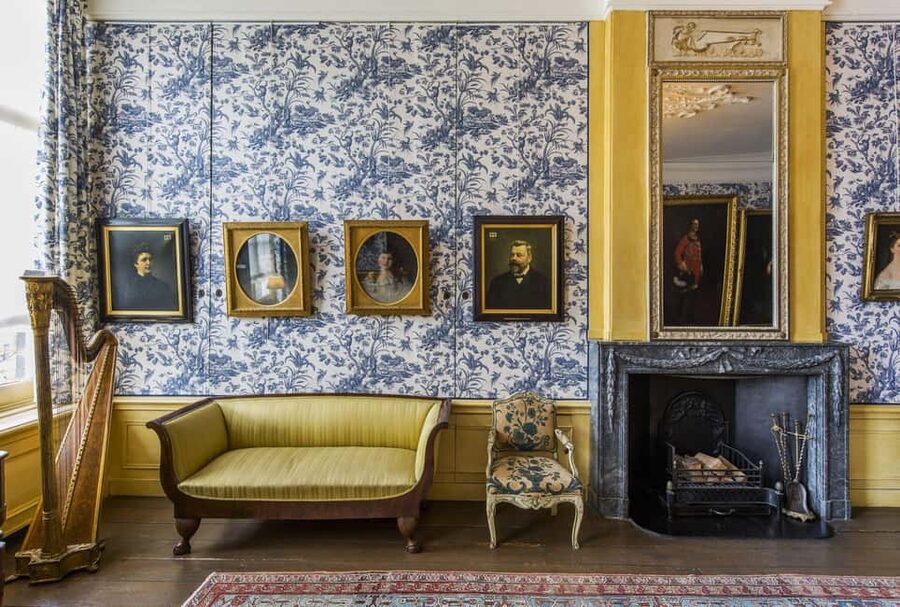
Museum Van Loon isn’t only portraits and showpieces. You’ll also see an extensive collection that includes paintings, furniture, and everyday utensils. That mix is a big part of why the experience feels grounded.
Here’s the practical value for you: when a museum includes normal household objects, it turns big history into something you can picture. You start to imagine routines. Where people sat. What they used. How they kept things. How the home functioned as both a stage and a workplace.
Also, this is a good stop if you like art but don’t want a full-on art history lecture. The collection helps you connect art, status, and daily life in one place.
One person’s positive note also framed the experience as a chance to learn family history alongside Netherlands history in the time of the East India Company. Even if you only pick up a few references, it’s a useful way to connect the home to the wider economy and networks that shaped Amsterdam.
Garden and coach house: the quiet reset between rooms
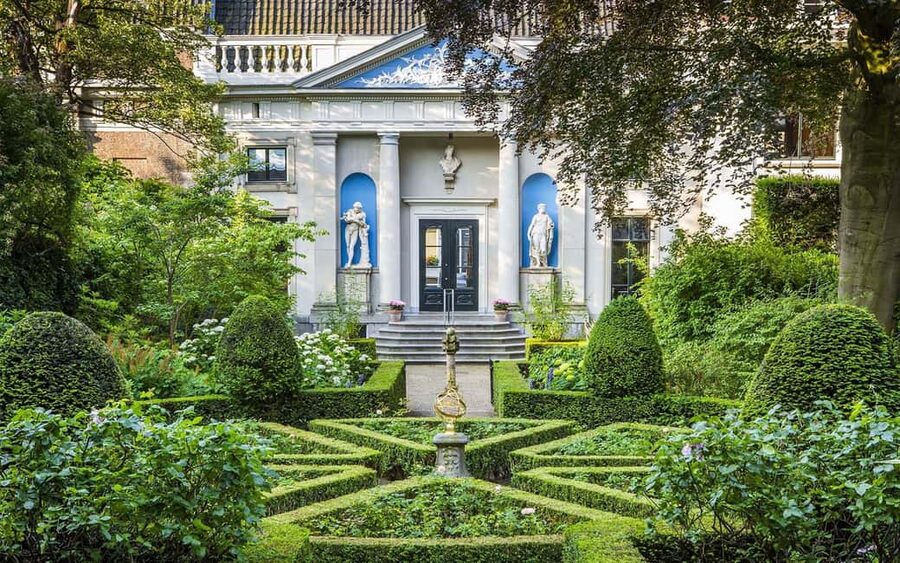
After indoor rooms, the inner garden does something important. It lowers the pace. You move from the formal indoor world to an outdoor space that feels calmer and more lived-in.
The museum specifically includes the passing of the seasons as part of what you can experience in the garden. Even without going deep into interpretation, the garden changes your mental setting. It helps you notice details in the house with fresh eyes when you return indoors.
Then there’s the coach house. This is where the visit adds practical depth. You’re not only seeing where people displayed themselves; you’re also learning about the machinery of daily life and the way arrivals and movement worked for a household like this.
If you like museums that don’t just point at rooms but explain household function, don’t skip these areas. They’re often the difference between feeling like you toured a beautiful building and feeling like you understood a household.
Value and ticket price: is €21-ish worth it for a house museum?
The ticket price is listed as about $21 per person. For Amsterdam, that’s not an impulse deal, but it can still feel like good value—if you match the experience style.
Why it’s worth considering:
- You get a 1-day entry window to see the house at your own pace.
- You see both indoor and outdoor areas, including the inner garden and coach house.
- The museum centers on a specific family story, plus broader connections to Amsterdam and the wider world.
Where it may not be ideal:
- If you want lots of hands-on activities, you won’t find that here. This is a viewing-and-reading museum.
- If you only want the biggest-ticket, crowd-magnet attractions, a focused house museum can feel smaller.
About the quality signal: the experience has a 4.4 rating from 71 reviews, and the praised themes cluster around the canal house beauty, the portrait gallery, and the garden/coach house combination. That’s the kind of feedback pattern that usually means the museum’s core strengths are consistent.
Practical tips for getting the most out of Museum Van Loon
Here’s how to make the visit feel worth your time, not just your money:
- Start with the portraits. Then the rest of the house feels more purposeful.
- Plan a slower pace in the galleries. If you’re rushing, you miss the museum’s real trick: connecting art and objects to people.
- Leave time for the garden and coach house. That outdoor reset is part of the overall experience, not an afterthought.
- Bring your patience for a house museum. Some rooms can feel quieter and less explanatory, so you’ll want to read what’s in front of you.
One more practical caution: I’d double-check opening status on the day you go. There has been at least one booking report about a closure problem compared with what a ticket suggested, so it’s smart to confirm rather than assume.
Who should book this ticket (and who might skip it)
You’ll likely love Museum Van Loon if:
- you enjoy Amsterdam’s canal-house architecture and want a more intimate, authentic setting
- you like family-history context, not just general “old stuff”
- you’re the type who enjoys portraits, period rooms, and everyday household objects
- you want a calm, slower contrast to big museum days
You might consider skipping if:
- you need a lot of interpretive explanation to stay engaged
- you want a wheelchair-friendly or mobility-friendly visit (the museum is not suitable for wheelchair users and mobility impairments)
- you’re looking for a fast in-and-out attraction with lots of interactive components
Should you book a Museum Van Loon canal house ticket?
I’d book this if your Amsterdam itinerary needs one experience that feels personal. The 1672 canal house setting plus the portrait gallery and the garden/coach house create a full “household story,” not just a pretty stop. At around $21, the price fits a focused museum that rewards slow looking.
Skip it if you only want maximum content density or if mobility constraints affect your comfort. Also, if you know you dislike rooms that require you to read and interpret on your own, keep your expectations realistic.
If you’re open to that slower pace, Museum Van Loon is the kind of place where you walk out feeling like you understood how a wealthy Amsterdam family actually lived—and why their home mattered.
FAQ
Where is Museum Van Loon located?
Museum Van Loon is on the canal at Keizersgracht 672 in Amsterdam.
How much does the entry ticket cost?
The ticket price is listed as $21 per person.
How long can I use the ticket?
The ticket is valid for 1 day. Choose a starting time based on availability.
What are the opening hours?
Museum Van Loon is open 7 days a week from 10:00 AM to 5:00 PM.
What’s included with the ticket?
Your ticket includes admission to Museum Van Loon.
Is food or drinks included?
No. Food and drinks are not included.
Is Museum Van Loon wheelchair accessible?
No. The museum is not suitable for wheelchair users and not suitable for people with mobility impairments.
Can I cancel for a full refund?
Yes. You can cancel up to 24 hours in advance for a full refund.
More Tour Reviews in Amsterdam






Indoors Done Well: More Amsterdam Museums






Back on the Canals: More Amsterdam Cruises





Just added: fresh Amsterdam tour reviews





Canal Cruises, compared.
 ★ 5.0Amsterdam Luxury Canal Cruise + Unlimited Drinks & Bites optionFrom $1830,518 reviews
 ★ 4.5Heated Canal Cruise with Unlimited Drinks & BiteFrom $1821,431 reviews
 ★ 4.475 Minute City Canal Cruise with Audio GuideFrom $1819,938 reviews
 ★ 4.3City Centre Canal Cruise including AudioguideFrom $1716,901 reviews
 ★ 4.7Covered Canal Booze Cruise with Unlimited DrinksFrom $185,435 reviews
 ★ 5.0Amsterdam Canal Cruise in Open Boat with Unlimited Drinks OptionFrom $214,976 reviews
 ★ 5.0Amsterdam Newest Canal Cruise with local guide and small groupFrom $214,735 reviews
 ★ 4.6Van Gogh Museum Ticket and City Canal CruiseFrom $473,899 reviews
Browse the lists this tour appears in