
Reviewed · CANAL CRUISES
Amsterdam: Art Zoo Museum Entry Ticket in a Canal House
A canal house full of animals and art? You’ll get that here. Art Zoo Museum turns a quiet 17th-century setting into a modern cabinet of curiosities, and I love the attention to detail in the taxidermy scenes. I also like that the self-guided audio tour helps you slow down and read what you’re looking at. The one thing to weigh: it’s not huge, so if you expect a big museum marathon, this will feel short.
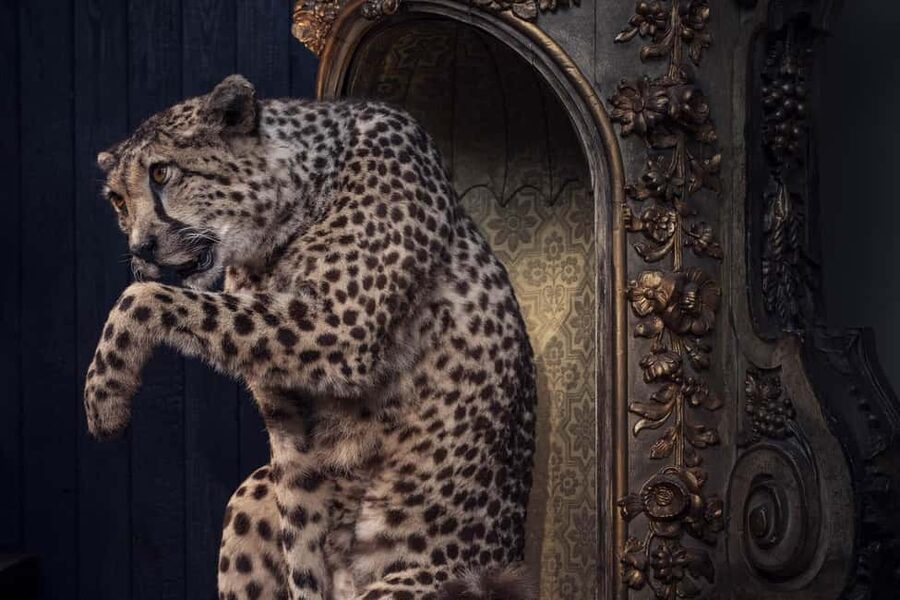
What you’re walking through is animal art made for close viewing: feathers, muscle texture, and eyes that look almost too real. The museum uses work by the taxidermy artists Darwin, Sinke & Van Tongeren, and they even spell out the rules of the display: none of the animals came from the wild, none were bred specifically for the museum, and all died of natural causes.
Plan around good shoes and a camera, and then let the audio guide pace you. There’s also a historic garden and an Italian bar option for lunch and drinks, which is handy since food and drinks aren’t part of your ticket. One more heads-up: it’s in an older canal-house building, so access can be limited if you use a wheelchair, and it’s not suitable for people with animal allergies.
In This Review
- Key things to know before you go
- Inside the Art Zoo Museum: a modern cabinet of curiosities in a classic canal house
- The star of the show: Darwin, Sinke & Van Tongeren taxidermy scenes
- Audio guide pacing: how to turn 2 hours into a satisfying visit
- Aviaries and “still life” thinking: animals framed like 17th-century masters
- Crocodiles, tulips, and even a T. rex: why the mix works
- Lunch and breaks: where the garden and Italian bar fit in
- Practical rules that affect your visit (and your photos)
- Getting around in an older canal house: what to expect
- Who this museum is best for
- Price and value: is $20 worth it?
- Should you book the Art Zoo Museum canal house ticket?
- FAQ
- What’s included in the Art Zoo Museum ticket?
- How long can I spend at the museum?
- Is there an audio guide, and what languages are available?
- Can I take photos with flash?
- Are food and drinks allowed inside the museum?
- Are pets allowed at Art Zoo Museum?
- Is the museum wheelchair accessible?
- Is the museum suitable if I have animal allergies?
- What should I bring?
- Is free cancellation available?
Key things to know before you go
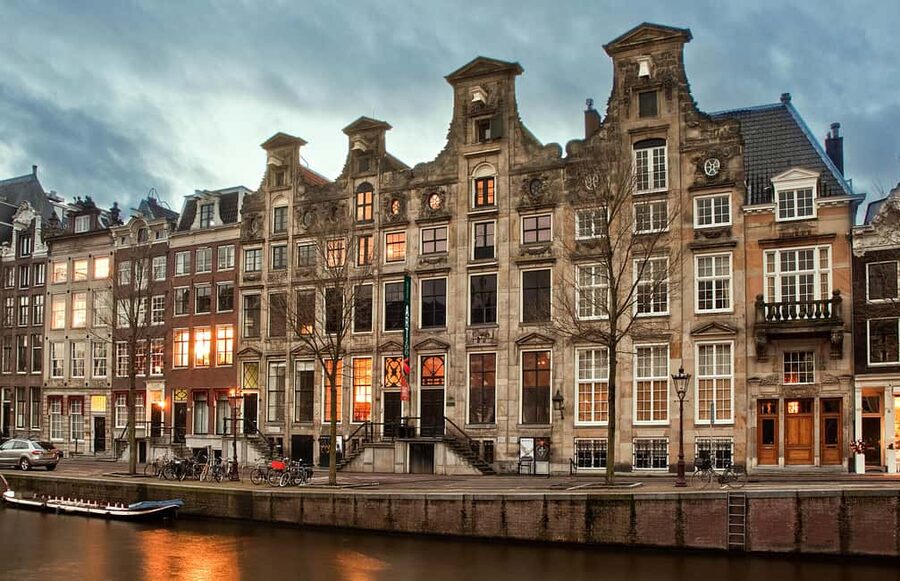
- A 17th-century Amsterdam canal house setting makes the museum feel like you found a period room, not a warehouse.
- Taxidermy art by Darwin, Sinke & Van Tongeren creates theatrical, lifelike scenes.
- Self-guided audio tour is available in many languages, so you can go at your pace.
- Animal “classical still life” style displays put birds and reptiles into an art-world format.
- Small-but-intense visit window fits a smooth 2-hour plan rather than a full day.
More time on the water: other Amsterdam canal cruises
- Amsterdam Luxury Canal Cruise + Unlimited Drinks & Bites option
★ 5.0 · 30,518 reviews - Amsterdam: Heated Canal Cruise with Unlimited Drinks & Bite
★ 4.5 · 21,431 reviews - Amsterdam: 75 Minute City Canal Cruise with Audio Guide
★ 4.4 · 19,938 reviews - Amsterdam: City Centre Canal Cruise including Audioguide
★ 4.3 · 16,901 reviews
Inside the Art Zoo Museum: a modern cabinet of curiosities in a classic canal house
Art Zoo Museum sits in a historic canal house in Amsterdam, and the building matters. You’re not in a generic gallery space. You’re moving through rooms that already feel like part of the story, which makes the animal art land differently. Instead of “look at the exhibit,” it becomes “look where you are.”
The museum’s idea is straightforward: take the old Dutch fascination with curiosities and reinvent it with today’s art language. You’ll see animals presented as sculpture-like scenes—almost staged like theater—paired with the kind of careful craft you’d expect from fine art.
The overall vibe is close-up and slightly strange in a good way. It’s not trying to mimic a zoo. It’s trying to make you notice how artists translate nature into form, texture, and mood.
The star of the show: Darwin, Sinke & Van Tongeren taxidermy scenes
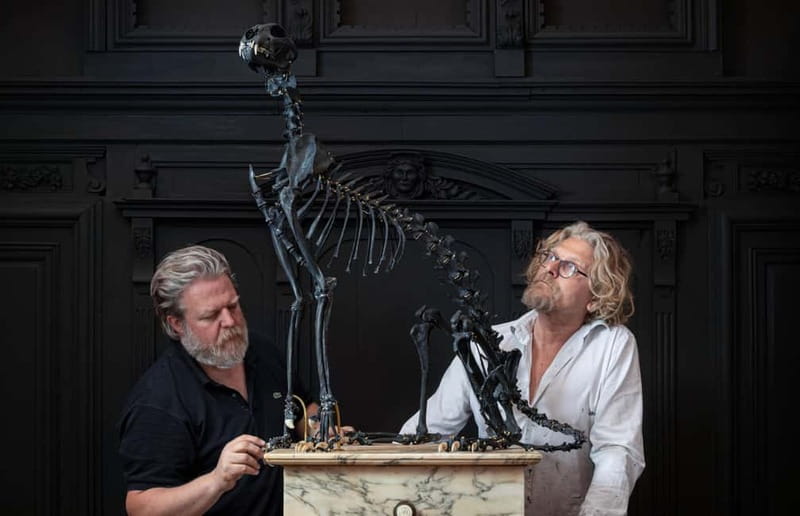
What makes this museum different from a standard animal exhibit is the way the works are built. The animals are preserved and collected by taxidermy artists Darwin, Sinke & Van Tongeren, and the goal is realism you can’t ignore. In the rooms, you’ll spot the kinds of textures that pull your eyes in—shimmering feathers, tense-looking muscle detail, and eyes that feel uncomfortably alive.
This is also where the museum’s “rules” matter. You’ll see the clear statement about sources: none came from the wild, none were bred specifically for the museum, and all died of natural causes. For some people, that honesty helps you focus on the artwork itself. For others, it may still feel intense—so it’s worth knowing what you’re signing up for.
A practical tip: go slow. This kind of art doesn’t reward speed. If you try to sprint through, you’ll miss what the artists are doing with expression and composition. The museum is designed for lingering.
Audio guide pacing: how to turn 2 hours into a satisfying visit
Your ticket includes access to the exhibits plus a self-guided audio tour. The tour is listed as available in many languages—Dutch, English, German, French, Spanish, Italian, Japanese, Arabic, Russian, and Chinese. The included audio guide language detail is specifically English and Dutch, so if you want another language, check when you arrive or at ticket activation.
The best way to use it is simple:
- Put it on as soon as you enter.
- Let it guide the order of your attention.
- Pause for photos where the lighting and angles are clearly part of the effect.
One note from real-world expectations: the audio guide is a big part of why the experience feels complete. If you skip it, you may feel like you’re just looking at objects. With it, you understand the intention behind the staging.
Still deciding? A few more Amsterdam tours worth a look




Aviaries and “still life” thinking: animals framed like 17th-century masters
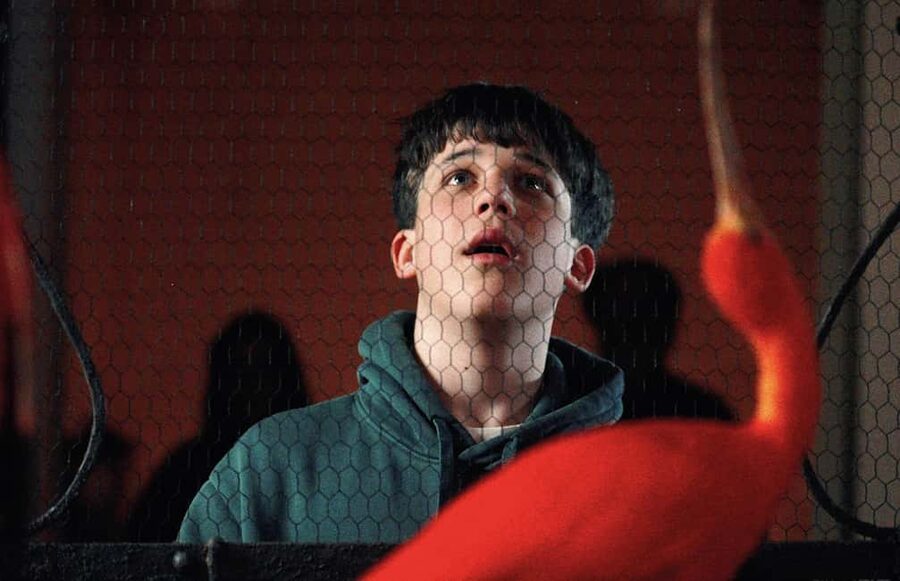
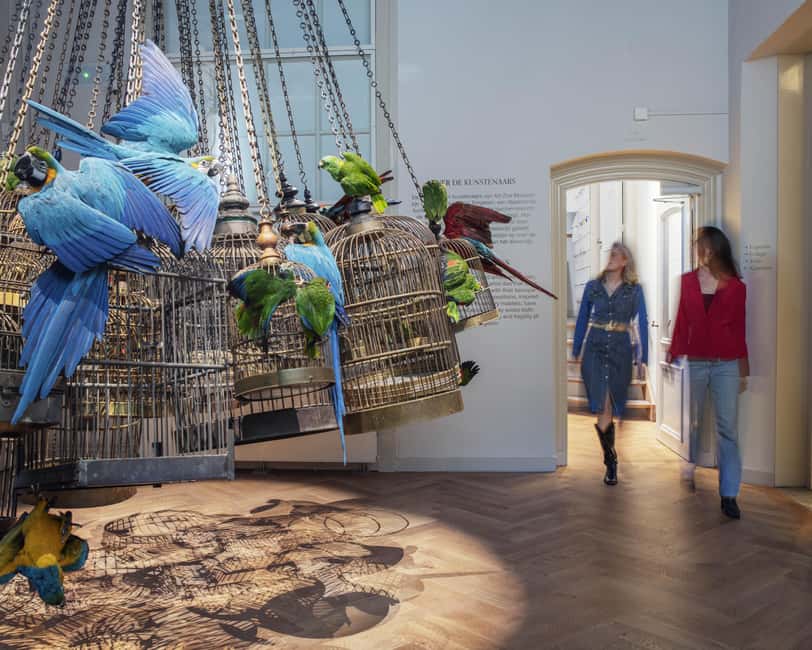
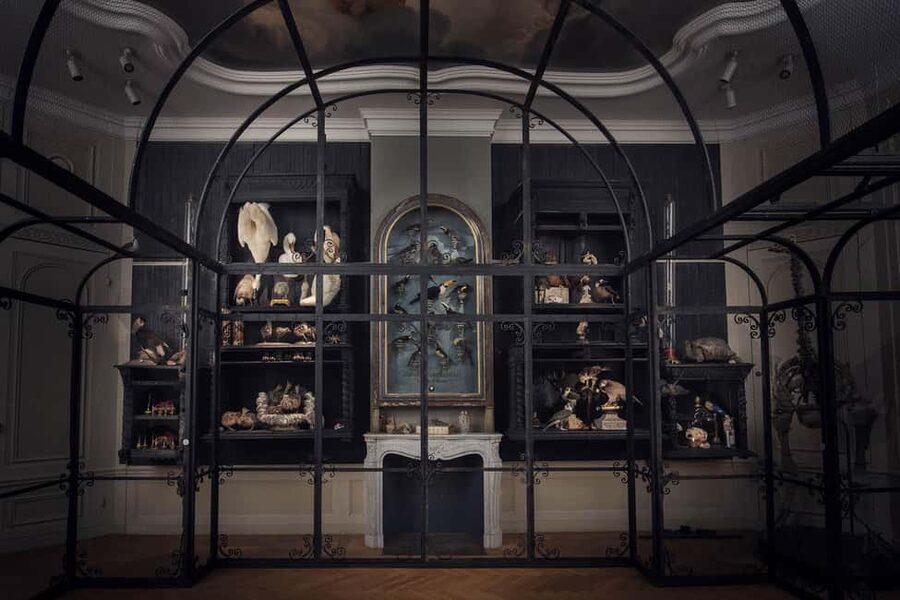
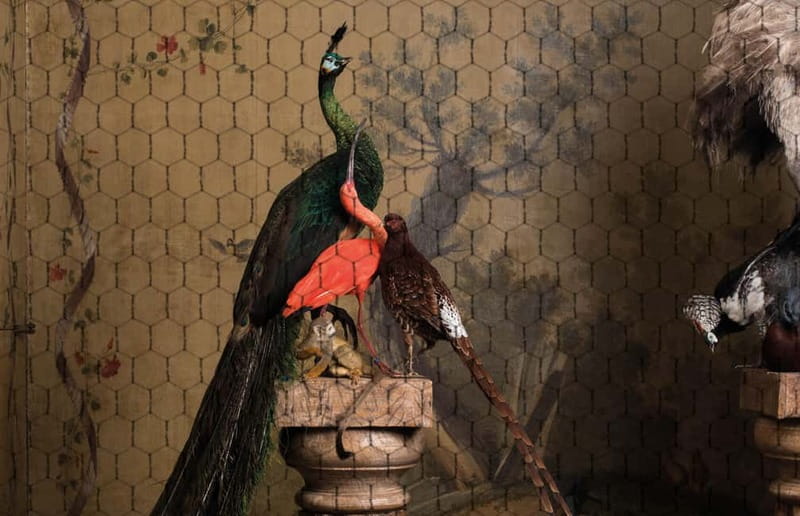
A standout part of the museum is the way large aviary spaces present animals like classical still lifes. Think 17th-century Dutch art—composition first, then detail. Birds and other creatures aren’t just displayed. They’re arranged with an artist’s sense of balance, color, and narrative.
This is where the museum’s “cabinet of curiosities” concept becomes more than a theme. It turns animals into subjects of art history, not just biology. You start noticing the choices: what’s placed in the foreground, what becomes background, and how the scene reads as you walk past.
If you like art museums where you’re constantly asking why something is positioned a certain way, you’ll probably enjoy this section more than you expect. If you want a typical zoo layout, you might find it more “art gallery rules” than “animal facts.”
Crocodiles, tulips, and even a T. rex: why the mix works
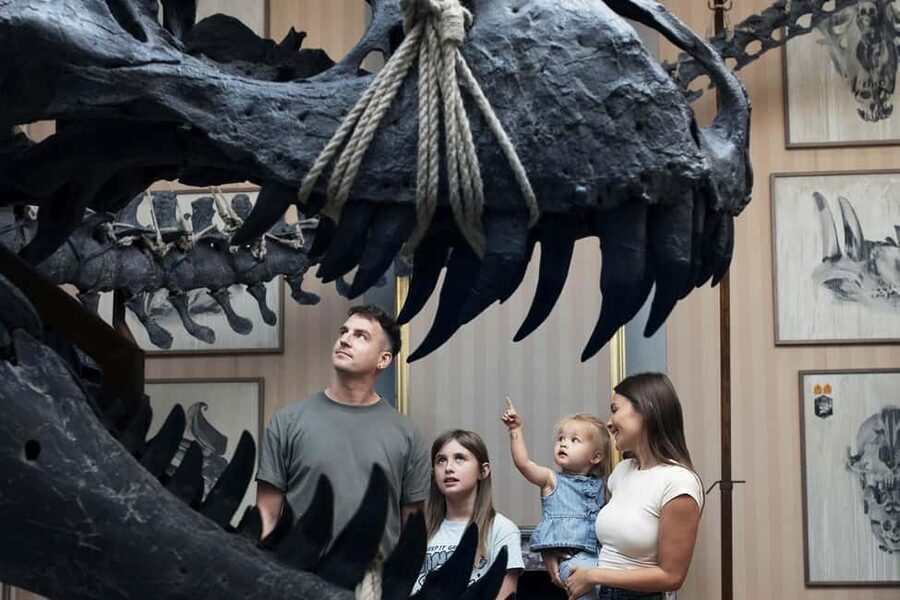
The museum’s tone is playful and theatrical at the same time. You’ll see nature-meets-art moments: crocodiles, tulips, and even a T. rex presence. That sounds like it belongs in a science-fiction postcard, but inside the museum it feels like a continuation of the curiosity cabinet idea—bring the strange together, then make it art.
This variety is also why the museum stays interesting for multiple stops in a row. You’re not stuck with one species category. You’re watching different “worlds” of texture and form, from birds to reptiles and beyond.
A small warning: because it’s a compact museum, these big moments are your best targets. Don’t spend all your time staring at only one room. Aim to hit the full circuit so the pacing doesn’t feel lopsided.
Lunch and breaks: where the garden and Italian bar fit in
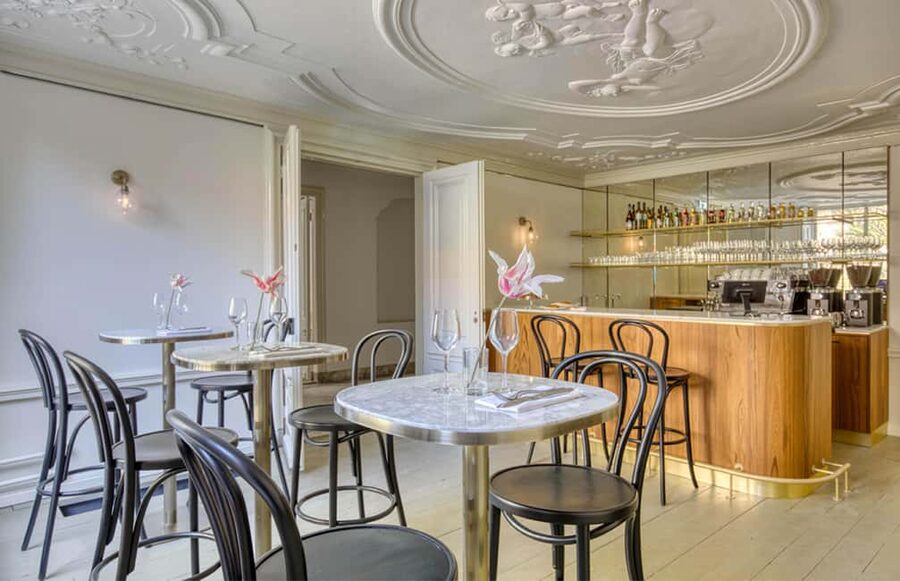
Your ticket covers entry and exhibits, not food and drinks. That said, the museum experience includes a historic garden and an Italian bar option, which means you can turn your 2-hour visit into a more normal outing with a sit-down pause.
Because food and drinks aren’t included, plan this as a separate stop. Also note the on-site restrictions: food and drinks aren’t allowed to be brought in, so plan to buy what you want on site rather than packing a picnic.
If you’re coming right after a canal walk, this is a useful built-in reset. You can also grab something to drink while keeping the whole day flowing without sprinting back to another neighborhood.
Practical rules that affect your visit (and your photos)
A few house rules shape what you’ll do on the floor:
- Flash photography is not permitted, but photography is allowed.
- Selfie sticks aren’t allowed.
- Weapons or sharp objects aren’t allowed.
- Alcohol and drugs aren’t allowed.
- Please do not touch the exhibits.
In an art-focused space, those rules make sense. Flash can flatten the texture and ruin lighting effects, and taxidermy works are the kind of thing you really don’t want people touching.
Camera time tip: shoot without flash, then move your body slightly. In this kind of work, small angle changes can make the difference between a flat picture and one that shows the craftsmanship.
Getting around in an older canal house: what to expect
The museum is inside a historic canal house. That’s part of the charm, and it also changes the comfort level for some visitors. Accessibility may be limited for those with mobility impairments. Wheelchair users are listed as not suitable.
If you’re able-bodied or just need normal walking accommodations, you’ll likely be fine. Still, wear comfortable shoes. This isn’t a place where you want sore feet after an hour of close viewing.
Who this museum is best for
Art Zoo Museum works best if you like art that uses unusual subject matter and you’re curious about how artists translate nature into crafted scenes. It’s also a strong choice if you enjoy dark humor mixed with real craft—there’s a theatrical feeling here, and it’s not pretending to be “educational wildlife” the way a zoo does.
It can also be a family-friendly outing for kids who can handle odd-but-beautiful art. One example from the ticket base mentions it being fun with two children aged 6. If your kids like dinosaurs, birds, and big surprises, you can probably keep them engaged for the whole 2 hours.
It’s not a good fit if:
- you have animal allergies
- you need wheelchair-friendly access
- you dislike taxidermy art (even with the museum’s stated sourcing details)
Price and value: is $20 worth it?
At about $20 per person, this is priced like a ticketed museum experience, not a full-day attraction. The value comes from three things that work together: a compact visit window (2 hours), high-detail craft, and an audio guide that’s meant to be used while you look.
If you do a quick walk without the audio, you might feel like it’s too small for the money. If you use the guide, slow down, and photograph what catches your eye, it can feel like a full art-session in just a couple of hours.
Also, the building itself (a classic canal house) adds value. You’re not paying only for exhibits; you’re paying for the setting and the way the exhibits are staged inside it.
Should you book the Art Zoo Museum canal house ticket?
Book it if you want an unusual Amsterdam stop that feels artistic, not generic. You’ll likely enjoy the taxidermy craft, the curiosity-cabinet concept, and the audio guide pacing.
Skip it (or at least think twice) if you need a big museum with lots of rooms, if flash photos matter to you, if taxidermy art is a hard no, or if you have animal allergies. And if accessibility is a concern for you, the canal-house setup may not work as well as you’d hope.
If you’re planning a short, high-impact cultural break between canal walks, this is a smart pick—especially when you time it so you can add that garden and Italian bar moment after.
FAQ
What’s included in the Art Zoo Museum ticket?
The ticket includes entry to the Art Zoo Museum, access to all exhibits, and a self-guided audio tour.
How long can I spend at the museum?
The ticket is valid for 2 hours from the first activation.
Is there an audio guide, and what languages are available?
Yes. A self-guided audio tour is available in multiple languages including Dutch, English, German, French, Spanish, Italian, Japanese, Arabic, Russian, and Chinese.
Can I take photos with flash?
Photography is allowed, but flash photography is not permitted.
Are food and drinks allowed inside the museum?
No. Food and drinks are not allowed.
Are pets allowed at Art Zoo Museum?
Pets are not allowed. Assistance dogs are allowed.
Is the museum wheelchair accessible?
No. It is not suitable for wheelchair users, and accessibility may be limited due to the historic canal house setting.
Is the museum suitable if I have animal allergies?
No. It is not suitable for people with animal allergies.
What should I bring?
Bring comfortable shoes and a camera.
Is free cancellation available?
Yes. You can cancel up to 24 hours in advance for a full refund.
More Tickets in Amsterdam




More Tour Reviews in Amsterdam




Back on the Canals: More Amsterdam Cruises


Just added: fresh Amsterdam tour reviews





Canal Cruises, compared.
 ★ 5.0Amsterdam Luxury Canal Cruise + Unlimited Drinks & Bites optionFrom $1830,518 reviews
 ★ 4.5Heated Canal Cruise with Unlimited Drinks & BiteFrom $1821,431 reviews
 ★ 4.475 Minute City Canal Cruise with Audio GuideFrom $1819,938 reviews
 ★ 4.3City Centre Canal Cruise including AudioguideFrom $1716,901 reviews
 ★ 4.7Covered Canal Booze Cruise with Unlimited DrinksFrom $185,435 reviews
 ★ 5.0Amsterdam Canal Cruise in Open Boat with Unlimited Drinks OptionFrom $214,976 reviews
 ★ 5.0Amsterdam Newest Canal Cruise with local guide and small groupFrom $214,735 reviews
 ★ 4.6Van Gogh Museum Ticket and City Canal CruiseFrom $473,899 reviews
Browse the lists this tour appears in