
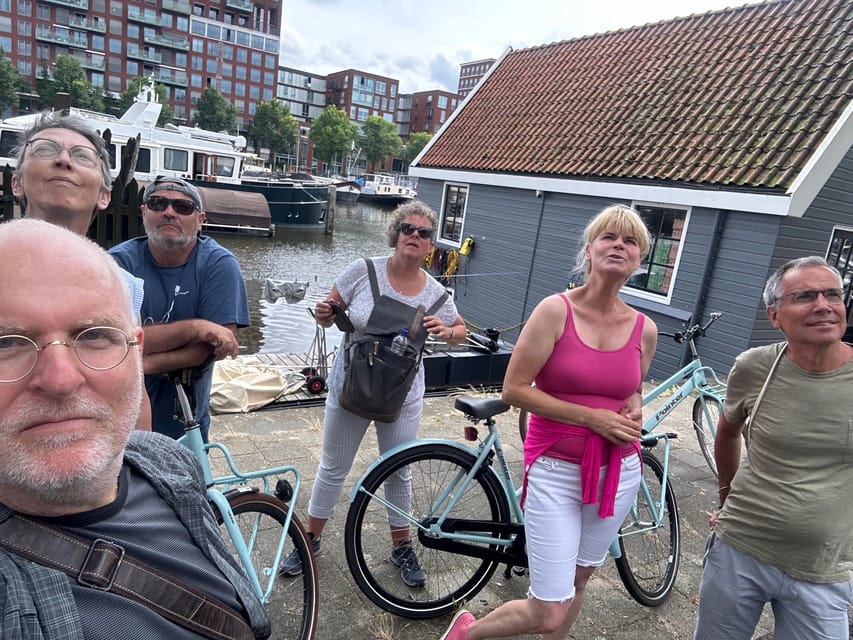
Reviewed · AMSTERDAM
Amsterdam: Architektur Er-fahren
Amsterdam tells its building story in motion. On this 2.5-hour German architecture bike tour, you pedal from Beursplein/Damrak toward the IJ and Central, using the water as your map.
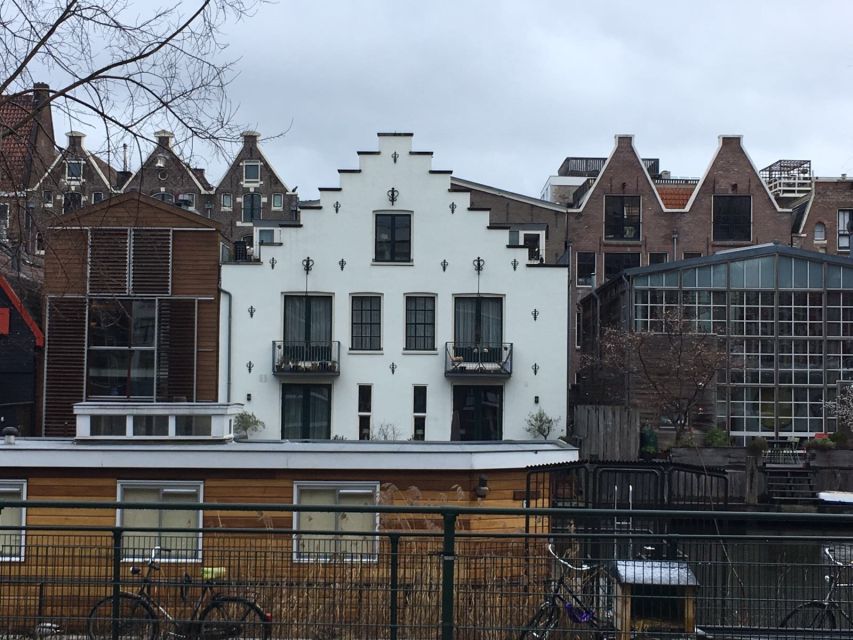
I particularly love how modern architecture sits in full view next to old canal houses and working-area warehouses. You also get a close look at the contrast between liveable houseboats and larger, more industrial structures.
One catch: this is not a casual stroll. You need solid bike skills, and the tour runs rain or shine, so dress for the weather and bring water.
In This Review
- Key things you’ll notice on this Amsterdam architecture ride
- Why Amsterdam’s architecture makes more sense by bike
- Starting at Beursplein/Damrak: setting your view for the whole tour
- IJ and Central: the waterfront as an architecture classroom
- Canal houses, warehouses, and the kind of contrast Amsterdam does best
- Houseboats: why they’re more than a photo stop
- The Western Islands: function and design when space is tight
- Innovative housing and the idea of earned design
- Industrial vs picturesque architecture: what to look for while you ride
- What the 2.5 hours feels like in practice
- Price, included value, and what to budget for a bike
- Rain or shine: how to make this ride comfortable
- Should you book Amsterdam: Architektur Er-fahren?
- FAQ
- Where does the tour start?
- How long is the Amsterdam architecture bike tour?
- What language is the tour guide speaking?
- What is the group size?
- Is bike hire included in the price?
- What’s included in the tour price?
- Are food and drinks included?
- Does the tour run in bad weather?
- Do I need my own bike?
- Is alcohol or drugs allowed during the tour?
Key things you’ll notice on this Amsterdam architecture ride
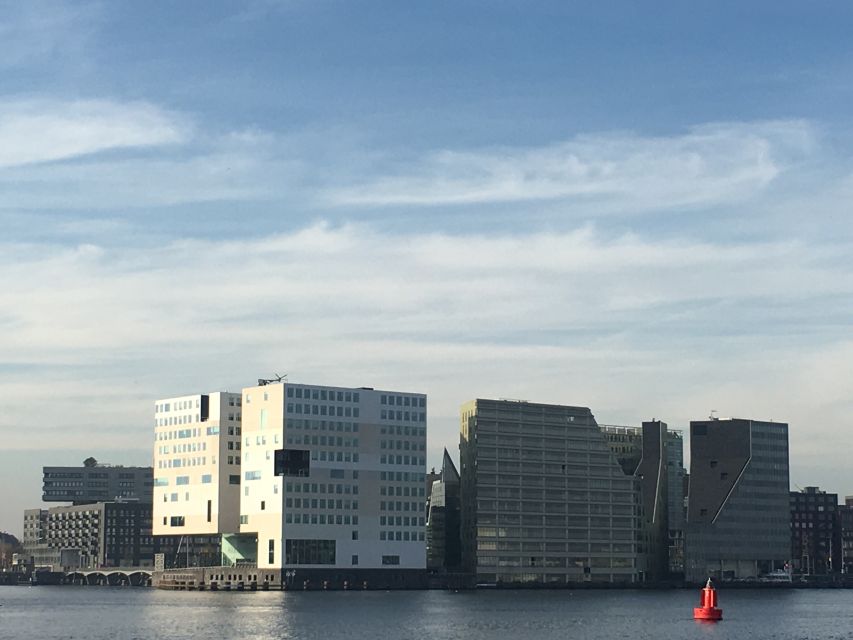
- Cycle from Beursplein/Damrak toward the IJ and Amsterdam Central with views that make the city easier to read.
- Canal houses and warehouses next to modern design, so the past and present stop feeling like separate worlds.
- Houseboats on the water, showing a very practical kind of living in Amsterdam.
- Amsterdam Western Islands, where function and design have to work with limited space and water.
- Industrial vs picturesque architecture, a contrast that becomes obvious once you’re moving.
- Smart responses to land-and-water challenges, tied to how Amsterdam grew fast and built for different budgets.
Weighing your options? Here is how a few other Amsterdam tours compare.
- Amsterdam: Heineken Experience Ticket including 2 Drinks
★ 4.6 · 36,014 reviews - Amsterdam Classic Saloon Boat Cruise with Drinks and Cheese
★ 5.0 · 31,825 reviews - Amsterdam Luxury Canal Cruise + Unlimited Drinks & Bites option
★ 5.0 · 30,518 reviews - Amsterdam: Rijksmuseum Entry Ticket
★ 4.7 · 29,512 reviews
Why Amsterdam’s architecture makes more sense by bike
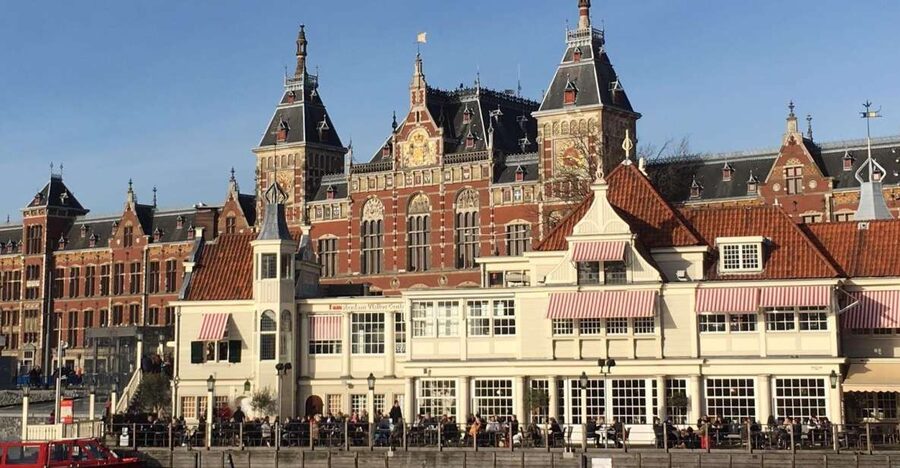
Architecture tours can be good at facts, or good at atmosphere. This one is better at the mix, because you’re always moving between waterfronts, neighborhoods, and building types. When you cycle, scale changes fast. A warehouse facade you’d barely notice on foot becomes part of a bigger plan once you see what’s across the water.
You’ll also get a guide who explains not just what you’re seeing, but why Amsterdam looks like this. That matters because the city is built on difficult ground and surrounded by water. The result is architecture that isn’t only pretty. It’s practical, and it’s often the answer to a problem: space, flooding, sinking land, and a growing population.
The best part for me is that the tour trains your eyes. After a short ride, you start spotting clues—materials, building edges, and how the city stitches areas together—so you can apply it to other buildings during the rest of your stay.
Starting at Beursplein/Damrak: setting your view for the whole tour
The tour begins at Beursplein/Damrak. It’s a useful starting point because it places you in the city’s “connector” zone: you’re close to major routes, and you can quickly feel how Amsterdam turns waterways into streets.
Look for the guide with a black and white striped band around their neck. That small detail sounds minor, but it reduces stress at the start. With a small group, you’ll want an easy first minute—everyone needs to roll together.
From the meeting area, you’ll head toward the IJ and toward Amsterdam Central, and you’ll keep cycling along the water for stretches. The route choice is clever: water gives you perspective. You can compare buildings across the channel, and you can see where older waterfronts made room for newer uses.
What to watch for early:
- how the waterfront edge is built (straight lines versus layered edges)
- how older warehouse spaces differ from newer building shapes
- where the city feels industrial and where it feels residential
Early on, you’re also learning the language of what you’ll see later: canals and warehouses on one side of the story, and modern, functional design on the other.
IJ and Central: the waterfront as an architecture classroom
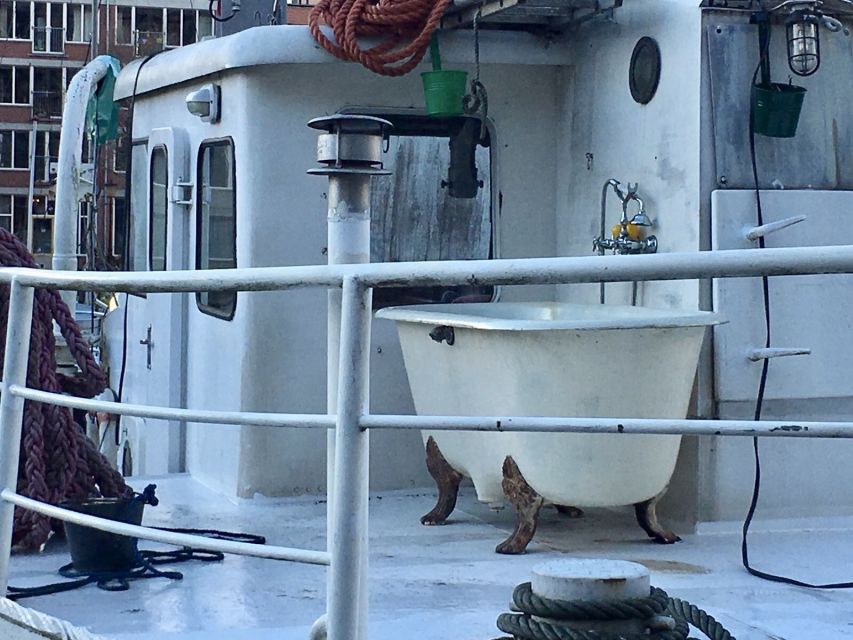
As you cycle along the water, the buildings start to tell two stories at once. One is historical: canal houses and warehouses that supported trade and daily life. The other is current: modern architecture and design innovations that respond to today’s needs.
This is where I think the tour gives real value. You’re not stuck at a single stop looking at one facade. You’re riding, so you get changing angles and quick comparisons. That’s how architecture becomes understandable. From one point, a building looks decorative. Move two blocks (or roll ten minutes along the water) and the same structure looks more like engineering.
You’ll also pick up amusing context about life in Amsterdam—how people relate to water and how the city grew under pressure. In the reviews, people specifically praised the guide for connecting the city’s architecture to Dutch life and the water. That’s exactly the kind of link that makes you feel like you’re learning something you can reuse.






Canal houses, warehouses, and the kind of contrast Amsterdam does best
This ride highlights the tension between different architectural styles: industrial versus picturesque. In Amsterdam, that contrast isn’t theoretical. It’s visible block to block, sometimes waterline to waterline.
You’ll spend time looking at:
- historic canal structures (house-like edges, traditional patterns, and the rhythm of windows)
- warehouses (more utilitarian forms, designed for work and storage)
- newer additions (cleaner lines, different materials, and a stronger emphasis on function)
For me, what’s useful is the way the tour encourages you to read buildings like systems. Warehouses aren’t just “old buildings.” They’re a sign of what the city needed for trade. Modern housing isn’t just “new buildings.” It’s a response to today’s pressure for living space.
There’s also an explicit focus on how Amsterdam combines different housing ambitions. The idea of social housing alongside luxury housing can sound like a political topic, but on this tour it lands as design choices: how buildings fit, how they use space, and how new projects attempt to look good while serving real needs.
Houseboats: why they’re more than a photo stop
Amsterdam’s houseboats are easy to photograph. The tour goes further by using them to explain a theme: life on the water shapes design.
Seeing houseboats while you ride along the canals and waterfront helps you understand their logic. They’re part of the city’s relationship with water, not just a tourist quirk. And because you’re moving, you also see how houseboats relate to surrounding land-based structures—what sits close by, what looks integrated, and what feels separate.
One review mentioned lots of laughter and a guide who told stories about the Netherlands and the water. That tone matters. When the guide keeps things human, the architecture stops feeling like homework.
Practical tip: if you’re the kind of person who always wonders how something works, this part will scratch that itch. Houseboats make you ask practical questions, and the tour’s architecture framing helps you find answers.
The Western Islands: function and design when space is tight
You’ll explore Amsterdam’s Western Islands. This isn’t just a scenic detour. Islands change the design mindset. If you’re limited in space and shaped by water constraints, you pay more attention to how structures serve daily needs.
In the tour description, the emphasis is on innovative solutions in both function and design, and that theme fits the Western Islands context. Expect to notice:
- how buildings and public spaces connect
- how the city uses waterfront edges
- how the architectural language can feel more contemporary when the area is built with different priorities
This is also where industrial and more “storybook” elements can feel like they overlap. The contrast becomes clearer because you’re leaving the dense classic canal core and seeing how architecture behaves on the city’s edge.
If you love modern projects and want a better sense of where Amsterdam is going, don’t treat the islands as optional. They’re one of the most important parts of the tour for understanding contemporary city planning.
Innovative housing and the idea of earned design
A highlight is moving from older structures toward a prize-winning new-build project—the idea that modern design can be both functional and award-worthy.
You’ll hear about the challenge of problematic land conditions and the water that comes with them. Even if you already know Amsterdam is engineered on piles, hearing it connected directly to what gets built now helps it click. The tour frames engineering as a design driver, not only a technical issue.
You’ll also get a sense of how Amsterdam deals with rapid population growth. That’s the real reason housing solutions become architecture, not just policy. On this tour, you’re meant to see the outcome: living spaces, new projects, and the way the city aims to balance different housing categories in one urban fabric.
There’s also a mention of a historic demolition being part of the story. That’s a useful lens. You see how cities replace and reshape space, and you understand why that affects both the skyline and the street life around it.
Industrial vs picturesque architecture: what to look for while you ride
The tour keeps returning to a simple but effective contrast: industrial versus picturesque architecture. When you’re on a bike, you can scan quickly, then stop your attention for a moment on what matters.
Here are the things I’d actively watch for as you pedal:
- Edges and structure: Do you see clean, engineered lines, or older building rhythms?
- Materials: Does the surface read as work-oriented (durable, utilitarian) or domestic (patterned, detailed)?
- Purpose signals: Warehouses tend to look like they were designed for storage and movement. Housing tends to look like it was designed for daily life.
- Water relationship: Is the building front-facing toward the canal, or does it feel like it turns inward?
This kind of “on-the-bike observation” is why people come away saying the knowledge transfers. It’s not about memorizing names. It’s about learning how to interpret what you see.
What the 2.5 hours feels like in practice
At 2.5 hours, you get enough time to build a pattern of understanding without getting exhausted. It’s long enough for real changes in scenery—classic canals, working-area architecture, then modern waterfront design and the Western Islands.
The group is small, limited to 10 participants, which usually helps the guide keep energy up and answer questions without crowd noise. Since the tour is in German, it’s a good fit if you’re comfortable hearing the city’s story in that language.
The guide also makes the ride fun. One review praised how much people laughed, and another highlighted the usefulness of the explanations for spotting patterns later during the trip. That tells me the format is part lecture, part story, and part shared observation.
Price, included value, and what to budget for a bike
The price is $46 per person. For that, you get a guided bike tour with lots of information and details. The value here is less about a single landmark and more about coaching your eye across multiple architectural environments in one short session.
What’s not included is important for budgeting:
- Food and drinks are not included.
- Bike hire is not included in the price. You might need to rent a bike if you don’t have one.
The tour info suggests bike rentals are commonly available for around €5 to €25, depending on the shop and bike type. So your realistic day plan is: add bike costs if needed, and bring water or plan for refreshments nearby before or after.
If you already have a bike, the tour becomes a straightforward deal: you’re paying mainly for the guide and the route logic.
Rain or shine: how to make this ride comfortable
The tour runs rain or shine. In Amsterdam, that’s not scary—it’s normal. The key is preparation.
Bring:
- comfortable shoes (you’ll likely do some stop-and-start stepping)
- water
- comfortable clothes
- weather-appropriate clothing
Also, the tour asks that your bicycle is functional and roadworthy. If you’re renting, check brakes and tires before you meet the guide. It’s a small step that makes the whole experience smoother.
One more thing: intoxication isn’t allowed, and alcohol and drugs aren’t allowed. I appreciate that policy because it keeps the ride safe and lets the guide focus on architecture, not crowd management.
Should you book Amsterdam: Architektur Er-fahren?
If you like architecture but get bored by long walking tours, this is a smart choice. The bike format helps you compare buildings in motion—historic canal and warehouse structures against newer housing and design innovations—and it ties architecture to the real pressures Amsterdam faces: water, land challenges, and growth.
Book it if:
- you want a practical way to “train your eye” for building differences
- you enjoy city planning themes (housing needs, engineering constraints) shown through real examples
- you can ride a bike confidently and you’re okay with rain
Skip it if:
- you’re not comfortable biking in traffic and on bike-friendly infrastructure
- you’d rather focus on one famous landmark than a broader architectural story across multiple areas
FAQ
Where does the tour start?
You’ll meet at Beursplein/Damrak. The guide will be easy to spot with a black and white striped band around their neck.
How long is the Amsterdam architecture bike tour?
The tour lasts 2.5 hours, cycling through multiple areas and returning back to the start.
What language is the tour guide speaking?
The live tour guide speaks German.
What is the group size?
It’s a small group, limited to 10 participants.
Is bike hire included in the price?
No. Bike hire is not included. You can usually rent a bike from local shops for around €5 to €25, or use a bike you already have.
What’s included in the tour price?
The price includes a guided bike tour with lots of information and fun, exciting details.
Are food and drinks included?
No. Food and drinks are not included.
Does the tour run in bad weather?
Yes. The tour takes place rain or shine, so dress for the weather.
Do I need my own bike?
You’re expected to have a functional and roadworthy bicycle. If you don’t have one, you’ll likely need to rent.
Is alcohol or drugs allowed during the tour?
No. Intoxication, alcohol, and drugs are not allowed.










