
Reviewed · TOURS
Amsterdam Architecture Tour
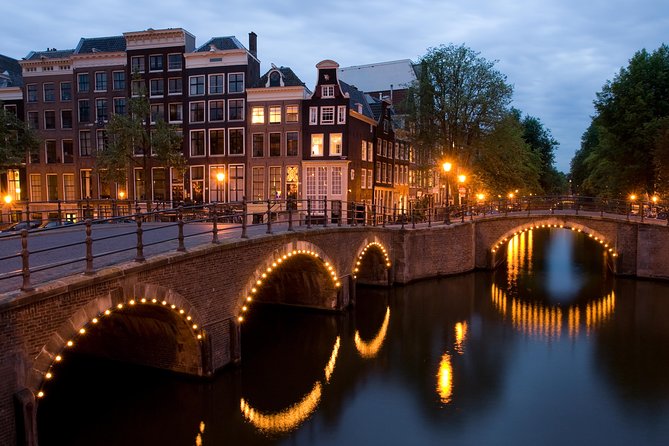
Canal houses tell stories; this tour shows how. In 2 hours 30 minutes, you walk the Amsterdam canal ring with a personal guide, so you get the real logic behind the skyline instead of just photos and passersby.
I particularly love two things: stepping inside Huis Bartolotti to see the interior design up close, and being able to ask questions freely while your guide connects each building to the city’s bigger story. If you care about details like gable-ends, widths, and why churches look the way they do, this kind of guided pacing really helps.
The main catch is the format: it’s a walking tour with moderate physical fitness expected. It’s not the best choice if you want zero stairs or very slow stops, and the price can feel steep if you’re traveling solo and can’t spread it across a full group.
In This Review
- Key things you’ll notice on this walk
- Private pacing makes Amsterdam’s architecture click
- Where you start: Brouwersgracht and getting oriented fast
- Reading the canal ring like a map: structure, water, and skyline logic
- Late-17th-century architecture with a human problem behind it
- Huis Bartolotti: stepping into canal-house luxury (and its gardens)
- Westerkerk and early-17th-century design in the church skyline
- House with the Heads and a UNESCO-listed library angle
- The guide experience: stories, clarity, and names you might meet
- Price and value: $384.63 per group (up to 8) in plain terms
- Practical fit: who this tour suits best (and who might want another option)
- Should you book? A quick honest decision guide
- FAQ
- How long is the Amsterdam Architecture Tour?
- Is this a private tour?
- What language is the tour offered in?
- Do I need a ticket, and is it mobile?
- Where does the tour start?
- Where does the tour end?
- Which stops are included?
- Is admission to Huis Bartolotti included?
- What kind of fitness level do I need?
- Can I get a full refund if I cancel?
- One last thought before you book
Key things you’ll notice on this walk
- Private guide, not a big group: you set the questions pace and stay comfortable.
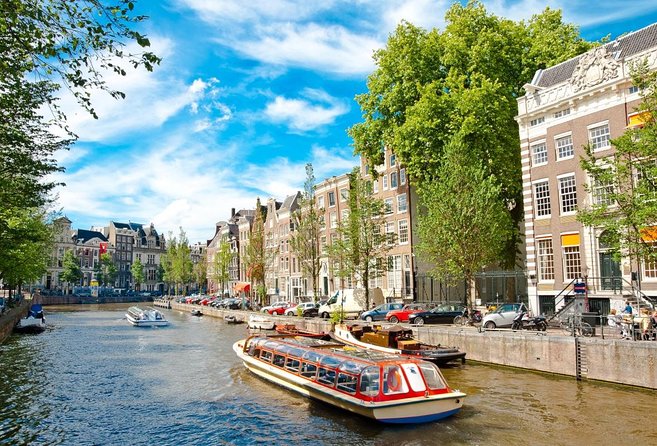
- Canal-ring architecture read from the water: you start seeing patterns fast.
- Late-17th-century solutions for restricted space: buildings respond to rules and community needs.
- Inside Huis Bartolotti: a short visit that adds a lot to the story of canal living.
- Westerkerk and early-17th-century Amsterdam: church architecture becomes part of the skyline puzzle.
- House with the Heads and a UNESCO-listed library: architecture with modern access in mind.
Weighing your options? Here is how a few other Amsterdam tours compare.
- Amsterdam: Heineken Experience Ticket including 2 Drinks
★ 4.6 · 36,014 reviews - Amsterdam Classic Saloon Boat Cruise with Drinks and Cheese
★ 5.0 · 31,825 reviews - Amsterdam Luxury Canal Cruise + Unlimited Drinks & Bites option
★ 5.0 · 30,518 reviews - Amsterdam: Rijksmuseum Entry Ticket
★ 4.7 · 29,512 reviews
Private pacing makes Amsterdam’s architecture click
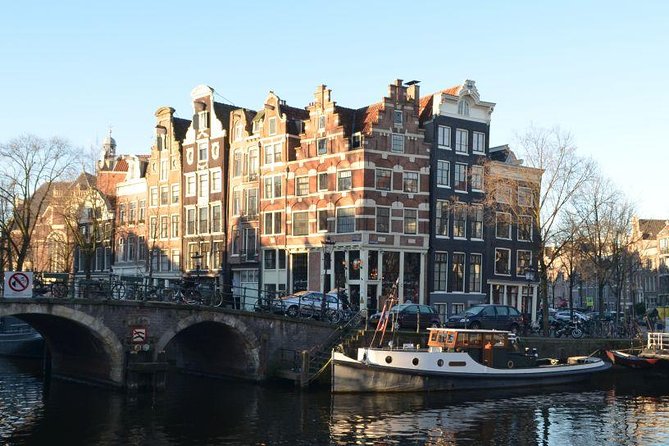
Amsterdam’s canal belt can feel like one long picture-per-minute route unless someone gives you a way to read what you’re seeing. This tour is built for that. You move through the canal ring at a human speed, with a guide who can explain what you’re looking at right now, not three turns later when the moment is gone.
A big win here is the group size. With your own guide and only your group joining you, you’re not squeezing around others to hear the explanation. That matters in Amsterdam, where sightlines get crowded quickly and foot traffic can turn a thoughtful stop into a rushed one.
You also get flexibility in start times, which is handy if your day is already loaded with museums, markets, or a canal cruise you don’t want to cut short. In short: you’re buying clarity, not just movement.
Where you start: Brouwersgracht and getting oriented fast
The meeting point is Design Amsterdam, Brouwersgracht 64 (1013 GX), and the tour ends back there. Starting on Brouwersgracht is smart because it puts you immediately in the canal-world logic: buildings face the water, the street plans match the waterways, and the “why” behind the skyline is easier to spot when you’re already standing alongside it.
You’ll likely get your bearings early: the guide frames the canal ring so the rest of the walk feels connected. That early orientation is key, because Amsterdam’s architecture is full of repeating features—gable shapes, canal-house proportions, church silhouettes—so once you know what to compare, everything starts lining up.
It’s also described as near public transportation. That helps if you’re planning your day with tram or metro timing, or if you don’t want to fight traffic and parking just to start a walk.
Reading the canal ring like a map: structure, water, and skyline logic
One of the first things you do is learn the structure of the Amsterdam canal ring and the main types of architecture along the water. This is where the tour earns its keep. Instead of treating the canals like a pretty backdrop, you learn what the layout does for the city—how trade, growth, and urban design shaped what stands today.
The guides on this kind of walk also tend to point out small skyline clues that most people miss: why the skyline looks the way it does, how fortifications and waterways mattered for keeping the city stable, and how the city expanded rapidly from medieval times as trade developed. You’ll also hear story details tied to specific landmarks along the way, including well-known name-and-place links that give you a mental map you can keep after the tour ends.
If you enjoy “oh, now I get it” moments, this segment usually delivers them early. Once you understand the canal ring’s pattern, you stop seeing random façades and start seeing a system.






Late-17th-century architecture with a human problem behind it
Midway through, you’ll encounter a rare kind of Amsterdam architecture lesson: the idea that buildings weren’t just decorative. They solved physical restrictions for religious minorities in the late 17th century.
That’s a powerful angle because it turns architecture into evidence. You start looking at constraints—space, rules, and visibility—and how designers worked within them. Even without getting lost in technical language, you can learn how communities adapted and how that adaptation shows up in forms and placement.
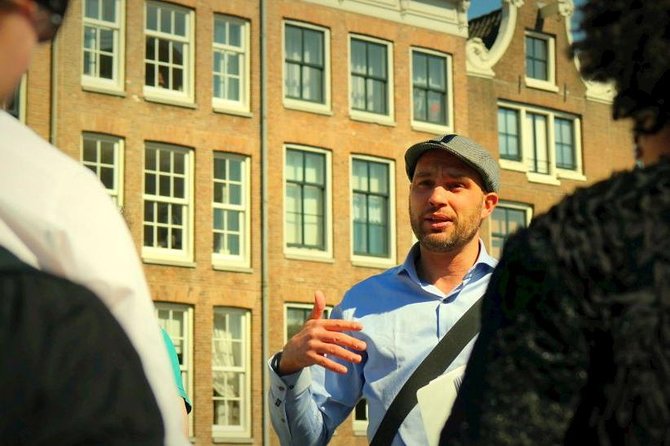
This is also the part of the tour that tends to stick with people. It’s easy to enjoy canal houses as aesthetics. It’s harder to understand them as lived systems. A good private guide makes that translation feel natural, and this tour’s reviews repeatedly highlight guides who explain history clearly and with energy—exactly what you want for a topic like this.
Huis Bartolotti: stepping into canal-house luxury (and its gardens)
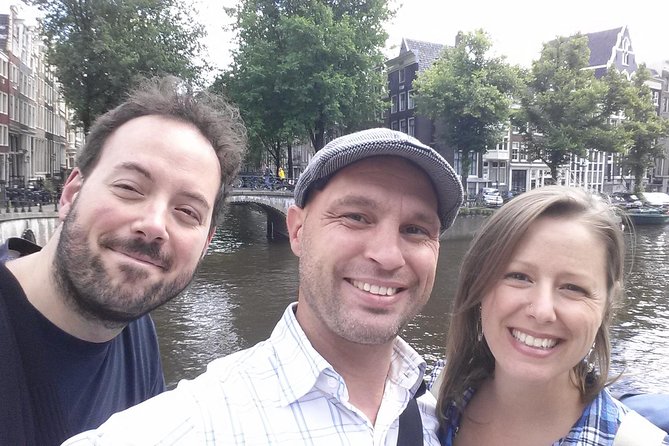
The walk includes a visit to Huis Bartolotti, described as the most beautiful canal house in Amsterdam, with its interior design as a major highlight. You get about 15 minutes, and the admission ticket is included, which is a practical plus. You’re not hunting for a separate ticket or losing time figuring out entry on the spot.
Why the interior matters: canal houses weren’t just fronts. The style and layout tell you how wealthy residents lived, where they worked, how rooms were arranged, and what residents valued. Even a short indoor stop can change how you interpret the façades outside.
There’s also a special link made in the tour: the secret behind the canal ring is its gardens. That matters because gardens are where you see the city’s private life—an element that doesn’t show clearly from the street. Once you understand that canal living often relied on internal space and controlled outdoor pockets, the whole ring feels more human and less postcard-perfect.
The potential drawback is time. Fifteen minutes is enough to get the key impressions, but if you want a slow, camera-at-every-corner kind of museum pace, you may feel slightly rushed. Still, for an architecture-focused walking tour, it’s a strong add-on.
Westerkerk and early-17th-century design in the church skyline
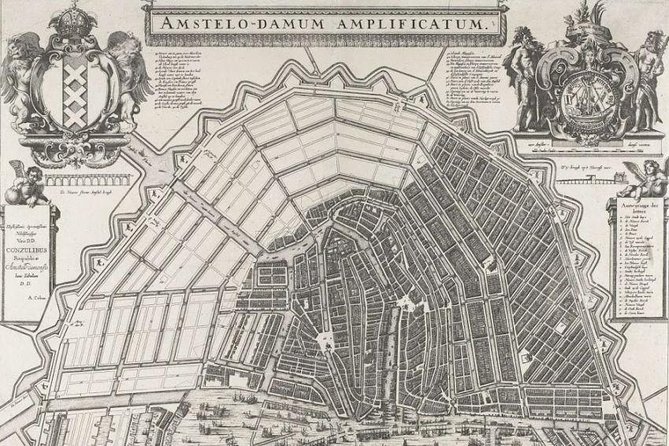
After Huis Bartolotti, the tone shifts to early 17th-century architecture, with a special focus on Westerkerk. Churches in Amsterdam are not just places of worship; they’re major skyline anchors. Their forms, proportions, and details become part of how you read the city from different angles.
This segment helps you connect church architecture to broader urban development. When you understand early-17th-century design choices, you can better spot why Amsterdam’s buildings look the way they do—especially when you compare canal-house lines with church silhouettes.
The guide approach matters here too. In reviews, people highlight the way guides explain odd-but-specific details clearly and with enthusiasm—like how one church has a swan on top of a Protestant domed church. It’s the kind of detail you might walk past without a clue. With a guide, it becomes a signpost for style and symbolism.
House with the Heads and a UNESCO-listed library angle
One of the tour’s standout stops is the House with the Heads, described as an extravagant early 17th-century canal house in Dutch Renaissance style. The tour also connects it to the fact that the building is home to a special UNESCO-listed library.
This is a neat pairing: a historic canal house façade plus an active institutional interior. If you like your architecture stories to include what buildings became after the original period, this stop helps. You’re not only learning what it looked like; you’re learning how the structure carries forward.
Even if you’re not a hardcore architectural historian, this kind of stop gives you something tangible to remember: the building has personality, and the library connection turns that personality into context. It’s also the sort of stop that makes a walking tour feel like more than outdoor sightseeing.
The guide experience: stories, clarity, and names you might meet
The difference between a so-so architecture walk and a great one is usually the guide’s ability to make connections. This tour is offered by Historical Amsterdam Tours, and the reviews you provided point to guides like Edgar and Tijs (also mentioned as Thijs) who bring the city’s story into focus.
What you’re likely to get from guides like Edgar and Tijs is the combination of facts and story sense: why the canal fortifications mattered, what remnants of old city walls can still be seen, and how the reasons behind things like fair trade coffee origins can show up in surprising city corners. You may also hear links to the Multatuli statue on the oldest bridge in Amsterdam, plus the detail that there’s a prison below it—small facts, but they make the city feel layered instead of flat.
If you like architecture explained in plain language, that matters. The tour’s format makes it easy to ask questions, and the best guides use those questions to steer you toward what you care about most.
Price and value: $384.63 per group (up to 8) in plain terms
Let’s talk money in the way you actually plan a trip.
The tour price is $384.63 per group, for up to 8 people, and it runs about 2 hours 30 minutes. That’s not a bargain price if you’re traveling alone. But it’s a different deal if you’re traveling as a family, a couple with friends, or a small group that wants one guide instead of splitting into separate groups.
Where the value usually shows up:
- You get private attention for your whole time slot.
- You get a short indoor experience at Huis Bartolotti with admission included.
- You get a structured architecture “read” of the canal ring, which saves you effort compared to trying to piece it together yourself.
Think of it as paying for interpretation. You’re not just paying to walk around Amsterdam—you’re paying to understand what you’re seeing as you see it.
Practical fit: who this tour suits best (and who might want another option)
This is best for you if:
- You enjoy architecture and want more than surface descriptions.
- You like asking questions and getting direct answers, not listening to one long script.
- You want a route that builds context across multiple stops in a single outing.
It may be less ideal if:
- You have very limited mobility or need a minimal-walking experience. The tour calls for moderate physical fitness.
- You want lots of free time to roam off-script for long stretches. This is a guided walk with purposeful stops.
Also, because the tour ends back at the meeting point, it’s a clean way to plan the rest of your day. You don’t risk ending up across town.
Should you book? A quick honest decision guide
I’d book this if your goal is to see Amsterdam’s canal ring with meaning. The private guide angle, the indoor visit to Huis Bartolotti, and the combination of canal-house and church architecture make it a strong way to spend a half-day.
Skip it only if walking is a deal-breaker for you, or if you’re traveling solo and you’re hoping for the lowest possible cost. For a small group who cares about understanding the city’s design logic, this tour offers good value—and it gives you a way to look at Amsterdam after you leave.
FAQ
How long is the Amsterdam Architecture Tour?
It lasts about 2 hours 30 minutes.
Is this a private tour?
Yes. It’s private, so only your group participates.
What language is the tour offered in?
The tour is offered in English.
Do I need a ticket, and is it mobile?
You receive a mobile ticket.
Where does the tour start?
The meeting point is Design Amsterdam, Brouwersgracht 64, 1013 GX Amsterdam.
Where does the tour end?
It ends back at the meeting point.
Which stops are included?
You’ll see the Amsterdam canal ring, visit Huis Bartolotti, learn about early 17th-century architecture including Westerkerk, and view the House with the Heads (with its UNESCO-listed library connection).
Is admission to Huis Bartolotti included?
Yes. The admission ticket is included for Huis Bartolotti.
What kind of fitness level do I need?
The tour lists a moderate physical fitness level as the expectation.
Can I get a full refund if I cancel?
Yes, free cancellation is available. You must cancel at least 24 hours in advance for a full refund.
One last thought before you book
If you want Amsterdam to make sense—canal-ring structure, why buildings look the way they do, and what stories are hidden behind façades—this private architecture walk is one of the smarter ways to spend your time. Bring good walking shoes, pick a start time that doesn’t rush you, and let your guide connect the dots.
More Tours in Amsterdam






More Tour Reviews in Amsterdam






Just added: fresh Amsterdam tour reviews





Tours, compared.
 ★ 4.6Zaanse Schans, Edam, Volendam & Marken Bus TourFrom $3215,034 reviews
 ★ 4.8Amsterdam Anne Frank: Small-Group Walking Tour & Local GuideFrom $2912,789 reviews
 ★ 5.0Anne Frank’s Story – Guided Walking Tour through AmsterdamFrom $3911,619 reviews
 ★ 4.6Johan Cruijff ArenA Tour with Optional GuideFrom $328,954 reviews
 ★ 4.9Red Light District Tour in DE/EN/IT/ES/FRFrom $287,136 reviews
 ★ 4.7Big Bike tour Amsterdam – See all in 3 unforgettable hoursFrom $344,929 reviews
 ★ 4.4Guided Zaanse Schans, Windmills & Cheese TourFrom $224,826 reviews
 ★ 4.0Windmill Tour from Amsterdam, Including Volendam & MarkenFrom $374,572 reviews